Bonus Episode: Previewing Israel’s First Post-October 7 Election
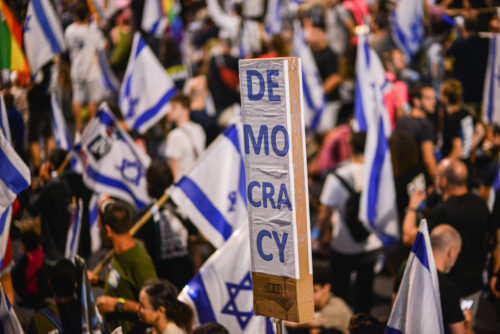
Israel is preparing to hold what may be its most consequential election in decades. On October 27, Prime Minister Benjamin Netanyahu will face his first electoral test since October 7, 2023. In this bonus episode of Middle East Focus, we present the audio from a recent MEI webinar, hosted in Israel on the eve of the vote. Senior Fellow Natan Sachs is joined by Dr. Shira Efron, Distinguished Chair for Israel Policy and senior fellow at the RAND Corporation, and Neri Zilber, veteran journalist and Financial Times correspondent. They explore what’s at stake in this historic election and how different outcomes could reshape Israel’s domestic politics and the wider region.
Israel Was Built on Hope. This Election May Be Our Last Chance to Save It
Israel’s national anthem, Hatikva, means “the hope.” Israel is not just another country, but the culmination of a 2,000-year-old dream of national redemption. The rebirth of the Jewish people’s ancestral homeland, just three years after the Holocaust, was a miraculous triumph of hope over all odds.
Today, that hope has been shattered and the elections on October 27 have become the most consequential in Israel’s history.
Washington says it doesn’t know who runs Iran. Tehran insists its leadership is united. MEI Senior Fellow Alex Vatanka joins hosts Alistair Taylor and Matthew Czekaj to sort out where the truth lies. They look at the small circle of political and military figures now steering the war effort in Tehran: who they are, how they make decisions, and how unified they really are. They also discuss the current state of US-Iran negotiations, the role of the upcoming midterm elections in the United States, and how the Islamic Republic is preparing for a potential renewal of conflict afterward.
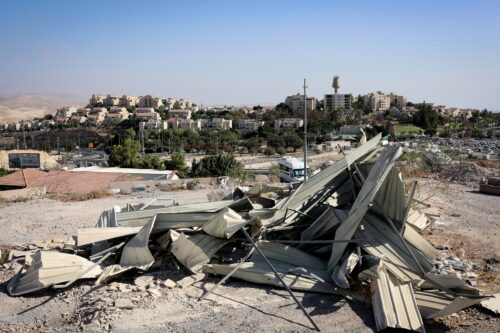
Since 1967, Israeli settlements in the West Bank have been a contested feature of the Israeli-Palestinian conflict. The ultimate disposition of the settlements and ongoing activity related to their growth have repeatedly defied agreement in negotiations over a resolution to the conflict.
The Houthis are a political-military faction and Zaydi religious movement founded in northwestern Yemen in the 1980s. A key member of Iran’s Axis of Resistance with links to other militant organizations in the Arabian Peninsula and the Horn of Africa, the group has continued to pose a threat to Western interests on a global scale.
The India-Middle East-Europe Economic Corridor (IMEC) is a proposed multinational infrastructure initiative aimed at upgrading connectivity between the three regions through integrated trade, energy, and digital networks. Announced at the G20 summit in New Delhi in September 2023, IMEC is envisioned partially as a counterweight to China’s international infrastructure project, the Belt and Road Initiative.
After a decade of post-Arab Spring isolation, Turkey’s leaders have recognized that their ambition to position the country as an agenda-setter on the world stage requires active engagement in all directions. President Recep Tayyip Erdoğan’s consolidation of executive authority has centralized foreign policy decision-making and tied it to his domestic political priorities, transforming the country’s revisionist approach to one shaped primarily by personal and pragmatic interests.
MEI Senior Fellow Brian Katulis engages friends, colleagues, and policy experts in casual conversations on the most important happenings in the Middle East.
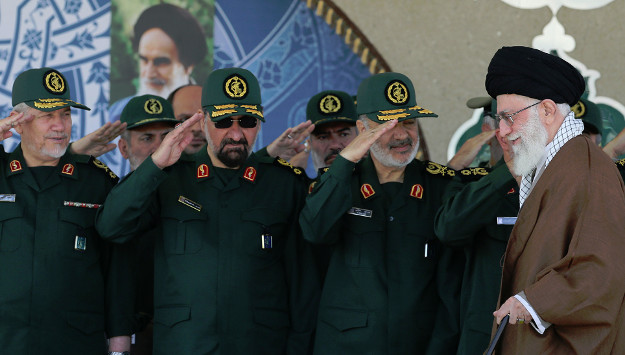
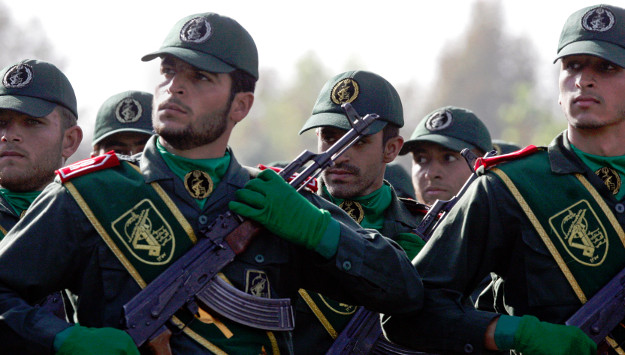
The Islamic Revolution Guards Corps (IRGC) said today that Iran is the most powerful country in the Middle East and will defy international pressure on defense capabilities, particularly its missile program. “The repeated defeats of America, the Zionist regime [Israel] and the European and regional allies of Washington and Tel Aviv in proxy wars and Takfiri terrorism – which have turned out to be contrary to their expectations – are a reminder of the undeniable fact that the Islamic Republic of Iran, as the undisputable No.
With the absence of multilateral diplomatic forums in the Middle East and the Trump administration scaling back on U.S. diplomatic outreach, the role of backdoor diplomatic channels, known as “Track II” dialogues, has seldom been more important. Randa Slim, director of MEI’s program on conflict management and Track II dialogues, and Robert Ford, former US ambassador to Syria, join Paul Salem to discuss the role of these dialogues in addressing issues ranging from the Syrian civil war to the conflict in Yemen and regional tensions between Iran and Saudi Arabia.
In the wake of his announcement to relocate the U.S. embassy in Israel to Jerusalem, President Trump has also vowed to cut funding to the United Nations Relief and Works Agency for Palestine Refugees (UNRWA) by 83 percent, in a stated effort to bring the Palestinian Authority to the negotiating table. International governments and NGOs swiftly condemned these funding cuts by the United States, citing the critical role UNRWA plays in promoting security and stability in the region through health, education, and assistance programs for Palestinian refugees.
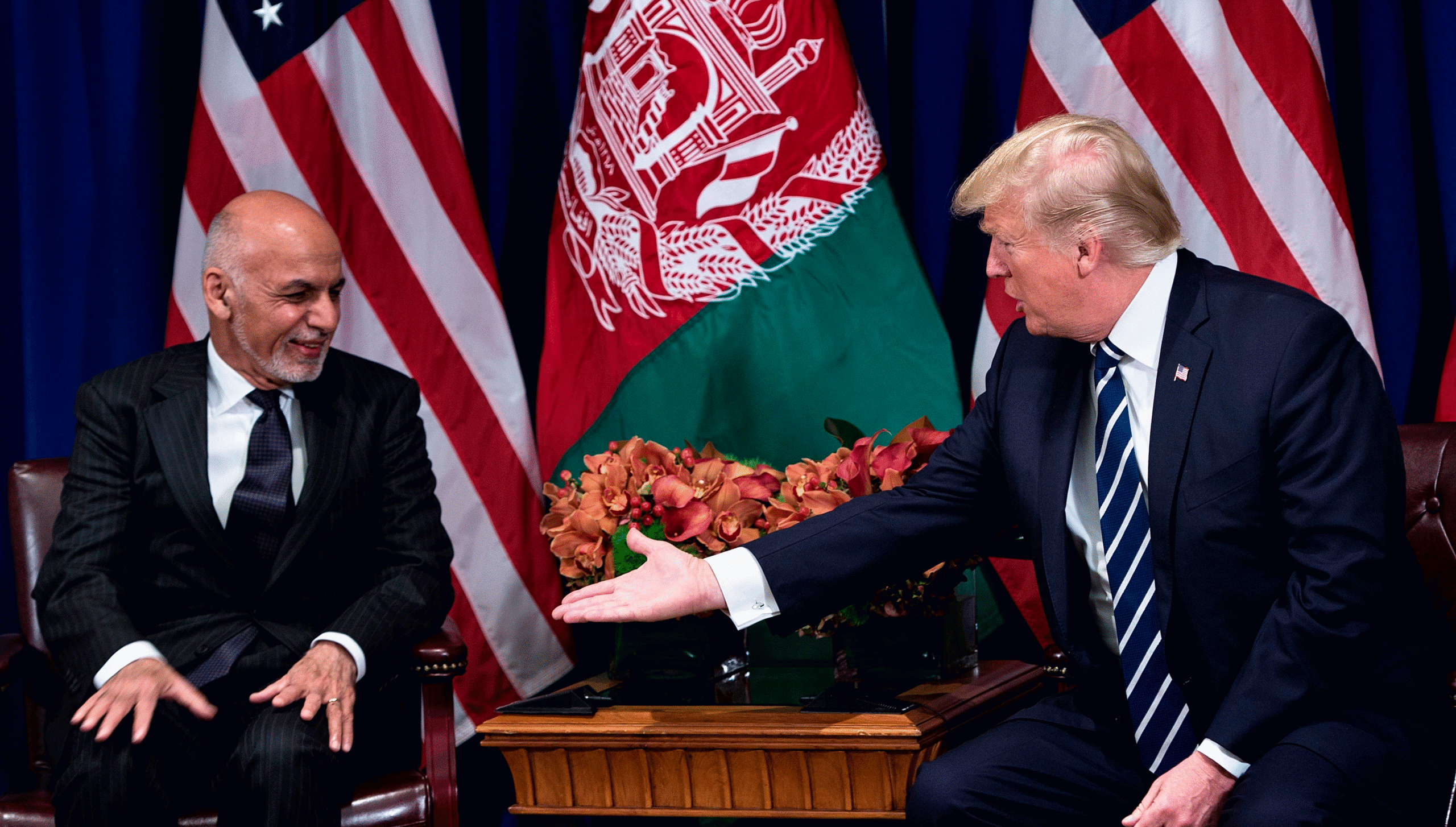
A series of devastating terror attacks orchestrated by the Afghan Taliban and the Haqqani network in the past two weeks have unnerved both the United States and Afghanistan. Visibly upset over the lack of success of his recently announced strategy on Afghanistan, President Donald Trump has declared that “We don’t want to talk to the Taliban.
Open letter: US-Turkey cooperation remains vital for Syria
Secretary of State Rex Tillerson and National Security Advisor H.R. McMaster, you will visit Ankara this weekend and next week to address what is now a crisis between the United States and Turkey. We are on a collision course over dramatically opposing goals. The United States is determined to eliminate ISIS as a threat in Syria and prevent its return. Turkey is determined to block any coalition of Kurdish forces from having a viable military presence on its borders. Over the past few years, each country has tried—and failed—to persuade the other to support its strategy.
Bahrain says IRGC plotted pipeline bombing near Manama
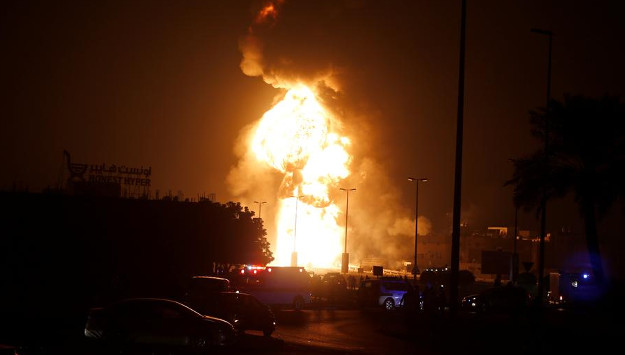
On Wednesday, the Bahraini Foreign Ministry announced that the country’s security forces have arrested four members of a “terrorist cell” involved in a bomb attack on an oil pipeline and claimed that the suspects had received training in Iran by the Islamic Revolution Guards Corps (IRGC).
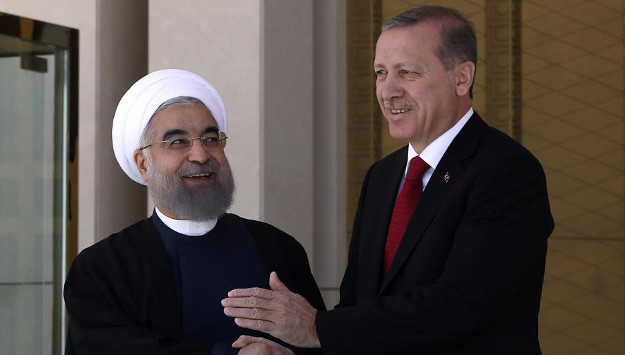
Rouhani, Erdogan pledge cooperation, but mutual distrust remains
In a telephone conversation earlier today, Iranian President Hassan Rouhani and his Turkish counterpart Recep Tayyip Erdogan discussed the latest developments in the Syrian conflict. According to Iranian and Turkish media outlets, the two leaders agreed to continue to cooperate to tackle regional security and terrorism problems.
Another Iran-backed militia group threatens US troops in Iraq
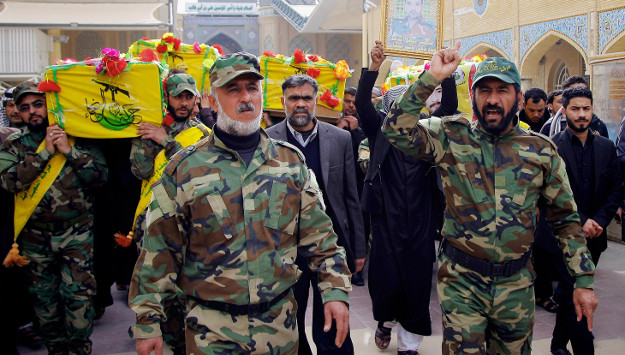
A senior official of Harakat al-Nujaba, an Iranian-supported militia group fighting in Iraq and Syria, issued a threat against the US military in Iraq and called on Washington to pull out its troops from the country, the Iranian media reported. “We will never forget the atrocities of the United States in our country and we still have not settled a score with America,” Nasr al-Shamri, an executive director of the group said in a live interview with Al-Furat TV in Iraq.
Iran-backed Iraqi militias step up threat of violence against US forces in Iraq
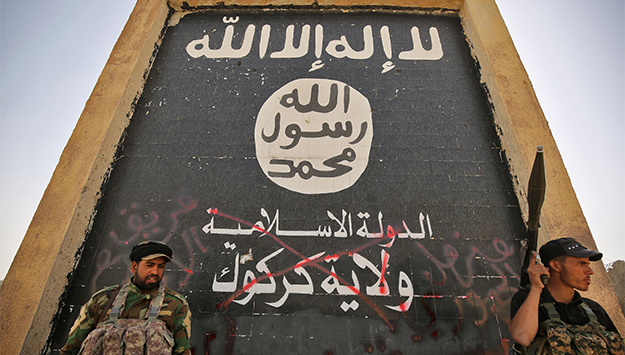
With ISIS militarily defeated, Iran’s militia allies in Iraq are increasingly threatening violence against American troops and calling for the US withdrawal from the country. On February 7, Kata’ib Hezbollah, an Iranian-supported unit within Iraq’s Popular Mobilization Force (PMF), issued a statement, warning that its fighters will begin to militarily confront American troops “at any moment” if Washington decides to keep a long-term military footprint in Iraq.
Syria: Which Way Forward? | Congressional Testimony by Charles Lister
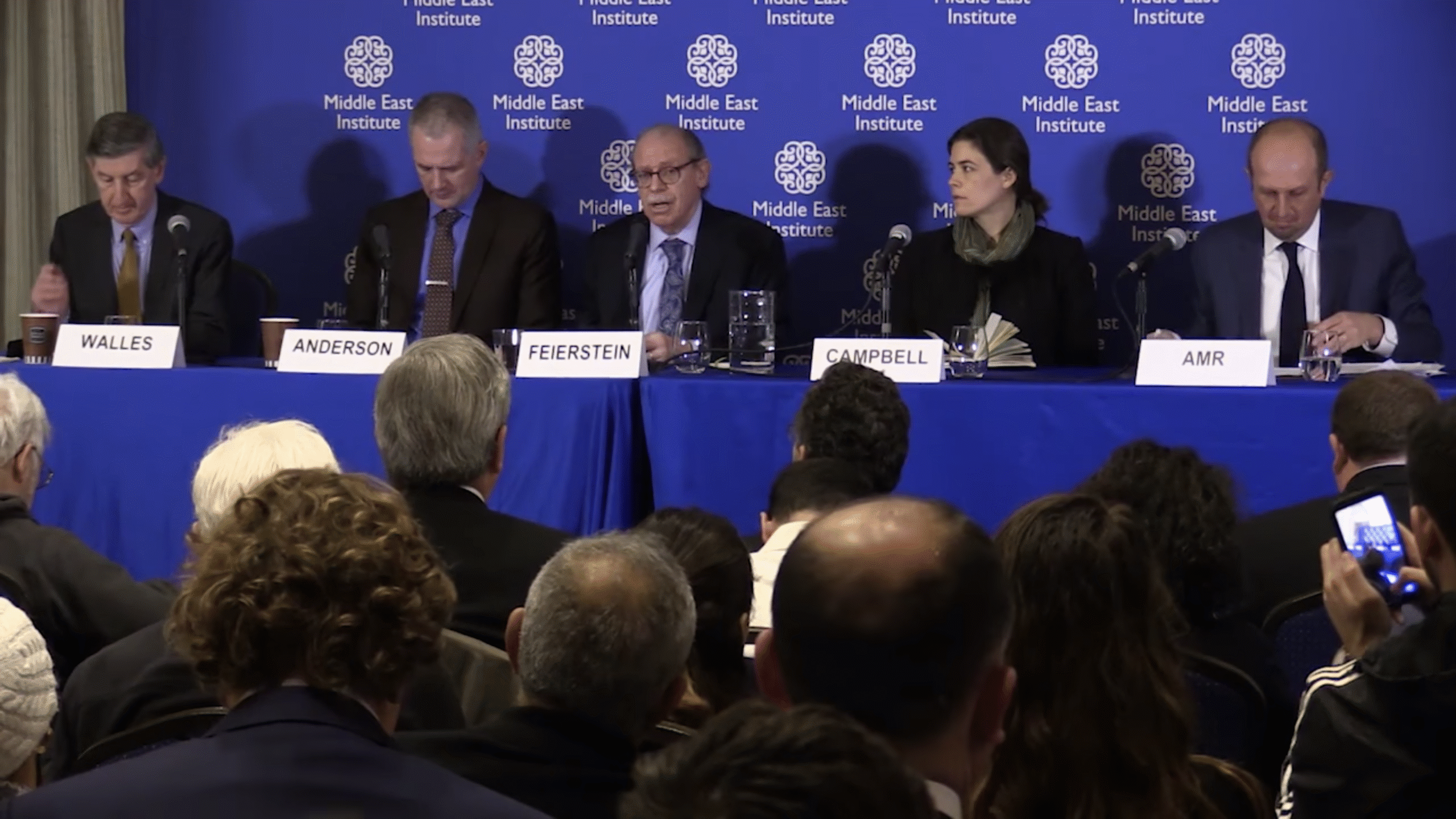
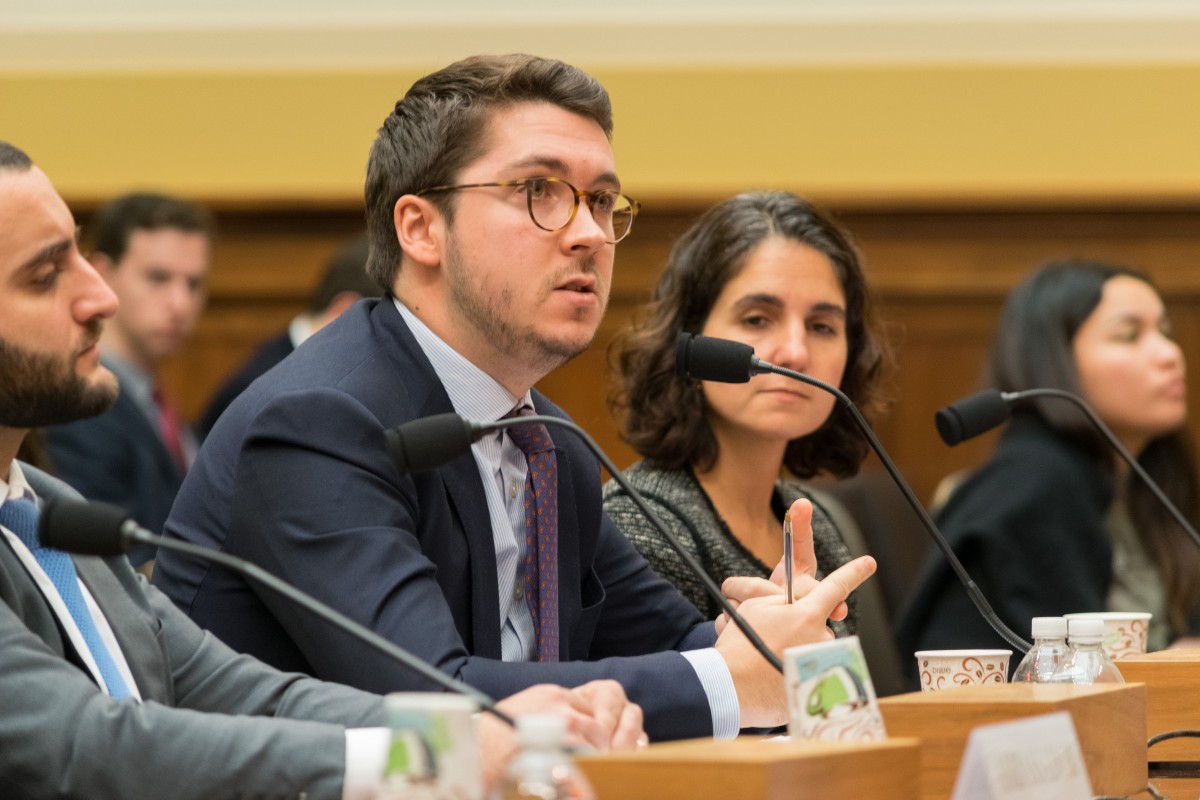
The below testimony was delivered to the House Foreign Affairs Committee by Charles Lister on February 6, 2018. See also testimony by Amb. Robert S. Ford, delivered at the same hearing, or the video webcast of the proceedings.
Syria: which way forward? | Testimony by Amb. Robert S. Ford
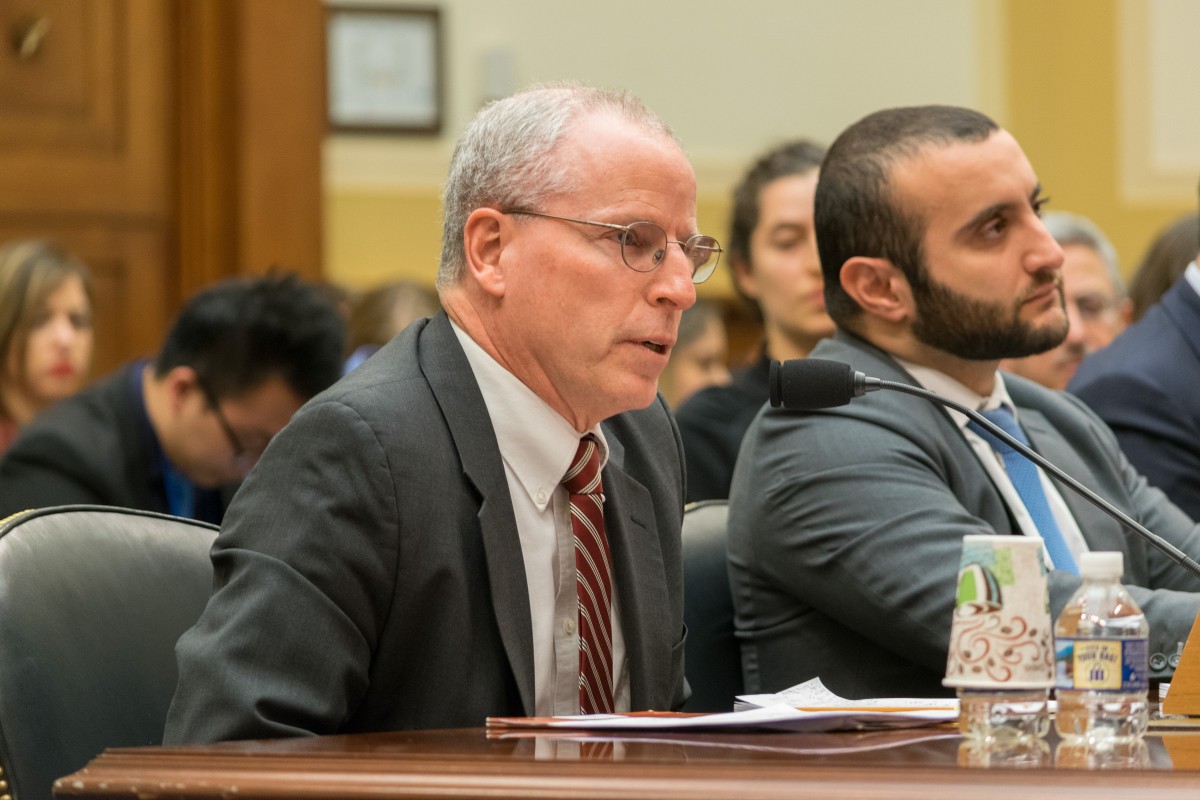
The below testimony was delivered before the House Foreign Affairs Committee by Amb. (ret.) Robert S. Ford on February 6, 2018. See also testimony by Charles Lister, delivered at the same hearing, or the video webcast of the proceedings.
Indonesia and Terrorism: Success, Failure, and an Uncertain Future
Over the last decade, many in the international community have asked how, as a country with the largest population of Muslims — 255 million in 2016 — Indonesia has successfully dealt with terrorism relative to other countries in the Muslim world. As the international community struggles to solve the problem of religion-inspired terrorism, experts, academics, and senior government officials alike have identified Indonesia as a country from which the world can learn lessons about how to defeat terrorists and build democracy. However, analysis of counterterrorism in Indonesia since Reformasi in 1998 suggests it may premature to draw conclusions about success and failure. Where lessons can be learned, many lie in the actions of the Indonesian government, the societal factors that have enabled it, and the precarious state of “success” against terrorism.
The oldest peer-reviewed publication dedicated to the study of the modern Middle East, MEI’s flagship journal covers politics, society, and culture in the region.