Bonus Episode: Previewing Israel’s First Post-October 7 Election
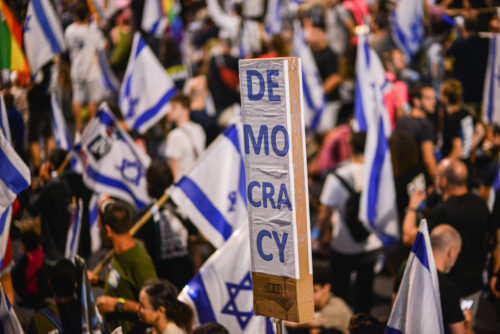
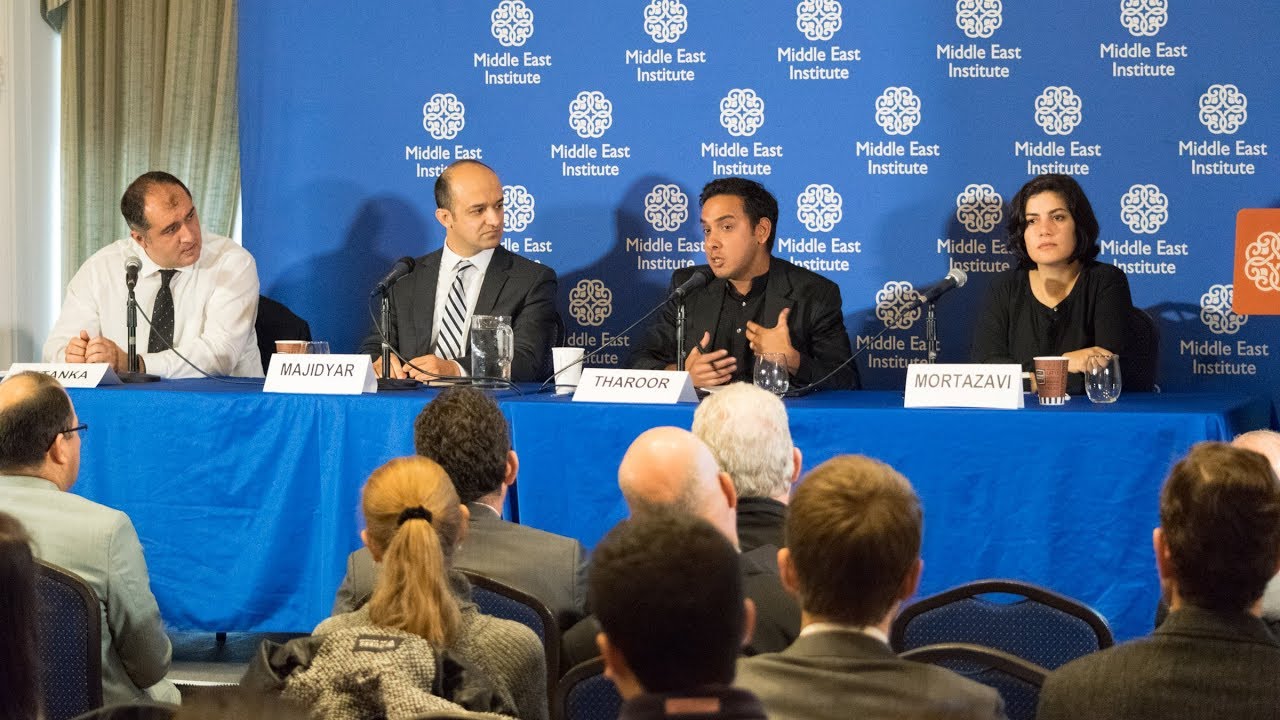
Israel is preparing to hold what may be its most consequential election in decades. On October 27, Prime Minister Benjamin Netanyahu will face his first electoral test since October 7, 2023. In this bonus episode of Middle East Focus, we present the audio from a recent MEI webinar, hosted in Israel on the eve of the vote. Senior Fellow Natan Sachs is joined by Dr. Shira Efron, Distinguished Chair for Israel Policy and senior fellow at the RAND Corporation, and Neri Zilber, veteran journalist and Financial Times correspondent. They explore what’s at stake in this historic election and how different outcomes could reshape Israel’s domestic politics and the wider region.
Israel Was Built on Hope. This Election May Be Our Last Chance to Save It
Israel’s national anthem, Hatikva, means “the hope.” Israel is not just another country, but the culmination of a 2,000-year-old dream of national redemption. The rebirth of the Jewish people’s ancestral homeland, just three years after the Holocaust, was a miraculous triumph of hope over all odds.
Today, that hope has been shattered and the elections on October 27 have become the most consequential in Israel’s history.
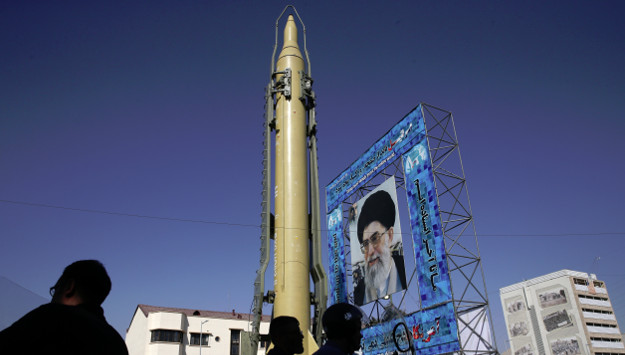
Washington says it doesn’t know who runs Iran. Tehran insists its leadership is united. MEI Senior Fellow Alex Vatanka joins hosts Alistair Taylor and Matthew Czekaj to sort out where the truth lies. They look at the small circle of political and military figures now steering the war effort in Tehran: who they are, how they make decisions, and how unified they really are. They also discuss the current state of US-Iran negotiations, the role of the upcoming midterm elections in the United States, and how the Islamic Republic is preparing for a potential renewal of conflict afterward.
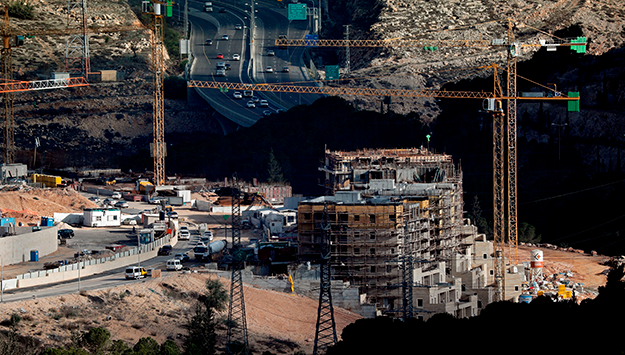
Since 1967, Israeli settlements in the West Bank have been a contested feature of the Israeli-Palestinian conflict. The ultimate disposition of the settlements and ongoing activity related to their growth have repeatedly defied agreement in negotiations over a resolution to the conflict.
The Houthis are a political-military faction and Zaydi religious movement founded in northwestern Yemen in the 1980s. A key member of Iran’s Axis of Resistance with links to other militant organizations in the Arabian Peninsula and the Horn of Africa, the group has continued to pose a threat to Western interests on a global scale.
The India-Middle East-Europe Economic Corridor (IMEC) is a proposed multinational infrastructure initiative aimed at upgrading connectivity between the three regions through integrated trade, energy, and digital networks. Announced at the G20 summit in New Delhi in September 2023, IMEC is envisioned partially as a counterweight to China’s international infrastructure project, the Belt and Road Initiative.
After a decade of post-Arab Spring isolation, Turkey’s leaders have recognized that their ambition to position the country as an agenda-setter on the world stage requires active engagement in all directions. President Recep Tayyip Erdoğan’s consolidation of executive authority has centralized foreign policy decision-making and tied it to his domestic political priorities, transforming the country’s revisionist approach to one shaped primarily by personal and pragmatic interests.
MEI Senior Fellow Brian Katulis engages friends, colleagues, and policy experts in casual conversations on the most important happenings in the Middle East.
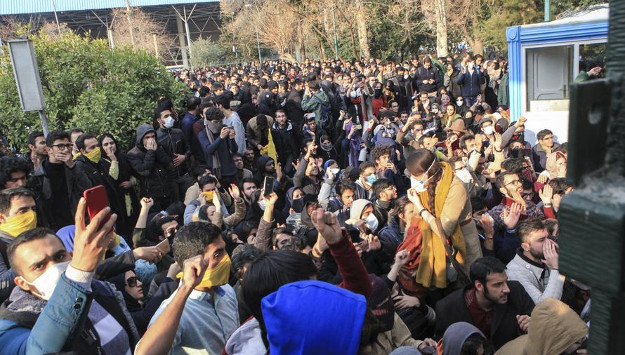
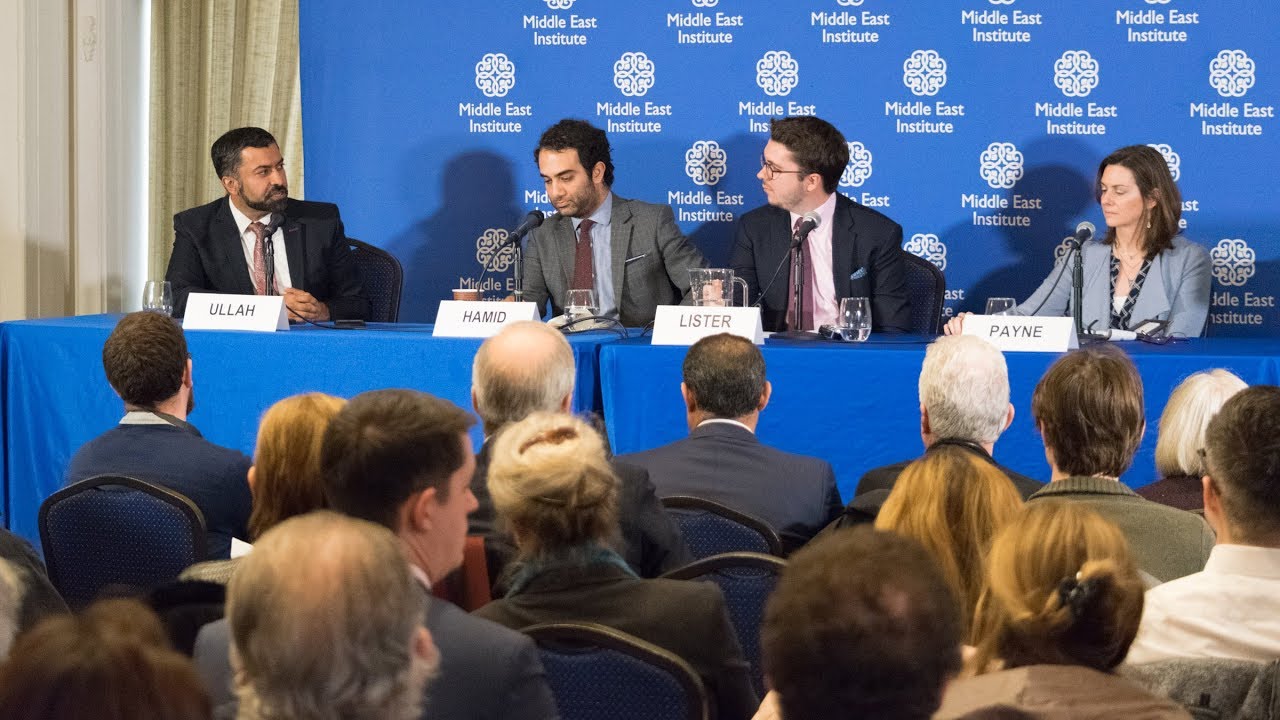
January 12, 2018 – The protests shaking provincial cities and towns in Iran since December 28, 2017 are a new and different phenomenon for the Islamic Republic. Young, politically voiceless people of modest means are apparently frustrated over the economic prospects and inequities they perceive. The Middle East Institute (MEI) and Radio Free Europe/Radio Liberty (RFE/RL) were pleased to provide an inside view of the demonstrations and how they contrast with the “Green Movement” of 2009 or an Iranian “spring” of the like that spread through the Arab world in 2011.
Trump will no longer waive U.S. nuclear sanctions on Iran | Weekly Briefing
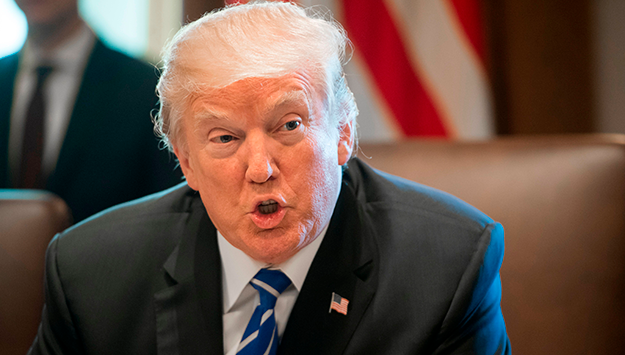
In this week’s Monday Briefing, MEI experts Alex Vatanka, Charles Lister, Marvin G. Weinbaum, and Eran Etzion provide analysis on recent and upcoming events including President Trump’s statement that he will no longer waive U.S. nuclear sanctions on Iran, new developments in northern Syria, Pakistan’s response to the withdrawal of U.S. security assistance, and Benjamin Netanyahu’s trip to India.
King Salman’s Historic Visit to Indonesia: Mirror of a Changing Saudi Arabia
This article examines the outcome and implications of King Salman’s historic trip to Indonesia in March 2017 — the first such visit by a Saudi monarch since King Faisal bin Abdulaziz Al Saud (1906–1975) met with President Suharto in 1970 in Jakarta. The article first provides a brief overview of the bilateral relationship. Next, it considers the extent to which King Salman’s visit succeeded in strengthening diplomatic ties and boosting economic cooperation. The article then examines the visit through the lens of some of the socio-cultural and religious changes that have been taking place in the Kingdom in recent years, which could help dispel some of the negative images of Saudi Arabia held by many Indonesians.
Afghanistan arrests government official on charge of spying for Iran
Afghan authorities in western Herat Province have arrested a government official who allegedly spied for Iran and transferred sensitive government documents to the Iranian intelligence agencies, the Afghan media reported. Jilani Farhad, the spokesman for the government of Herat, told the Khama News Agency that Asadullah Reza-yi, who previously worked in neighboring Farah Province, was under surveillance for a long time before he was arrested. The suspect is transferred to Kabul for further investigation, he added.
Iran rejects US demand for inspection of military sites
The deputy head of the Atomic Energy Organization of Iran (AEOI) has said that the Islamic Republic will not allow international inspectors to visit the country’s military sites, the Iranian media reported.
Militants step up antigovernment activities in Iran’s border regions
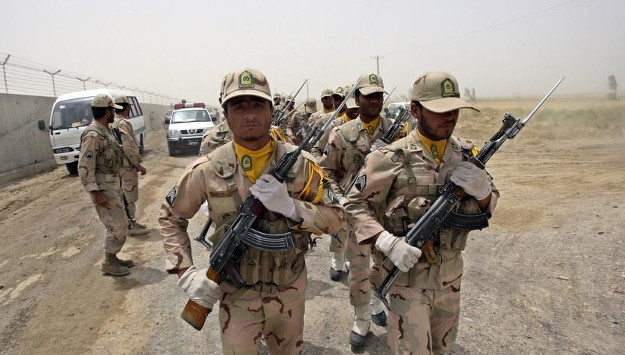
The Islamic Revolution Guards Corps (IRGC) said today that its forces have seized a shipment of explosives and suicide vests in the restive southeastern province of Sistan and Baluchestan. According to a statement released by the public relations department of the IRGC Ground Force’s Quds Base (not to be confused with IRGC’s elite Quds Force responsible for external operations), the explosives and communications and other assets were captured in the Saravan county of Sistan and Baluchestan.
In this extended episode to kick off 2018, Paul Salem interviews several MEI scholars on the key trends and events to watch for across the region in the year ahead. Guests include Alex Vatanka, Randa Slim, Gerald Feierstein, Marvin Weinbaum, Bilal Saab, and Gonul Tol.
Afghan politician cautions Tehran against aiding Taliban
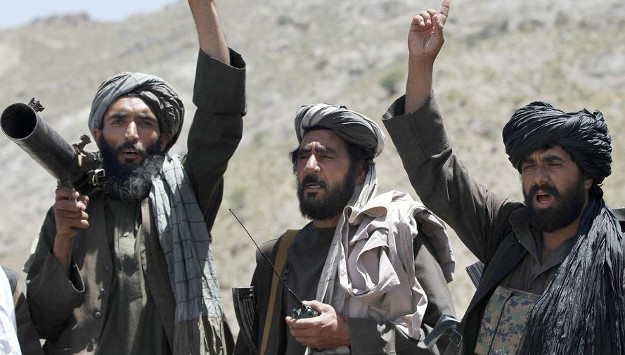
A prominent Afghan politician has cautioned that it is not in the interest of Iran to have close relations with the Taliban, Afghan media reported. “As an Afghan, I explicitly state that cultivating close relations – I hope it is a mistake – with an enemy, which has no difference with ISIS in its essence and substance, is harmful not only to the Iranian people but also to the people Afghanistan,” Amrullah Saleh, the head of the Afghan Green Trend and former intelligence chief, said at the Tehran Security Conference.
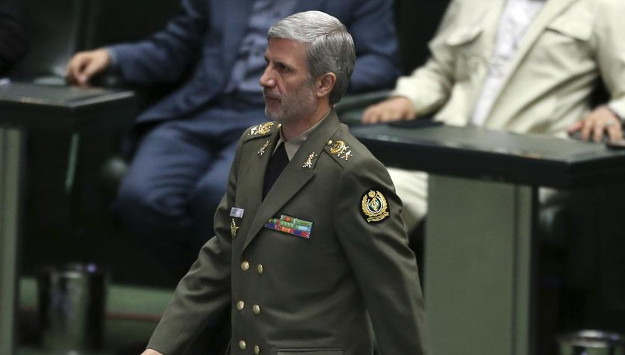
Iran’s defense minister threatens "retaliation" against US
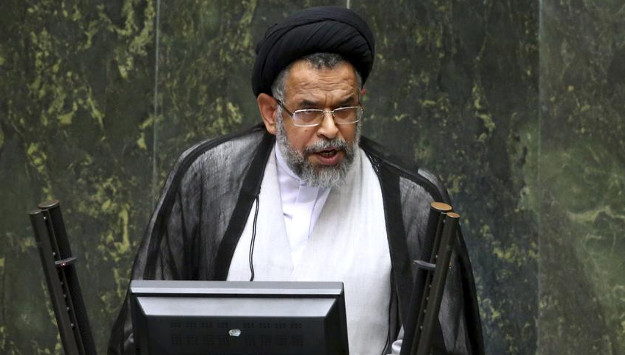
Iran’s Defense Minister accused the United States of playing a role in the latest anti-regime protests in the country and threatened that Tehran will take retaliatory measures against US interests.
Will latest anti-regime protests change Iran’s costly regional policies?
The latest antigovernment protests in Iran indicate that the regime’s costly and destabilizing role in regional conflicts is taking a political toll at home. While economic grievances are the key driver of the current protests, ordinary Iranians are questioning the wisdom of their government’s military adventurism abroad and support for foreign state and non-state actors at the expense of domestic priorities.
January 10, 2018 – Mobile technologies for consuming and spreading information are empowering individuals and nonstate actors in politics and in conflicts. Social media activists scrutinize authoritarian and democratic powers alike. Violent extremists such as ISIS have used the web to advance their ideologies, project invincibility, undermine governments, and sow fear and hatred. The information battlefield surrounds all internet users.
Fittingly for someone who divides her time between two river cities, DC-born, Baghdad-bred, and now London-based filmmaker Maysoon Pachachi says she is a woman who “lives on a bridge.”
“I’ve been a stranger everywhere I’ve lived,” says Pachachi, now 70, whose documentaries have captured life in Gazan refugee camps, downtown Beirut and medieval Cairo. “I’ve moved around my whole life, but I can adapt and fit in wherever I am.”
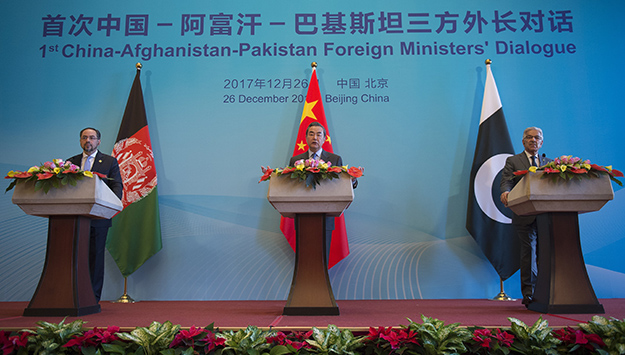
Afghanistan remains a key military and diplomatic challenge for the United States, with far-reaching strategic and economic implications. While achieving stability in war-torn Afghanistan is a prerequisite for regional peace, fixing matters there has become hostage to innumerable domestic contradictions as well as deep-rooted strategic mistrust among key regional stakeholders.
The oldest peer-reviewed publication dedicated to the study of the modern Middle East, MEI’s flagship journal covers politics, society, and culture in the region.