Bonus Episode: Previewing Israel’s First Post-October 7 Election
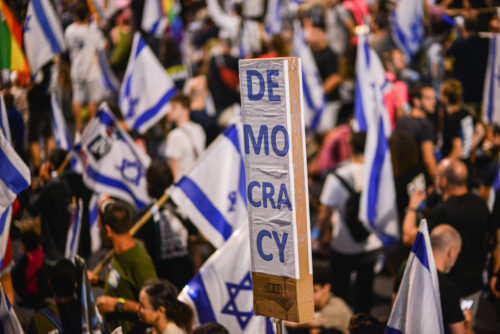
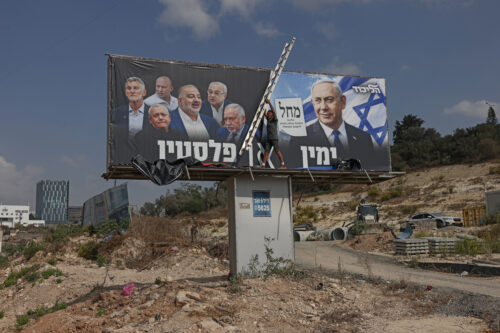
Israel is preparing to hold what may be its most consequential election in decades. On October 27, Prime Minister Benjamin Netanyahu will face his first electoral test since October 7, 2023. In this bonus episode of Middle East Focus, we present the audio from a recent MEI webinar, hosted in Israel on the eve of the vote. Senior Fellow Natan Sachs is joined by Dr. Shira Efron, Distinguished Chair for Israel Policy and senior fellow at the RAND Corporation, and Neri Zilber, veteran journalist and Financial Times correspondent. They explore what’s at stake in this historic election and how different outcomes could reshape Israel’s domestic politics and the wider region.
Israel Was Built on Hope. This Election May Be Our Last Chance to Save It
Israel’s national anthem, Hatikva, means “the hope.” Israel is not just another country, but the culmination of a 2,000-year-old dream of national redemption. The rebirth of the Jewish people’s ancestral homeland, just three years after the Holocaust, was a miraculous triumph of hope over all odds.
Today, that hope has been shattered and the elections on October 27 have become the most consequential in Israel’s history.
One striking thing about US President Donald Trump’s endorsement of Israeli Prime Minister Benjamin Netanyahu this past week is how isolated he was in making this call. The Israeli Prime Minister has become a widely detested figure worldwide following Israel’s war in Gaza—where Israel committed war crimes. This disdain was clearly on display in New York in September when dozens of diplomats streamed out of the hall during Netanyahu’s speech.
Since 1967, Israeli settlements in the West Bank have been a contested feature of the Israeli-Palestinian conflict. The ultimate disposition of the settlements and ongoing activity related to their growth have repeatedly defied agreement in negotiations over a resolution to the conflict.
The Houthis are a political-military faction and Zaydi religious movement founded in northwestern Yemen in the 1980s. A key member of Iran’s Axis of Resistance with links to other militant organizations in the Arabian Peninsula and the Horn of Africa, the group has continued to pose a threat to Western interests on a global scale.
The India-Middle East-Europe Economic Corridor (IMEC) is a proposed multinational infrastructure initiative aimed at upgrading connectivity between the three regions through integrated trade, energy, and digital networks. Announced at the G20 summit in New Delhi in September 2023, IMEC is envisioned partially as a counterweight to China’s international infrastructure project, the Belt and Road Initiative.
After a decade of post-Arab Spring isolation, Turkey’s leaders have recognized that their ambition to position the country as an agenda-setter on the world stage requires active engagement in all directions. President Recep Tayyip Erdoğan’s consolidation of executive authority has centralized foreign policy decision-making and tied it to his domestic political priorities, transforming the country’s revisionist approach to one shaped primarily by personal and pragmatic interests.
MEI Senior Fellow Brian Katulis engages friends, colleagues, and policy experts in casual conversations on the most important happenings in the Middle East.
Iran: Missile Strikes in Syria Carry Wider Warning to Regional States and U.S.
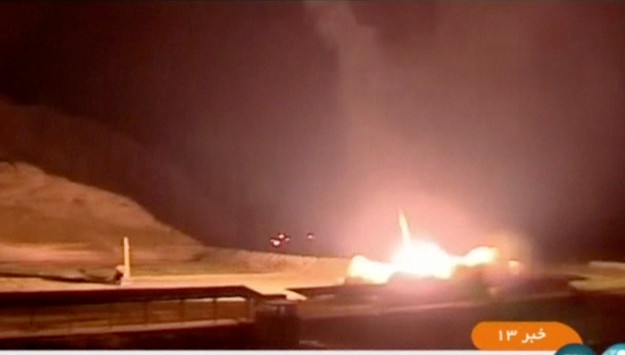
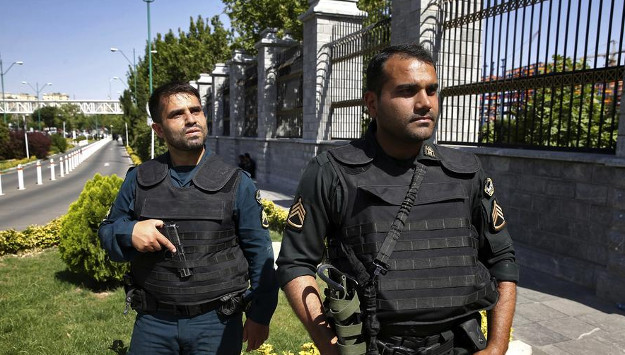
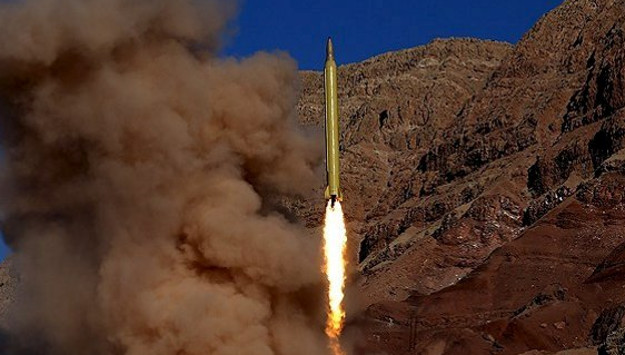
On Sunday, the Iranian military said it had launched six missiles at Islamic State positions in Syria in retaliation for the June 7 attacks in Tehran claimed by the terrorist group. A statement by the Islamic Revolution Guards Corps (I.R.G.C.) confirmed that it fired medium-range missiles from bases in the western Iranian provinces of Kermanshah and Kurdistan and killed a “large number” of Islamic State terrorists in Syria’s Deir Az Zour province.
Monday Briefing: Eastern Syria a Hotbed of Geopolitical Interests
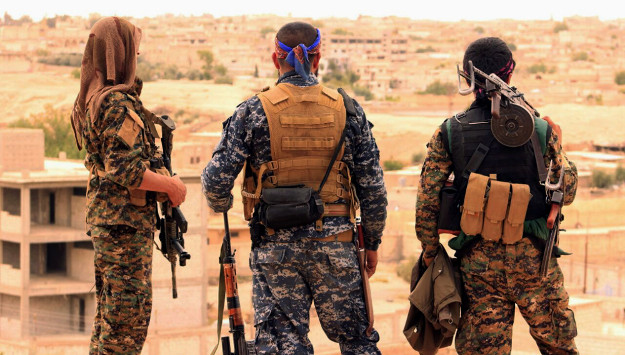
In this week’s Monday Briefing, MEI experts Charles Lister, Alex Vatanka, Marvin G. Weinbaum, and Gerald Feierstein provide analysis on eastern Syria as a new hotbed of geopolitical competition, Iranian responses to the Islamic State attack, additional U.S. troops in Afghanistan, and renewed Saudi succession speculation.
I.R.G.C. Claims It Killed Leader of Sunni Militant Group in Southeast Iran
The Islamic Revolution Guards Corps (I.R.G.C.) announced today that its ground forces have killed the ringleader of a Sunni militant group in Iran’s restive province of Sistan and Baluchestan.
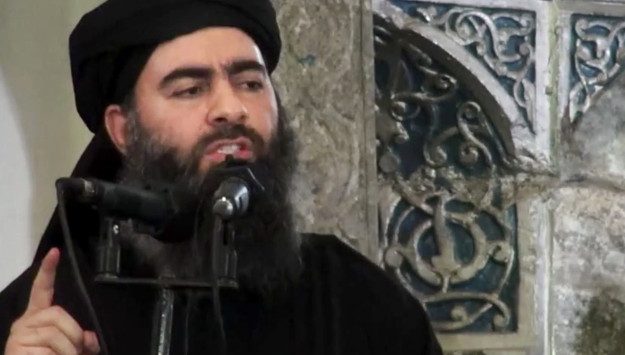
Russia’s claim to have killed ISIS leader Abu Bakr al-Baghdadi in an airstrike in Raqqa on May 28 should be taken with a heavy grain of salt. At the time in question, the U.S.-led Syrian Democratic Forces (S.D.F.) were only days away from launching their final assault on the city and there’s no logical reason imaginable why Baghdadi would have risked staying in a surrounded, sitting target. Notwithstanding justified doubts surrounding Baghdadi’s then presence in Raqqa, Russia’s statement also says its strike killed another 330 ISIS fighters – which is almost certainly an absurd claim.
Iran-Backed Forces Link Up along Syrian-Iraqi Border near al-Tanf despite U.S. Warnings
Iranian-supported Shiite militia forces in Iraq and Syria have finally linked up along the shared border between the two countries, Fars News Agency reports.
Top Khamenei Aide Says U.S. Senate Sanctions Bill Violates Nuclear Deal
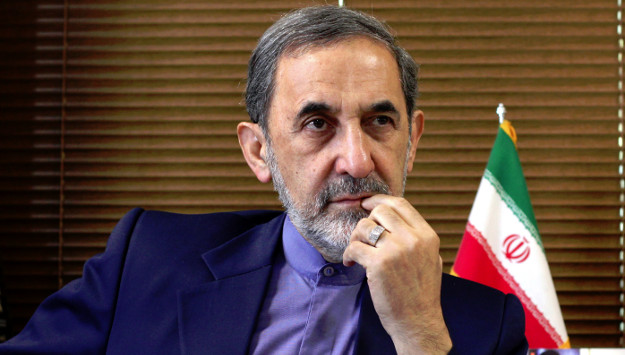
Iranian officials on Friday reacted angrily to the latest U.S. Senate decision to impose new sanctions against Iran. Ali Akbar Velayati, a senior aide to Supreme Leader Ali Khamenei, said the Senate bill was a violation of the Joint Comprehensive Plan of Action – the nuclear accord Iran signed with the United States and five other world powers in July 2015. “The U.S.
Senior Iranian Official Blasts Tillerson’s Remarks about Transition of Power in Iran
Mohsen Rezaei, the secretary of Iran’s Expediency Council, has strongly criticized U.S. Secretary of State Rex Tillerson’s comments about a peaceful transition of power in Iran.
Iran Says Will Continue Missile Activity despite New U.S. Sanctions
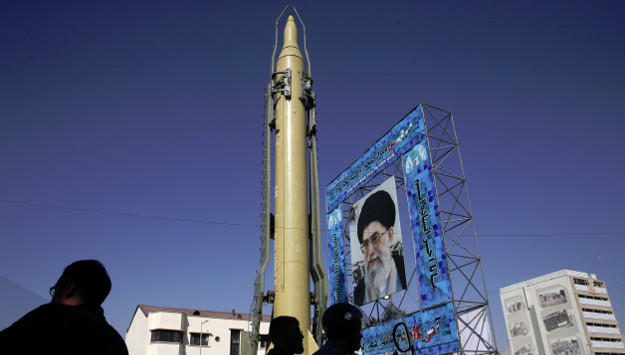
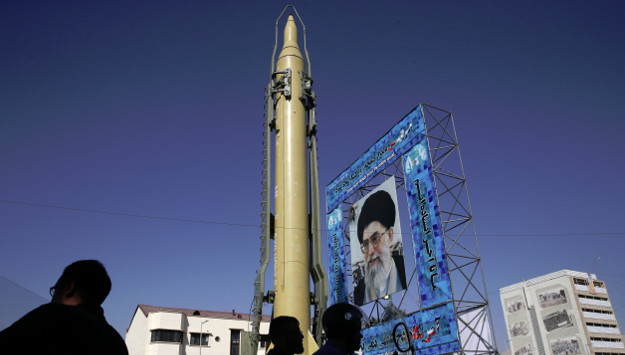
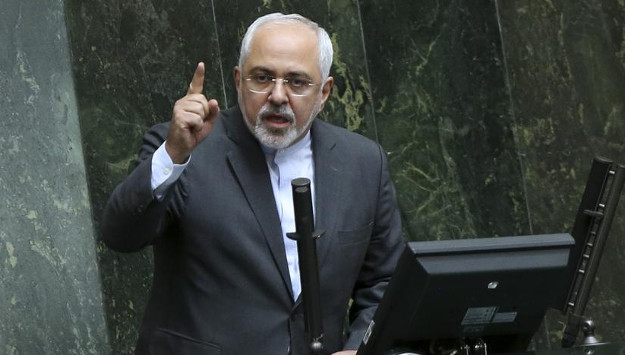
Iran’s Foreign Ministry said new U.S. sanctions would not force Tehran to halt its missile program. The ministry’s spokesman argued that Iran’s missile program does not violate the 2015 nuclear deal or the U.N. resolution that endorsed the agreement.
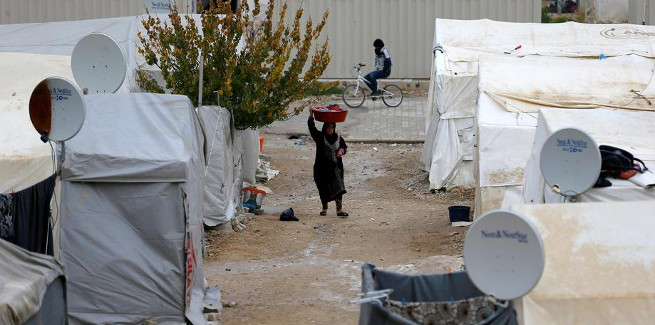
Since the outbreak of the Syrian war, Turkey has become a critical conduit for international humanitarian operations and life-saving economic support to approximately three million Syrian refugees. Turkey’s decision to restrict various international NGOs from operating within its territory is now disrupting crucial provisions to those in both northern Syria, and inside its own borders.
Iranian Missile Boat Harasses U.S. Warships, Points Laser at Marine Helicopter in Persian Gulf
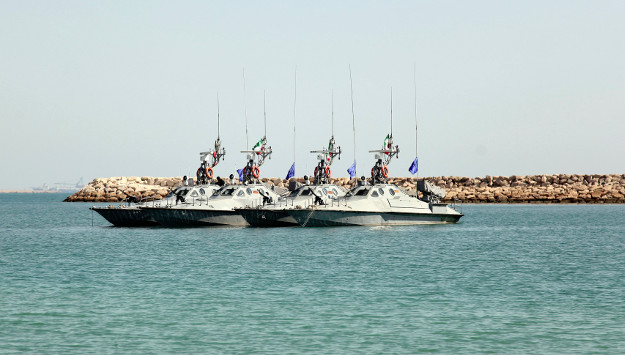
U.S. military officials said on Wednesday that three U.S. Navy ships and a Marine helicopter had an “unsafe and unprofessional” encounter with an Iranian Navy vessel in international waters in the Persian Gulf. The amphibious assault ship U.S.S.
Tillerson’s Remarks Trigger Angry Reactions in Tehran
U.S. Secretary Rex Tillerson’s yesterday remarks at a Congressional hearing have drawn angry reactions from Tehran. Tillerson told the House Foreign Relations Committee that the Trump administration has not yet finalized its Iran policy but emphasized that it is determined to counter Iran’s subversive activities in the Middle East. “Well, our Iranian policy is under development. It’s not yet been delivered to the president. But I would tell you that we certainly recognize Iran’s continued destabilizing [role] in the region.
I.R.G.C. Forces Clash with Armed Militants in Southeast Iran
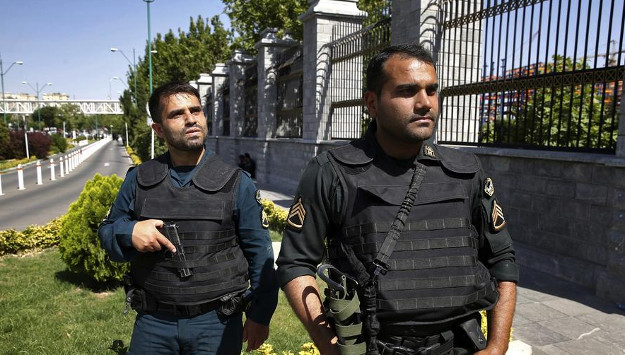
ranian security forces today dismantled a “terrorist unit” in the country’s southeastern province of Sistan and Baluchestan, according to the public relations directorate of the Islamic Revolution Guards Corps’ (I.R.G.C.) Ground Forces. “After receiving intelligence regarding the presence of a Takfiri terrorist team in Ghasr-e Ghand region of Sistan and Baluchestan, I.R.G.C. ground forces units from the Quds Base were deployed to the area. They clashed with terrorists today (Thursday) after bringing under siege the highlands of Ghasr-e Ghand,” the I.R.G.C.
The oldest peer-reviewed publication dedicated to the study of the modern Middle East, MEI’s flagship journal covers politics, society, and culture in the region.