Bonus Episode: Previewing Israel’s First Post-October 7 Election
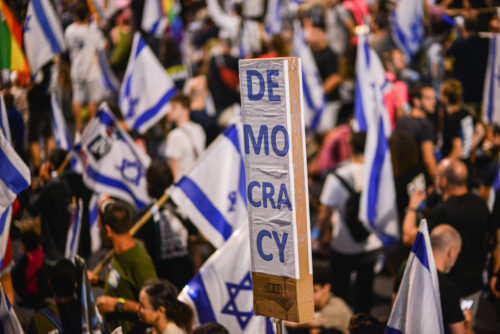
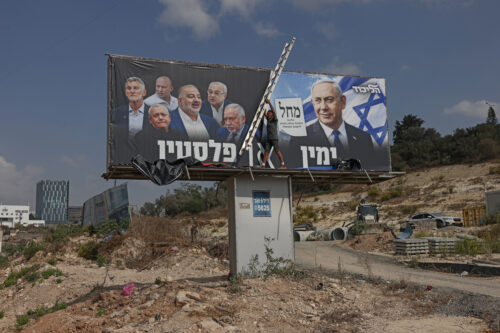
Israel is preparing to hold what may be its most consequential election in decades. On October 27, Prime Minister Benjamin Netanyahu will face his first electoral test since October 7, 2023. In this bonus episode of Middle East Focus, we present the audio from a recent MEI webinar, hosted in Israel on the eve of the vote. Senior Fellow Natan Sachs is joined by Dr. Shira Efron, Distinguished Chair for Israel Policy and senior fellow at the RAND Corporation, and Neri Zilber, veteran journalist and Financial Times correspondent. They explore what’s at stake in this historic election and how different outcomes could reshape Israel’s domestic politics and the wider region.
Israel Was Built on Hope. This Election May Be Our Last Chance to Save It
Israel’s national anthem, Hatikva, means “the hope.” Israel is not just another country, but the culmination of a 2,000-year-old dream of national redemption. The rebirth of the Jewish people’s ancestral homeland, just three years after the Holocaust, was a miraculous triumph of hope over all odds.
Today, that hope has been shattered and the elections on October 27 have become the most consequential in Israel’s history.
One striking thing about US President Donald Trump’s endorsement of Israeli Prime Minister Benjamin Netanyahu this past week is how isolated he was in making this call. The Israeli Prime Minister has become a widely detested figure worldwide following Israel’s war in Gaza—where Israel committed war crimes. This disdain was clearly on display in New York in September when dozens of diplomats streamed out of the hall during Netanyahu’s speech.
Since 1967, Israeli settlements in the West Bank have been a contested feature of the Israeli-Palestinian conflict. The ultimate disposition of the settlements and ongoing activity related to their growth have repeatedly defied agreement in negotiations over a resolution to the conflict.
The Houthis are a political-military faction and Zaydi religious movement founded in northwestern Yemen in the 1980s. A key member of Iran’s Axis of Resistance with links to other militant organizations in the Arabian Peninsula and the Horn of Africa, the group has continued to pose a threat to Western interests on a global scale.
The India-Middle East-Europe Economic Corridor (IMEC) is a proposed multinational infrastructure initiative aimed at upgrading connectivity between the three regions through integrated trade, energy, and digital networks. Announced at the G20 summit in New Delhi in September 2023, IMEC is envisioned partially as a counterweight to China’s international infrastructure project, the Belt and Road Initiative.
After a decade of post-Arab Spring isolation, Turkey’s leaders have recognized that their ambition to position the country as an agenda-setter on the world stage requires active engagement in all directions. President Recep Tayyip Erdoğan’s consolidation of executive authority has centralized foreign policy decision-making and tied it to his domestic political priorities, transforming the country’s revisionist approach to one shaped primarily by personal and pragmatic interests.
MEI Senior Fellow Brian Katulis engages friends, colleagues, and policy experts in casual conversations on the most important happenings in the Middle East.
A leading reformist personality, Mostafa Tajzadeh, has lashed out against hawks in Tehran that downplay the prospects of war between Iran and the United States.
Top Afghan Leader Orders Probe into Iran’s Support for Terrorists in Helmand
Afghanistan’s Chief Executive Abdullah Abdullah has called for an investigation into the latest reports of the Iranian government’s ties with the Taliban, the Afghan media reports.
A hardline Iranian site has again engaged in incitement against Bahrain. Tasnim, which is close to the Islamic Revolution Guards Corps (I.R.G.C), the controversial political-military organization that is spearheading Iran’s military interventions in the Middle East, claimed in an article that the overthrow of the Bahraini government is a “public call.”
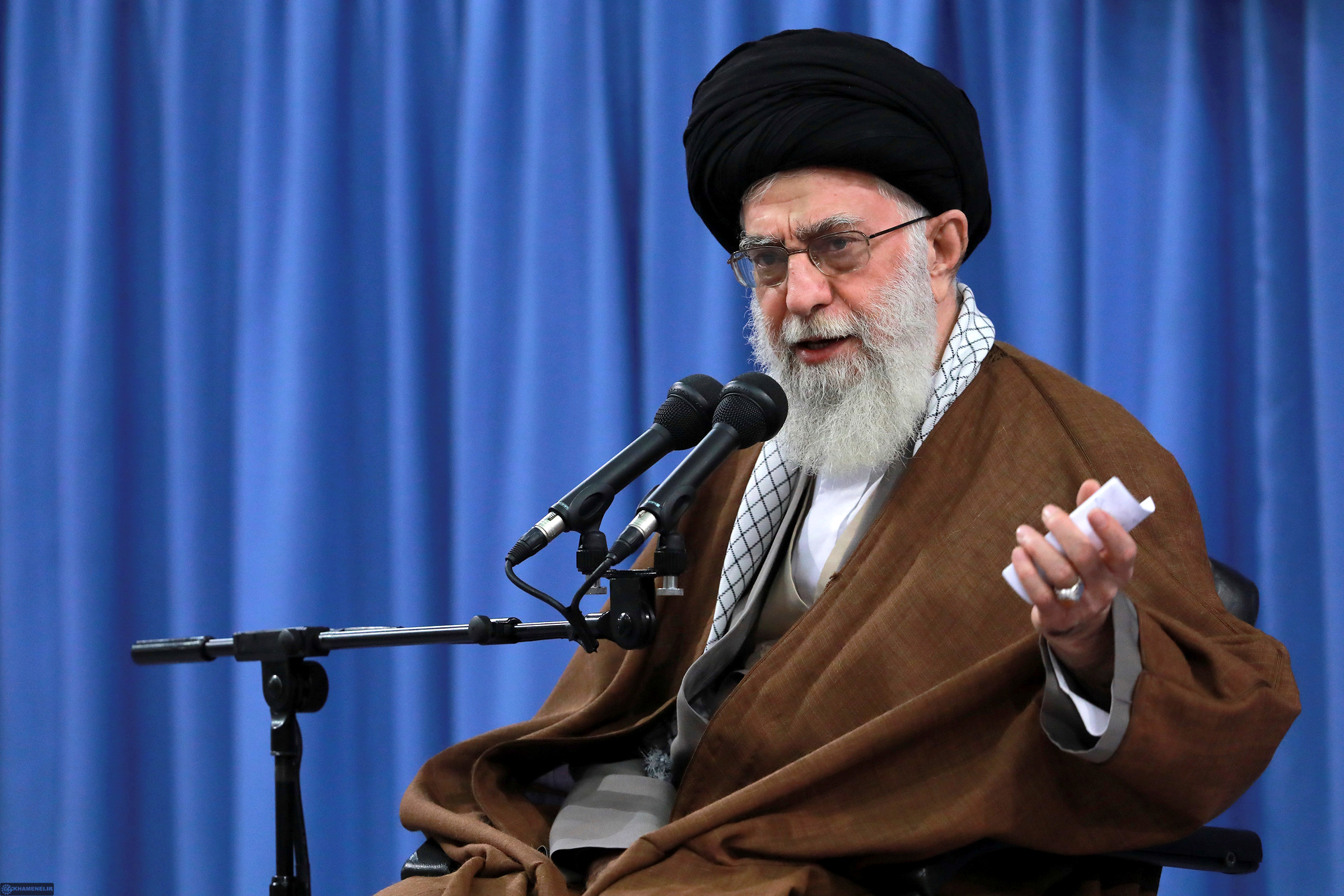
Khamenei Aide’s Remark Shows Iran Will Continue Use of Extremism to Harm U.S. Interests in Middle East
On February 3, two senior Iranian leaders bragged that the Islamic Revolution Guards Corps (I.R.G.C.) and its foreign sectarian militia forces have inflicted a heavy defeat on the U.S. and its allied forces in conflict zones in the Middle East and South Asia.
I.R.G.C. Mayor of Tehran Refuses to Apologize after Building Collapse
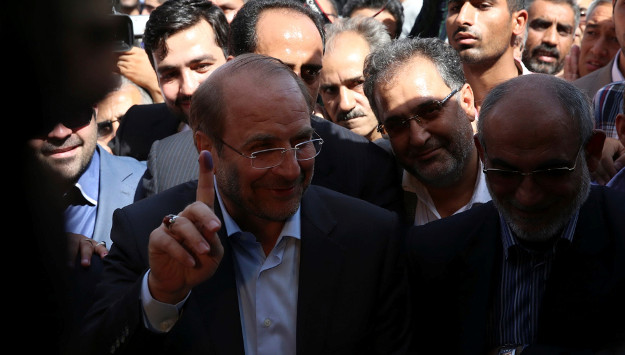
Following the January 19 collapse of Plasco, a 17-story historic building in downtown Tehran, mass anger against the authorities in the Iranian regime has been building up. Twenty people were killed in the disaster. The mayor of Tehran, Mohammad Ghalibaf, a former Islamic Revolution Guards Corps (I.R.G.C) commander, who remains close to his comrades, appeared in front of the members of the parliament but refused to apologize.
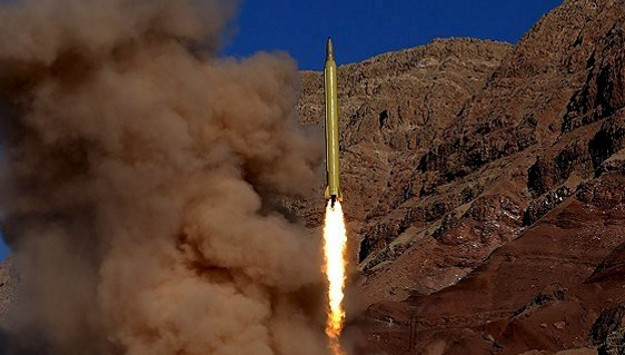
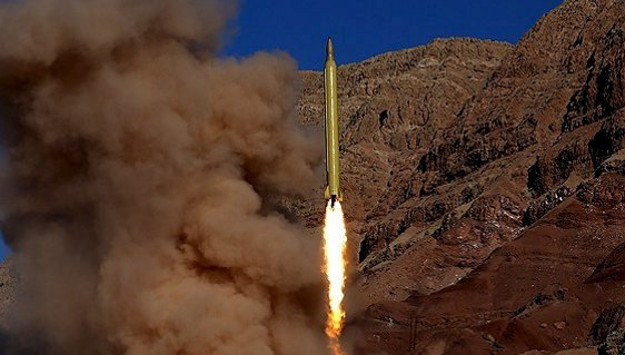
Iran Doubles Down on Its Defiance of International Demand to Curb Missile Activity
In reaction to President Donald Trump’s tweet this morning that said “Iran is playing with fire,” Iranian civilian and military officials doubled down on their defiance of U.S. and international demands to curb their controversial missile program, which Washington says violates U.N. Security Council Resolution 2231.
Ahmad Khatami, a hardline cleric close to Iran’s Supreme Leader Ayatollah Ali Khamenei, on February 3 defended Iran’s latest ballistic missile test. “In a world of wolves, we need weapons,” Khatami was quoted as saying to worshippers at the Friday prayer in Tehran.
A representative of the Zoroastrian minority in the Iranian parliament has protested at acts of “insult and defamation” against his community and called on the government to protect the rights of Zoroastrians and prevent inflammatory speech against them by the country’s influential clerics and local authorities.
Iran Refuses to Heed International Demands It Obey U.N. Resolutions
Iran’s civilian and military leaders today dismissed threats from the Trump administration and vowed to continue and increase the country’s controversial missile activity. “Every day Iran will increase the number of its missiles, warships and defense missile launchers.
Rouhani Family Corruption Continues to Roil Election Waters
Ahmad Tavakoli, a prominent hardliner and a former member of the Iranian parliament, has urged for members of the public with information about corruption inside the Iranian regime to be “applauded.” “Transparency must be part of the duties of officials,”
Iranian Military Provocations Threaten Commercial Aircraft Sales
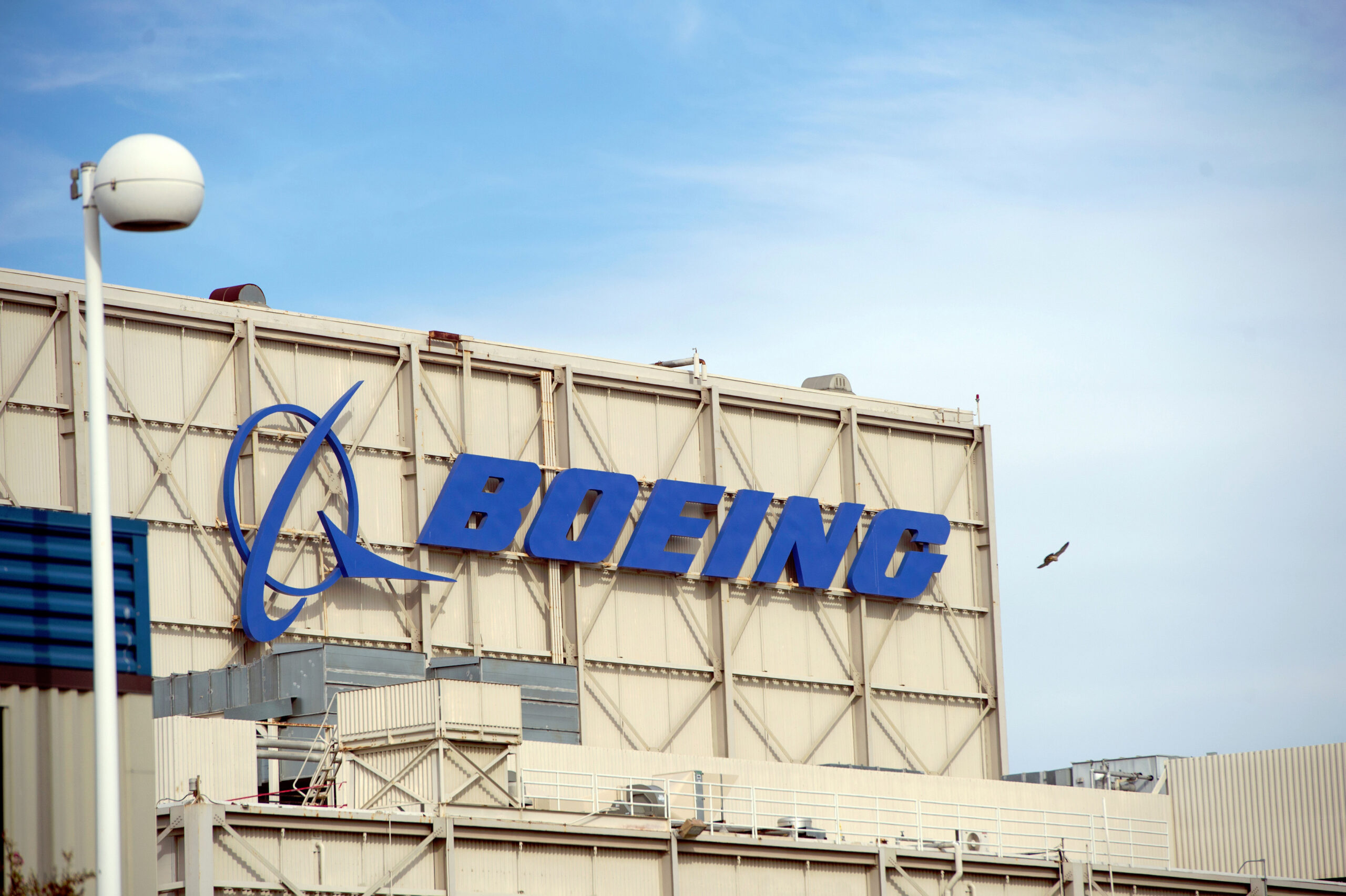
Abbas Akhoundi, Iran’s Minister for Roads and Urban Development, has insisted that the Trump administration cannot cancel the 80 aircraft and $16.6 billion deal that Iran reached with the US company Boeing in December 2016.
The oldest peer-reviewed publication dedicated to the study of the modern Middle East, MEI’s flagship journal covers politics, society, and culture in the region.