Bonus Episode: Previewing Israel’s First Post-October 7 Election
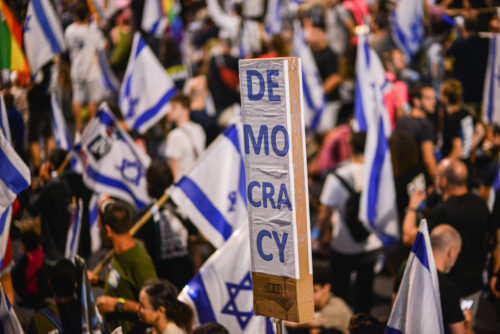
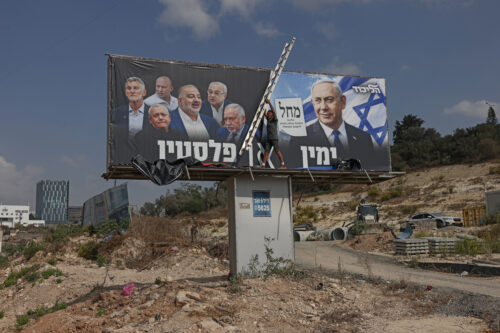
Israel is preparing to hold what may be its most consequential election in decades. On October 27, Prime Minister Benjamin Netanyahu will face his first electoral test since October 7, 2023. In this bonus episode of Middle East Focus, we present the audio from a recent MEI webinar, hosted in Israel on the eve of the vote. Senior Fellow Natan Sachs is joined by Dr. Shira Efron, Distinguished Chair for Israel Policy and senior fellow at the RAND Corporation, and Neri Zilber, veteran journalist and Financial Times correspondent. They explore what’s at stake in this historic election and how different outcomes could reshape Israel’s domestic politics and the wider region.
Israel Was Built on Hope. This Election May Be Our Last Chance to Save It
Israel’s national anthem, Hatikva, means “the hope.” Israel is not just another country, but the culmination of a 2,000-year-old dream of national redemption. The rebirth of the Jewish people’s ancestral homeland, just three years after the Holocaust, was a miraculous triumph of hope over all odds.
Today, that hope has been shattered and the elections on October 27 have become the most consequential in Israel’s history.
One striking thing about US President Donald Trump’s endorsement of Israeli Prime Minister Benjamin Netanyahu this past week is how isolated he was in making this call. The Israeli Prime Minister has become a widely detested figure worldwide following Israel’s war in Gaza—where Israel committed war crimes. This disdain was clearly on display in New York in September when dozens of diplomats streamed out of the hall during Netanyahu’s speech.
Since 1967, Israeli settlements in the West Bank have been a contested feature of the Israeli-Palestinian conflict. The ultimate disposition of the settlements and ongoing activity related to their growth have repeatedly defied agreement in negotiations over a resolution to the conflict.
The Houthis are a political-military faction and Zaydi religious movement founded in northwestern Yemen in the 1980s. A key member of Iran’s Axis of Resistance with links to other militant organizations in the Arabian Peninsula and the Horn of Africa, the group has continued to pose a threat to Western interests on a global scale.
The India-Middle East-Europe Economic Corridor (IMEC) is a proposed multinational infrastructure initiative aimed at upgrading connectivity between the three regions through integrated trade, energy, and digital networks. Announced at the G20 summit in New Delhi in September 2023, IMEC is envisioned partially as a counterweight to China’s international infrastructure project, the Belt and Road Initiative.
After a decade of post-Arab Spring isolation, Turkey’s leaders have recognized that their ambition to position the country as an agenda-setter on the world stage requires active engagement in all directions. President Recep Tayyip Erdoğan’s consolidation of executive authority has centralized foreign policy decision-making and tied it to his domestic political priorities, transforming the country’s revisionist approach to one shaped primarily by personal and pragmatic interests.
MEI Senior Fellow Brian Katulis engages friends, colleagues, and policy experts in casual conversations on the most important happenings in the Middle East.
Top Iran Envoy Meets Khamenei’s Special Representative in Syria
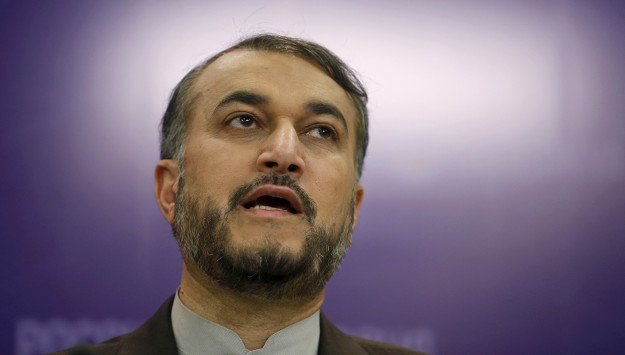
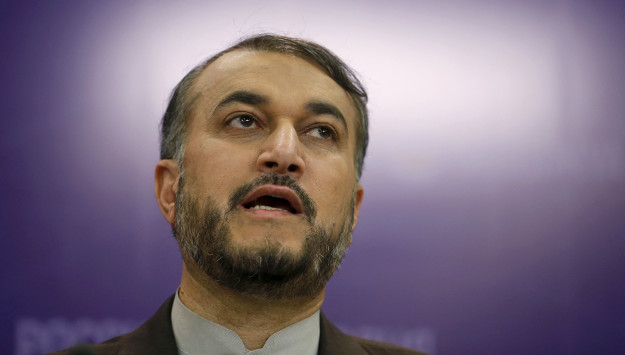
On January 27, Iranian media reported that top Iranian envoy, Hossein Amir Abdollahian, who visited Damascus this week, also met the Iranian supreme leader’s special representative to Syria, Abolfazl Tabatabai Ashkezari. Ashkezari was appointed by the personal decree of Khamenei in March 2016. He has been living in Syria since.
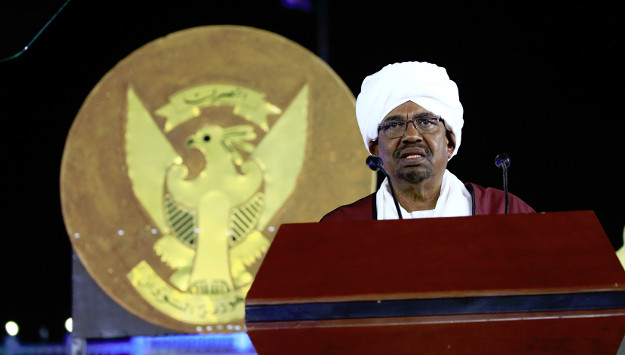
Sudanese President’s Remarks Draw Angry Reactions in Iran
The Iranian media has reacted angrily to the Sudanese president’s yesterday remarks that Tehran is destabilizing the Middle East and North Africa and “spreading Shiism” in Sudan and throughout the region.
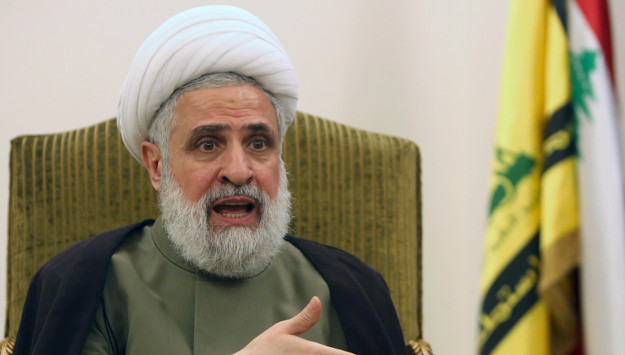
Hezbollah Deputy Leader Expresses Gratitude to Iran and Syria
The deputy head of Lebanon’s Hezbollah organization, Naim Qassem, has again come out to remind a skeptical Lebanese population about reasons why the militant group has intervened in the Syrian conflict. According to Qassem, Hezbollah’s approach is “non-interference in the affairs of other countries” but
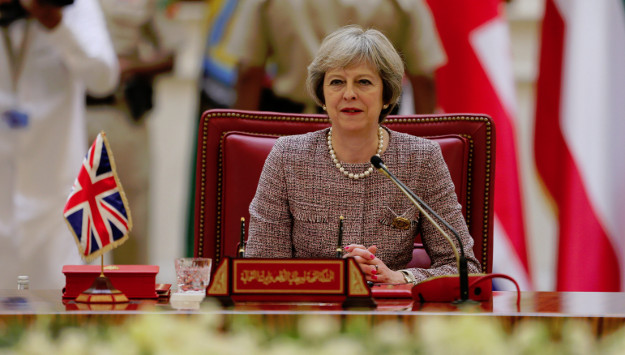
British Prime Minister Theresa May’s reiteration while visiting the United States that Iran’s “malign influence” in the Middle East has to be countered has generated swift angry reaction in Tehran.
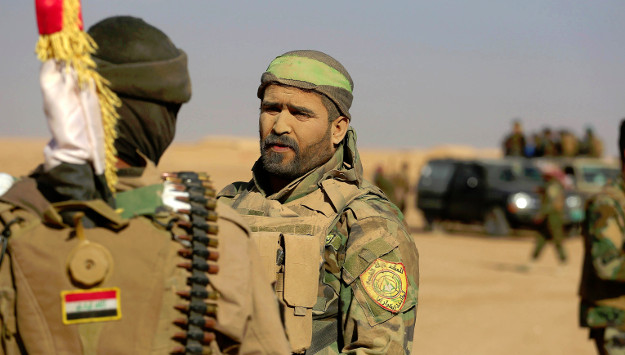
Iranian-state media have been defending Iraj Masjedi, Tehran’s new ambassador to Baghdad. Masjedi is a member of the Qods Force, the external branch of the Islamic Revolution Guards Corps. Al-Alam, the Iranian-sponsored media outlet that is aimed at the Arabic-speaking world, quoted Iraq’s National Security Advisor, Falih al-Fayyad, to say that Masjedi is welcome in Baghdad and that “he is someone [Iraqis] know and appreciate for his past record in Iraq.”
Rights Group Reports Baha’i Students Expelled from Iranian Universities
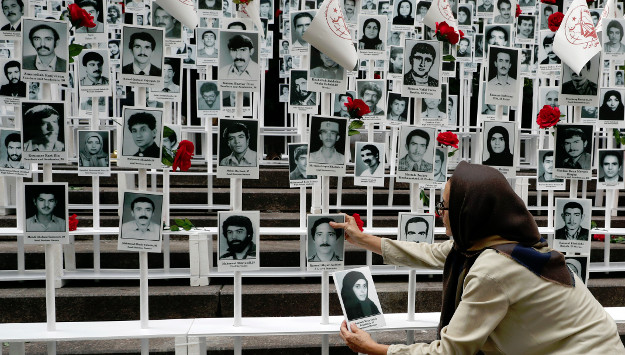
The International Campaign for Human Rights in Iran (ICHRI) reports that at least 15 Baha’i students were expelled from Iranian universities in the past one month.
Iran Ramps Up Its Exchange Programs for the Houthis in Yemen
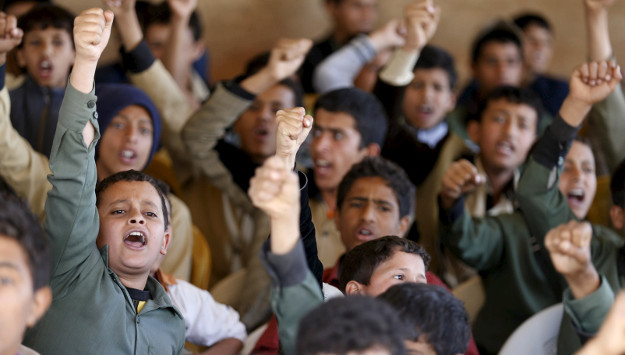
Following the Houthi takeover of Sana’a, Iran expanded its academic and cultural exchange programs in Yemen’s education sector. Iran initiated these programs in response to a Saudi-financed program to increase the number of Salafi mosques and madrassas in northern Yemen in the 1990s.
The January 26 meeting between the Syrian President Bashar al-Assad and Hossein Amir Abdollahian is another important sign that Iran’s President Hassan Rouhani has at best very little influence over Iran’s Syria’s policy. The official title of Amir Abdollahian is “Director General of International Affairs” at the Iranian parliament, the Majlis. However, this generic title given to Abdullahian is in no way a true reflection of his power in Tehran and the critical base of support he enjoys.
Rights Group Calls on Rouhani to End Imprisonment of Dual-Nationals
The International Campaign for Human Rights in Iran (ICHRI) today called on Iranian President Hassan Rouhani to “use all the powers of his office to obtain the immediate release of Nazanin
Worries in Tehran about Russia-led Syria Peace Process
Although Russia, Iran and Turkey agreed on Tuesday to jointly monitor the fragile cessation of hostilities in Syria, tensions are escalating between Moscow and Tehran about how to move forward with both war and diplomatic efforts in the future. It is becoming more apparent that Russian and Iran have diverging interests and goals – both in the immediate and long terms – in Syria, although they have cooperated closely over the past years to prop up the embattled regime of Bashar al-Assad.
Sudanese President Accuses Iran of “Spreading Shiism” in Africa
On January 26, Sudan’s President Omar Hassan al-Bashir accused Iran of spreading its ideological and military influence throughout the Middle East and North Africa.
The oldest peer-reviewed publication dedicated to the study of the modern Middle East, MEI’s flagship journal covers politics, society, and culture in the region.