





تمت ترجمة هذا النص بواسطة الذكاء الاصطناعي وقد يحتوي على أخطاء.
تخطي إلى المحتوى

الأبحاث والتعليقات

اقرأ الأبحاث والتحليلات والتعليقات المتعمقة من زملاء وخبراء معهد الشرق الأوسط عن الشرق الأوسط. 

Trump’s Family Business Deals Risk Further Undermining the Credibility of US Middle East Policy
  • التحليل
  • Trump’s Family Business Deals Risk Further Undermining the Credibility of US Middle East Policy

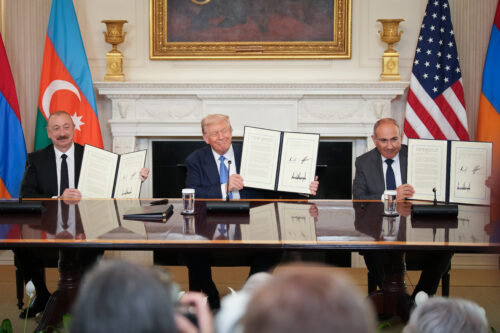
    President Trump’s family businesses are once again in the spotlight as a new financial disclosure showed they earned $2 billion in income in 2025 — a dramatic increase on the year before, with much of it coming from Gulf entities, raising emoluments concerns. Mounting perceptions of corruption, combined with unresolved crises in Iran and Israel-Palestine, are eroding trust among key partners in the Middle East. With the 2026 midterms approaching, these entanglements could represent a major political vulnerability and further undermine America’s already-strained standing in the region.

    Do the Gulf States Need a New Playbook?
  • Podcast
  • Do the Gulf States Need a New Playbook?

    After the US-Israel-Iran war — and the strikes that followed the cease-fire — the Gulf states find themselves dangerously exposed. Host Alistair Taylor is joined by MEI Associate Fellow Gregory Gause to discuss the war’s impact on the Gulf, their partnership with the United States, and whether the turmoil of recent months will push Gulf leaders to reassess their alliances and international engagement.

    July 2, 2026

    Additional Research & Commentary

    معلومات أساسية

    The Houthis
  • معلومات أساسية
  • The Houthis

    The Houthis are a political-military faction and Zaydi religious movement founded in northwestern Yemen in the 1980s. A key member of Iran’s Axis of Resistance with links to other militant organizations in the Arabian Peninsula and the Horn of Africa, the group has continued to pose a threat to Western interests on a global scale.

    May 15, 2026

    The Abraham Accords
    الصورة من تصوير أليكس وونغ/Getty Images
  • معلومات أساسية
  • The Abraham Accords

    تقدم هذه الوثيقة المعلوماتية لمحة عامة عن كيفية التوصل إلى اتفاقيات أبراهام، والمصالح الأمريكية المعنية، وعواقبها الاقتصادية والاستراتيجية، وآفاق التوسع في المستقبل.

    17 نوفمبر 2025

    Turkish Foreign Policy
  • معلومات أساسية
  • Turkish Foreign Policy

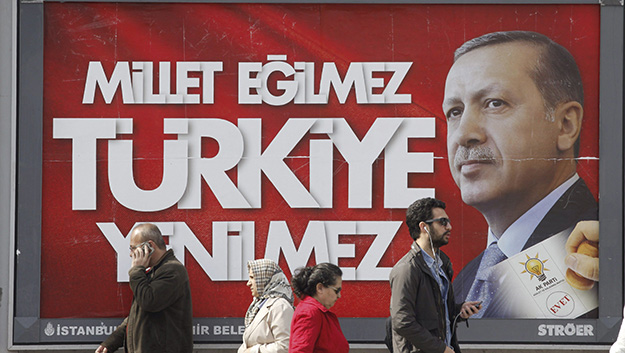
    After a decade of post-Arab Spring isolation, Turkey’s leaders have recognized that their ambition to position the country as an agenda-setter on the world stage requires active engagement in all directions. President Recep Tayyip Erdoğan’s consolidation of executive authority has centralized foreign policy decision-making and tied it to his domestic political priorities, transforming the country’s revisionist approach to one shaped primarily by personal and pragmatic interests.

    April 23, 2026

    الصحراء الغربية: لماذا لا يزال الصراع مهمًا
  • Video
  • الصحراء الغربية: لماذا لا يزال الصراع مهمًا

    مع دخول نزاع الصحراء الغربية عقده الخامس، لا يزال النزاع الإقليمي دون حل وغير معروف إلى حد كبير. تحلل إنتصار فقير من معهد الشرق الأوسط (MEI) التاريخ المعقد للصحراء الغربية والمطالبات المتنافسة من قبل المغرب والجمهورية العربية الصحراوية الديمقراطية. وتبحث في التطورات الأخيرة، مثل اعتراف الرئيس ترامب بسيادة المغرب على الإقليم وانهيار وقف إطلاق النار الذي دام 30 عامًا، بالإضافة إلى الأسئلة الجوهرية التي لا تزال دون إجابة بعد نصف قرن.

    7 أغسطس 2025

    المدونات الصوتية

    التركيز على الشرق الأوسط

    البودكاست الأسبوعي الرائد لمعهد الشرق الأوسط حول السياسة الخارجية الأمريكية والقضايا السياسية والاجتماعية المعاصرة في الشرق الأوسط.

    إزالة الحافة من الشرق الأوسط

    براين كاتوليس، زميل أول في معهد الشرق الأوسط كاتوليس يشارك الأصدقاء والزملاء وخبراء السياسة في محادثات غير رسمية حول أهم الأحداث في الشرق الأوسط. 

    إعادة التفكير في الديمقراطية

    زميل أول في معهد الشرق الأوسط غونول تول تستضيف كبار العلماء وقادة الفكر حول اتجاهات الديمقراطية العالمية وحالة النظام الدولي الليبرالي. 

    تصفية حسب
    8748 Results
    Iraq’s Make Up or Break Up Elections
  • التحليل
  • Iraq’s Make Up or Break Up Elections

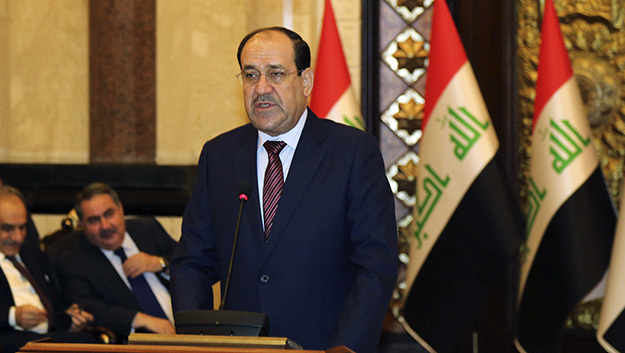
    Two years after the U.S. withdrawal and four years into Prime Minister Nuri al-Maliki’s second term, Iraq is on the brink of breaking apart. The upcoming parliamentary elections scheduled for April 30, and the political process of government formation that will follow, present an opportunity to push for a return to more inclusive politics in Iraq. Unless Maliki is replaced or drastically changes his policies, these might be the last elections in a nominally united Iraq.

    April 25, 2014

    Israel’s Natural Gas Sector: A Regional Perspective
    معهد الشرق الأوسط
  • التحليل
  • Israel’s Natural Gas Sector: A Regional Perspective

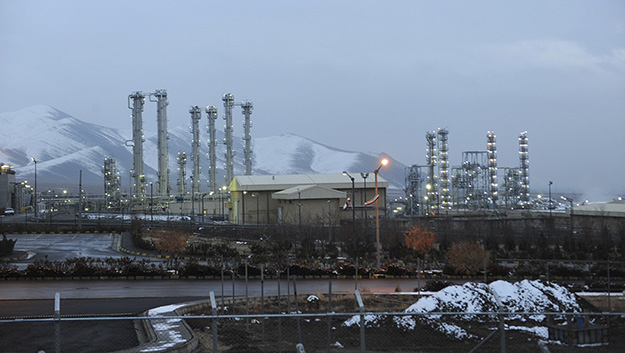
    Israel’s recent natural gas discoveries have the potential to transform the country into a major supplier of natural gas to the Eastern Mediterranean and beyond. Israel’s Leviathan field alone is believed to contain tens of billions of dollars worth of natural gas, and is the world’s largest offshore natural gas discovery of the last decade. In addition to representing a tremendous boon for Israeli domestic energy needs, the finds are likely to result in significant windfalls for the Israeli state and could dramatically impact the political economies of neighboring states.

    April 24, 2014

    Korea and the Middle East: A World Apart?
    معهد الشرق الأوسط
  • التحليل
  • Korea and the Middle East: A World Apart?

    In terms of its capacity, potential and aspirations, Korea attained the status of a “middle power” more than a decade ago. Membership in the OECD’s Development Assistance Committee and G20 signifies the completion of Korea’s transition from an evolving to advanced economy. Korea has emerged as an important player in Asian and international affairs. Its presence and influence have expanded in trade, investment, overseas development assistance (ODA) and humanitarian aid, and culture. 

    April 23, 2014

    The Political Process in Libya
  • التحليل
  • The Political Process in Libya

    Libya’s road to democracy is shaky at best. Security is deteriorating, with targeted killings, criminal attacks, and bombings on the rise and clashes between rival armed groups—some apparently with government legitimacy and others not—growing more frequent. While these negative trends put tremendous pressure on the transition, Libya’s political process, albeit fickle, manages to keep moving. The efforts at institution building in Libya present a nuanced landscape: for every step forward in one aspect, there are steps backward in others.

    April 22, 2014

    Erbil Meeting Report
  • التحليل
  • Erbil Meeting Report

    The Middle East Dialogue is a regional Track II forum that meets twice a year and brings together current and former officials and senior experts from the Middle East, the United States, Russia, China, and the EU to discuss emerging political & security trends in the region.  What follows is a report from the latest meeting of the Dialogue in Erbil, Iraq, on March 30-31, 2014, led by MEI’s Director of Track II Dialogues Randa Slim and VP for Policy and Research Paul Salem.

    April 21, 2014

    Closing the Channels of the Military's Economic Influence in Turkey
    معهد الشرق الأوسط
  • التحليل
  • Closing the Channels of the Military's Economic Influence in Turkey

    After a decade of working to subordinate Turkey’s military establishment so that it cannot influence the trajectory of Turkish politics, closing the channels of the military’s economic influence has been part of this process. Despite early expectations, the AKP has not forged a more democratic and liberal Turkey, but there is no denying the critical importance of its successful effort to institutionalize civilian control of the armed forces.

    April 21, 2014

    The Impact of the Syria Conflict on Salafis and Jihadis in Lebanon
  • التحليل
  • The Impact of the Syria Conflict on Salafis and Jihadis in Lebanon

    This MEI Policy Focus seeks to address the Syrian war’s effects on Lebanon against the backdrop of exacerbated sectarian tensions and political-religious instability. The study first provides a brief background on the state of Salafism in Lebanon, followed by an assessment of the situation of the Sunni street at large. It then examines the wider implications that the Syrian war has had on Lebanon, namely the call for jihad launched in 2013 by Sunni sheiks around the country and the resulting burgeoning of relations between Salafis and Syrian military and radical organizations.

    April 18, 2014

    Saudi Intel Chief Prince Bandar Is Out, But Is He Really Out?
  • التحليل
  • Saudi Intel Chief Prince Bandar Is Out, But Is He Really Out?

    Read the full article at LobeLog.

    It might be a mistake to jump to conclusions about the removal of Prince Bandar bin Sultan from his post as chief of Saudi Arabian intelligence. When it comes to senior jobs held by the royals, the Kingdom’s decision-making process is entirely opaque and there is no way to know at this point whether the flamboyant former ambassador to the United States was pushed out or bailed out.

    April 16, 2014

    Civilianization of Politics in Turkey
    معهد الشرق الأوسط
  • التحليل
  • Civilianization of Politics in Turkey

    From the standpoint of Turkish civil-military experts, the concern has never been whether Turkey should civilianize but rather what civilianization would lead to when it was finally achieved. Following the 2013 Gezi protests and the government’s harsh response to the protesters, Turkey’s success in the civilianization of its politics is quickly snowballing into uncertainty.

    April 16, 2014

    The Algerian Elections and the Status Quo
  • التحليل
  • The Algerian Elections and the Status Quo

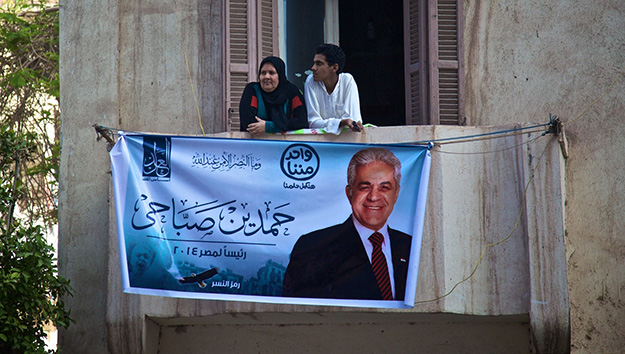
    As in many other authoritarian regimes in the region, the Algerian elections are not meant to facilitate a change of leadership through voting, but are merely a vehicle to give some token electoral “legitimacy” to the regime’s candidate. Disqualification of opposition candidates, administrative and financial hindrances, backroom deals, and political cooptation, as well as media control and poll fixing, have been the most common electoral tropes in Algeria since the mid-1990s.

    April 15, 2014

    Abu Dhabi’s New Approach to Cultural Diplomacy
  • التحليل
  • Abu Dhabi’s New Approach to Cultural Diplomacy

    Most outsiders know the United Arab Emirates from Dubai’s accomplishments in international commerce, tourism, and indoor skiing. What is less known is that Abu Dhabi is investing a great deal of money in education, medicine, art, and music as a new kind of cultural diplomacy.

    April 14, 2014

    Fighting Hepatitis C in Egypt
  • التحليل
  • Fighting Hepatitis C in Egypt

    It seemed like an ordinary demonstration. Clusters of banner-waving youths marched along the sun-drenched main street of Damanhour, in the heart of Egypt’s Nile Delta, on March 6. But the banners they held, featuring a large cartoonish drop of red blood beside an emphatic “No!,” were directed not at political figures but at Hepatitis C (HCV), a blood-transmitted virus attacking the liver that counts nearly 12 million Egyptians as its victims.

    April 10, 2014

    اقرأ مجلة الشرق الأوسط

    تُعد المجلة الرئيسية لمعهد الشرق الأوسط أقدم مطبوعة محكّمة مكرّسة لدراسة الشرق الأوسط الحديث، وتغطي المجلة الرئيسية في المعهد السياسة والمجتمع والثقافة في المنطقة.