تمت ترجمة هذا النص بواسطة الذكاء الاصطناعي وقد يحتوي على أخطاء.
تخطي إلى المحتوى

الأبحاث والتعليقات

اقرأ الأبحاث والتحليلات والتعليقات المتعمقة من زملاء وخبراء معهد الشرق الأوسط عن الشرق الأوسط. 

Trump’s South Caucasus Peacemaking Is His Most Successful, but It Remains Unfinished
  • تعليق
  • Trump’s South Caucasus Peacemaking Is His Most Successful, but It Remains Unfinished

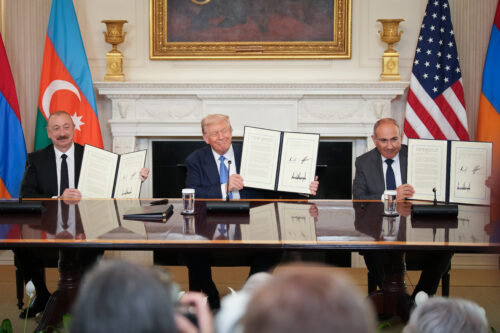
    Of all the fronts in President Trump’s peacemaking agenda, the South Caucasus has delivered the most concrete results. The August 2025 Washington Declaration, signed between Armenia and Azerbaijan and witnessed by Trump, marked an important step toward peace in the region. The two sides initialed a peace agreement and advanced plans to unblock regional connectivity, including through the establishment of the Trump Route for International Peace and Prosperity (TRIPP), which would connect Azerbaijan to its Nakhijevan exclave through southern Armenia. Implementation of TRIPP has since made notable progress, but construction has yet to start. A breakthrough on those two tracks would, in turn, unlock Armenia–Türkiye normalization, transforming a long-fractured region into an area of trade and interdependence.
    The Iran War Was Always About Regime Change
  • تعليق
  • The Iran War Was Always About Regime Change

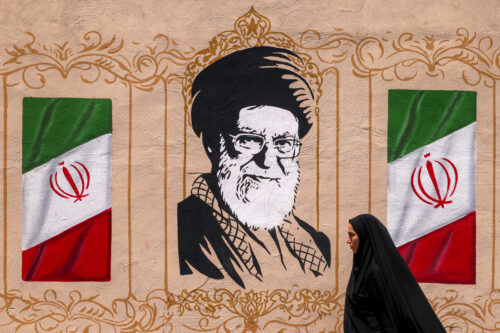
    Wars don’t just end. They get interpreted, reinterpreted, and turned into strategic doctrine. That is what happened after the Iran-Iraq War of the 1980s, a conflict that saw the United States back Tehran’s Iraqi adversaries. The war taught Tehran three lessons it never unlearned: that Washington wants the Islamic Republic gone, that Iran stands essentially alone in the world, and that it cannot survive a direct, overt fight with the U.S. and Israel.

    Iran’s New War Cabinet Is Really an Old One
  • التحليل
  • Iran’s New War Cabinet Is Really an Old One

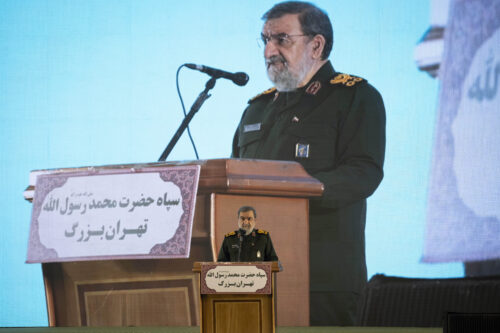
    Within 48 hours this week, Iran filled six of the most important posts in its battered military and security establishment. Read together with the biographies and mandates behind them, the appointments show how Tehran is drawing lessons from successive wars and preparing for a prolonged period of insecurity, without proving it has abandoned negotiation.

    Additional Research & Commentary

    معلومات أساسية

    Israeli Settlements in the West Bank
  • معلومات أساسية
  • Israeli Settlements in the West Bank

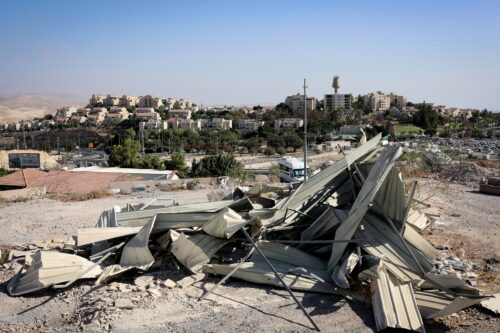
    Since 1967, Israeli settlements in the West Bank have been a contested feature of the Israeli-Palestinian conflict. The ultimate disposition of the settlements and ongoing activity related to their growth have repeatedly defied agreement in negotiations over a resolution to the conflict.

    June 9, 2026

    The Houthis
  • معلومات أساسية
  • The Houthis

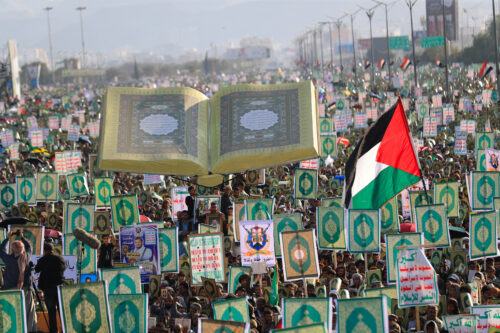
    The Houthis are a political-military faction and Zaydi religious movement founded in northwestern Yemen in the 1980s. A key member of Iran’s Axis of Resistance with links to other militant organizations in the Arabian Peninsula and the Horn of Africa, the group has continued to pose a threat to Western interests on a global scale.

    May 15, 2026

    The India-Middle East-Europe Economic Corridor
  • معلومات أساسية
  • The India-Middle East-Europe Economic Corridor

    The India-Middle East-Europe Economic Corridor (IMEC) is a proposed multinational infrastructure initiative aimed at upgrading connectivity between the three regions through integrated trade, energy, and digital networks. Announced at the G20 summit in New Delhi in September 2023, IMEC is envisioned partially as a counterweight to China’s international infrastructure project, the Belt and Road Initiative.

    June 3, 2026

    Turkish Foreign Policy
  • معلومات أساسية
  • Turkish Foreign Policy

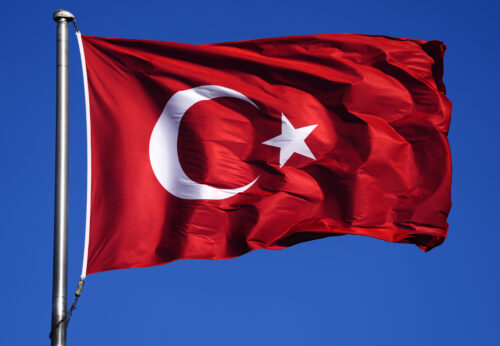
    After a decade of post-Arab Spring isolation, Turkey’s leaders have recognized that their ambition to position the country as an agenda-setter on the world stage requires active engagement in all directions. President Recep Tayyip Erdoğan’s consolidation of executive authority has centralized foreign policy decision-making and tied it to his domestic political priorities, transforming the country’s revisionist approach to one shaped primarily by personal and pragmatic interests.

    April 23, 2026

    المدونات الصوتية

    التركيز على الشرق الأوسط

    البودكاست الأسبوعي الرائد لمعهد الشرق الأوسط حول السياسة الخارجية الأمريكية والقضايا السياسية والاجتماعية المعاصرة في الشرق الأوسط.

    إزالة الحافة من الشرق الأوسط

    براين كاتوليس، زميل أول في معهد الشرق الأوسط كاتوليس يشارك الأصدقاء والزملاء وخبراء السياسة في محادثات غير رسمية حول أهم الأحداث في الشرق الأوسط. 

    إعادة التفكير في الديمقراطية

    زميل أول في معهد الشرق الأوسط غونول تول تستضيف كبار العلماء وقادة الفكر حول اتجاهات الديمقراطية العالمية وحالة النظام الدولي الليبرالي. 

    تصفية حسب
    8783 Results
    The Quest to Eradicate Polio in Pakistan
    معهد الشرق الأوسط
  • التحليل
  • The Quest to Eradicate Polio in Pakistan

    Pakistan is only one of three countries—the others being Afghanistan and Nigeria—in which polio has never been eradicated. Polio in Pakistan has been a particular worry recently, with a disturbing spike in cases. According to the World Health Organization (WHO), 61 out of 77 cases of polio reported worldwide from January through mid-May 2014, or 79 percent, were in Pakistan.[1]

    May 29, 2014

    The Role of a Middle Power South Korea in Iran, Syria, and Egypt
    معهد الشرق الأوسط
  • التحليل
  • The Role of a Middle Power South Korea in Iran, Syria, and Egypt

    This article examines how South Korean foreign policy deals with Iran, Syria, and Egypt, with the overarching argument that because South Korea is pushing to build its middle power presence, it should clearly articulate its position on key security issues in the Middle East. As a non-permanent member of the UN Security Council, South Korea should support international norms such as nonproliferation, humanitarian protection, and democracy. Unless the South Korean government consistently upholds these norms, it will encounter setbacks in finding international support in its dealings with North Korea.

    May 23, 2014

    Egypt's Election: Beyond the Foregone Conclusion
    معهد الشرق الأوسط
  • التحليل
  • Egypt's Election: Beyond the Foregone Conclusion

    Egyptians have headed to the polls to elect a president for the second time since the January 2011 revolution. Field Marshal Abdul-Fattah el-Sisi is expected to win by a wide margin over the only other contender, leftist politician Hamdeen Sabahi. The magnitude of that victory, however, will have an important impact on Sisi’s electoral mandate, and many questions remain about what he plans to do with it once in power.

    May 22, 2014

    Kuwait: At the Crossroads of Change or Political Stagnation
  • التحليل
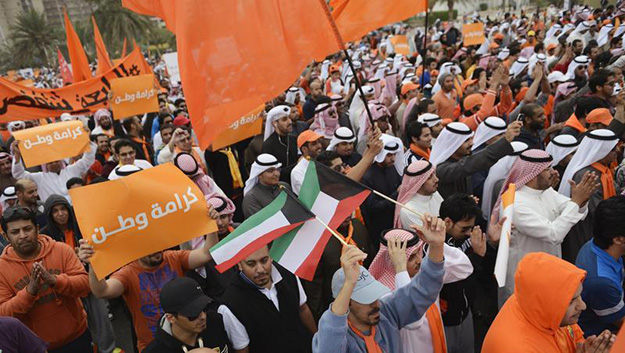
  • Kuwait: At the Crossroads of Change or Political Stagnation

    Though Kuwaitis have been striving for change, particularly since 2011, their country’s political structures remain more or less unaltered.  Yet change is inevitable, writes Shafeeq Ghabra in this MEI Policy Paper. At issue is a semi-democratic system that has proven ineffective at dealing with problems such as government mismanagement, corruption, a lack of economic transparency, and inequality toward tribes and undocumented immigrants.

    May 20, 2014

    The Rise of Korean Islam: Migration and Da‘wa
    معهد الشرق الأوسط
  • التحليل
  • The Rise of Korean Islam: Migration and Da‘wa

    In 2001, there were only 34,000 Muslims living in Korea; today there are more than 150,000. Furthermore, there are over 45,000 ethnic Korean Muslims. In contrast to Europe, where over a thousand years of political, cultural, and religious interactions have shaped social attitudes toward Islam, Korea’s Muslim population remains relatively unnoticed, comprising only 0.3 percent of the total Korean population. However, Islam in Korea is in the midst of great change. With the continuing increase in international migration over the past decade from Muslim-majority countries, the Korean Muslim community is transforming into a significant social and religious force.

    May 19, 2014

    What Brahimi's Resignation Means for the Syrian Conflict
  • التحليل
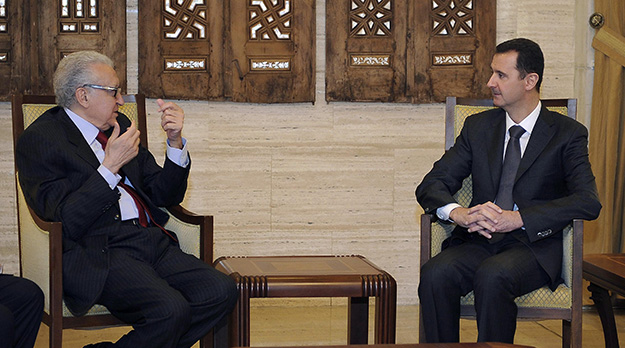
  • What Brahimi's Resignation Means for the Syrian Conflict

    Why did Lakhdar Brahimi resign at this time, and what does it signal for the prospects of finding a settlement to the Syrian conflict?

    May 14, 2014

    The Egyptian Military’s Economic Channels of Influence
    معهد الشرق الأوسط
  • التحليل
  • The Egyptian Military’s Economic Channels of Influence

    Egypt’s new constitution grants the country’s generals greater autonomy and an increased formal political role. The draft authorizes military trials for civilians (Article 204) and ensures that the military’s budget be beyond civilian scrutiny. The most significant change is that the Supreme Council of the Armed Forces (SCAF) will have the final say in choosing or dismissing the defense minister for two presidential terms (Article 234).

    May 14, 2014

    Who Makes Tehran's Arab Policy?
    معهد الشرق الأوسط
  • التحليل
  • Who Makes Tehran's Arab Policy?

    Geography alone should make the Arab world Iran’s key foreign policy focus. Of Iran’s 13 immediate neighbors, seven are Arab countries.[1] But Tehran’s approach to the Arab world, with its 22 states extending from North Africa to the Arabian Peninsula, varies widely in intensity, and Iran’s objectives are equally varied depending on the country in question.

    Civilianizing the State: Reflections on the Egyptian Conundrum
    معهد الشرق الأوسط
  • التحليل
  • Civilianizing the State: Reflections on the Egyptian Conundrum

    The military, though it has been the most powerful and influential actor during Egypt’s transition since 2011, is not the great deus ex machina of the Egyptian system. Rather, it is an actor that, since the fall of Mubarak, has managed to maintain some organizational coherence and legitimacy and has served as the convener for various and changing forces that are the crux of a new ruling coalition. Consequently, civilianizing the Egyptian state will require that security sector reforms be embedded in a broader set of political reforms.

    May 14, 2014

    Collection Spotlight: Modern Islamic Political Thought, by Hamid Enayat, 1982
  • التحليل
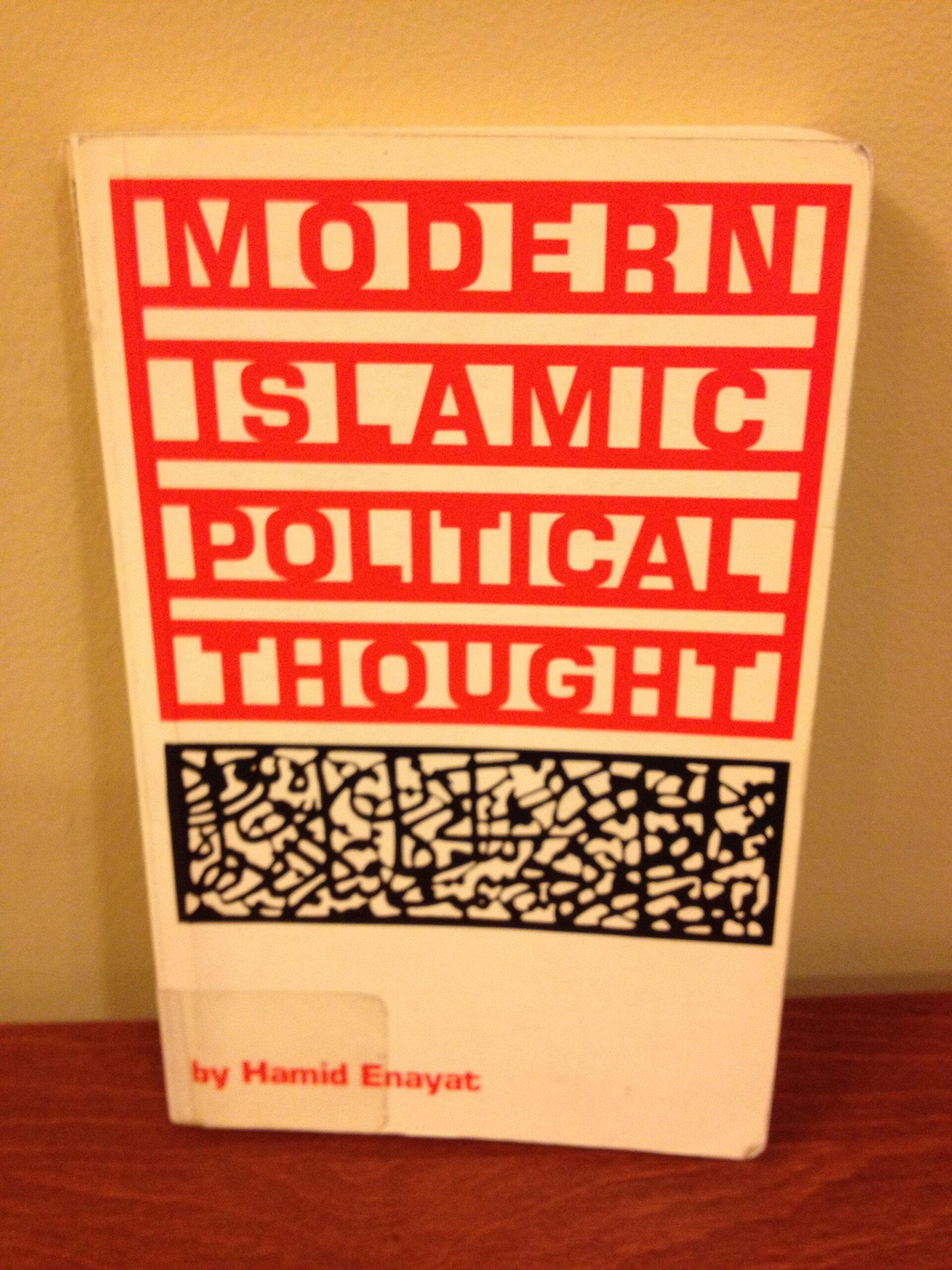
  • Collection Spotlight: Modern Islamic Political Thought, by Hamid Enayat, 1982

    In Modern Islamic Political Thought, Hamid Enayat discusses the major currents in twentieth-century Islamic political thought. Although the work is broad in scope, at its core is the assertion that the abolition of the Caliphate was “perhaps [the] most important controversy in twentieth-century Sunni political thought.” To prove this assertion, Enayat traces Islamic political thought from the abolition of the Caliphate to the rise of Islamic fundamentalism.

    May 13, 2014

    A Conversation with Amr Moussa
    معهد الشرق الأوسط
  • التحليل
  • A Conversation with Amr Moussa

    May 6, 2014: A Conversation with H.E. Amr Moussa, Moderated by David Ignatius.

    May 13, 2014

    Five Arab Elections in Search of a Democratic Transition
    معهد الشرق الأوسط
  • التحليل
  • Five Arab Elections in Search of a Democratic Transition


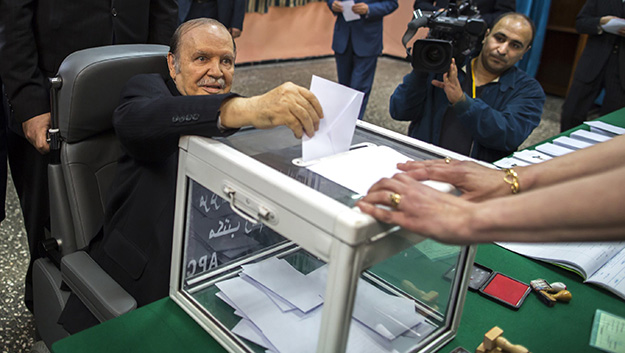
    Algerian President Abdelaziz Bouteflika casts his ballot on April 17.

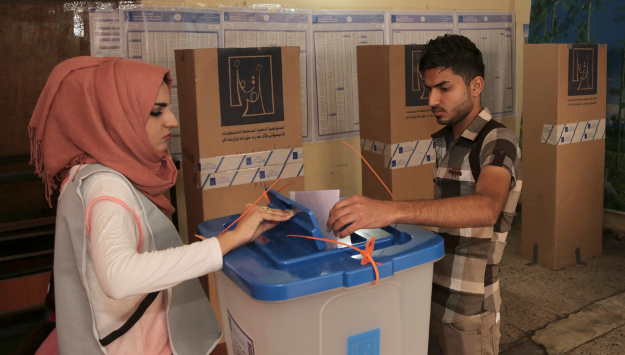
    In the current two months between mid-April and early June, five Arab countries—Algeria, Lebanon, Iraq, Egypt, and even war-torn Syria—are holding key elections, with little sign that any is moving in the direction of meaningful democratic transition.

    May 9, 2014

    اقرأ مجلة الشرق الأوسط

    تُعد المجلة الرئيسية لمعهد الشرق الأوسط أقدم مطبوعة محكّمة مكرّسة لدراسة الشرق الأوسط الحديث، وتغطي المجلة الرئيسية في المعهد السياسة والمجتمع والثقافة في المنطقة.