Curb Your Enthusiasm: Why the Midterms Might Not Change Much in US Middle East Policy
With less than a week before the midterm elections in the United States, the spotlight is on the economy and cultural divides. US foreign policy remains mostly on the sidelines, but this year’s inconclusive Iran war and its effect on America’s economy have shaped the broader political environment in this electoral cycle.
The Multiple Costs of the US–Iran War – From Hormuz to Europe and South Asia: The Widening Economic and Political Geography of the Conflict
Wars are decided by those who hold military power, but their costs are increasingly borne by those who have little or no voice in the decisions that start them. The US–Iran war shows this imbalance very clearly. Its economic consequences have gone far beyond the battlefield and have disrupted energy markets, trade routes, food supplies, public finances and investment in the Gulf, Europe, Africa and Asia. The most striking feature of the conflict, however, is not only the size of the damage but its very unequal distribution.
In recent weeks, the Iran-backed Houthis have fired missiles and drones deep into Saudi Arabia, striking high-profile targets, including Riyadh’s airport and Aramco’s headquarters. The attacks follow a rapid Houthi offensive in September to seize key parts of Yemen’s Red Sea coast, which Saudi-backed government forces are now trying to roll back. Fatima Abo Alasrar, an affiliated scholar at MEI and non-resident scholar at the Arab Gulf States Institute, joins hosts Alistair Taylor and Matthew Czekaj to unpack the latest phase of the conflict. They discuss what the Houthis want, Riyadh’s calculus and search for allies, and how this campaign ties into Iran’s confrontation with the United States.
Since 1967, Israeli settlements in the West Bank have been a contested feature of the Israeli-Palestinian conflict. The ultimate disposition of the settlements and ongoing activity related to their growth have repeatedly defied agreement in negotiations over a resolution to the conflict.
The Houthis are a political-military faction and Zaydi religious movement founded in northwestern Yemen in the 1980s. A key member of Iran’s Axis of Resistance with links to other militant organizations in the Arabian Peninsula and the Horn of Africa, the group has continued to pose a threat to Western interests on a global scale.
The India-Middle East-Europe Economic Corridor (IMEC) is a proposed multinational infrastructure initiative aimed at upgrading connectivity between the three regions through integrated trade, energy, and digital networks. Announced at the G20 summit in New Delhi in September 2023, IMEC is envisioned partially as a counterweight to China’s international infrastructure project, the Belt and Road Initiative.
After a decade of post-Arab Spring isolation, Turkey’s leaders have recognized that their ambition to position the country as an agenda-setter on the world stage requires active engagement in all directions. President Recep Tayyip Erdoğan’s consolidation of executive authority has centralized foreign policy decision-making and tied it to his domestic political priorities, transforming the country’s revisionist approach to one shaped primarily by personal and pragmatic interests.
MEI Senior Fellow Brian Katulis engages friends, colleagues, and policy experts in casual conversations on the most important happenings in the Middle East.
The International Response to Syria's Humanitarian Catastrophe
Tue, 5/7/2013 12:15 pm to 1:15 pmLocation: Carnegie Endowment – Root Room1779 Massachusetts Ave NWWashingtonDistrict of Columbia20036 The Middle East Institute is pleased to welcome Valerie Amos, the UN under-secretary-general for Humanitarian Affairs, for a discussion about the humanitarian crisis inside Syria. Now in its second year, the Syrian conflict has generated more than 1.3 million refugees and left 4.25 million internally displaced. According to the UN, some 6.8 million people are in desperate need of assistance.
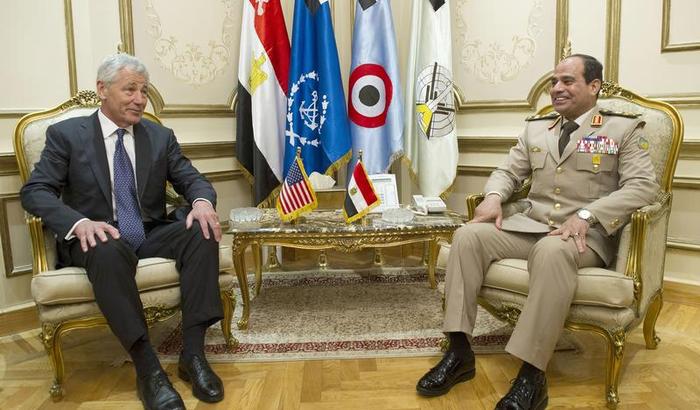
Debunking Five Myths of Washington’s Leverage in Egypt
This article was first published by Al-Monitor on April 28, 2013
Assertions and opinions in this publication are solely those of the above-mentioned author(s) and do not necessarily reflect the views of the Middle East Institute, which expressly does not take positions on Middle East policy.
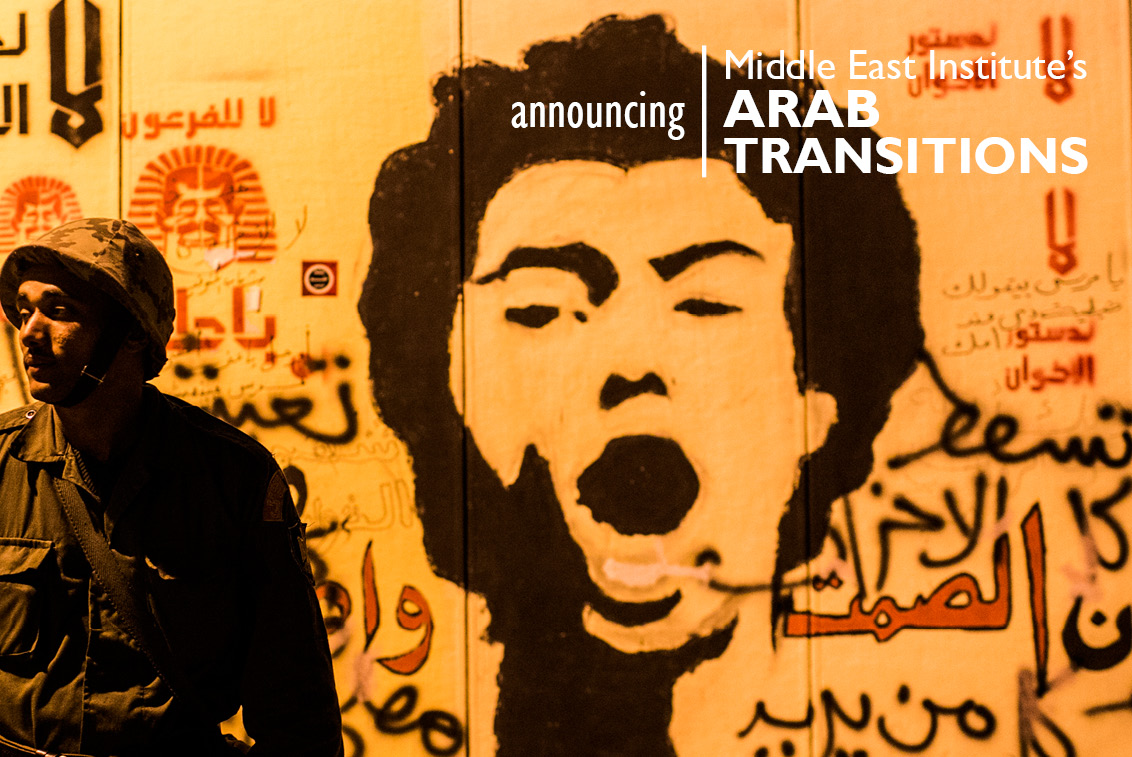
The Middle East Institute is pleased to announce the launch of the Arab Transitions program, an initiative to provide in-depth analysis of the historic changes taking place in the Arab world in the wake of the 2011 uprisings.
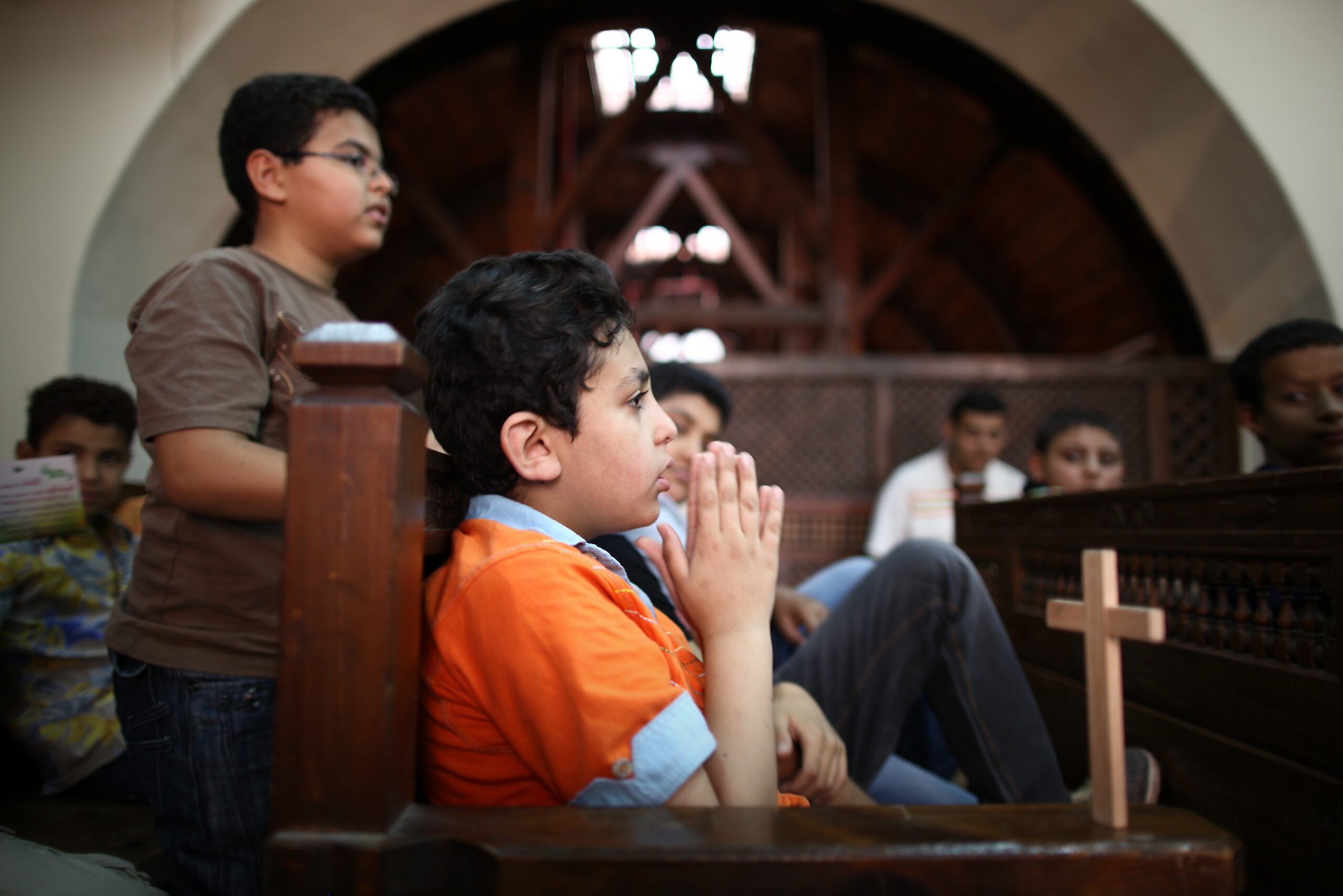
When Mohamed Morsi assumed the mantle of first democratically-elected, civilian president of Egypt, he both resigned from the Freedom and Justice Party‑‑the political arm of the Muslim Brotherhood‑‑and declared himself “president of all Egyptians.” Now, only ten months later, the country’s Coptic Christians are undoubtedly sneering at the insincerity of Morsi’s initial gestures toward magnanimity.
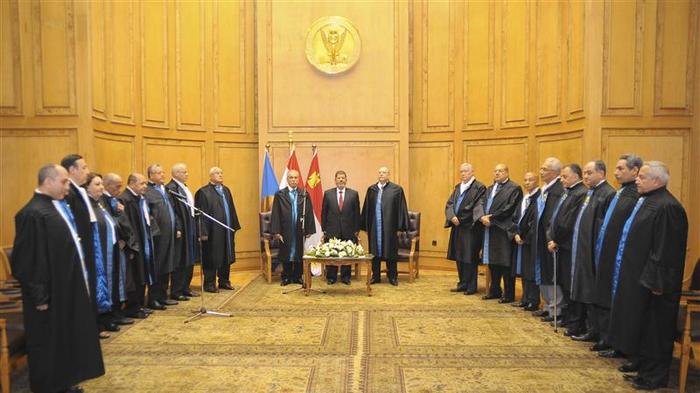
The Egyptian judiciary is facing enormous challenges and hardships while striving to perform its essential role, not only as a judicial institution, but also as a constitutional authority standing alongside the executive and legislative branches. Its difficulties can be seen in a range of problems with which it has been struggling both before and since the outbreak of the revolution in January 2011.
The Case for Women’s Rights in Post-Uprising Egypt
When Egyptian women first gained the vote in 1956, a woman in the cabinet swiftly followed. Women likely thought that all would be clear sailing from that point on, but it hasn’t quite worked out that way. Almost 70 years later, only one woman is in the cabinet.
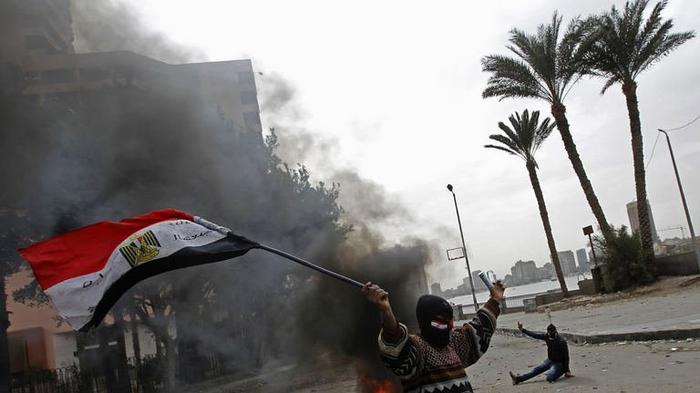
In March, Egypt’s public prosecutor announced the summoning of five members of the largely unknown group the Black Bloc.[1] The group, which takes its inspiration from “black blocs” the world round who wear black masks in order to protest anonymously, is known for such actions as halting public transportation and aiding people in distress.
The Predicament of the Obama Administration and the Muslim Brotherhood
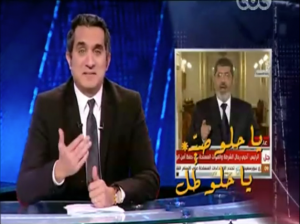
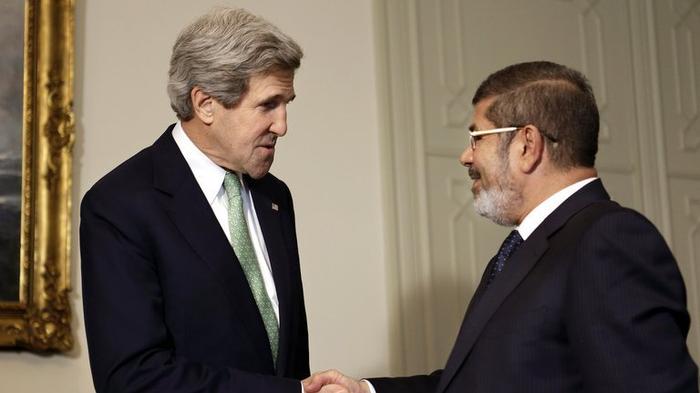
Al-Ahram columnist Ahmed al-Beri wrote on 23 March that “while the United States has often been supportive of President Mohamed Morsi’s regime, Egypt’s security and economic deterioration may be forcing it to reevaluate this support.”[1] Such thoughts are not exclusively al-Beri’s; they are dominating intellectual circles inside Egypt. The emergence of the Muslim Brotherhood as the new political warhorse in Egypt has complicated a delicate strategic relationship between Cairo and Washington.
Mohamed Yousry Salama passed away from stomach disease on 24 March 2013. The 39-year-old had been a spokesperson for the Salafi al-Nour Party immediately following Egypt’s revolution. After falling out with members of the party, he resigned in August 2011 and eventually co-founded the Dostour Party with such progressive political figures as Mohamed ElBaradei, George Ishaq, and Gamila Ismail.
The Egyptian Islamist Mohamed al-Zawahiri is most famous for being the brother of al-Qaeda front man Ayman, but his story is also a gripping one. Zawahiri was arrested in 1999 for his alleged participation in the assassination of President Anwar Sadat.
The oldest peer-reviewed publication dedicated to the study of the modern Middle East, MEI’s flagship journal covers politics, society, and culture in the region.