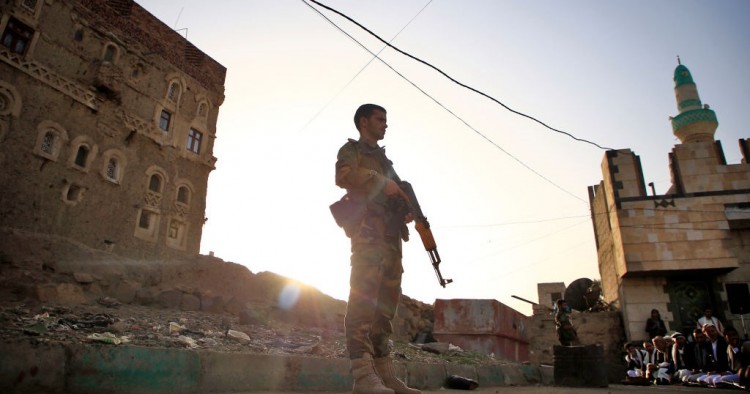
Over the past several weeks, the Houthis have seized the port city of Mokha, Yemen’s western coastline, and several islands in the Bab el-Mandeb Strait, and they are now massing around Marib and Taiz in the first major frontline shift since 2022. MEI Associate Fellow Nadwa Al-Dawsari joins host Matthew Czekaj to unpack the latest developments. Together, they discuss what has allowed the Houthis to advance against Yemeni government forces, the role the militant group plays in Iran’s regional strategy, and what it will take to contain the threat.
I was a teenage Afghan refugee in Pakistan’s tribal areas when the Twin Towers fell. Almost nobody around us understood the politics of what had happened, but we knew that something had changed for good. Afghanistan, which until then had been our private tragedy and our first exile from Taliban rule, had suddenly become the world’s concern, with the United States leading the response.
Though it has fallen out of the headlines because of the Iran war, Syria has had a dramatically consequential summer. Hosts Alistair Taylor and Matthew Czekaj are joined by MEI Senior Fellow Charles Lister to take stock of recent developments: the dissolution of the Kurdish-led Syrian Democratic Forces, Israeli strikes and the friction with Turkey they have exposed, the standoff in Sweida, as well as Damascus’s bid to turn Syria into a trade corridor between the Mediterranean and the Gulf. Is the transition consolidating or fragmenting nearly two years after the fall of the Assad regime?
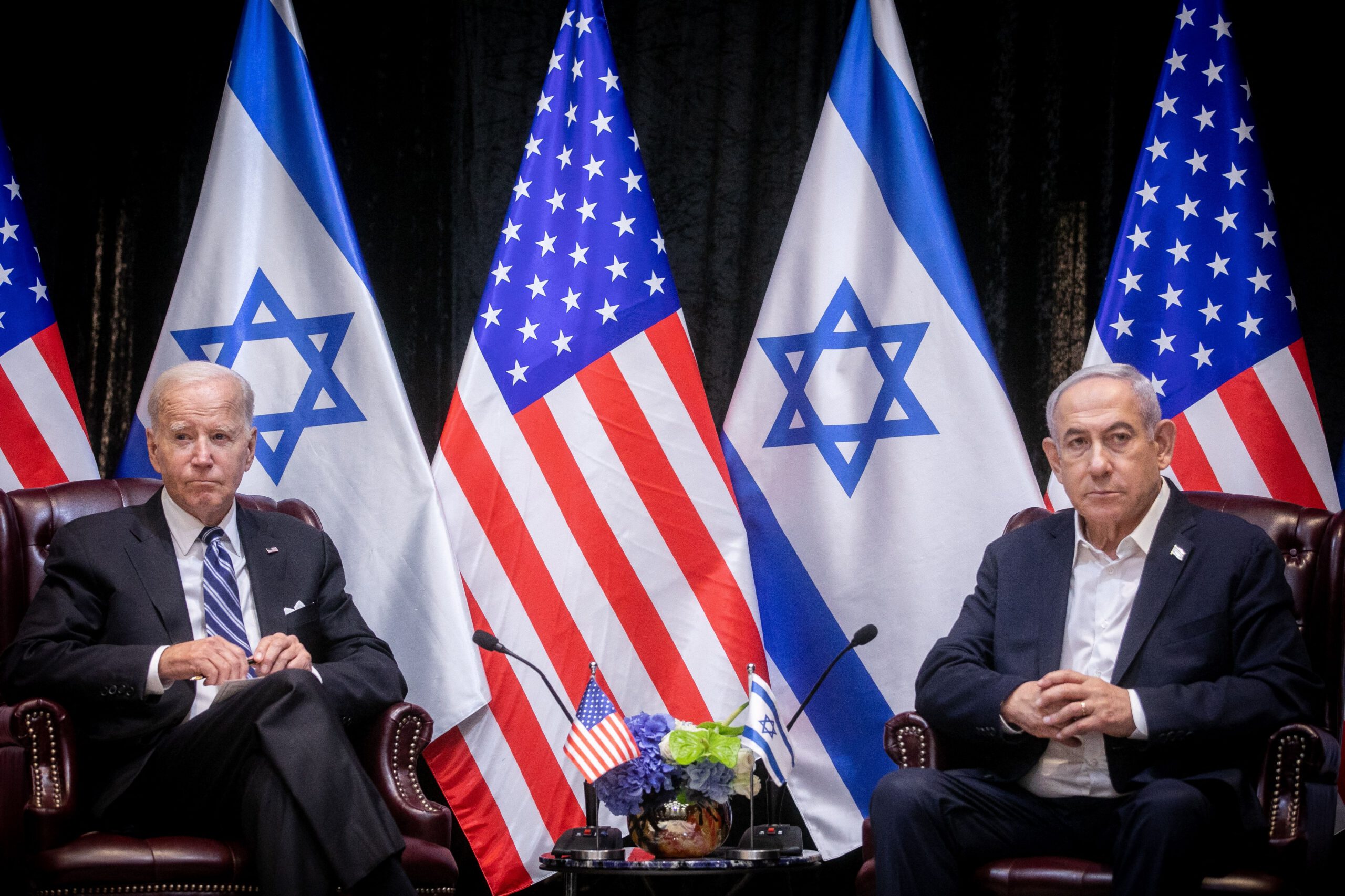
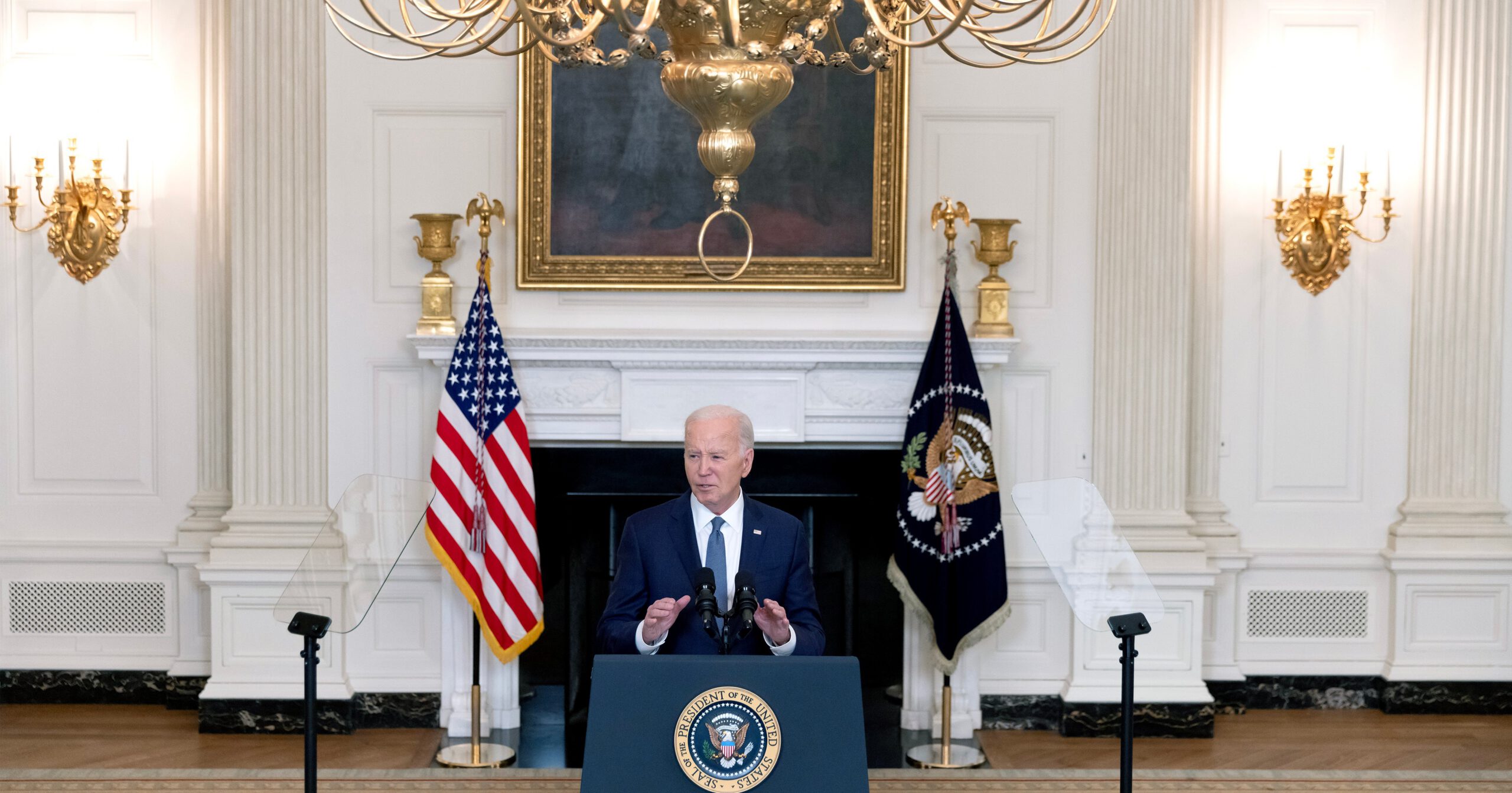
The Limits of Biden’s Middle East Diplomacy: An Assessment of US Policy, April-July 2024
In reaction to the Oct. 7 Hamas attack on Israel and the subsequent Gaza war, the Biden administration articulated six main objectives. After nine months of the Israel-Hamas conflict, which has repeatedly threatened to spill out into neighboring theaters, the Biden administration’s success toward achieving these goals has mostly declined, not for a lack of effort but rather a reflection of considerable challenges in the environment and major shortcomings in policy conceptualization and implementation.
Houthi drone strike on Tel Aviv illustrates unstoppable “democratization” of high-technological capabilities
The recent Houthi drone attack on Tel Aviv, which struck an Israeli apartment building near the Embassy of the United States, killing at least one person, should surprise no one. And the fact Israel’s state-of-the-art air defense could not prevent it will probably embolden future attempts.
The geopolitical implications of Houthi attacks and Israeli retaliation
The Houthis’ strategy of escalation has the potential to upset the fragile balance of power in the Middle East and underlines the ability of smaller actors to influence larger geopolitical outcomes through calculated risks and alliances.
Turkey is not “lost,” but it is time for other NATO allies to more strongly reengage
Turkey’s loyalty to the Alliance is frequently questioned, including accusations of fence-sitting, especially when it comes to Russia. To ask, “Who lost Turkey?” is to misread the situation. Turkey is increasingly, albeit carefully, moving away from the Kremlin.
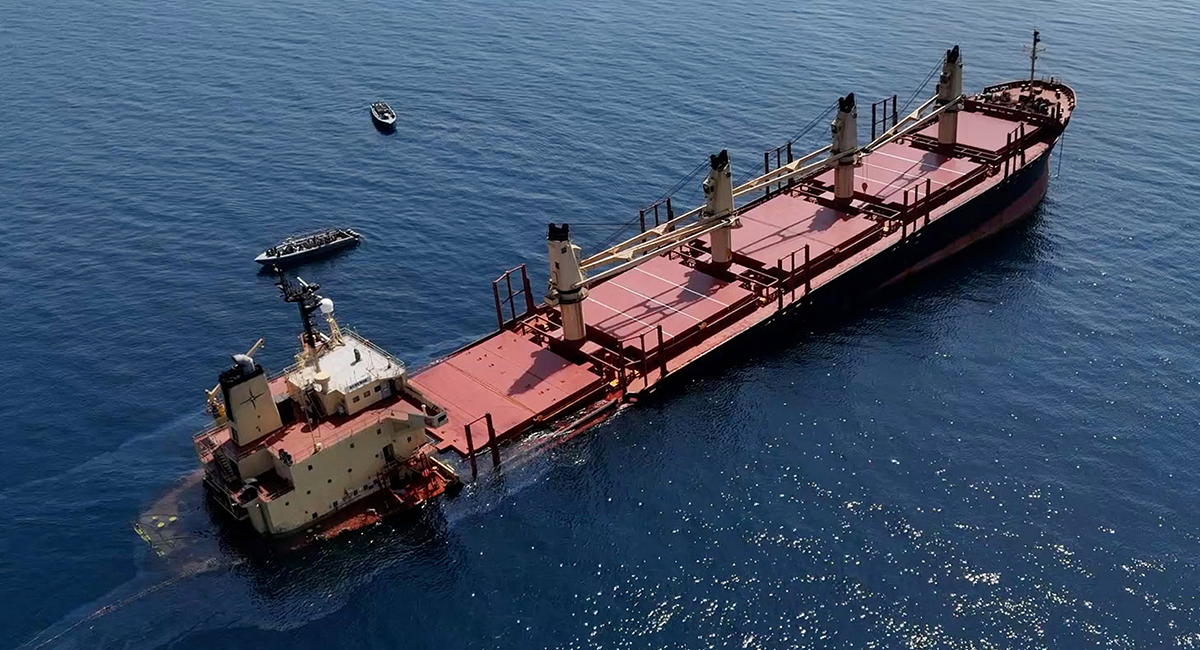
The situation in the Red Sea is not getting better
The current situation is not only intolerable – it is unsustainable. It is time to recognize that the Houthis, with strong and persistent support from Iran, are in a position to hold not only the US but virtually the entire global system hostage.
CENTCOM says ISIS is reconstituting in Syria and Iraq, but the reality is even worse
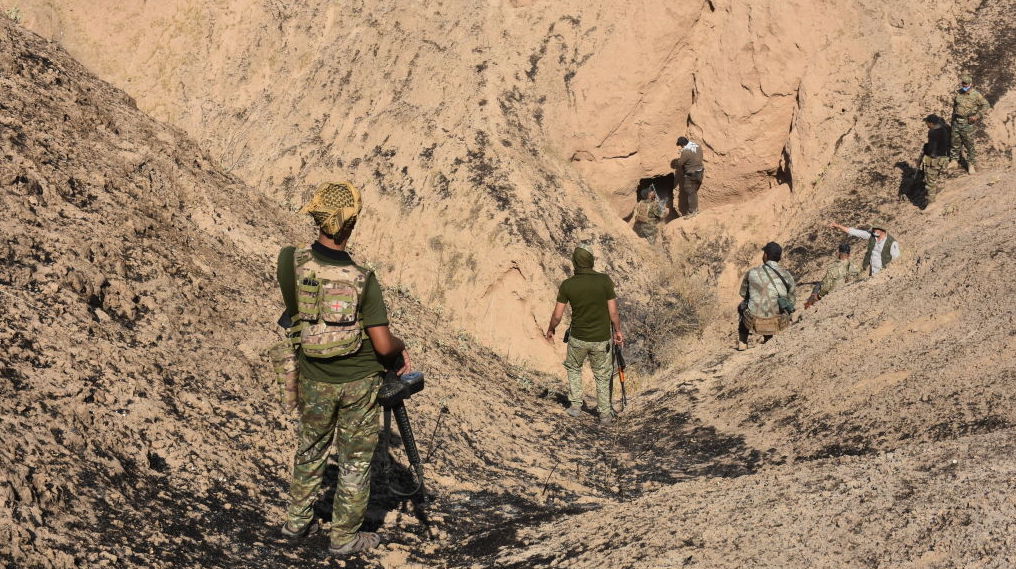
On July 16, CENTCOM announced that after six months of 2024, “ISIS is on pace to more than double” the number of attacks in Syria and Iraq it claimed in 2023. But the reality is far worse than this statement suggested because the data represents only a fraction of ISIS’s actual attacks in Syria and Iraq.
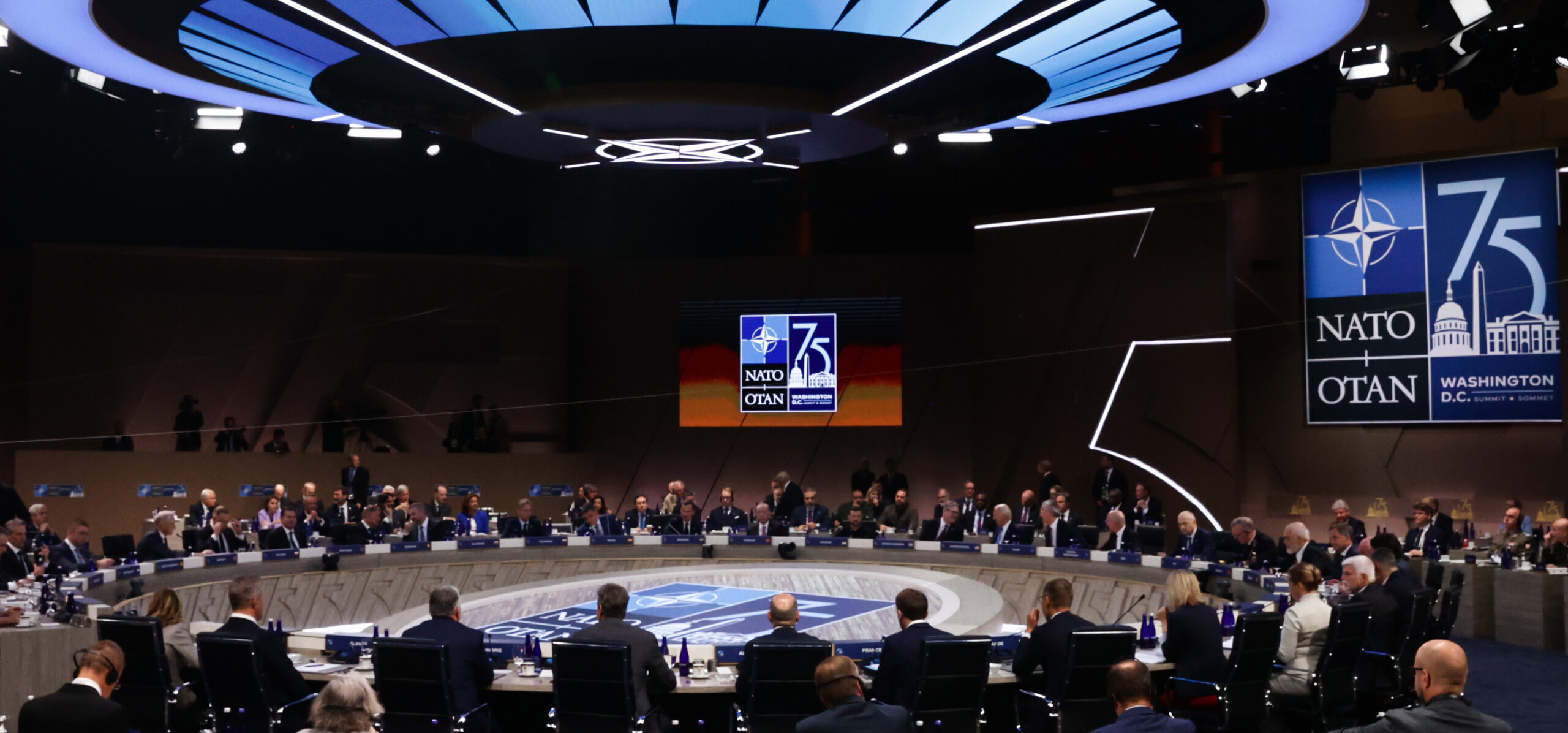
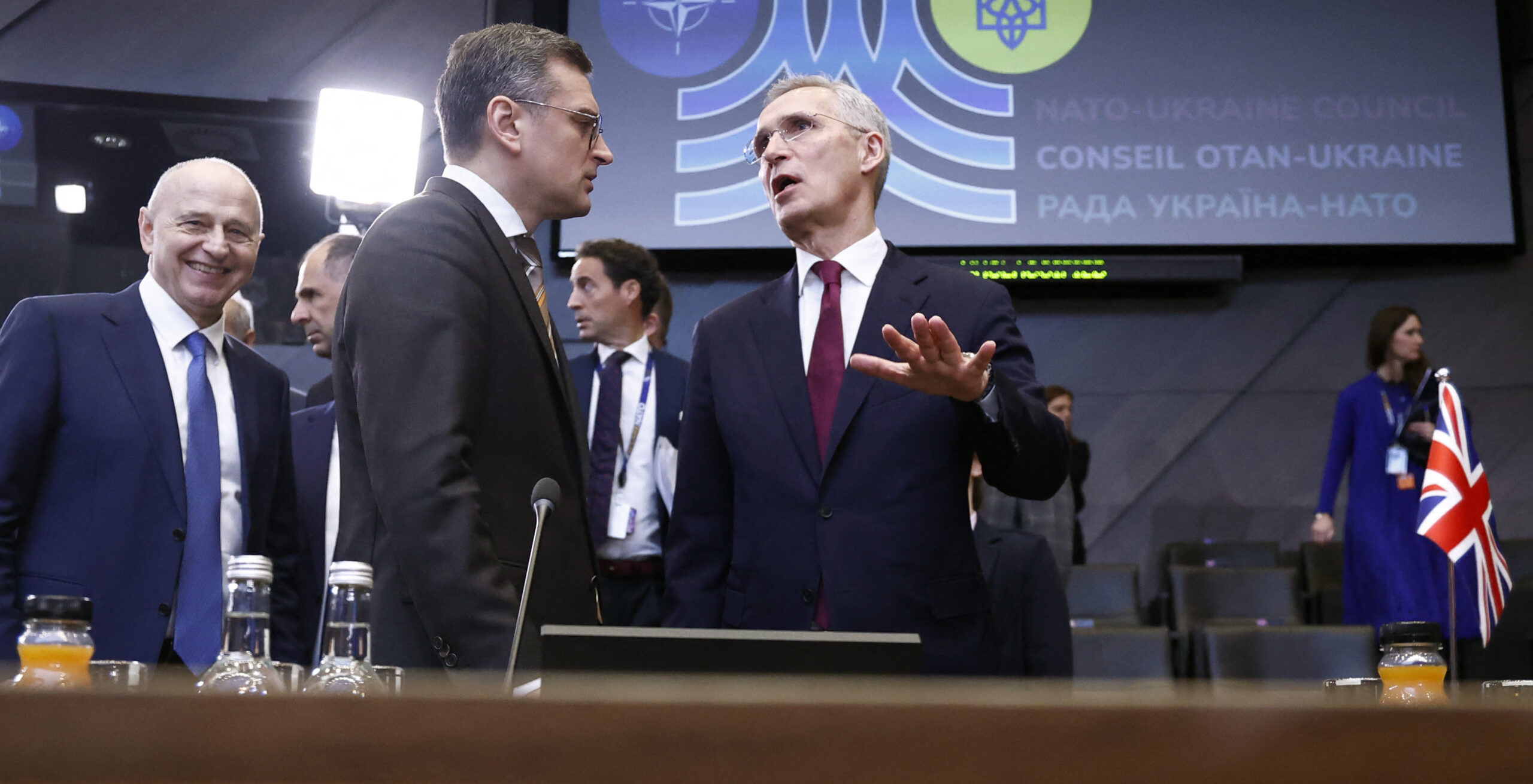
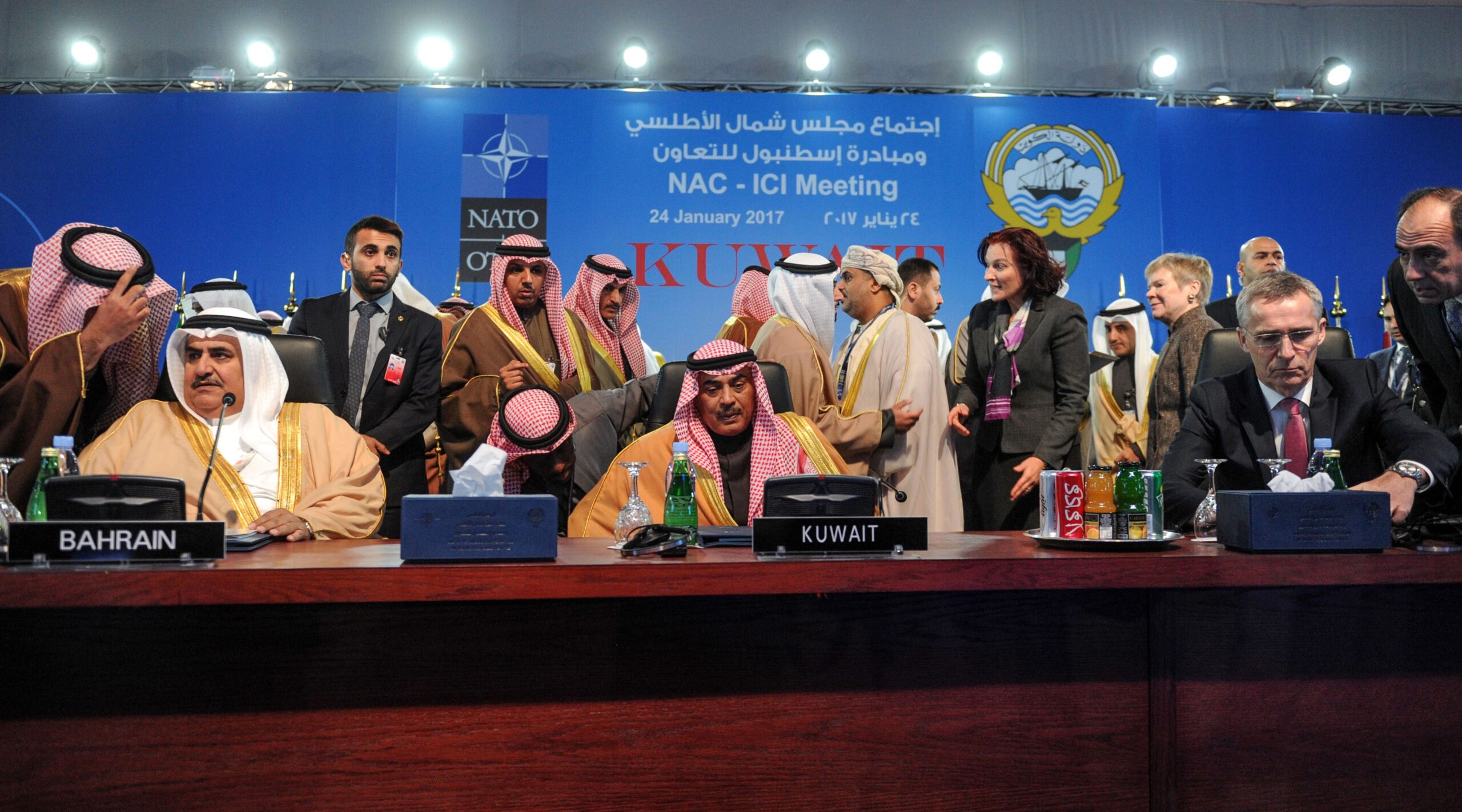
Key takeaways for NATO and the Middle East from the Washington Summit Declaration
At the Washington Summit, NATO member states mostly focused on efforts to counter Russia and to support Ukraine. However, the 2024 summit communiqué also addresses non-Euro-Atlantic risks and opportunities, based on the idea that “conflict, fragility and instability” elsewhere directly affects NATO security.
الناتو وشمال أفريقيا والساحل: تسوية مثلث انعدام الأمن
مع احتفال حلف الناتو بمرور 75 عامًا على تأسيسه، سيجتمع أعضاء الحلف في واشنطن العاصمة في الفترة من 9 إلى 11 يوليو لعقد قمة تاريخية. ومن بين القضايا الرئيسية على جدول الأعمال معالجة التهديدات الحادة الناشئة عن منطقة البحر الأسود واعتماد نهج استراتيجي تجاه الشرق الأوسط وأفريقيا.
In its 2022 Strategic Concept, NATO declared the Black Sea Region (BSR) of strategic importance for the Alliance, yet this recognition has never translated into NATO developing a proper strategy toward its critical southeastern flank. That glaring gap must be addressed right away.
While the Washington Summit is unlikely to deliver any ground-breaking outcome, it certainly offers the opportunity to articulate the nexus between security in Europe and the Mediterranean-African region. NATO also has the opportunity to renew and streamline its partnerships with Middle Eastern and North African countries while strengthening its outreach to Africa.
ليبيا تظل مفتاح الناتو لمواجهة الأنشطة الروسية الخبيثة في أفريقيا
قبل ثماني سنوات، لم يكن أحد يتوقع أن روسيا ستتوسع في أفريقيا بهذه السرعة والشمولية. واليوم، هناك إدراك واسع النطاق للتهديد الذي يشكله التوسع الروسي المزعزع للاستقرار في أفريقيا على حلف الناتو وأعضائه والمنطقة الأفريقية.