تمت ترجمة هذا النص بواسطة الذكاء الاصطناعي وقد يحتوي على أخطاء.
تخطي إلى المحتوى

الطاقة

Special Episode: Saudi Oil After the East-West Pipeline Attack
  • Podcast
  • Special Episode: Saudi Oil After the East-West Pipeline Attack

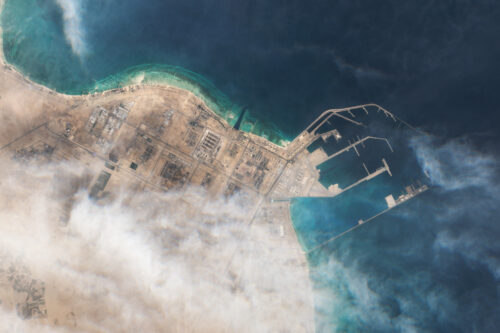
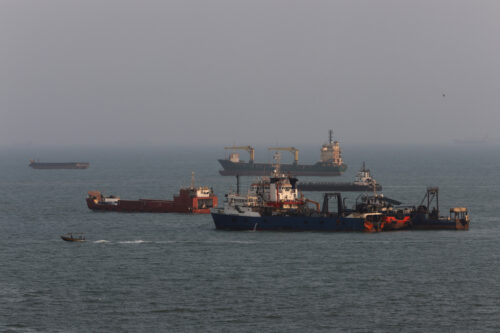
    Saudi Arabia’s East-West pipeline is back in operation after a drone attack from Iraq, blamed on Iran-backed militias, shut it down for nearly two weeks. The pipeline is the kingdom’s main way to export oil while the Strait of Hormuz is closed, so the shutdown dealt another blow to global energy markets. How vulnerable is this route, and what does that mean for the kingdom and the world economy? This episode of Middle East Focus features a recent MEI Virtual Briefing in which Director of Communications Zeina Al-Shaib is joined by MEI Senior Fellow Colby Connelly and MEI Affiliate Yesar Al-Maleki. They examine the new geopolitical risks facing the oil market, what further losses of global supply could mean for Saudi Arabia and the world economy, and which buffers outside the Persian Gulf could ease the pressure.
    October 1, 2026

    Gulf Political Economy: The Cost of Accommodating Iran
  • التحليل
  • Gulf Political Economy: The Cost of Accommodating Iran

    There may be no near-term resolution to the conflict between the United States, Israel, and Iran. The cease-fire and memorandum of understanding (MoU) signed on June 18  have broken down, there is little diplomatic engagement, and new flare-ups in early September indicate a further round of escalation. Gulf states may have no choice but to protect their assets and populations while trying to deter Iran by finding mechanisms of both containment and accommodation.

    Gulf Energy Markets: The Region’s Edge Will Survive — At a Price
  • التحليل
  • Gulf Energy Markets: The Region’s Edge Will Survive — At a Price

    Across the Gulf, views differ widely on how the Iran war can and should end, and what the region will look like once it does. Yet on the crisis over the closure of the Strait of Hormuz, the view is near-unanimous that a repeat is not only possible but likely. That expectation, more than any single incident over the past year, is becoming a major driver of decision-making in industry and policy circles alike.

    تصفية حسب
    401 Results
    Iranian sanctions evasion and the Gulf’s complex oil trade
    Photo by Ali Mohammadi/Bloomberg via Getty Images
  • التحليل
  • Iranian sanctions evasion and the Gulf’s complex oil trade

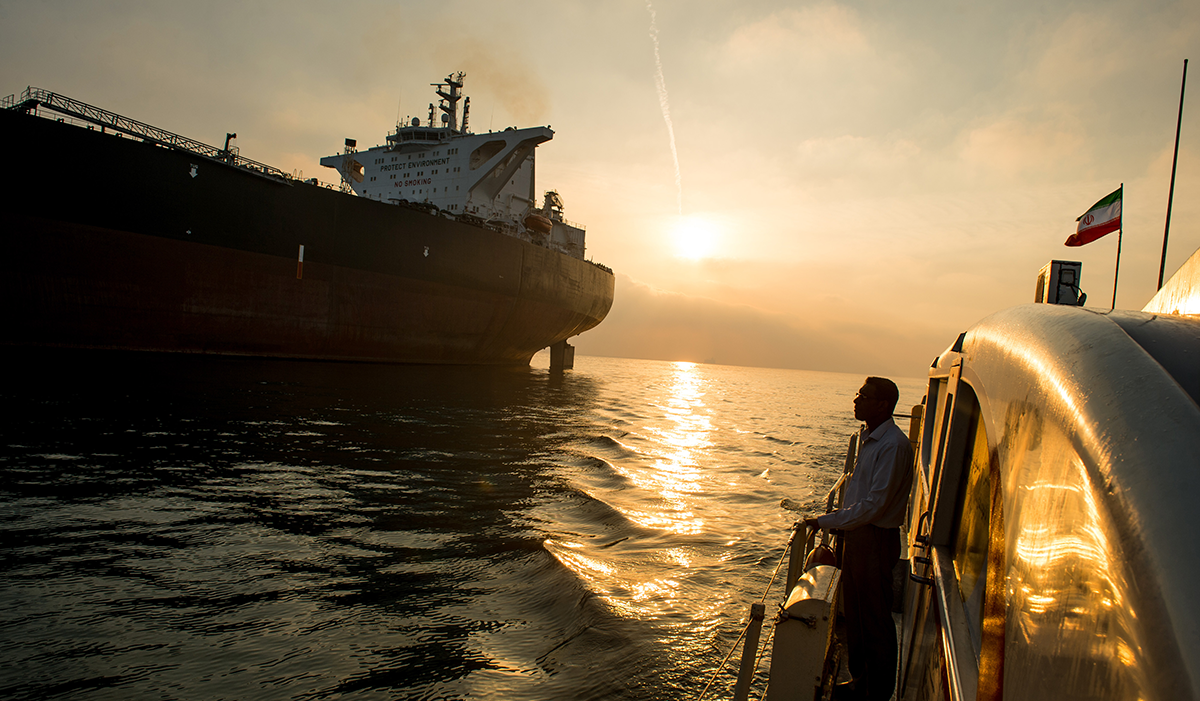
    Sanctions have had a devastating impact on Iran’s oil production and exports, preventing much-needed investment in the country’s ageing fields and barring it from legally exporting crude oil to global customers. Using a range of evasion tactics, however, Iran has succeeded in circumventing sanctions and maintaining a steady — albeit much lower — level of crude exports. The Gulf’s complex regional oil market has facilitated these tactics, providing the perfect environment for trade in oil that U.S. sanctions designate as illicit.

    May 11, 2021

    EU-Iran relations: Toward a diplomatic confrontation?
    Photo by Olivier HOSLET / POOL / AFP) (Photo by OLIVIER HOSLET/POOL/AFP via Getty Images
  • التحليل
  • EU-Iran relations: Toward a diplomatic confrontation?

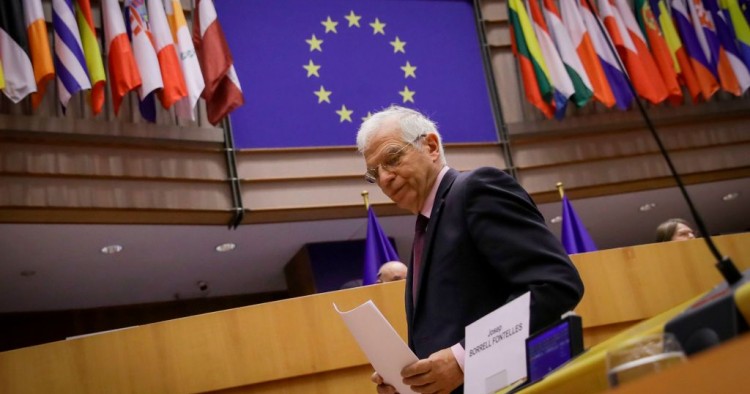
    When the EU’s high representative for foreign affairs and security policy, Josep Borrell Fontelles, took office in December 2019, he emphasized the need to preserve the 2015 Joint Comprehensive Plan of Action (JCPOA) and cooperate with Iran. At the same time, he criticized then-U.S. President Donald Trump for maintaining extended sanctions — which in practice prevented leading European firms from concluding large contracts with partners in Iran — and for the U.S.’s withdrawal from the provisions of the treaty.

    May 4, 2021

    Key environmental challenges facing the Middle East
    Photo by KHALED DESOUKI / Stringer
  • التحليل
  • Key environmental challenges facing the Middle East

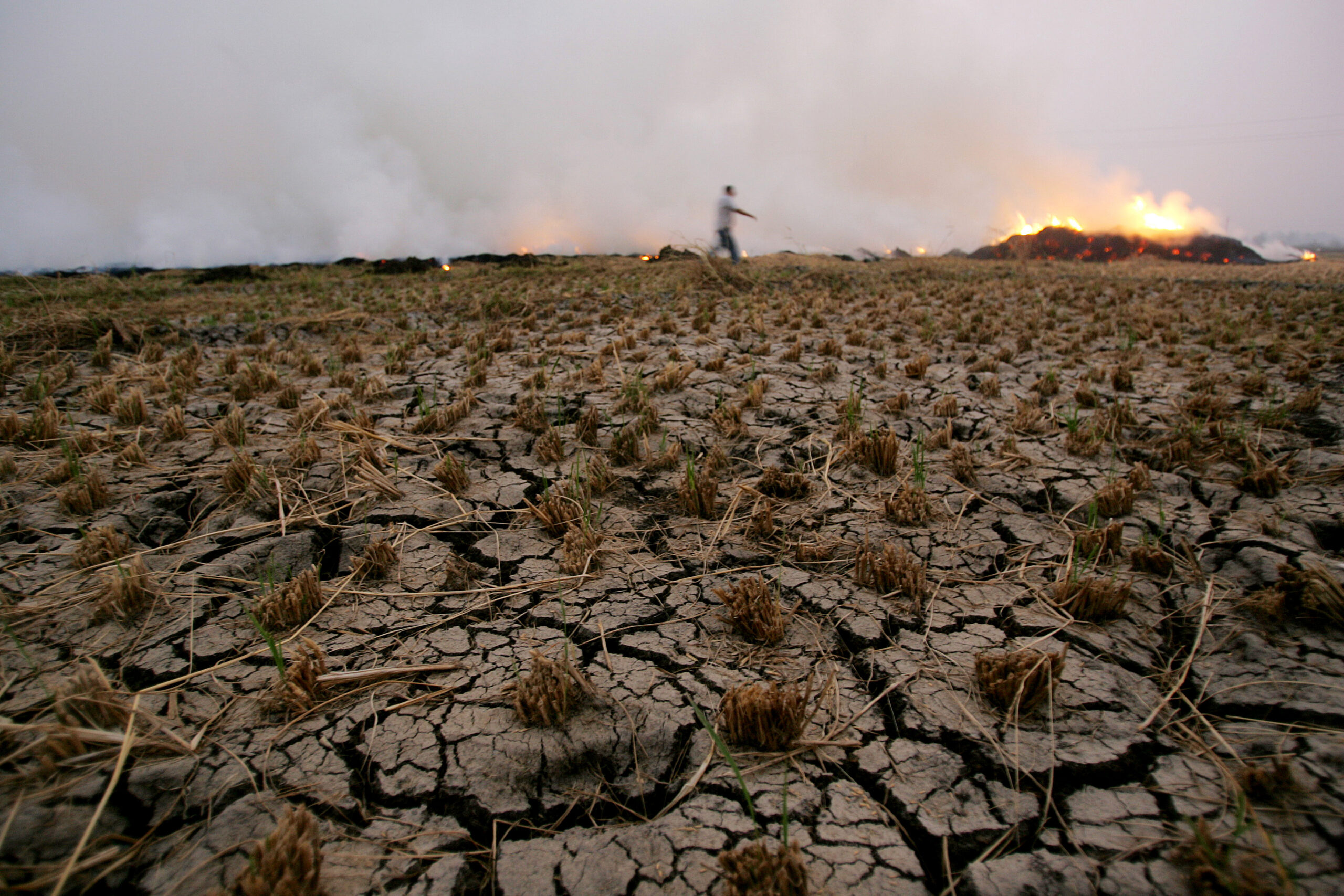
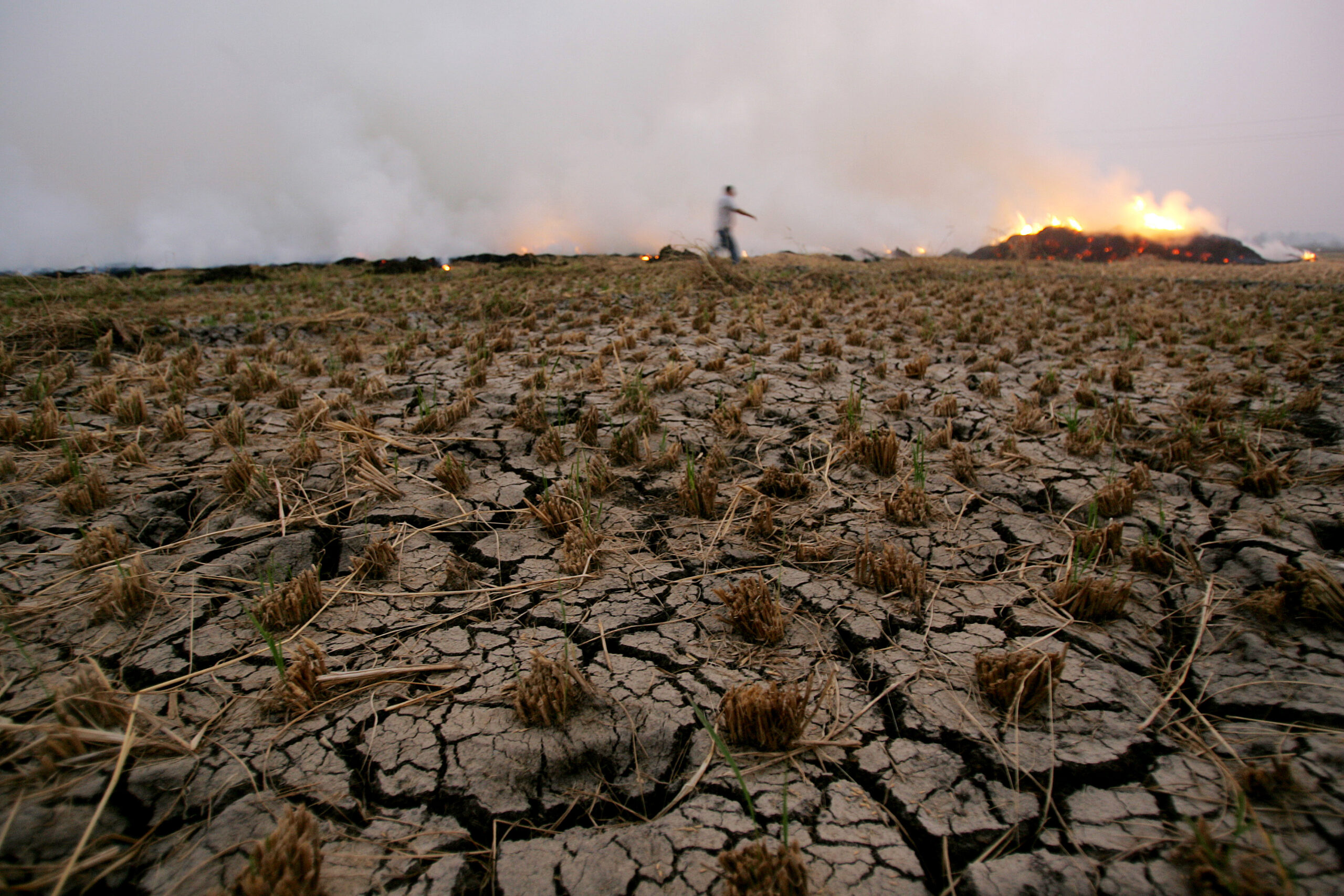
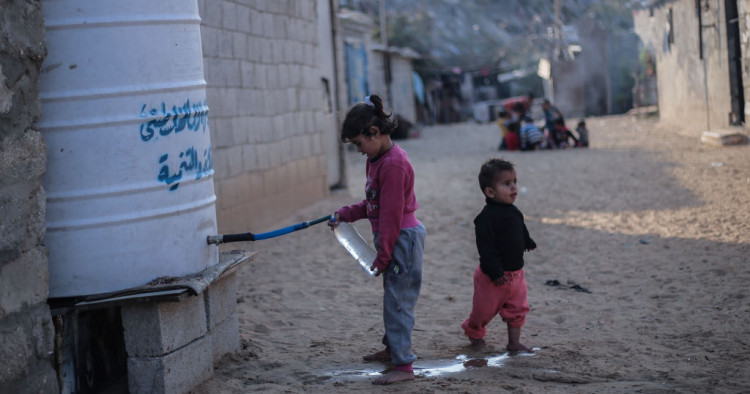
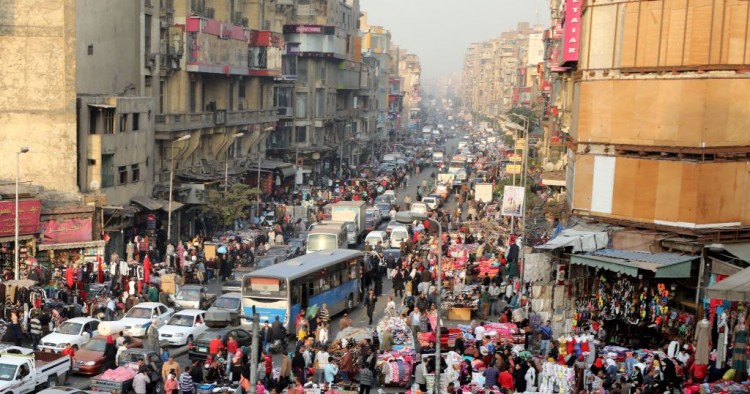
    The Middle East and North Africa faces a host of major environmental challenges, from water scarcity and food insecurity to climate change adaptation. In recognition of Earth Day on April 22 and in conjunction with MEI’s Climate Week 2021 events, we asked experts and scholars to weigh in with their thoughts on the most pressing environmental issues facing the region.

    April 22, 2021

    Egypt should go green by putting a price on carbon
    Photo by MOHAMED EL-SHAHED/AFP via Getty Images
  • التحليل
  • Egypt should go green by putting a price on carbon

    It is time for Egypt to put a price on carbon. While Cairo has taken small steps toward developing a sustainability plan, it needs a bold idea to stop rising carbon emissions. Establishing a carbon exchange — or putting a price on carbon — would be good for the country and help make Egypt an environmental leader in the region.

    March 30, 2021

    What will the Middle East look like in 2030? An Israeli Perspective
  • التحليل
  • What will the Middle East look like in 2030? An Israeli Perspective

    The following article addresses the question of how the Middle East might develop in the coming decade. Long-term and detailed strategic predictions are a thankless task and are often doomed to failure. Therefore, this article refrains from attempts at prophecy but deals instead with “thinking about the future.” It opens with an analytical framework for scenario development, supplemented by “trends impact” and “horizon scanning.” The second section studies “the futures of the past,” in terms of what we might learn about the pitfalls of future projection and scenario-building from those outlining possible futures for 2020 from years past. Then, on the basis of the first two sections, four scenarios elaborate some distinctly different pathways that the Middle East might take to 2030. Finally, the article concludes with several key takeaways for Israeli decision makers.

    March 1, 2021

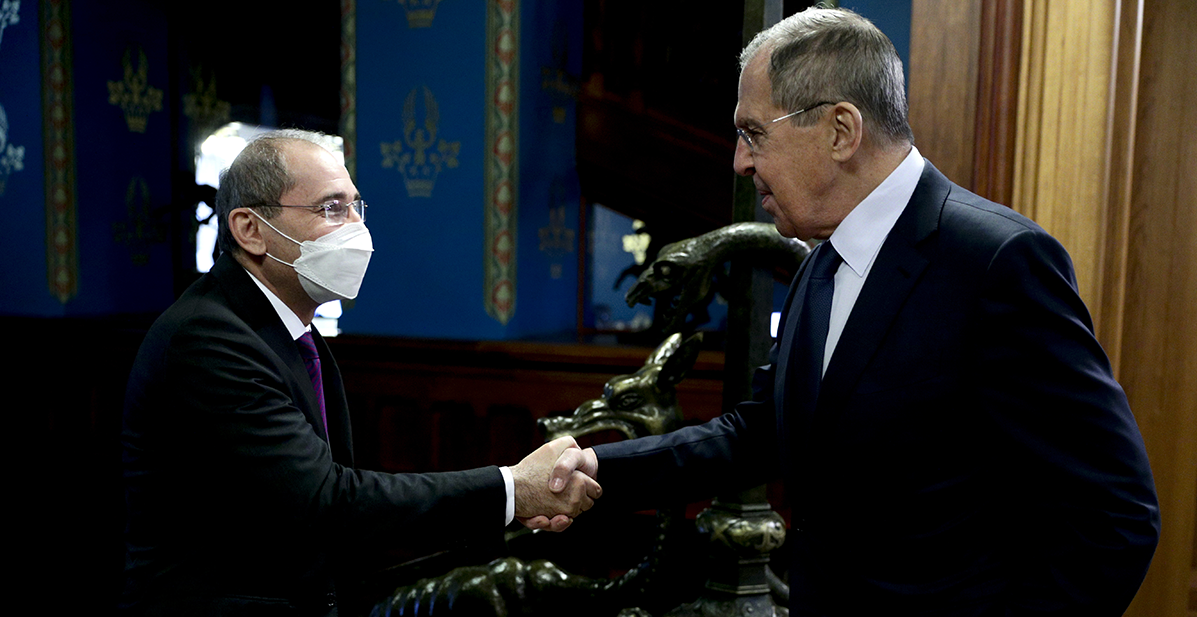
    An integral partner: The growing ties between Amman and Moscow
    Photo by Russian Foreign Ministry/Handout/Anadolu Agency via Getty Images
  • التحليل
  • An integral partner: The growing ties between Amman and Moscow

    On Feb. 3, Russian Foreign Minister Sergey Lavrov hosted his Jordanian counterpart Ayman Safadi in Moscow. After their meeting, Lavrov emphasized Russia and Jordan’s shared positions on Syria, Gulf security, and Israel-Palestine.

    February 18, 2021

    Finding common ground: Fostering environmental cooperation in the Persian Gulf
    Photo by Eric Lafforgue/Art in All of Us/Corbis via Getty Images
  • التحليل
  • Finding common ground: Fostering environmental cooperation in the Persian Gulf

    When it comes to the Persian Gulf, saving the environment might seem like it would be the last item on the to-do lists of the region’s Iranian and Arab rivals. It is an urgent matter, however — and one that could help turn these foes into friends. The United States can play an important role in this: It has helped the region to resolve conflicts over water in the past, and it could do so again.

    February 4, 2021

    At least they’re talking: Turkey and Greece resume negotiations, but don’t hold your breath on a breakthrough
    Photo by Turkish Foreign Ministry/Handout/Anadolu Agency via Getty Images
  • التحليل
  • At least they’re talking: Turkey and Greece resume negotiations, but don’t hold your breath on a breakthrough

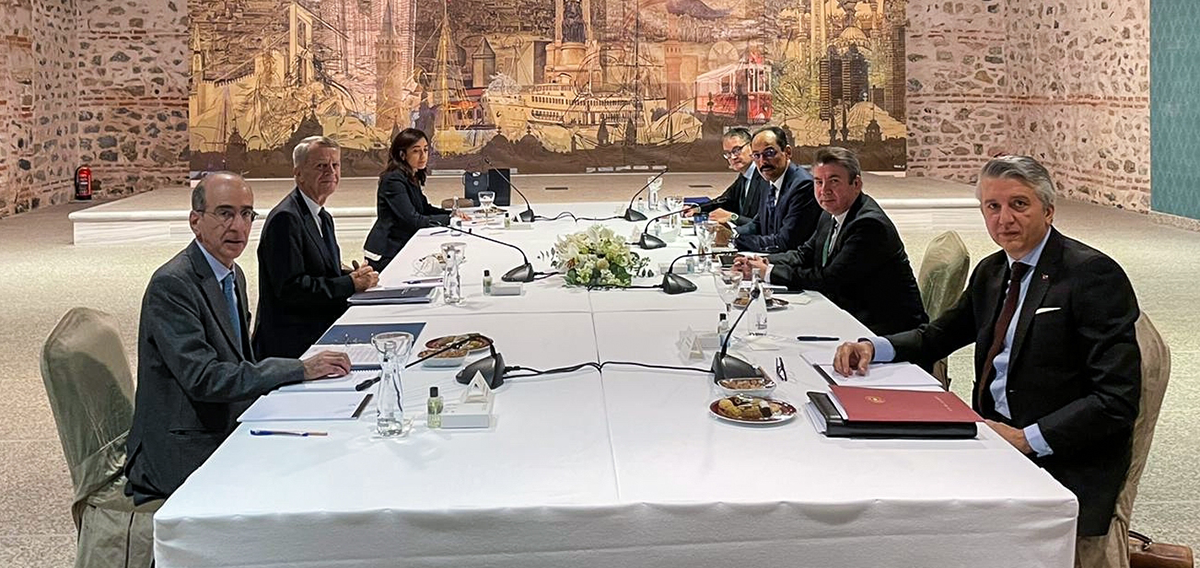
    Turkey’s efforts to strike a different tone were apparent on Jan. 25 in Istanbul, when Greek and Turkish officials resumed talks after a five-year gap to calm tensions in the Aegean and Mediterranean. The fact that the parties met is welcome news after the two came to the brink of war recently over offshore energy exploitation rights, but no one expected a breakthrough. The tensions between the two countries have a long history and the issues dividing Athens and Ankara are too deep to bridge.

    What could environmental cooperation between Iran and the GCC look like?
  • التحليل
  • What could environmental cooperation between Iran and the GCC look like?

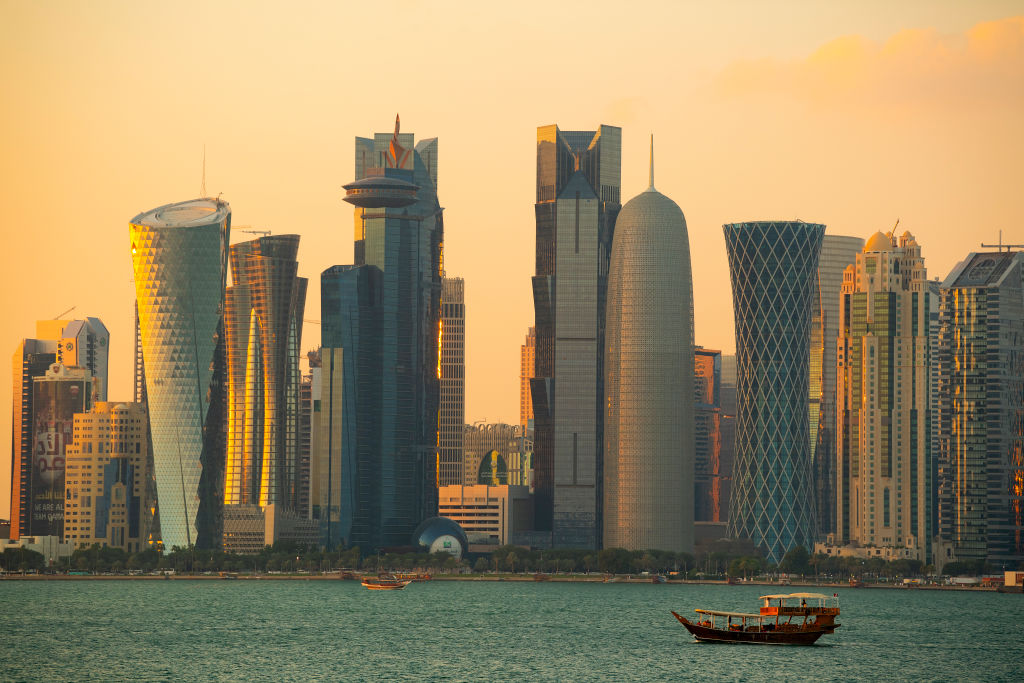
    The Persian Gulf states are among the most vulnerable on earth to the effects of climate change, which makes environmental cooperation necessary for their survival. Located in one of the hottest and driest parts of the planet, the region is vulnerable to extreme heat waves, dust storms, and water scarcity. All of these will increase in frequency and severity with further climate change. Protecting the natural environment of the region is not just an ecological concern, but a security one as well. Unmitagated climate change could spur conflict over limited resources and produce waves of migrants. While the future may seem bleak, environmental cooperation also presents a unique opportunity for improving the relationship between the Gulf Cooperation Council (GCC) states and Iran. Successes from cooperation on essential environmental issues could be the start of a more general rapprochement.

    December 10, 2020

    A Sea Change?: China's Role in the Black Sea
  • التحليل
  • A Sea Change?: China's Role in the Black Sea

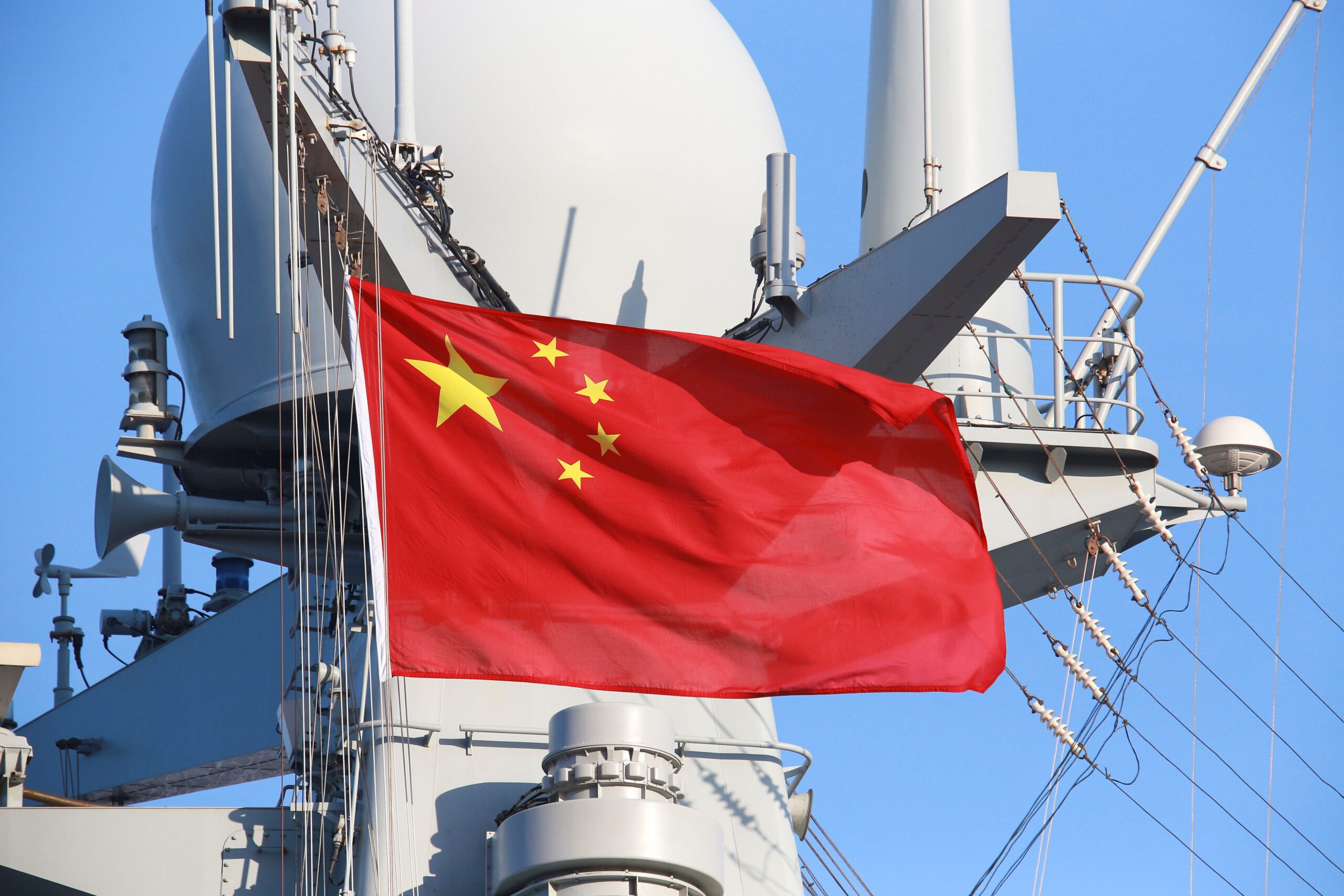
    Through its Belt and Road Initiative, China seeks to play a larger role in the Black Sea region. China has been wooing littoral states in hopes of securing new markets for its goods and investing in infrastructure projects. But some worry that there is more to Chinese actions in the region than meets the eye. The worry is that China will increase its political and diplomatic clout in a region that is considered vital for Russian interests and create tension between Moscow and Washington. Despite the uneasiness in the West about China’s increasing presence in the Black Sea, there is not enough focus on the issue in the scholarly debates in Western capitals. The MEI’s Frontier Europe Initiative aims to contribute to the debate on the role of China in the Black Sea. We hope the articles in this report will help to address several important unaddressed questions.

    November 18, 2020

    Lebanese maritime security: Navigating rough seas with good policy
  • التحليل
  • Lebanese maritime security: Navigating rough seas with good policy

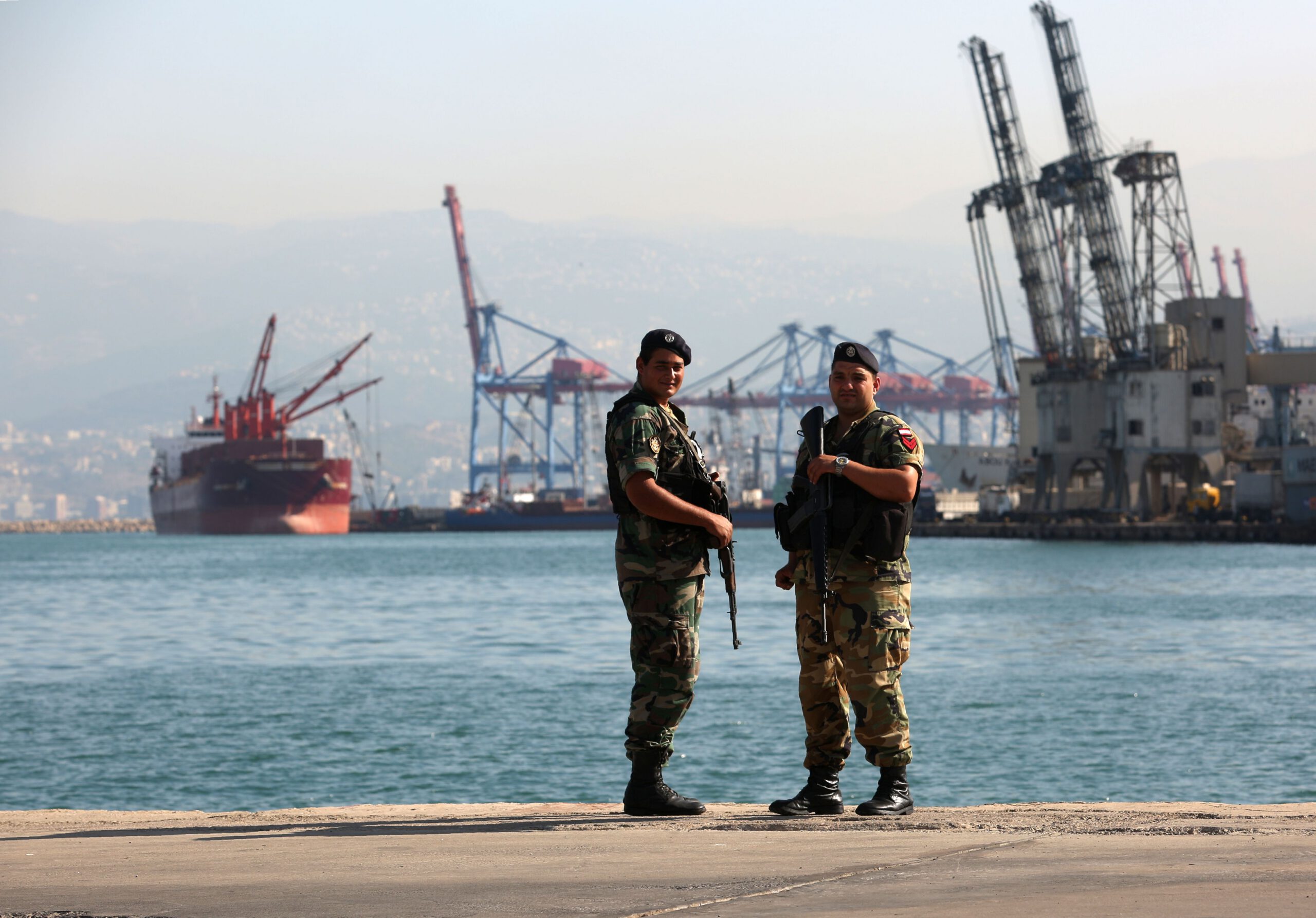
    Lebanon has a coastline of 120 nautical miles (NM) along the eastern Mediterranean and an exclusive economic zone (EEZ) that encompasses an area of 5000 square nautical miles (SNM). While this wide expanse presents many opportunities, it also represents a pressing security challenge for the Lebanese Navy and the region in general.

    November 16, 2020

    اقرأ مجلة الشرق الأوسط

    أقدم مطبوعة محكمة مخصصة لدراسة الشرق الأوسط المعاصر، تغطي مجلة MEI الرائدة السياسة والمجتمع والثقافة في المنطقة.