تمت ترجمة هذا النص بواسطة الذكاء الاصطناعي وقد يحتوي على أخطاء.
تخطي إلى المحتوى

الطاقة

Special Episode: Saudi Oil After the East-West Pipeline Attack
  • Podcast
  • Special Episode: Saudi Oil After the East-West Pipeline Attack

    Saudi Arabia’s East-West pipeline is back in operation after a drone attack from Iraq, blamed on Iran-backed militias, shut it down for nearly two weeks. The pipeline is the kingdom’s main way to export oil while the Strait of Hormuz is closed, so the shutdown dealt another blow to global energy markets. How vulnerable is this route, and what does that mean for the kingdom and the world economy? This episode of Middle East Focus features a recent MEI Virtual Briefing in which Director of Communications Zeina Al-Shaib is joined by MEI Senior Fellow Colby Connelly and MEI Affiliate Yesar Al-Maleki. They examine the new geopolitical risks facing the oil market, what further losses of global supply could mean for Saudi Arabia and the world economy, and which buffers outside the Persian Gulf could ease the pressure.
    October 1, 2026

    Gulf Political Economy: The Cost of Accommodating Iran
  • التحليل
  • Gulf Political Economy: The Cost of Accommodating Iran

    There may be no near-term resolution to the conflict between the United States, Israel, and Iran. The cease-fire and memorandum of understanding (MoU) signed on June 18  have broken down, there is little diplomatic engagement, and new flare-ups in early September indicate a further round of escalation. Gulf states may have no choice but to protect their assets and populations while trying to deter Iran by finding mechanisms of both containment and accommodation.

    Gulf Energy Markets: The Region’s Edge Will Survive — At a Price
  • التحليل
  • Gulf Energy Markets: The Region’s Edge Will Survive — At a Price

    Across the Gulf, views differ widely on how the Iran war can and should end, and what the region will look like once it does. Yet on the crisis over the closure of the Strait of Hormuz, the view is near-unanimous that a repeat is not only possible but likely. That expectation, more than any single incident over the past year, is becoming a major driver of decision-making in industry and policy circles alike.

    تصفية حسب
    401 Results
    تأثير الحرب الروسية الأوكرانية على تدفقات الطاقة من دول الخليج العربي
    الصورة من وكالة فرانس برس عبر غيتي إيمدجز
  • التحليل
  • تأثير الحرب الروسية الأوكرانية على تدفقات الطاقة من دول الخليج العربي

    بعد مرور ما يقرب من ثلاث سنوات، أدى الغزو الروسي الشامل لأوكرانيا في فبراير 2022 إلى إعادة تشكيل التجارة والاستثمار في قطاع الطاقة، مما أدى إلى زيادة واردات الخليج من النفط الروسي وارتفاع حاد في صادرات المنطقة من الهيدروكربونات إلى أوروبا، فضلاً عن زيادة نمو استثمارات الخليج في مشاريع الطاقة المتجددة الموجودة في القارة والموجهة إليها.

    Mapping MENA’s Renewable Energy Supply Chains: The Emergence of Green Energy Ecosystems in the Middle East and North Africa
    Photo by Leonhard Simon/Getty Images
  • التحليل
  • Mapping MENA’s Renewable Energy Supply Chains: The Emergence of Green Energy Ecosystems in the Middle East and North Africa

    The Middle East and North Africa has the potential to become the world’s largest renewable energy-producing region. Compared to the immense scale of its resources, renewable energy is virtually untapped at present. This study maps the emerging regional trends in renewable energy development and MENA renewable energy supply chains across North Africa, the Arabian Peninsula, and the Levant. The most successful MENA nations in developing their renewable energy resources to date are doing so through the establishment of green energy ecosystems, in which the development of utility-scale renewable energy infrastructure is coordinated with that of robust offtake markets and the establishment of commercially viable storage and transportation mechanisms to service them.

    Renewable Energy and Morocco’s New Green Industries Can Expand Women and Youth Employment through Sustainable Development
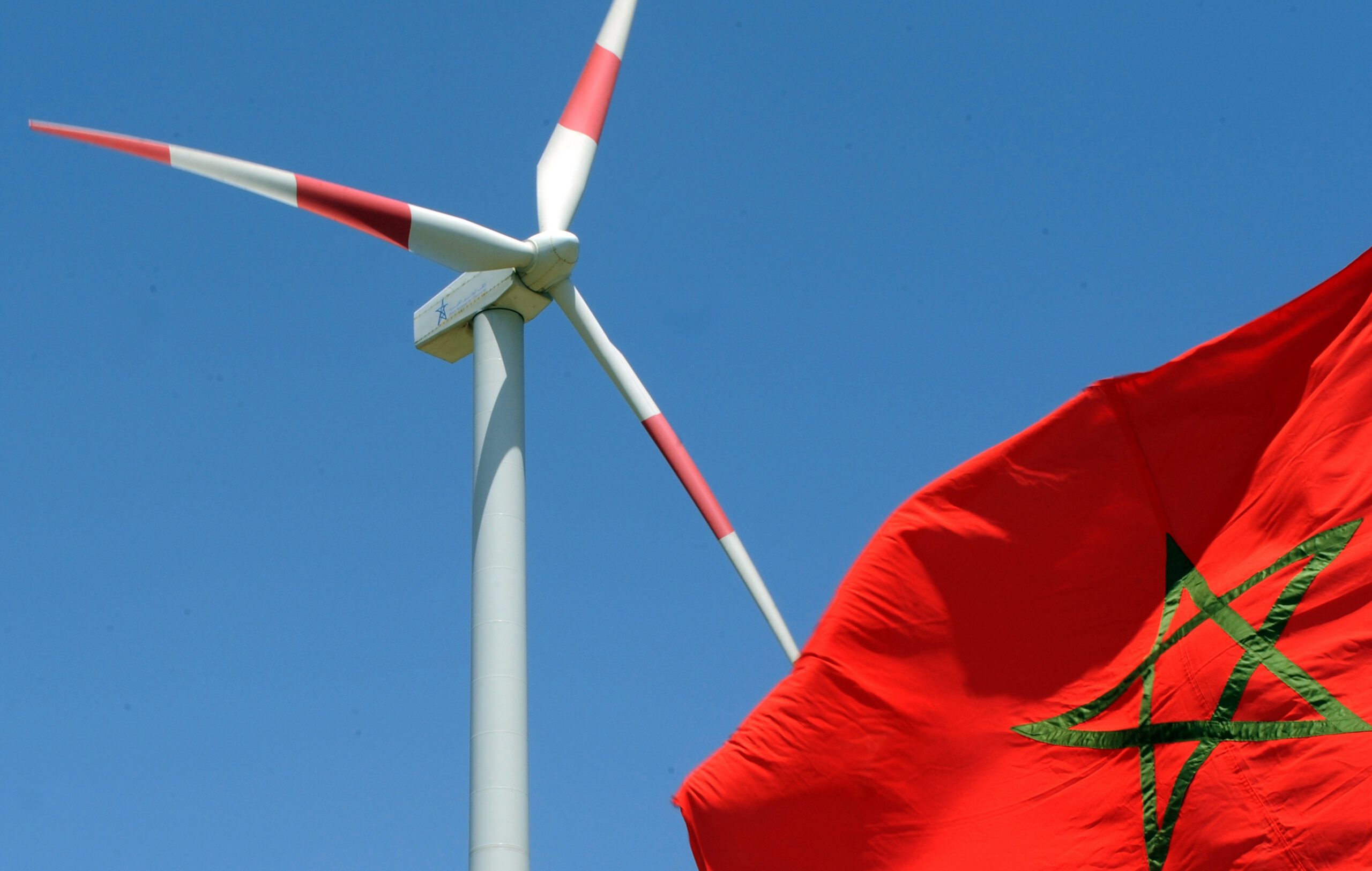
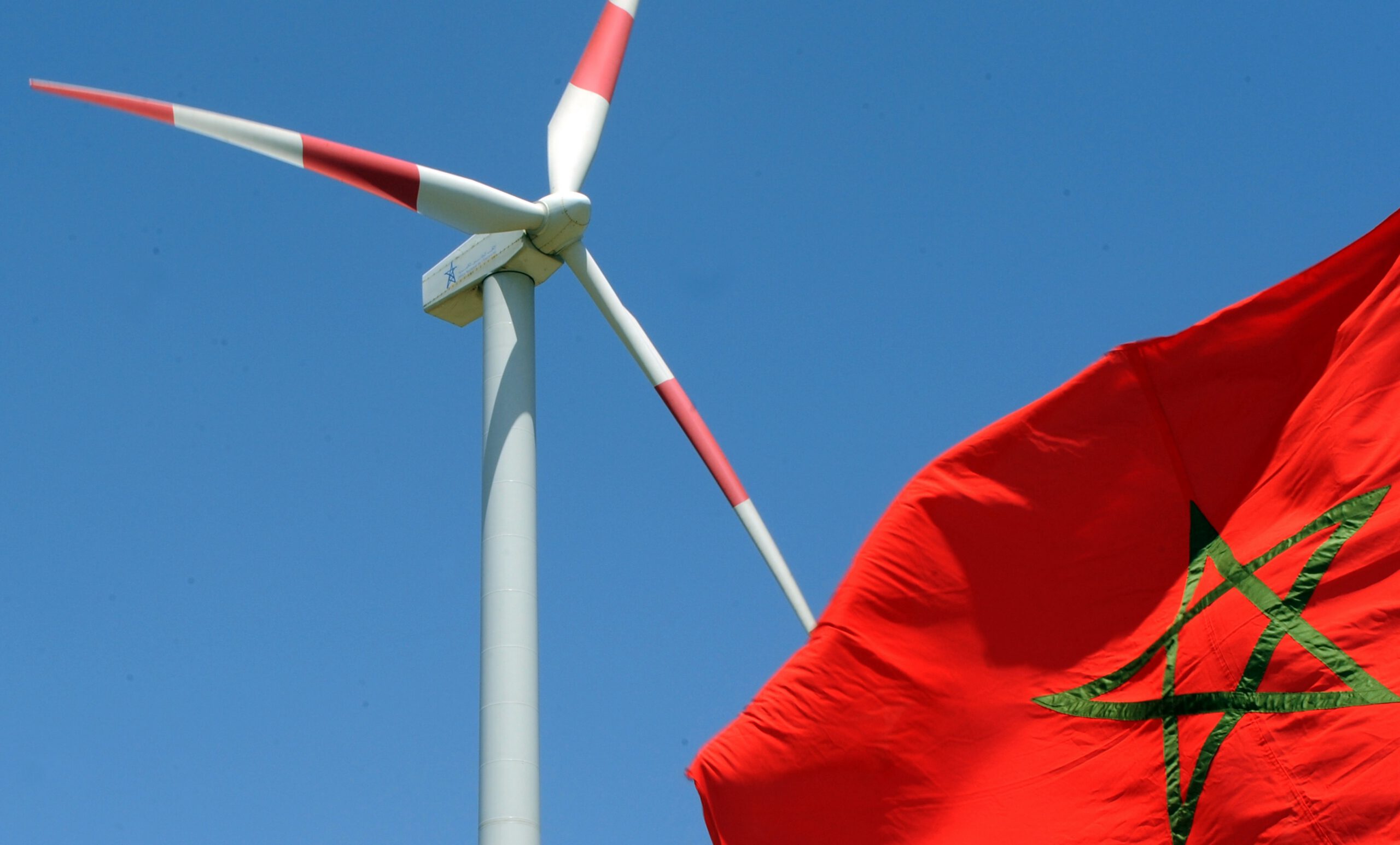
    A Moroccan flag flies next to a wind turbine on June 28, 2010, at a wind farm near Tangiers shortly after its inauguration by Moroccan King Mohammed VI. Photo by ABDELHAK SENNA/AFP via Getty Images.
  • التحليل
  • Renewable Energy and Morocco’s New Green Industries Can Expand Women and Youth Employment through Sustainable Development

    Morocco is a regional leader in renewable energy development. The country’s success stems from its multi-faceted green energy ecosystem that is giving rise to international renewable energy export supply chains based on production of green hydrogen, in the form of green am-monia, as well as phosphates, other minerals and metals, fertilizers, agri-food products, and electric vehicles. As rising green industrial manufacturing and green agricultural production are becoming drivers of long-term, private sector employment, a synergy is emerging between Mo-rocco’s efforts to expand its already significant renewable energy sector and its objective of in-creasing the number of women and young people engaged in formal employment.

    MENA’s Emergence as a Hub for Renewable Energy Supply Chains
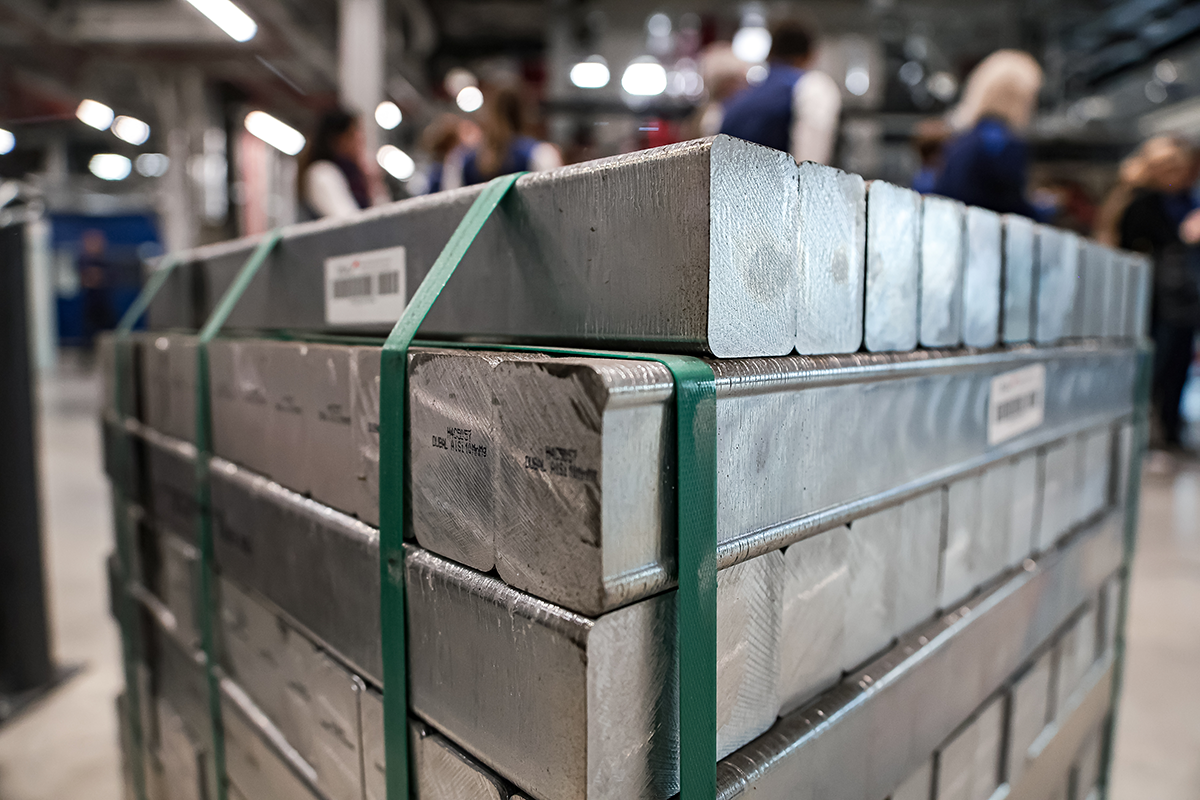
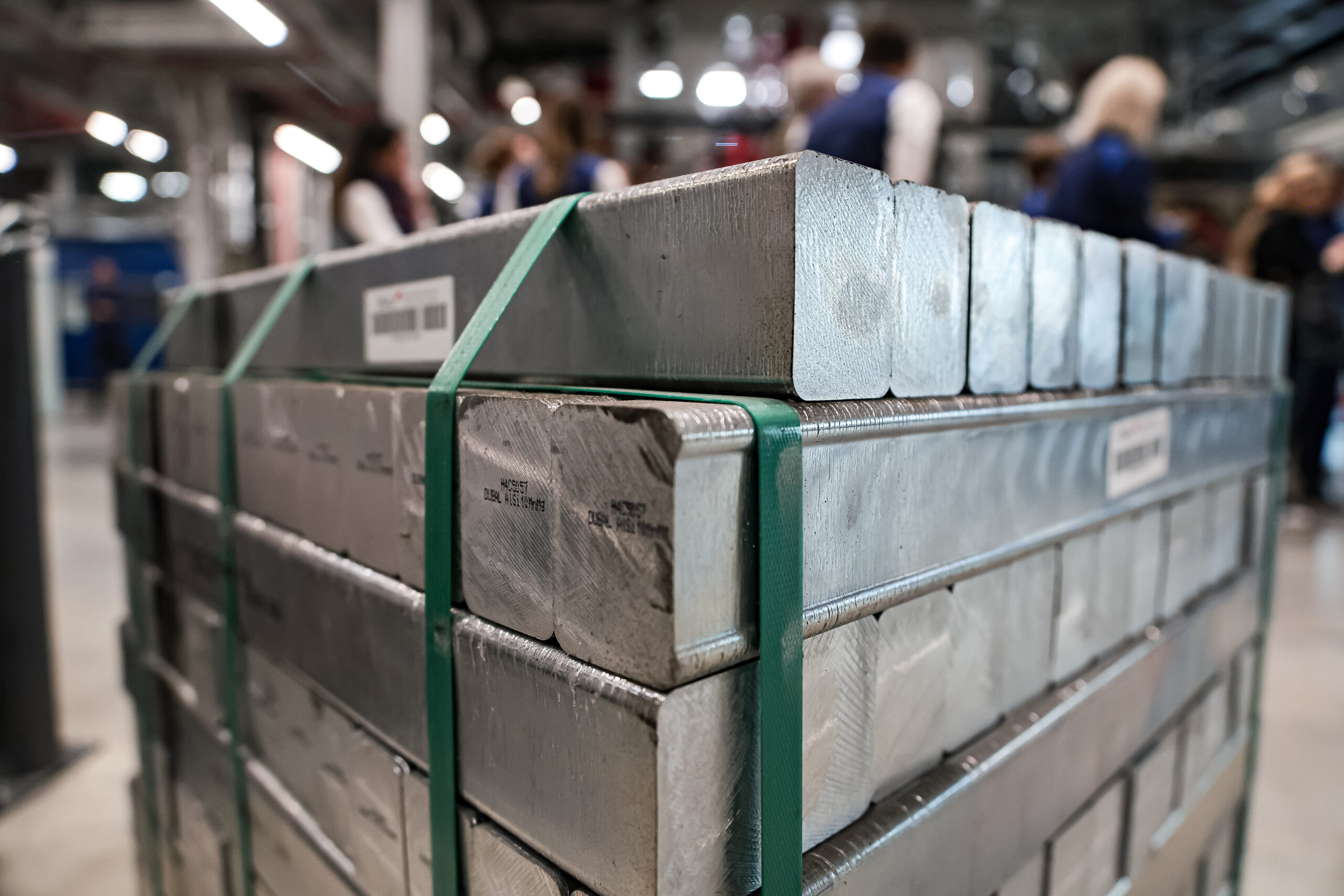
    Main photo: Aluminium from Dubai produced using solar energy at the opening of a new electric car motor housing production line at the BMW Landshut factory on October 25, 2024 in Ergolding, Germany. Photo by Leonhard Simon/Getty Images.
  • التحليل
  • MENA’s Emergence as a Hub for Renewable Energy Supply Chains

    Within the next 25 years, the Middle East and North Africa will be a global leader in renewable energy production and a hub for international renewable energy supply chains. Morocco, the UAE, and Jordan are spearheading the regional trend to develop green energy ecosystems in which renewable energy is used, in part or entirely, to power the manufacture of intermediate and finished goods for export.

    تسريع نشر الطاقة الشمسية في دول الخليج العربي
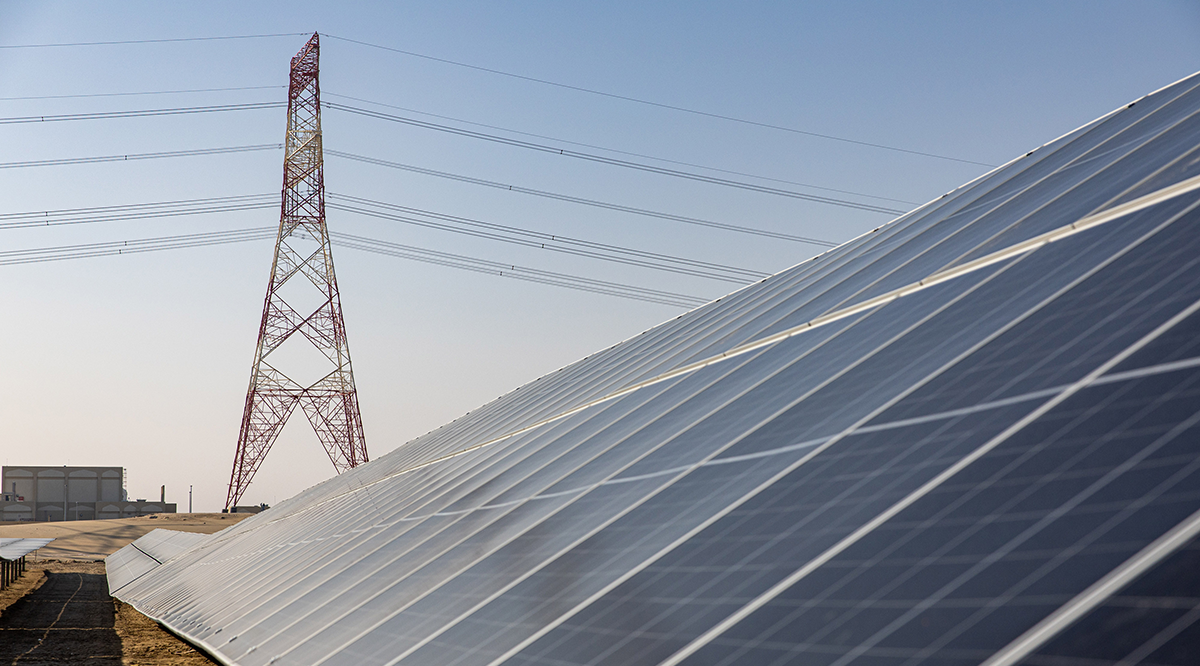
    الصورة من تصوير كريستوفر بايك/بلومبرغ عبر غيتي إيمدجز.
  • التحليل
  • تسريع نشر الطاقة الشمسية في دول الخليج العربي

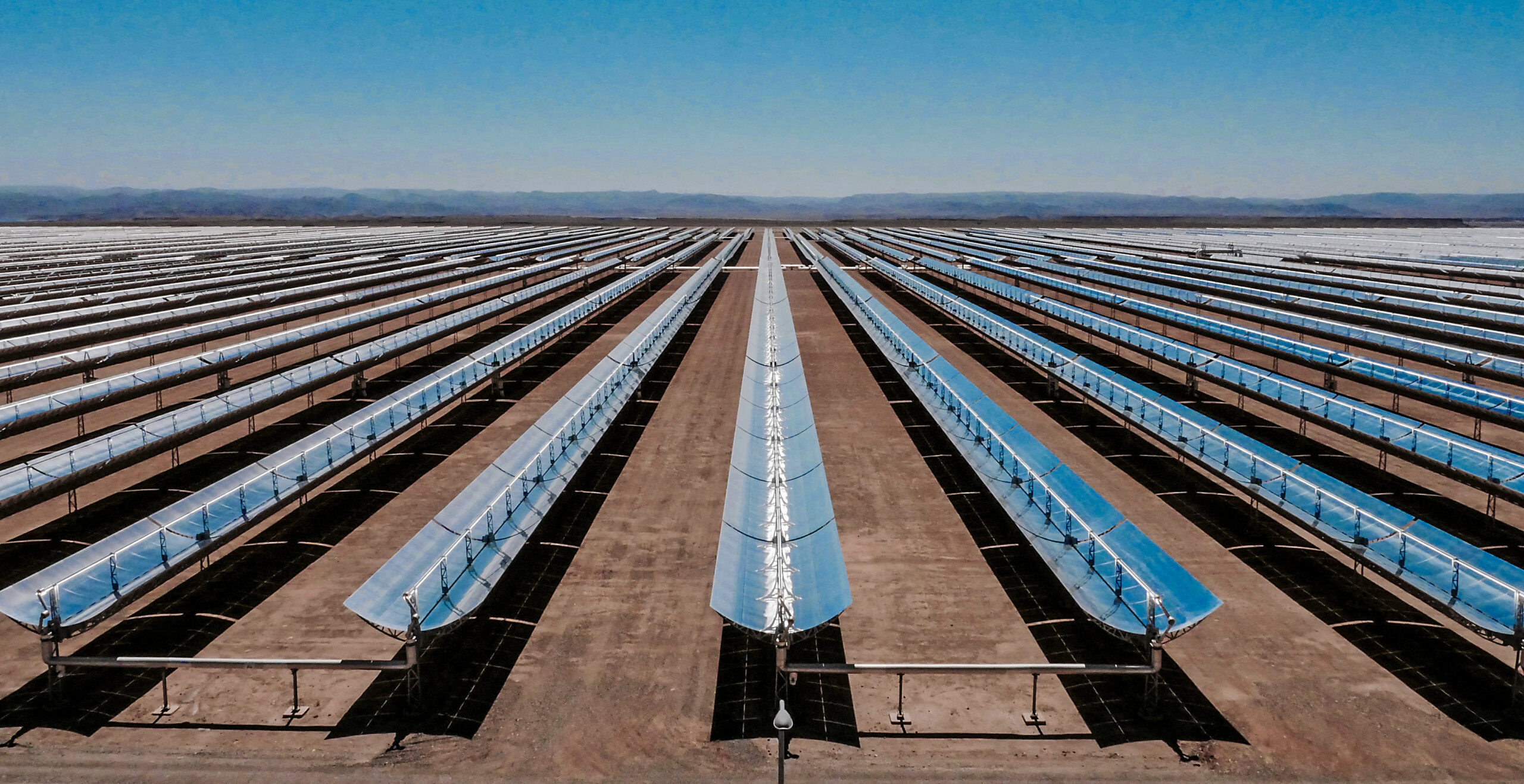
    يوجد حالياً تباين بين الأهداف الاستراتيجية والظروف المواتية للطاقة الشمسية في الخليج ومستوى النشر الفعلي. على الرغم من الإمكانات الكبيرة للمنطقة كرائدة عالمية محتملة في مجال الطاقة الشمسية، بما في ذلك أحد أعلى مستويات الإشعاع الشمسي في العالم وظروف تشغيل داعمة قوية، لم تمثل الطاقة المتجددة سوى 2٪ من طاقة التوليد في عام 2022.

    الطاقة الشمسية في الخليج: الرائدون والمتأخرون في الدعم التنظيمي لنشر الطاقة الشمسية
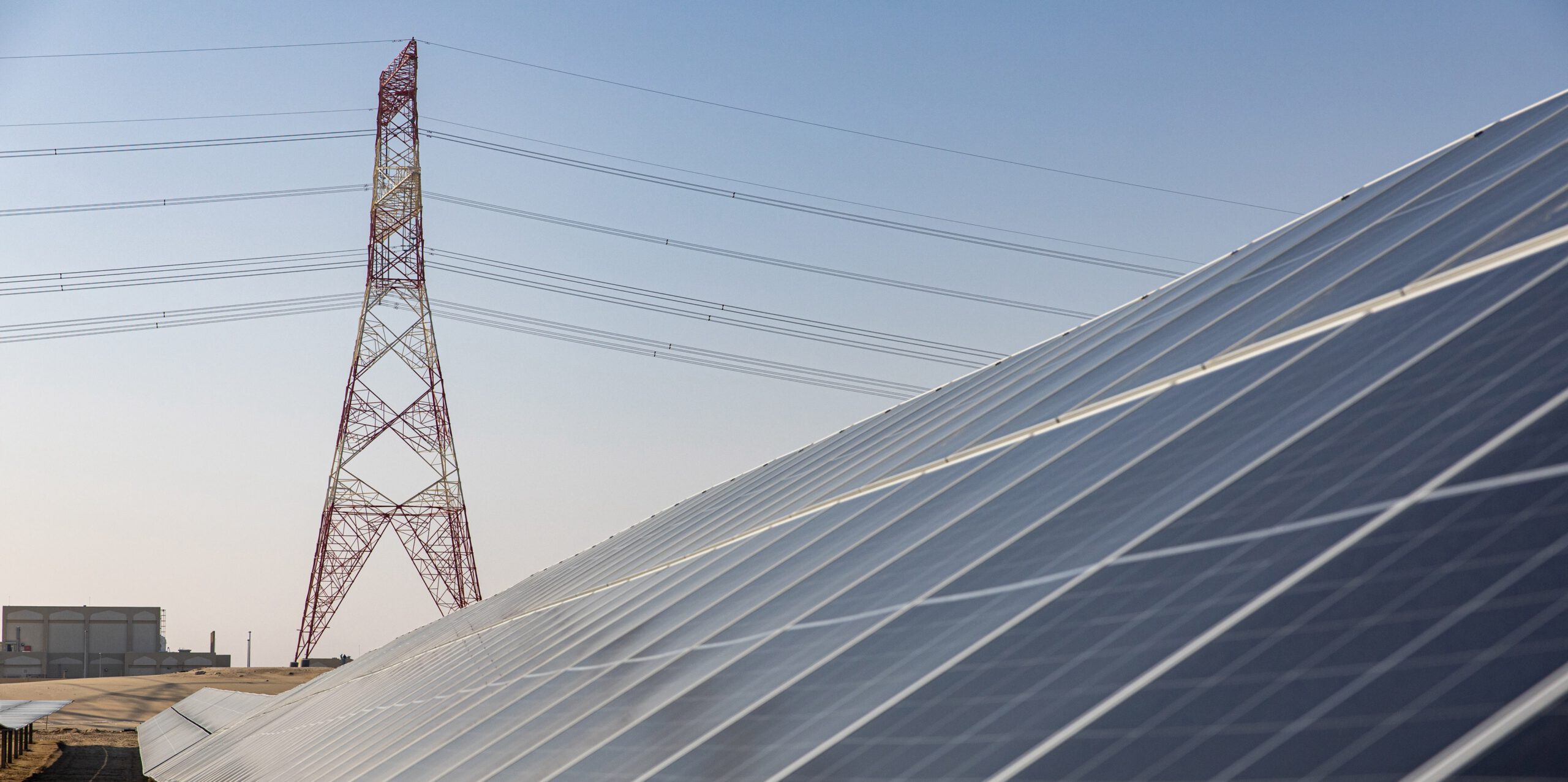
    المصور: كريستوفر بايك/بلومبرغ
  • التحليل
  • الطاقة الشمسية في الخليج: الرائدون والمتأخرون في الدعم التنظيمي لنشر الطاقة الشمسية

    تقع دول الخليج الغنية بالهيدروكربونات في قلب الحزام الشمسي العالمي، مما يمنحها بعضًا من أكبر موارد الطاقة الشمسية في العالم. كما تتوافق ساعات الذروة في هذه البلدان بشكل جيد مع مستويات الإشعاع الشمسي اليومية والموسمية. ومع ذلك، فإن الاستخدام الفعلي للطاقة المتجددة، بما في ذلك الطاقة الشمسية، هو من بين الأدنى في العالم، على الرغم من زيادة الإنتاج بشكل كبير خلال السنوات الخمس الماضية. تحلل هذه الورقة الأسباب التي أدت إلى نجاح الطاقة الشمسية في بعض الدول، في حين لم تحقق سوى زخم ضئيل في دول أخرى.

    The Outlook for Energy Demand Growth in the Middle East and North Africa: Regional Supply as a Critical Driver of Demand
    Photo by Christopher Pike/Bloomberg via Getty Images
  • Report
  • The Outlook for Energy Demand Growth in the Middle East and North Africa: Regional Supply as a Critical Driver of Demand

    The Middle East and North Africa is typically viewed from afar as a region of major energy exporters rather than consumers. Consumption patterns vary significantly within the region itself, but a variety of factors warrant giving its energy demand much closer attention than it generally receives on an international level. The range of factors that will determine the changes in demand from every country in the region, each with their respective intricacies, are far too numerous to examine in the space of this study. However, many of the key drivers that are expected to have a broad impact on shaping the evolution of regional demand to the end of the current decade deserve critical review.

    The Outlook for Energy Demand Growth in the MENA Region
    Photo by Christopher Pike/Bloomberg via Getty Images.
  • Report
  • The Outlook for Energy Demand Growth in the MENA Region

    The MENA region is set to experience substantial growth in demand for energy during the remaining years of the present decade. Factors driving this growth vary enormously by sub-region and individual country, but there are broad similarities in the forms of both primary and final energy demand growth that are expected to materialize by 2030.

    Renewable Energy and Morocco’s New Green Industries: How Morocco’s Green Energy Ecosystem Can Expand Women and Youth Employment Through Sustainable Development
    Photo by ABDELHAK SENNA/AFP via Getty Images.
  • التحليل
  • Renewable Energy and Morocco’s New Green Industries: How Morocco’s Green Energy Ecosystem Can Expand Women and Youth Employment Through Sustainable Development

    A leader in renewable energy in the Middle East and North Africa, Morocco is developing a dynamic green energy ecosystem that is beginning to incorporate renewable power into major sectors of its economy. Moving forward, renewable energy and the green energy ecosystem hold significant potential to drive the creation of employment opportunities for its growing population. Indeed, the expansion of green industrial manufacturing and agricultural production in Morocco could become the engine of sustainable human development more broadly. This case study explores current and planned efforts to expand the kingdom’s renewable energy sector and green energy ecosystem, assessing the opportunities and challenges in using these new green industries as a driver of long-term employment, particularly among women, youth, and rural populations.

    اقرأ مجلة الشرق الأوسط

    أقدم مطبوعة محكمة مخصصة لدراسة الشرق الأوسط المعاصر، تغطي مجلة MEI الرائدة السياسة والمجتمع والثقافة في المنطقة.