The Americans Are Gone. Will Iraq’s Militias Disarm?
On September 30, the US completed its military withdrawal from Iraq, ending a 12-year-long mission to combat ISIS that began in 2014. The date was also meant to be the deadline for disarming the largely Iranian-backed militias known as the Popular Mobilization Forces (PMF), but Prime Minister Ali al-Zaidi has now pushed that cutoff back to June 30, 2027. MEI Distinguished Diplomatic Fellow Amb. (ret.) Robert S. Ford joins hosts Alistair Taylor and Matthew Czekaj to discuss what the US military withdrawal means for Iraqi security and the nature of the bilateral relationship going forward. They also speak about what it will take for Baghdad to bring the PMF militias to heel, and how Iraq may navigate the post-Iran war era.
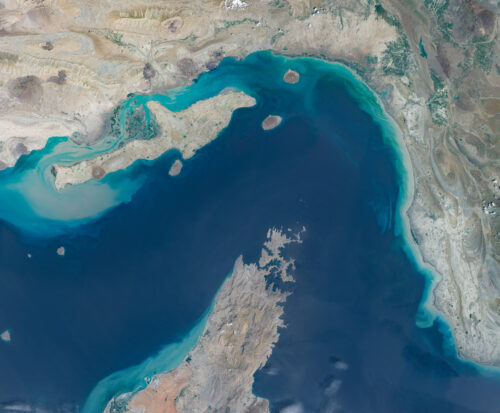
Proponents of the war with Iran have taken recent increases in crude-oil flows through the Strait of Hormuz as proof that the US strategy is finally working. President Trump is so confident in this that he recently rejected a seven-day plan, set forward by Iran’s foreign ministry, to end the war and open the strait. The United States is “winning tremendously,” Trump boasted.
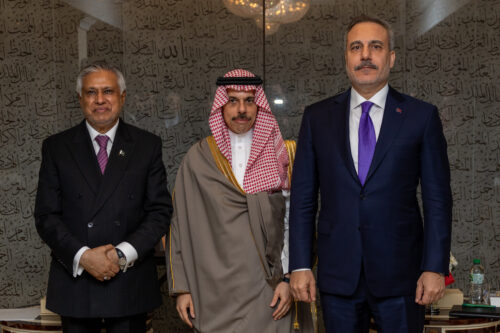
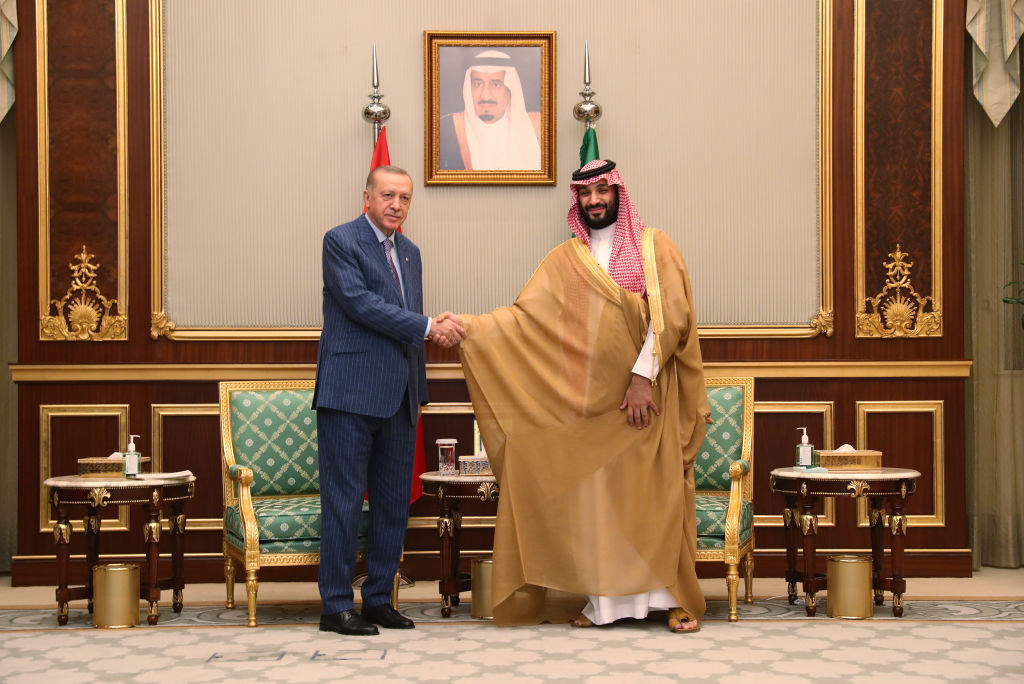
The Mecca Joint Défense Agreement: A New Geometry of Middle Eastern Power?
On August 7, 2026, Saudi Arabia, Turkey, and Pakistan signed the Mecca Joint Défense Agreement, a collective-defense pact widely compared to NATO’s Article 5. This essay argues that the comparison is misleading. Mecca borrows NATO’s language of solidarity without yet possessing NATO’s institutional machinery, and the Houthi offensive against Saudi Arabia in September 2026 provided an early and revealing test of what the agreement actually means in practice. Neither Pakistan nor Turkey automatically entered the fight on Saudi Arabia’s behalf, and Washington, despite an initial reluctance to strike directly, remained indispensable through intelligence support and a major proposed F-35 sale. Drawing on realist alliance theory — Hans Morgenthau, Kenneth Waltz, Stephen Walt, Glenn Snyder, and Steven David — and on the precedent of the Central Treaty Organization (CENTO), the essay contends that the Middle East is not dividing into rival blocs but moving from hierarchy toward a looser, overlapping geometry of hedged partnerships, in which American exclusivity is eroding considerably faster than American primacy.
We must stop Russia’s land bridge to Crimea — and destroy the Kerch Strait bridge now
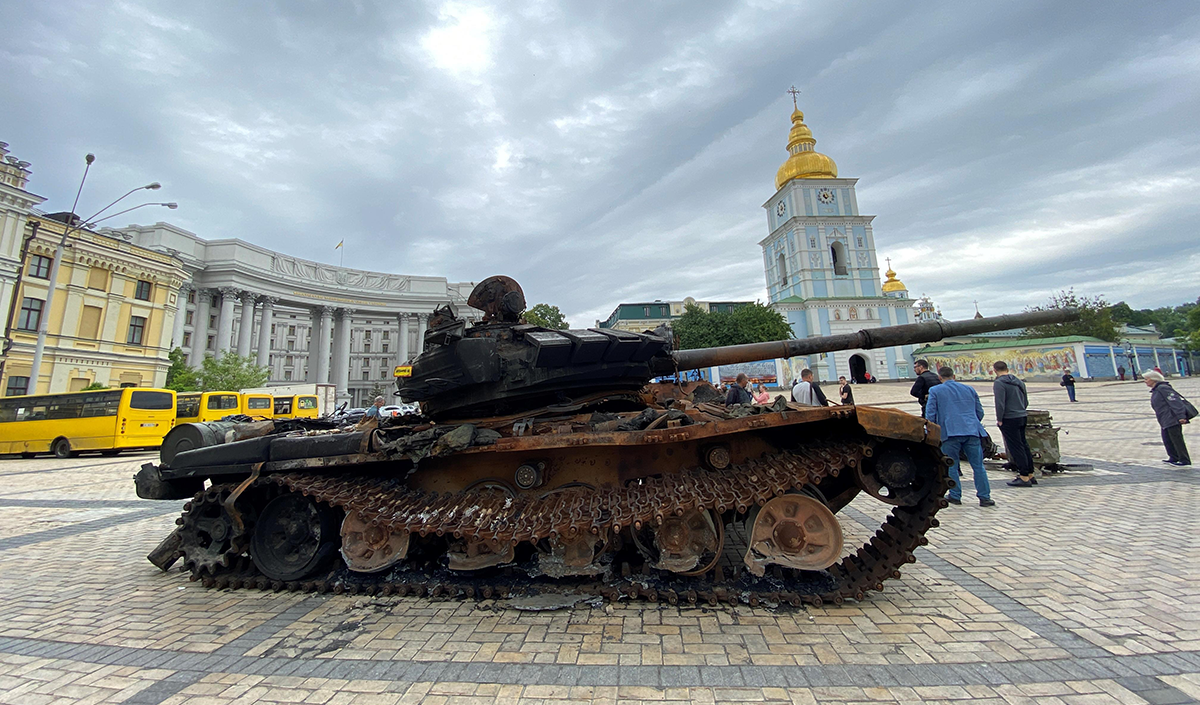
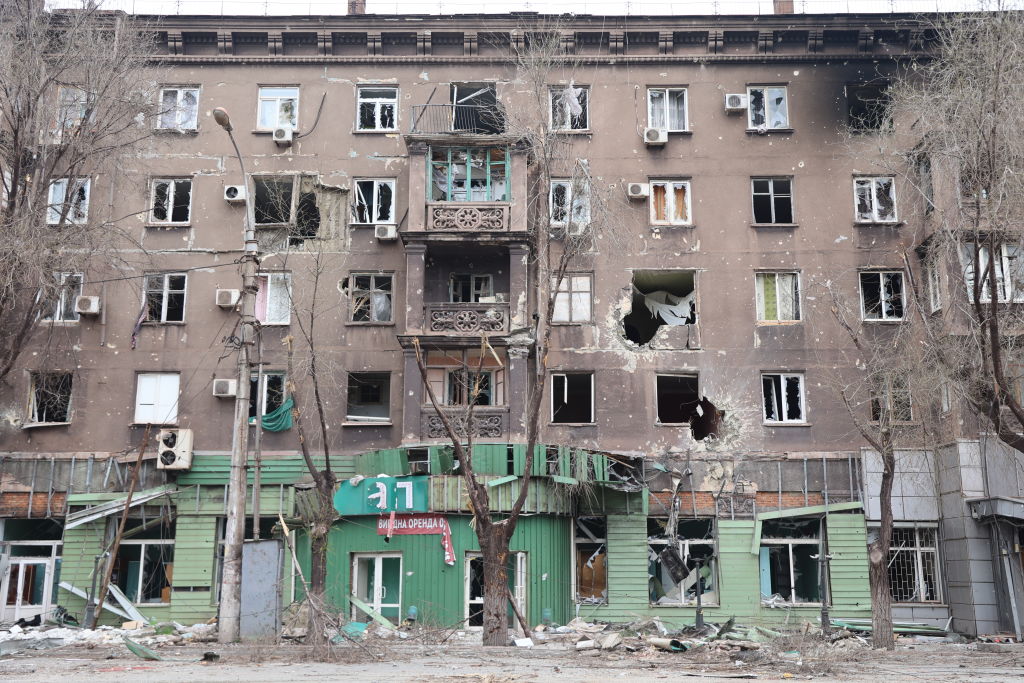
The culmination of the Donbas battle is near. For the first time in this war, the pendulum starts swinging in Russia’s favor. By summer’s end, it’s possible that Moscow will fully secure its land bridge to Crimea. This would have catastrophic consequences.
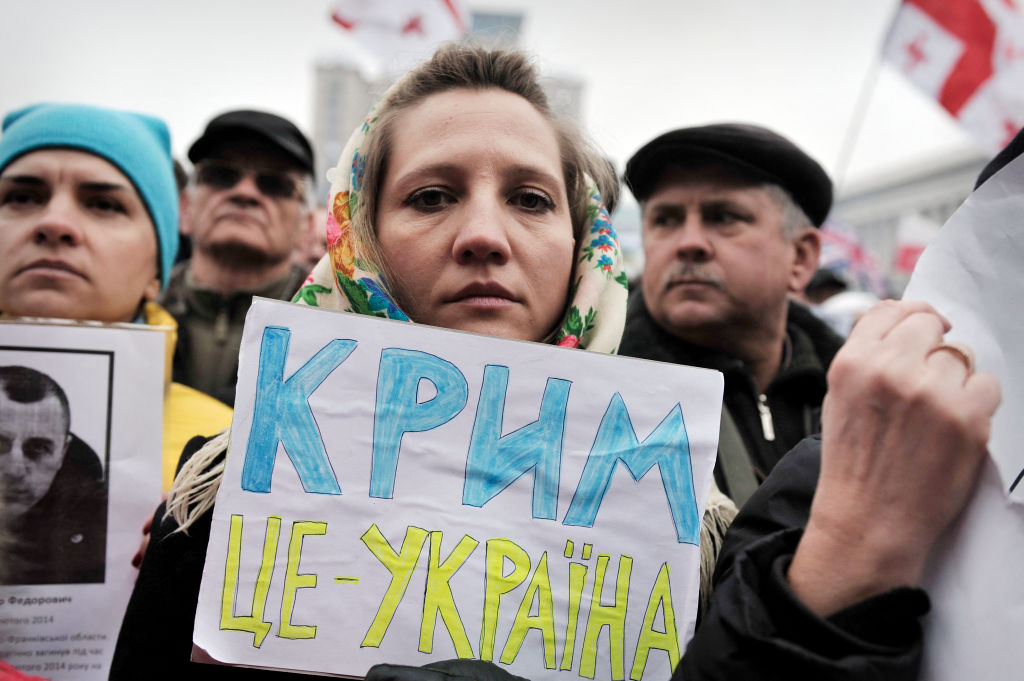
Crucial Crimea: Why the illegally occupied territory must be returned to Ukraine
After a hesitant beginning, the West has rallied to provide Ukraine the military assistance it needs to check Russian aggression. Longer-range rocket systems should be part of a comprehensive strategy.
Trying to save Russia from humiliation is not the right way to end the war in Ukraine
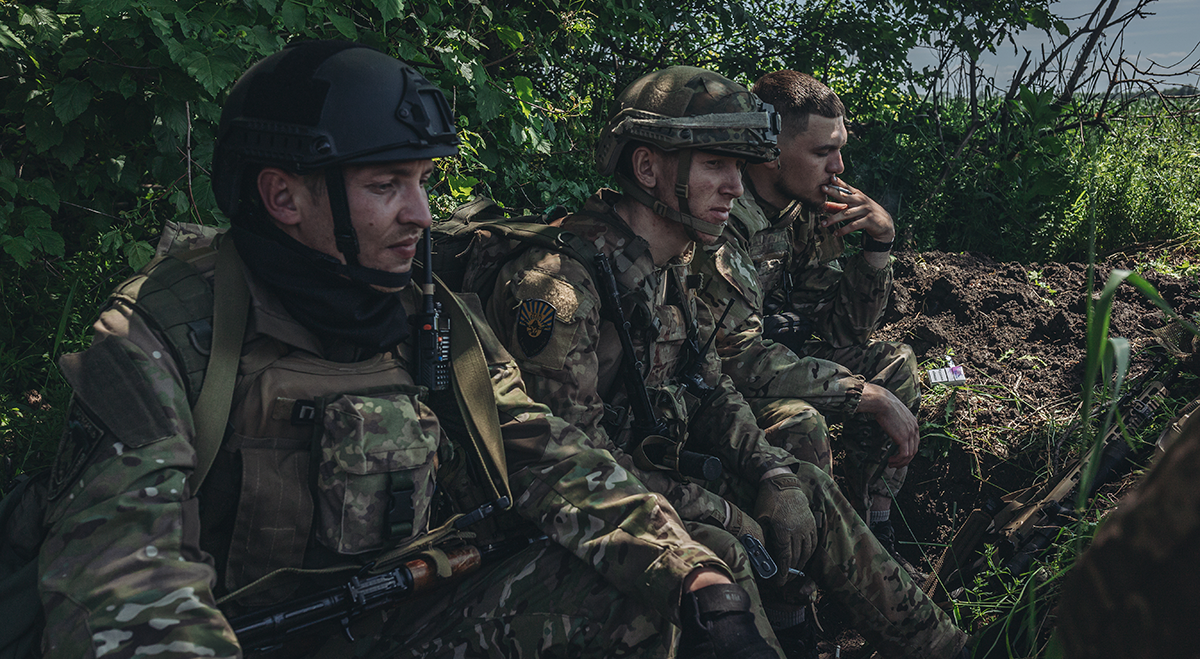
It is time for Western leaders to deal with Russia as it is and not as they want it to be. There is no room for them to back down now, as it will simply increase Putin’s appetite. The cost of providing a face-saving exit to Putin is much higher than that of his ultimate humiliation on the battlefield.
The impact of the war in Ukraine on Russian-Turkish relations and Black Sea security: Three potential scenarios
As Russia’s war in Ukraine continues, where things go from here is far from certain, but it is worth considering the range of possibilities. These three scenarios highlight the potential challenges and opportunities that Putin, Erdoğan, and, to a lesser degree, Zelenskyy may face depending on how the conflict plays out, as well as what is at stake for other countries in the Black Sea region.
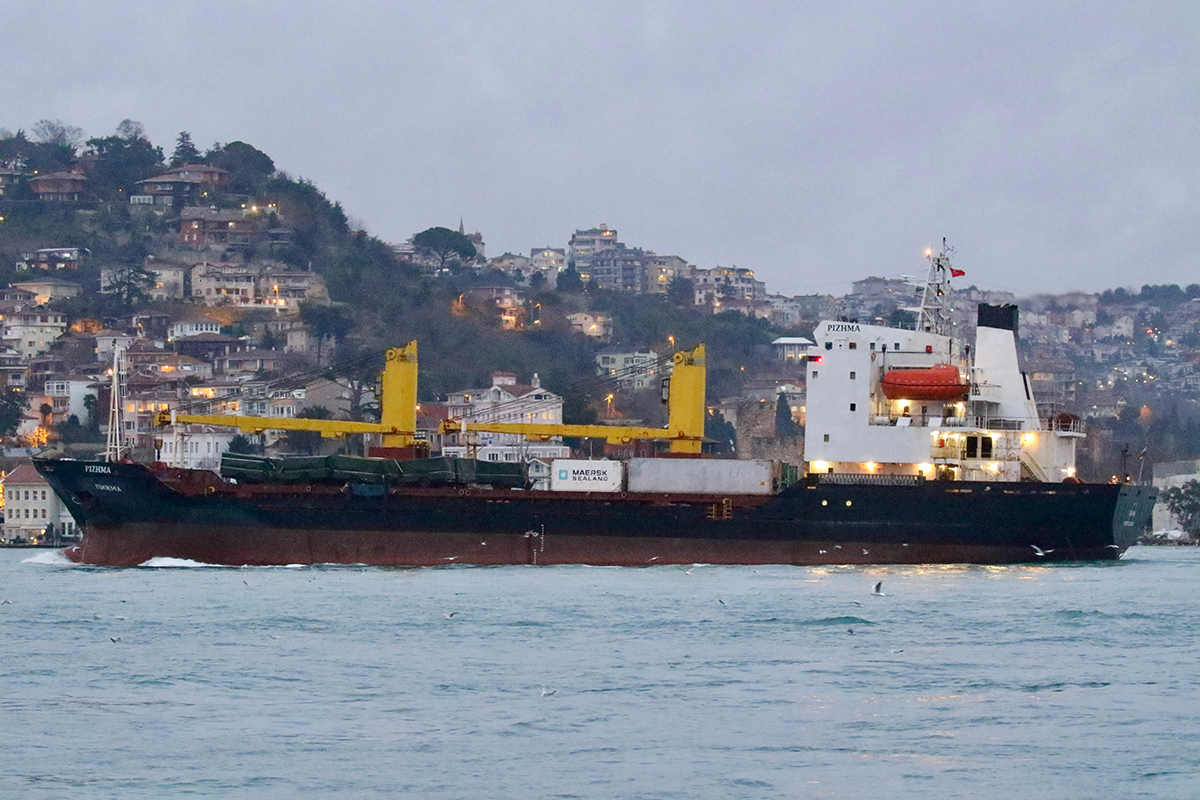
Russia is violating the spirit of Montreux by using civilian ships for war
On Feb. 28, Turkey triggered the Montreux Convention, not used since World War II, and closed the Turkish Straits to military ships. This one move interrupted Russia’s maritime logistical supply line to Syria, interfered with its ability to rotate naval assets in the Mediterranean, and prevented Moscow from bringing additional warships to the Black Sea. Russia can no longer supply its Syria operation or deliver defense exports to its customers using navy ships. However, close observation of traffic through the Turkish Straits reveals that Russia is continuing its naval operations in the Mediterranean and Black seas.
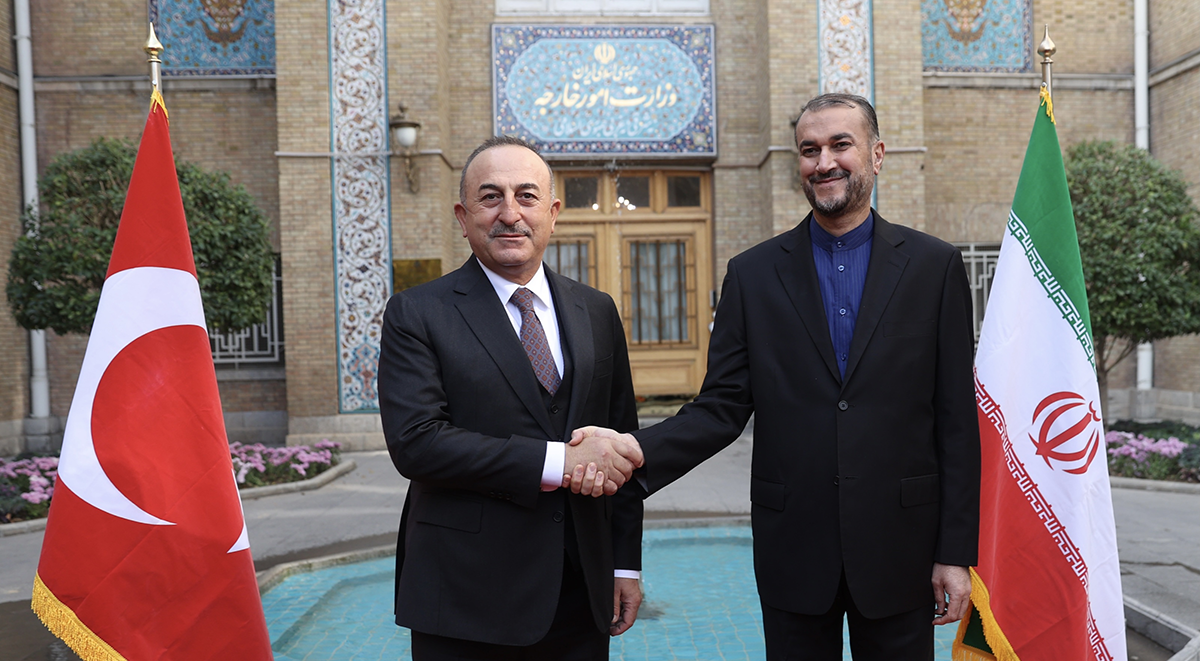
Iran, Turkey, and the future of the South Caucasus
Since late September 2021, Tehran and Baku have engaged in a process of de-escalation, largely focused on economic cooperation and regional transportation links. Such efforts should be welcomed, but underlying geopolitical tensions, especially the Iranian-Turkish competition for influence in the South Caucasus, can still derail them at any moment.
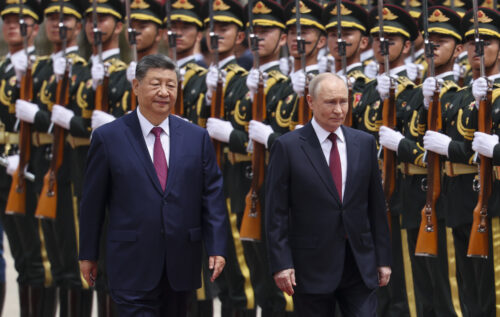
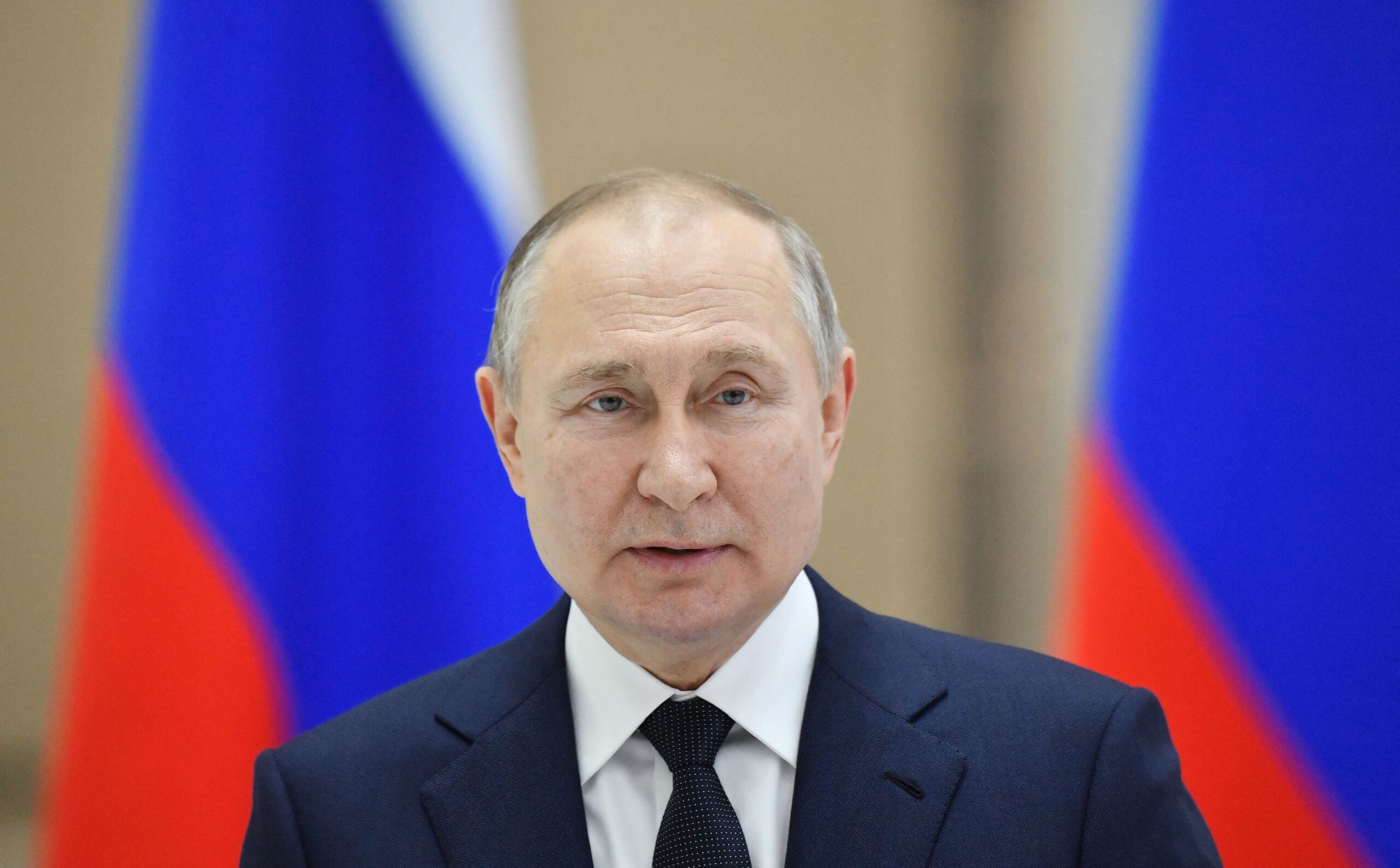
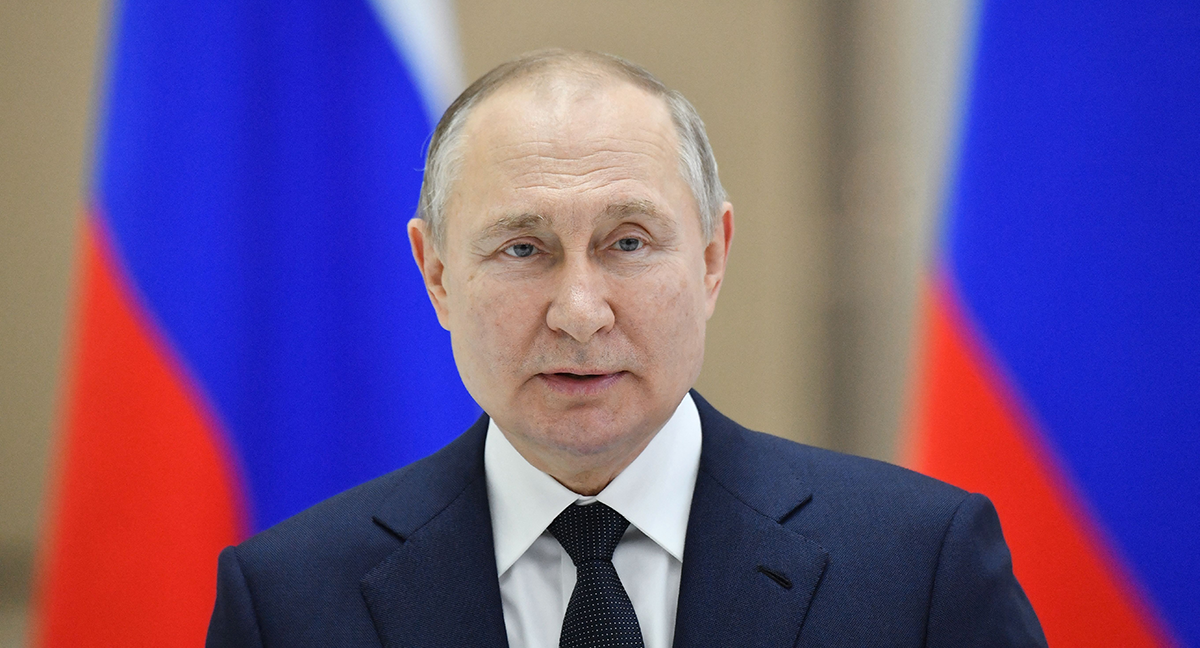
As the conventional war in Ukraine continues and military operations intensify, Russian President Vladimir Putin is wrestling with the need to maintain his fight in Ukraine while demonstrating to the Russian people that he is winning in the following three key areas: land, security, and identity.
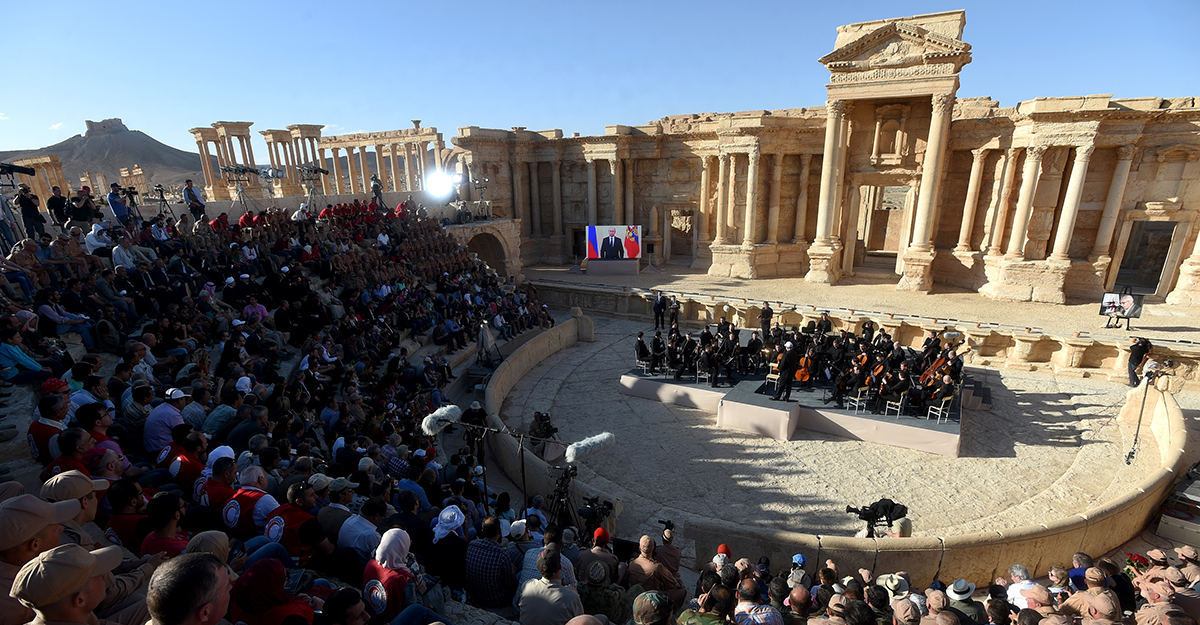
Putin in Palmyra: How Russia won the “truth” battle in Syria and learned lessons for Ukraine
Syria provided Putin with the perfect training ground for Ukraine. Russia is now using the same techniques that it first employed in Syria in its reporting of the “special military operation” in Ukraine.
The digital Middle East: Another front in Russia’s information war
The Middle East and North Africa (MENA) region, long a target of the Kremlin’s information operations, is being flooded with disinformation from Moscow amid the invasion of Ukraine launched on February 24. Prior to the war, Russia’s President Vladimir Putin gave a lengthy history lesson in his televised speech, claiming that Ukraine was created by Bolshevik Russia, and that it should not exist as an autonomous nation. This conflict has already taken an immense human toll and triggered the largest intra-European refugee crisis since the Second World War. And yet the human impact of the war, the full implications of which remain to be seen, extends beyond the physical world into the virtual realm. As missiles strike Ukrainian cities, a parallel war is being fought online — not only in Russia and Ukraine, but around the world, as the Russian state strives to disseminate its messaging. On the home front, Putin has successfully quarantined his people within an information vacuum through unprecedented crackdowns. In addition to Twitter, Facebook and Instagram, the Kremlin has blocked access to the most popular independent media outlets, forcing hundreds of journalists to flee the country. In response, EU officials have banned content from the Russian-state-owned media outlets Russia Today (RT) and Sputnik across the European Union.
Iulia-Sabina Joja and Charles Lister discuss the parallels between the wars in Ukraine and Syria, the similarities of Russia’s tactics in both conflicts, and what the recent history in Syria may signal for Ukraine in the months ahead.