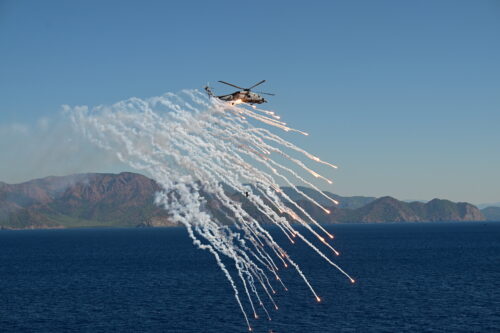
The Multiple Costs of the US–Iran War – From Hormuz to Europe and South Asia: The Widening Economic and Political Geography of the Conflict
Wars are decided by those who hold military power, but their costs are increasingly borne by those who have little or no voice in the decisions that start them. The US–Iran war shows this imbalance very clearly. Its economic consequences have gone far beyond the battlefield and have disrupted energy markets, trade routes, food supplies, public finances and investment in the Gulf, Europe, Africa and Asia. The most striking feature of the conflict, however, is not only the size of the damage but its very unequal distribution.
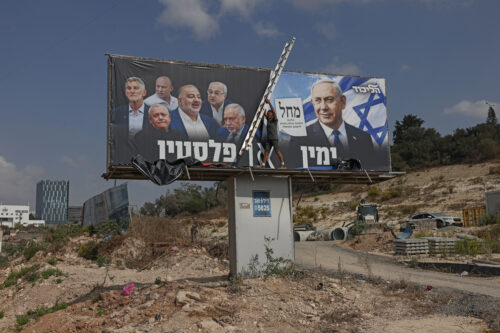
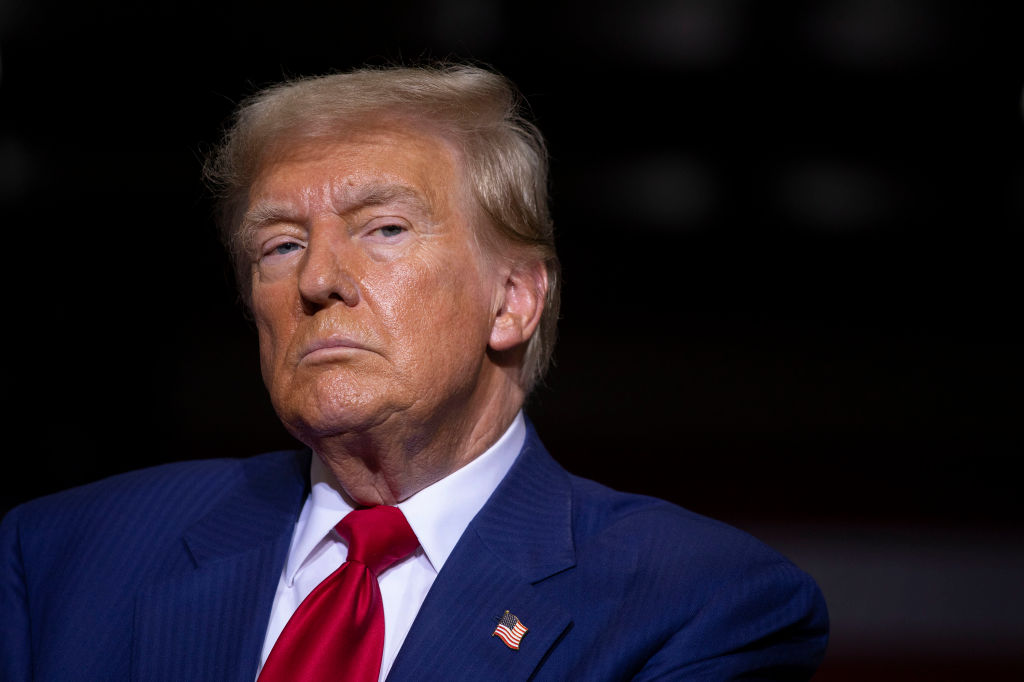
One striking thing about US President Donald Trump’s endorsement of Israeli Prime Minister Benjamin Netanyahu this past week is how isolated he was in making this call. The Israeli Prime Minister has become a widely detested figure worldwide following Israel’s war in Gaza—where Israel committed war crimes. This disdain was clearly on display in New York in September when dozens of diplomats streamed out of the hall during Netanyahu’s speech.
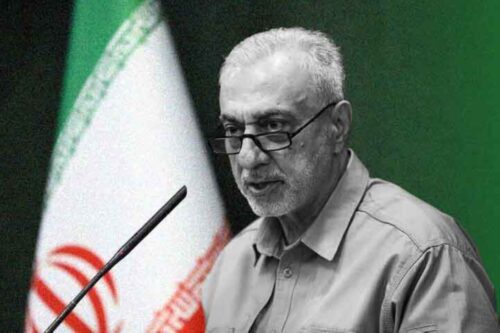
Iran’s New Defense Minister Is a Missile Man, Not a Military Man
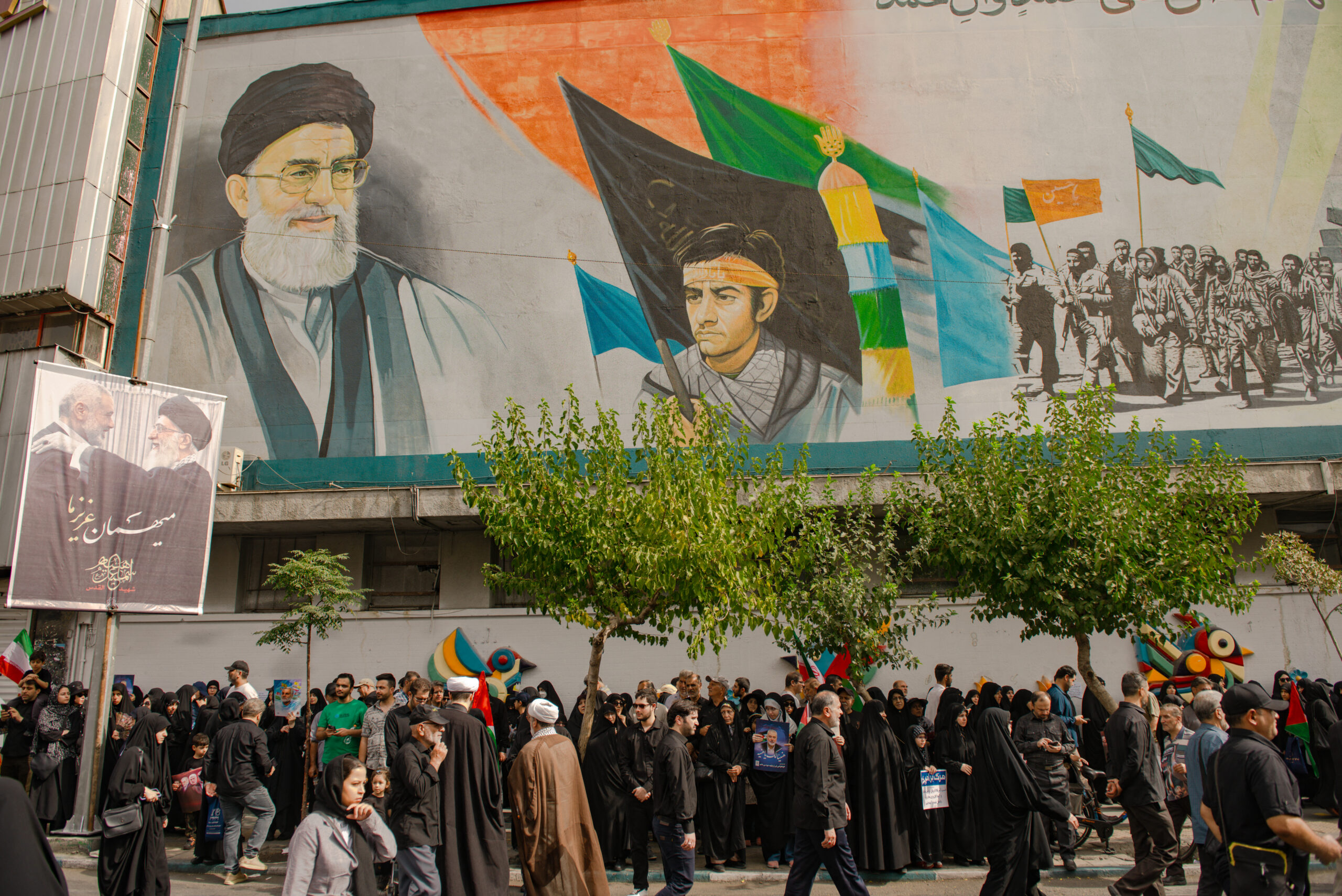
Mehrdad Akhlaghi was appointed defense minister in October 2026 by Iranian President Masoud Pezeshkian. He is an unusual choice, as, unlike most of his predecessors, he does not come from a uniformed military background. And his appointment comes arguably at the most sensitive time in the history of the Islamic Republic.
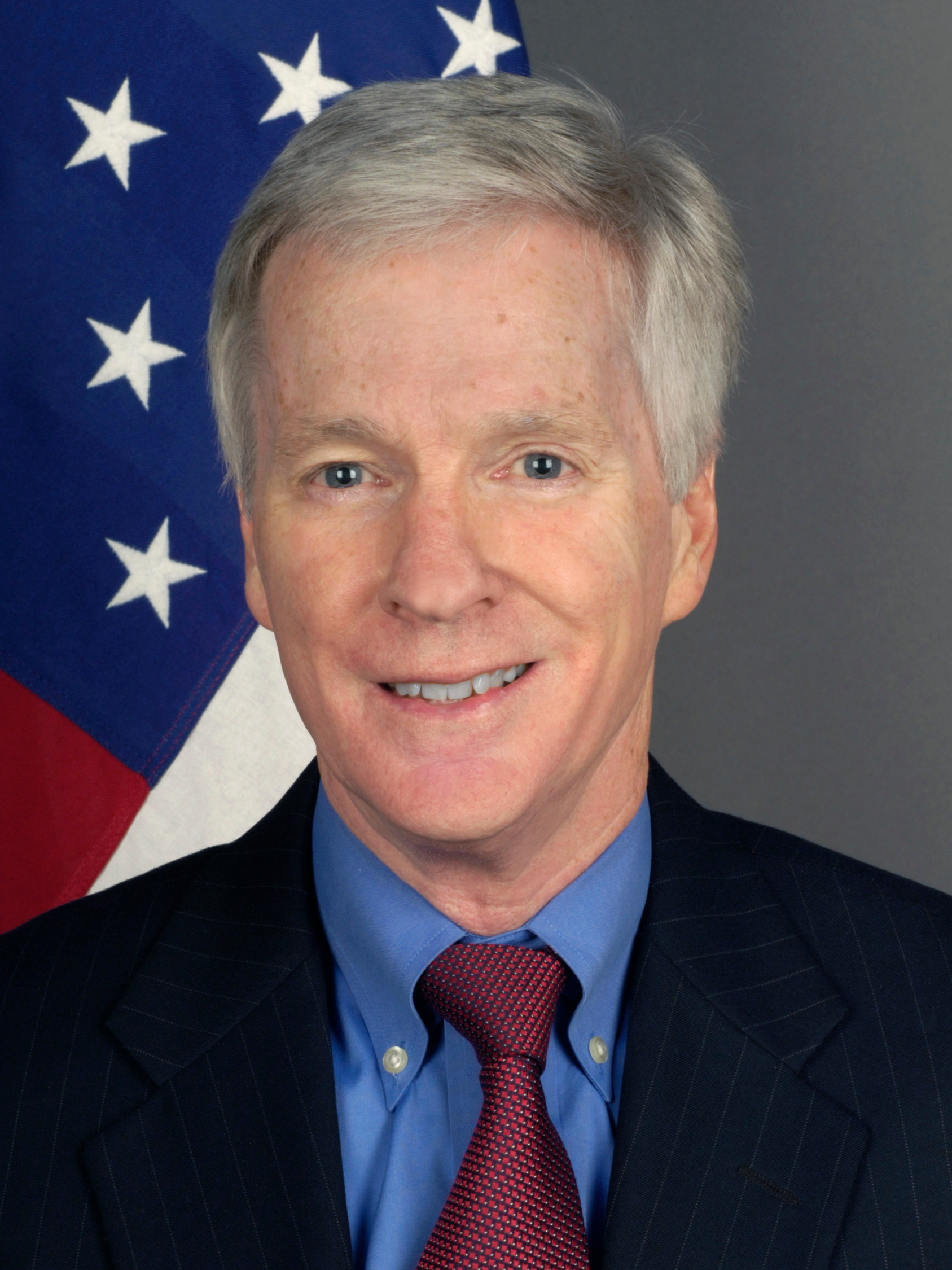
Trump’s Second Term and the Middle East: A Conversation with Ambassador James Jeffrey
In this wide-ranging conversation, Ambassador James Jeffrey joins host Brian Katulis to unpack the Trump administration’s early moves in its second term and what they signal for US foreign policy in the Middle East.
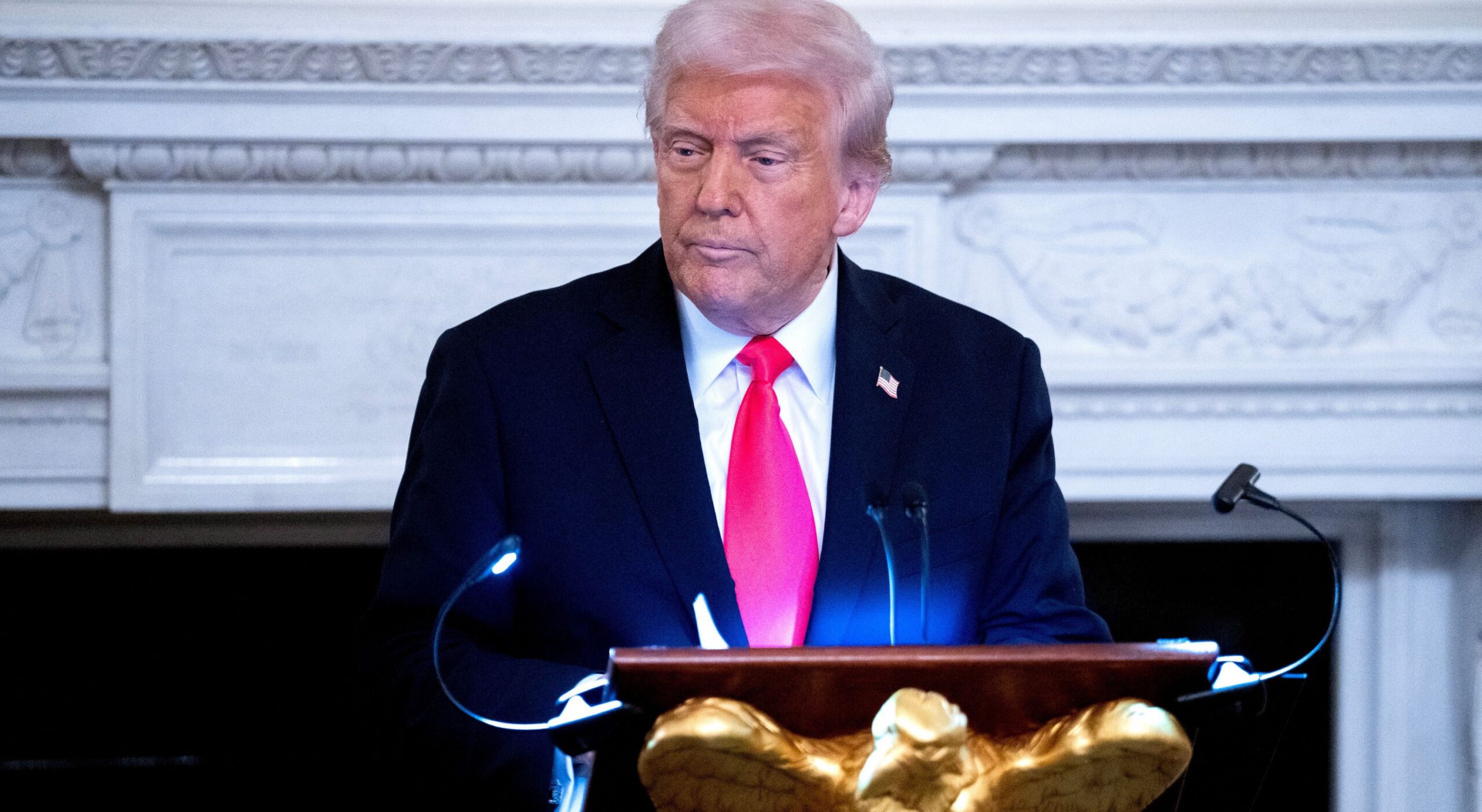
Trump’s domestic political support craters at the 100-day mark before his Middle East trip
President Donald Trump reached the 100-day mark in his second term this week seeing a sharp drop in his domestic political standing. This comes less than two weeks before Trump embarks on a key Middle East trip to the Gulf. The administration may be looking to the presidential visit as a chance to achieve some progress, but the region remains fraught with uncertainty and US policy in the Middle East rarely provides domestic political dividends.
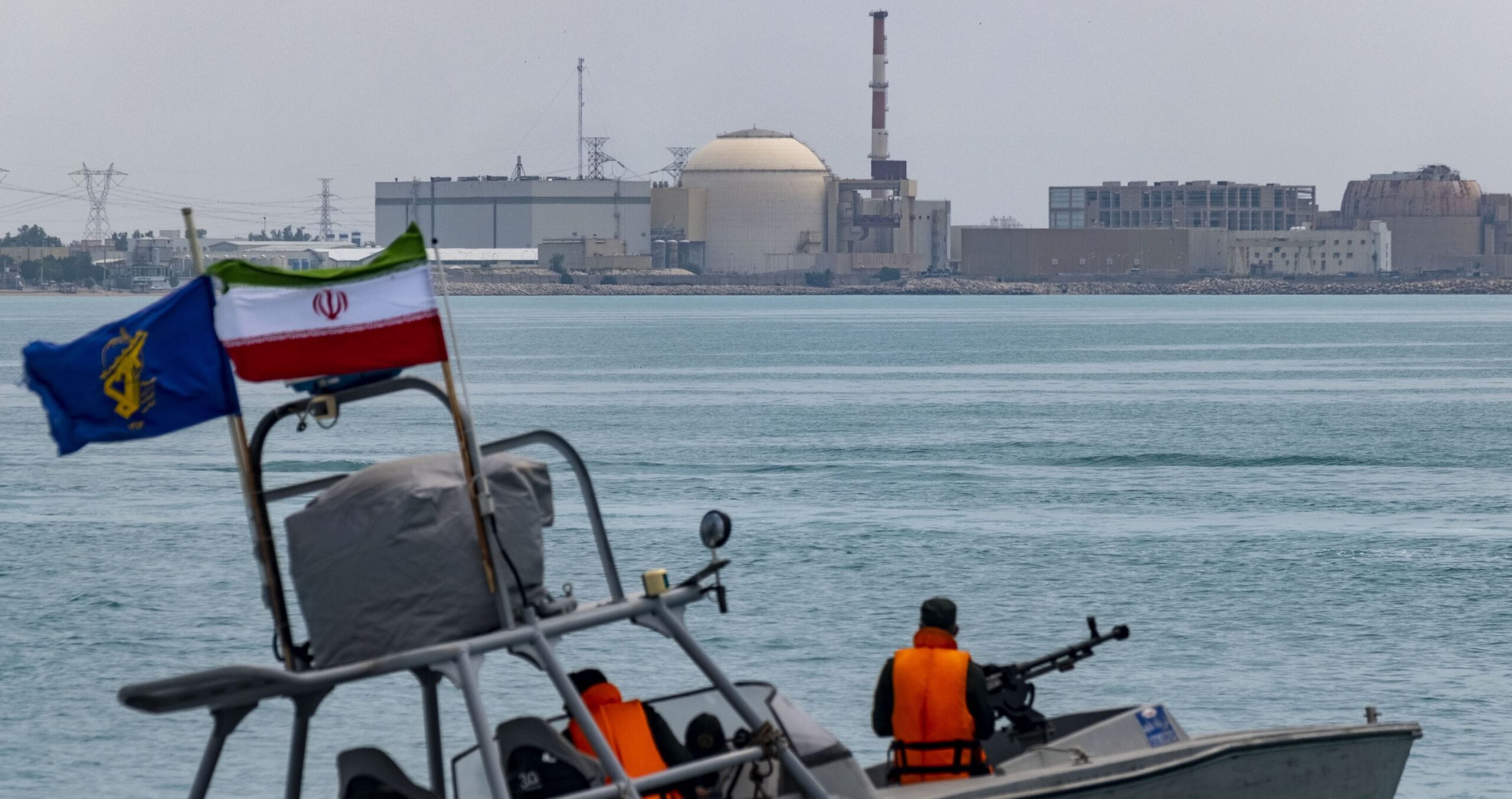
US-Iran Nuclear Talks: A Fragile Opening for Diplomacy
Following seven years of diplomatic deadlock, Washington and Tehran have resumed nuclear negotiations — and for the first time in years, there are signs of real momentum.
Alex Vatanka, MEI Senior Fellow and author of The Battle of the Ayatollahs in Iran, joins hosts Alistair Taylor and Matthew Czekaj to analyze the current round of talks, the technical issues under discussion, and the political stakes on both sides. He explores Iran’s economic and domestic pressures, US red lines, and the role of key players like Israel, China, and Oman in shaping the negotiations.
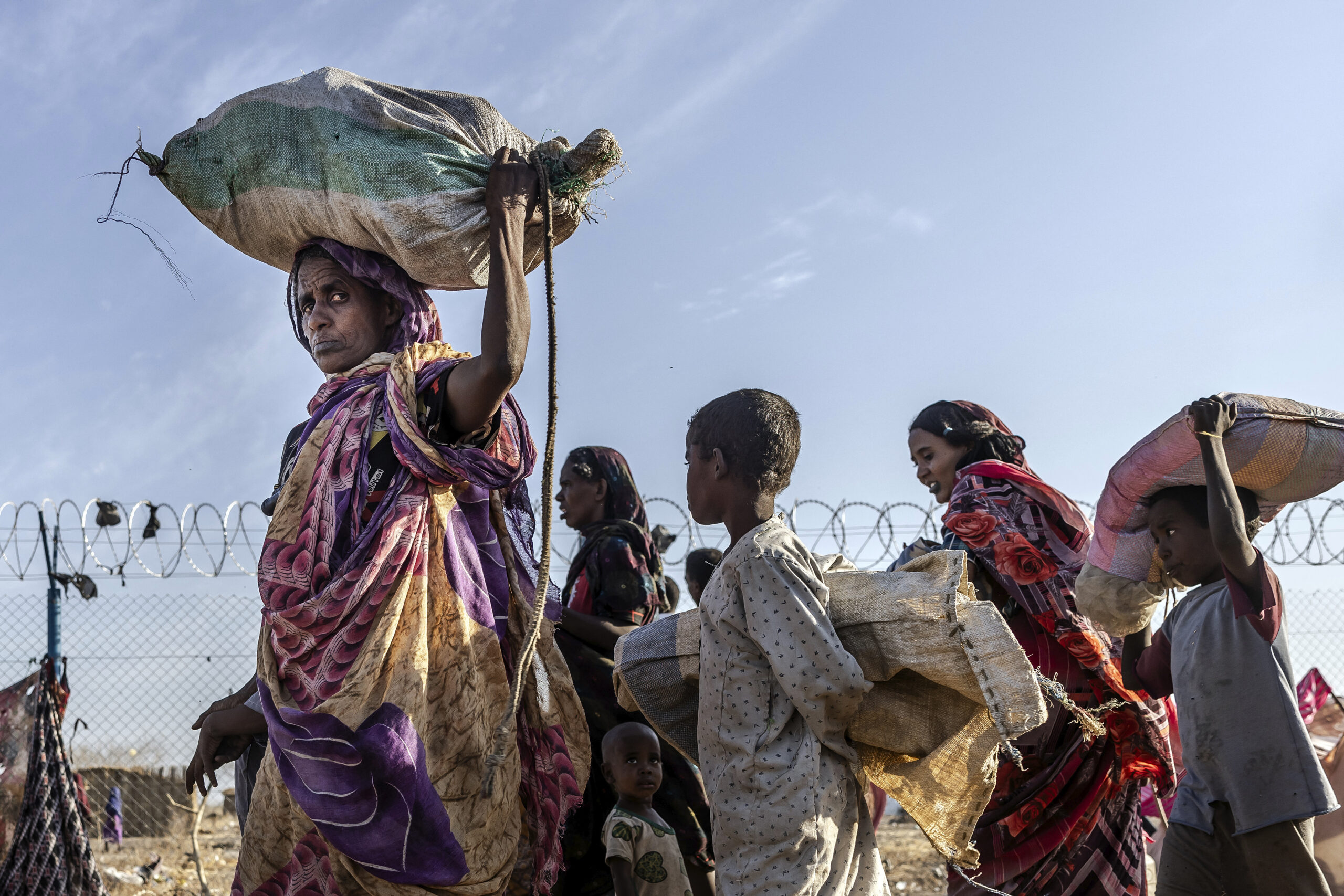
Two years on, Sudan’s war seems further than ever from resolution. Can US involvement help peace efforts?
Two years on, the war between the Sudanese Armed Forces and the paramilitary Rapid Support Forces has created the world’s largest humanitarian crisis and wrought terrible destruction.
The first two months of Trump 2.0 in the Middle East: Hard push for elusive breakthroughs
President Donald Trump is focused on realizing two transformative breakthroughs that his predecessors failed to accomplish: an end to the Arab-Israeli conflict, centered on a tripartite US-Saudi-Israeli deal, and an agreement between the US and Iran. Both would be historic achievements. So far, however, progress in each case has proven difficult and plodding.
Iran is accumulating enough near-weapons-grade enriched uranium to build a nuclear weapon within weeks or months, not years. President Donald Trump, having withdrawn the United States in 2018 from the nuclear deal that would have postponed that possibility, is now appealing for negotiations with Tehran. But in the Middle East, the nuclear question does not concern only Iran.
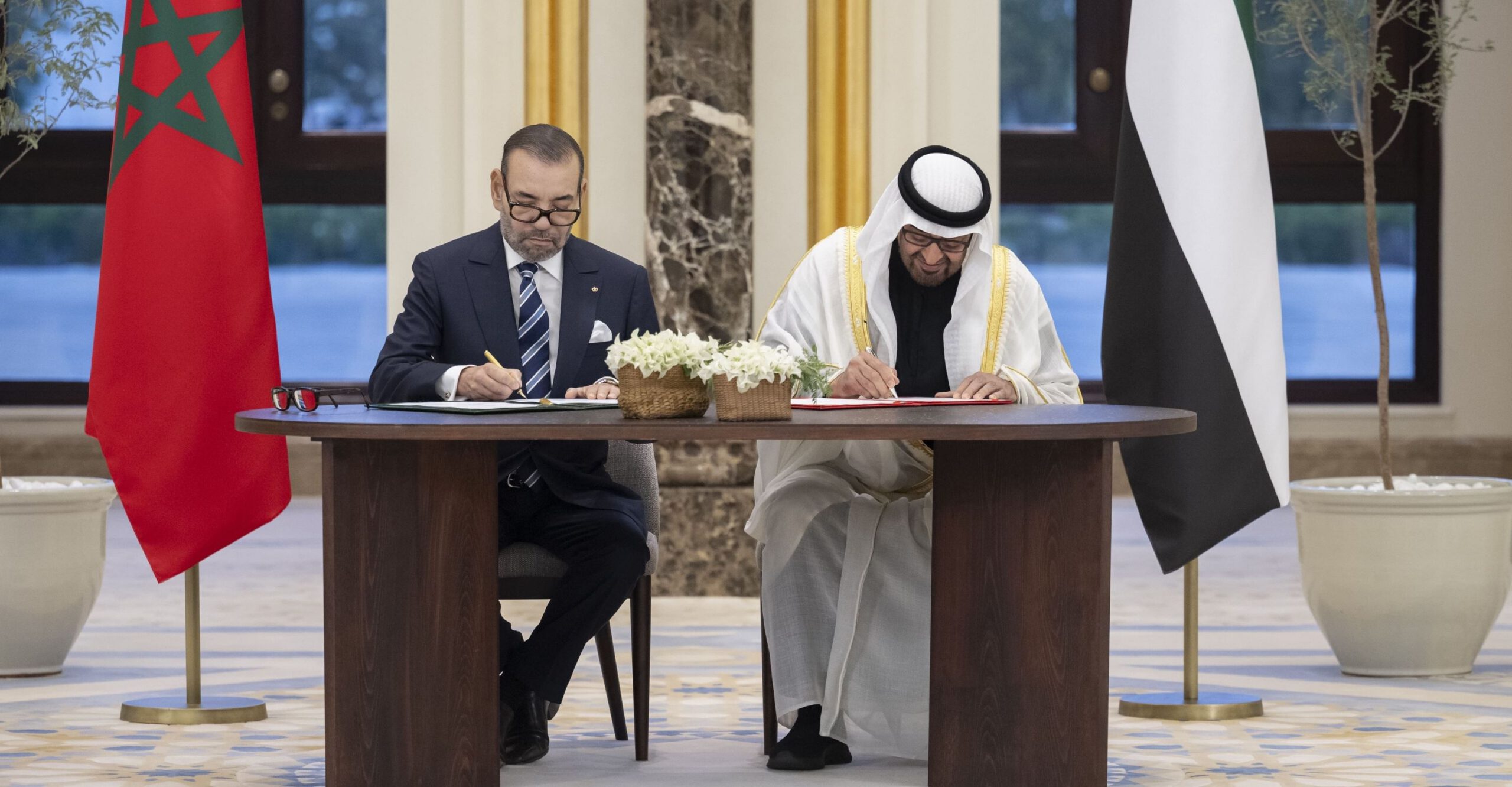
Sovereignty first: Reshaping international cooperation in North Africa
Countries in North Africa and around the world are increasingly prioritizing a strict definition of sovereignty and tending toward transactional diplomacy. Understanding the motivations behind North Africa’s “sovereignty-first” approach can help the United States and Europe build mutually beneficial and durable links with the region in this new reality.
The Middle East Dialogue, a panel of regional and extra-regional experts convened by the Middle East Institute’s Conflict Resolution and Track II Dialogues Program and the Middle East Council for Global Affairs, met in Doha, Qatar, on May 21-22, 2024, to explore regional political and economic dynamics. This moderator’s report provides a summary of the issues and recommendations discussed.
After Hezbollah’s retaliation, no broader war for now, but the conflict drags on
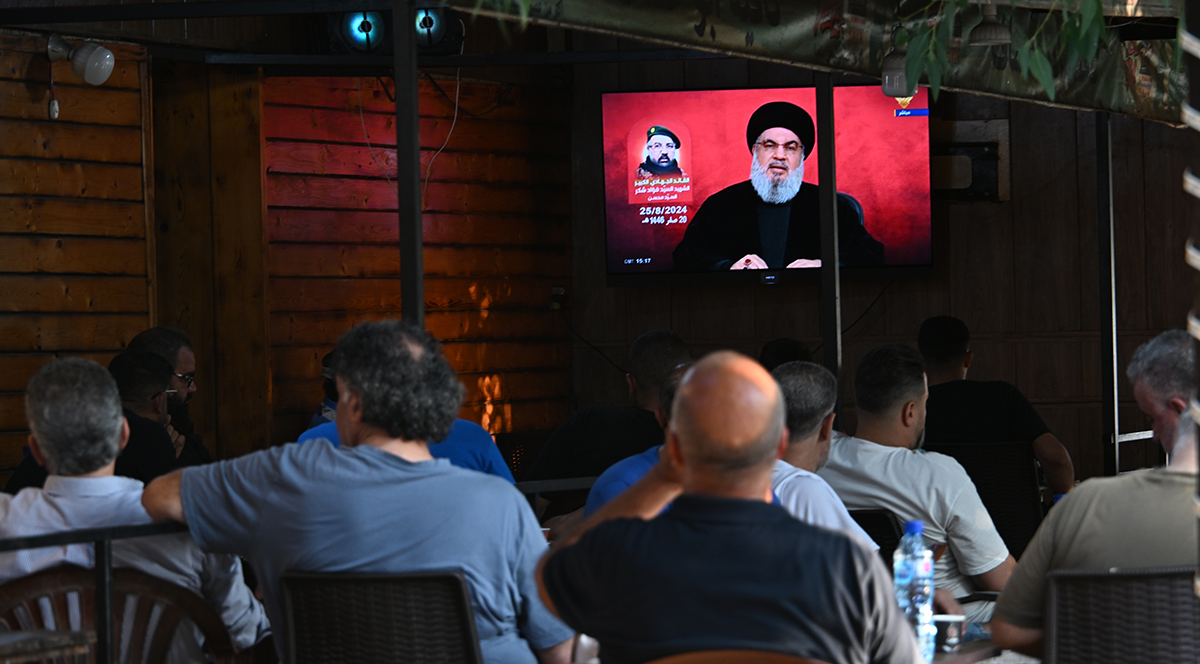
On Aug. 25, Hezbollah retaliated for Israel’s assassination of senior commander Fuad Shukr on July 30, launching 340 rockets and tens of drones from southern Lebanon and the eastern Beka’a region. Hezbollah’s retaliation started shortly after Israel undertook what it called a “preemptive strike,” in which 100 fighter jets targeted Hezbollah military sites, including rocket launching platforms, to thwart a larger attack that, according to Israeli officials, involved up to 6,000 rockets.
The oldest peer-reviewed publication dedicated to the study of the modern Middle East, MEI’s flagship journal covers politics, society, and culture in the region.