Analysis: Trump’s Gulf tour should deepen economic alignment
External Publication
May 12, 2025
Share
It has been a dynamic period in US-Gulf relations. A steady stream of senior Gulf officials has visited Washington to engage the new administration. There have been talks to end the Russia-Ukraine war in Saudi Arabia, the Gaza crisis in Qatar, and nuclear negotiations with Iran in Oman.
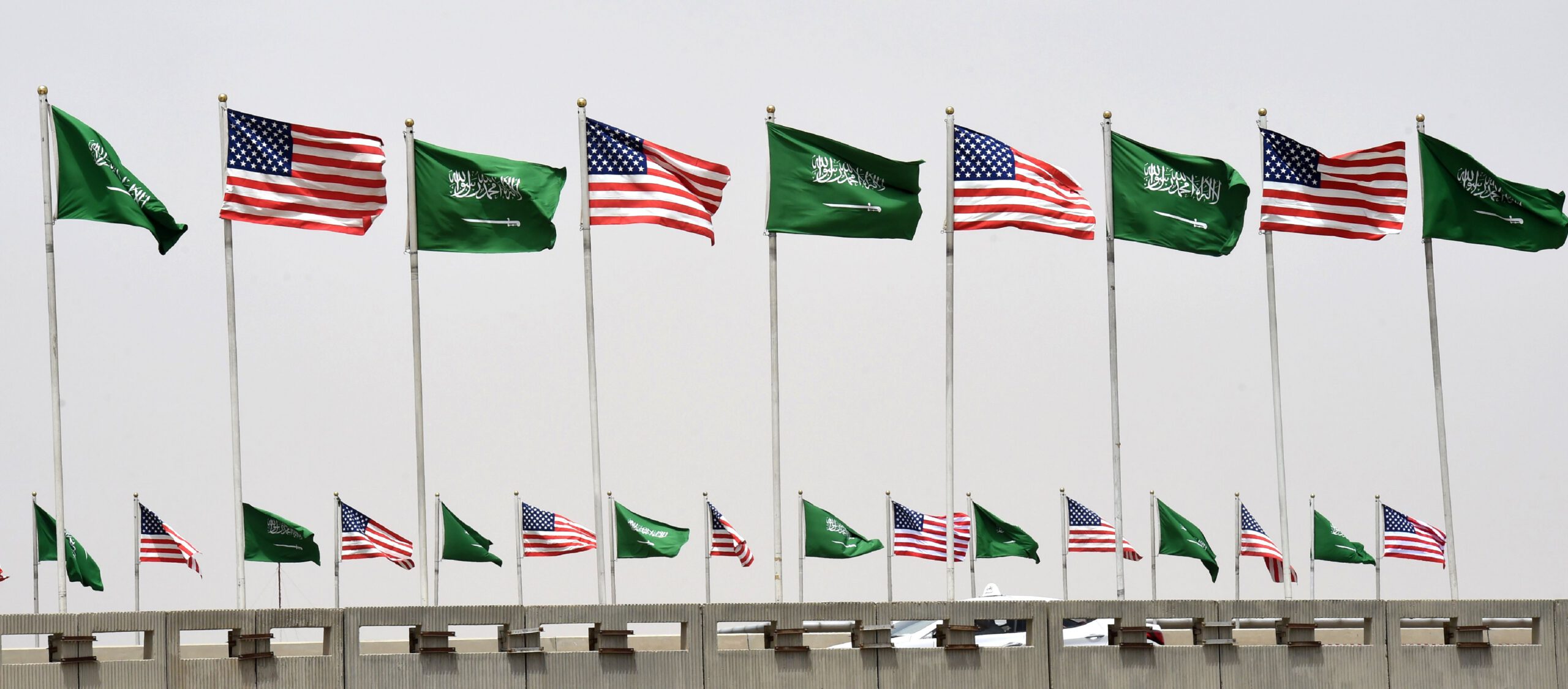
President Donald Trump likely had such summitry in mind when he planned his first major foreign trip of his second term — to Saudi Arabia, Qatar, and the UAE on May 13–16. But several of these diplomatic tracks are stalled. Russia remains unmoved by US overtures. The planned release of US-Israeli hostage Edan Alexander is welcome news, but hard work remains to forge a durable new ceasefire and end the Israel-Hamas war. Saudi-Israeli normalization remains distant.
The Middle East Institute (MEI) is an independent, non-partisan, not-for-profit, educational organization. It does not engage in advocacy and its scholars’ opinions are their own. MEI welcomes financial donations, but retains sole editorial control over its work and its publications reflect only the authors’ views. For a listing of MEI donors, please click here.