This individual is a guest contributor. MEI is not able to assist with contact requests.
Attiya Ahmad is Georgetown University’s 2009-10 Center for International and Regional Studies Post-Doctoral Fellow. She recently completed her PhD in Cultural Anthropology at Duke University. Dr. Ahmad’s work brings together scholarship on Islamic studies, globalization, diaspora and migration studies, economic anthropology, and political economy.
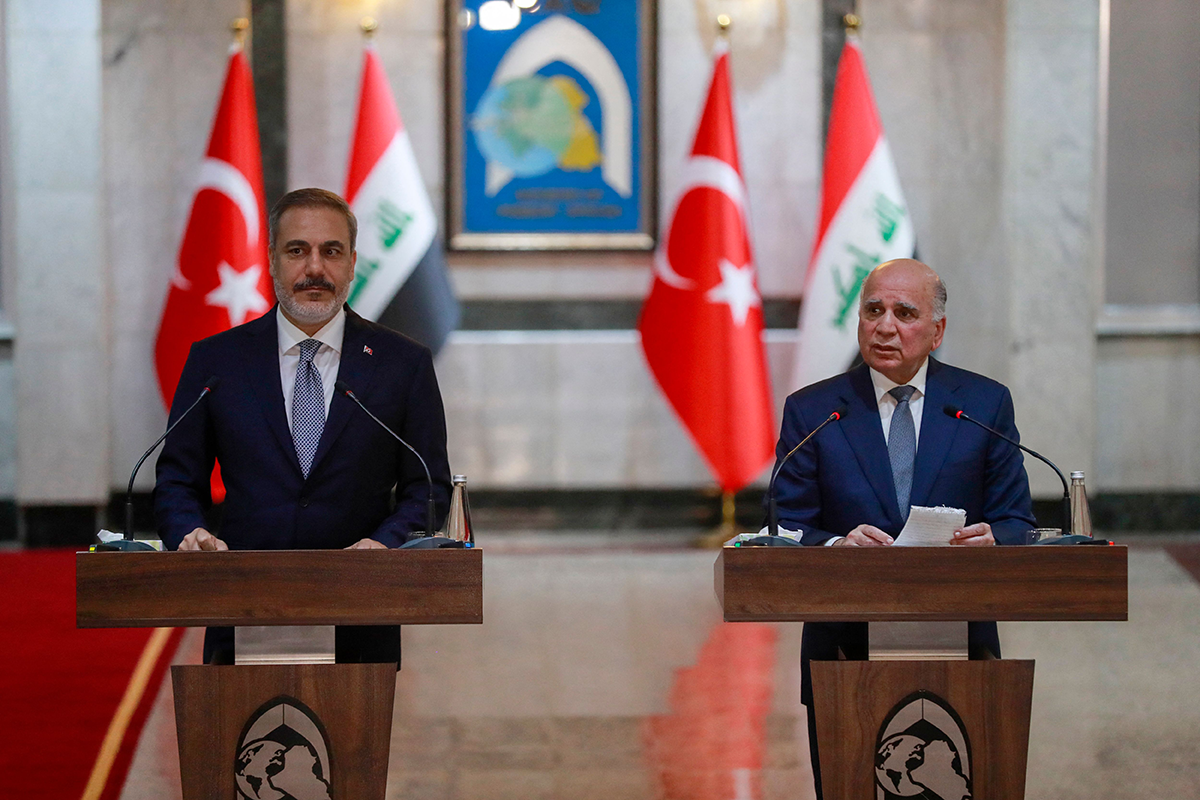
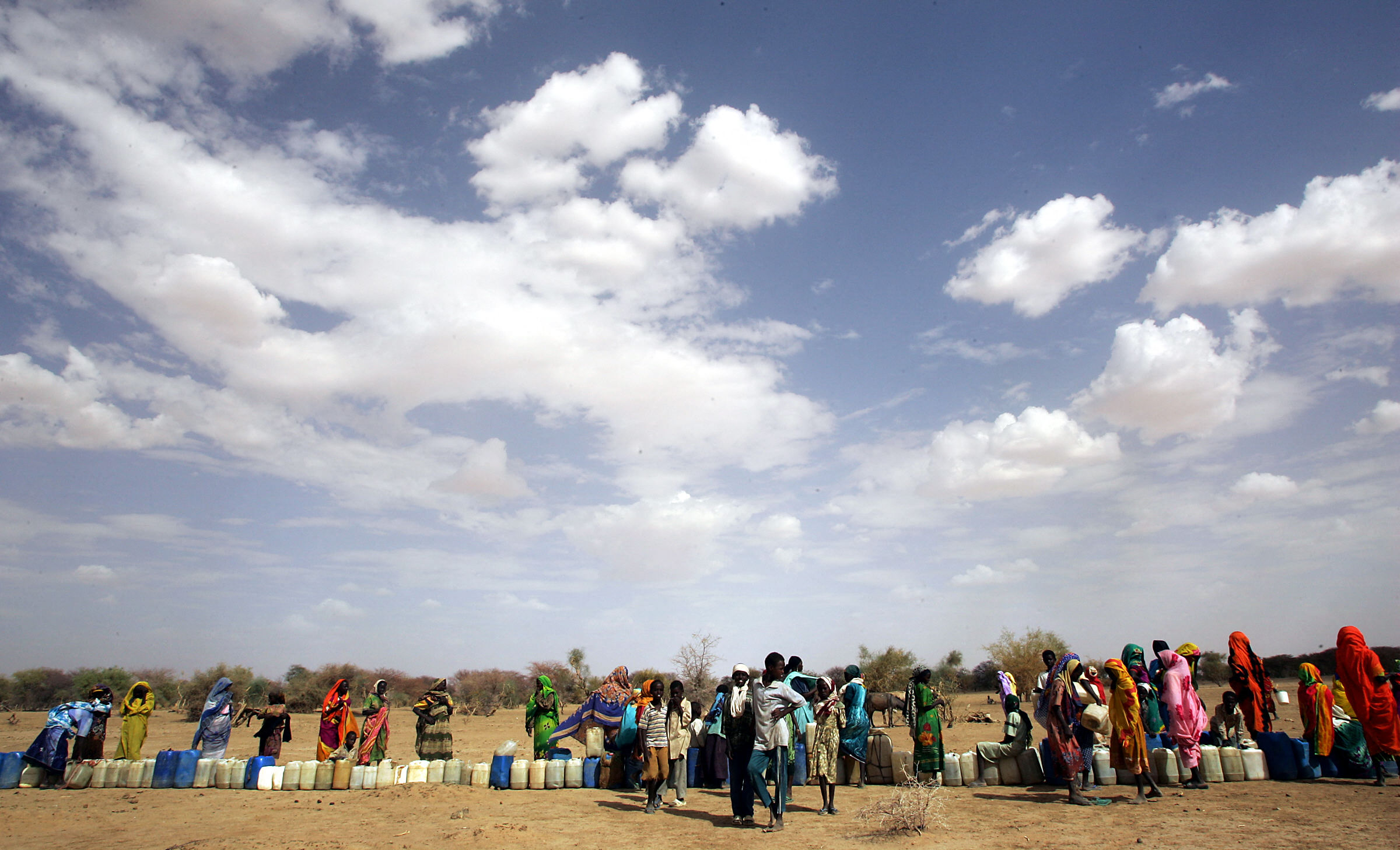
Can oil and water mix?: Creating opportunities for Iraq-Turkey cooperation
Last week saw a flurry of diplomatic activity between Baghdad and Ankara. The top priorities in the talks were oil exports, the presence of the PKK in Iraq, and Iraq’s water crisis. The outcomes have been unimpressive, but there is an opportunity for Iraq to shake things up and improve its bargaining position, at least on the oil export issue, possibly more.
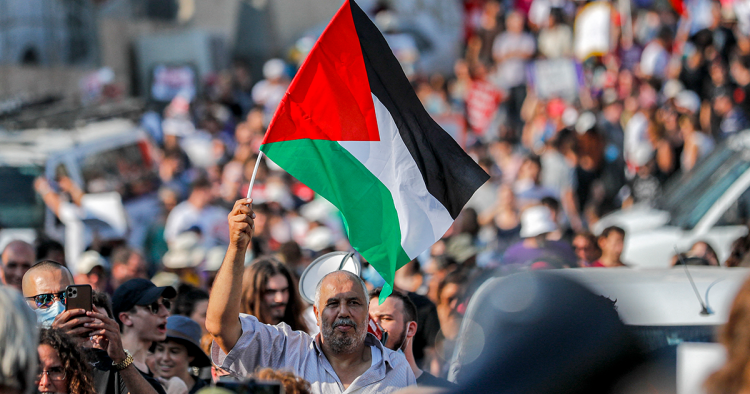
One wouldn’t know it from the headlines, but the next violent eruption in the Gaza Strip may be just around the corner. As most of Washington remains mired in its traditional August doldrums, yet another a potential crisis is brewing in the already isolated and impoverished Gaza Strip.
Policymakers in Washington and the Middle East have been busy talking about the possibility of Saudi Arabia normalizing its ties with Israel in return, in part, for a formal defense pact with the United States. Receiving far less attention is a critical question, at least for Riyadh: Would such a move jeopardize Saudi Arabia’s recent diplomatic accord with Iran?
After Prigozhin: The future of Wagner and Russian gray zone activities in MENA
As the Wagner Group has an entrenched military presence in Syria, Libya, and Sudan, the evisceration of its senior leadership will have serious repercussions for Russia’s influence in the MENA region. Wagner’s military contractors are unlikely to depart, since they guard strategically valuable oil and mining facilities; but they are likely to now be swiftly integrated into the regular Russian Armed Forces.
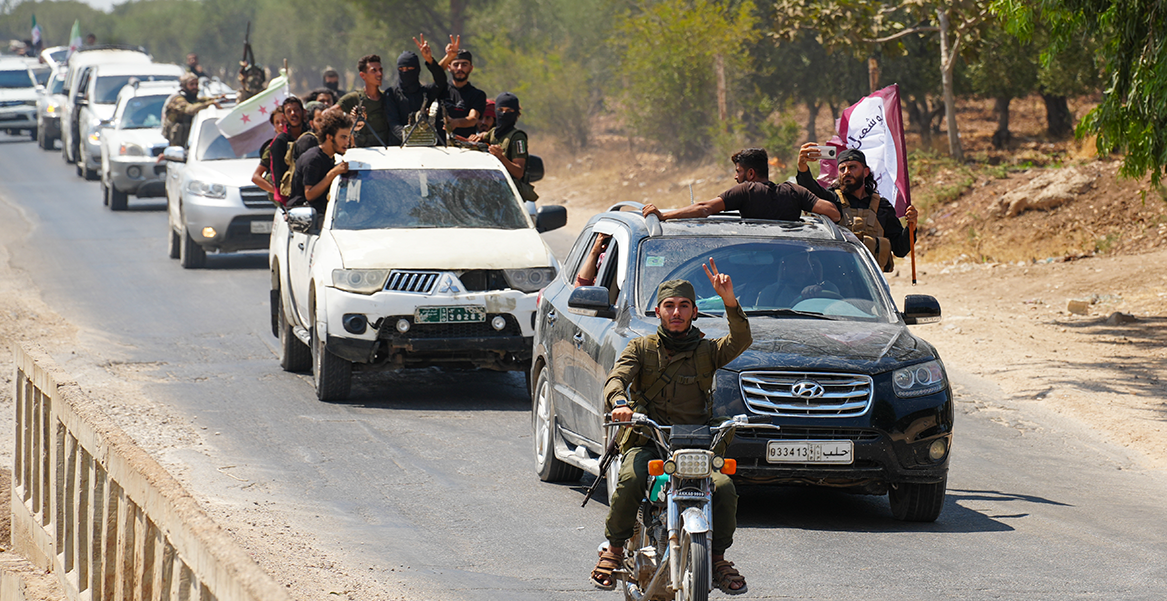
The SDF has always been a diverse coalition of localized actors. Over the past eight years, it has managed to contain these persistent frictions, but that may now be coming to an end. In the past three days, at least 50 people have been killed in fighting between Arab tribal fighters and the SDF in the region where Syria’s Khabur and Euphrates rivers meet. The catalyst for this fighting occurred late on Aug. 27, when Ahmed al-Khubayl, the leader of the SDF’s Deir ez-Zor Military Council, was lured north to Hasakah for a purported meeting, only to be arrested alongside his brother and four other commanders.
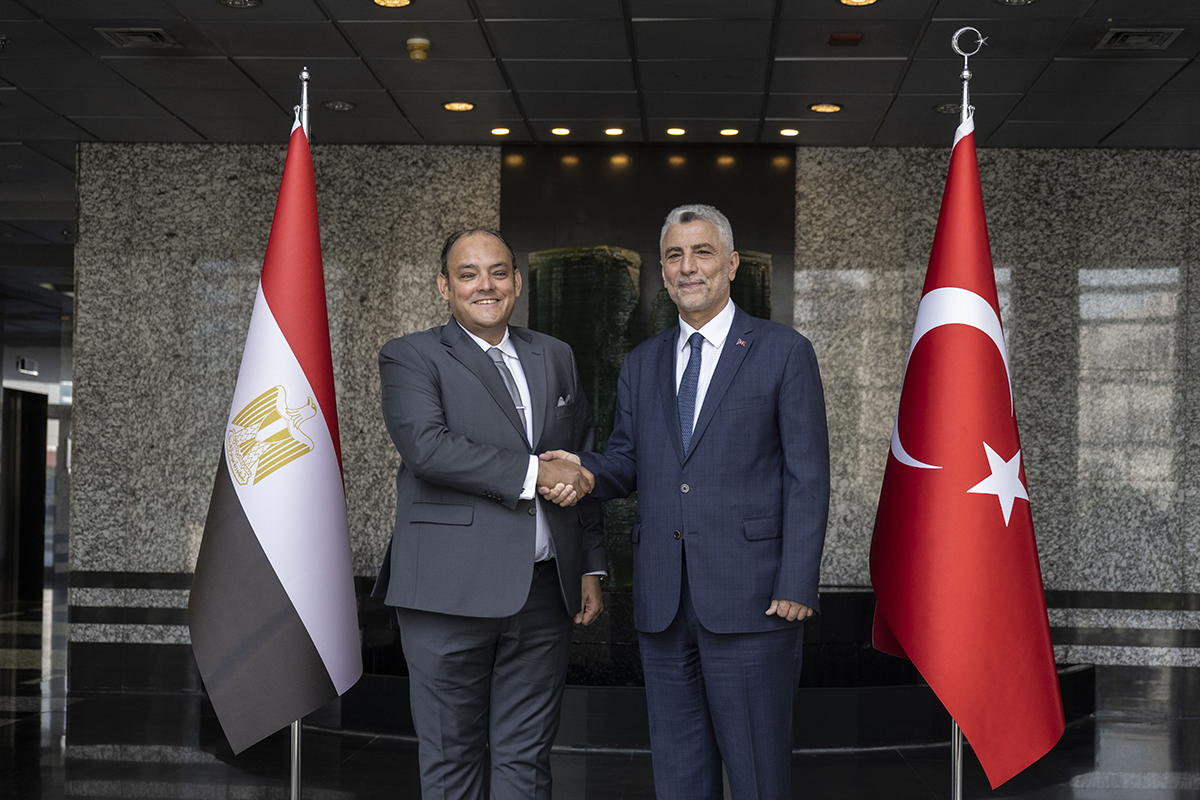
Putting Egypt-Turkey relations on a sustainable footing
Turkey and Egypt, two influential regional players with a complex history of cooperation and conflict, are now working on mending their ruptured ties. As officials navigate this process, it is essential to identify practical steps to capitalize on the diplomatic breakthrough. Sustainable peace can only be ensured by shifting the focus from political ideology to shared interests. One way to do that is by creating an inclusive, multi-track process that involves state institutions, businesses, NGOs, academics, and the grassroots.
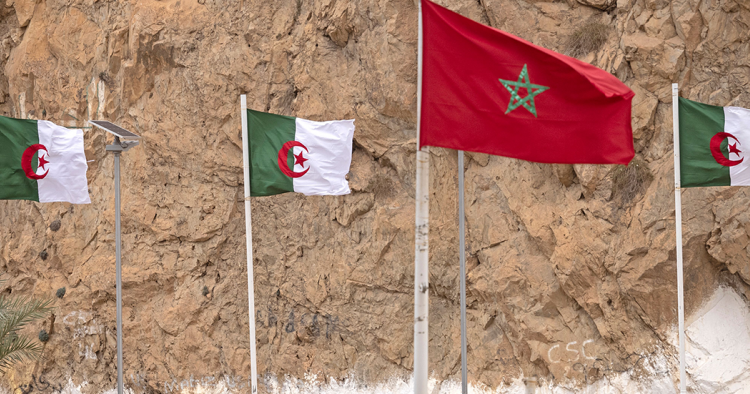
Why North Africa is a natural choice for Brics expansion
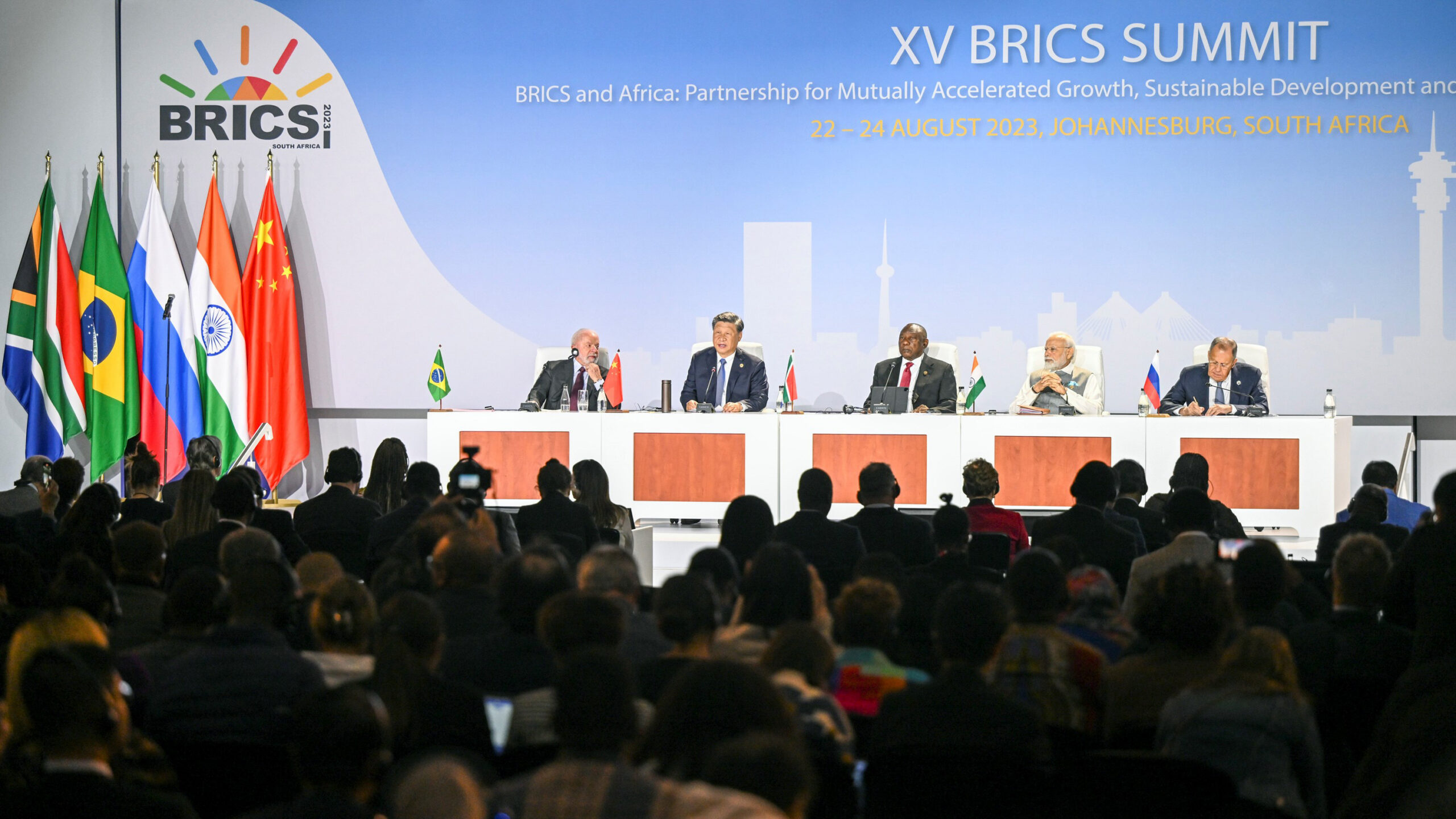
In a move of unprecedented geopolitical consequence, the Brics grouping of nations has made the landmark decision to expand beyond its five founding members. Announced on Thursday at the conclusion of the Brics summit in Johannesburg, host South Africa along with Brazil, Russia, India and China invited six nations to join the bloc – Egypt, Ethiopia, Iran, Saudi Arabia, the UAE and Argentina.
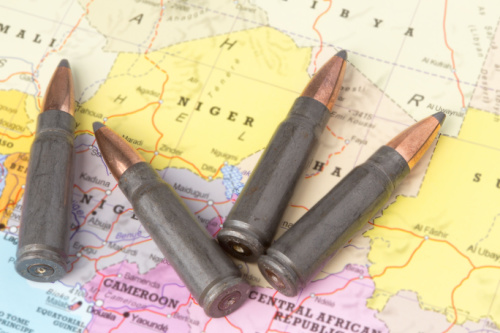
The Niger Coup and Turkey’s Military Industrial Complex in Africa
The recent military coup in Niger marks the point of no return for the unraveling of France’s dominant economic and military influence across West Africa. Turkey is the foreign actor that stands to benefit most, with the potential to emerge as a leading strategic partner for the nations of the region. Turkey’s engagement with West Africa is a unique, dual approach that blends military and economic engagement while deftly intertwining humanitarian aid and cultural outreach.
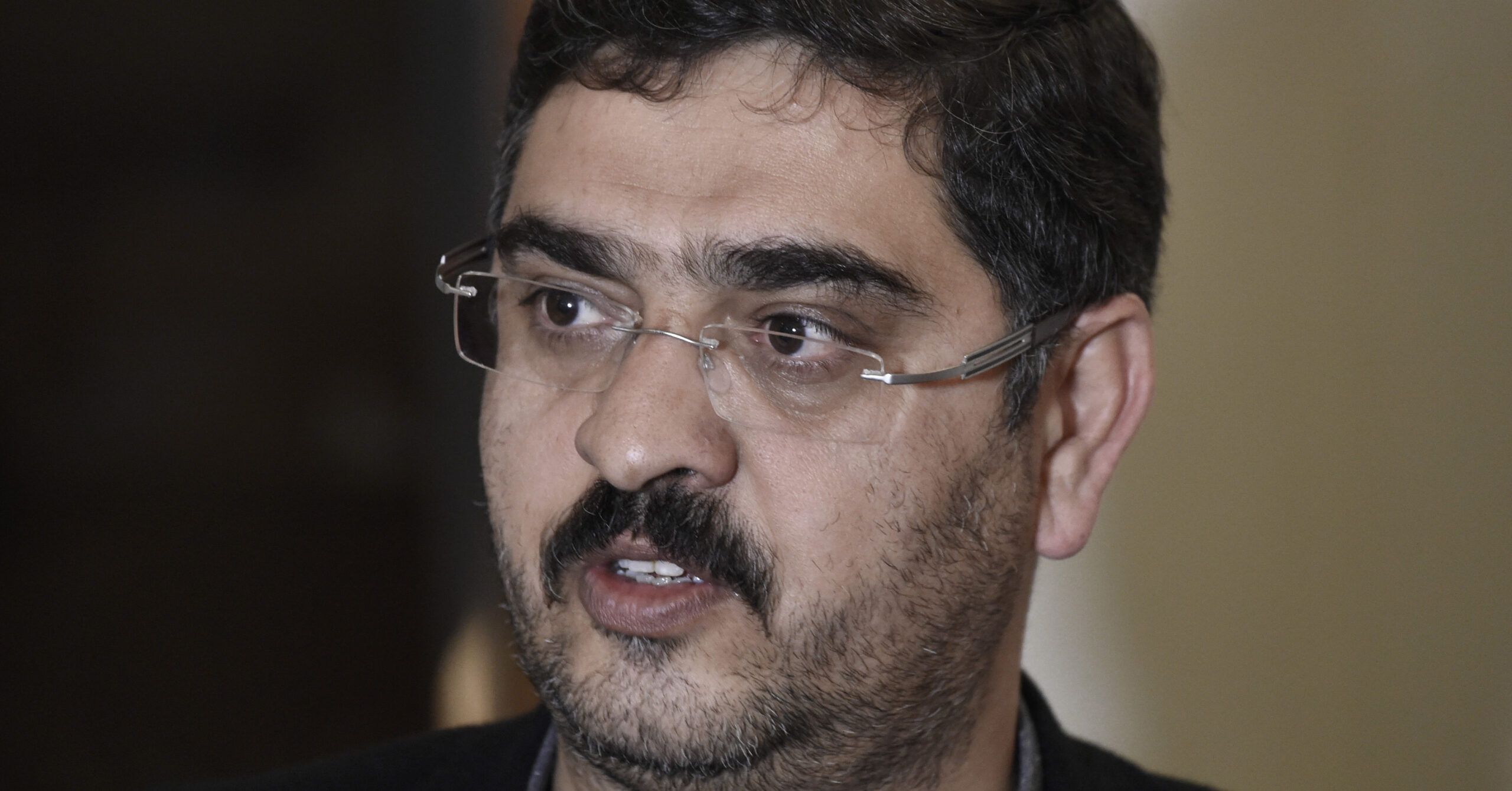
Pakistan’s interim government: A challenging road ahead
After the conclusion of the 16-month rule of the Pakistan Democratic Movement (PDM), the appointment of a new caretaker government has created uncertainty. This raises doubts about whether Pakistan will smoothly transition to another democratic government or if the caretaker setup will exceed its constitutional mandate.
MEI’s Senior Vice President Kate Seelye speaks with award-winning theater director and writer Amir Nizar Zuabi – Artistic Director of the ‘Amal Walks Across America’ tour. They discuss the upcoming U.S. tour of Little Amal, an internationally celebrated 12-foot-tall puppet of a 10-year-old Syrian refugee girl traveling across the world carrying a message of hope and compassion for displaced people everywhere.
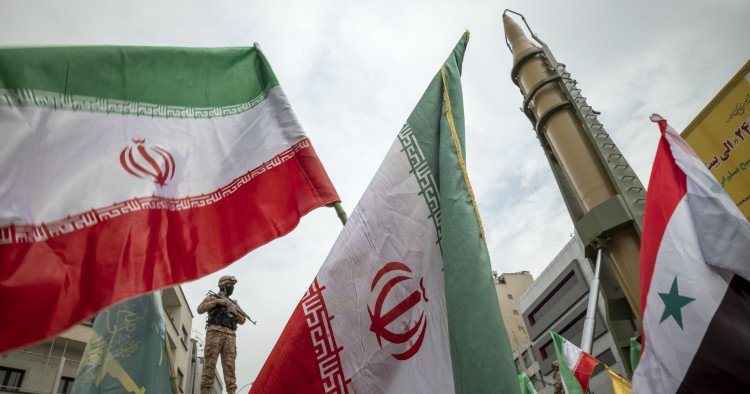
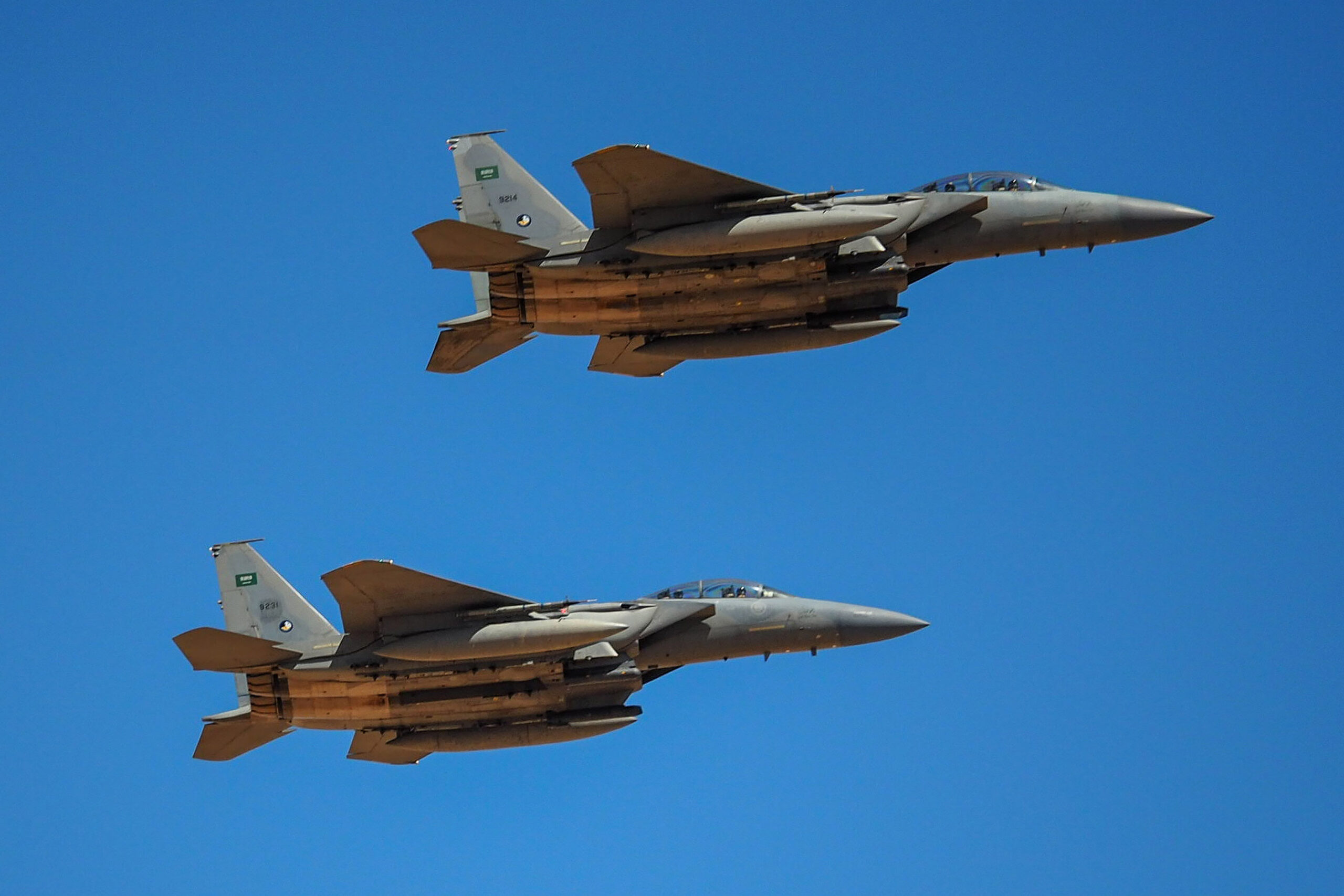
Of all the challenges to Saudi Vision 2030, arguably none is greater than Iran’s threat to Saudi national security. To succeed, Crown Prince Mohammed bin Salman must protect the kingdom, which will require not only fortifying its defenses against further Iranian and Houthi attacks but also establishing a level of deterrence against Tehran.
Building back better with gender in mind: Centering Turkey’s women and girls in earthquake recovery
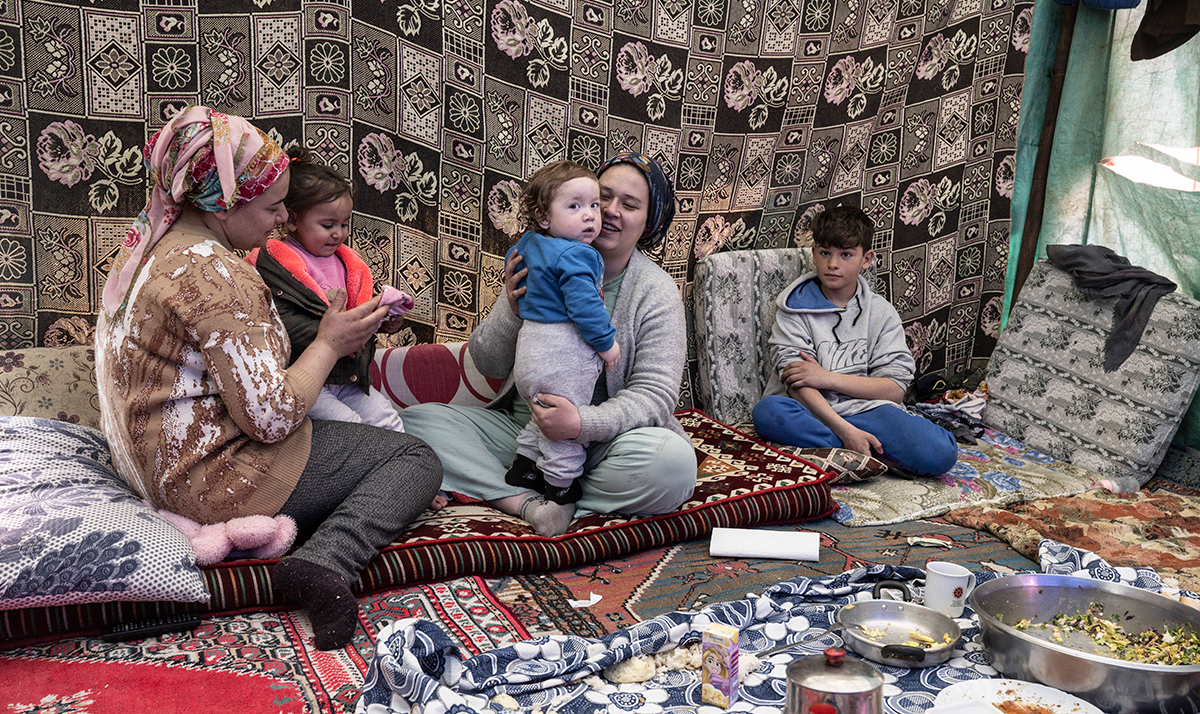
Gender-blind development policies leave women and girls behind and exacerbate their vulnerabilities before, during, and after disasters, as was made clear by the Feb. 6, 2023 earthquake that struck southeastern Turkey and northwestern Syria. By viewing disasters as gendered development problems, we can better understand the differential impact the Feb. 6 earthquake had on women and girls in Turkey and make more impactful policy recommendations.
From oil wells to power cells: How Saudi Arabia and its Gulf neighbors are securing their future through battery technology
As the world shifts toward a more sustainable future, the GCC states are also embracing this profound transition, moving from oil wells to power cells. With their vast resources, strategic location, and commitment to sustainability, the Gulf countries are uniquely positioned to become major players in the global battery supply chain. By embracing the potential of battery technology, these nations are not just preparing for a post-oil future but are actively shaping it.