This individual is a guest contributor. MEI is not able to assist with contact requests.
Attiya Ahmad is Georgetown University’s 2009-10 Center for International and Regional Studies Post-Doctoral Fellow. She recently completed her PhD in Cultural Anthropology at Duke University. Dr. Ahmad’s work brings together scholarship on Islamic studies, globalization, diaspora and migration studies, economic anthropology, and political economy.
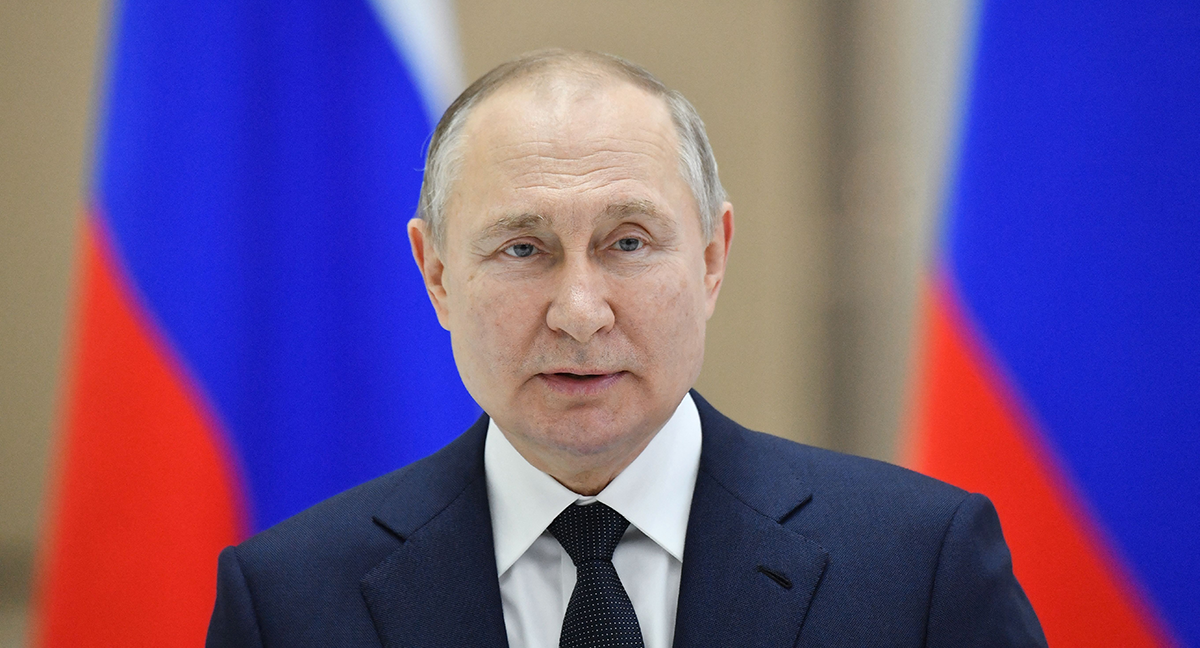
As the conventional war in Ukraine continues and military operations intensify, Russian President Vladimir Putin is wrestling with the need to maintain his fight in Ukraine while demonstrating to the Russian people that he is winning in the following three key areas: land, security, and identity.
Iran is learning from Russia’s use of missiles in Ukraine
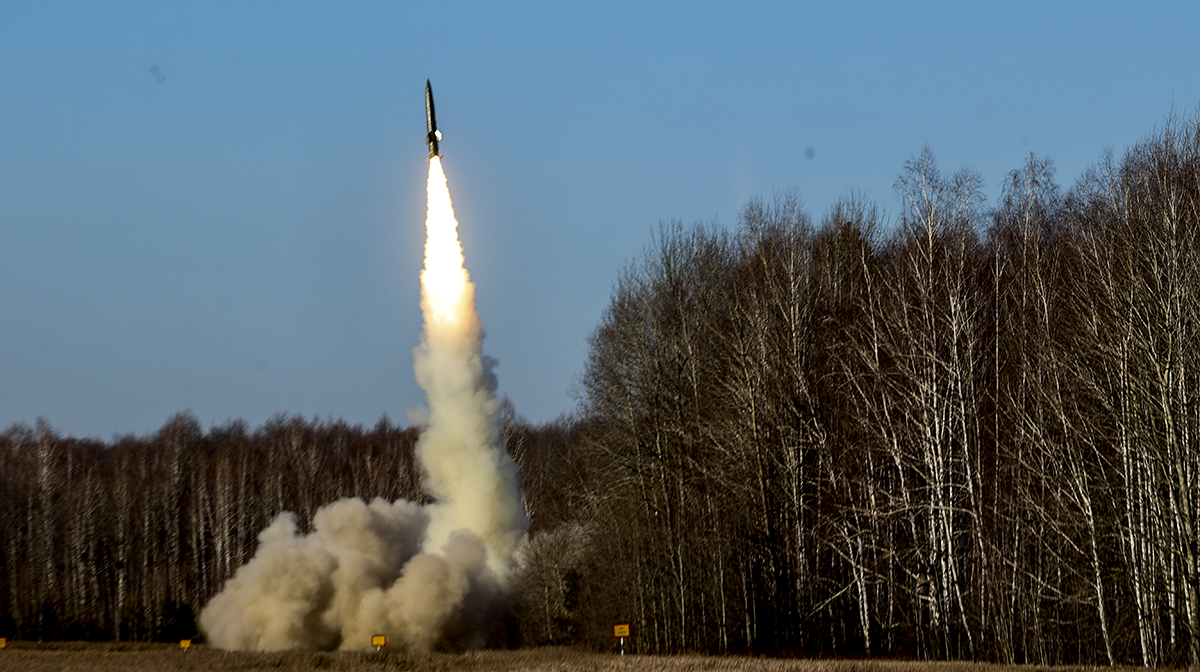
Russia’s invasion of Ukraine has turned into the largest testing ground for ballistic and cruise missiles in modern warfare. Militaries around the world are watching carefully, and Iran is certainly no exception. With its military doctrine heavily dependent on ballistic missile forces, Iran has a particular interest in the war in Ukraine and is taking notes on Russia’s use of missiles.
Former Iraqi Prime Minister Dr. Haider al-Abadi joins the program to discuss the country’s fight against ISIS, Iraqi politics and the challenges of reform. Dr. al-Abadi has a new book out, entitled “Impossible Victory: How Iraq Defeated ISIS” (Biteback Publishing, April 2022).
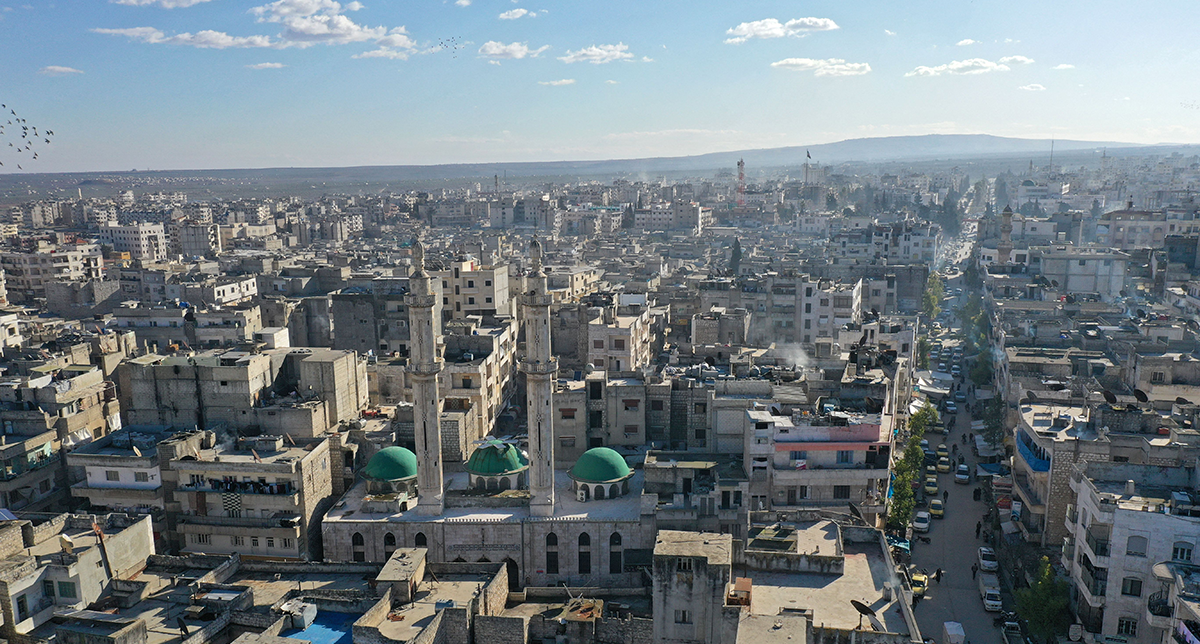
We cannot ignore Syria’s emergence as a narco-state
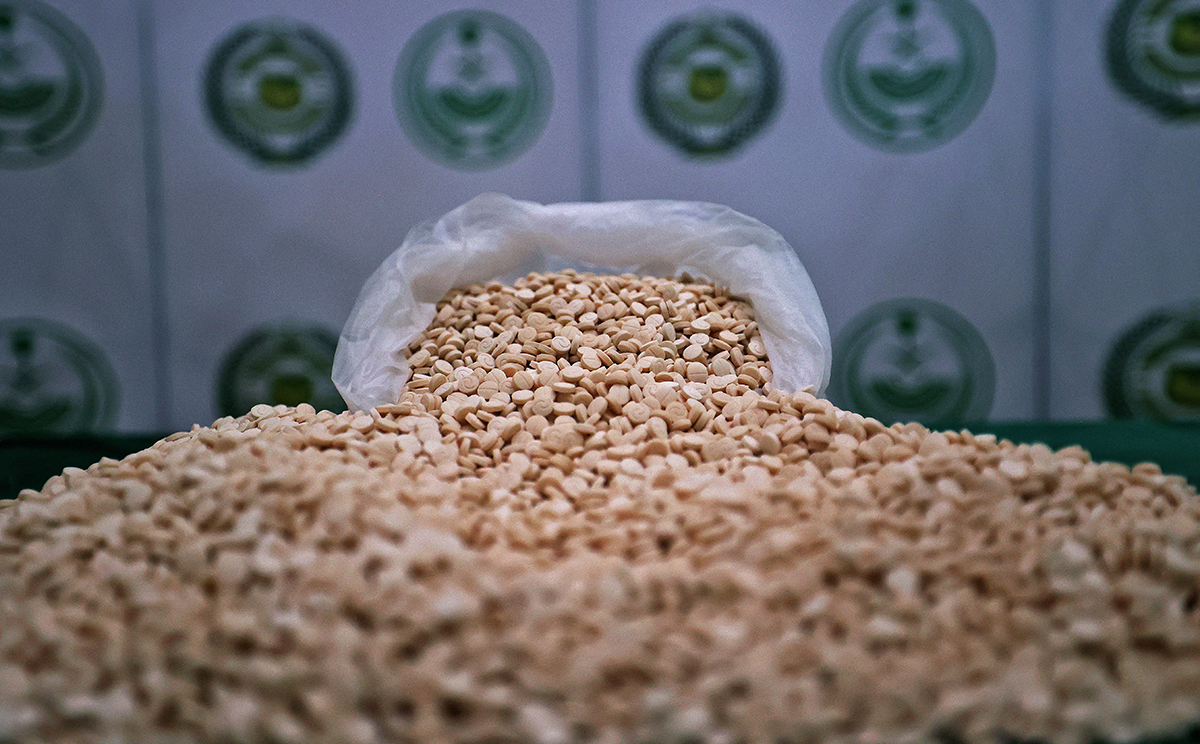
Syria has emerged in recent years as a narco-state of regional and possibly global significance. Having destroyed much of the country, crippled the national economy, and reduced itself to pariah status, Syria’s regime and core components of its security apparatus have fronted a secretive industrial complex for the manufacture of a popular amphetamine known as Captagon.
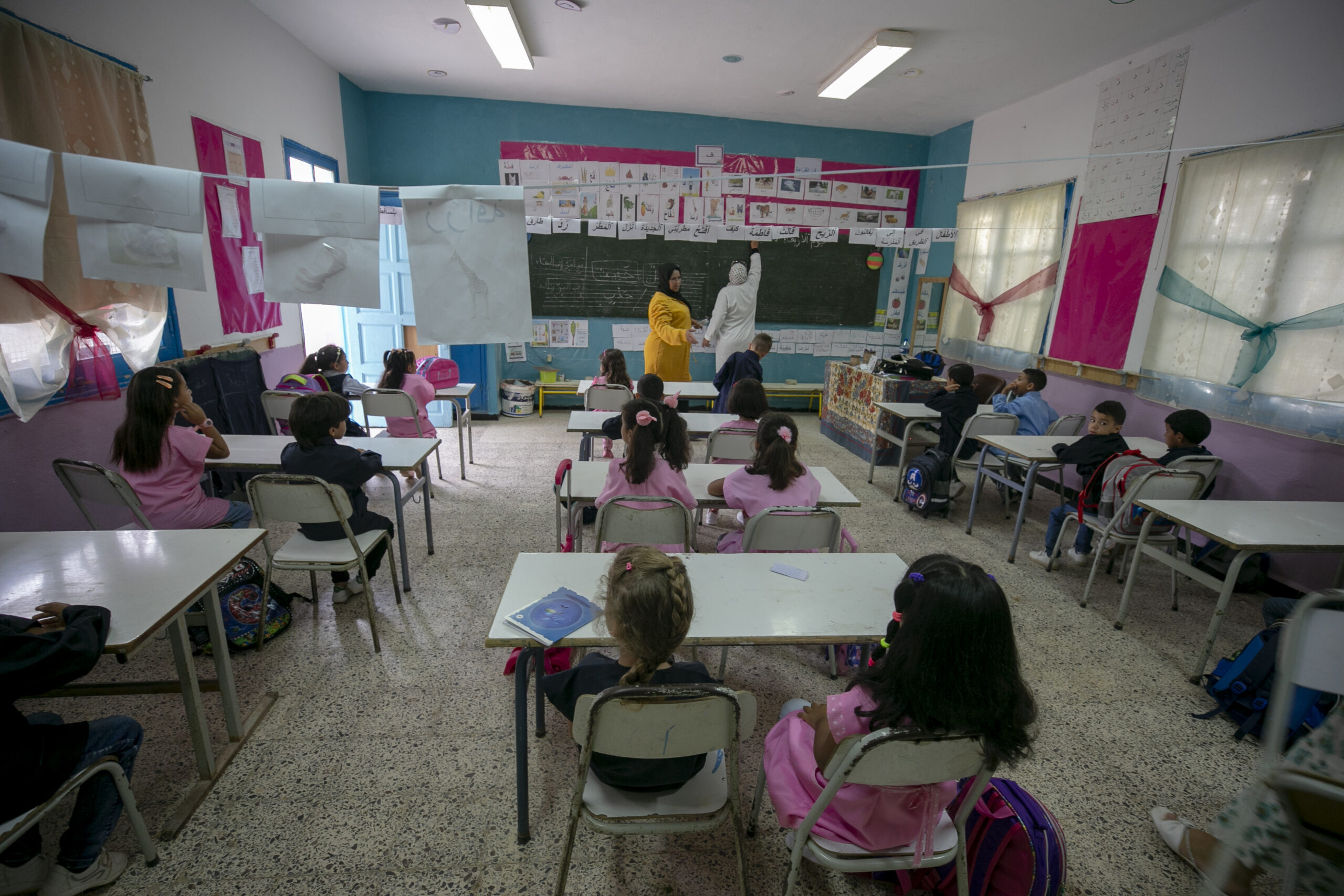
Tunisia’s food shortages shine a spotlight on its core economic failings
President Kais Saied’s war on speculation is attempting to direct the focus of people’s anger about food shortages onto speculators. A recent emergency importation of grain has stayed off the emptying of shelves, but as the country’s treasury empties and eventually products begin to disappear from stores again, the people’s patience and faith in his new political project will wear very thin. For now, he is profiting from national exhaustion, but how long till hunger becomes anger and anger becomes a movement?
Bringing loyalist and opposition factions together: The prospects for reconciliation in new Syria
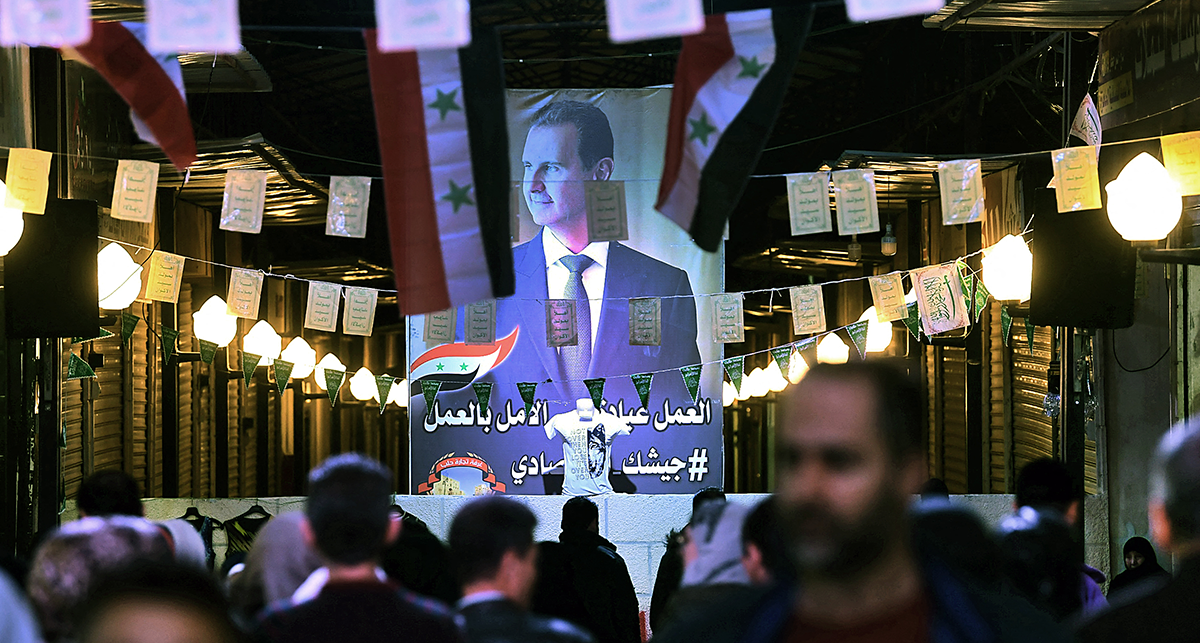
Western visions for a post-war Syria often entail the creation of disarmament and reintegration programs oriented toward members of Islamist groups and militias. However, there is less discussion about how the legacies of state authoritarianism in regime-controlled or otherwise loyalist areas will likely hinder any type of post-war reconciliation.
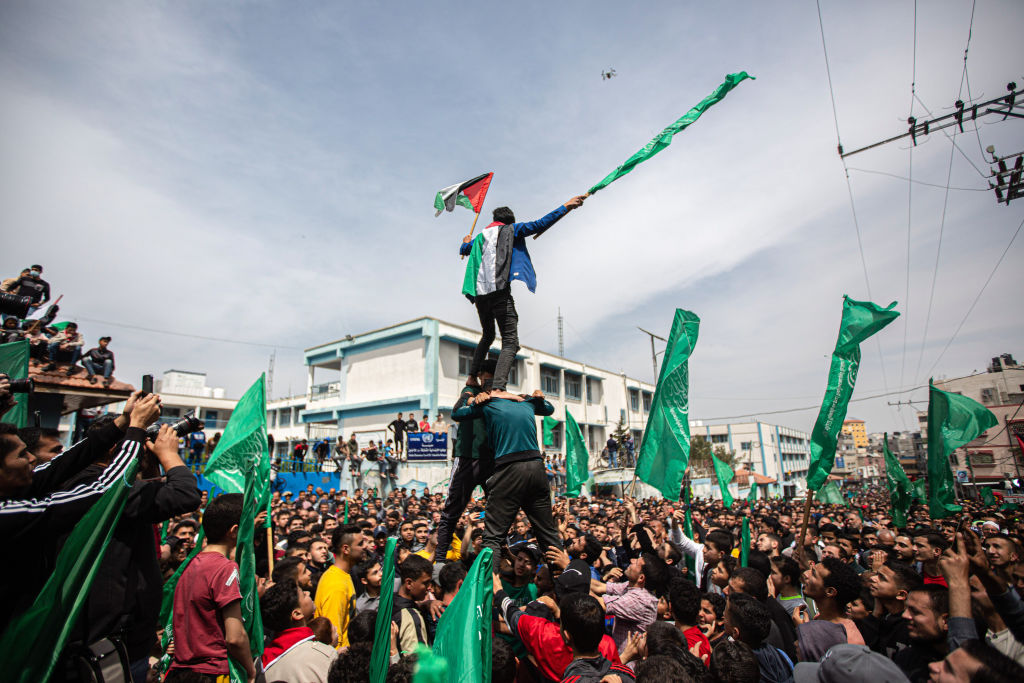
Nowhere to hide: The impact of Israel's digital surveillance regime on the Palestinians
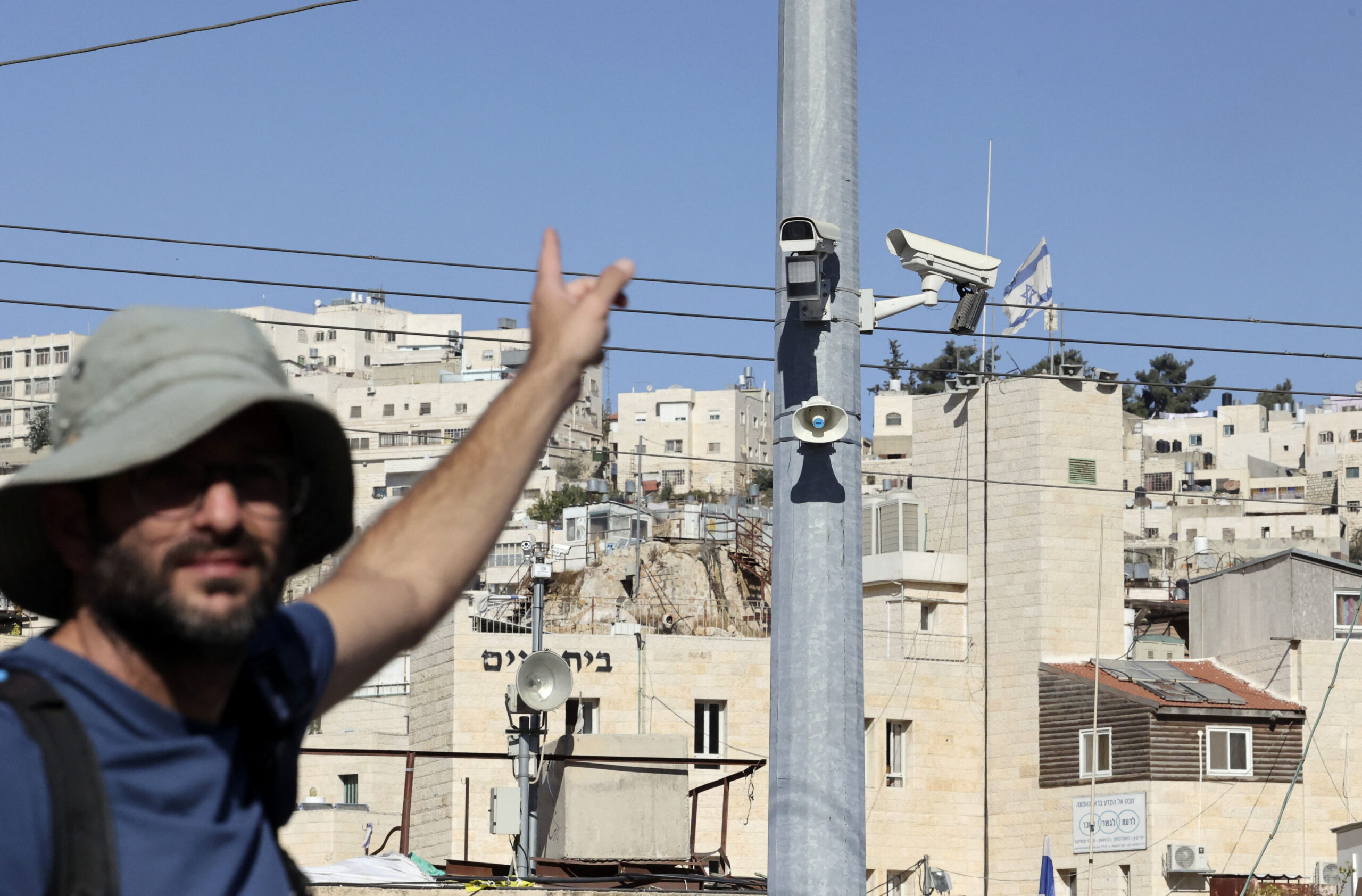
Over the course of 2020 and 2021, groundbreaking investigations revealed in stark detail Israeli authorities’ intensifying use of surveillance and predictive technologies to police and control Palestinians. Subjecting Palestinians to such scrutiny from security and military apparatuses narrows their expressive spaces and plunges them into a state of constant anxiety. This practice also carries out a commercial purpose: Occupied Palestine effectively functions as an open-air laboratory for Israel to test techniques of espionage and surveillance before selling them to repressive regimes around the world.
Intissar Fakir, Cinzia Bianco, and Perla Srour-Gandon discuss the results of the recent French presidential election and what they mean for France’s foreign policy and the Middle East.
Pairing renewables with energy storage could help MENA states to realize their green goals
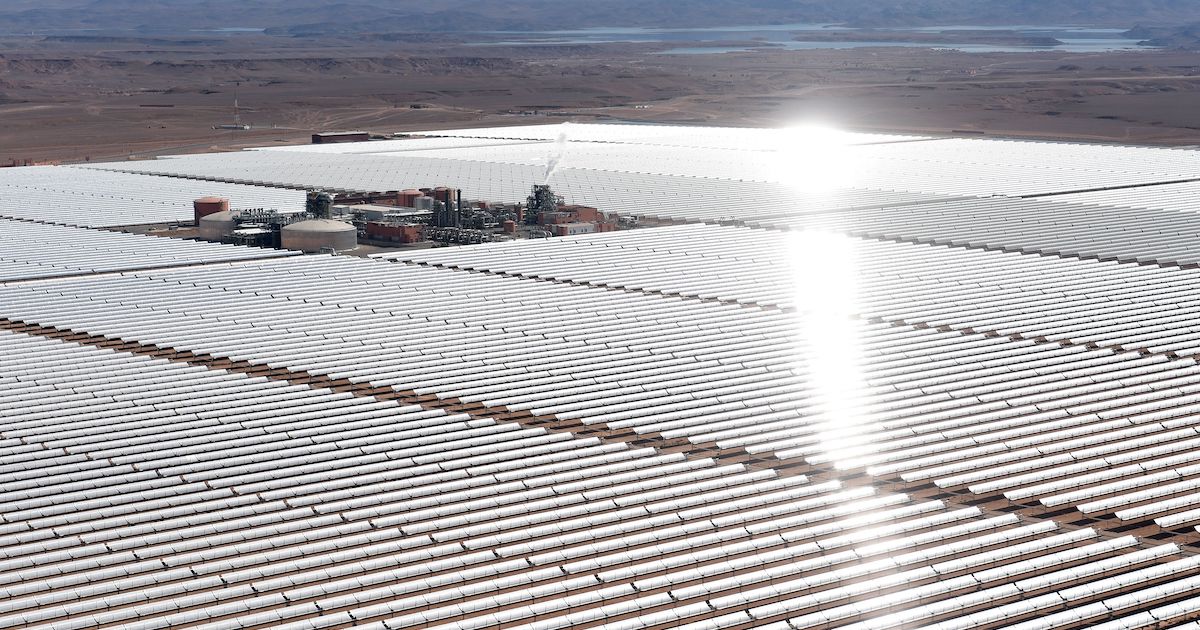
MENA countries are currently home to nearly 15% of the world’s installed energy storage capacity, but this total will need to grow to enable variable renewable energy systems to be integrated into the region’s power grids in a flexible and stable manner.
Divided Syria: An examination of stabilization efforts and prospects for state continuity
The war in Syria started with a ferocious regime crackdown on nonviolent demonstrations but transformed rapidly into a hydra-headed conflict. Syrian citizens with Gulf support took up arms to defend themselves, extremists rushed in, Iran and its proxies upped the ante, and moderate and extremist opposition forces fought both with each other and regime.
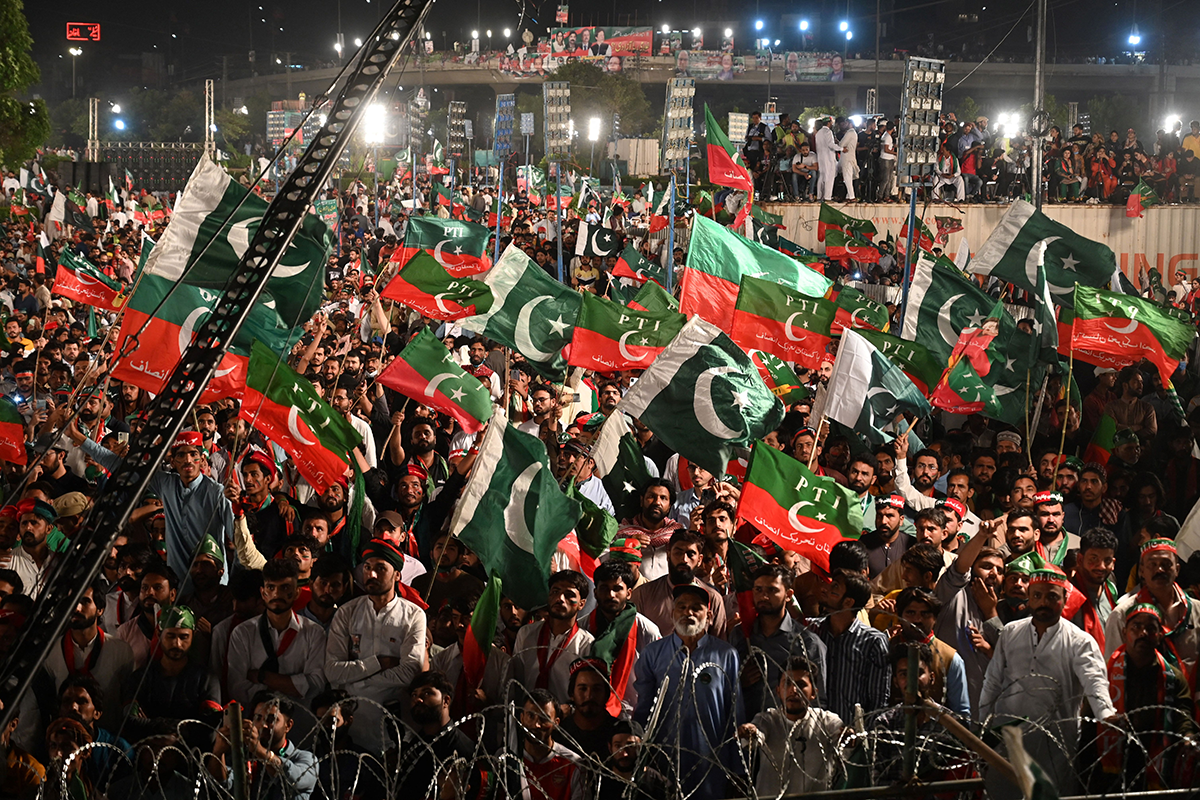
Has Imran Khan’s ouster opened a Pandora’s box in Pakistan?
Khan’s removal has served to galvanize and perhaps even expand his support base and his opponents among the senior brass of the army and in the political class have unwittingly rehabilitated his public image. As Khan’s political fortunes have improved, the new coalition government is struggling to handle the hot potato of a deteriorating economy and the army is facing criticism unprecedented in recent years.
How has the Ukraine war affected Russia's ties with Libya and Sudan?
Official reactions in Africa to Russia’s invasion of Ukraine have varied dramatically from country to country. While stopping short of implementing sanctions, most African countries condemned Russia’s invasion in a March 2 U.N. General Assembly vote. A sizeable minority, however, abstained or subtly displayed solidarity with Moscow. Such polarization can be seen in the differing postures of Libya and Sudan.