This individual is a guest contributor. MEI is not able to assist with contact requests.
Attiya Ahmad is Georgetown University’s 2009-10 Center for International and Regional Studies Post-Doctoral Fellow. She recently completed her PhD in Cultural Anthropology at Duke University. Dr. Ahmad’s work brings together scholarship on Islamic studies, globalization, diaspora and migration studies, economic anthropology, and political economy.
أرسل الشباب العراقي رسالة حازمة في الانتخابات، وأعطت المقاعد العشرة جرعة من الأمل لحركة تشرين رغم تركيز عناوين الأخبار على المالكي والصدر. يستعرض إبراهيم الأصيل رأياً لحفصة حلاوة حول الانتخابات العراقية ونتائجها. — Ibrahim Al-Assil Hafsa Halawa
حلقة 54: إعصار شاهين والتغير المناخي — مع محمد محمود
يستضيف إبراهيم الأصيل في هذه الحلقة محمد محمود مدير برنامج التغير المناخي في معهد الشرق الأوسط لمناقشة إعصار شاهين الذي ضرب سلطنة عمان، والوقوف على أسبابه وآثاره وما يمكن أن نتوقعه في المستقبل من آثار التغير المناخي على المنطقة. — Ibrahim Al-Assil
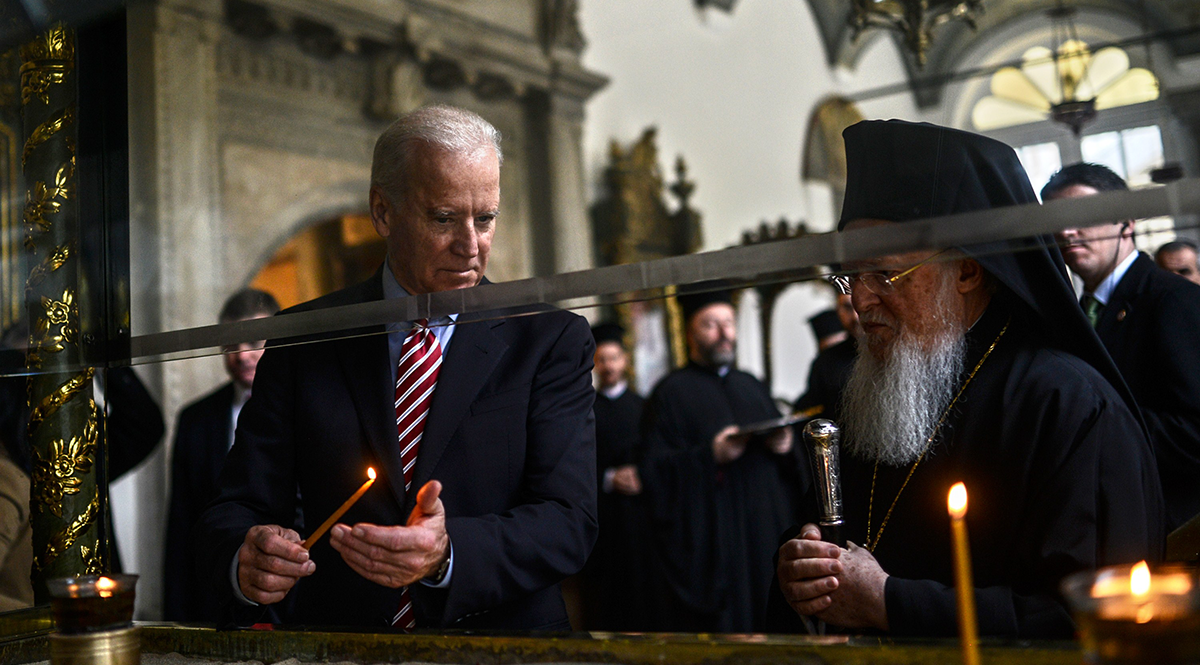
لقاء بايدن في البيت الأبيض مع البطريرك المسكوني يوفر فرصة فريدة
سيزور برثلماوس الأول، البطريرك المسكوني للقسطنطينية والزعيم الروحي لما يقرب من 300 مليون مسيحي أرثوذكسي على مستوى العالم، الولايات المتحدة بين 23 أكتوبر/تشرين الأول و3 نوفمبر/تشرين الثاني. وسيعلن بدء الاحتفال بالذكرى المئوية لتأسيس أبرشية الروم الأرثوذكس بأمريكا في زيارته الأولى للولايات المتحدة الأمريكية منذ 12 عامًا. ستكون المحطة الأولى للبطريرك المسكوني هي واشنطن العاصمة، حيث من المقرر أن يلتقي بالرئيس جو بايدن في البيت الأبيض.
The IPCC Sixth Assessment Report on Climate Change and what it means for the Middle East
The Intergovernmental Panel on Climate Change (IPCC) released their Sixth Assessment Report on the Physical Science Basis of Climate Change in August of this year. This report brings together the latest advances in climate science, observations, paleoclimatology, and climate simulations to provide the most up-to-date physical science understanding of climate change. The report also describes the anthropogenic influence on the current state of climate and how future climate can distinctly affect different regions across the world.
The US competes to be the “partner of choice” in the Gulf
Even as the United States continues the strategic pivot to the Pacific inaugurated by the Obama administration, the competition for security and control of maritime space in the Red Sea and eastern Mediterranean is intensifying.
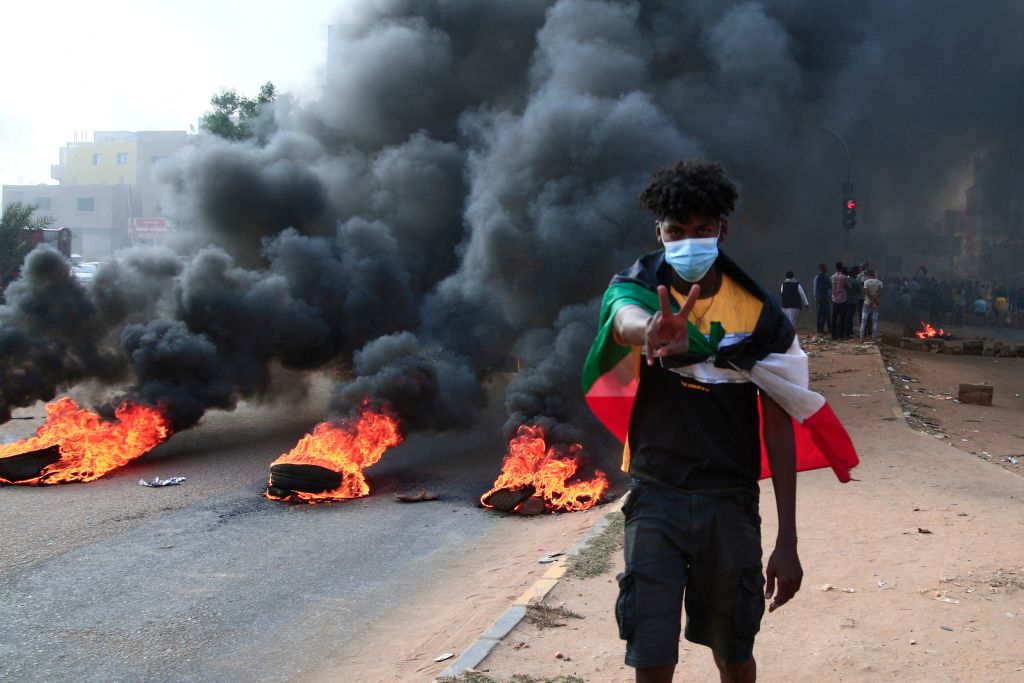
Lilia Blaise and Fadil Aliriza join Intissar Fakir for a discussion on Tunisia’s political turmoil following President Kais Saied’s series of moves since July to reshape the country’s government.
Technology and Youth Drive the Future of Work in MENA
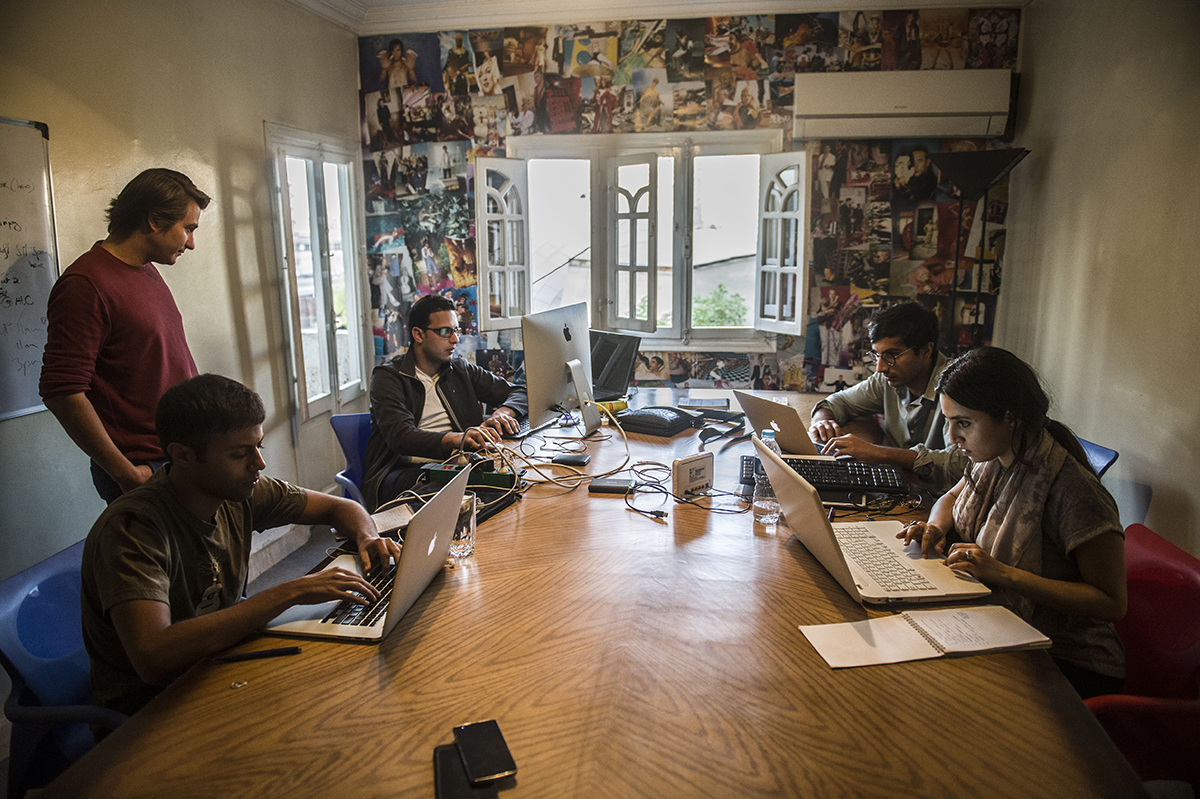
Globally, the demand for manual, physical, and basic cognitive skills is declining. In their stead, digital literacy and competency are becoming requisites for a growing portion of the workforce, and the need for higher-level cognitive skills is on the rise: According to a World Economic Forum survey of employers, skills related to analytical and critical thinking, active learning, complex problem solving, and creativity will see the highest growth by 2025.
This article is part of the publication Thinking MENA Futures, produced in conjunction with MEI’s Strategic Foresight Initiative and the MEI Futures Forum. Read the other articles in the series here.
Far from a benefactor, the Turkish government is exploiting Somalia’s fragility
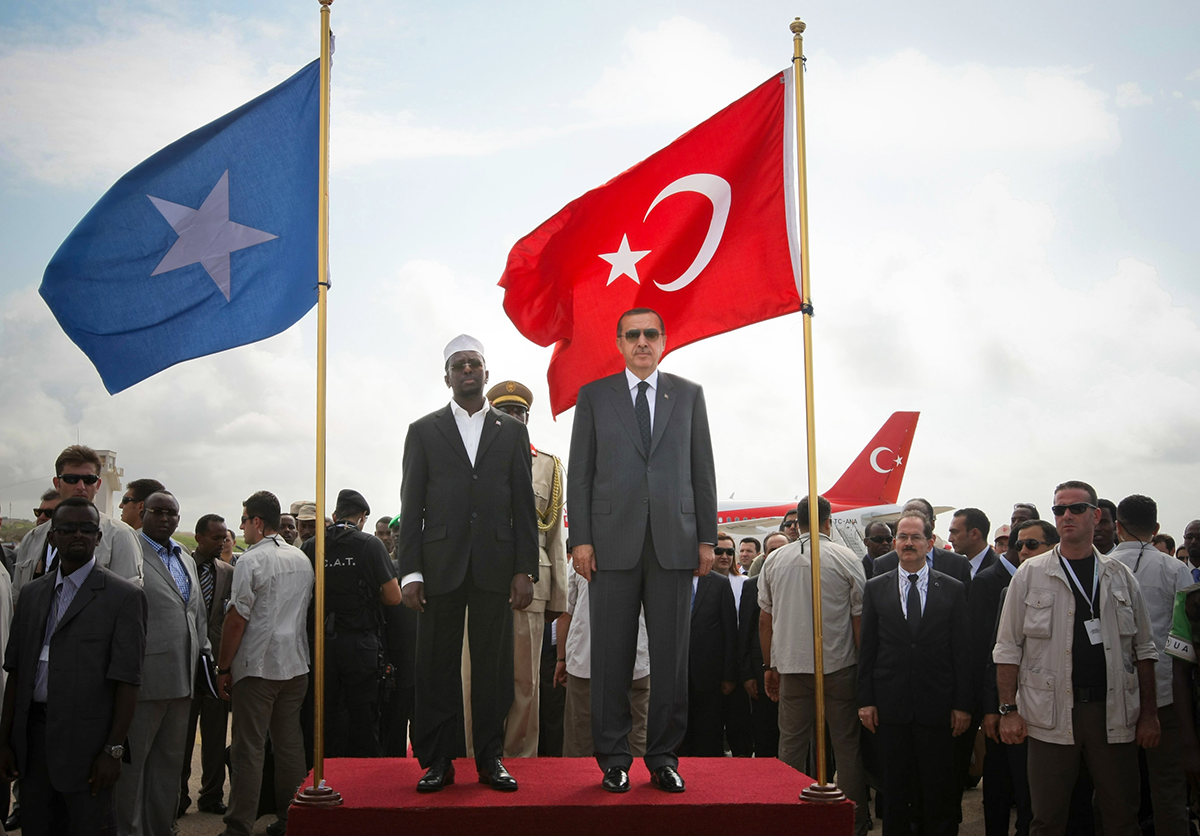
A decade has passed since Turkish President Recep Tayyip Erdoğan landed in Mogadishu at the height of one of Somalia’s worst famines, announcing grandiose projects like the launch of Turkish Airlines flights to the Somali capital, the remodeling of a hospital, and the opening of the biggest embassy in Africa, all designed to show that Turkey’s mission goes well beyond aid and that Ankara is an alternative to Somalia’s traditional donors. Erdoğan’s historic visit earned him high praise throughout Somalia. Although his trip appeared to be a heartfelt humanitarian mission, in reality it was part of a long-term, strategically planned effort. A decade on, Somalis are starting to realize that Turkey has evolved from friend to foe, trade partner to trade protectionist, state builder to outright spoiler.
The Future of FinTech in the Middle East: Trends that are Here to Stay
Ten years ago, could you ever imagine that one day you could trade fractions of stocks and virtual currencies while sitting at a bus stop, all from your cellphone? Have you ever wondered what the future of finance will look like five years from today? Imagine going to the grocery store for a seamless shopping experience: You walk in, grab a carton of milk, and walk right out while cameras recognize the items in your basket and your face to enable a secured payment. The financial world has made tremendous advances in the last 10 years due to the arrival of FinTech, and the sector is only getting bigger.
The Digitalization of Economies and the Future of Work: A Regional Outlook
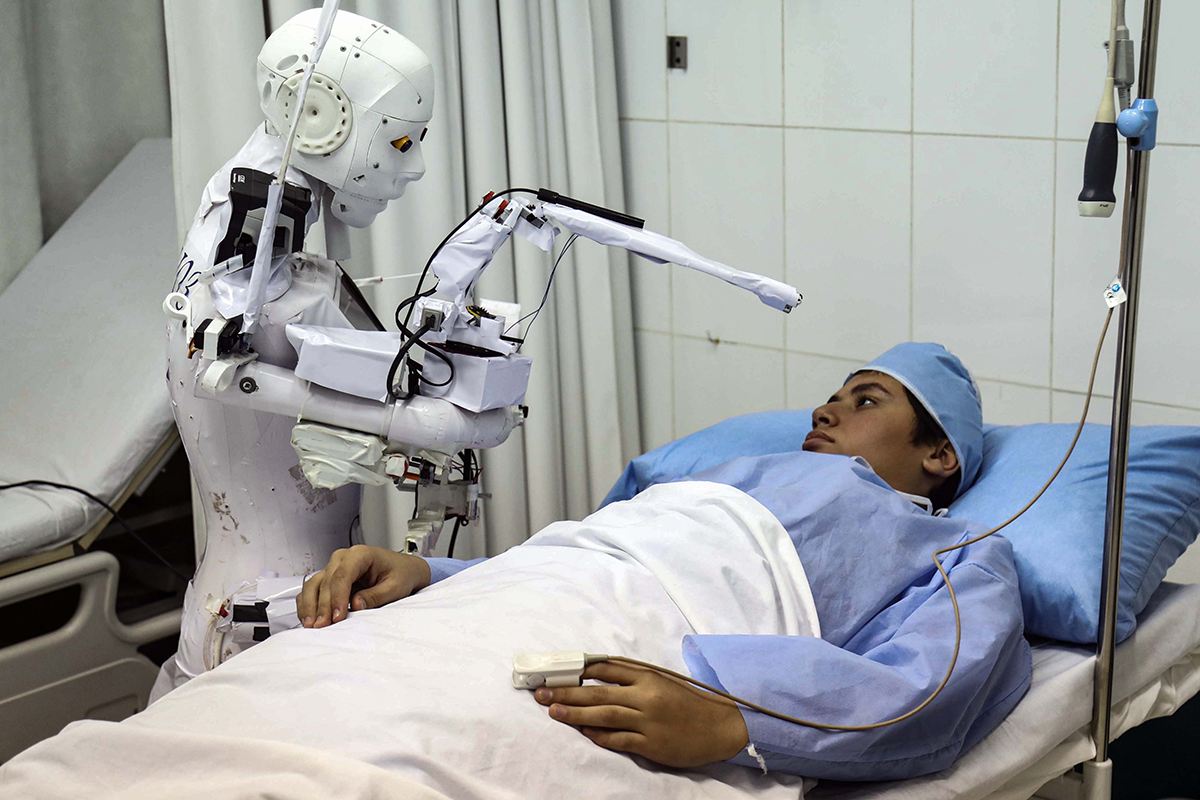
The world will remember 2020 as the year that witnessed an unprecedented acceleration in digital transformation instigated by the disruption of COVID-19. The pandemic affected millions of lives and livelihoods in the developed world and emerging economies, including the Middle East and North Africa (MENA) region. However, it also presented ample opportunities for economies to reimagine how the future will look while adapting to emerging innovative technologies and their economic implications.