Monday Briefing: How the complex Middle East landscape affects a possible Iran deal
اقرأ تقرير MEI الأسبوعي الذي يتضمن تحليلات الخبراء للتطورات الإقليمية الرئيسية للأسبوع المقبل.
Defense and Security, Great Powers in the Middle East, Israel-Palestine, Regional International Politics, US Policy in the Middle East, Bahrain, Egypt, Iran, Iraq, Israel, Jordan, Kuwait, Lebanon, Oman, Palestine, Qatar, Saudi Arabia, Syria, Turkey, United Arab Emirates (UAE), Yemen
استفسارات الصحافة: [email protected]
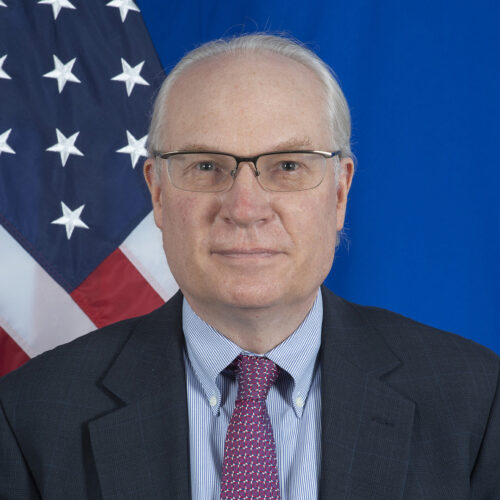
Brian Katulis is a senior fellow at the Middle East Institute, specializing in US foreign policy and national security. He hosts the MEI podcast series Taking the Edge Off the Middle East and authors the column “Making Sense: A Regular Take on US Foreign Policy.” Katulis draws on decades of experience living and working in the Middle East, where he has forged relationships of trust and confidence across the region with top leaders in government, the private sector, media, national security, and thought leaders from a wide variety of international organizations.
As a foreign policy strategist and senior fellow, Katulis has produced influential studies that have shaped key regional policy debates and provided expert testimony to congressional committees on his findings. Prior to MEI, he was a senior fellow at the Center for American Progress (CAP), where he built the center’s Middle East program. His career also includes significant experience at the National Security Council, the US Department of State, and the US Department of Defense.
Katulis co-authored The Prosperity Agenda (2008) with Nancy Soderberg, a book that examines how America’s economic advantages can be used to positively shape global dynamics. He is also frequently quoted in leading news publications and media outlets.
He holds a Master in Public Affairs from Princeton University’s School of Public and International Affairs and a BA in History and Arab and Islamic Studies from Villanova University. He was a Fulbright Scholar in Amman, Jordan from 1994-1995, where he conducted a research project on the peace process between Israel and Jordan.

اقرأ تقرير MEI الأسبوعي الذي يتضمن تحليلات الخبراء للتطورات الإقليمية الرئيسية للأسبوع المقبل.
تحليل إقليمي متخصص من قبل باحثي ومساهمي معهد الشرق الأوسط.
اقرأ تقرير MEI الأسبوعي الذي يتضمن تحليلات الخبراء للتطورات الإقليمية الرئيسية للأسبوع المقبل.
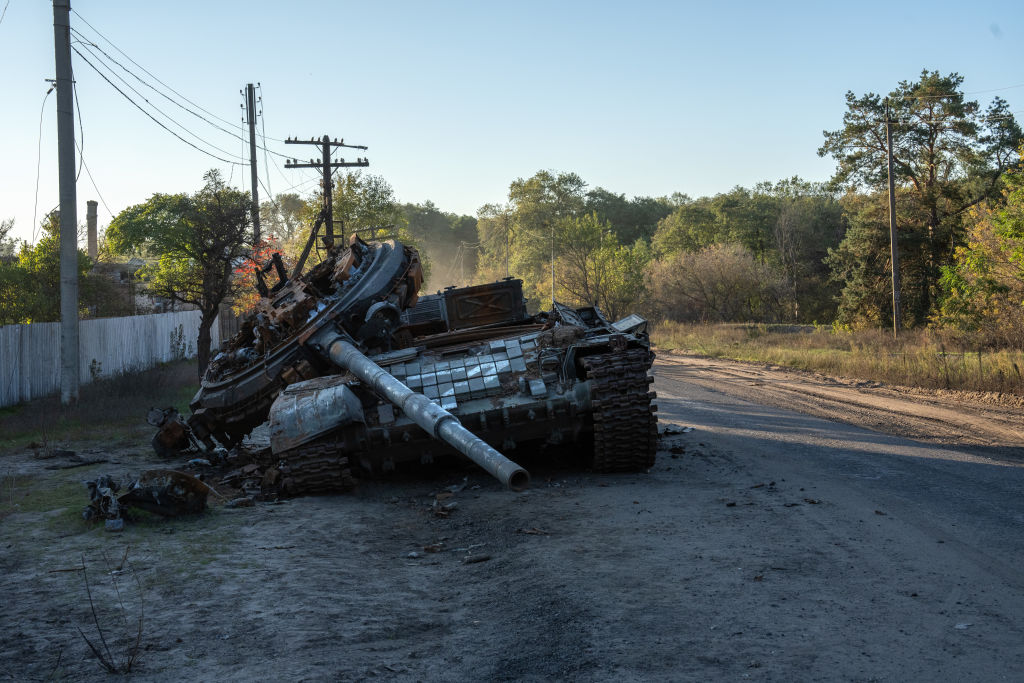
حتى كتابة هذه السطور، ليس من الواضح ما هو النهج الذي ستتخذه روسيا في أوكرانيا: الضغط، أو التقسيم، أو البلع. يمكن للرئيس فلاديمير بوتين أن يواصل ويُصعّد من سياسة الضغط الشديد على أوكرانيا، دون غزو كبير، الأمر الذي يمكن أن يجعل أوكرانيا تخضع وتستسلم، ويفرض تغييرًا في سياسات كييف أو مساراتها، ويضمن هدف بوتين المتمثل في مواءمة أوكرانيا مع روسيا. أو يمكنه أن يواصل ما بدأه في دونباس وشبه جزيرة القرم وأن يستولى ببساطة على قطعة أخرى من أوكرانيا، مما يزيد الضغط على كل من كييف والغرب. الاحتمال الثالث الواضح هو غزو شامل لابتلاع البلد كله.
تحليل إقليمي متخصص من قبل باحثي ومساهمي معهد الشرق الأوسط.
نائب الرئيس للسياسات
اقرأ تقرير MEI الأسبوعي الذي يتضمن تحليلات الخبراء للتطورات الإقليمية الرئيسية للأسبوع المقبل.
Look to the people of the region first, then the evolving competition among regional states and global powers, for signs on what to expect.
اقرأ تقرير MEI الأسبوعي الذي يتضمن تحليلات الخبراء للتطورات الإقليمية الرئيسية للأسبوع المقبل.