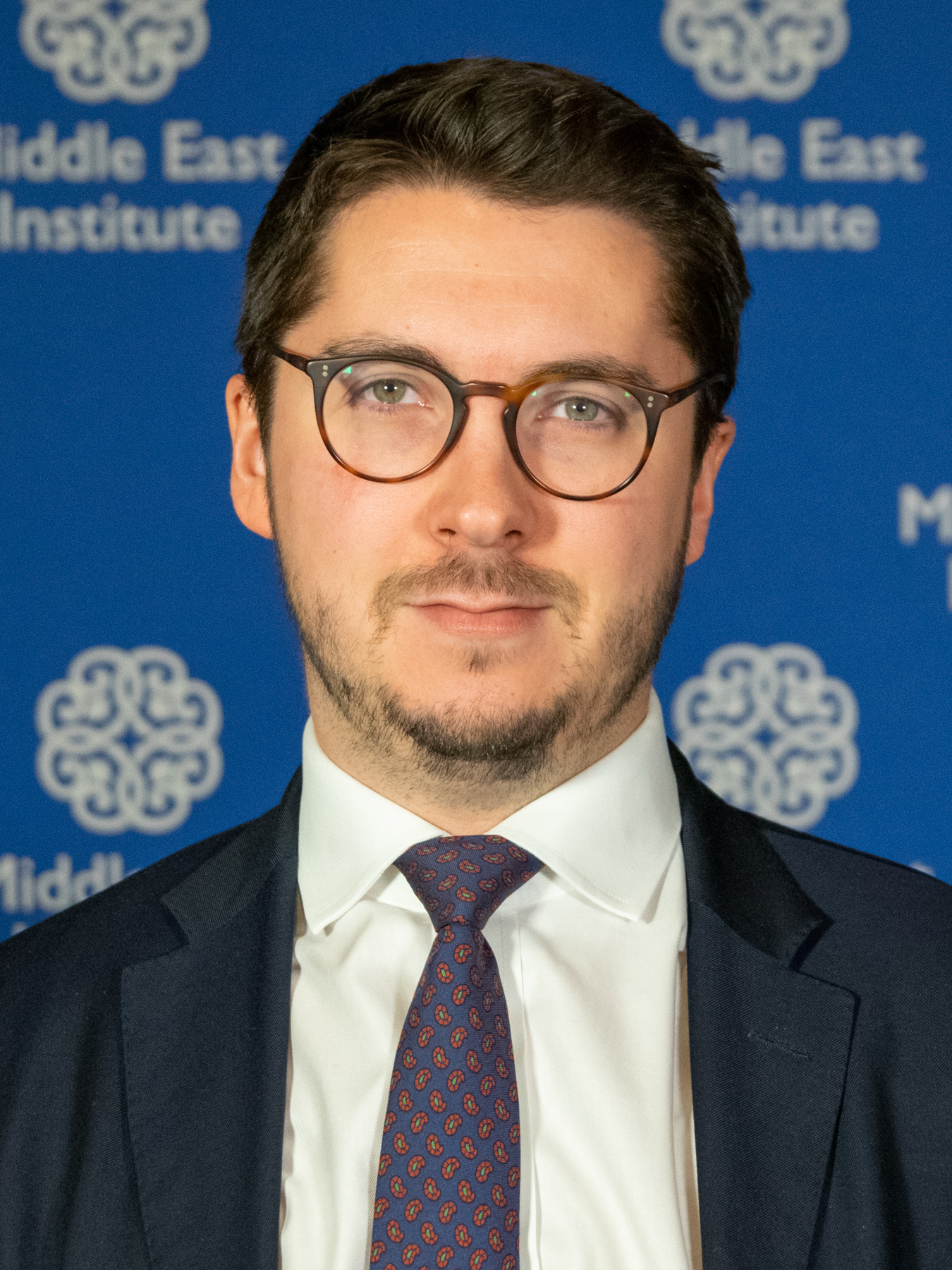
Charles Lister is a senior fellow and the director of the Syria Initiative at the Middle East Institute (MEI), where he focuses on Syria, terrorism, and insurgency across the Levant. His work also covers broader regional security dynamics and the evolution of jihadist movements, including al-Qaeda and the Islamic State (ISIS). Mr. Lister is concurrently a Senior Consultant to the Karam Shaar Advisory; the Founder of Syria Weekly; and a consultant to the United Nations’ International, Impartial and Independent Mechanism (IIIM) for Syria. Mr. Lister also serves as an expert witness and advisor on counterterrorism for US, European, and Australian law enforcement and judicial bodies.
At MEI, Mr. Lister leads two major international initiatives. The Resolving the Detainee Crisis project, a joint effort with the International Centre for the Study of Radicalization (ICSR), brings together governments and NGOs to address the challenges of detaining thousands of terrorist fighters and their families in northeast Syria. Separately, the Syria Strategy Project, in collaboration with the Atlantic Council and the European Institute of Peace, engages over 80 experts and 25 governments and Syrian entities to shape multilateral approaches to resolving Syria’s conflict. In March 2025, the project published a report, “Reimagining Syria: A Roadmap for Peace and Prosperity Beyond Assad.”
Before joining MEI, he was a visiting fellow at the Brookings Institution in Doha and a senior consultant to the multinationally backed Syria Track II Dialogue Initiative, where he led years of direct engagement with the leadership of more than 100 Syrian armed opposition groups.
آراء الخبراء: كيف يجب أن نتعامل مع القواعد الجديدة للعبة في الصراع بين إسرائيل وإيران؟
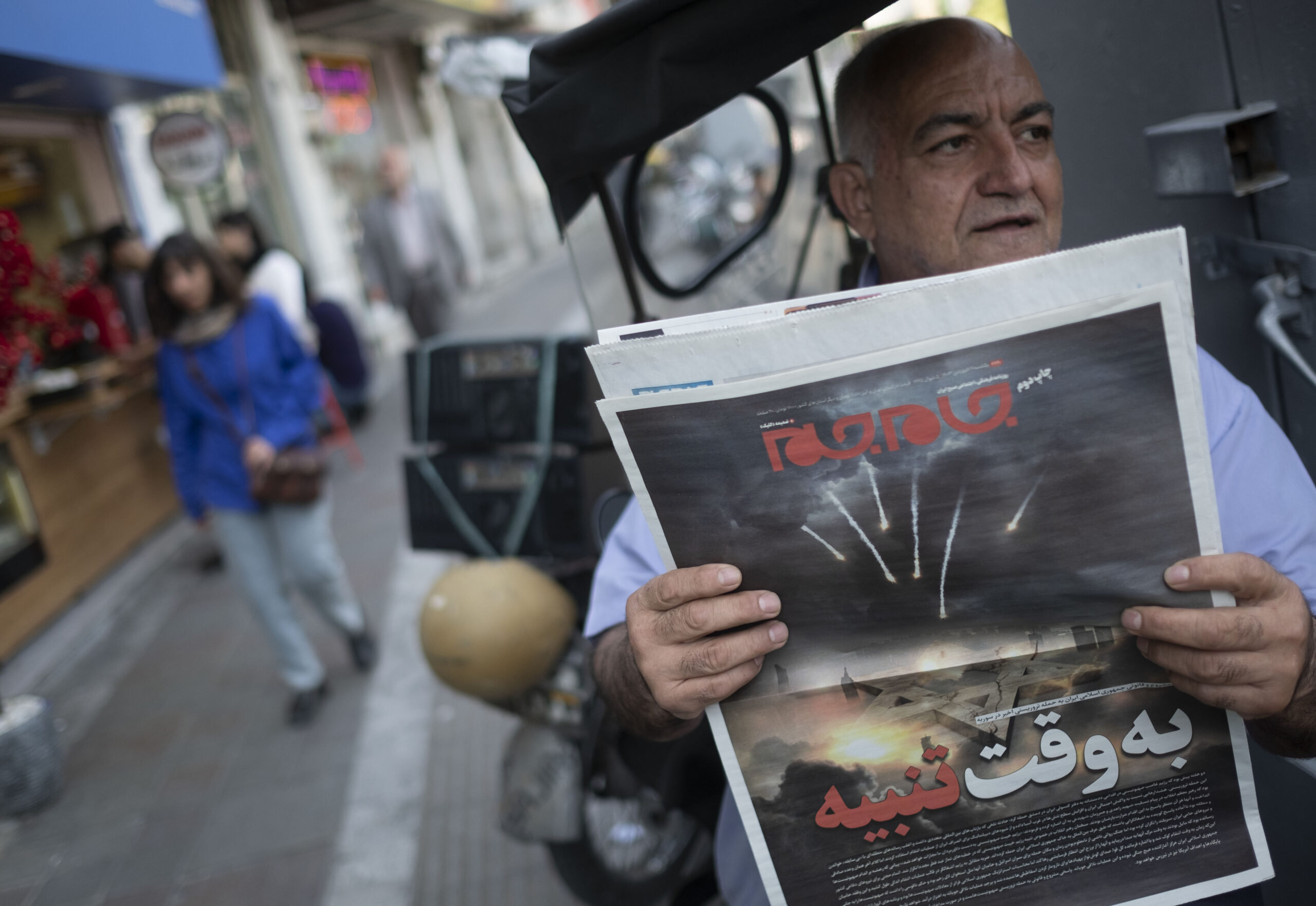
شهد شهر أبريل سلسلة من التصعيدات غير المسبوقة في الصراع الإيراني-الإسرائيلي الذي طال أمده، حيث شن كلا البلدين هجمات صاروخية وطائرات مسيرة على أراضي بعضهما البعض لأول مرة في التاريخ.
في أعقاب هذه الضربات، ماذا سيكون تأثيرها على الأمن الإقليمي والبيئة السياسية في المستقبل، وما هو المطلوب لتثبيت قواعد اللعبة الجديدة، وكيف يمكن للدبلوماسية الأمريكية أن تساعد في تسهيل هذه العملية؟ طلب معهد الشرق الأوسط (MEI) من خبرائه إبداء آرائهم في هذا الشأن.
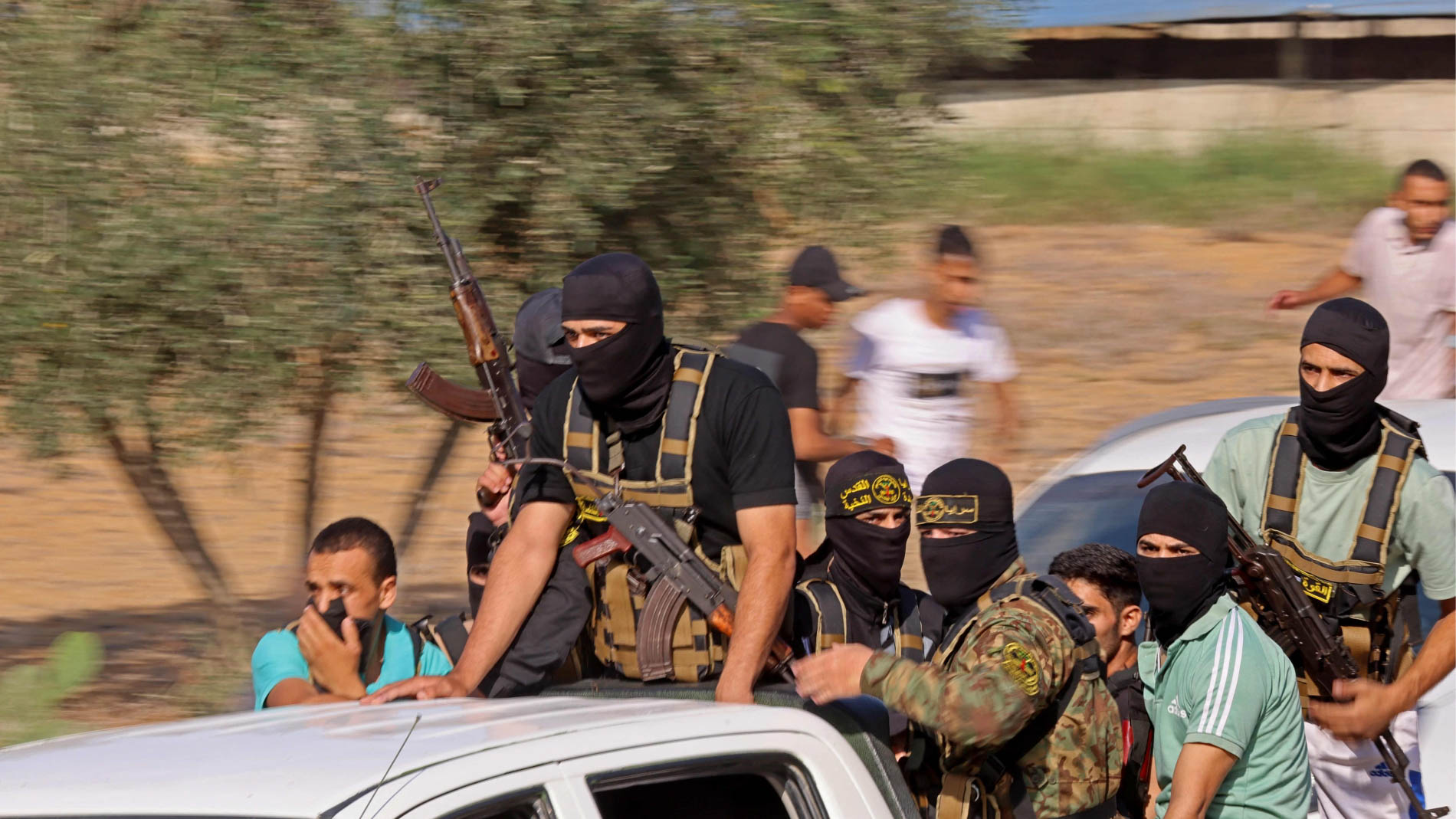
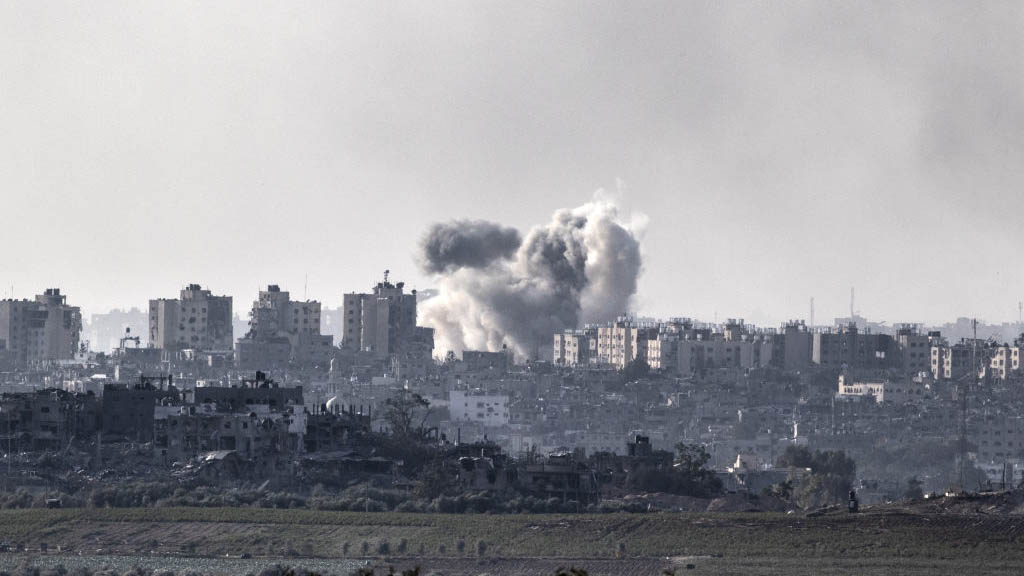
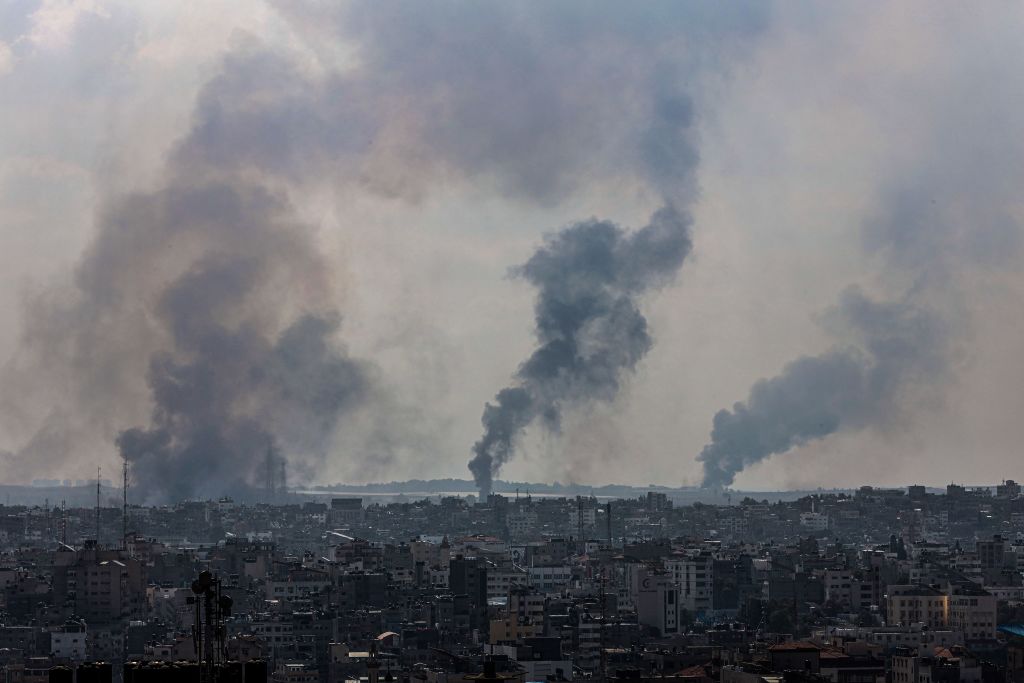
On 7 October, Hamas shocked the world, when thousands of its militants invaded southern Israel, taking control of territory, massacring civilians and kidnapping hundreds.
The attack itself demonstrated an unusual level of complexity, with a first wave seeing drones taking out Israeli reconnaissance equipment and observation posts and cyber attacks creating distractions, opening a path for amassed militant incursions from the air, sea and ground.
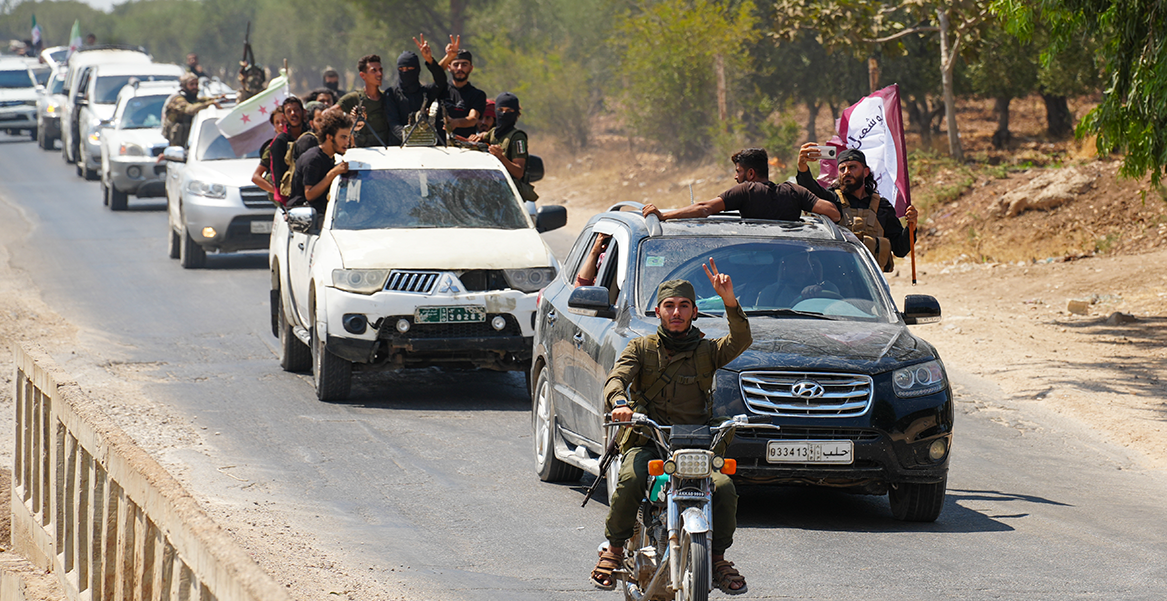
The SDF has always been a diverse coalition of localized actors. Over the past eight years, it has managed to contain these persistent frictions, but that may now be coming to an end. In the past three days, at least 50 people have been killed in fighting between Arab tribal fighters and the SDF in the region where Syria’s Khabur and Euphrates rivers meet. The catalyst for this fighting occurred late on Aug. 27, when Ahmed al-Khubayl, the leader of the SDF’s Deir ez-Zor Military Council, was lured north to Hasakah for a purported meeting, only to be arrested alongside his brother and four other commanders.
Normalizing Assad has made Syria’s problems even worse
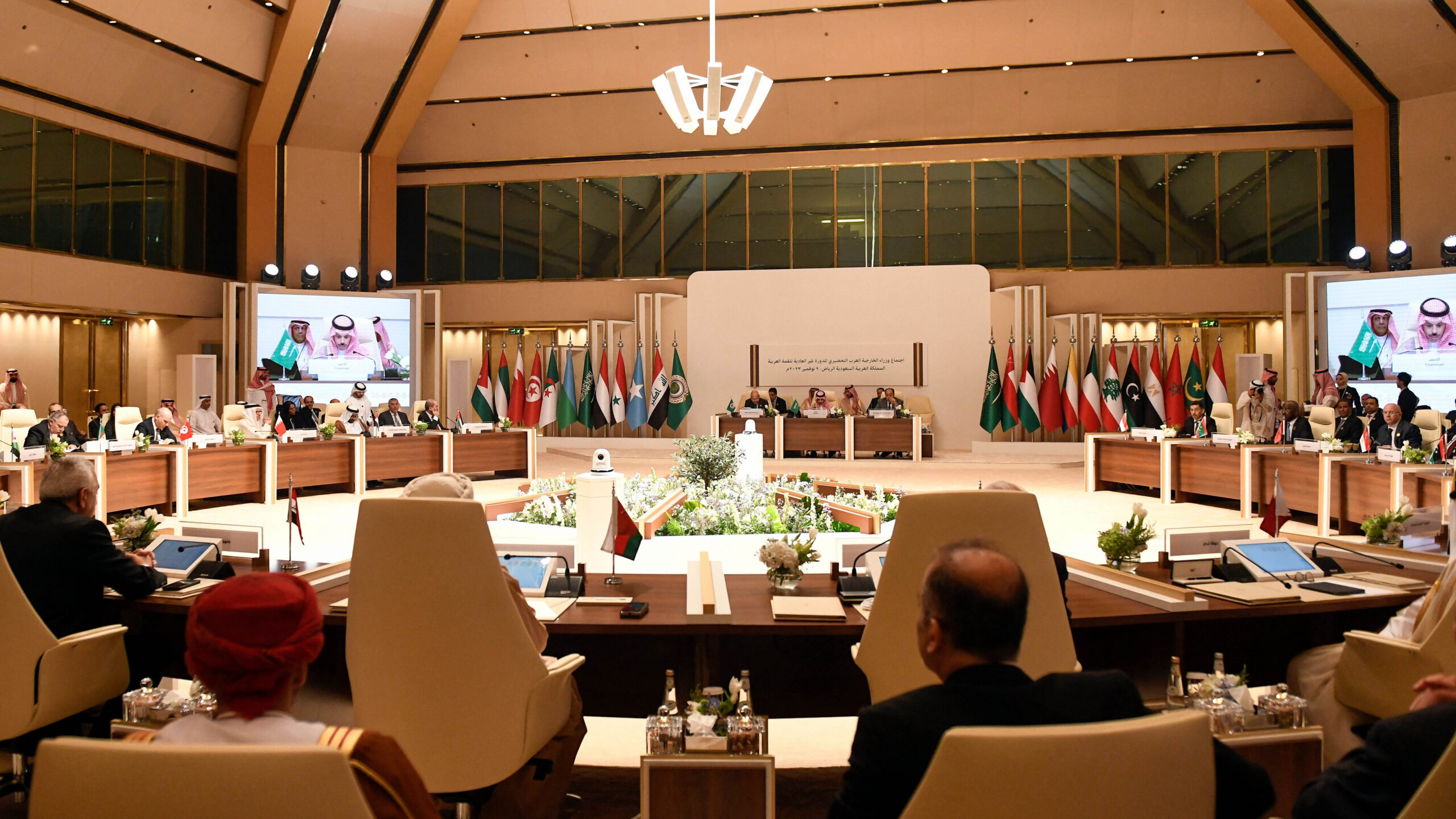
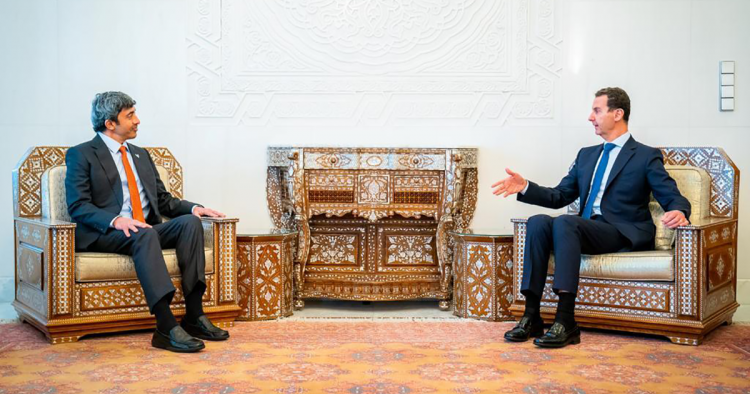
Three months ago, Saudi Arabia kick-started a concerted regional effort to reengage and normalize Syria’s regime within the Middle East and, Riyadh hoped, farther afield. On April 18, Saudi Foreign Minister Faisal bin Farhan met with Syrian President Bashar al-Assad in the Syrian capital of Damascus. Just one month later, on May 19, the Arab League embraced one of the world’s most notorious war criminals for the first time since 2011.