Weekly Briefing: Syria’s 12 million displaced face greater uncertainty and terror than ever before
تحليل إقليمي متخصص من قبل باحثي ومساهمي معهد الشرق الأوسط.
Defense and Security, Terrorism, US Policy in the Middle East, Afghanistan, Iran, Iraq, Israel, Jordan, Lebanon, Palestine, Syria, Turkey
استفسارات الصحافة: [email protected]
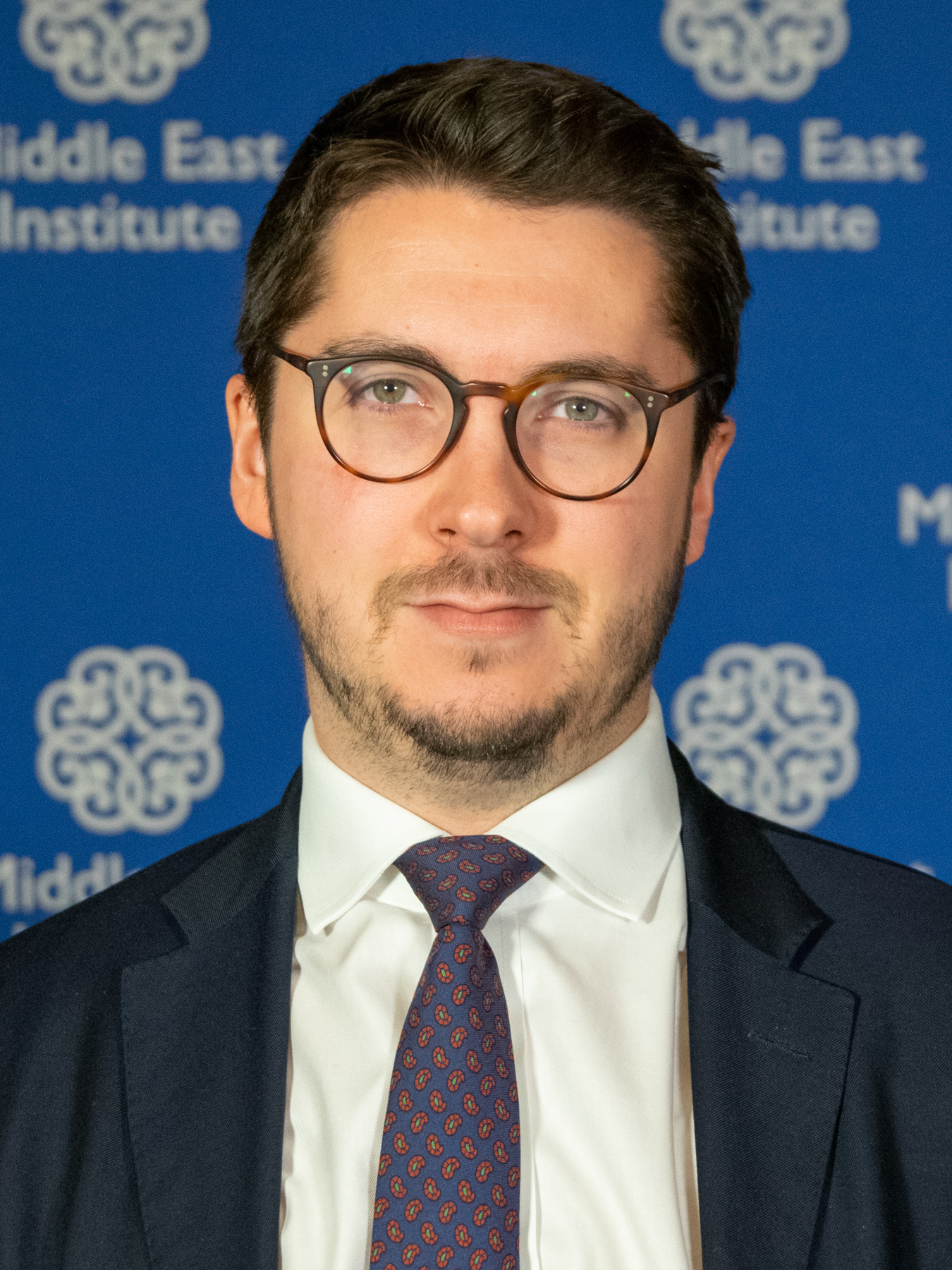
Charles Lister is a senior fellow and the director of the Syria Initiative at the Middle East Institute (MEI), where he focuses on Syria, terrorism, and insurgency across the Levant. His work also covers broader regional security dynamics and the evolution of jihadist movements, including al-Qaeda and the Islamic State (ISIS). Mr. Lister is concurrently a Senior Consultant to the Karam Shaar Advisory; the Founder of Syria Weekly; and a consultant to the United Nations’ International, Impartial and Independent Mechanism (IIIM) for Syria. Mr. Lister also serves as an expert witness and advisor on counterterrorism for US, European, and Australian law enforcement and judicial bodies.
At MEI, Mr. Lister leads two major international initiatives. The Resolving the Detainee Crisis project, a joint effort with the International Centre for the Study of Radicalization (ICSR), brings together governments and NGOs to address the challenges of detaining thousands of terrorist fighters and their families in northeast Syria. Separately, the Syria Strategy Project, in collaboration with the Atlantic Council and the European Institute of Peace, engages over 80 experts and 25 governments and Syrian entities to shape multilateral approaches to resolving Syria’s conflict. In March 2025, the project published a report, “Reimagining Syria: A Roadmap for Peace and Prosperity Beyond Assad.”
Before joining MEI, he was a visiting fellow at the Brookings Institution in Doha and a senior consultant to the multinationally backed Syria Track II Dialogue Initiative, where he led years of direct engagement with the leadership of more than 100 Syrian armed opposition groups.
He is the author of The Syrian Jihad: Al-Qaeda, the Islamic State and the Evolution of an Insurgency (Oxford University Press, 2016), The Islamic State: A Brief Introduction (Brookings Press, 2015), and the editor of Winning the Battle, Losing the War: Addressing the Drivers of Non-State Armed Actors and Extremist Groups (MEI, 2019). His next book, also on Syria, is forthcoming from Oxford University Press.
He holds a first-class MA (Hons) in International Relations from the University of St. Andrews.
He is fluent in French.
تحليل إقليمي متخصص من قبل باحثي ومساهمي معهد الشرق الأوسط.
اقرأ تقرير MEI الأسبوعي الذي يتضمن تحليلات الخبراء للتطورات الإقليمية الرئيسية للأسبوع المقبل.
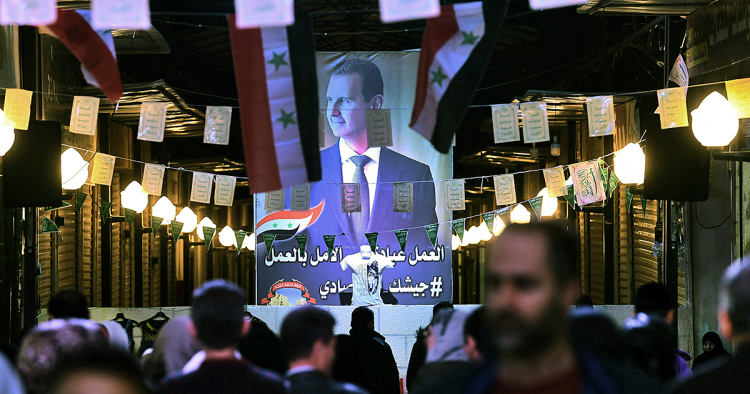
The U.S. administration is tacitly contributing to growing acceptance and re-normalization of Syrian President Bashar al-Assad, the 21st century’s most notorious war criminal, putting in jeopardy the continuation of our counter-terrorism mission in Syria. Assad is toasting his survival on the ashes of his victims — but within the small community of optimistic actors in Syria, ISIS is sitting pretty comfortably too.
اقرأ تقرير MEI الأسبوعي الذي يتضمن تحليلات الخبراء للتطورات الإقليمية الرئيسية للأسبوع المقبل.
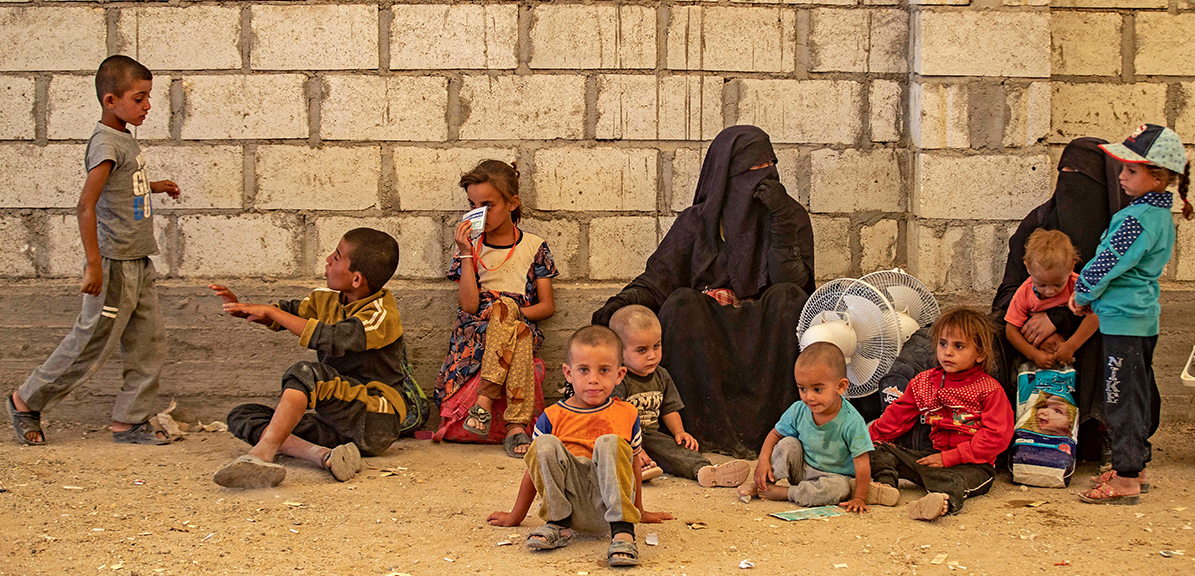
ISIS appears to be regrouping inside a makeshift detention system holding 65,000 people including 10,000 hardened fighters.
اقرأ تقرير MEI الأسبوعي الذي يتضمن تحليلات الخبراء للتطورات الإقليمية الرئيسية للأسبوع المقبل.
Russia left the war-torn region with only a single border crossing—and it’s no longer open for aid.
اقرأ تقرير MEI الأسبوعي الذي يتضمن تحليلات الخبراء للتطورات الإقليمية الرئيسية للأسبوع المقبل.
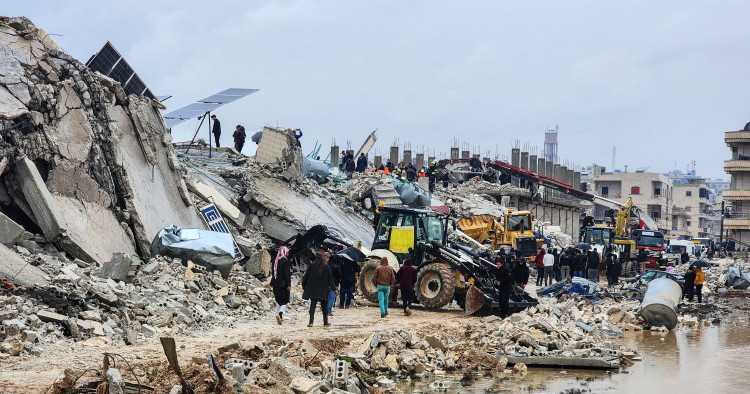
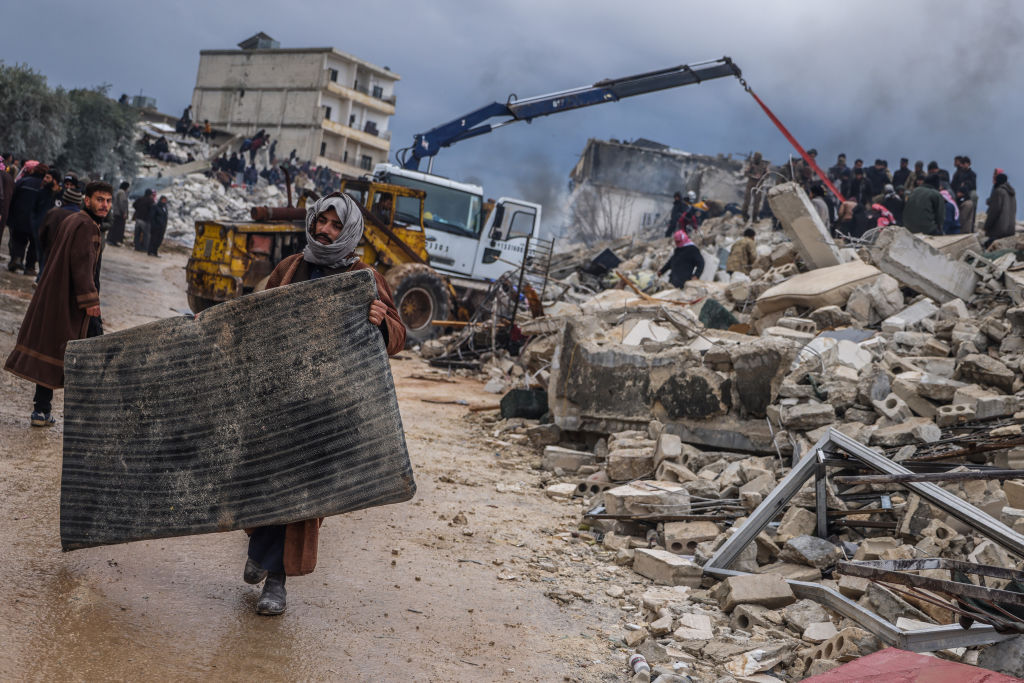
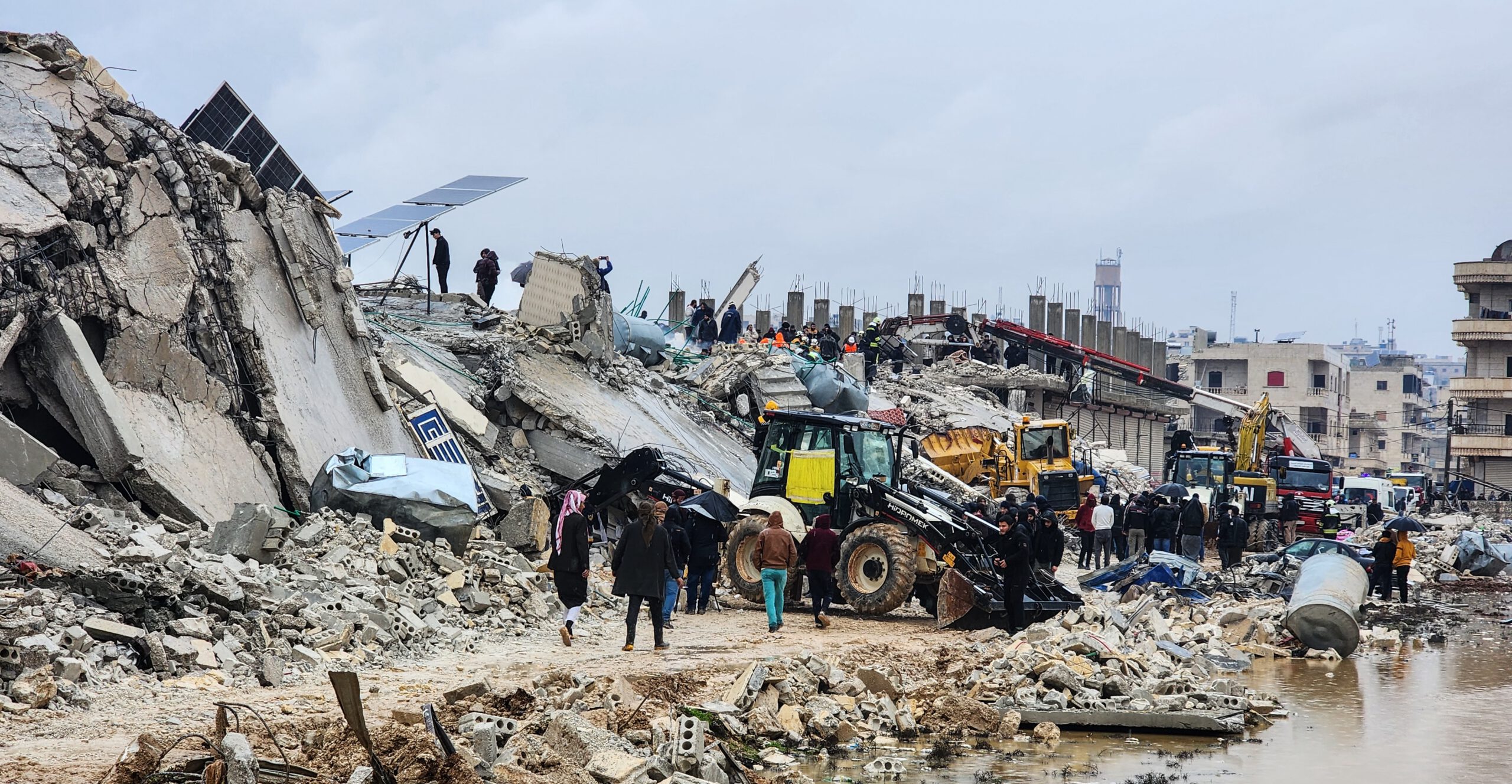
Southern Turkey and northern Syria were struck by a crippling 7.8 magnitude earthquake at 4:17 AM, on Feb. 6. Twelve hours later, at least 2,400 people are known to have perished, with death tolls rapidly rising. This natural disaster could not have come at a worse time or struck a more vulnerable region — with notoriously poor construction in southern Turkey and the effects of more than a decade of brutal conflict still afflicting northern Syria.
Syria’s crisis is set to enter its 13th year in March. Although the level of violence across the country remains relatively low today compared with earlier years, the crisis is a long, long way from over. Within Syria, at least six distinct conflicts involving internal actors and foreign governments are ongoing to this day, and all of them show more signs of escalating than calming down.