This individual is a guest contributor. MEI is not able to assist with contact requests.
Charles W. Dunne spent 24 years as a diplomat in the U.S. Foreign Service, serving overseas in Cairo, Jerusalem, and Madras, India. He was Foreign Policy Adviser to the Director for Strategic Plans and Policy at the Joint Staff in the Pentagon (2007-2008). He was director of Middle East and North Africa programs from 2011 to 2015 at Freedom House, where he focused on human rights and democracy promotion in the region. Prior to joining Freedom House, he was Director for Iraq at the National Security Council from 2005-2007. He served as a member of the Secretary of State’s Policy Planning Staff, where he contributed to the development of presidential initiatives to advance political reform and democracy in the Broader Middle East and North Africa. He is currently a Visiting Distinguished Research Fellow of the Institute for National Strategic Studies at the National Defense University. He is a frequent media guest on outlets such as BBC, al-Jazeera, and al-Hurra, and has appeared on CBS, Fox, and NPR. He has written for numerous publications, including the Washington Post, US News and World Report, the American Interest, and The National in Dubai. He has often spoken in public on Middle East issues on panels and major conferences.
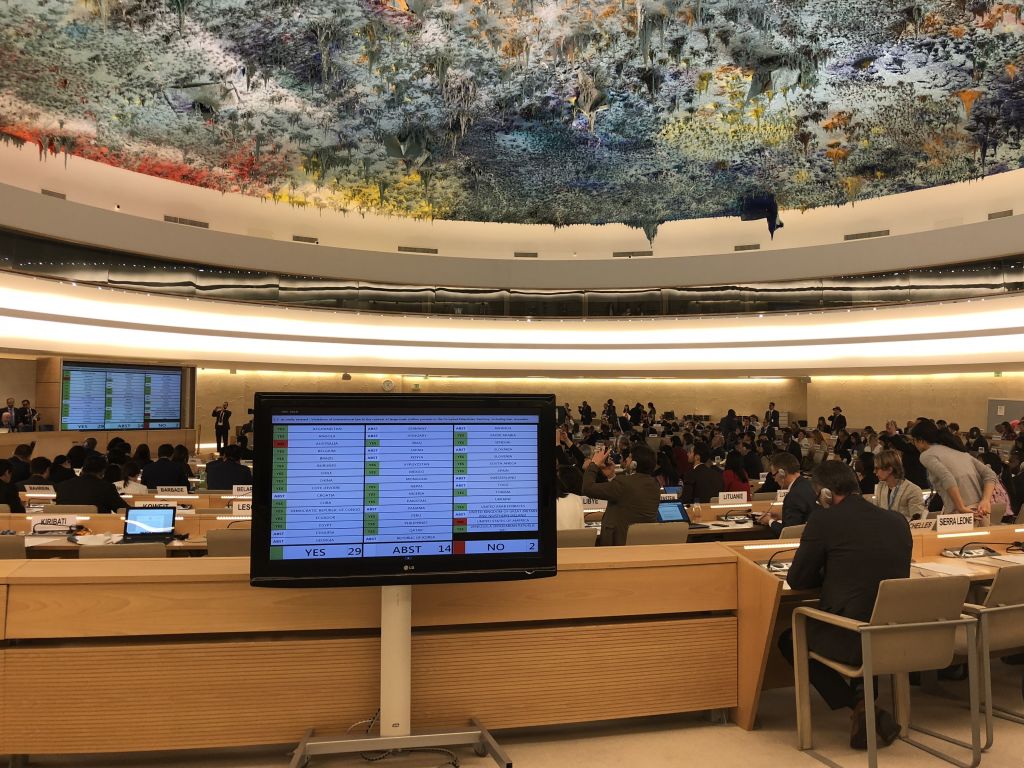
مجلس حقوق الإنسان التابع للأمم المتحدة يوافق على لجنة غزة لتقصي الحقائق
“إن استعداد مجلس حقوق الإنسان لإنشاء لجنة دائمة ذات تفويض شامل يشير إلى مدى التغيير في التصورات الدولية للصراع الإسرائيلي الفلسطيني في السنوات القليلة الماضية”.
Expert Views: The Biden administration and the Middle East: Reflecting on the first 100 days
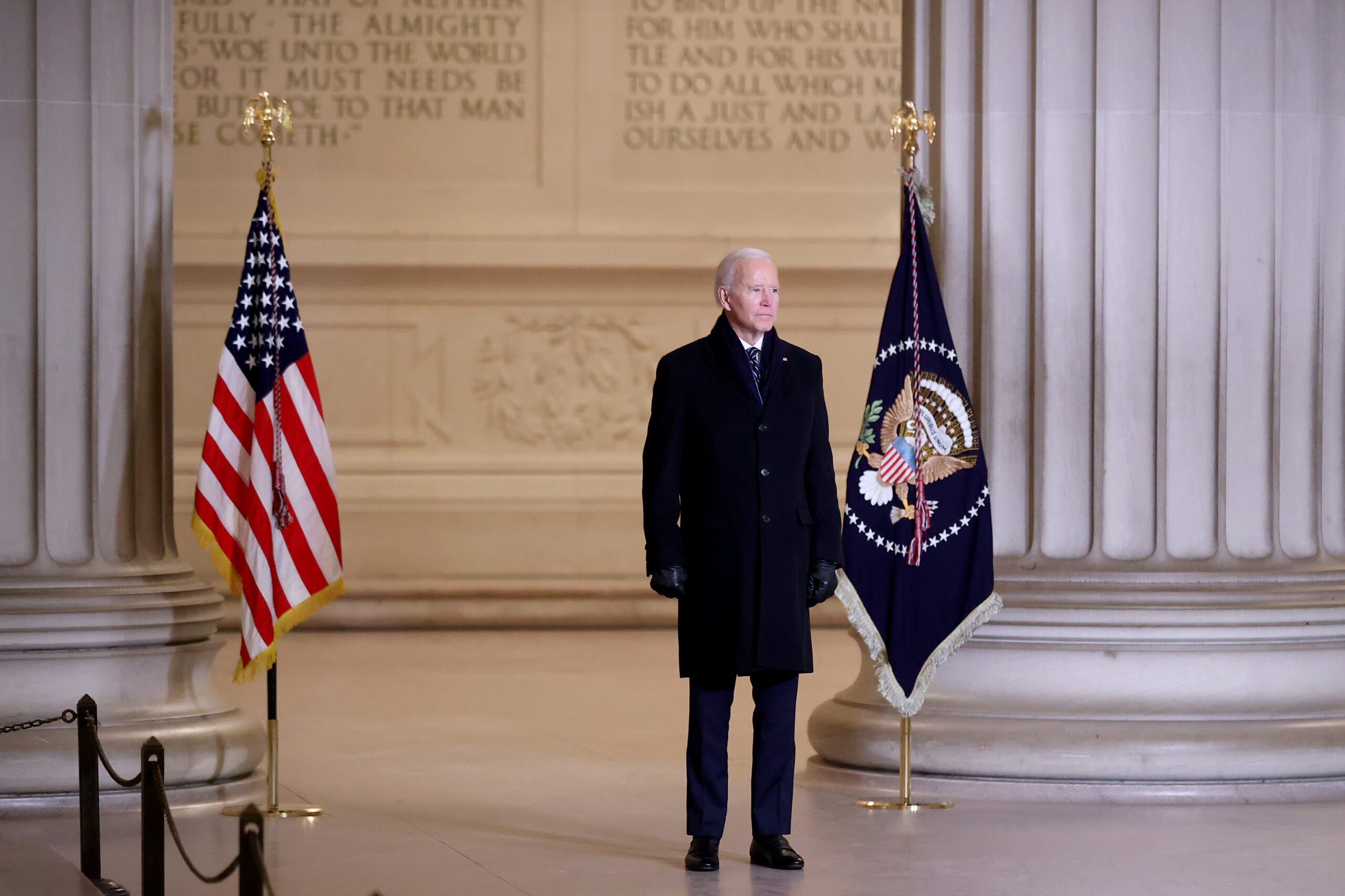
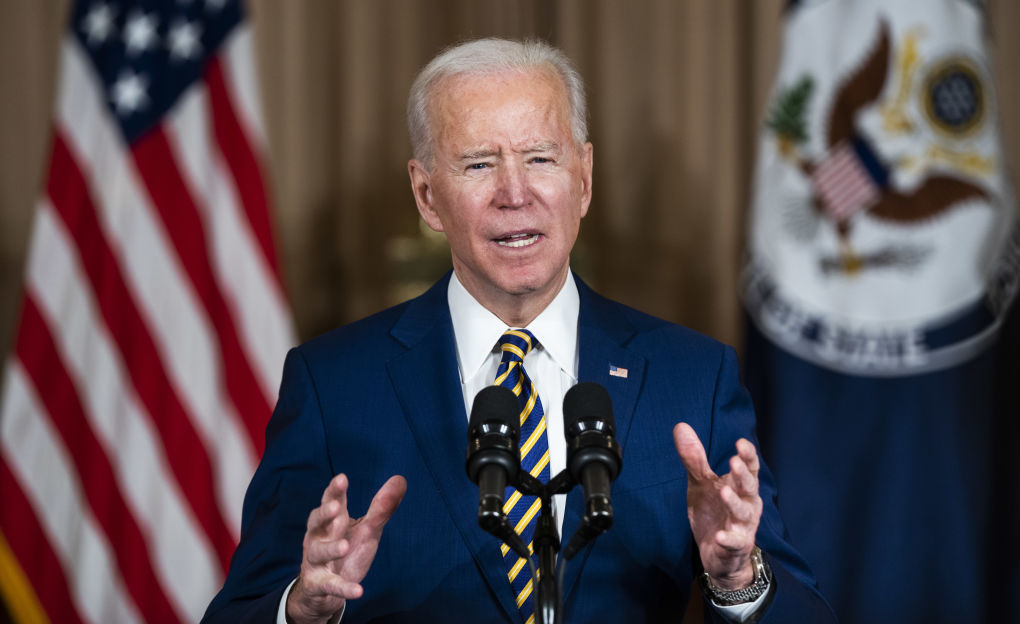
At the end of Joe Biden’s first 100 days as president of the United States, where do things stand when it comes to U.S. policy toward the Middle East and North Africa? We asked experts and scholars from across MEI to weigh in with their thoughts on the changes we’ve seen so far, the new challenges that have emerged, and what we know about the administration’s key priorities for the region.
The Biden Administration and the Middle East: Policy Recommendations for a Sustainable Way Forward
In a new policy briefing book, entitled The Biden Administration and the Middle East: Policy Recommendations for a Sustainable Way Forward, MEI scholars tackle a large number of country-specific and region-wide issue areas, laying out both the abiding U.S. interests and specific recommendations for Biden administration policies that can further U.S. interests amid a region in turmoil.
The Biden administration and the Middle East: Four-year policy goals
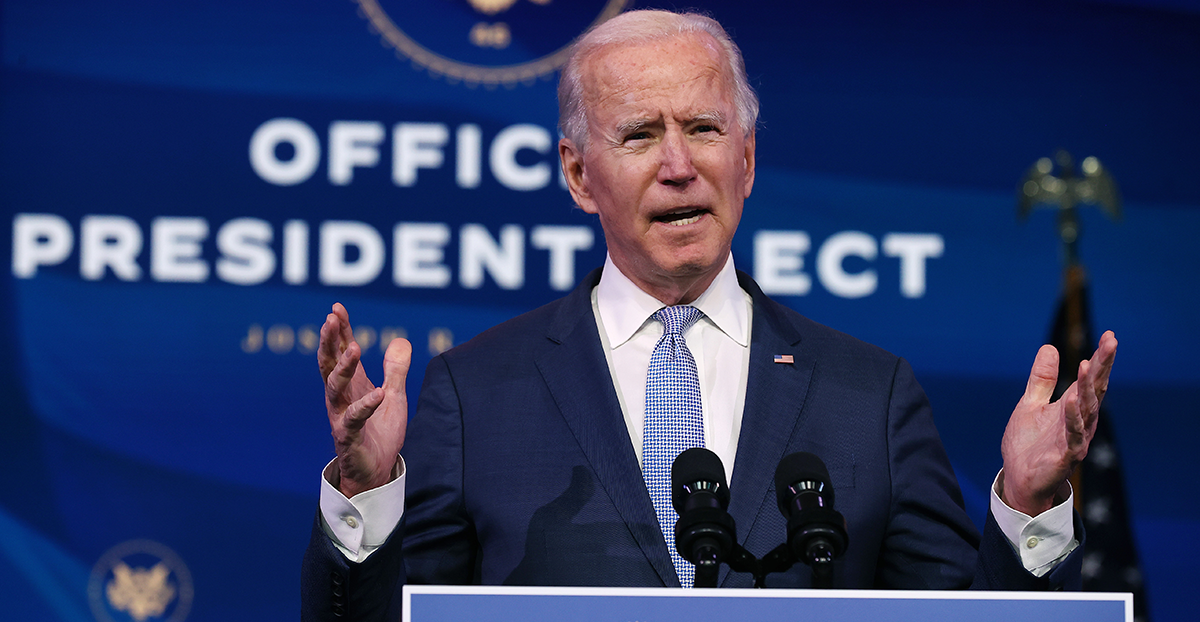
The Biden administration will face a number of major challenges in the Middle East over the next four years, from great power competition and climate change to cybersecurity and refugees and migration. But what realistically can it achieve in that time on the policy front? To better understand what’s possible, we asked 10 experts from across MEI to weigh in with their thoughts.
Election 2020: Challenges and Opportunities for US Policy in the Middle East
In a new briefing book released ahead of the U.S. elections in November, entitled Election 2020: Challenges and Opportunities for US Policy in the Middle East, MEI scholars lay out key issues across the region, highlight the U.S. interests at stake, and provide policy insights and recommendations for the path forward.
This paper is part of an MEI scholar series, titled “Obama’s Legacy in the Middle East: Passing the Baton in 2017.” Click here to view the full project, or navigate using the table of contents to the right.
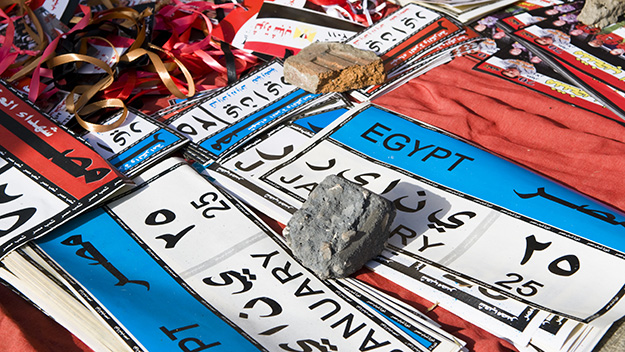
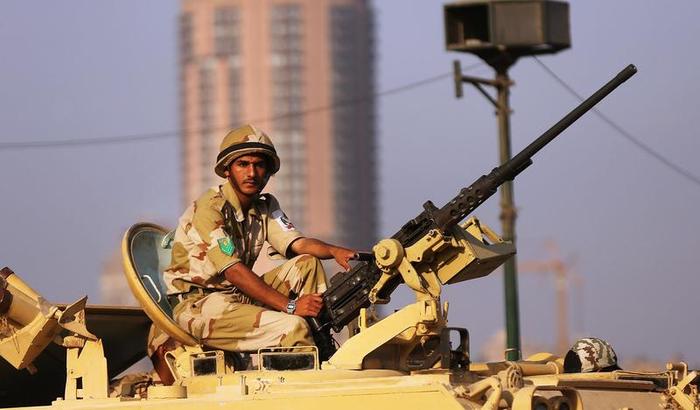
The U.S. Needs to Walk the Walk on Egypt's Human Rights
Originally published July 10, 2013 in U.S. News and World Report
Assertions and opinions in this publication are solely those of the above-mentioned author(s) and do not necessarily reflect the views of the Middle East Institute, which expressly does not take positions on Middle East policy.
This article was originally published on CNN’s Global Public Square blog on May 30, 2013.
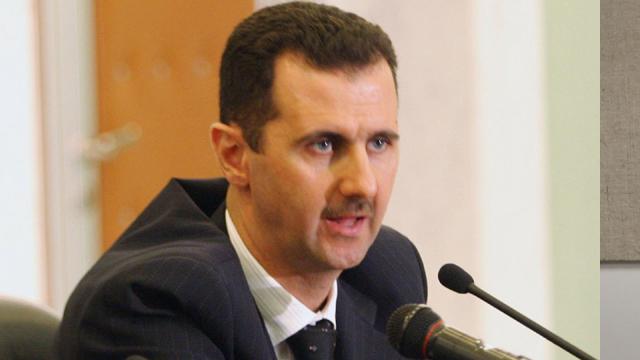
Let’s imagine a world in which Bashar al-Assad wins a military victory, remains in power, and defies the world to deal with him. Because, unfortunately, it appears to be an all too plausible scenario.
Iran’s Abuse of its Own People a Humanitarian Catastrophe
This article was first published by iPolitics.ca on October 15, 2012
Assertions and opinions in this publication are solely those of the above-mentioned author(s) and do not necessarily reflect the views of the Middle East Institute, which expressly does not take positions on Middle East policy.