Israel's counter-Iran strategy: Significant accomplishments, but a negative trend
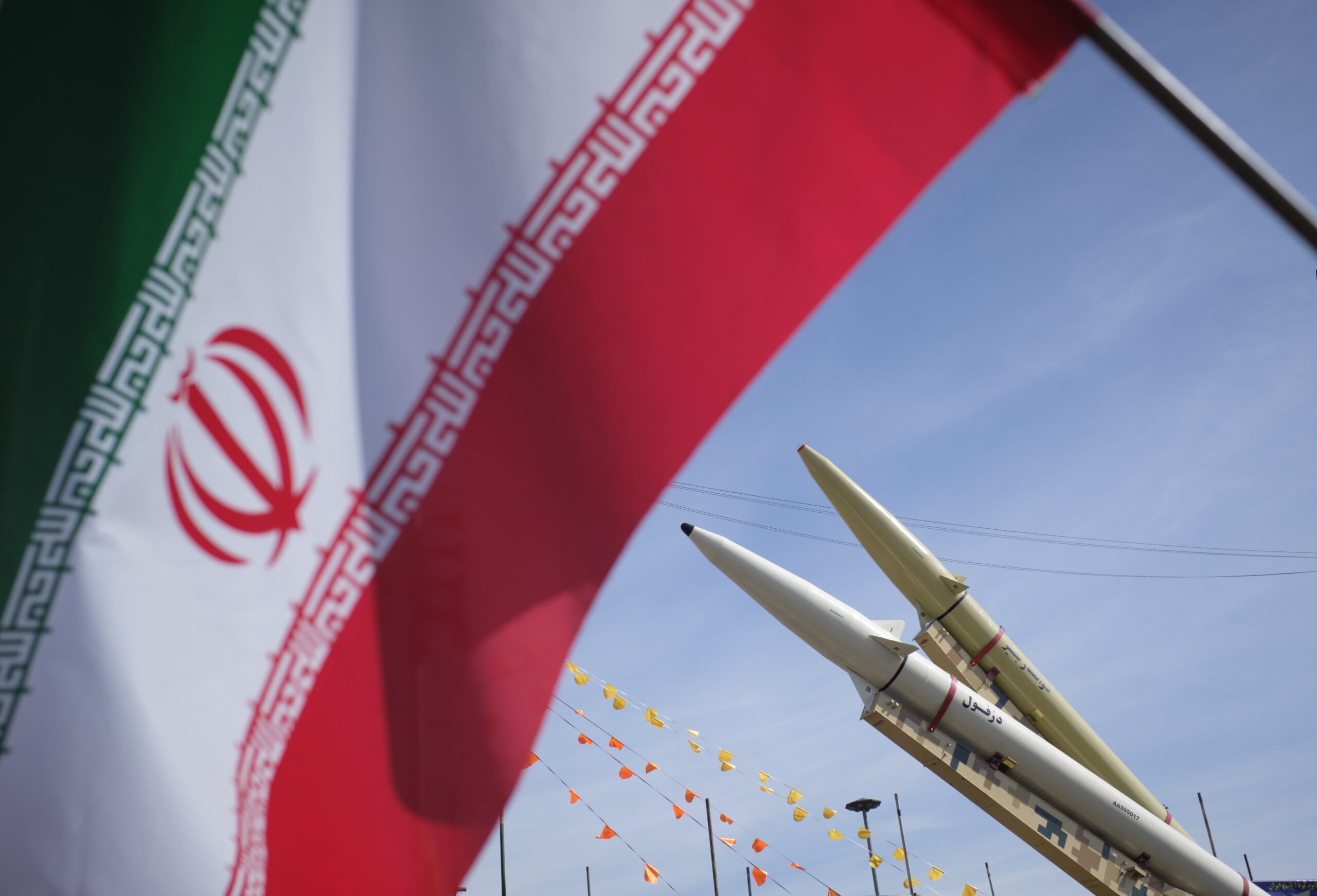
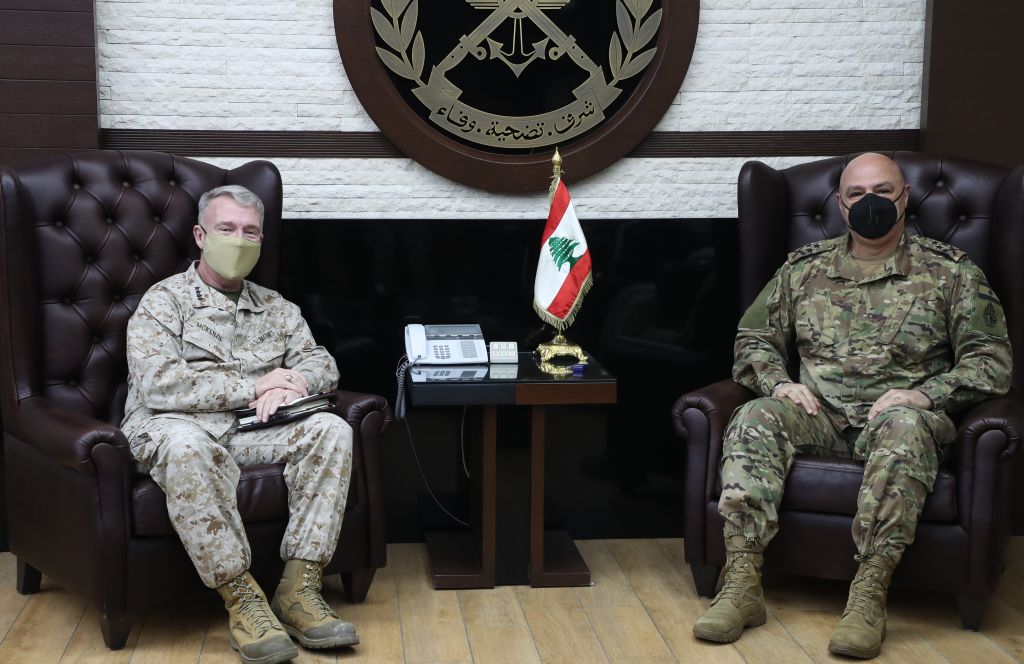
One of the first foreign policy decisions facing Israel’s new government will be if it wants to maintain or modify the policy spearheaded by Netanyahu to counter the United States’ determined effort to return to the 2015 nuclear deal with Tehran. Moreover, the new government needs to assess how successful the maximalist approach Israel has embraced since the negotiations between Iran and the great powers began about two decades ago has been, and to what extent it has pushed the international community to refrain from making concessions and compromises vis à vis Iran.
Could climate risk insurance reduce the cost of climate change adaptation in the Middle East?
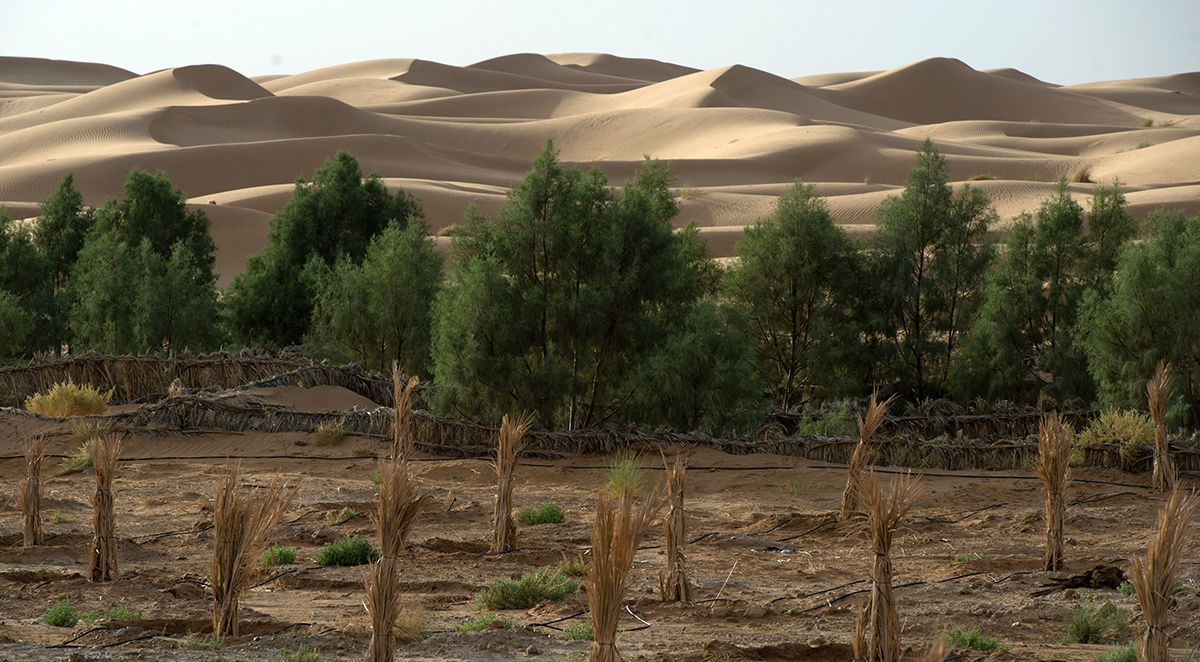
As one of the hottest and driest spots globally, the Middle East region faces some of the worst impacts of climate change. Many of these events have not only been socially and politically devastating but have also resulted in huge financial losses for countries already experiencing economic insecurity. Countries in MENA have found themselves increasingly exposed to extreme weather events and natural disasters, which have affected more than 40 million people and cost more than $20 billion over the past 30 years, according to the World Bank. During the last five years alone, 120 disasters were recorded in the region, resulting in an average of $1 billion annually in damages and losses.
The Trilemma of Power, Aid, and Peacebuilding in the Israeli-Palestinian Context
On Dec. 21, 2020, the United States Congress passed the Nita M. Lowey Middle East Partnership for Peace Act. The new law provides $250 million over five years to expand peace and reconciliation programs between Israelis and Palestinians as well as to support projects bolstering the Palestinian economy. But such programs are unlikely to be effective because the whole approach on which they are based is structurally flawed in two critical ways: first, because it is disconnected from local political, social, cultural, and economic processes and expectations; and second, because it tends to reinforce the inequalities that sustain the conflict between the two sides while undermining the declared goals of this intervention.
Up for Debate: The Biden administration's approach to Israel/Palestine
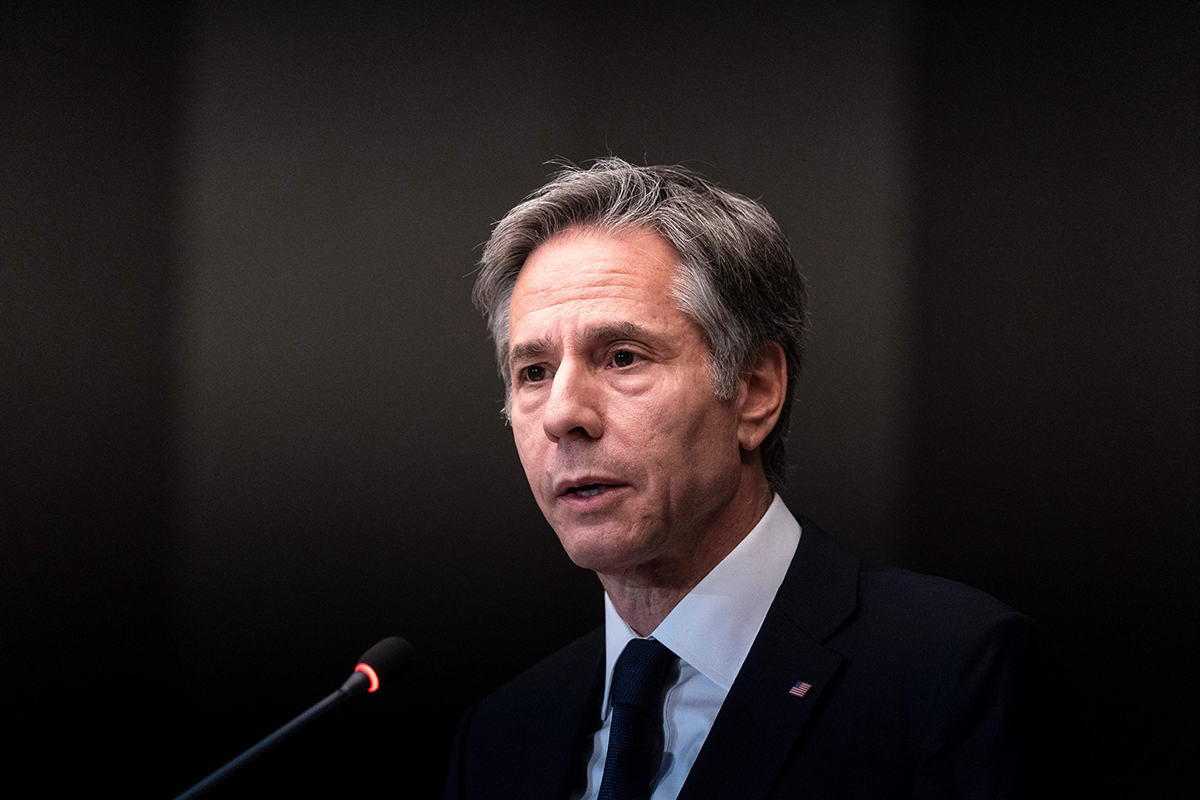
The Biden administration has repeatedly said that Israelis and Palestinians “deserve equal measures of security, freedom, opportunity and dignity” (sometimes expressed as “equal measures of freedom, security, dignity and prosperity”). Since the recent crisis in Gaza and East Jerusalem, Secretary of State Antony Blinken and other U.S. officials have reiterated this formula in one form or another. What is its significance? What does (or should) it mean in the context of the Biden administration’s approach to Israel/Palestine — particularly given the dire humanitarian situation in Gaza, pending expulsions in East Jerusalem, and ongoing settlement expansion in the occupied West Bank and East Jerusalem? We asked eight experts to weigh in with their thoughts.
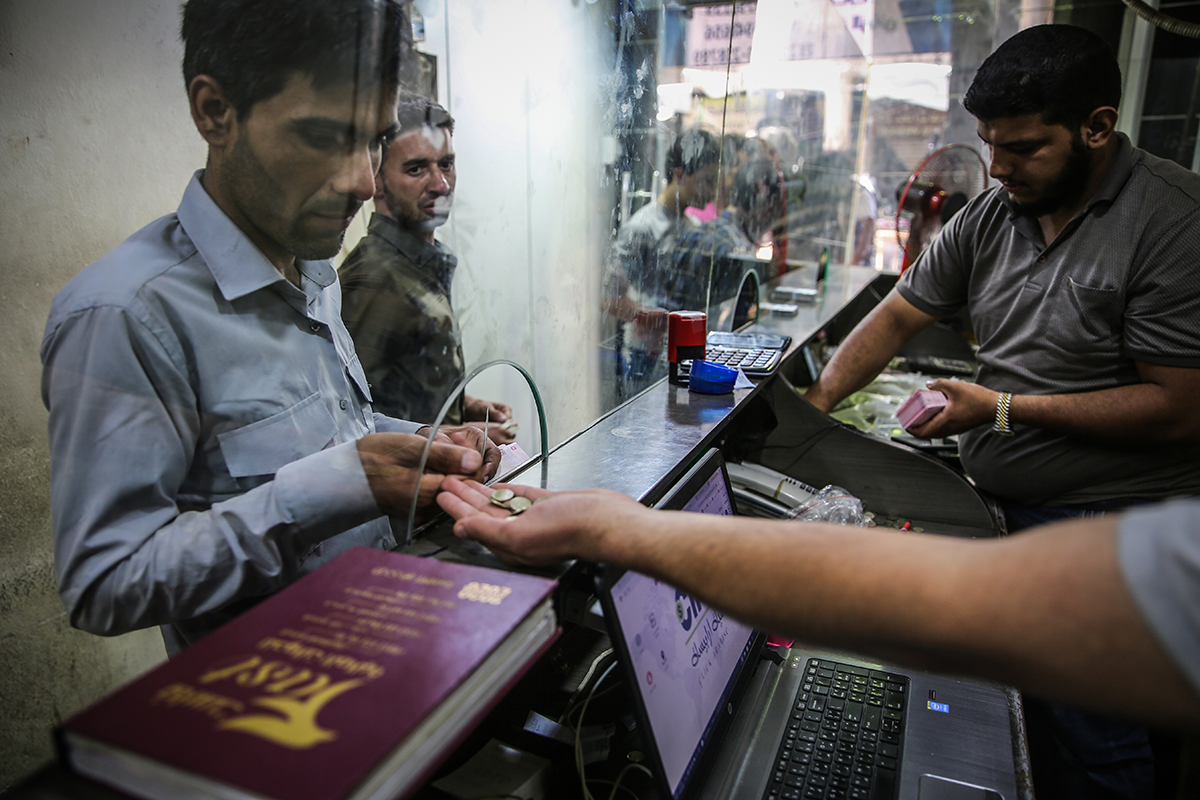
Over the past four years, Hay’at Tahrir al-Sham (HTS) has tried to transform itself from a faction of the Global Jihad movement into the de facto local military and governing power in north-west (NW) Syria. This shift requires the group to seek sources of funding other than al-Qaeda and its donors; consequently, HTS has undertaken a slow but steady takeover of the economy in NW Syria, from financial services and oil and gas to internet and telecommunications. This paper lays out how that process has taken place and provides a detailed look at the economics of HTS.
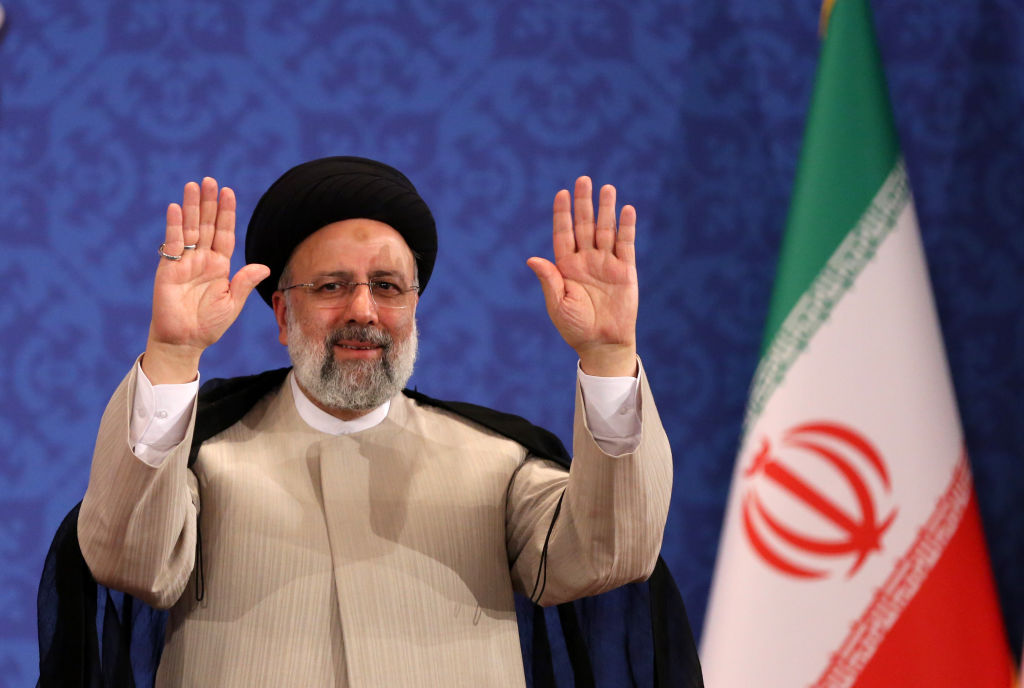
Elections in Iran: Khamenei silences potential opposition ahead of upcoming ballot
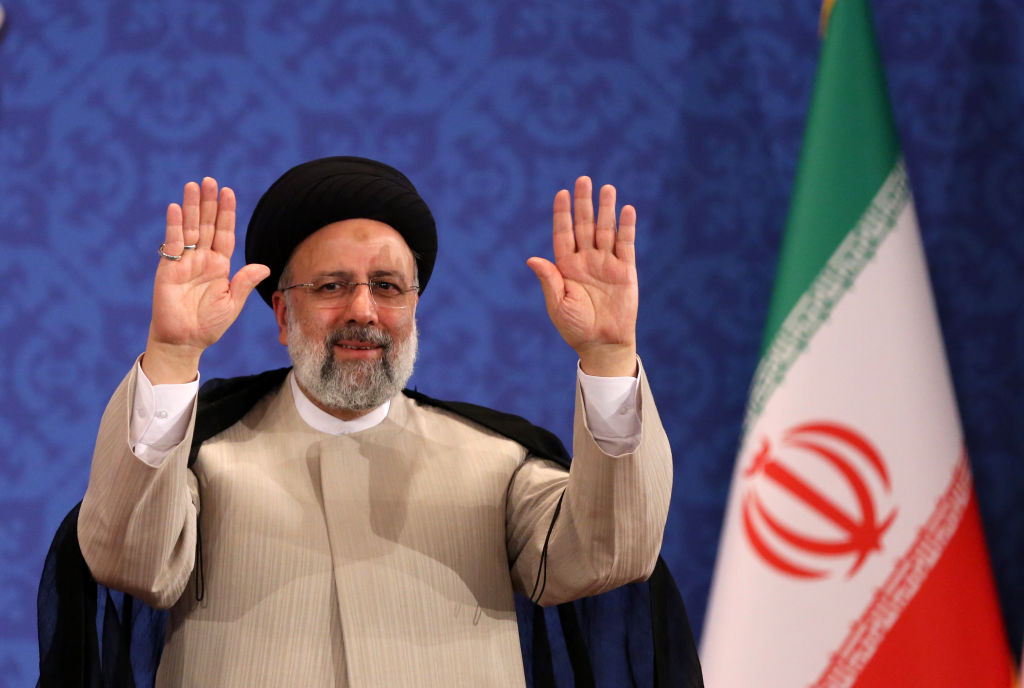
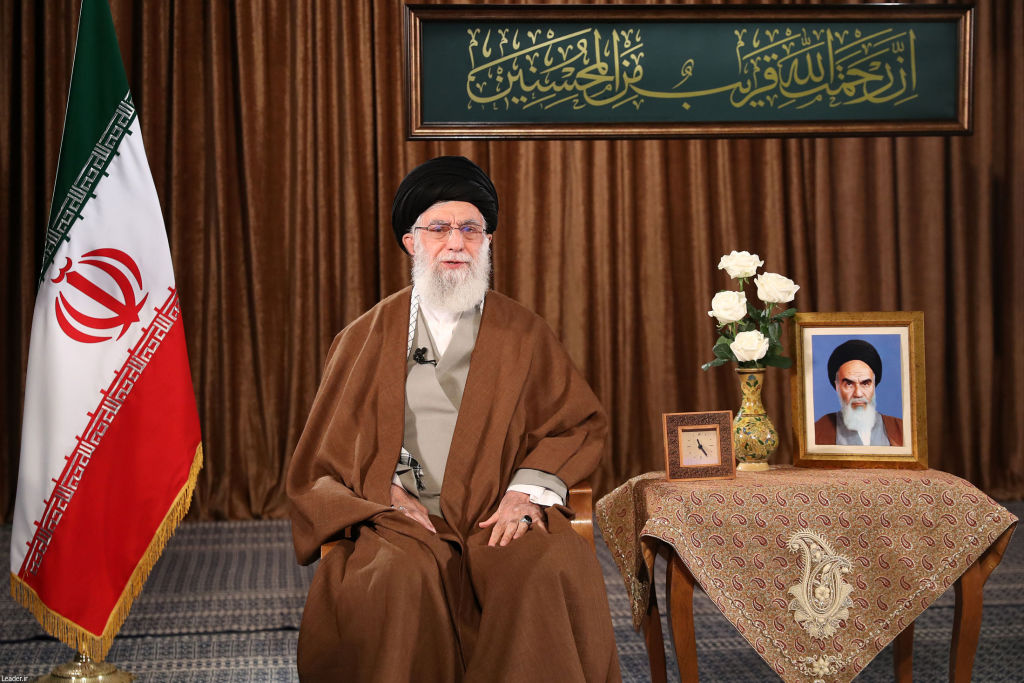
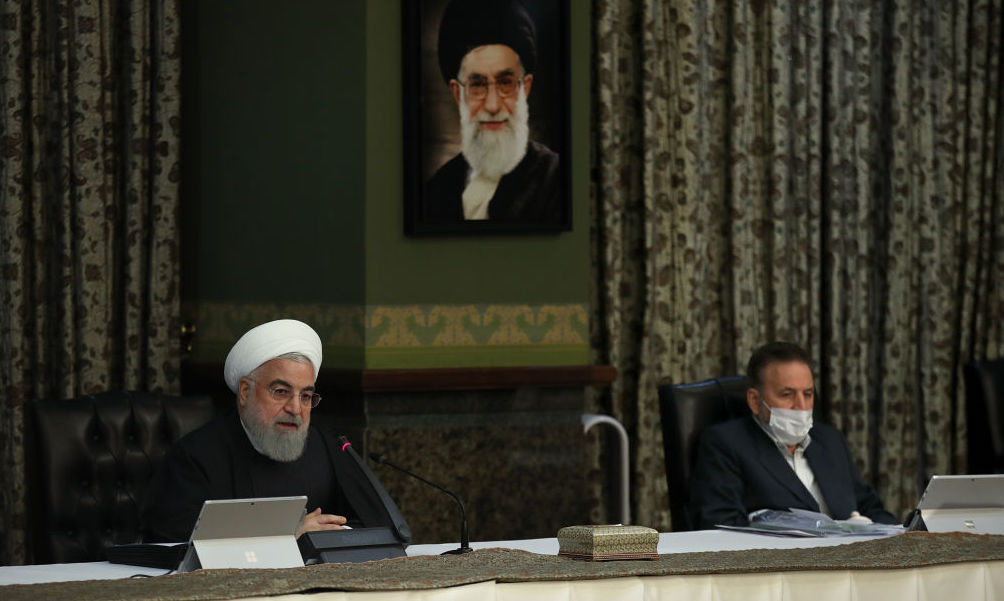
In the run up to Iran’s presidential election, Supreme Leader Ayatollah Ali Khamenei has sought to entrench his power. Will a sharp slump in voter turnout reveal the extent of popular discontent?
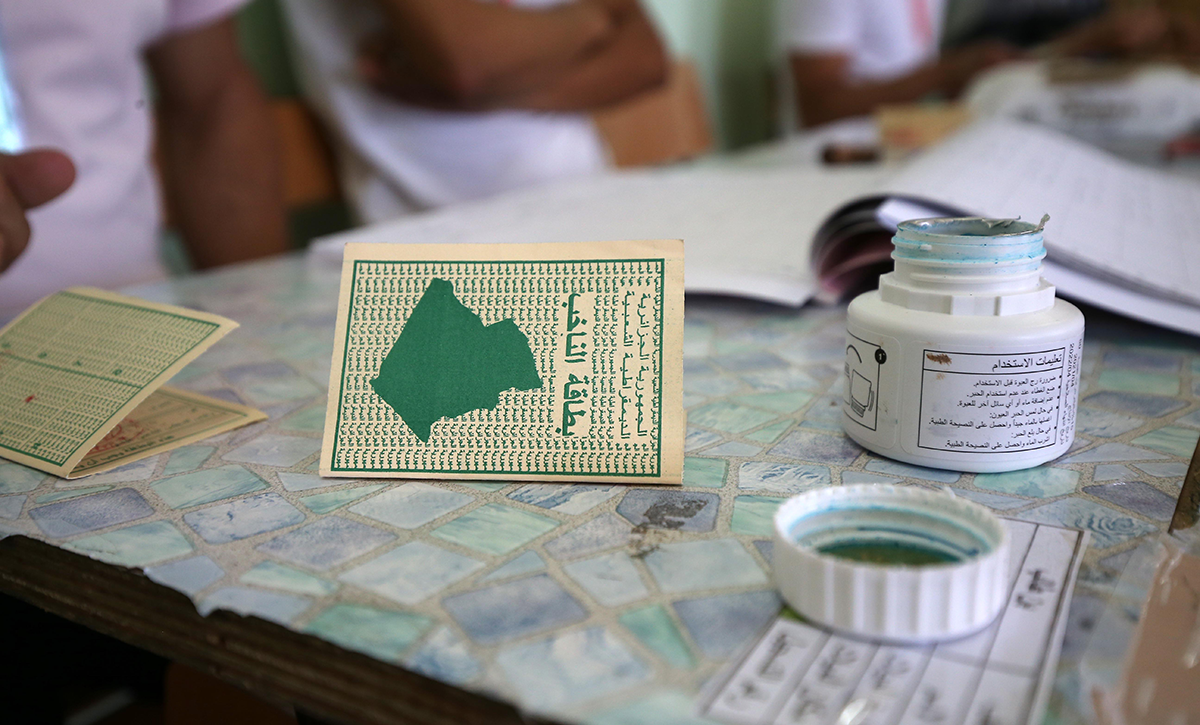
The June 12 election for the National Assembly, the lower house of the Algerian parliament, shows that the country is stuck between, on the one side, a political system led by President Abdelmadjid Tebboune and backed by the army that rejects deep change and, on the other side, a population that has lost faith in the old system. Preliminary results announced June 15 indicated the phoenix-like return of discredited political parties that had strongly supported former President Abdelaziz Bouteflika, deposed in 2019. But in a sense President Tebboune is now more isolated than ever. His remark that he didn’t care about the record low voter turnout in the election shows the distance between him and most of the Algerian public.