تمت ترجمة هذا النص بواسطة الذكاء الاصطناعي وقد يحتوي على أخطاء.
تخطي إلى المحتوى

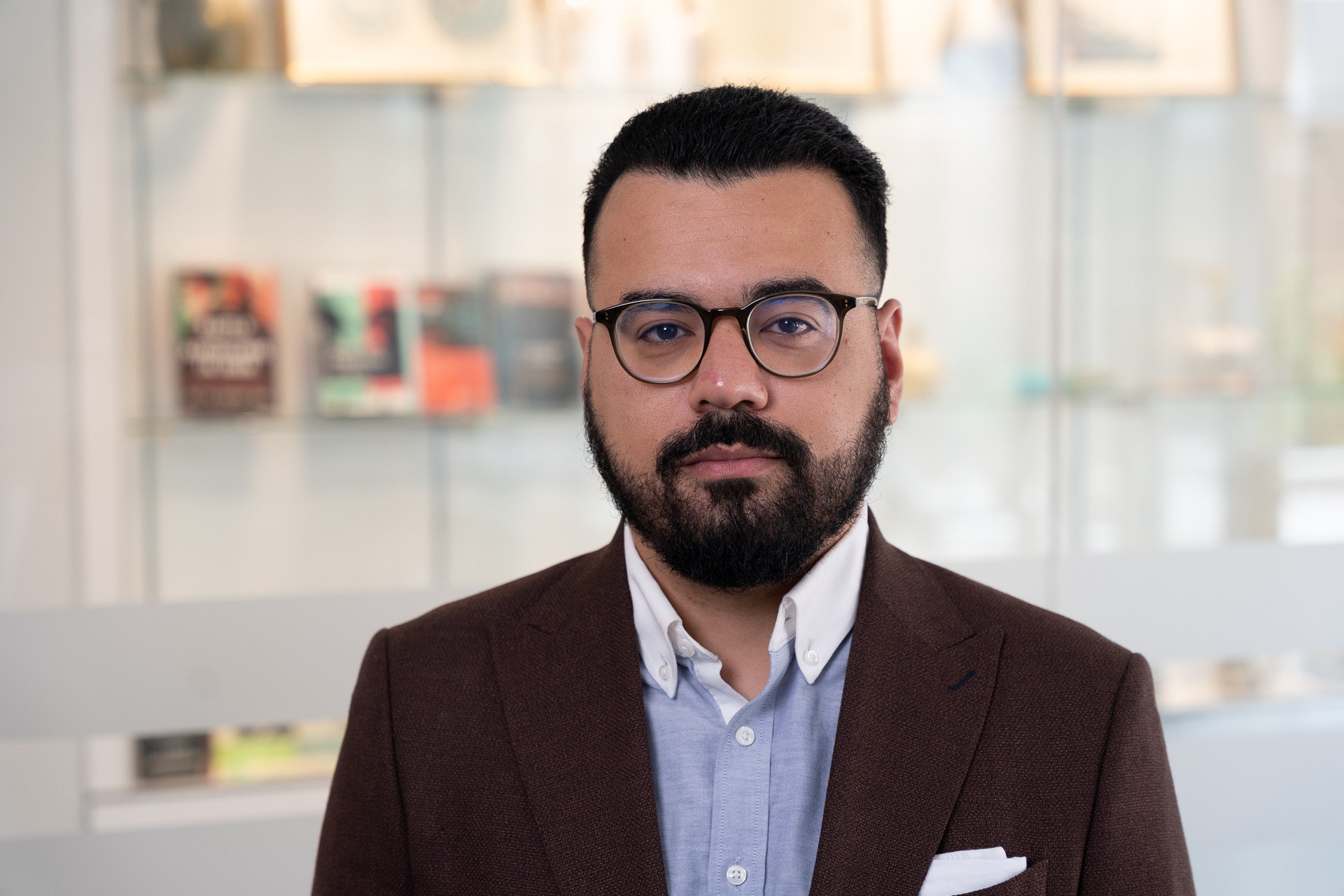
Mohammed Soliman is a senior fellow at the Middle East Institute (MEI), where he focuses on the intersection of technology, geopolitics, and business in the Middle East and other emerging markets. He is the author of the book West Asia: A New American Grand Strategy in the Middle East (Polity Press, January 2026). A trained engineer, he is a director at McLarty Associates, a global advisory firm, where he advises on strategic and policy matters at the intersection of technology, AI, finance, and energy. In addition, he is a non-resident senior fellow at the Foreign Policy Research Institute and a visiting fellow with the National Security Program at Third Way.

Prior to joining MEI, Mr. Soliman held research and policy roles at institutions including the Peace Tech Lab at the US Institute of Peace, as well as Georgetown University’s Institute for the Study of Diplomacy and School of Foreign Service, where he was a Junior Centennial Fellow. He began his career in Cairo as an engineer and consultant, advising both local and international businesses on strategy and operations.

Mr. Soliman is a frequent media commentator, with his work featured in The Financial TimesThe Wall Street JournalThe EconomistForeign PolicyForeign AffairsNewsweek, and USA Today. He has appeared on outlets such as CNN, BBC, France 24, and Deutsche Welle and regularly speaks at international conferences. His scholarly work includes numerous journal articles and book chapters on geopolitics, emerging technologies, and global economic trends.

يشغل السيد سليمان منصب عضو في مجلس مستشاري منظمة Ideas Beyond Borders والمجلس الاستشاري للجمعية الهندية للذكاء الاصطناعي والقانون (ISAIL). وهو عضو في مجموعة الخبراء الاستشارية التابعة للجنة العالمية المعنية بالذكاء الاصطناعي المسؤول في المجال العسكري (GC REAIM) وزميل ديفيد روكفلر في اللجنة الثلاثية.

وهو حاصل على درجة الماجستير في العلوم في الخدمة الخارجية بامتياز من جامعة جورجتاون، وبكالوريوس الهندسة من الأكاديمية المصرية للطيران.

وهو متحدث أصلي باللغة العربية، كما أنه يجيد القراءة والتحدث باللغات الألمانية والفارسية والإسبانية والتركية.

آخر الأخبار من محمد سليمان

تصفية حسب
80 Results
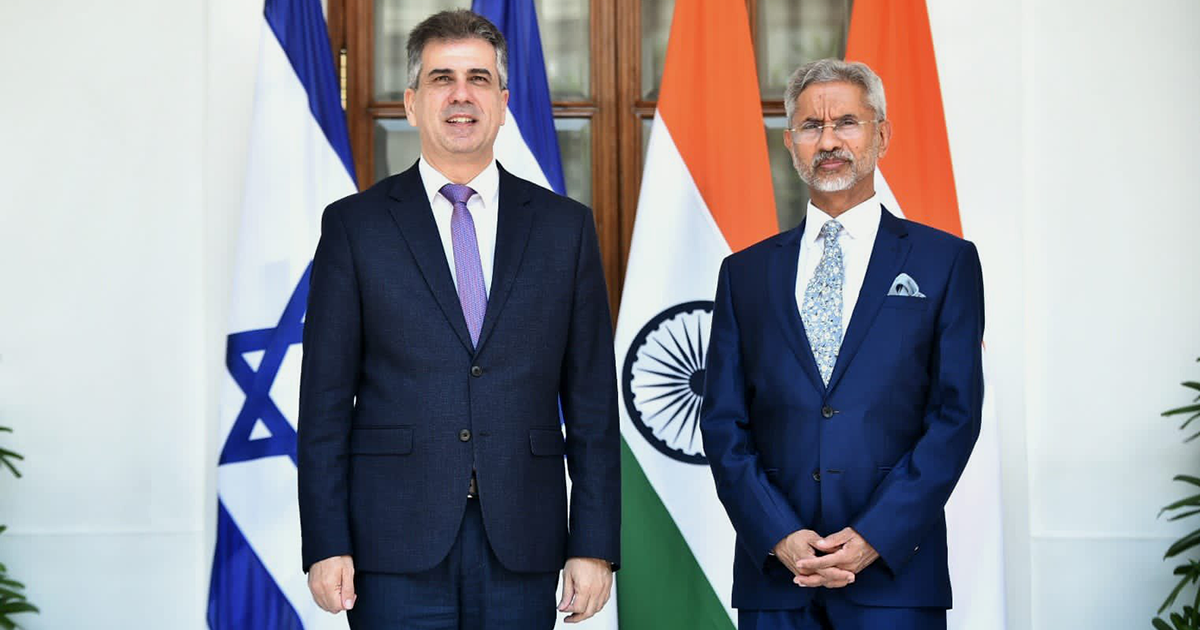
Understanding the growing Indo-Israeli strategic cyber partnership
Photo by Indian Ministry of External Affairs / Handout/Anadolu Agency via Getty Images
  • التحليل
  • Understanding the growing Indo-Israeli strategic cyber partnership

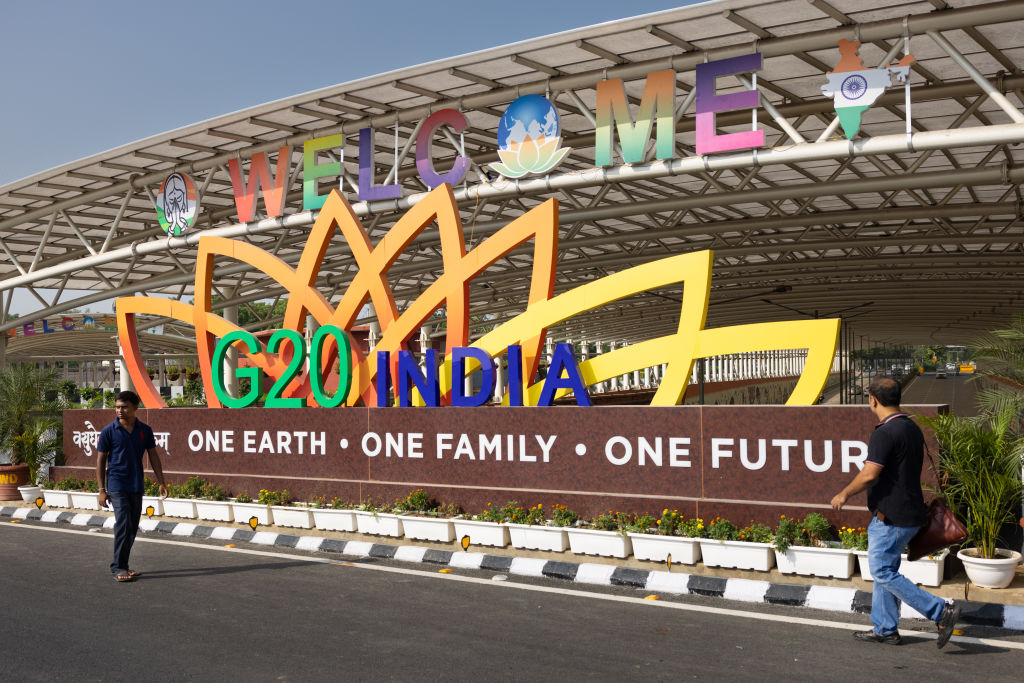
    India and Israel have embarked on a mission to enhance their bilateral strategic cyber partnership. Private-sector collaboration and investment have laid the foundation for this partnership, which has now expanded to government-level agreements and frameworks.

    Henry Kissinger’s Latest Intellectual Conquest: Artificial Intelligence
  • تعليق
  • Henry Kissinger’s Latest Intellectual Conquest: Artificial Intelligence

    Now at 100, Henry Kissinger remains a larger-than-life statesman, strategist, and scholar. Alongside intellectual titans such as George Kennan and Zbigniew Brzezinski, his story intertwines with post-World War II American foreign policy. A recent flurry of articles and editorials that spanned news outlets, think tanks, and policy platforms were put out to celebrate Kissinger’s centennial and commemorate his legacy.

    Putting Diplomacy First in the Middle East: Creating Incentives for De-Escalation
    Photo by LUDOVIC MARIN/AFP via Getty Images.
  • التحليل
  • Putting Diplomacy First in the Middle East: Creating Incentives for De-Escalation

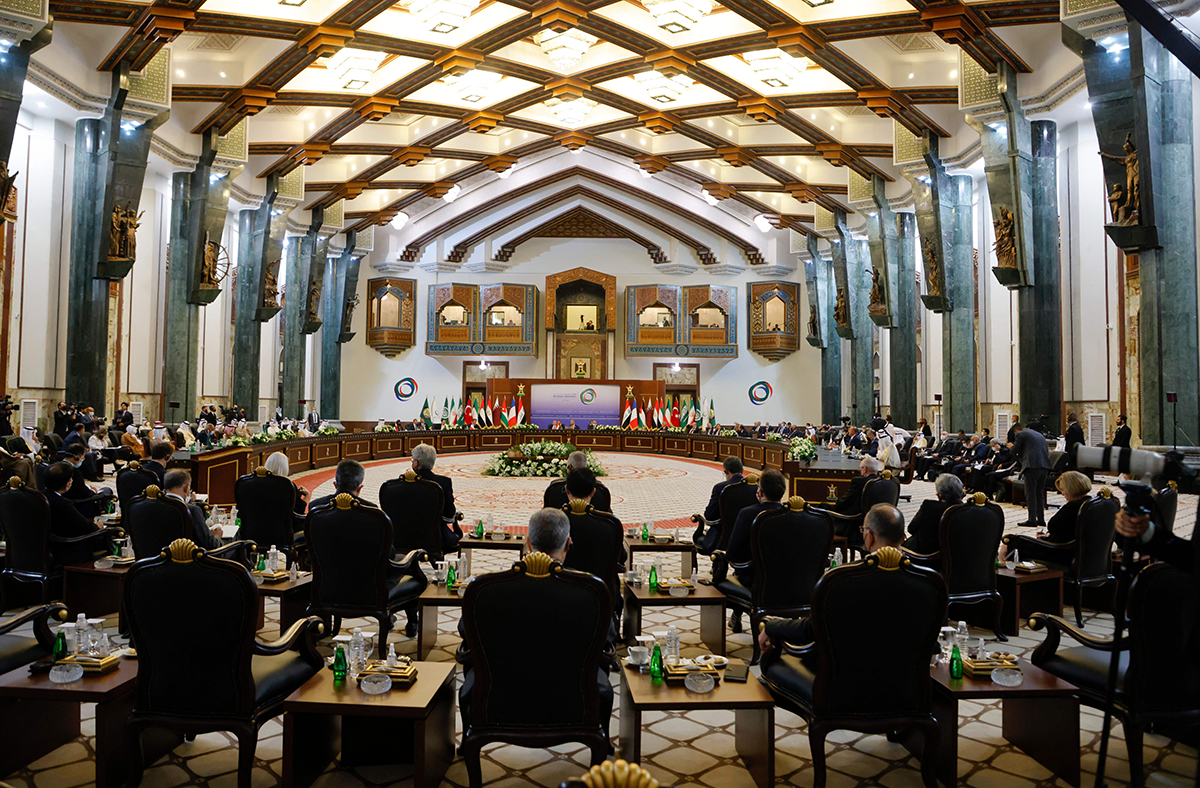
    The Middle East is undergoing a historic transformation with unprecedented opportunities to build new relationships, de-escalate tensions, and foster conditions for stronger integration. At the same time, the region remains on edge because of ongoing tensions in Yemen, Syria, Iraq, and other conflict zones, a civil war that broke out recently in Sudan, along with the overarching challenges presented by fraught relations between Iran, Israel, and several Arab Gulf countries — with the longer-term implications of the still-fragile Iranian-Saudi rapprochement yet to be fully assessed.

    The technical is geopolitical: Expanding US-UAE relations through AI
    Photo by STEFANI REYNOLDS/AFP via Getty Images
  • التحليل
  • The technical is geopolitical: Expanding US-UAE relations through AI

    With AI development disproportionate attention is given to the world’s technological heavyweights, the U.S. and China, as they seek an innovative edge in their great power competition. But Gulf states like the UAE are also moving rapidly to invest in and adopt AI, with significant implications for bilateral relations. The momentum in both the U.S. and the UAE can be leveraged by anchoring further ideas for political, diplomatic, and military cooperation in the technical evolution of AI.

    The 2023 National Cybersecurity Strategy: How Does America Think About Cyberspace?
    Photo by Celal Gunes/Anadolu Agency via Getty Images.
  • التحليل
  • The 2023 National Cybersecurity Strategy: How Does America Think About Cyberspace?

    The Biden administration’s National Cybersecurity Strategy, released on March 2, 2023, revamped the U.S. approach to cyberspace and underlined the ways in which the government aims to build a more resilient, defensible, and values-aligned cyberspace. What does the strategy mean and what opportunities might it present for U.S. partners and allies in the Middle East?

    Chip War, Cold War
    Photo by Adam Glanzman/Bloomberg
  • تعليق
  • Chip War, Cold War

    Washington and Beijing look at emerging technologies as a gateway to the new global order. Beijing wants to become an AI and innovation superpower, while Washington pursues a strategy of “tech containment” against Beijing. Chris Miller’s “Chip War: The Fight for the World’s Most Critical Technology” walks us through the history of the semiconductor industry and could not be more timely in light of the Biden administration’s decision to work with allies such as Japan and the Netherlands to limit China’s access to advanced chips with the strategic objective of slowing down Beijing’s technological innovation.

    Dispatches from Delhi: India and the changing global order
    Photo by Sanchit Khanna/Hindustan Times via Getty Images
  • تعليق
  • Dispatches from Delhi: India and the changing global order

    Delhi is one of the few capitals around the world that offers a representative view of the global order. After engaging with a wide variety of Indian policymakers and public intellectuals during a recent visit to India’s capital, I walked away with a better understanding of how Delhi is grappling with some of the main global issues.

    A new Asian order is emerging
  • تعليق
  • A new Asian order is emerging

    By redefining and expanding the Asia-Pacific’s geopolitical dimensions, Abe Shinzō, the late Japanese prime minister, offered a geostrategic model that is now being realized across South Asia and the Middle East. With India at the center of this emerging West Asian ecosystem, Abe’s vision has begun to take shape.

    It’s time for a Saudi-US tech dialogue
    Photo by Maya Siddiqui/Bloomberg via Getty Images
  • التحليل
  • It’s time for a Saudi-US tech dialogue

    The traditional 20th-century pillars of U.S.-Saudi bilateral relations are energy and security — a reflection of Cold War dynamics and the critical role that Saudi Arabia plays in the global economy as an energy superpower. Now, in 2023, Riyadh and Washington should think beyond energy to explore opportunities and address critical challenges in areas such as tech and cyber, which could ultimately cement their strategic relations for the 21st century.

    The Middle East in an era of great tech competition
    Photo by KARIM SAHIB/AFP
  • التحليل
  • The Middle East in an era of great tech competition

    With the acute impacts of US-Chinese global tech decoupling becoming clearer, MENA is slowly emerging as an important region to watch. Economic and geopolitical ties with the West have long dictated the shape of the region’s digital environment, but more recent great power competition and Middle Eastern countries’ pursuit of economic and technological sovereignty have slowly deconstructed these dynamics.

    المزيد من الخبراء مثل هذا