This individual is a guest contributor. MEI is not able to assist with contact requests.
Nabil Mohsen is an Intern at the Middle East Institute’s Oman Library. He is a determined learner who enjoys his studies in politics and is interested in Islamic history, architecture, and ceramics.
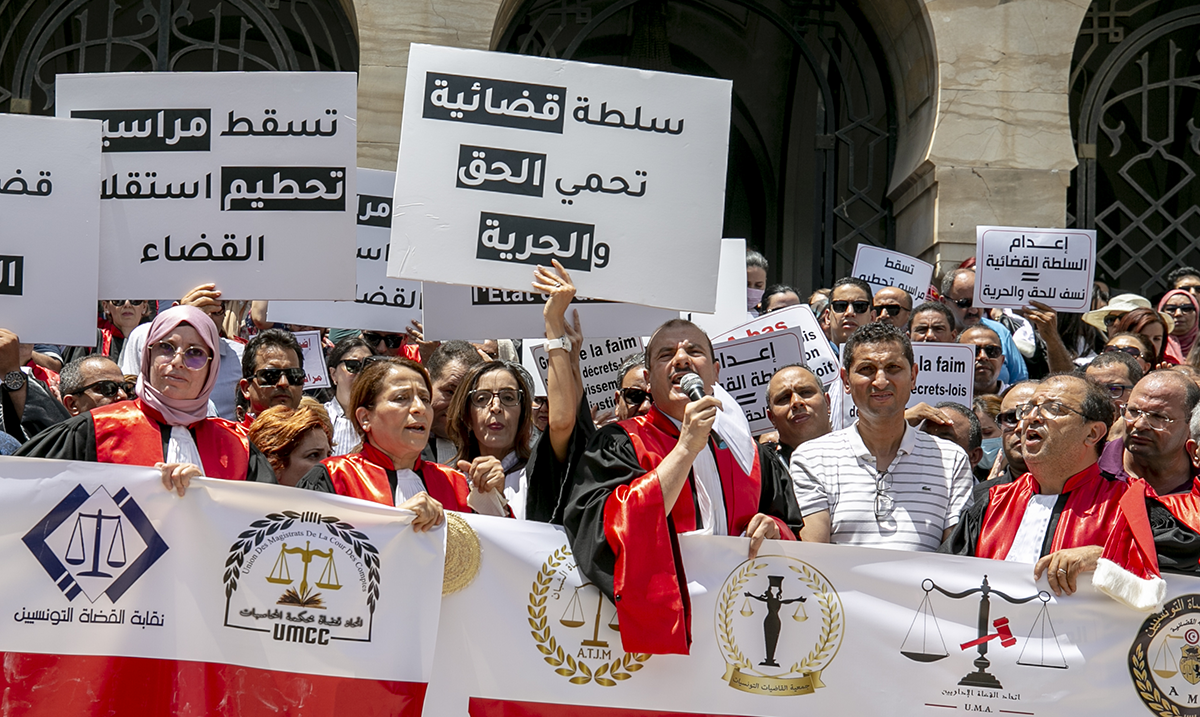
Since the beginning of 2022, Tunisian President Kais Saied has issued decrees reshaping the judiciary in a way that further subordinates it to the executive branch of government. Saied claims that his aim is to “cleanse” it of corruption and other forms of wrongdoing, yet judges counter that the president is interfering in the judiciary and intimidating judges.
A moment of reckoning as the US and Iran prepare to resume talks in Doha
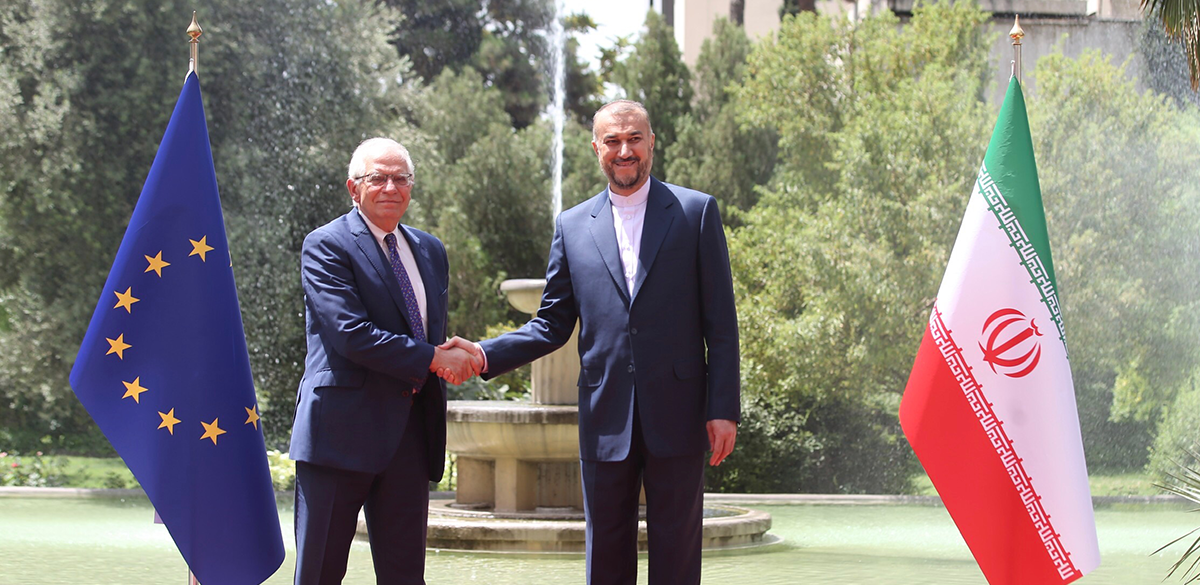
After a three-month-long suspension of the nuclear talks in Vienna, the U.S. and Iran appear set to resume diplomatic negotiations on June 28 in Doha, Qatar. While it is too early to be optimistic about the outcome, the Iranians and the Americans both seem to believe the talks in Doha represent a sink-or-swim moment for U.S.-Iran nuclear negotiations.
حزب الله الحجاز: جماعة شيعية سعودية يكتنفها الغموض
تهدف هذه الورقة البحثية إلى مقاربة النفوذ الإيراني داخل المجتمع الشيعي في السعودية من خلال التركيز على أتباع مرجعية المرشد الأعلى والمعروفين بـ “خط الإمام” والجناح العسكري المنسوب للتيار والمعروف دوليًا بـ “حزب الله الحجاز” أو “حزب الله السعودي” والذي تتوجه له أصابع الاتهام بتنفيذ تفجير الخبر ١٩٩٦.
Hezbollah Al-Hejaz: A Saudi Shi’a Group Cloaked in Mystery
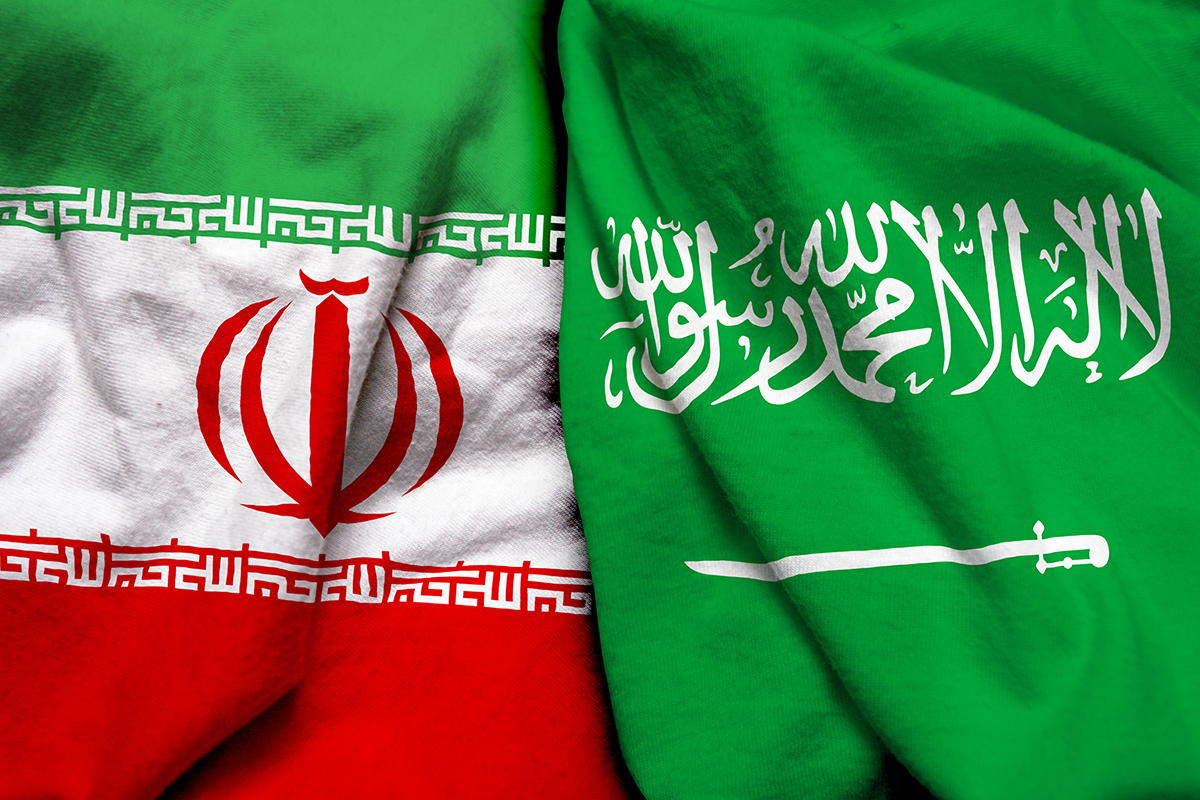
Since the 1979 Islamic Revolution in Iran, Saudi Arabia has been concerned about the potential influence of Iran’s supreme leader among its Shi’a population, especially since Ayatollah Sayyid Ali Khamenei took on the title of Vali-ye faqih, or “guardian-jurist.” Such concern is understandable given that the two countries are both neighbors and rivals: Khamenei is a marj’a, the highest-ranking Shi’a religious authority, but he is also the commander-in-chief of the Iranian Armed Forces. This paper aims to investigate the Iranian influence within the Shi’a community in Saudi Arabia by focusing on the followers of the supreme leader’s marj’aiyyah, known as “Khat al-Imam,” and its military wing, “Hezbollah Al-Hejaz,” often held responsible for carrying out the 1996 Khobar Towers bombing.
أُخُوة يخنقها العداء: التنافس الجزائري المغربي وتحديات الاندماج المغاربي
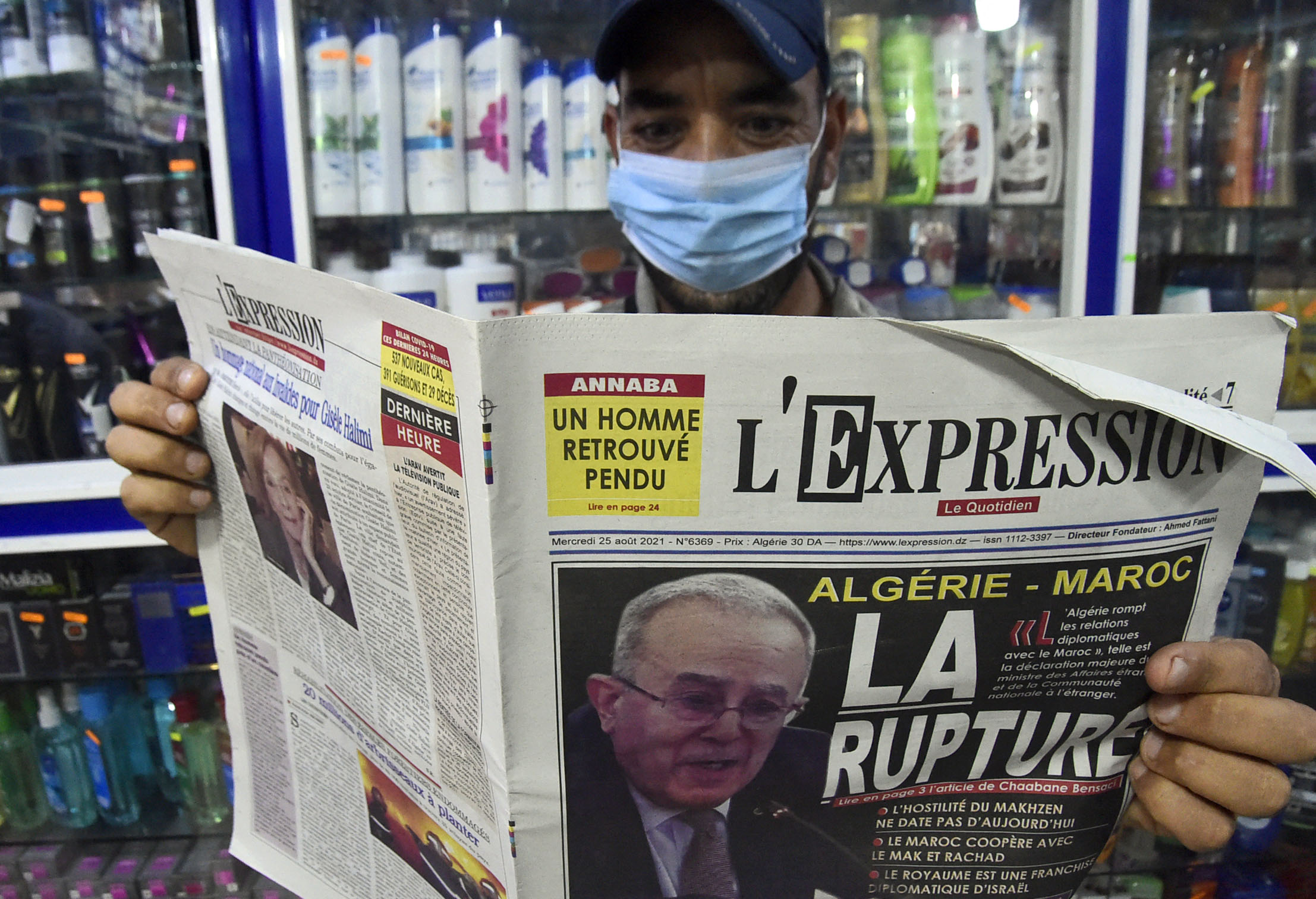
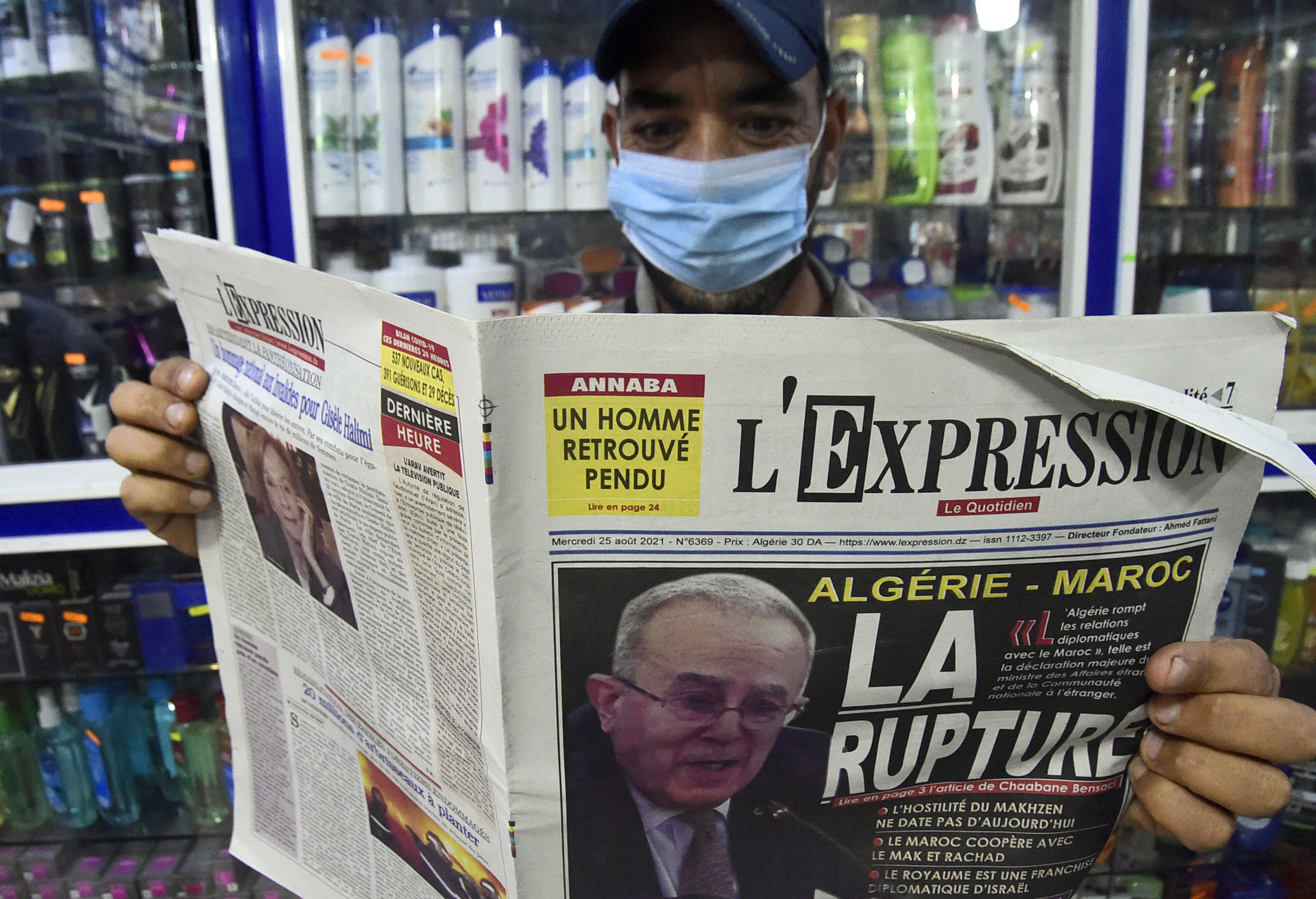
صَدم وزير الخارجية الجزائري، رمطان لعمامرة، العالم بإعلانه القطع المفاجئ للعلاقات الدبلوماسية بين الجزائر والرباط، بعد ثلاثة عقود من تجاور بارد بين القوتين المغاربيتين. واتهم لعمامرة، في بيان رسمي، تلاه أواخر أغسطس/آب 2021، المغرب بالتخلي عن التزامه بتنظيم استفتاء لتقرير المصير في الصحراء الغربية، من بين ما أسماه “أعمال عدائية ومشينة” أخرى ارتكبها ضد الجزائر.
Brothers at arm’s length: Moroccan-Algerian rivalry and the challenge of Maghrebi integration
In late August 2021, Algerian Minister of Foreign Affairs, Ramtane Lamamra, shocked the world by abruptly severing diplomatic relations with Rabat after three decades of a cold modus vivendi between the two Maghrebi powerhouses. In an official statement, Lamamra accused Morocco of abandoning its commitment to organizing a referendum for self-determination in Western Sahara, among other “hostile and despicable acts” against Algeria.
Staying the course … for now: Germany’s MENA policy under the Scholz government
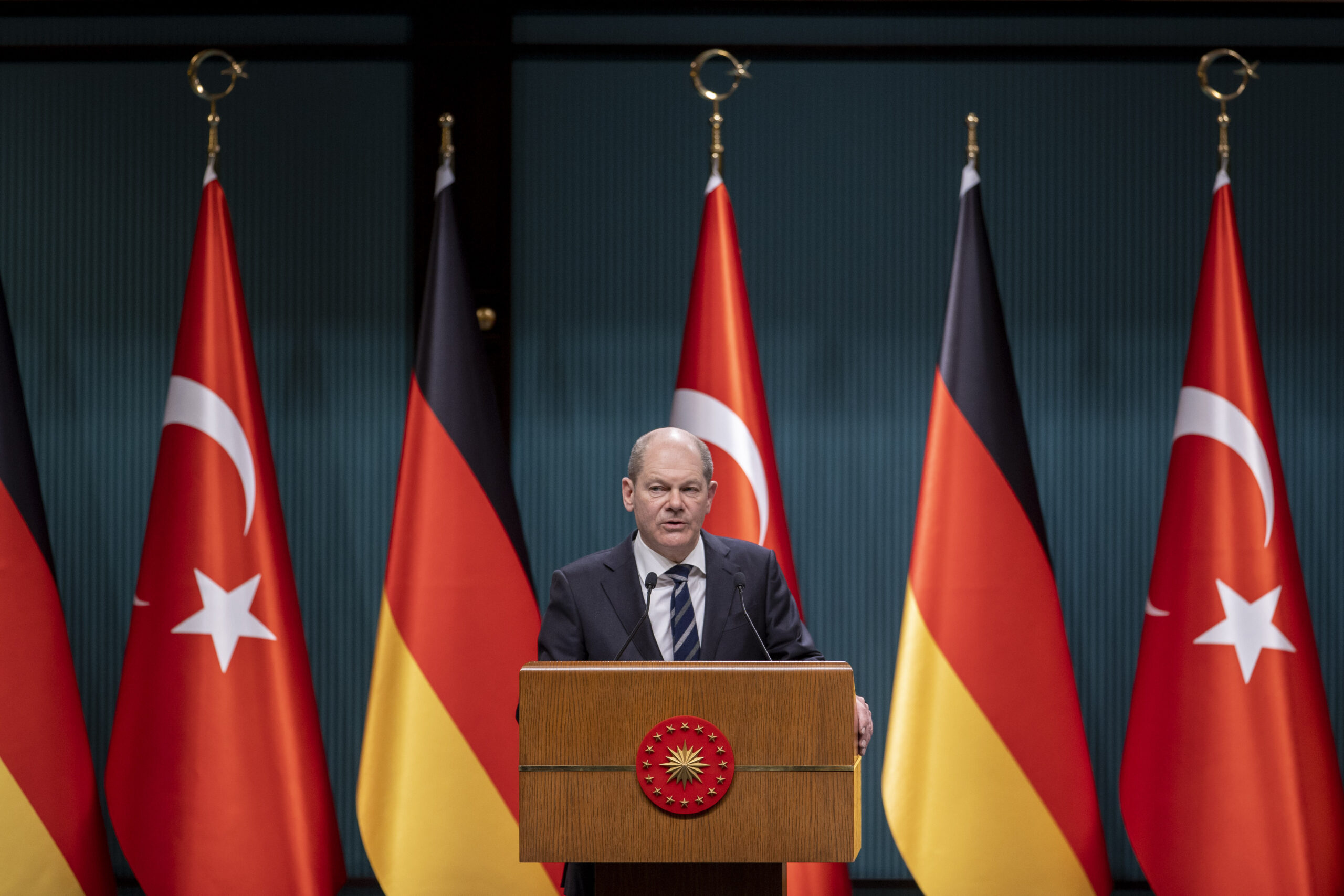
After 16 years under Angela Merkel, Olaf Scholz’s assumption of Germany’s chancellorship on Dec. 8, 2021 marked a new chapter in the nation’s politics. Within the “traffic light” coalition government formed by the Social Democrats, the Free Democratic Party, and the Greens, Annalena Baerbock heads the Ministry of Foreign Affairs. Before taking office, the co-leader of Alliance 90/The Greens was known for both her welcoming attitude toward immigrants and her full-throated condemnation of human rights violations by authoritarian governments. The Middle East and North Africa (MENA) region has no shortage of the latter: According to the Economist Intelligence Unit’s Democracy Index, 17 out of the 20 countries in the region are “authoritarian” and not one is characterized as a “full democracy.” Beyond human rights, other key MENA policy issues for the new government include Iran, Turkey, ongoing conflicts in the region, and immigration. The challenges are numerous, if well-known, but how will Berlin respond? Is Germany’s policy toward MENA likely to change or remain the same under the new government?
Canada-Iran soccer row highlights the ongoing fight over Flight 752
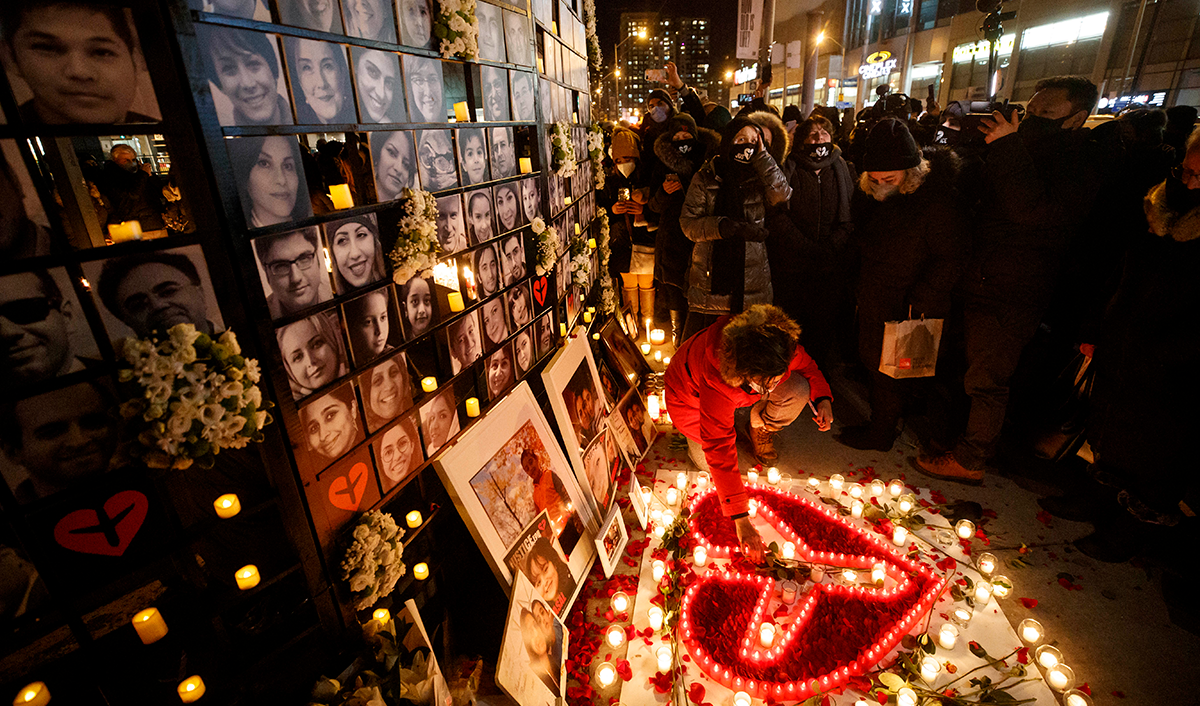
The international friendly soccer match scheduled to take place between the Canadian and Iranian men’s national teams on June 5 was canceled in the face of widespread opposition from the families of the Canadians killed in the downing of Ukrainian International Airlines Flight 752 by the IRGC. The Canadian government has called the January 2020 shootdown of PS752, which killed 55 Canadian citizens and 30 permanent residents, a “national tragedy” and the decision to cancel the match should serve as a reminder that the Iranian regime has been unresponsive to the demands of the PS752 families.
Economic Diversification and Energy Transition in Iraq and the Gulf
To identify pathways to deal with demands for economic reform and volatility in resource revenue in Iraq, in November 2021 the Middle East Institute (MEI) and Iraq Policy Group (IPG) convened a high-level workshop on the side-lines of the American University of Kurdistan’s annual Middle East Peace and Security Forum. This report provides the insights and analyses of a select group of participants, and forms part of a series of forthcoming Iraq- and Gulf-focused reports and initiatives that MEI and IPG will be convening.
Bridging the Cost Gap: Three Labor Policies to Close the Wage Gap Between Saudi and Foreign Labor
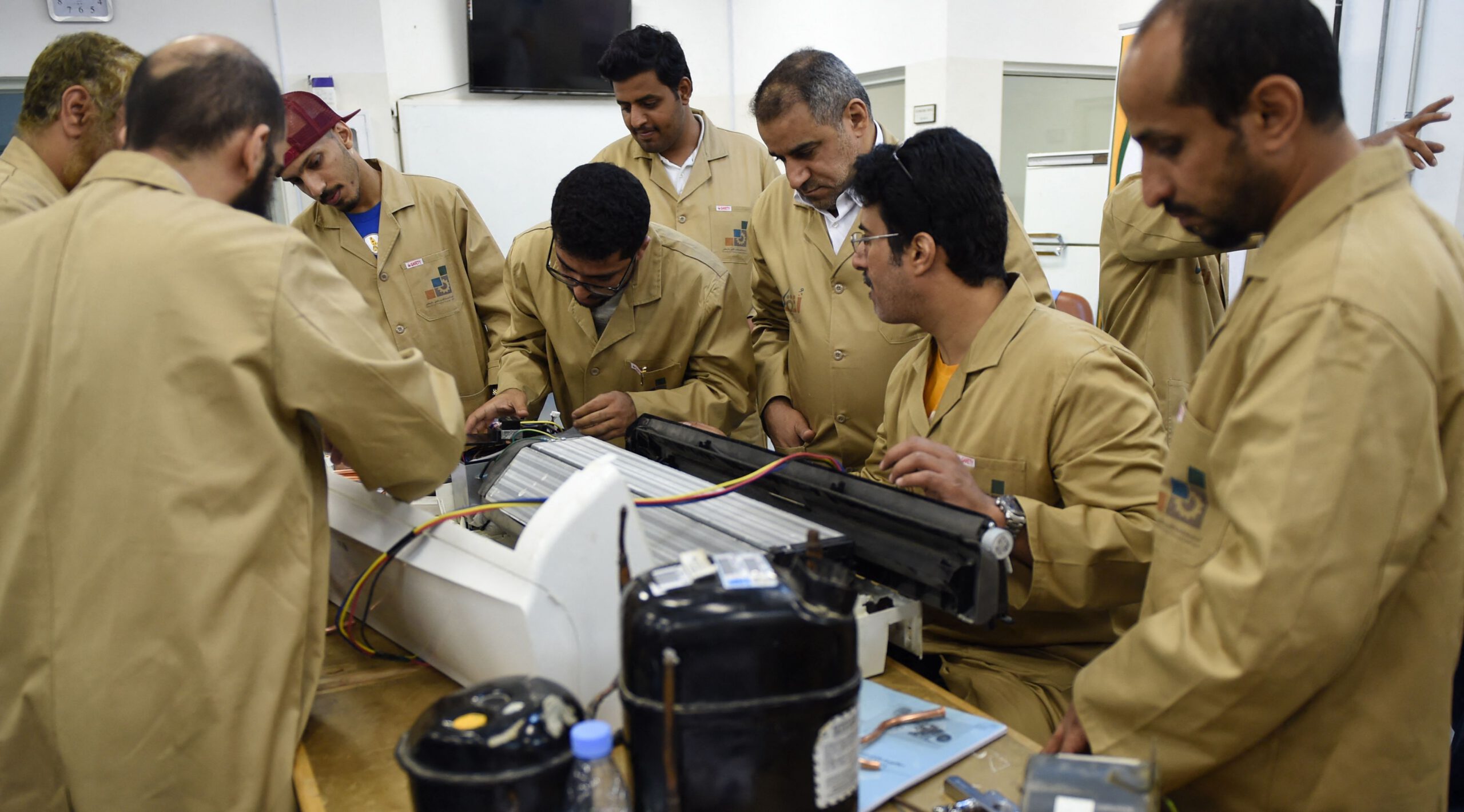
Since the launch of Vision 2030 six years ago, Saudi Arabia has made considerable progress in reducing the labor-cost gap between national and foreign workers in the private sector. While the total unemployment rate has declined recently among nationals, it remains high at 11%. Drawing on evidence from Bahrain’s experience with labor market reform, this can be significantly reduced through policies designed to bridge the cost gap between citizens and foreign labor in the private sector.