Nabil Mohsen is an Intern at the Middle East Institute’s Oman Library. He is a determined learner who enjoys his studies in politics and is interested in Islamic history, architecture, and ceramics.
The Latest from Nabil Mohsen
A successful US strategy in Syria must focus on hearts and minds of Syrian youth
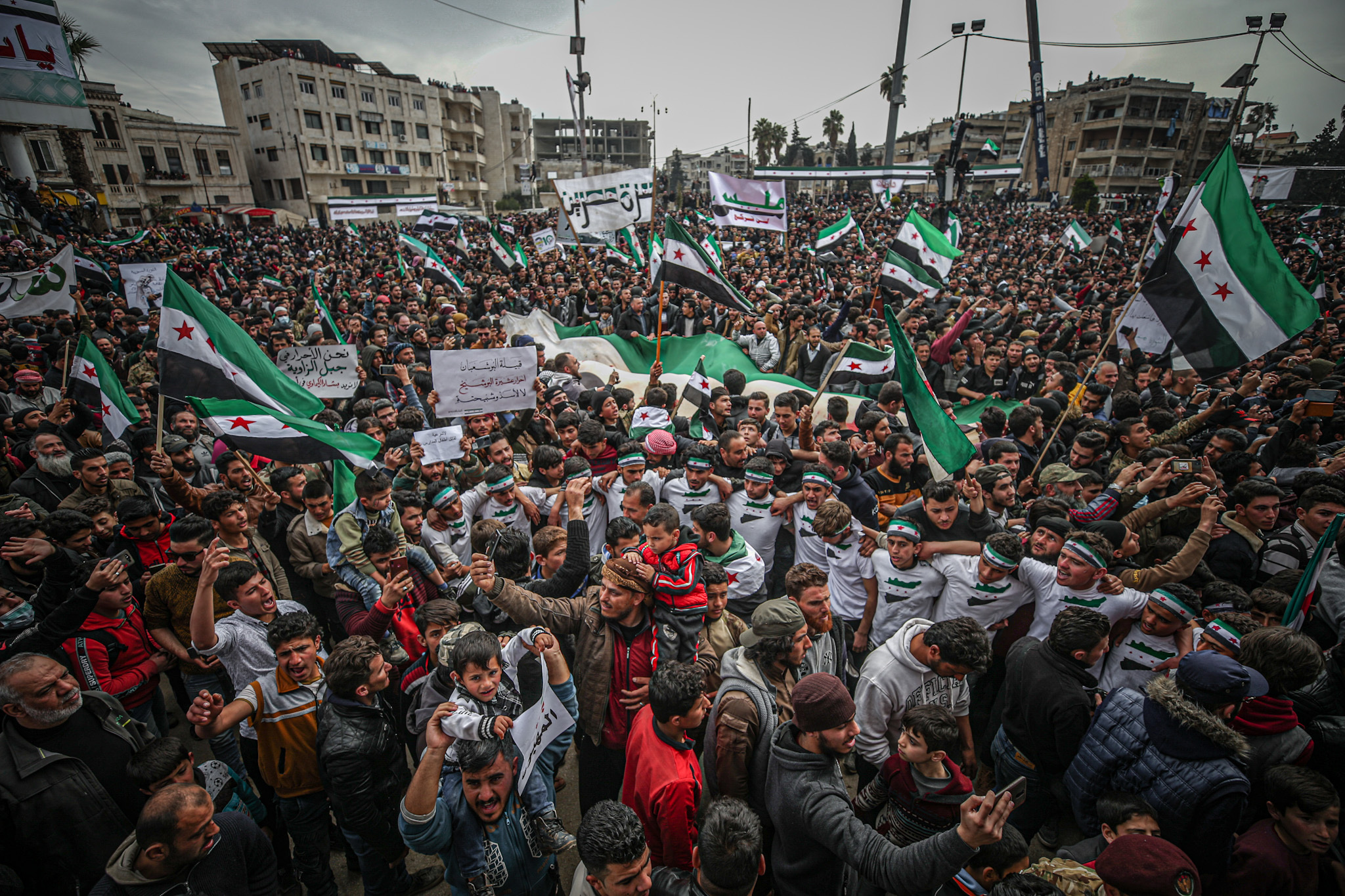
Assad’s current geopolitical challenges present the U.S. with an important opportunity to address a growing national security threat. By taking steps today to ensure that areas currently outside of Assad’s control remain protected from both the Syrian regime and other external actors seeking to further destabilize the country amid the chaos, the U.S can protect itself and the West from an uncertain tomorrow and stand up for Syrian refugees in the process.
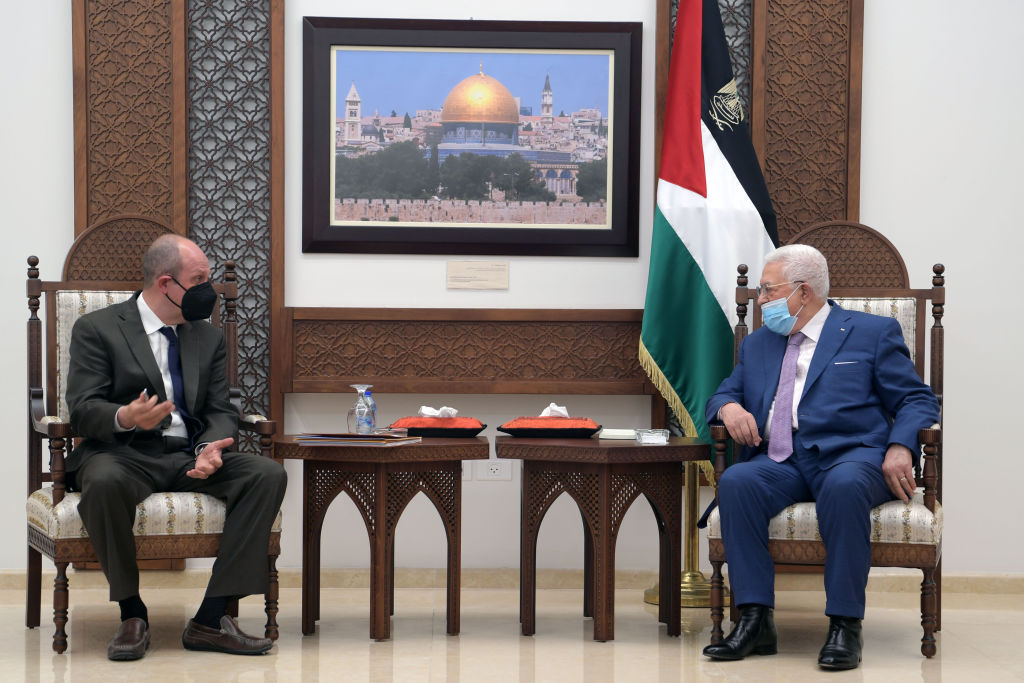
هادي عمرو لن يحل النزاع، لكن باستطاعته أن يكون قناة اتصال مهمة
“على عمرو أن يطمئن الفلسطينيين بأن إدارة بايدن جادة في معالجة مخاوفهم، خاصة فيما يتعلق بالوضع في القدس”.
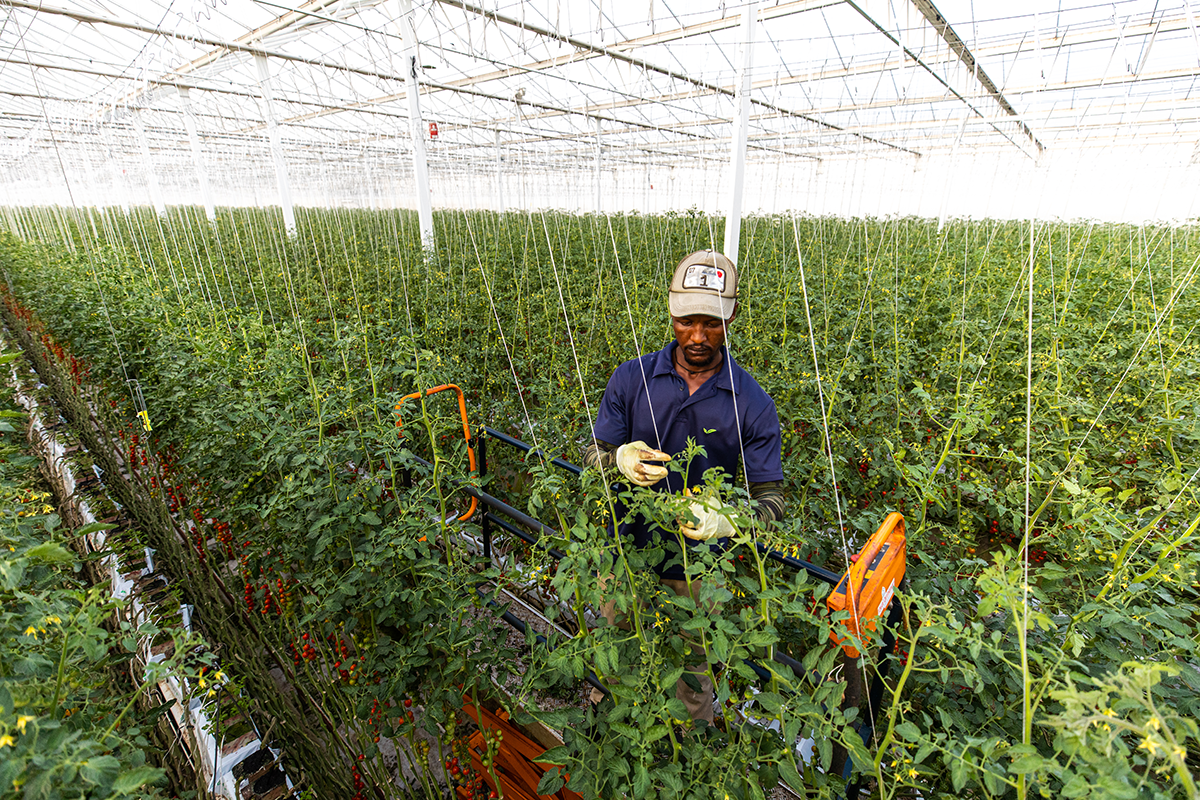
Agricultural technology in the Middle East: Sowing the seeds of the future
Over the last decade, new technology has been developed to address agriculture’s longstanding structural problems related to unproductive farming soils and water shortages. Such initiatives could potentially play a pivotal role in promoting food systems’ resilience across the region. These technologies are designed to increase and improve the outputs of the agricultural sector, while using less energy and more sustainable methods. Responding to the need to promote sustainable agricultural growth, agricultural technology (or “agritech”) today aims to reduce agrarian waste and the use of chemical fertilizers. Looking to the future — while taking cues from the past — may unlock the solutions to the region’s desperate food insecurity.
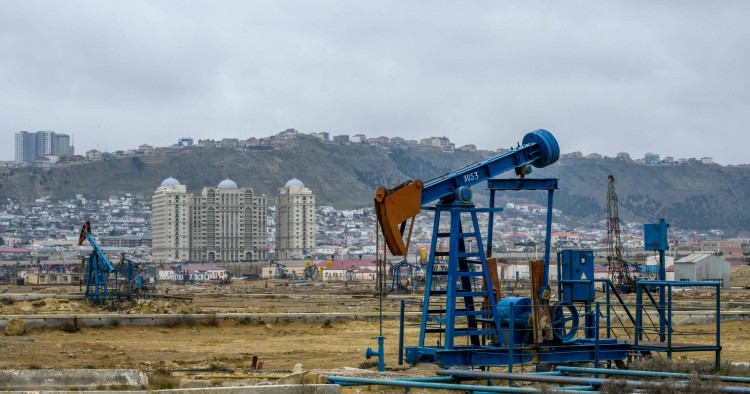
Economic Security of the Black Sea Region: Internal and External Challenges
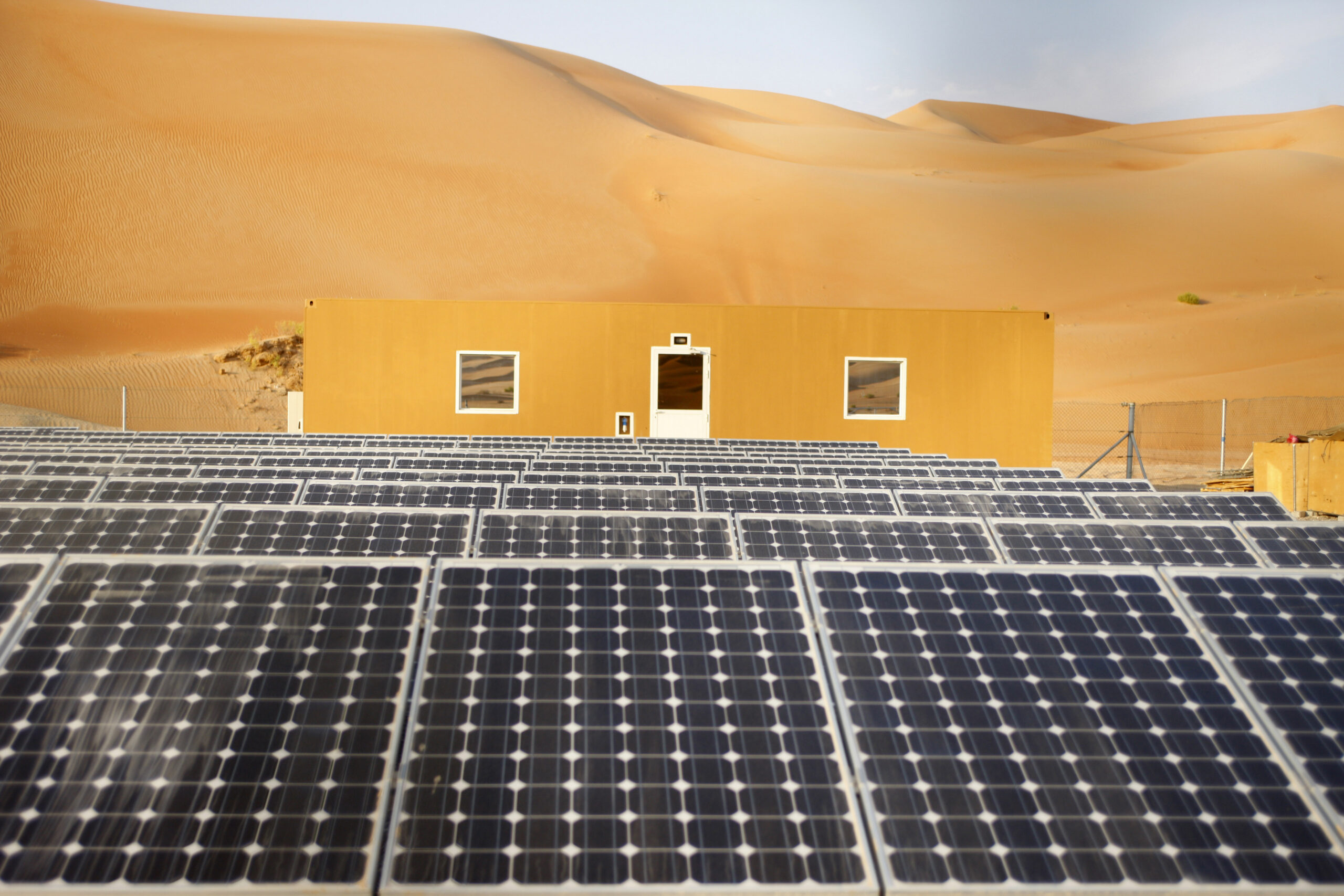
Deep Environmental Transformations in Gulf Arab States: Past, Present, and Future
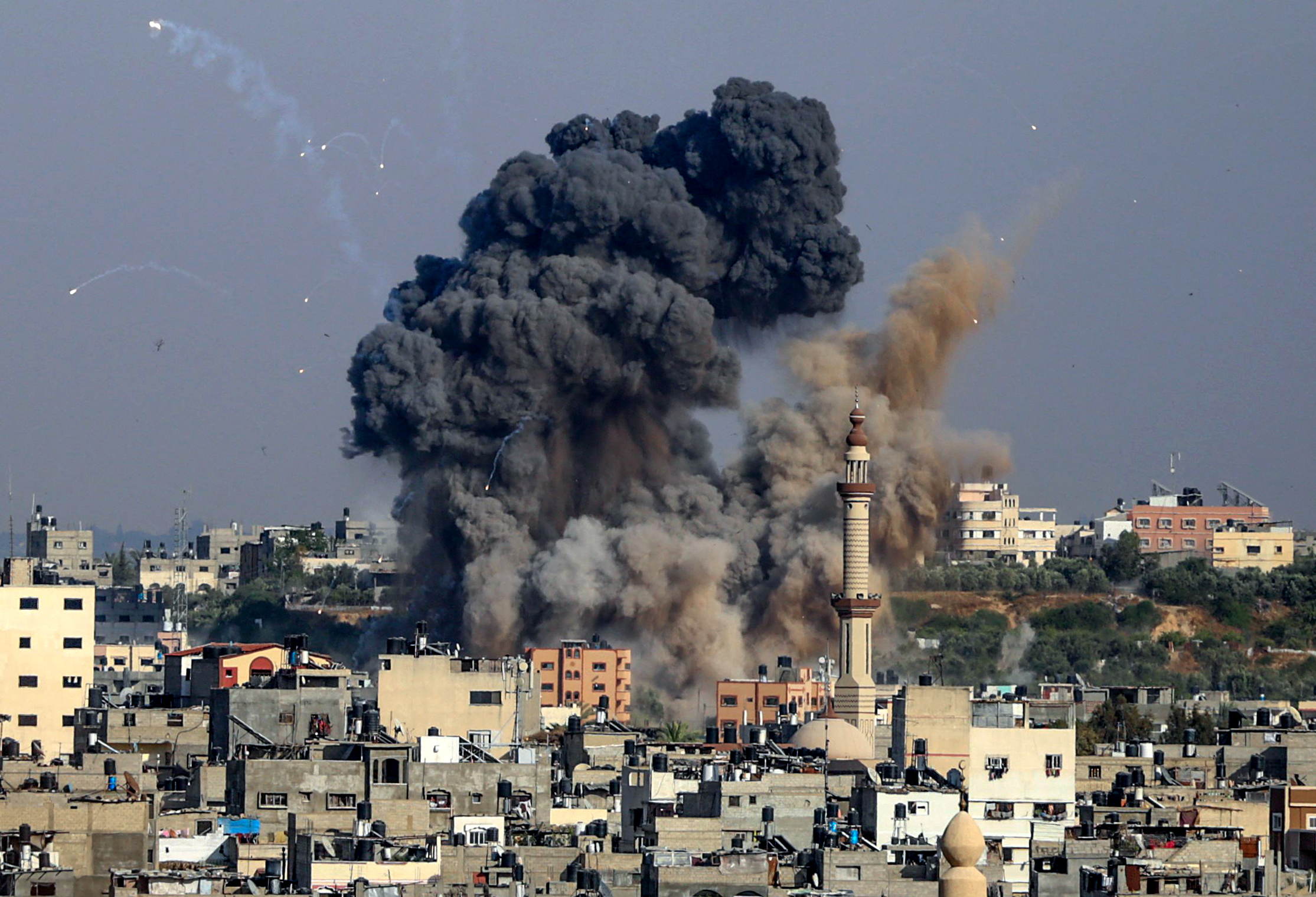
الوضع في غزة يهدد بالخروج بشكل خطير عن السيطرة
“مصر بحاجة إلى انهاء سريع للمذبحة في غزة عن طريق التفاوض، وذلك لأسباب دولية ودبلوماسية، ولكن تدخلها ضروري أيضًا لأغراض محلية”.
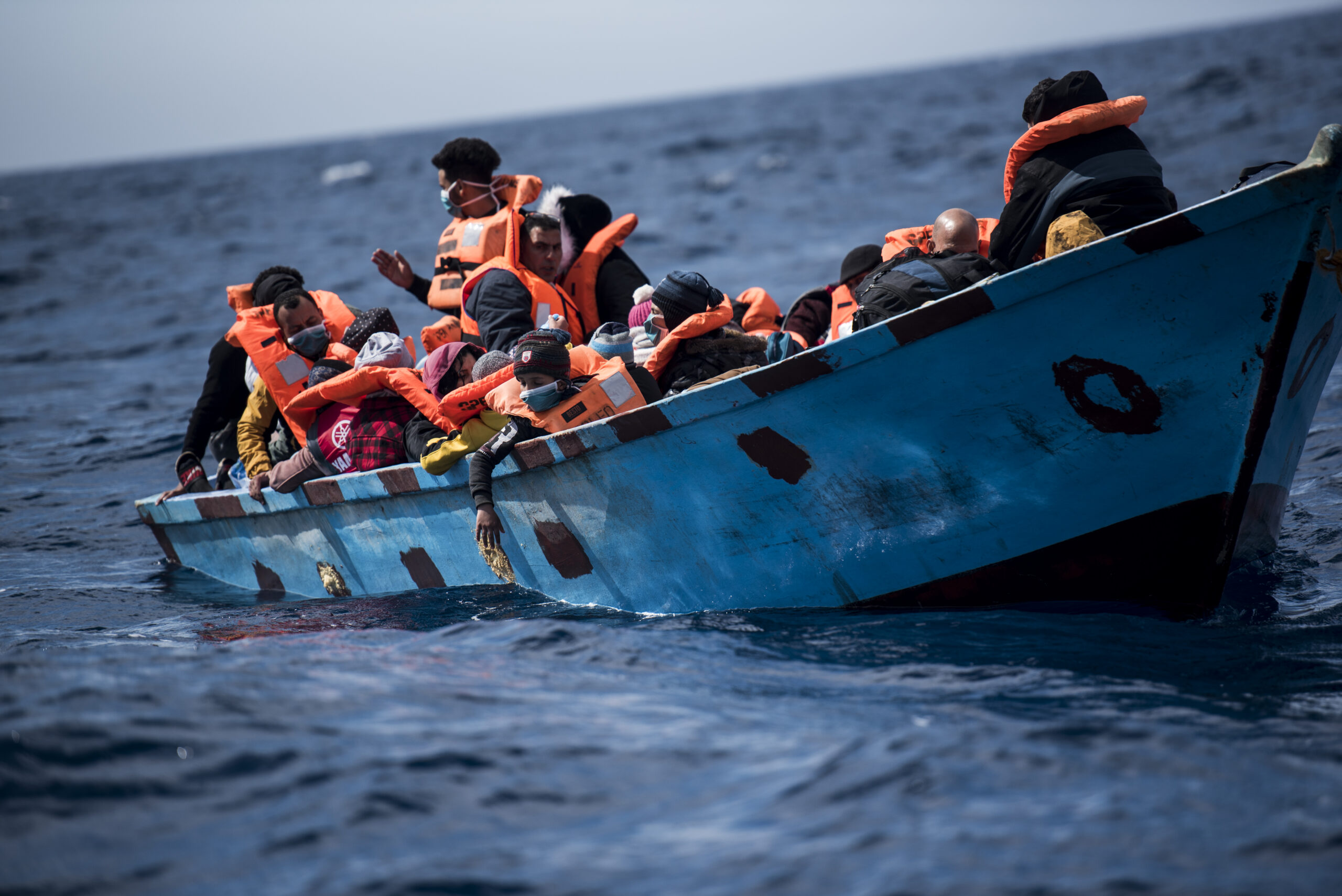
MEI-NAPI Youth Roundtable | Migration and Displacement in Libya: Converging Challenges and Pathways Forward
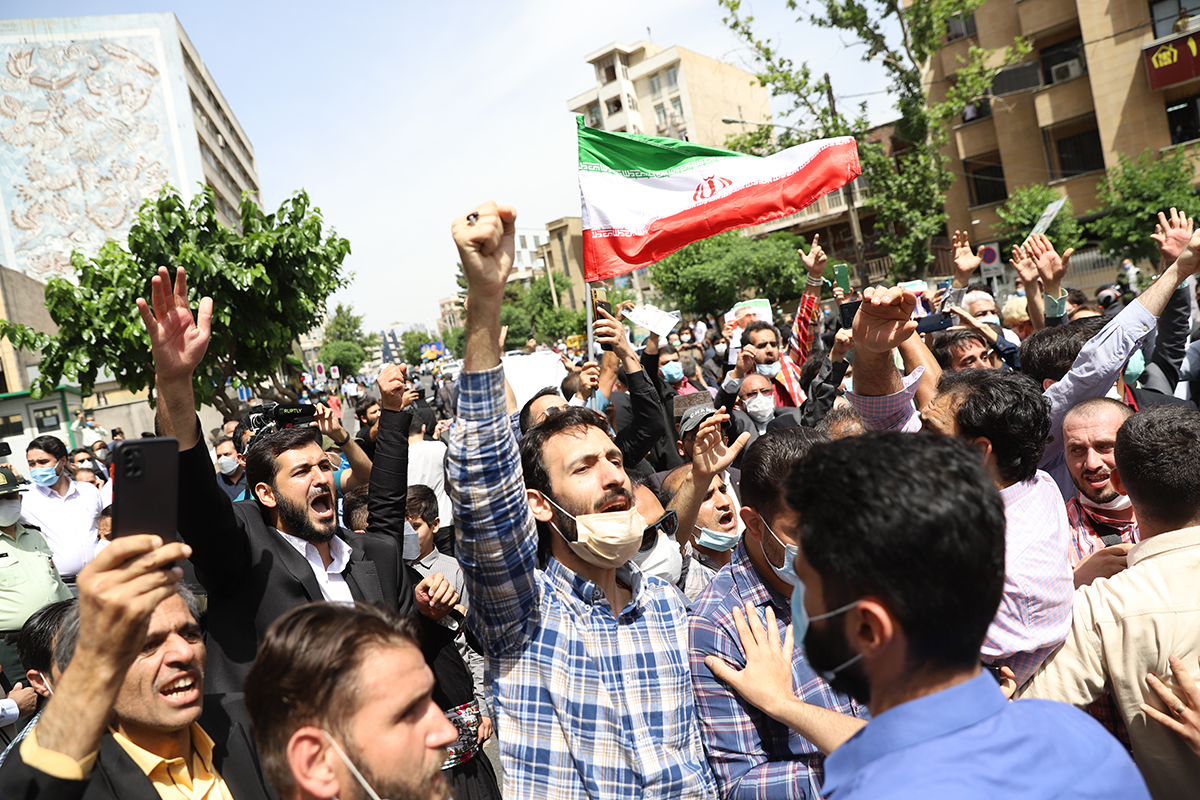
Iran’s presidential elections are all about the post-Khamenei era
Iran will hold presidential elections on June 18 and despite considerable efforts by the authorities, the battle at the ballot box is set to be a lifeless affair. A solid majority of Iranian voters have by now entirely lost hope that voting makes any difference. Actual turnout could be as low as 20% as compared to the 73% recorded in 2017. Ayatollah Ali Khamenei, the unelected supreme leader who has ruled over Iran since 1989, is not on the ballot. Nor are the Revolutionary Guards, the armed defenders of the Islamic Republic’s theocratic system. These two institutions wield the real power in Tehran, not the Presidential Palace.
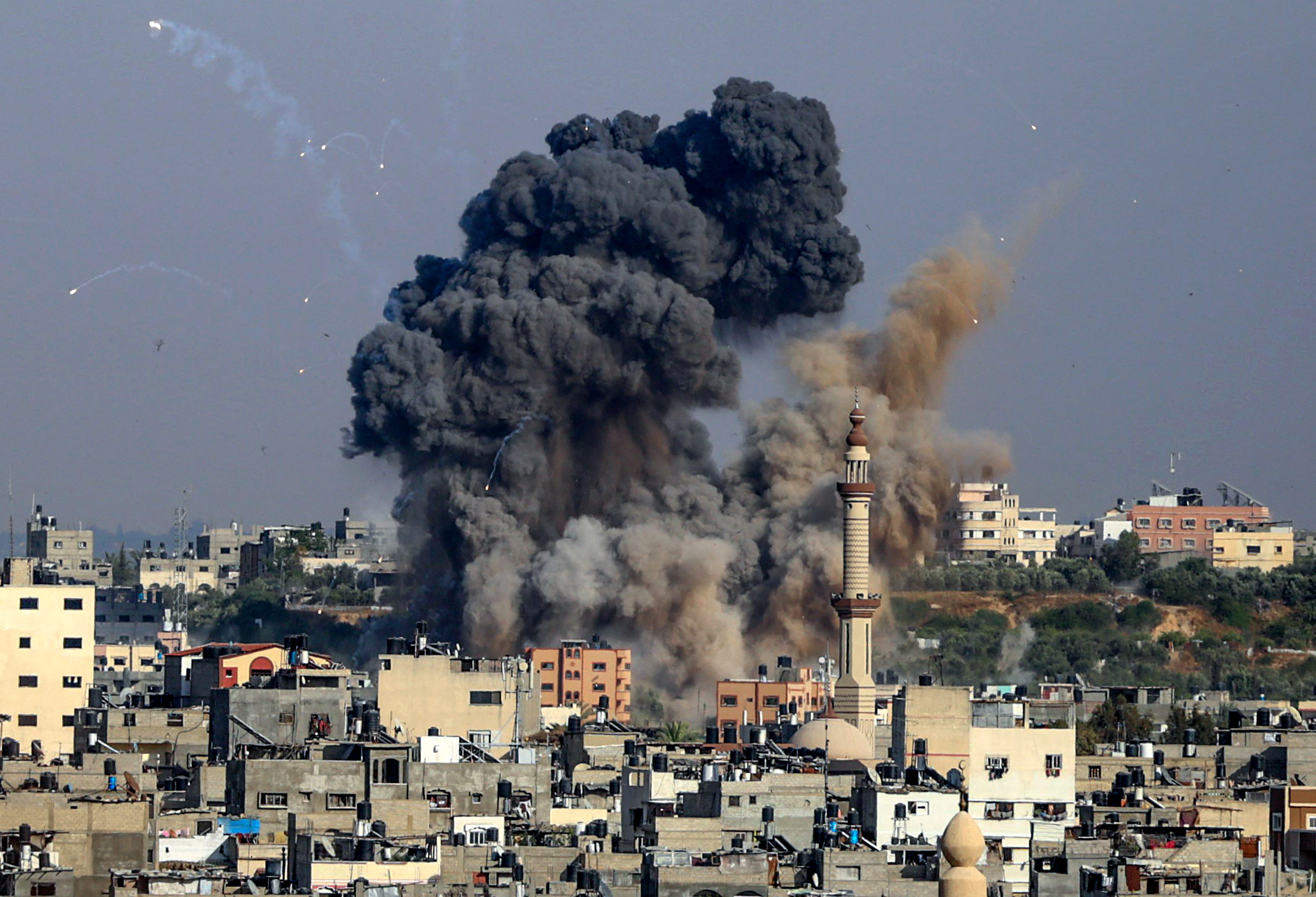
Monday Briefing: The situation in Gaza threatens to spin dangerously out of control
اقرأ تقرير MEI الأسبوعي الذي يتضمن تحليلات الخبراء للتطورات الإقليمية الرئيسية للأسبوع المقبل.
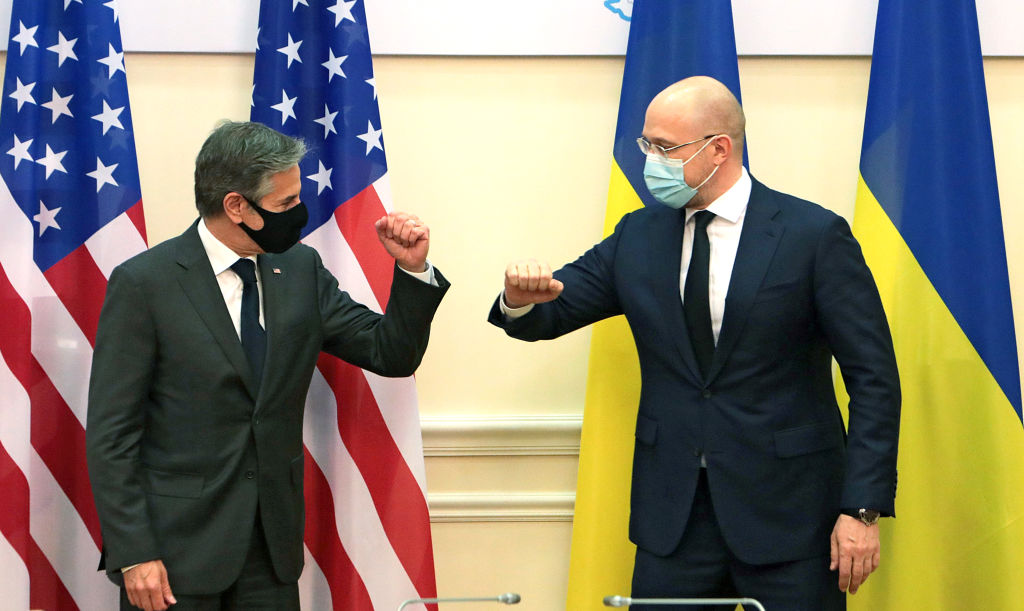
Blinken’s visit to Kiev showed solidarity, but a strategic approach is still desperately needed
The recent visit of Secretary Anthony Blinken and Under Secretary Victoria Nuland to Kiev demonstrated the urgency of Ukrainian security and Russian aggression. The visit, however, occurred on shaky grounds, with three main obstacles preventing Ukraine from making significant progress in its partnership with the U.S. First, Ukrainian President Volodymyr Zelensky’s limited progress on democratic reforms. Second, Western Europe’s lukewarm support for Ukraine and against Russian aggression. And third, Russia’s diversionary policy.

حلقة 32: الإغاثة في اليمن وسوريا — مع بسمة علّوش
يستضيف إبراهيم الأصيل في هذه الحلقة المختصة في استراتيجيات الإغاثة بسمة علّوش لمناقشة استراتيجيات المنظمات الدولية في اليمن وسوريا بخصوص أعمال الإغاثة.
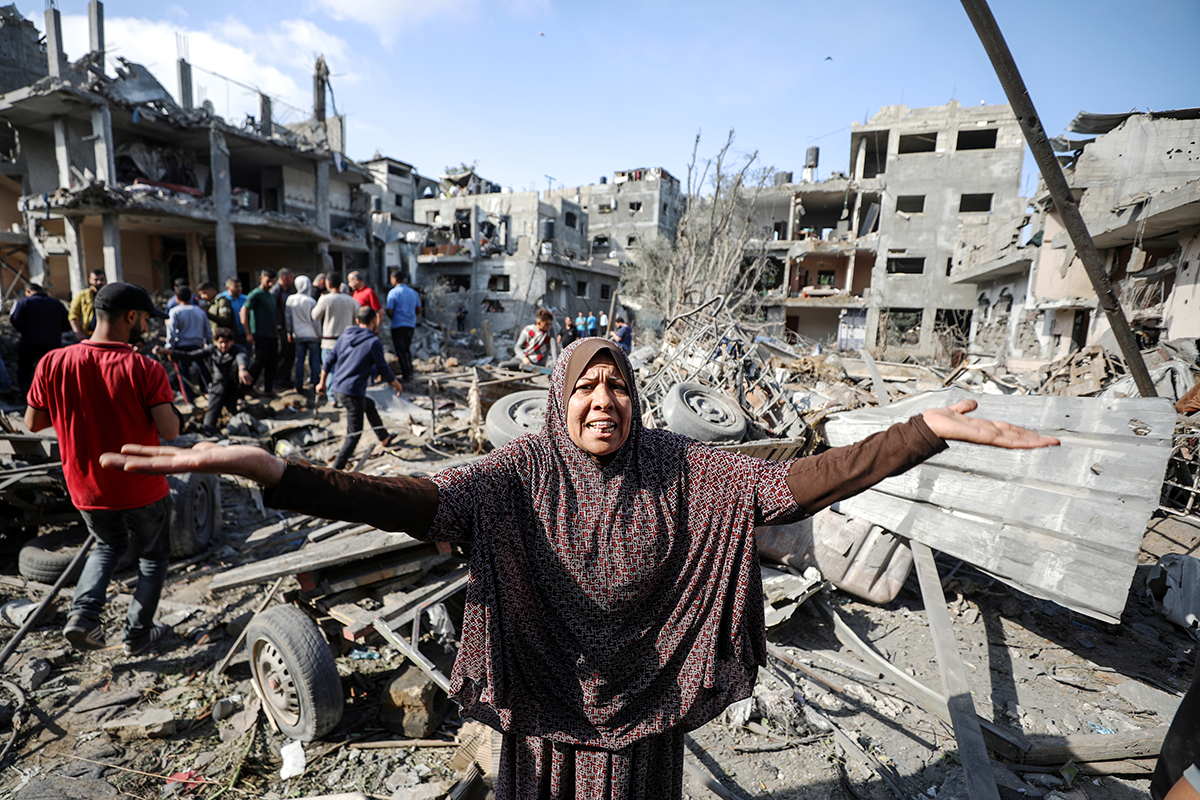
Israeli repression links the violence in Gaza and Jerusalem
Even as it pays lip service to a two-state solution, the international community—particularly the United States—has largely acquiesced to the Israeli-imposed status quo in Gaza and East Jerusalem by exempting both areas from the political and diplomatic process.
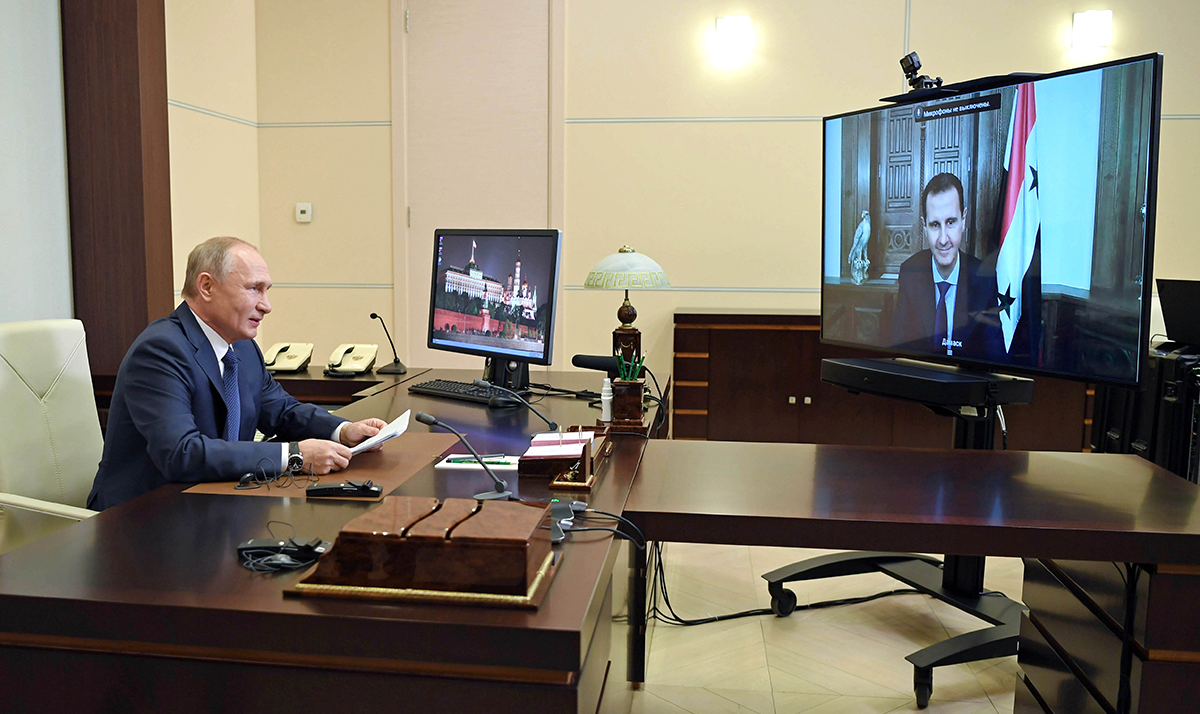
Is Russia prepared for an open-ended conflict in Syria?
Russia’s key foreign policy dilemma is the tension between its aspirations of retaining its Soviet-era geopolitical clout and its lack of ideological and economic tools to achieve that goal. From a strategic standpoint, Russia’s campaign in Syria seems like an open-ended story that bears some resemblance to the situation in Ukraine. These similarities in Russia’s methods are not accidental. The Kremlin lacks the ability to impose its foreign policy blueprint on the West and can only leverage its power to stir up trouble in unstable regions.

Reviving the Iran nuclear deal
Alex Vatanka, Abdolrasool Divsallar, and Michael Eisenstadt join host Alistair Taylor to discuss the high-level talks in Vienna, now in their fifth week, aimed at reviving the 2015 nuclear deal that the Trump administration withdrew the US from in mid-2018.