This individual is a guest contributor. MEI is not able to assist with contact requests.
Nabil Mohsen is an Intern at the Middle East Institute’s Oman Library. He is a determined learner who enjoys his studies in politics and is interested in Islamic history, architecture, and ceramics.
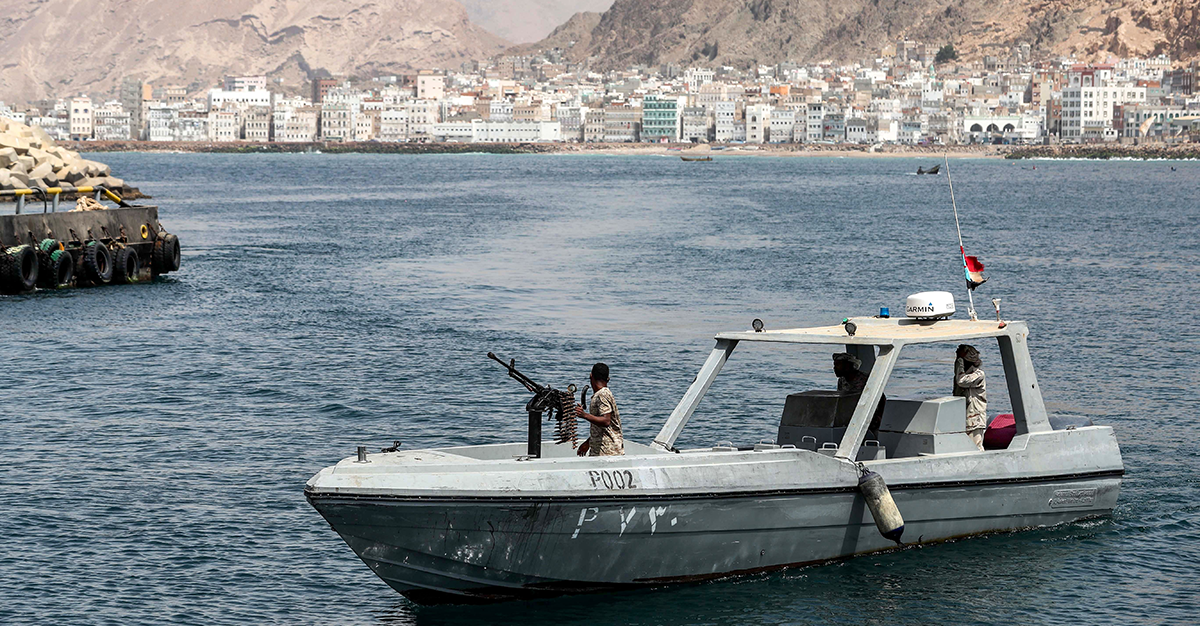
Changing dynamics reshape power networks in Yemen’s “two Hadramawts”
Since 2015, Yemen’s largest governorate, Hadramawt, has been informally divided between two distinct centers of power with different military loyalties and external backing. The balance of power within the governorate is no longer fixed, however. Changes in Hadramawt’s military, political, and economic dynamics are reshaping power networks in the governorate and beyond, with implications for the conflicting agendas of the Saudis, Emiratis, and Houthis.
Russia, Ukraine, and the Reshuffling of the European Security Order
In a 1994 article for Foreign Affairs, former US national security advisor Zbigniew Brzezinski famously argued that “without Ukraine, Russia ceases to be an empire.” His analysis is no less valid today.
At the time, Brzezinski was arguing against the United States pressuring Ukraine to give up its nuclear weapons. It seems reasonable to say that there would be no war in Ukraine today if the country had not done so under the terms of the flawed Budapest Memorandum.
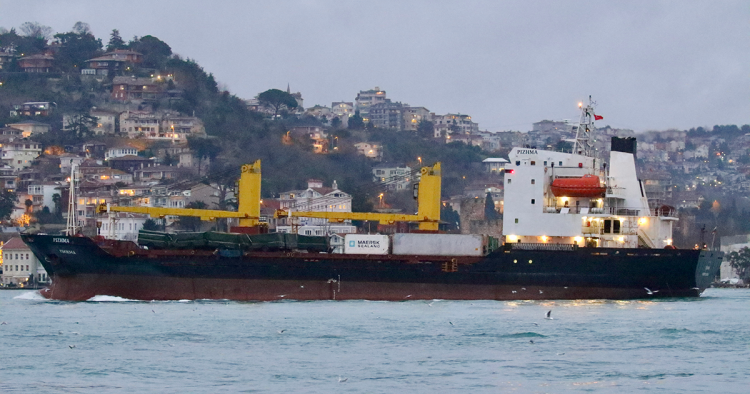
Turkey's role after the Black Sea grain deal collapse has become even more critical
During the 500 days since Russia’s invasion of Ukraine, the Middle East avoided a catastrophic food crisis, thanks in part to the Black Sea grain initiative. Russia’s decision to cancel that agreement is raising fears that the return of supply shortages and skyrocketing wheat prices could quickly plunge the most vulnerable countries of the region into crisis.
France’s Foreign Policy Towards Lebanon and its Discontents
MEI U.S.-Lebanon Fellow Fadi Nicholas Nassar is joined by Karim Bitar for a discussion on French foreign policy towards Lebanon. The pair focus on the current state of affairs in Lebanon, historical trends in French policy towards the country and the region, and more in the latest episode of Middle East Focus.
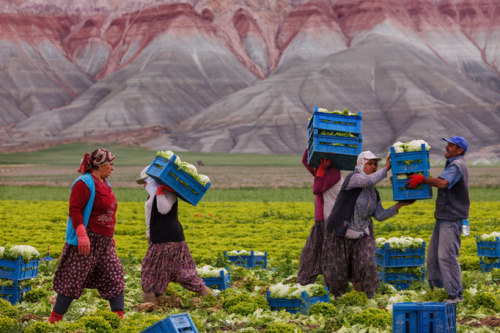
Climate Change Threatens Turkey’s Role as a Food Supplier to Europe and the Middle East
The persistence of high food inflation in Turkey belies a deeper problem. Turkish agrifood production cannot adequately cope with increasing water scarcity due to climate change. Challenging Turkey’s own food security, the growing crisis also threatens Turkey’s role as a food supplier to Europe and the Middle East. Regional food supply chain breakdowns due to a decline in Turkish production would create a debilitating economic impact on both regions.
5 ways the US, Europe can push for Israel-Arab environmental cooperation – opinion
Environmental challenges are creating new priorities for countries in the Middle East and the Mediterranean and increasing cross-border cooperation – including between Israel and Arab countries. Such cooperation can assist in tackling climate change through a regional and global lens, can foster regional stability, maintain and expand circles of peace and normalization, and increase prosperity and economic development.
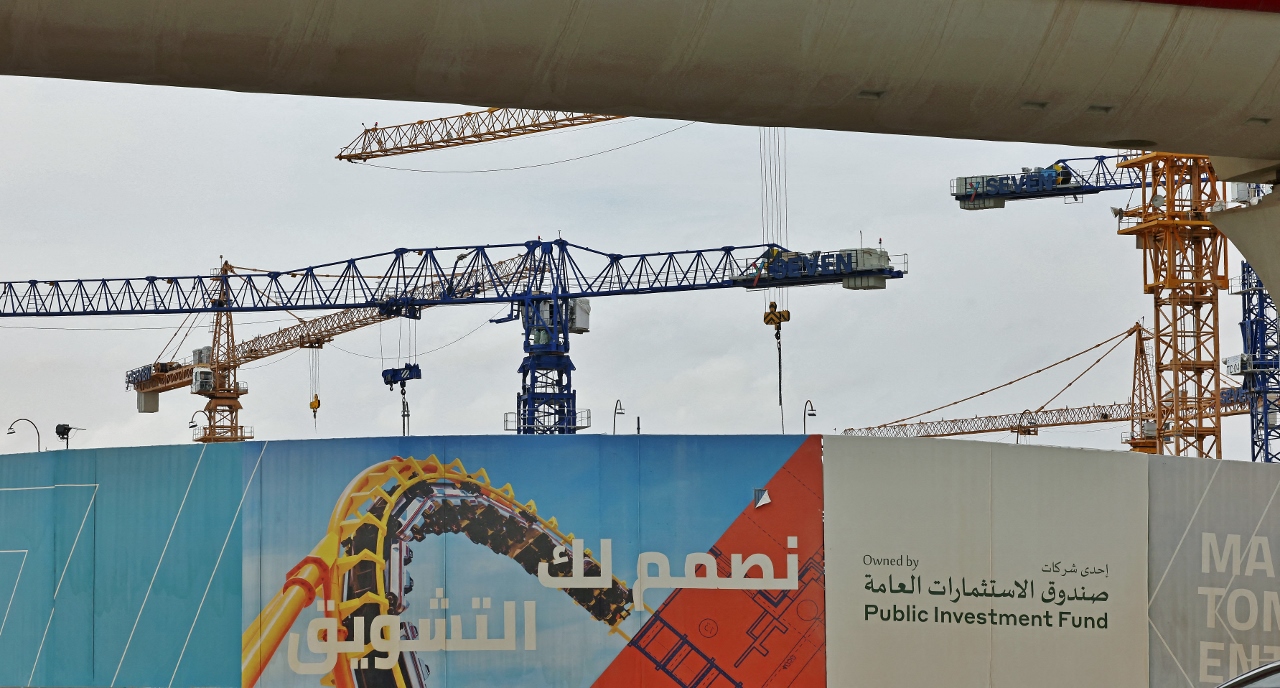
The new wave of dealmaking by Gulf sovereign wealth funds
For resource-rich countries such as Gulf oil and natural gas producers, sovereign wealth funds have emerged as promising tools to save for future generations, mitigate the effects of outsized economic shocks, and/or be deployed as reserve investment and strategic development funds to spend on human, natural, social, and physical capital.
In North Africa, Startups and NGOs Drive Local Innovation. What Is Missing?
Innovation is often cited as the prerequisite for development, growth, and prosperity. New ways to improve on existing practices and approaches, curiosity, and the ability to carry that forward into new ideas, discoveries and inventions help economies thrive, populations develop, and lives prosper. In the North African context, innovation is charting an uneven course. This human ability to improve, build, and innovate is at times fed by state institutions or hindered by them.
After Jenin, the US should invest more in improving Israeli-Palestinian relations and advancing peace
Since the current Israeli government was established in December 2022, Israeli-Palestinian escalation has seemed inevitable. Tensions have steadily mounted and if that trend continues unchecked, a wider and more significant flare up might eventually happen. Given the worrying trajectory, the U.S. needs to get more involved.
سورية التي أسست للخلاف بين قوات فاغنر والحكومة الروسية
لم يكن تمرد مجموعات فاغنر العسكرية على الحكومة الروسية ووزارة الدفاع وقادتها العسكريين مفاجئاً، خاصة في الفترة الأخيرة من الحرب الروسية الأوكرانية مع الظهور المستمر لزعيم تلك القوات يفغيني بريغوجين، الذي تكرر ظهوره خلال الأشهر الماضية منتفداً تارة ومهدداً تارةً أخرى للقادة العسكريين الروس، بسبب ما قال إنه نقص في الذخيرة والمعدات المقدمة لقواته على جبهات أوكرانية وخاصة باخموت، ما تسبب بمقتل العشرات من قواته على مدار الفترة الماضية.
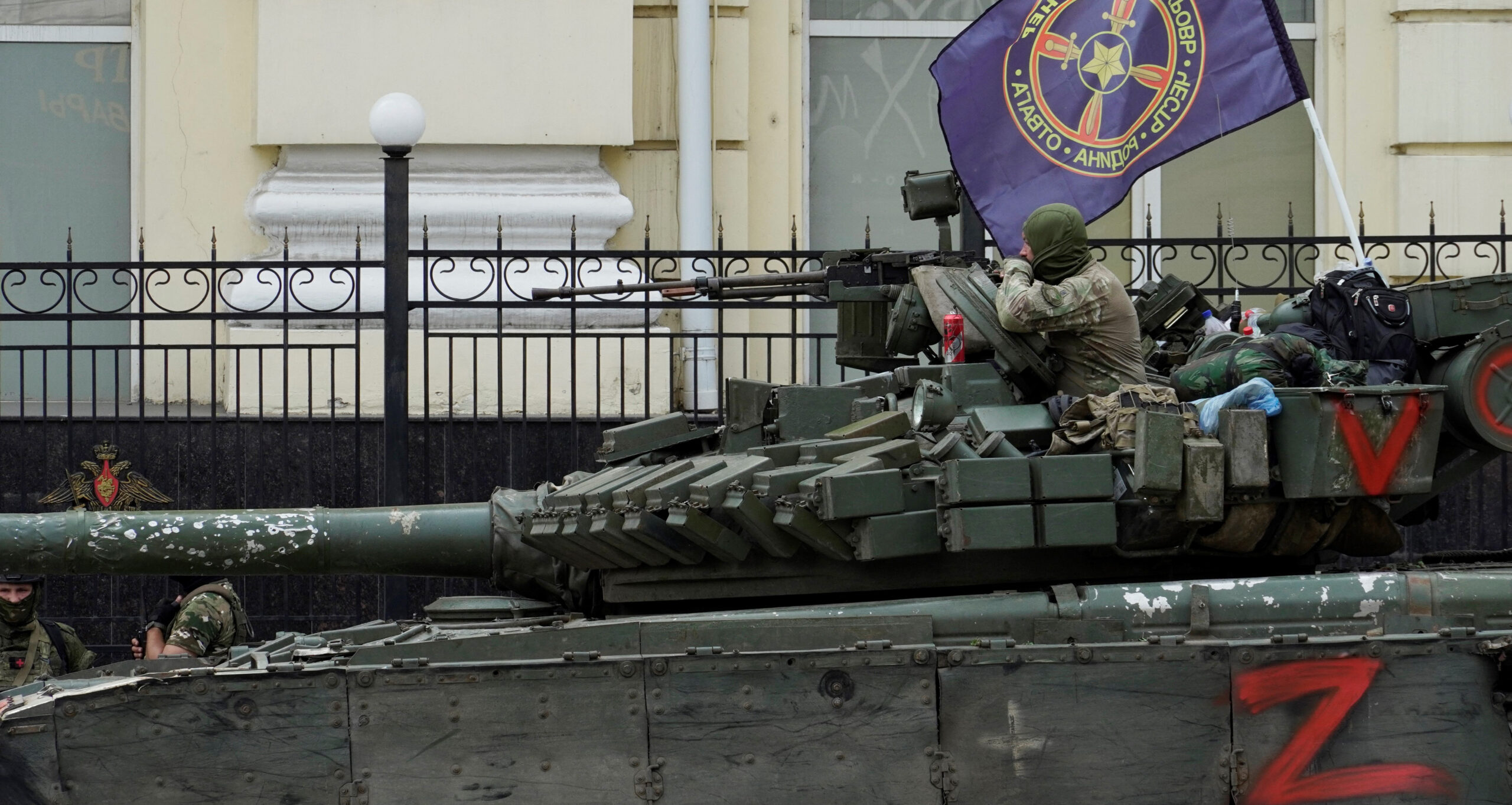
Syria is where the conflict between Wagner and the Russian government began
The conflict between the Wagner Group and the Russian government was not born out of the full-scale invasion of Ukraine, though the war there caused the rift to widen and tensions to explode publicly in the form of an armed rebellion. Instead, the discord actually started in Syria back in 2017 and has intensified since then.
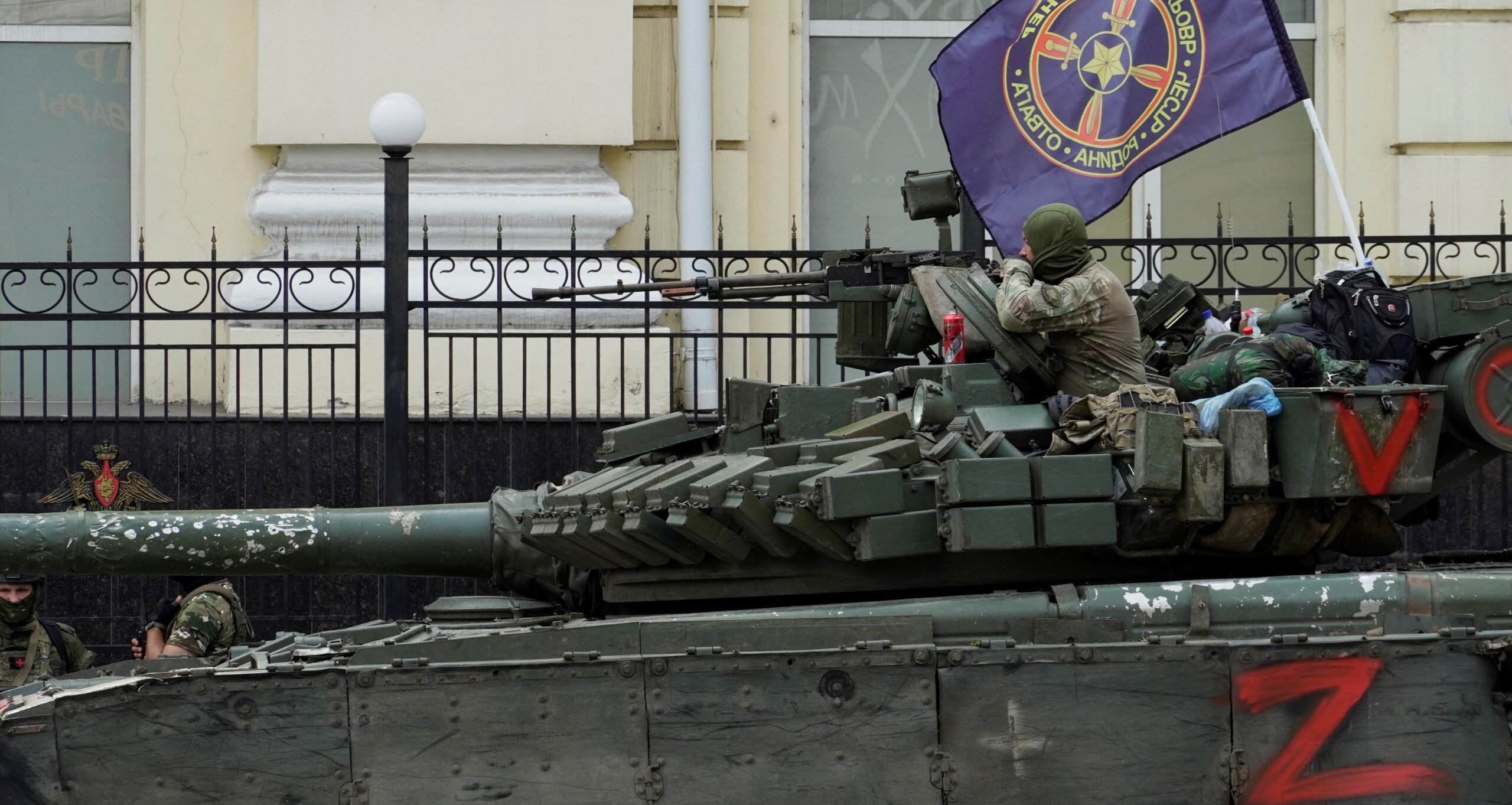
Jenin’s Freedom Theatre rises from the ashes once again
The Freedom Theatre, headquartered in the Jenin Refugee Camp that was invaded once again by the Israel Defense Forces last week, is nothing if not a crucible for the Palestinian experience. Up against grinding poverty, occupation, religious extremism, and, more recently, aerial bombardment, the theater miraculously survives.
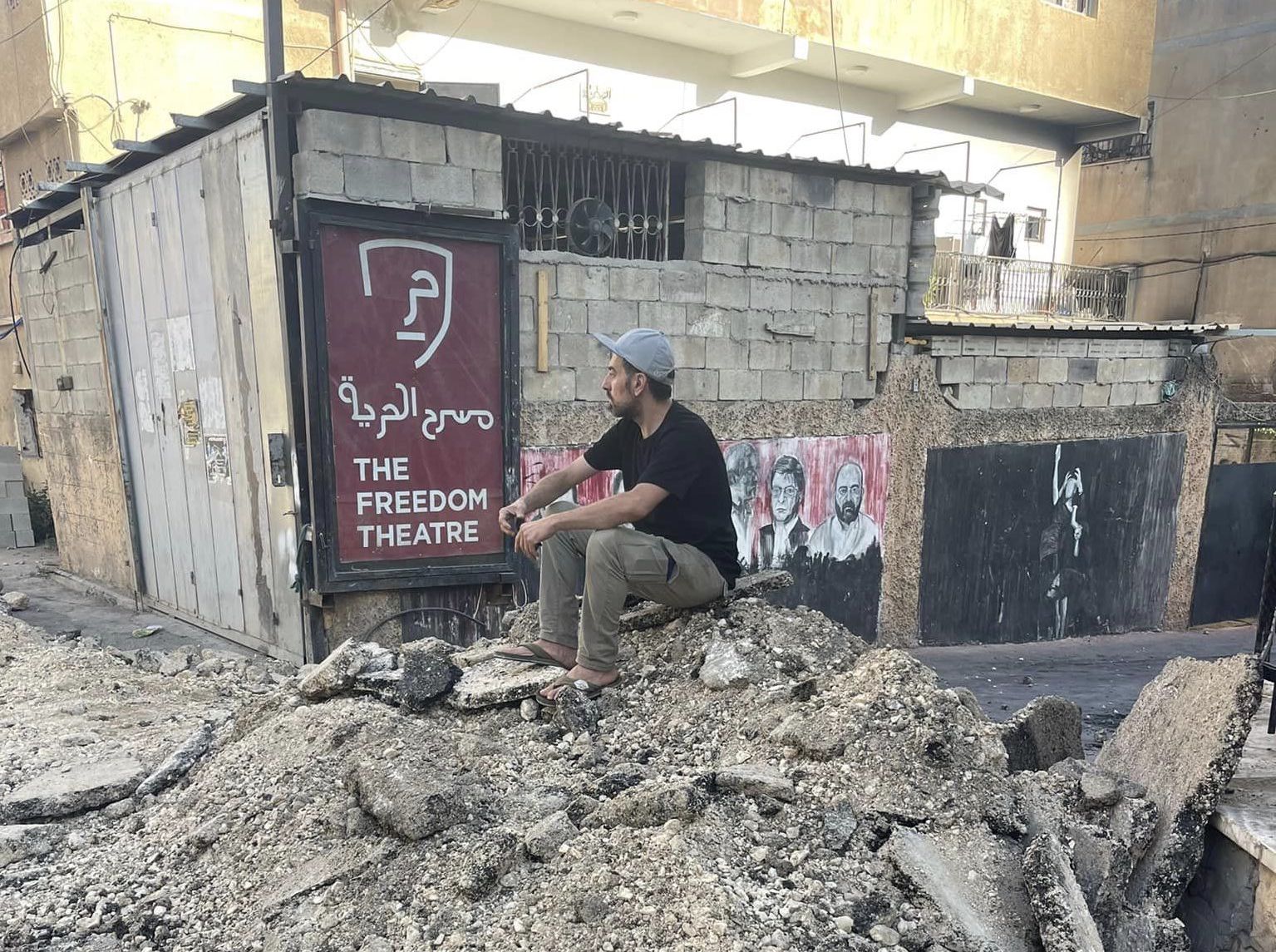
The UN Syria cross-border aid mandate is dead. What comes next could be a catastrophe
Northwestern Syria is home to the world’s most acute humanitarian crisis. The prospect of the Assad regime being able to exert all control over what aid goes into the area is unconscionable.