The Biden Administration and the Middle East: Policy Recommendations for a Sustainable Way Forward
In a new policy briefing book, entitled The Biden Administration and the Middle East: Policy Recommendations for a Sustainable Way Forward, MEI scholars tackle a large number of country-specific and region-wide issue areas, laying out both the abiding U.S. interests and specific recommendations for Biden administration policies that can further U.S. interests amid a region in turmoil.
Election 2020: Challenges and Opportunities for US Policy in the Middle East
In a new briefing book released ahead of the U.S. elections in November, entitled Election 2020: Challenges and Opportunities for US Policy in the Middle East, MEI scholars lay out key issues across the region, highlight the U.S. interests at stake, and provide policy insights and recommendations for the path forward.
Holding long overdue elections for the Palestinian presidency and the legislative arm of the Palestinian Authority could be a step toward redressing the Fatah-Hamas conflict.
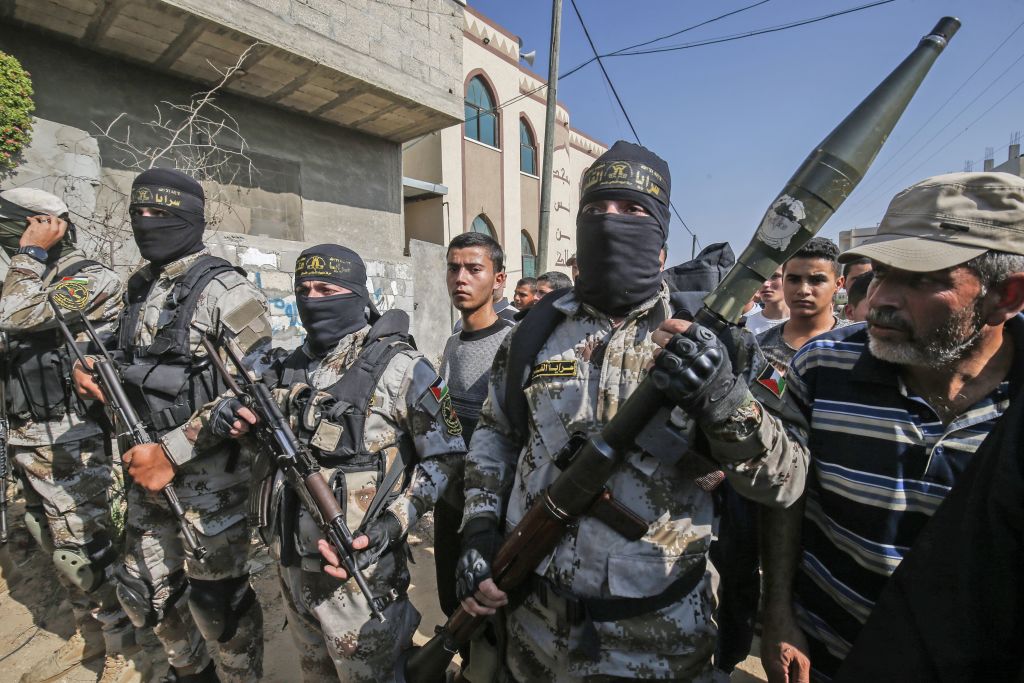
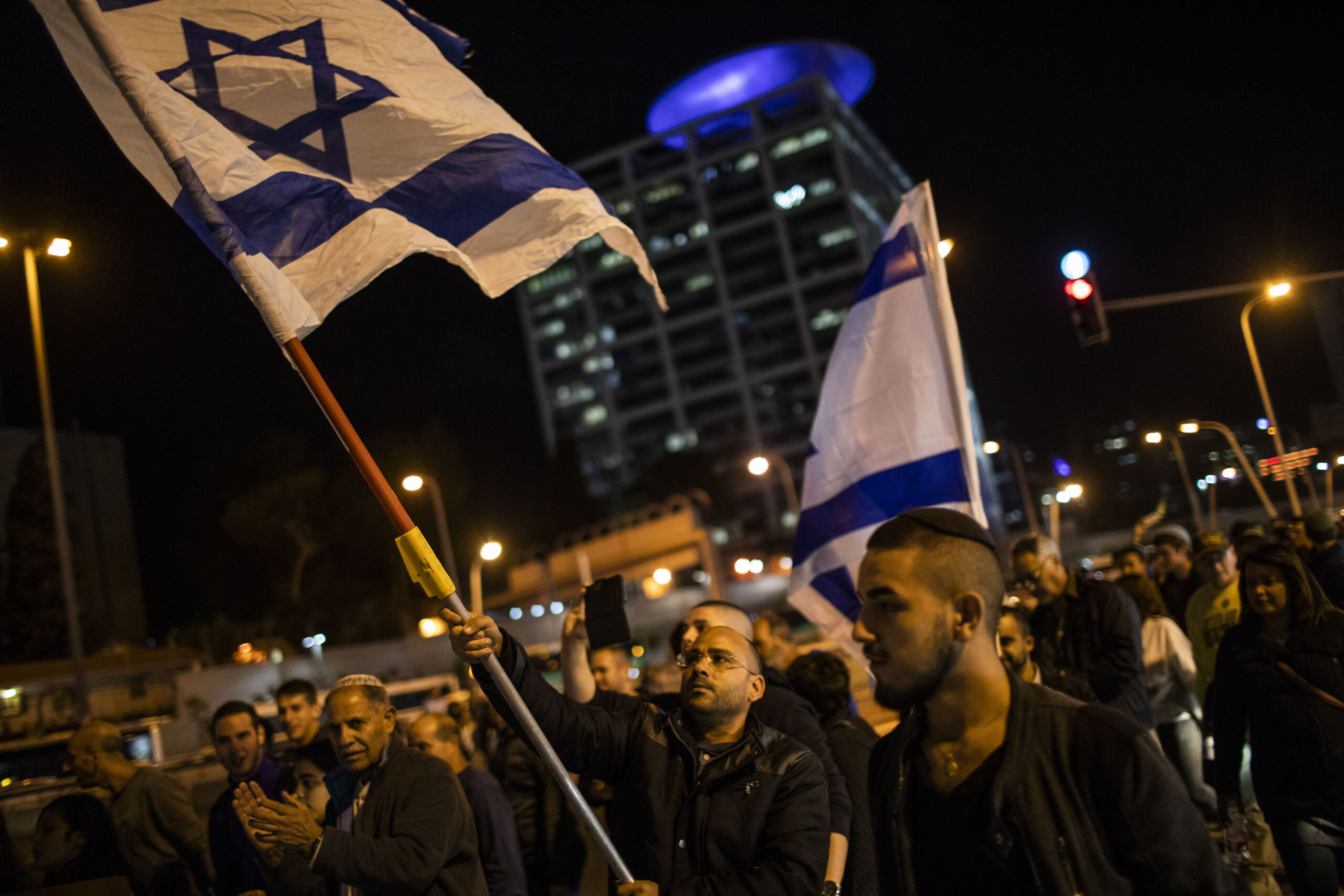
A Nov. 12 Israeli airstrike on the Gaza Strip killed Baha Abu al-Ata, a commander with the Palestinian Islamic Jihad (PIJ) militant group. Over the ensuring 48 hours, the PIJ launched some 450 rockets from Gaza into southern and central Israel. Hamas, the Palestinian political party/militant group that acts as the de facto government of Gaza, stayed out of the fighting — despite relatively high civilian casualties and the killing of one of its fighters.
There Is No "Status Quo": Drivers of Violence in the Israeli-Palestinian Conflict
The Israeli-Palestinian conflict remains a destabilizing element in an already volatile Middle East. The Palestinians are too weak to wrest their independence from Israel. But as long as their right to self-determination is denied, they are likely to engage in regular violence targeting Israel. Absent outside intervention, Israel is powerful enough that it can suppress Palestinian demands for freedom — but it is not able to completely pacify the Palestinians. Thus, the conflict continues, punctuated every few years by rounds of more significant violence.
Monday Briefing: Bahrain workshop is little more than a kabuki show
In this week’s Monday Briefing, MEI experts Gerald Feierstein, Guney Yildiz, Nathan Stock, Elizabeth Dent, and Eran Etzion provide analysis on recent and upcoming events including this week’s Bahrain “workshop” on Palestine’s economic development, an opposition victory in Istanbul’s rerun election, the release of a portion of the Trump administration’s Israel-Palestine peace plan, the fracturing of the Global Coalition to Defeat ISIS, and Tuesday’s trilateral meeting between the U.S., Israel, and Russia.
In this week’s Monday Briefing, MEI experts Robert S. Ford, Mirette F. Mabrouk, Nathan Stock, Marvin G. Weinbaum, and Jean-François Seznec provide analysis on recent and upcoming events including the government shakeup in Algeria, Egyptian President el-Sissi’s visit to Washington, rocket attacks from Gaza, Imran Khan’s war against poverty, and a $69 billion merger between Saudi Arabia’s oil and chemical giants.
The Egyptian/Qatari initiative has afforded breathing room for Gaza, while Hamas and Prime Minister Netanyahu have demonstrated a determination to avoid war, for now.
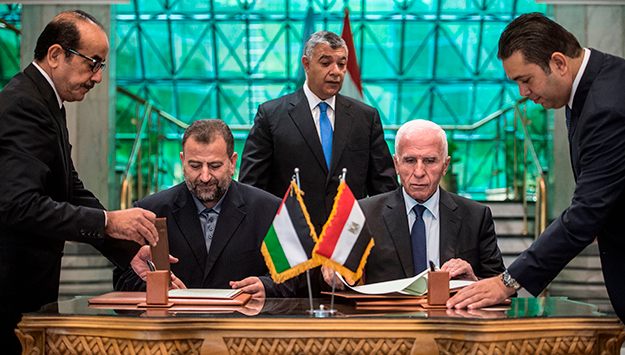
In this week’s Monday Briefing, MEI experts provide analysis on Fatah-Hamas reconciliation talks in Cairo, possible cooperation between the Syrian Democratic Council and the Assad regime, the protests in Iraq, the U.S.’s lifting of restrictions on aid to Egypt, and Imran Khan’s victory in the Pakistani elections.