The technical is geopolitical: Expanding US-UAE relations through AI
With AI development disproportionate attention is given to the world’s technological heavyweights, the U.S. and China, as they seek an innovative edge in their great power competition. But Gulf states like the UAE are also moving rapidly to invest in and adopt AI, with significant implications for bilateral relations. The momentum in both the U.S. and the UAE can be leveraged by anchoring further ideas for political, diplomatic, and military cooperation in the technical evolution of AI.
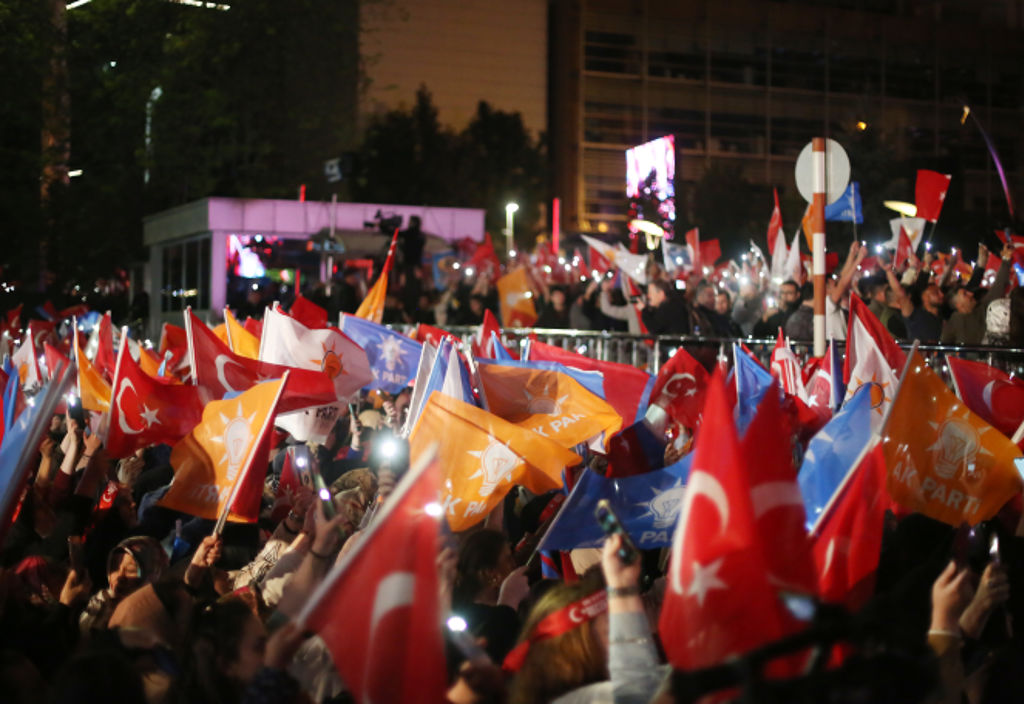
Turkish Election Watch: Preparing for a presidential run-off
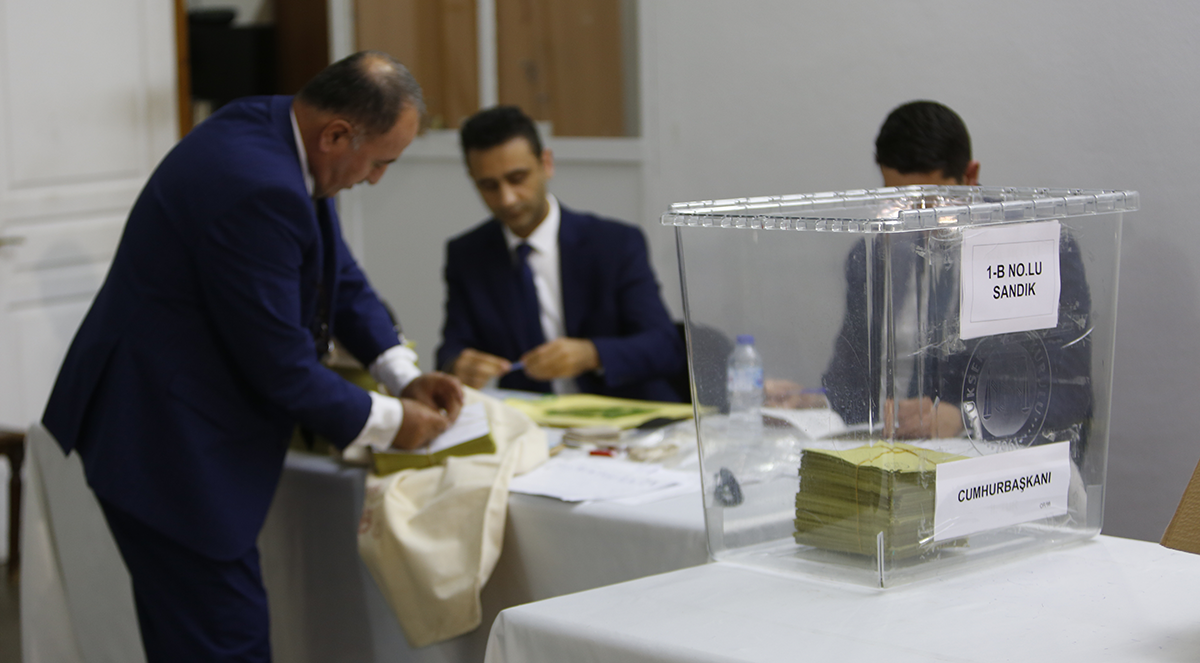
This week on Turkish Election Watch: The May 14 election results, the race to the right ahead of the May 28 run-off and Oğan’s endorsement of Erdoğan, and a closer look at the nature of the election.
The failure of partner-led, US-enabled policy in the Horn of Africa: The case study of Somalia
Rather than addressing the critical gaps in Somalia’s security, President Hassan Sheikh has chosen to prioritize nation-building over state-building, diverting scarce resources needed to stabilize areas liberated from al-Shabaab. The Biden administration has enabled President Sheikh’s nation-building project through its partner-led, U.S.-enabled approach.
Over the last two decades, the Mediterranean has become an important region. Many scholars, policymakers and analysts have mostly referred to this region from a nexus of security, geopolitics and traditional energy politics. With the war in Ukraine, the relevance of this whole region has increased along the same line. The Mediterranean today is home to some of the most enduring conflicts in the world. New energy resources are being discovered in disputed areas in an environment of intense geopolitical competition over regional leadership and energy routes within and beyond the region.
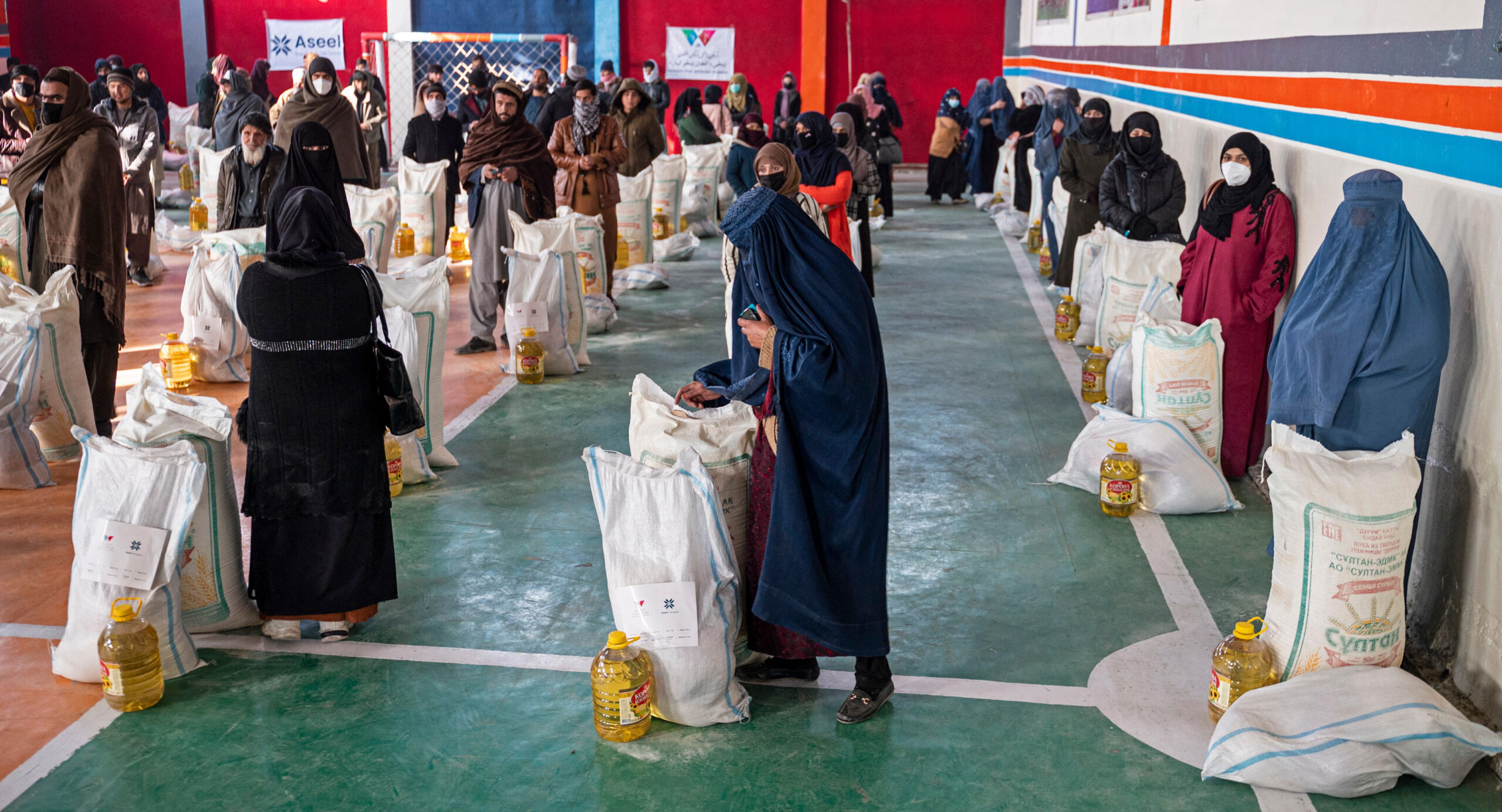
International institutions confront Taliban troubles
International leaders are struggling to manage a Taliban-ruled Afghanistan; they are torn between their commitment to alleviate Afghans’ suffering and their reluctance to legitimize a Taliban government that violates its people’s basic rights. Helping Afghans but not their new “de facto authorities” is a difficult balance for a diverse group of international actors with often divergent long-term interests.
On this week’s episode Alistair Taylor, MEI’s editor-in-chief, is joined by Mick Mulroy and Eric Oehlerich, Senior Fellows with MEI’s Defense & Security Program and the Co-founders of the Lobo Institute and End Child Soldiering, to discuss efforts to stop the recruitment and use of children in combat and rehabilitate former child soldiers. The use of child soliders is a widespread global problem that has a disproportionate impact on the broader Middle East, especially in Yemen, Syria, Sudan, and Somalia.
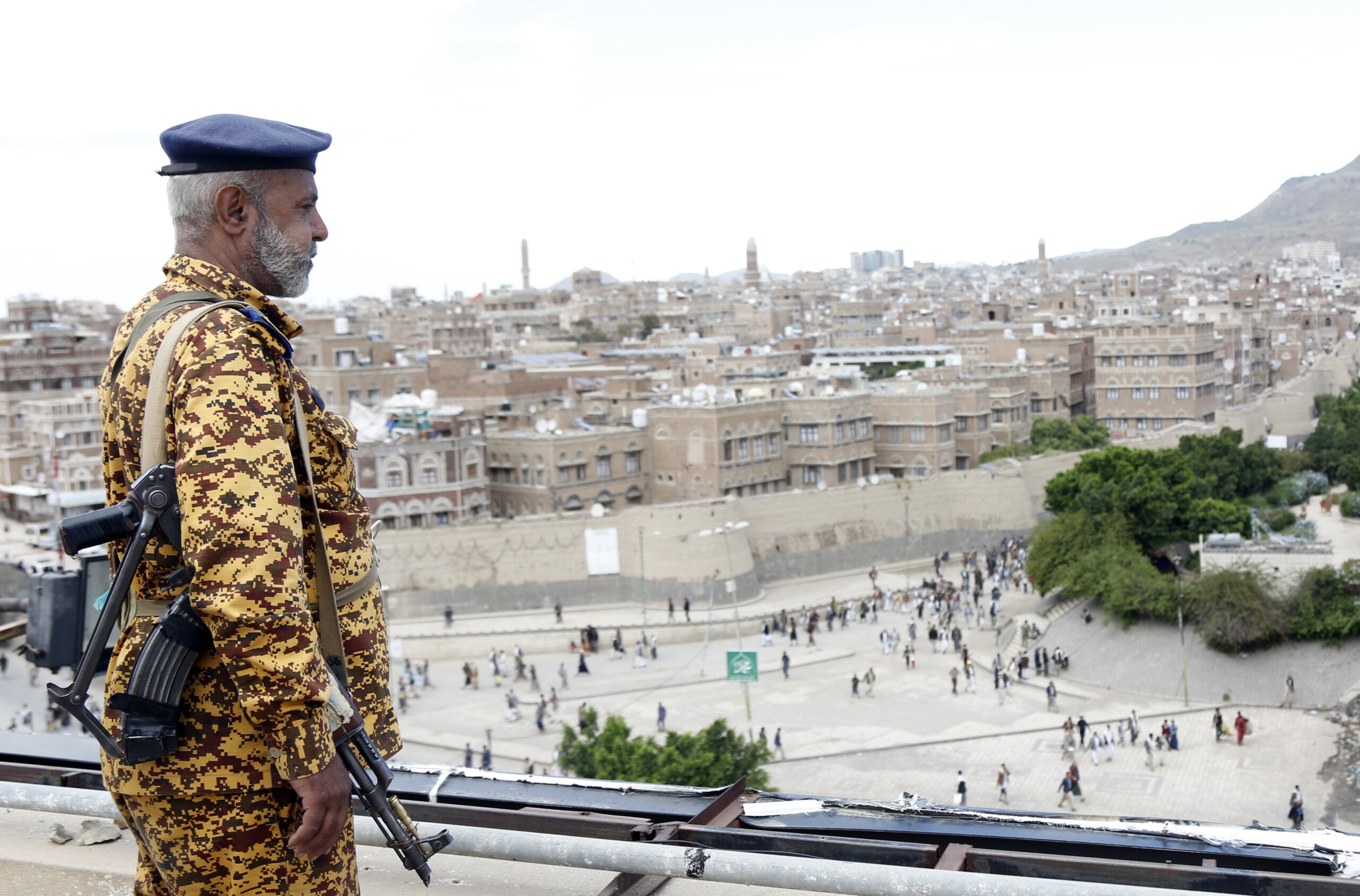
A Three-Part Formula to Persuade Armed Groups in Yemen to Respect Human Rights
During nearly a decade of grinding civil war in Yemen, nonstate armed groups and hybrid actors have proliferated on all sides of the conflict. Members of some armed groups have committed violations against civilians, including arbitrary detentions, forced disappearances, torture, land grabbing, extortion, and gender-based violence.
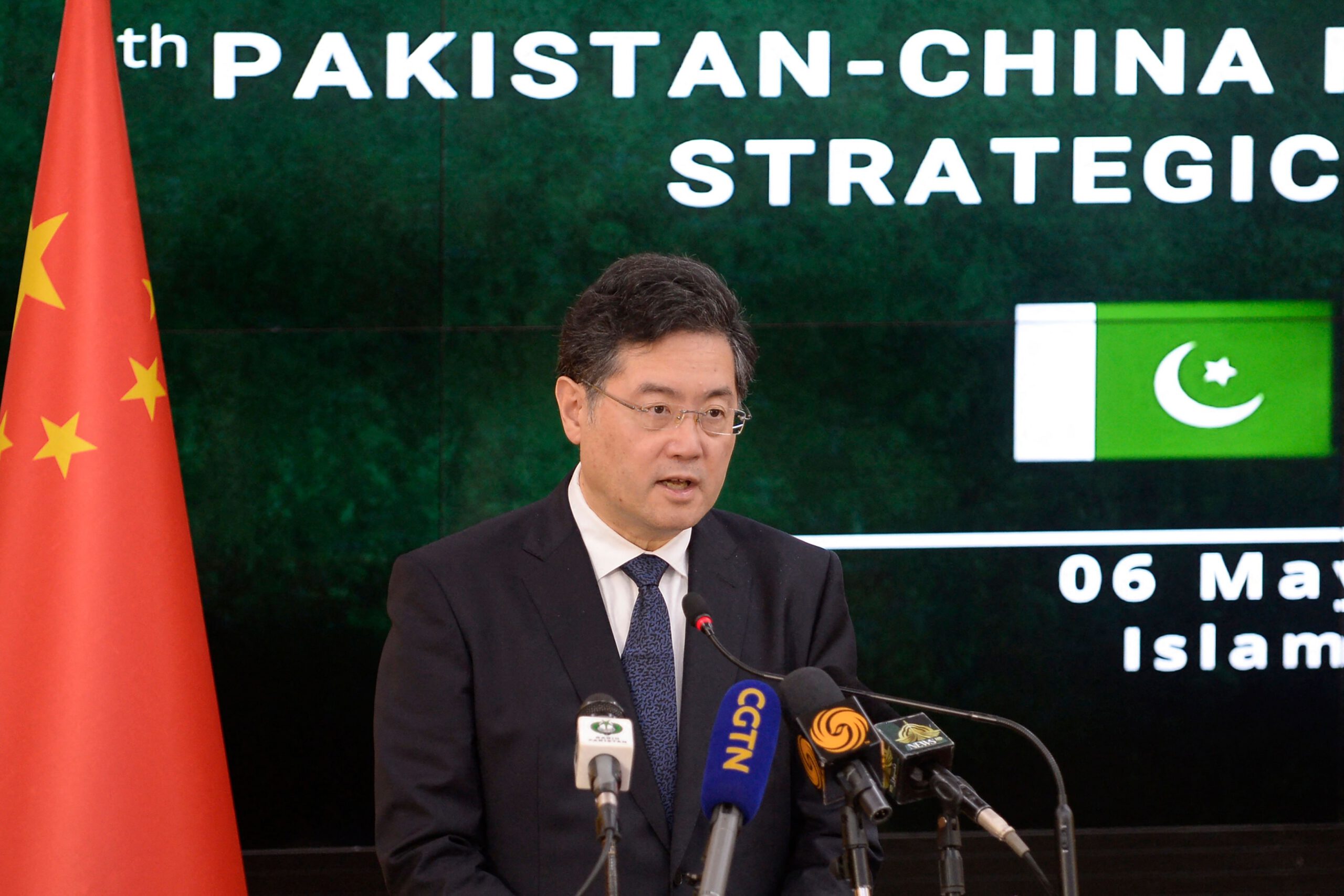
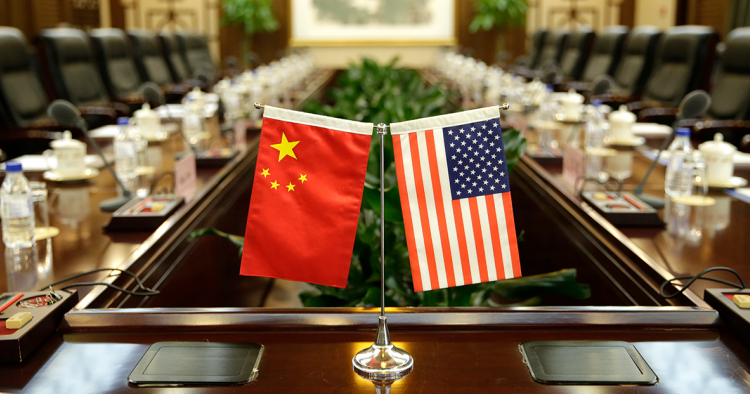
Managing US competition with China in the Middle East
US retrenchment in the Middle East was inevitable given America’s new global priorities, which centre on the Indo-Pacific and Europe. But this historic transition has brought with it strategic uncertainty and confusion, not just for Washington but also for US regional partners.
To effectively navigate this new contested environment in the Middle East, and more specifically, to address the issue of China’s encroachment into that vital part of the world, Washington needs policy clarity and shrewd management of its relations with its regional partners.
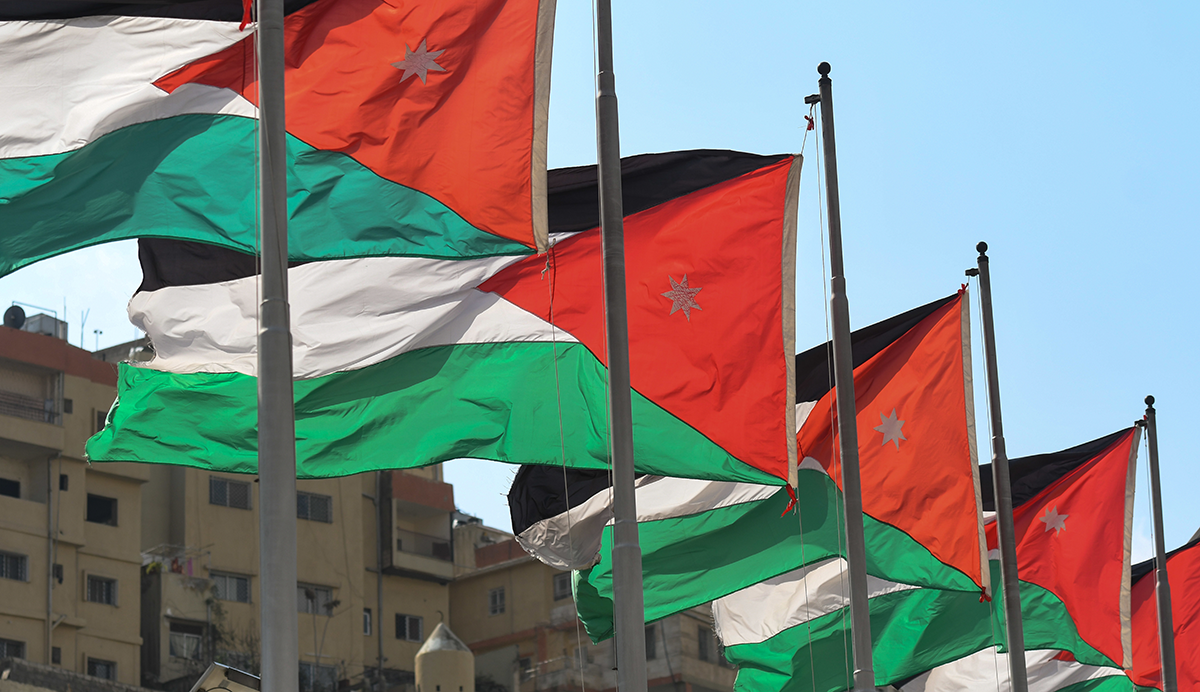
في السنوات القليلة الماضية، أصبح الدين العام الأردني مصدر قلق سياسي كبير للحكومة والمجتمع الدولي والمانحين الرئيسيين الذين يدعمون عمّان. فقد ارتفع الدين العام بشكل كبير خلال السنوات الخمس عشرة الماضية، مما أثار العديد من التساؤلات حول مستقبل الاستقرار الاقتصادي الكلي في الأردن، وقدرة الحكومة على تمويل مشاريع التنمية.