This individual is a guest contributor. MEI is not able to assist with contact requests.
Shahmahmood Miakhel is the Country Director in Afghanistan for the US Institute of Peace (USIP). Prior to that he was a Governance Advisor for the United Nations Assistance Mission in Afghanistan (UNAMA), and, from 2003–2005, a Deputy Minister of the Interior in the Government of Afghanistan. In 1994–1995 he worked for the United Nations Development Programme (UNDP) and United Nations Office for Project Services (UNOPS) in South and Southeast Afghanistan helping to establish District Rehabilitation Shuras (DRS). He also worked as a reporter for the Pashto service of the Voice of America from 1985–1990.
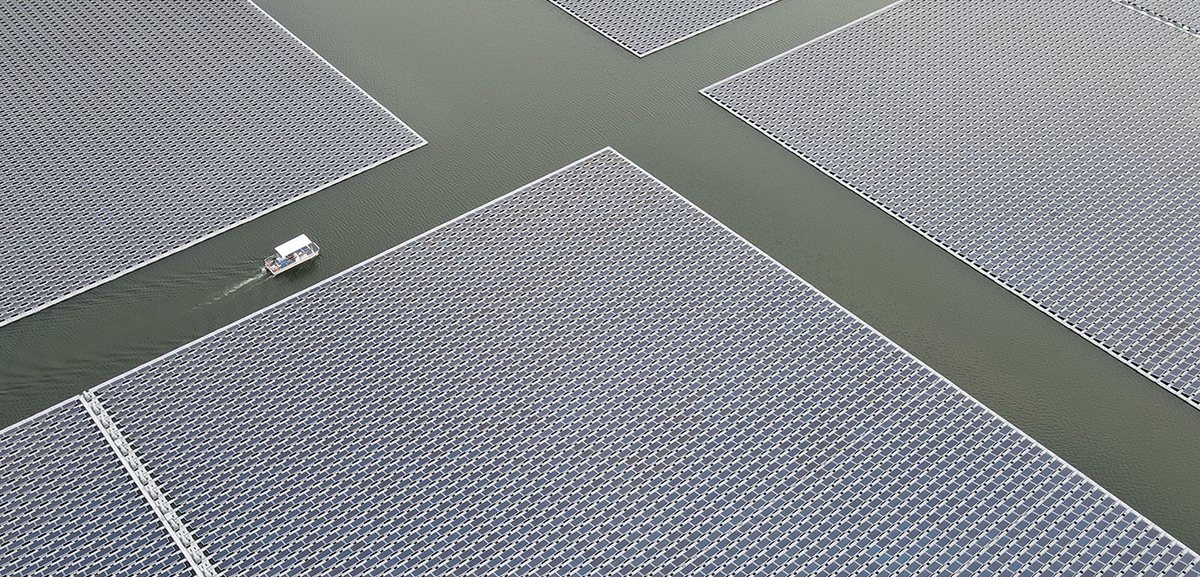
How floating solar farms can help the Middle East deal with water and power challenges
There is an emerging solar technology that is more efficient than the current photovoltaic solar farms and which also helps to save water by reducing evaporation. Floating solar farms can play a significant role in addressing the Middle East’s clean energy needs as well as mitigating its water shortages.
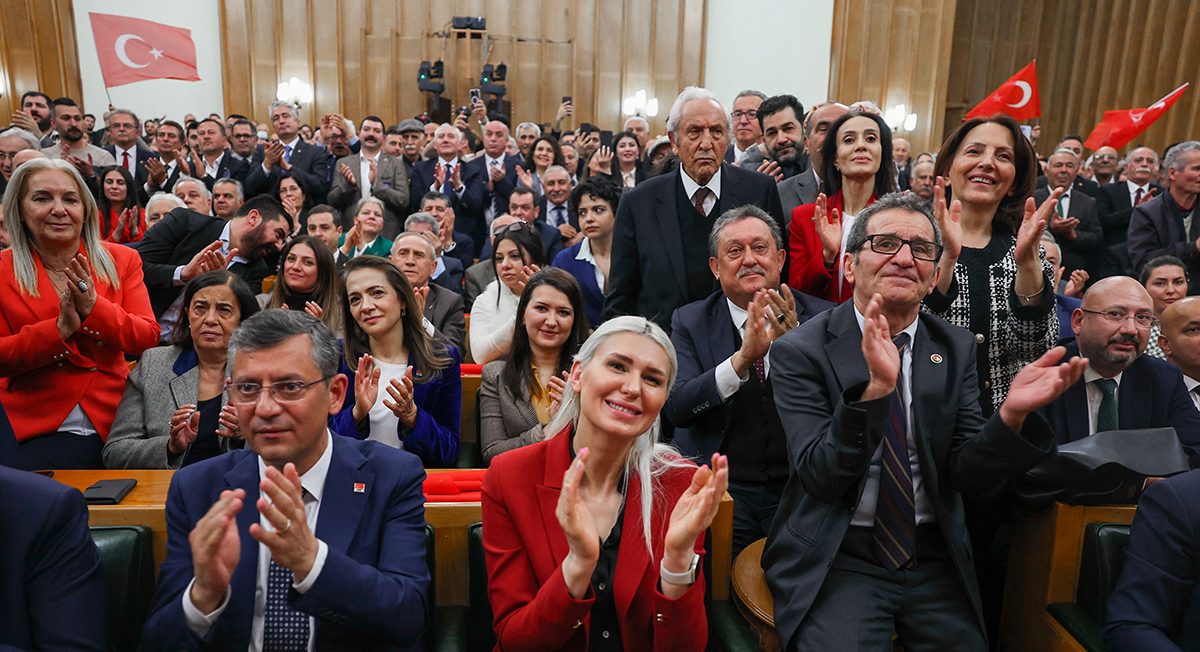
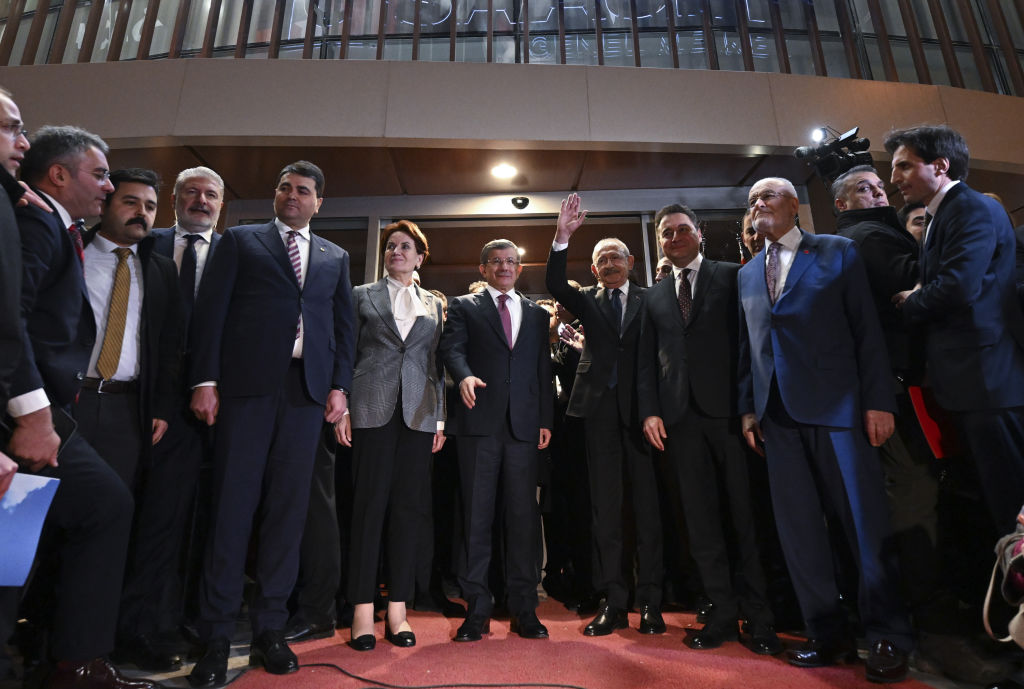
Turkey’s "Gandhi" sets his sights on strongman Erdoğan
The earthquake seems to have damaged the charismatic populist’s image. And voters may finally be ready for an uncharismatic man who promises to put things in order.
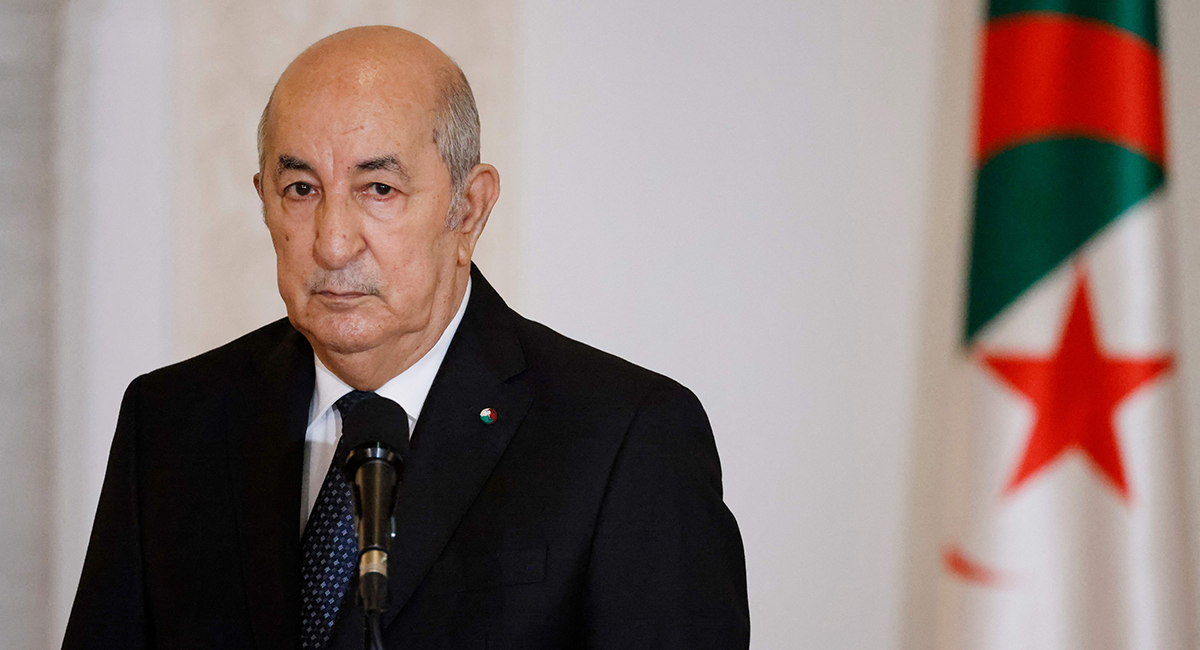
Algeria’s 2023 budget: President Tebboune’s make-or-break first-term project
On Dec. 25, 2022, Algerian President Abdelmadjid Tebboune signed the 2023 budget bill into law. The new finance law lays out unprecedented government spending of $98 billion, the largest state budget in Algeria’s history and a 25% increase from 2022 levels. It also provides clear insight into the authorities’ vision for the future and potential scenarios for Algeria’s direction on the economy and international relations.
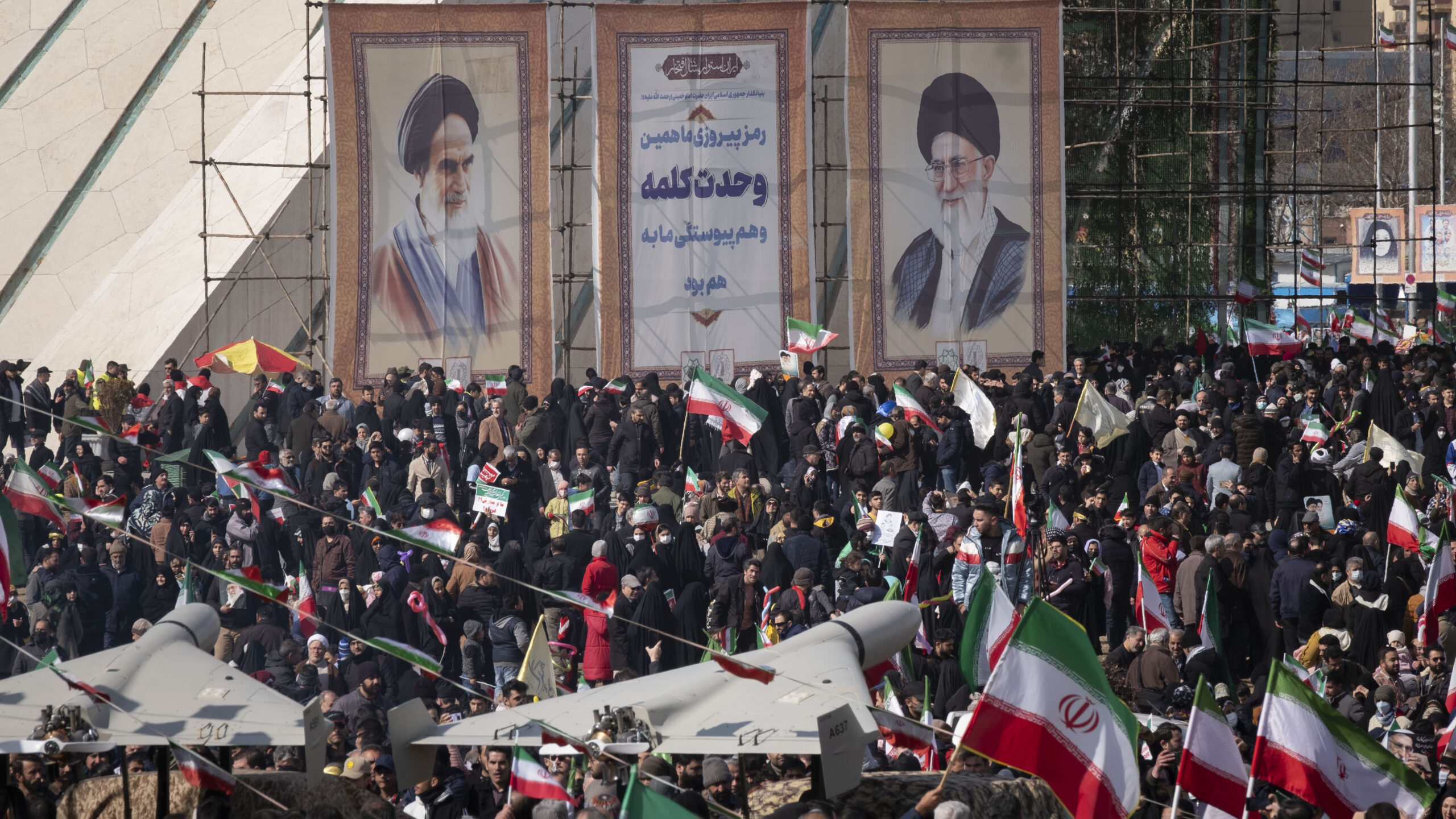
Iran’s Islamic Revolutionary Guard Corps Navy is converting two merchant container ships into vessels capable of carrying and launching combat drones against maritime or coastal targets. For now, Iran’s drone carriers are unlikely to pose a clear and present danger to the U.S., but they possess symbolic significance as a potential tool to defy American initiatives in the Middle East and respond to Israel’s attacks against Iran.
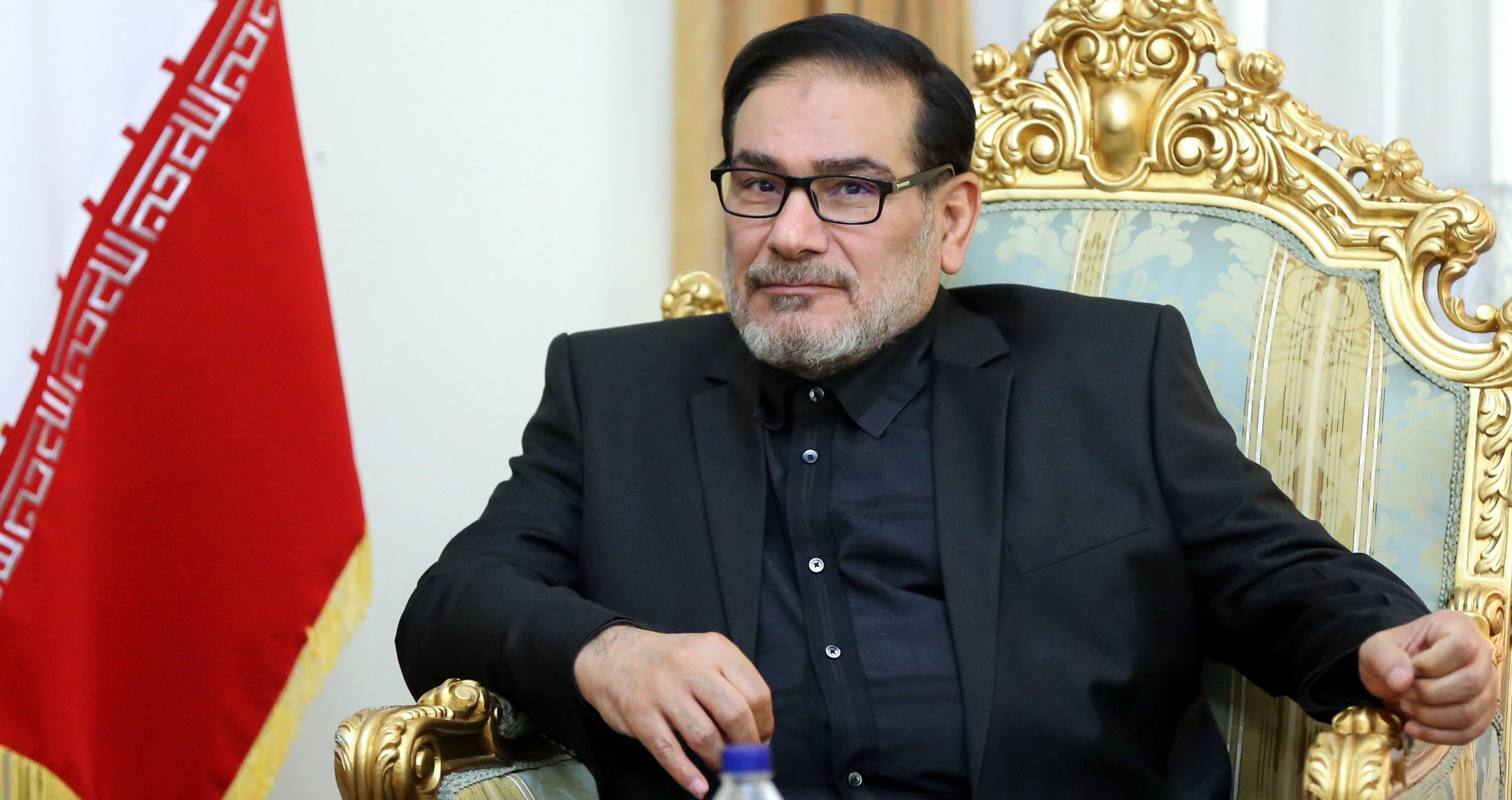
The race to replace Ali Shamkhani, Iran’s most palatable interlocutor with the West
Rear Admiral Ali Shamkhani has served for 10 years as secretary of the Supreme National Security Council, Iran’s top policymaking body in both domestic and foreign policy matters. A number of recent developments have aroused speculation that he could soon vacate his seat. Such a change would be an important signpost of how the Iranian establishment is posturing itself against the backdrop of continued revolutionary sentiment among significant segments of the population.
Art Dubai’s most ambitious iteration blends commerce and aesthetics
Art Dubai is so much more than an art fair. In this, its most ambitious iteration and 16th year, it promises to be both a cultural emporium and a litmus test for the global economy.
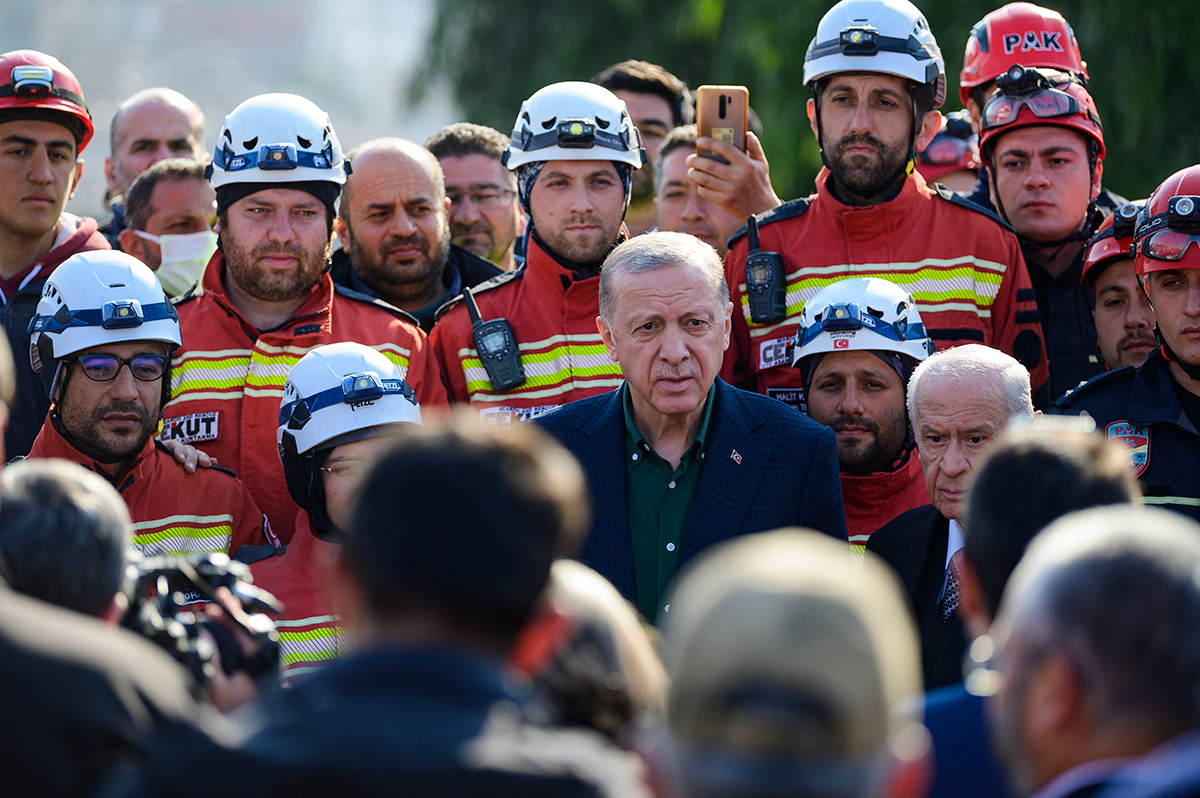
Turkey’s crisis management playbook: Donations, reconstruction, and inflation with an eye on elections
Turkey has suffered severely from the two major earthquakes on Feb. 6, 2023. The death toll is a record high, exceeding 45,000. Physical damage from the earthquakes will cost at least $20 billion. GDP growth will be 2.0-2.5% less than forecast before the disaster, adding nearly $20 billion. The combined economic losses due to damaged assets and slower growth expectations may end up being much higher than $40 billion when the government releases a detailed and reliable disaster loss report covering human resources.
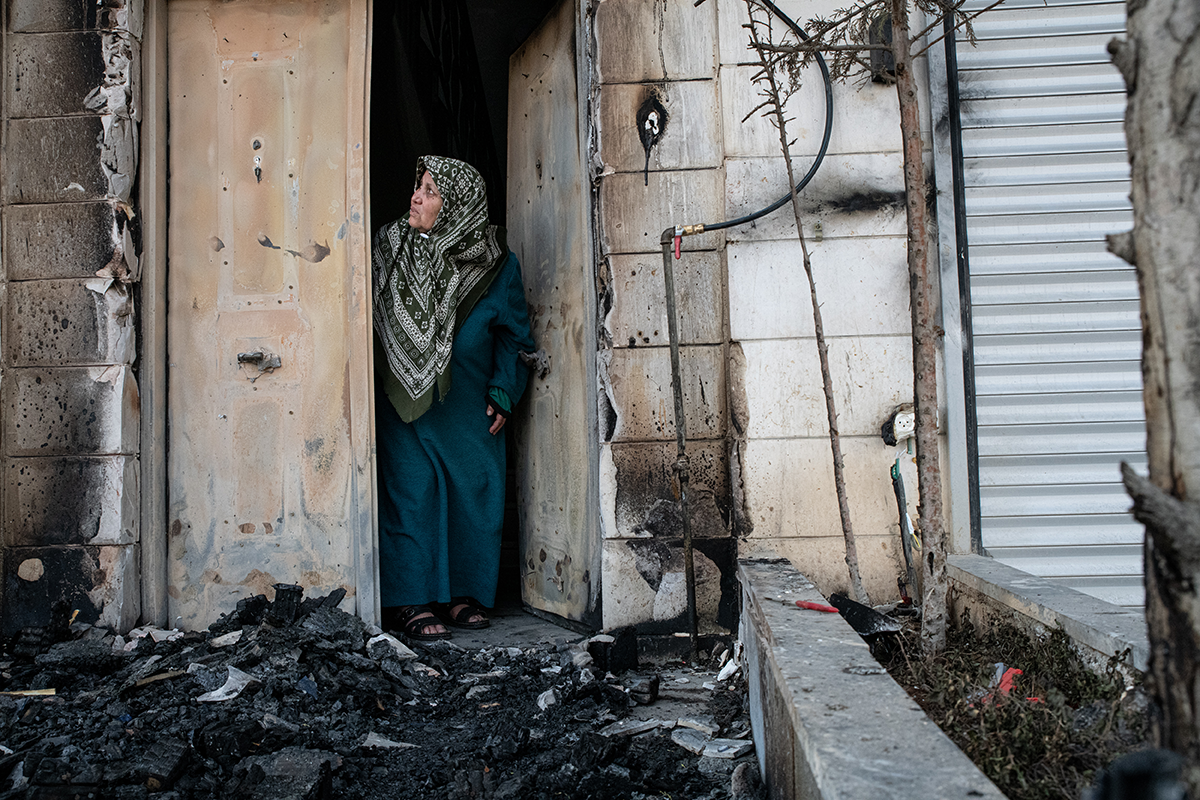
Aqaba agreement overshadowed by spiking violence in the West Bank
It was described as a “significant breakthrough” by a Jordanian official, while Jordan’s Foreign Minister Ayman Safadi said the agreement would ‘’de-escalate violence” if implemented, but just as the details of the one-day security meeting in Aqaba, on Feb. 26, were being announced, it became apparent once more that a rare attempt to bring Israeli and Palestinian officials together, in a bid to contain a spike in violence that was quickly getting out of control, was ill-fated.
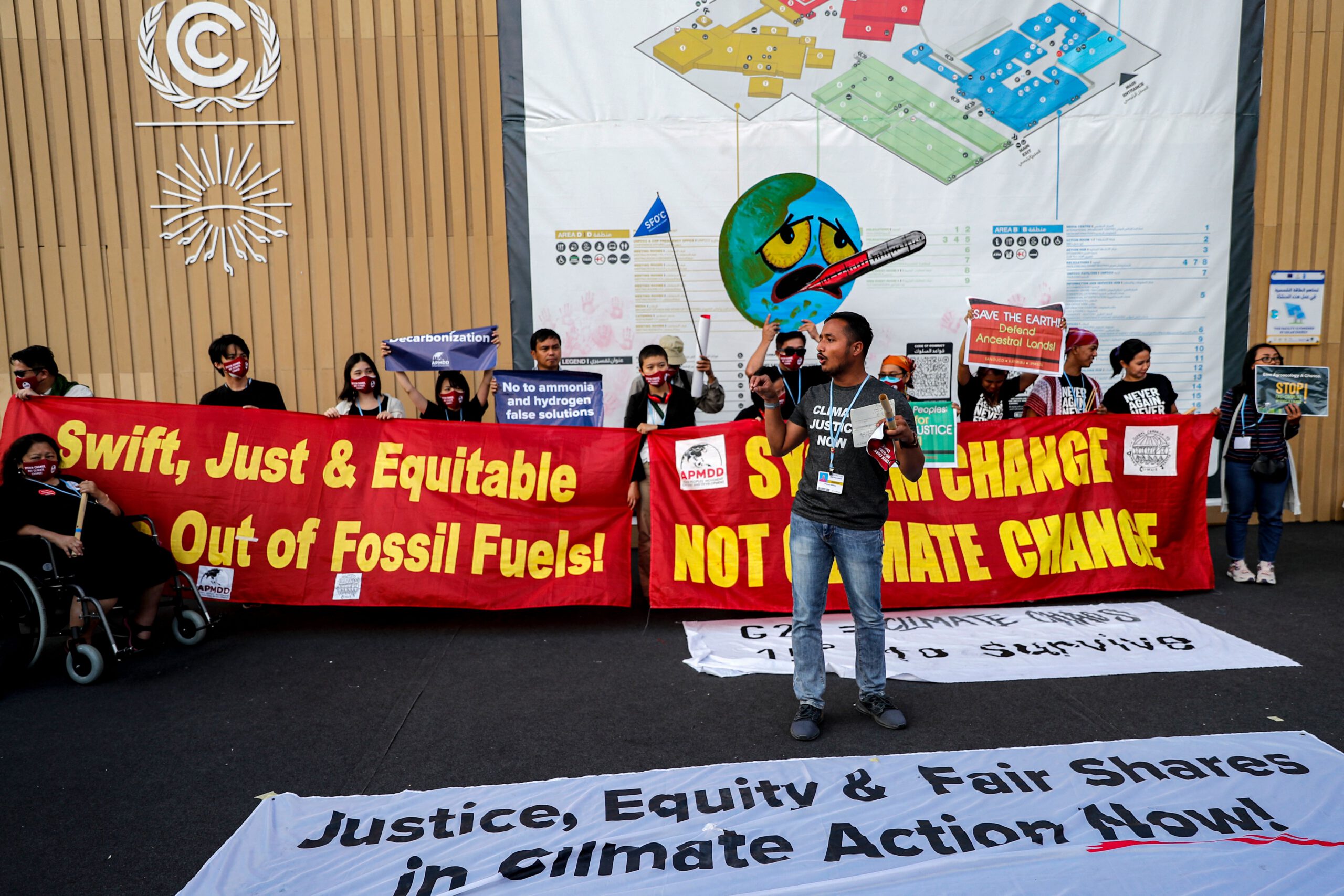
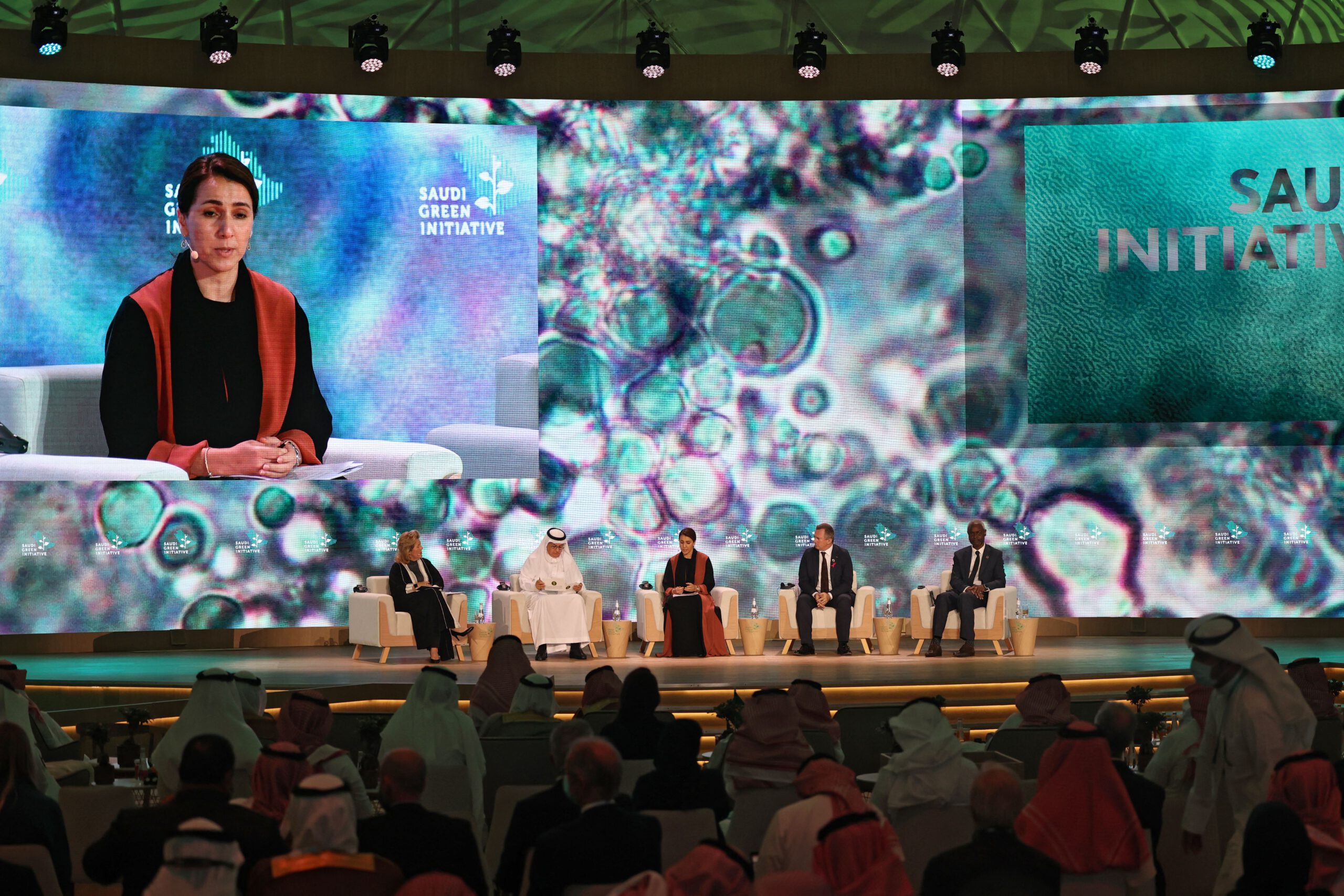
The Gulf Arab states, while major oil and gas producers, can play a significant role in supporting global efforts to achieve net-zero goals. They are not only endowed with great potential for renewable energy resources as well as some of the world’s lowest carbon content fuels, but also with, to varying extents, sizable financial resources. Yet, to unlock such huge potential, the Gulf Arab states will need to systematically identify and address the various challenges in their path to net zero.
Defending submarine cables in the Black Sea: A challenge for NATO and the region
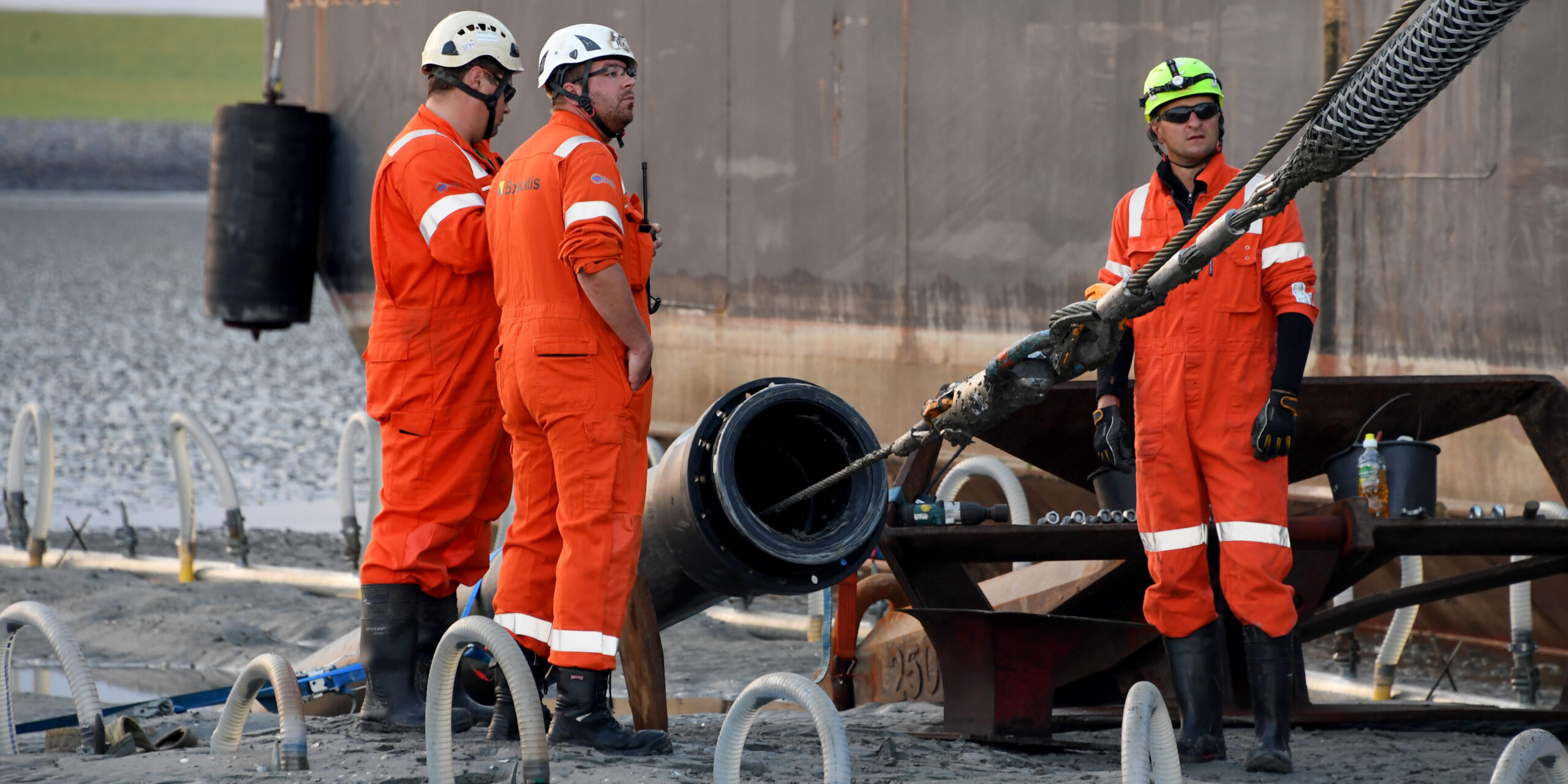
As fighting rages on in Ukraine, crucial submarine communication cables in the Black Sea could be in danger of disruption. Not only have risks of accidents grown with the increase in regional naval activity, but deliberate attacks on these cables follow the Kremlin’s modus operandi of targeting critical infrastructure below the threshold of war. Black Sea states need to more resolutely protect submarine cables, either within the format of NATO or novel regional frameworks.
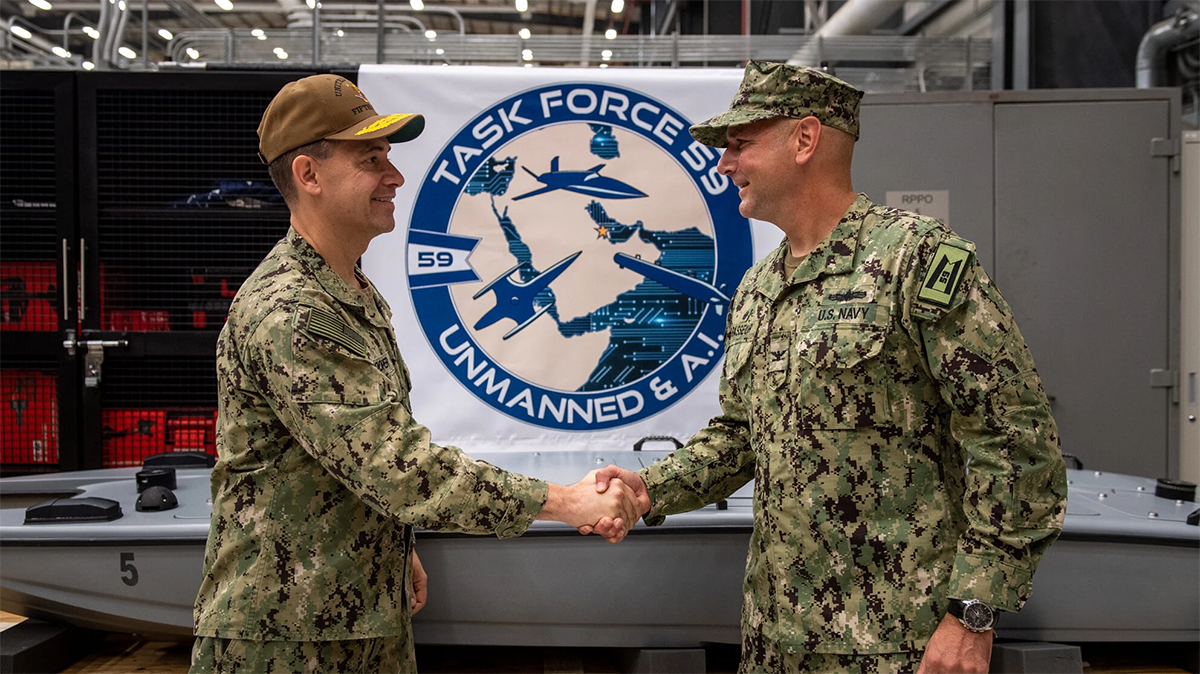
What NAVCENT’s Task Force 59 needs to be a true success
The Middle East is proving to be a test-bed for military innovation that could be incredibly helpful for other priority regions such as the Indo-Pacific, write Jasmin Alsaied and Bilal Saab of the Middle East Institute.
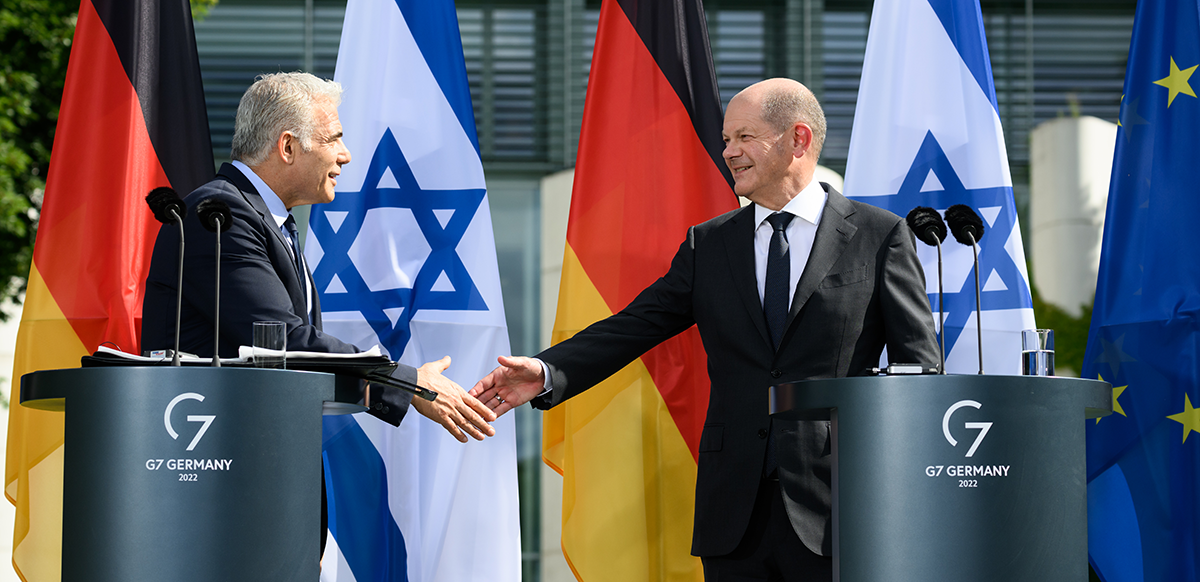
The German "Zeitenwende" still goes unnoticed in Israel
Although Germany and Israel maintain a close partnership, the German “Zeitenwende” has not yet been perceived there. Dr. Nimrod Goren outlines a German-Israeli partnership oriented towards democracy and peace.