This individual is a guest contributor. MEI is not able to assist with contact requests.
Shahmahmood Miakhel is the Country Director in Afghanistan for the US Institute of Peace (USIP). Prior to that he was a Governance Advisor for the United Nations Assistance Mission in Afghanistan (UNAMA), and, from 2003–2005, a Deputy Minister of the Interior in the Government of Afghanistan. In 1994–1995 he worked for the United Nations Development Programme (UNDP) and United Nations Office for Project Services (UNOPS) in South and Southeast Afghanistan helping to establish District Rehabilitation Shuras (DRS). He also worked as a reporter for the Pashto service of the Voice of America from 1985–1990.
US Military Aid to Egypt Should Transcend Politics
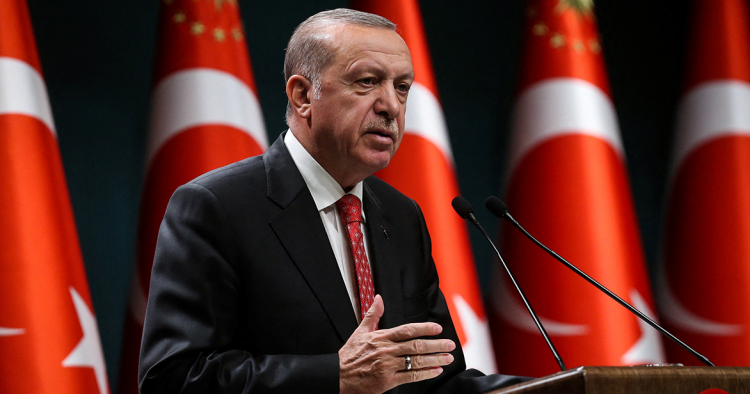
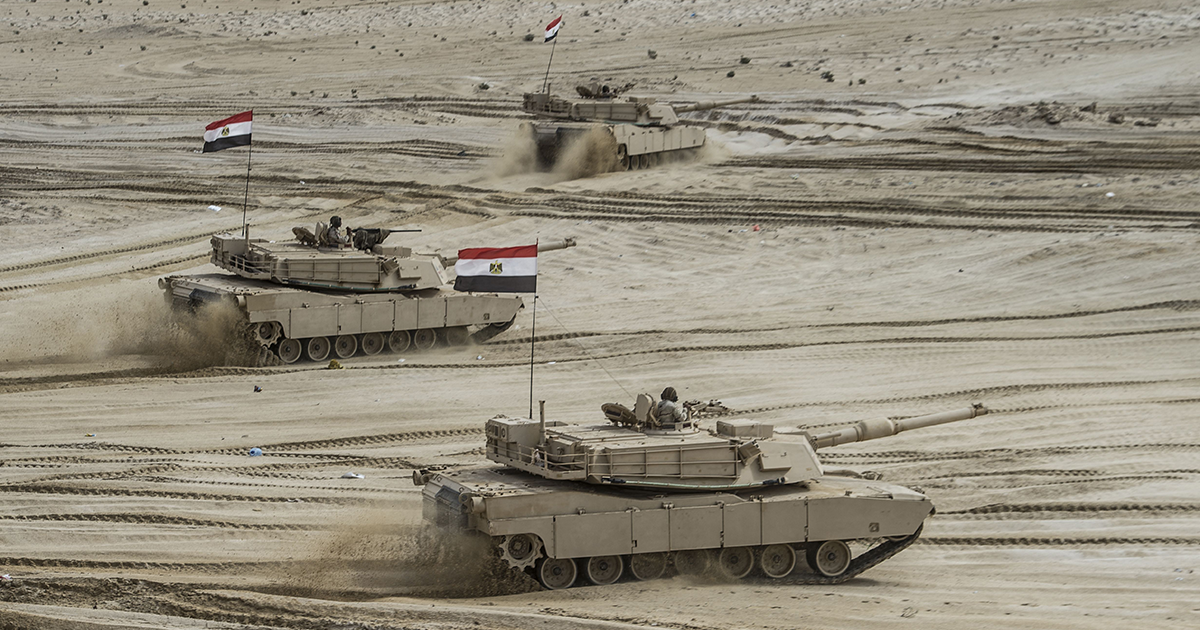
It is advantageous for the United States to maintain its military aid to Egypt without implementing slight reductions that may not influence Egypt’s policies on homeland security or defense against foreign threats.
Defense Rapid Reaction: The Biden administration’s new Conventional Arms Transfer policy
Last week, the Biden administration released its new Conventional Arms Transfer (CAT) policy. The new CAT policy emphasizes human rights and strategic competition with China. In the latest installment of the Defense Rapid Reaction series, experts from MEI’s Defense & Security Program provide their views on what the new CAT policy means and how the historical tension between human rights and national security might play out in U.S. policy toward the Middle East.
Challenges new and old: The myriad economic issues affecting MENA through the lens of public opinion
For more than a decade, policymakers in developing countries in MENA have been confronted with high inequality, low growth, rising poverty, and high youth and female unemployment. They now face new challenges as well. This note briefly identifies some of the most important issues affecting the region, relates them to the results of a recent survey of 12 Arab countries carried out by Arab Barometer, and suggests some pathways out of the current quagmire.
Atmospheric rivers play an important role in the movement of water through the atmosphere and can release that water at magnitudes capable of producing extreme weather and flooding. But what are atmospheric rivers exactly? And how do they behave in relation to current climate change in the MENA region? MEI’s Mohammed Mahmoud and Raha Hakimdavar are joined by Dr. Amin Dezfuli to discuss these questions and more.
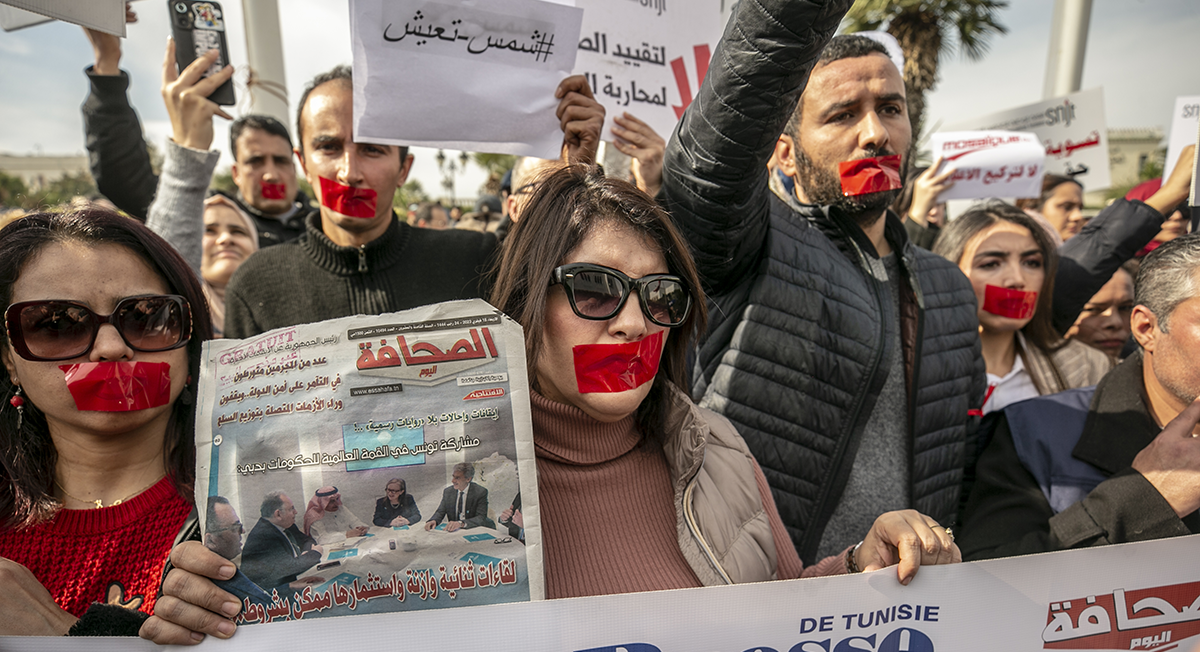
يستمر النظام الحكومي الحالي في تونس، وفقاً لجميع المؤشرات، في الابتعاد أكثر فأكثر عن الشكل الديمقراطي الليبرالي الذي تصوره دستور عام 2014. ويصدق هذا بشكل خاص في الفترة التي أعقبت 25 يوليو/تموز 2021، بعد أن علق الرئيس قيس سعيد عمل البرلمان وتولى كامل السلطات التنفيذية والتشريعية. ومع ذلك، فإن التحليلات التي تركز فقط على سعيد تغفل بعض الاتجاهات الاجتماعية والسياسية الأوسع نطاقًا التي كانت ترفض بالفعل الطريقة التي سارت بها "الانتقال الديمقراطي" في تونس بعد عام 2011. كما أنها تغفل العلاقة التي تضافرت للحفاظ على النظام الحالي، ولا سيما بين قوات الأمن وبعض وسائل الإعلام المتملقة والشخصيات البارزة في قطاعات السياسة والأعمال والخدمة المدنية.
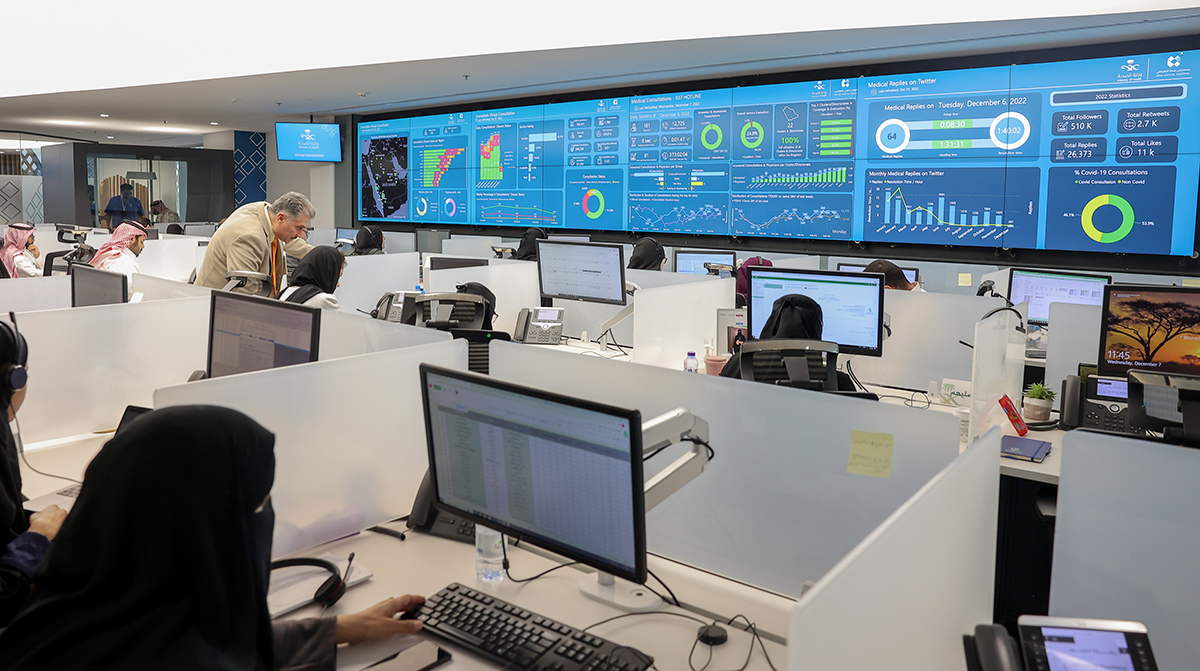
The traditional 20th-century pillars of U.S.-Saudi bilateral relations are energy and security — a reflection of Cold War dynamics and the critical role that Saudi Arabia plays in the global economy as an energy superpower. Now, in 2023, Riyadh and Washington should think beyond energy to explore opportunities and address critical challenges in areas such as tech and cyber, which could ultimately cement their strategic relations for the 21st century.
Under pressure: Houthis target Yemeni government with economic warfare
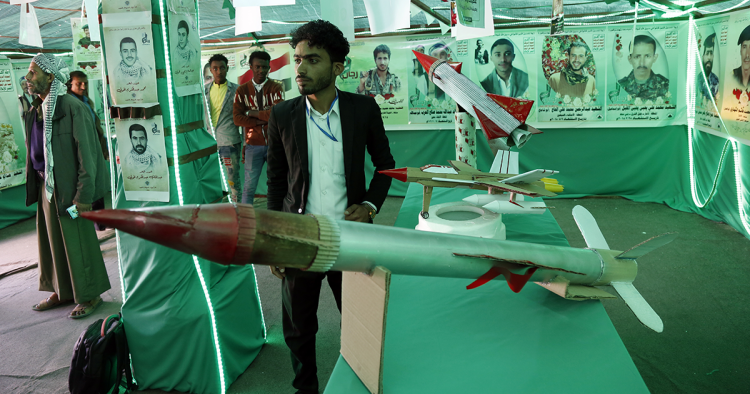
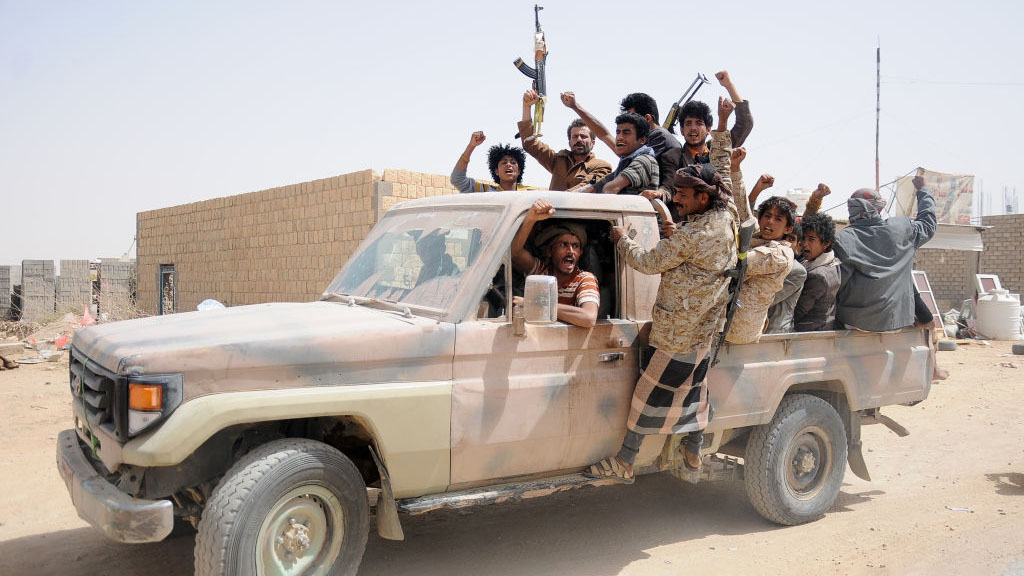
Even as the Iran-backed Houthi rebels pursue back-channel talks with Saudi Arabia as Riyadh looks for a major de-escalation in the coming weeks, they have also been ratcheting up the pressure on the internationally recognized Republic of Yemen Government. The Houthis’ strikes on government-controlled critical infrastructure exhibit the same strategic use of Iranian-supported non-conventional warfare tactics seen in their previous cross-border attacks into Saudi Arabia and the United Arab Emirates.
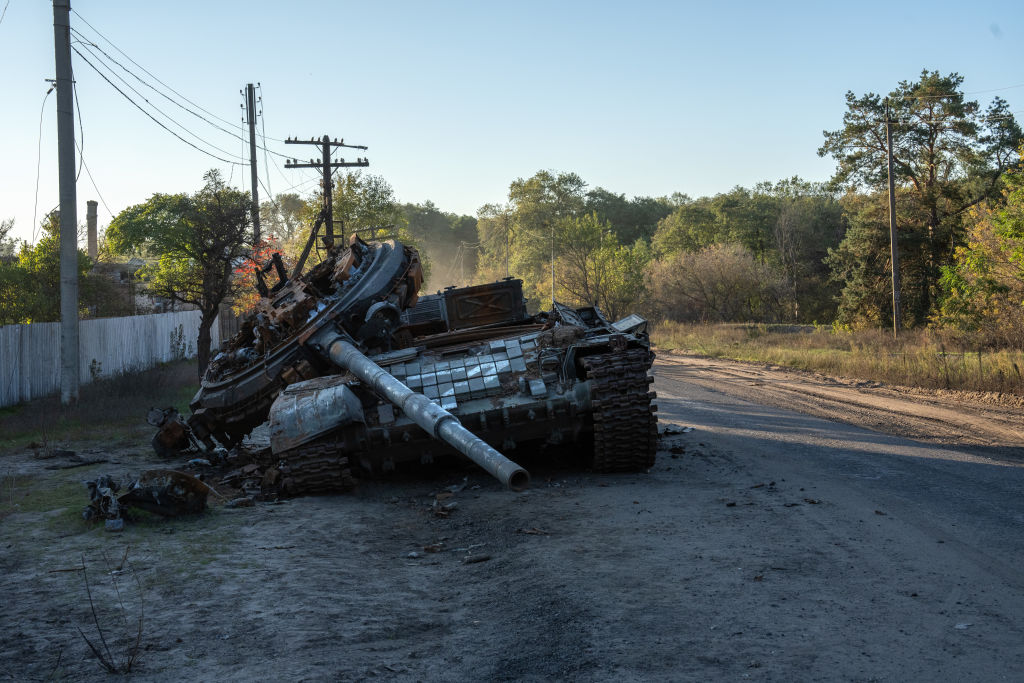
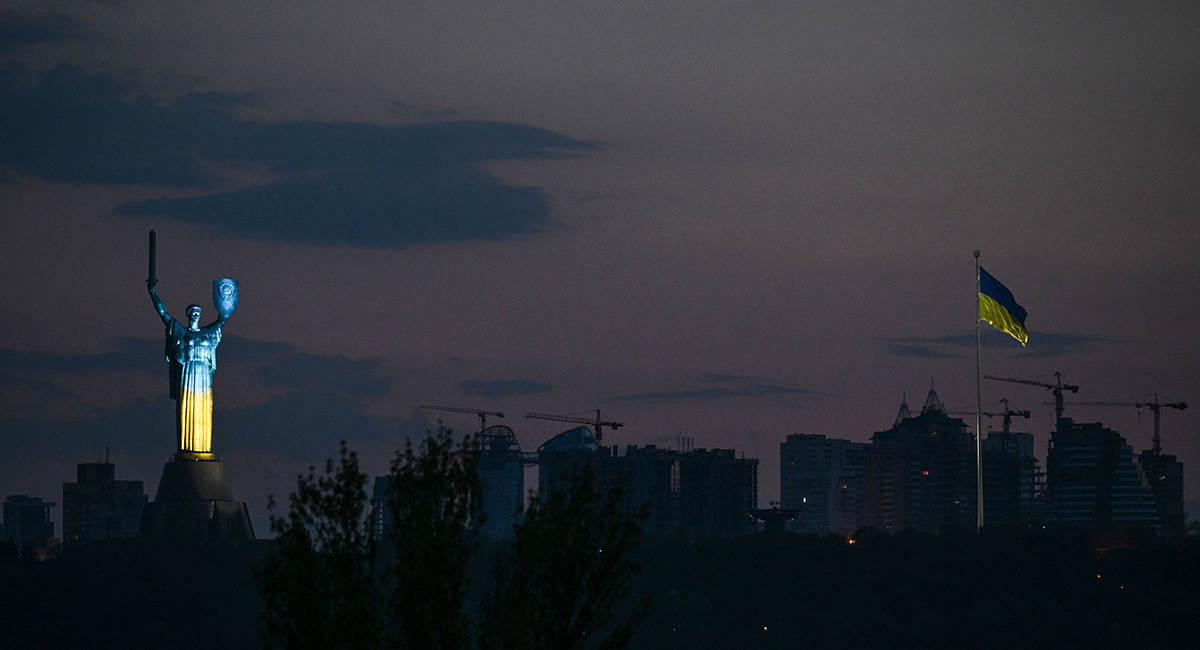
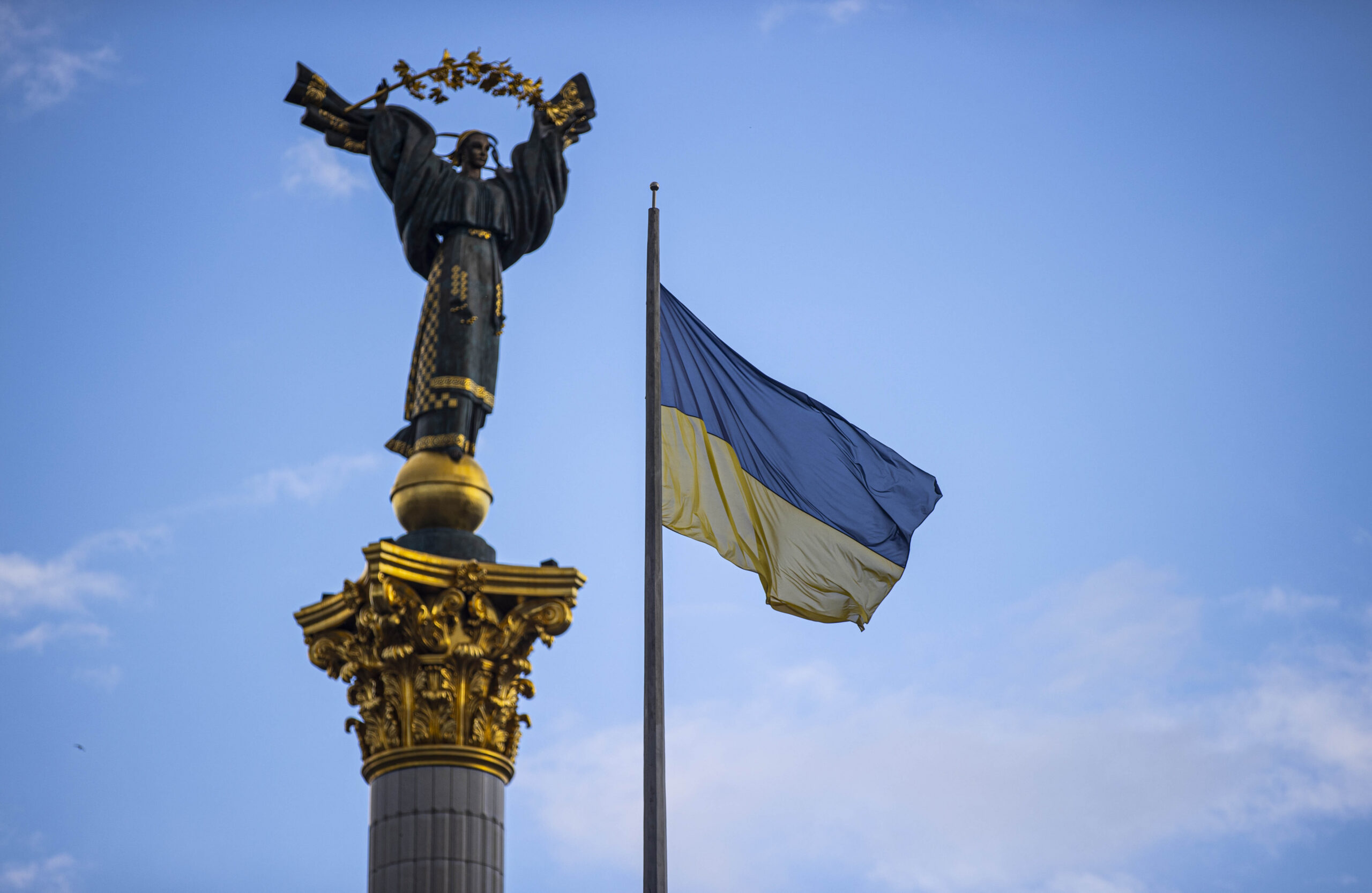
Today marks the one-year anniversary of the war in Ukraine — a war of choice by Russian President Vladimir Putin. Russia has failed on the strategic, operational, and tactical levels. The Ukrainians have defied the odds. No one will likely underestimate them again, including Russia.
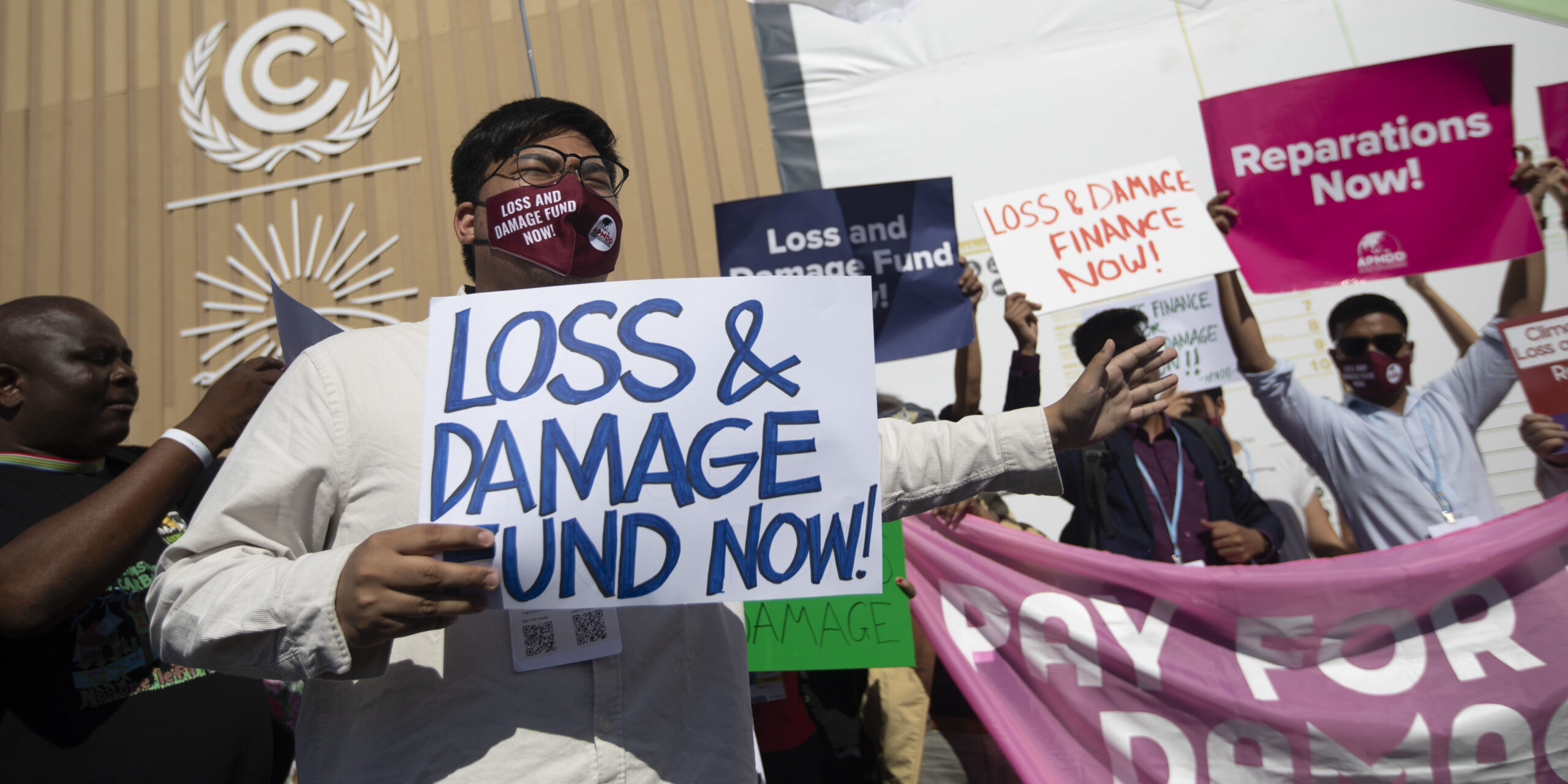
The intricacies of climate finance in the MENA region: Challenges and the way forward
Given the risks associated with climate change in the MENA region, there is a pressing need to provide sustainable financing resources for climate adaptation and mitigation
Russia's Influence in MENA After a Year of War in Ukraine
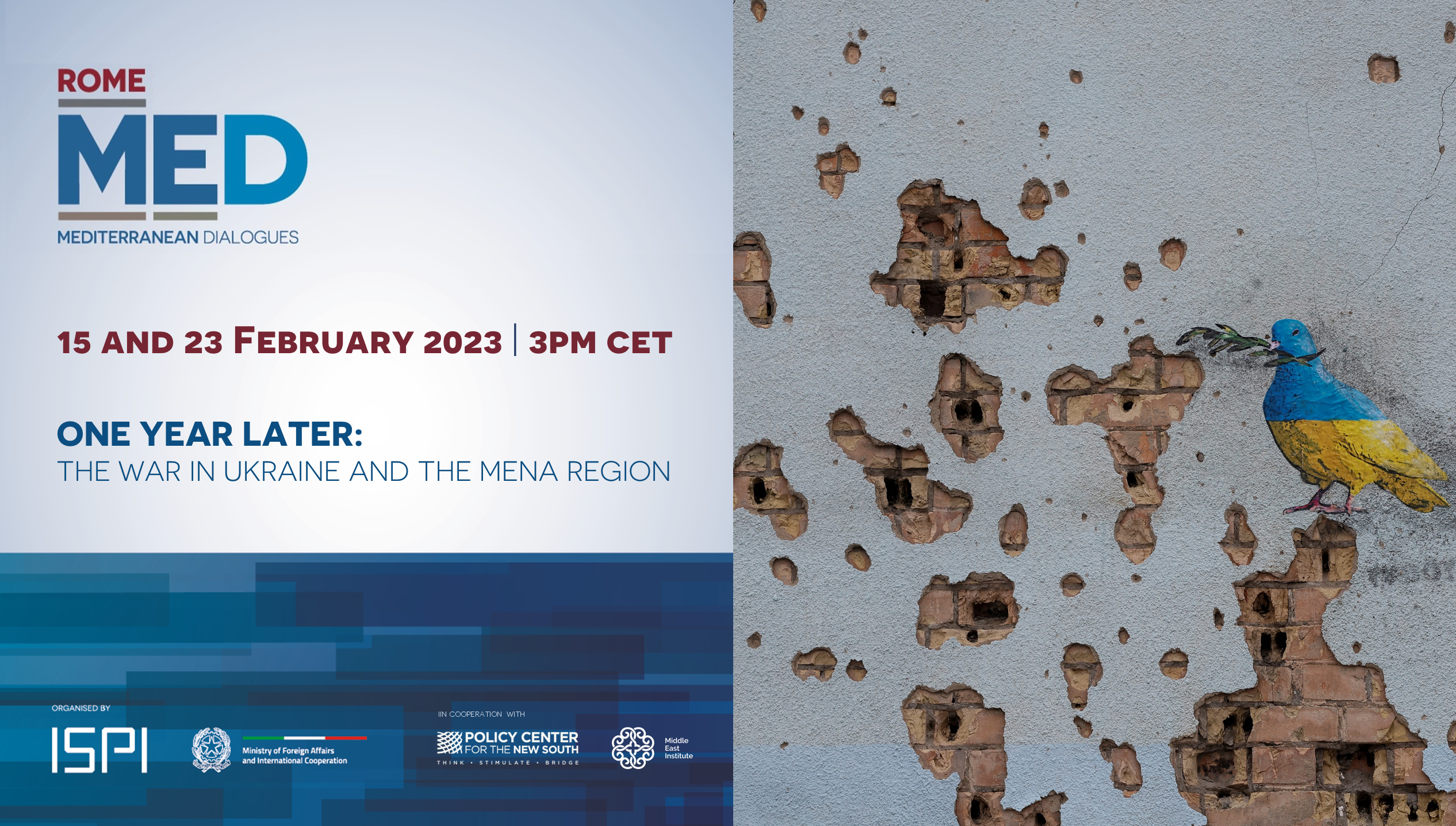
MEI Managing Editor Matthew Czekaj speaks with scholars Iulia-Sabina Joja, Alex Vatanka, Yörük Işık, Charles Lister, and Roger Kangas on Russia’s current standing in the Middle East a year since re-invading Ukraine.
How has Russian aggression in Ukraine redrawn Moscow’s relationships in the MENA region? And as the Middle East increasingly becomes a key area of global great power competition, is Russia still a meaningful player there, politically, economically, militarily, and diplomatically?
The dilemma of public sector salary payments in Yemen
Amid international efforts to resurrect the fragile peace in Yemen, the Iran-backed Houthi militia is imposing stringent conditions for their return to the negotiating table, demanding that state payments of civil servant salaries also go to their militia members and loyalists through direct deposits, which would bolster both their forces and their transnational allies. While the need to compensate Yemeni civil servants is undeniable, the Houthis’ self-serving demands threaten to undermine any progress toward a lasting peace.