Monday Briefing: Iran nuclear talks resume, but the two sides remain as far apart as ever
Read MEI’s weekly briefing featuring expert analysis of key regional developments for the week ahead.
This individual is a guest contributor. MEI is not able to assist with contact requests.
Shahmahmood Miakhel is the Country Director in Afghanistan for the US Institute of Peace (USIP). Prior to that he was a Governance Advisor for the United Nations Assistance Mission in Afghanistan (UNAMA), and, from 2003–2005, a Deputy Minister of the Interior in the Government of Afghanistan. In 1994–1995 he worked for the United Nations Development Programme (UNDP) and United Nations Office for Project Services (UNOPS) in South and Southeast Afghanistan helping to establish District Rehabilitation Shuras (DRS). He also worked as a reporter for the Pashto service of the Voice of America from 1985–1990.
Read MEI’s weekly briefing featuring expert analysis of key regional developments for the week ahead.
When President Joe Biden’s White House announced that it had successfully enlisted several major oil-consuming countries in an effort to coordinate releases from strategic petroleum reserves (SPRs) around the world, it looked like this would be the only major factor in oil markets that OPEC+ would need to consider at its upcoming meeting on Dec. 2. Then came Omicron. The newly discovered variant of the COVID-19 virus sent benchmark oil prices plunging on Nov. 26 as uncertainty over its impact roiled global markets.
هذا هو الجزء الأول من سلسلة مكونة من ثلاثة أجزاء
منذ البداية، عرَّفت جمهورية إيران الإسلامية نفسها على أنها دولة دينية يتمتع فيها رجال الدين بمكانة مميزة. ومع ذلك، لم تتمكن السلطات قط من إخفاء مخاوفها المستمرة بشأن ما تعتبره فجوة متنامية بين أفكار العديد من رجال الدين الإيرانيين ووجهات نظر المرشد الأعلى لإيران.
منذ تولي الجنرالات السلطة الكاملة في السودان في 25 أكتوبر/تشرين الأول، ضغطت الولايات المتحدة والعديد من الجهات الفاعلة الأخرى على الجيش لإعادة رئيس الوزراء عبد الله حمدوك ووزرائه المدنيين إلى السلطة قبل استئناف المساعدة ومناقشات الإعفاء من الديون. لقد أحجم المجتمع الدولي عن تقديم 4 مليارات دولار من المساعدات الإنمائية وأوقف المناقشات بشأن ما يصل إلى 50 مليار دولار لتخفيف الديون.
Read MEI’s weekly briefing featuring expert analysis of key regional developments for the week ahead.
Algeria has blamed Morocco for a Nov. 1 bombing that killed three Algerian truckers in the disputed territory of Western Sahara, adding a new layer of uncertainty to ongoing tensions between the two hostile neighbors.
The Islamic Republic of Iran, from the very beginning, has defined itself as a religious state, in which the clergy enjoy a privileged status. Nevertheless, the authorities have never managed to hide their fears over what they see as a growing gap between the ideas of many Iranian clerics and the views of Iran’s supreme leader.
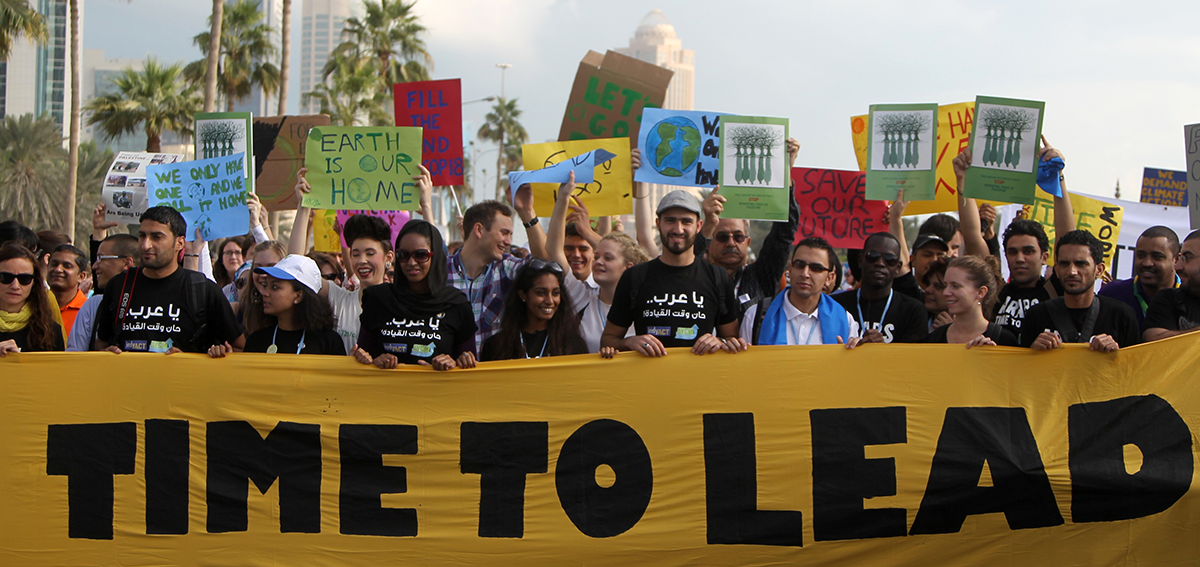
Mohammed Mahmoud, director of MEI’s Climate and Water Program, and Abbey Krulik, who attended the recent United Nations Climate Change Conference, known as COP26, as an observer, discuss takeaways from the conference and the Glasgow Pact that was signed there.
After almost two years of work, the first draft of the EU’s so-called Strategic Compass was presented on Nov. 15. The objective of this military strategic plan is to agree on a set of proposals to guide the bloc’s defense cooperation efforts for the next five to ten years. Previous attempts at seriously bolstering Europe’s defense ambitions have often been half-hearted, but this time could be different because Europe feels genuinely threatened.
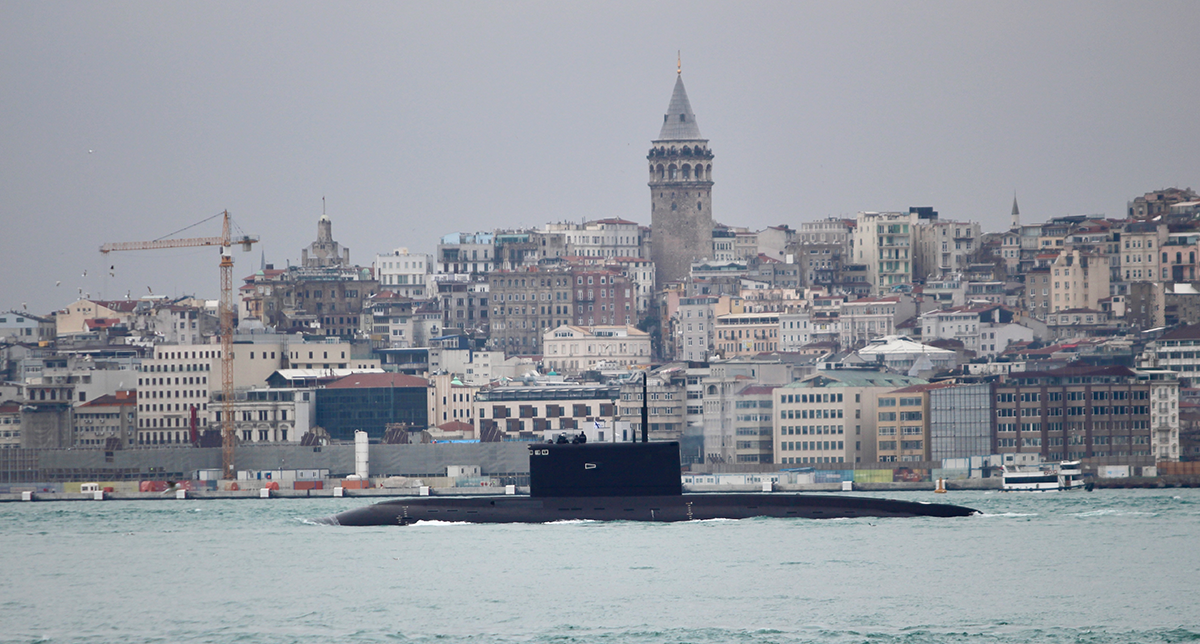
Under the Biden administration, calls for a NATO Black Sea strategy have amplified. A gamechanger for the much-needed regional strategy is Georgia’s and Ukraine’s path to membership. NATO’s strategic reassessment, to be finalized next year at the Madrid summit in June, will likely fall short of granting Ukraine and Georgia the desired Membership Action Plan. Nevertheless, NATO’s strategic reassessment offers the opportunity of a partnership upgrade for one or both countries.
The migration crisis on the eastern border of the EU, which began earlier this summer and has ramped up dramatically in recent months, came as a surprise not only to the border countries, such as Lithuania, Latvia, and Poland, but also to top EU leaders. After the European migration crisis of 2015, EU politicians became used to the influx of migrants from countries in the MENA and Sub-Saharan Africa travelling through Mediterranean routes and Turkey. When it seemed as though mechanisms to prevent migration flows and control the main transit routes had been developed, a new crisis emerged in the last place anyone would have expected: Belarus. What gave rise to this crisis and what does it mean for the migrants who are desperately trying to enter the EU from Belarus as well as the countries facing a sharp rise in uncontrolled migration?
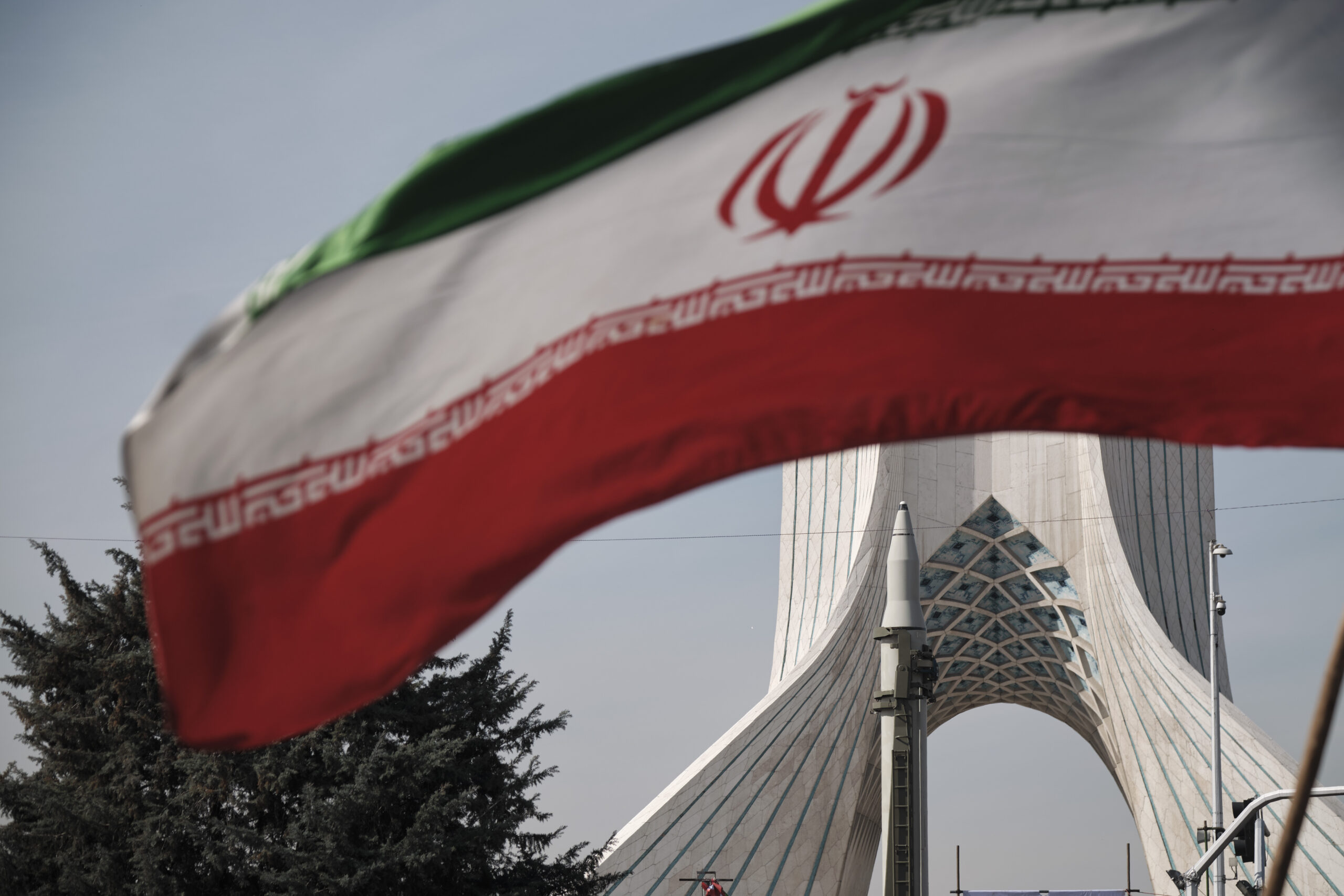
عشية المحادثات النووية بين القوى العالمية وإيران المقرر استئنافها في فيينا في نهاية نوفمبر/تشرين الثاني، أرسل الرئيس الأمريكي جو بايدن عضوين رئيسيين من فريق الشرق الأوسط التابع له إلى المنطقة للتشاور مع شركاء إقليميين مقربين. مع اقتراب الجولة التالية من محادثات إيران، بدأ فريق بايدن في إعادة تقييم بعض جوانب مقاربته الأولية تجاه الشرق الأوسط.
It is a mistake to view Iran’s regional aggression and hegemony as purely a result of violence and terrorism. Iran’s powerplay also has important media, political, economic, and cultural aspects.