This individual is a guest contributor. MEI is not able to assist with contact requests.
Shahmahmood Miakhel is the Country Director in Afghanistan for the US Institute of Peace (USIP). Prior to that he was a Governance Advisor for the United Nations Assistance Mission in Afghanistan (UNAMA), and, from 2003–2005, a Deputy Minister of the Interior in the Government of Afghanistan. In 1994–1995 he worked for the United Nations Development Programme (UNDP) and United Nations Office for Project Services (UNOPS) in South and Southeast Afghanistan helping to establish District Rehabilitation Shuras (DRS). He also worked as a reporter for the Pashto service of the Voice of America from 1985–1990.
America moves closer to the brink of maximum uncertainty at home and abroad
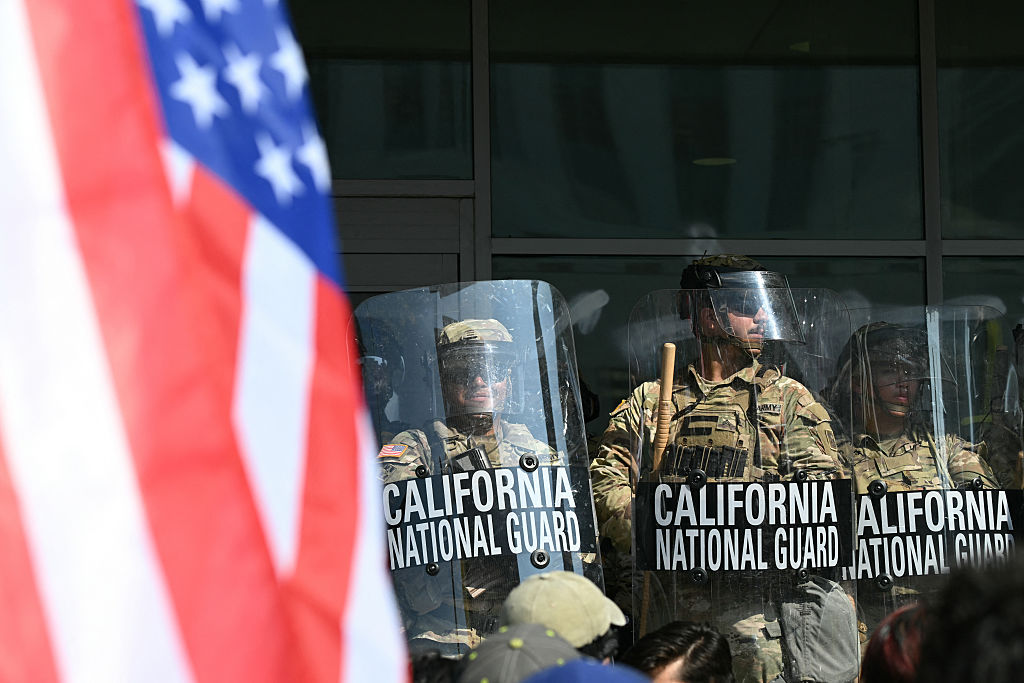
The spotlight in America this week is trained on the home front, with growing tensions inside the country over President Donald Trump’s immigration crackdown and a showdown unfolding on the streets of Los Angeles. At times like these, the rest of the world has a way of intruding, sometimes unexpectedly, and Trump 2.0’s foreign policy is still struggling to produce a major positive outcome from its frenetic activity trying to end kinetic wars while prosecuting an unprecedented economic war with much of the rest of the world.
Don’t trust Erdogan’s "peace process" with the Kurds
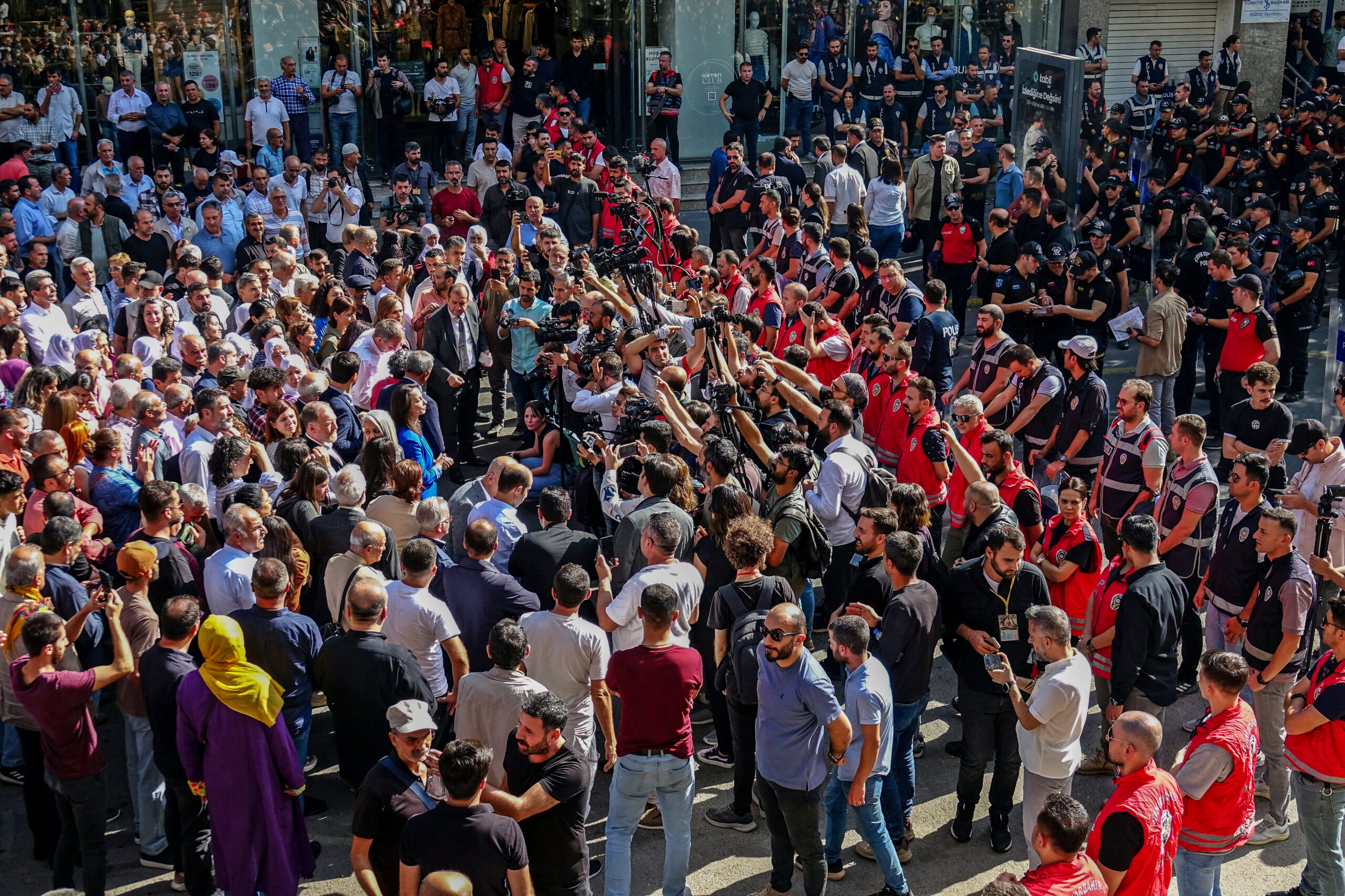
After decades of repression, many of Turkey’s Kurds are hopeful that their long struggle for basic rights may finally be nearing a breakthrough. That hope is fueled by newly launched talks between Turkish President Recep Tayyip Erdogan’s nationalist coalition and the imprisoned leader of the Kurdish Workers Party (PKK), Abdullah Ocalan. The talks have already produced the historic declaration by the PKK to disband and renounce armed struggle. Pro-Kurdish politicians have praised Erdogan’s efforts to pursue a peaceful solution.
طموحات المملكة العربية السعودية في مجال الذكاء الاصطناعي، وما يعنيه ذلك بالنسبة للولايات المتحدة
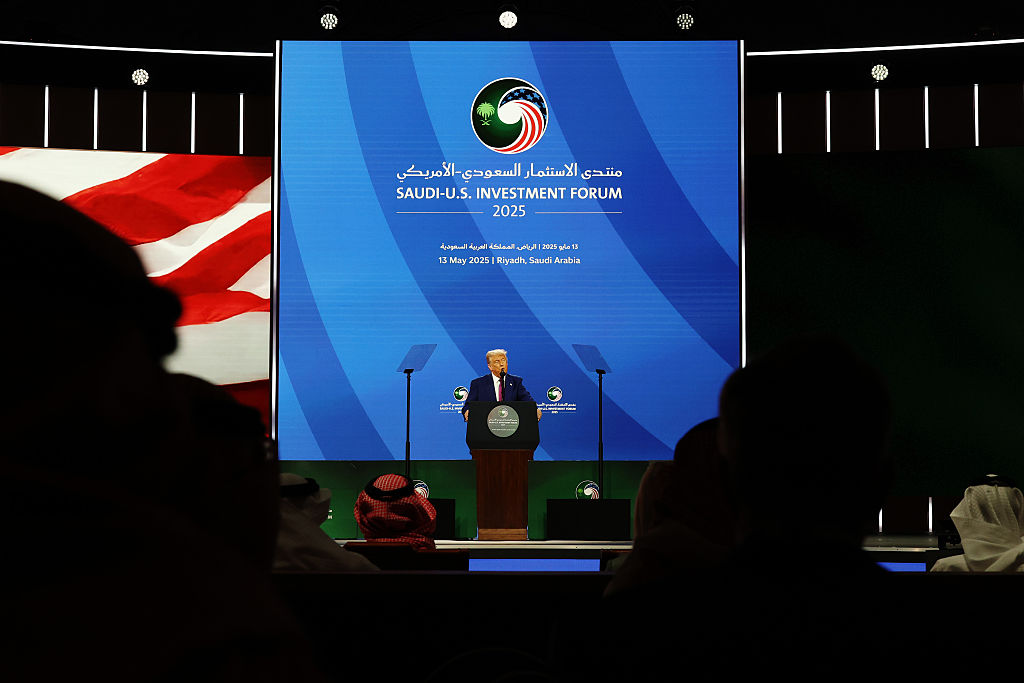
قبل يوم من هبوط طائرة الرئاسة الأمريكية في الرياض لبدء جولة الرئيس الأمريكي دونالد ترامب في ثلاث دول خليجية، أصدرت المملكة العربية السعودية إعلانًا مهمًا. كشفت المملكة، التي لطالما كانت مرادفاً للنفط، عن استثمار كبير في الذكاء الاصطناعي (AI) من خلال شركتها الجديدة HumAIn. هذا التحول، الذي تزامن بشكل واضح مع زيارة ترامب التي بدأت في 13 مايو، وتوقعاً لتوقيع العديد من الصفقات التقنية بين الشركات الأمريكية وشركات الخليج خلال الزيارة، أشار إلى تحول عميق في العلاقات الأمريكية السعودية - من تحالف تقليدي قائم على النفط مقابل الأمن إلى شراكة تركز على الذكاء الاصطناعي والبنية التحتية الرقمية.
What’s next for Gaza—and for Israel? In this episode of Middle East Focus, hosts Alistair Taylor and Matthew Czekaj sit down with Ghaith al-Omari, senior fellow at the Washington Institute for Near East Policy and former advisor to the Palestinian Authority, to unpack the urgent humanitarian crisis gripping Gaza, the impact of Israeli settlement expansion, and what these developments mean for the future of the region.
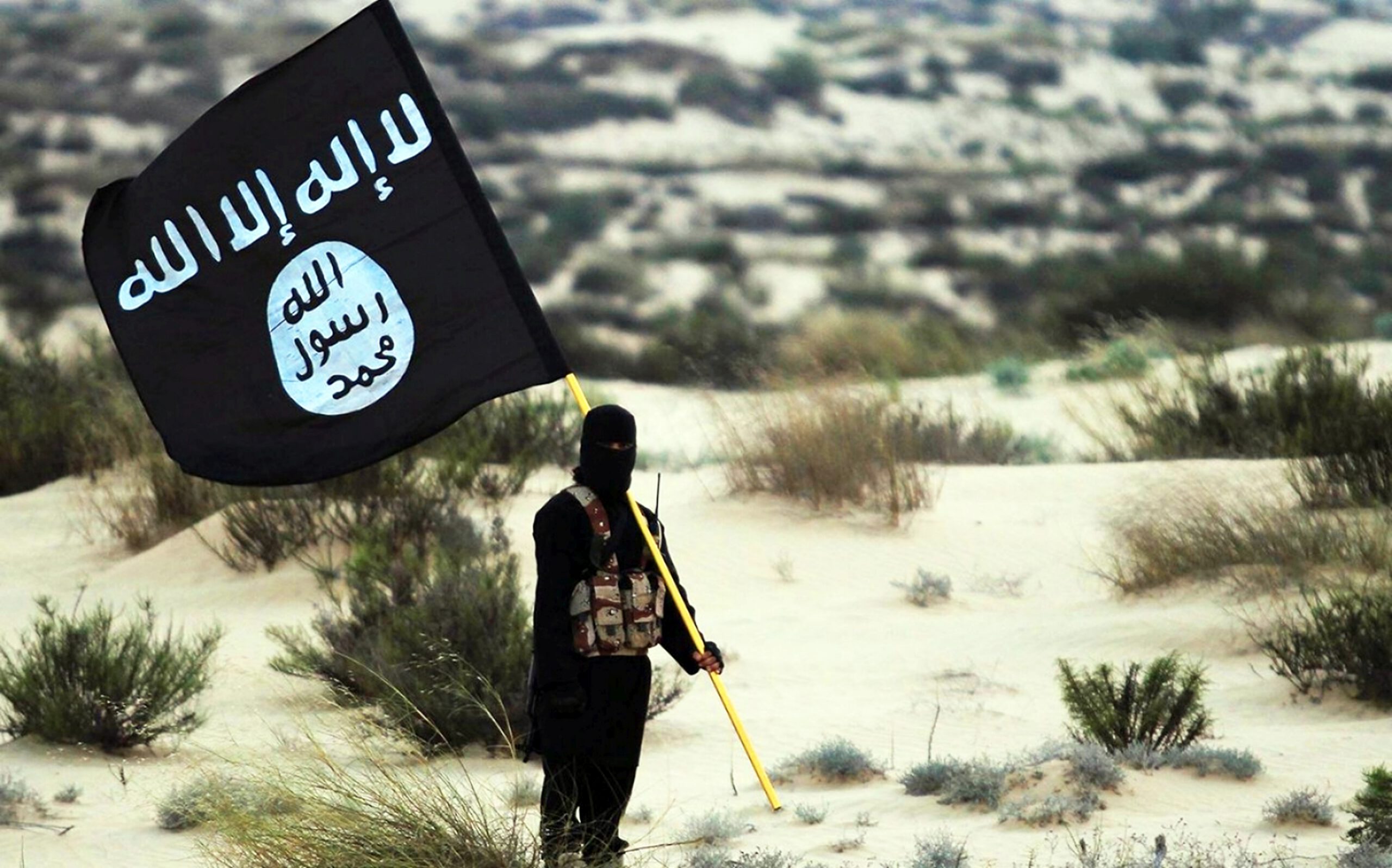
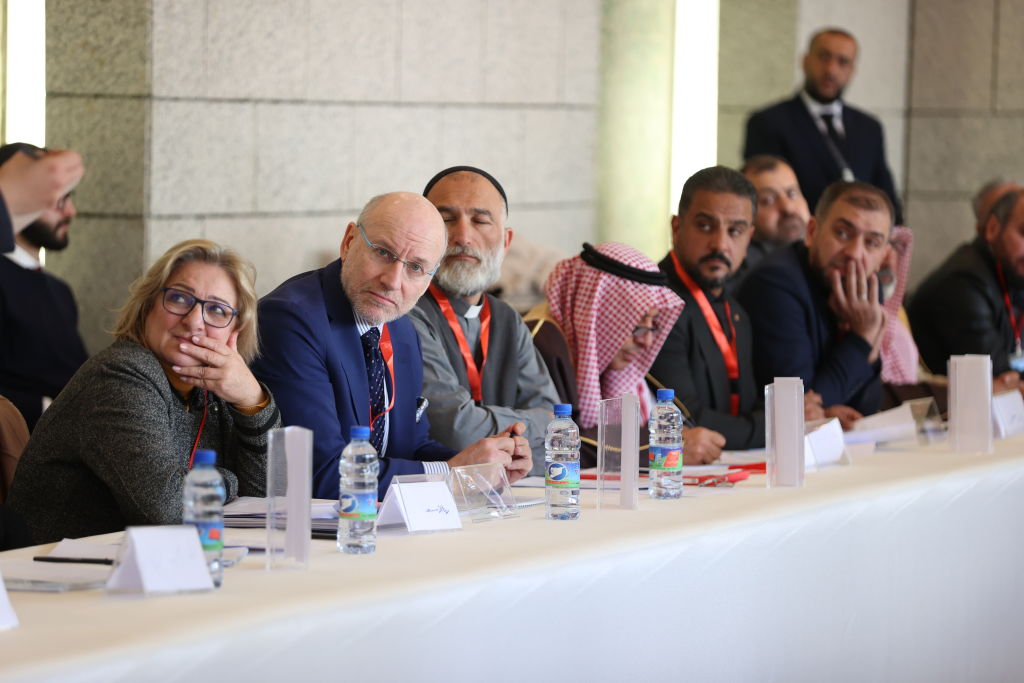
When U.S. President Donald Trump’s newly appointed special envoy to Syria, Thomas Barrack, paid his first visit to Damascus on May 29, he flew into the country on U.S. military helicopters from Jordan. He was accompanied by two State Department staff members but was most closely flanked by the U.S. military’s counter-Islamic State coalition leaders—Maj. Gen. Kevin Leahy and Brig. Gen. Michael Brooks.
A devastating crisis for Palestinians in Gaza worsens
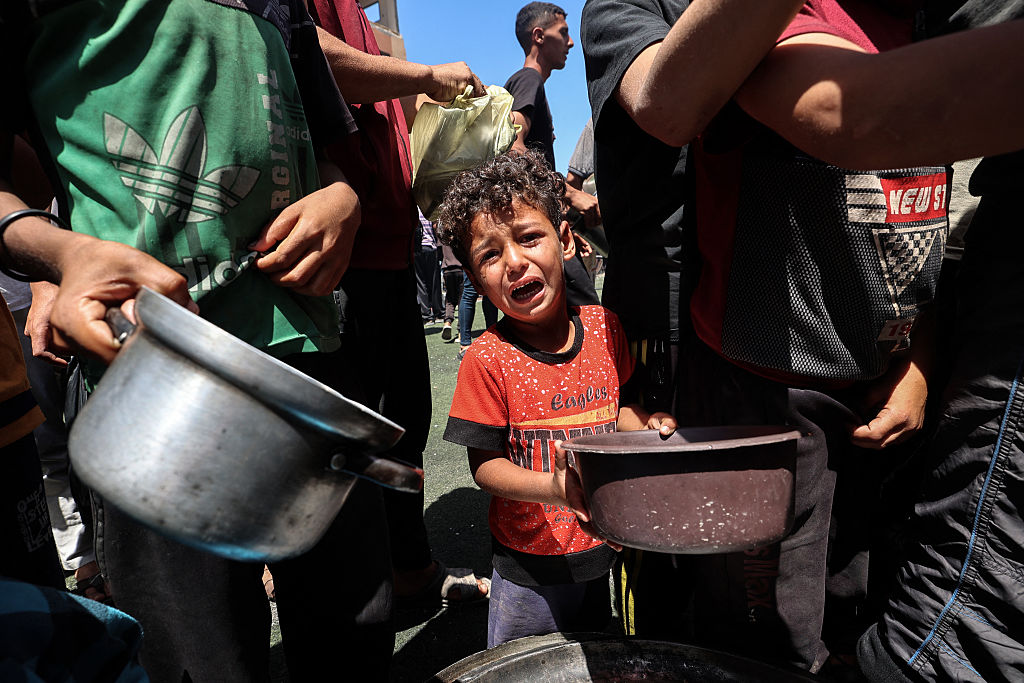
What has been unfolding in the Gaza Strip for millions of Palestinians is the direct consequence of the failures of political leaders who are ignoring best practices for the delivery of aid to innocent people caught in the crosshairs of a complicated war. Without a major shift in the current approach, the already dire conditions are only likely to deteriorate further going forward.
إرث الحرب الهندية الباكستانية التي استمرت أربعة أيام
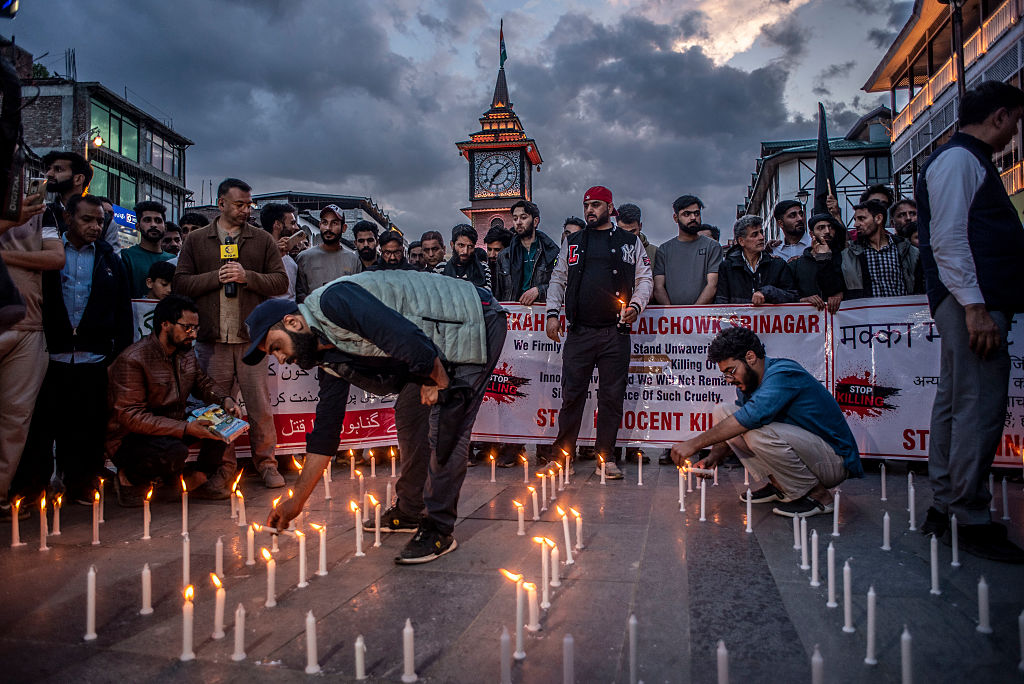
أدى التصعيد الأخير القصير والمكثف للأعمال العدائية بين الهند وباكستان إلى كشف المزيد من هشاشة الوضع الأمني في جنوب آسيا. فقد أدى الصدام العسكري المتبادل الذي استمر أربعة أيام عبر الحدود بين البلدين المتنافسين الحائزين على أسلحة نووية إلى تقويض آفاق التطبيع بشكل كبير، وإعادة تعريف قواعد الاشتباك، والإشارة إلى حدوث تحول في الطريقة التي قد يدير بها البلدان علاقتهما في المستقبل.
دور الأردن في منطقة تعاني من الأزمات: حوار مع السفيرة دينا كوار
تنضم السفيرة دينا كوار، سفيرة الأردن لدى الولايات المتحدة، إلى المضيف براين كاتوليس في حوار شامل حول جهود الأردن لمعالجة الأزمة الإنسانية في غزة، وشراكته الثنائية مع الولايات المتحدة، ودوره في الدبلوماسية الإقليمية.
Near-term progress in a renewed nuclear agreement between the United States and Iran could add further downward pressure to a delicate oil market, potentially heralding more fiscal pain for Gulf oil producers and complicating US energy strategy.
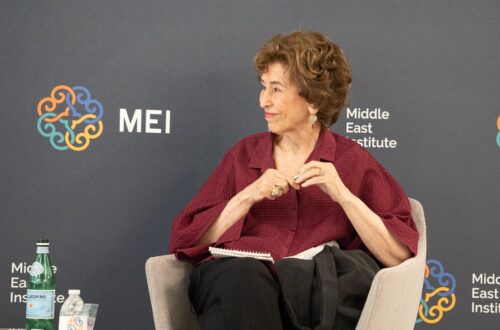
يدعوكم مركز الفنون والثقافة التابع لمعهد الشرق الأوسط إلى أمسية خاصة مع الكاتبة والباحثة الأدبية الشهيرة أزار نافيسي، التي اشتهرت بكتابها الأكثر مبيعاً على مستوى العالم "قراءة لوليتا في طهران".
In Syria’s fragile transition there’s a glimmer of a more stable Middle East
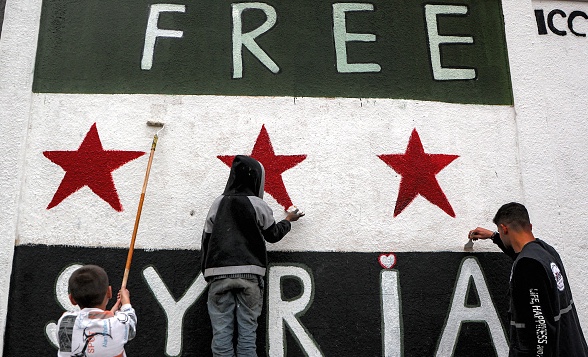
For the better part of half a century, Syria has been an open wound in the heart of the Middle East, provoking instability, fueling conflict, and brutally suppressing its own people. Throughout Syria’s nearly fourteen-year civil crisis, a long list of destabilizing knock-on effects spilled over into neighboring countries and the world at large. The long-standing moniker of “what happens in Syria never stays in Syria” perfectly encapsulated what for most of the past decade looked to be a truly intractable crisis.
تفاقم الخلل الدائم بين القطاعين المدني والعسكري في باكستان
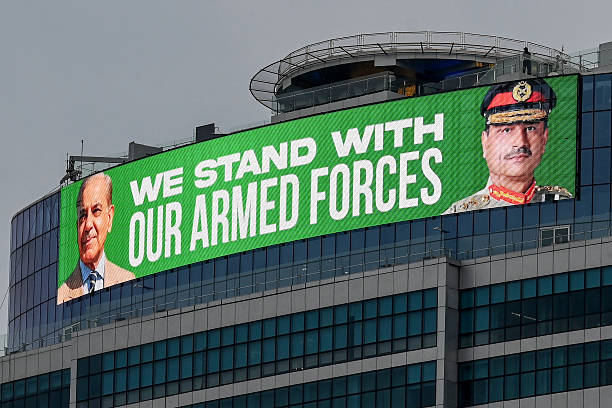
إن الترقية الأخيرة للجنرال عاصم منير إلى رتبة مشير هي إعلان مدوٍ عن سيادة الجيش الباكستاني التي لا يمكن المساس بها، وهي لفتة يتردد صداها إلى ما هو أبعد من الأسلاك الشائكة المحيطة بمقر القيادة العامة للجيش في روالبندي.
Syria Looks to a Future Unburdened from US Sanctions
MEI Senior Fellow Charles Lister joins hosts Alistair Taylor and Matthew Czekaj to discuss the Trump administration’s dramatic reversal of four decades of US policy toward Syria. Following President Trump’s May 2025 meeting with Syrian President Ahmad al-Sharaa and the issuance of a new general license and 180-day waiver of Caesar Act sanctions, the episode explores the implications of this policy shift. What does this mean for Syria’s recovery and reconstruction? How are regional actors like Turkey, Israel, and the Gulf states responding?