This individual is a guest contributor. MEI is not able to assist with contact requests.
Shahmahmood Miakhel is the Country Director in Afghanistan for the US Institute of Peace (USIP). Prior to that he was a Governance Advisor for the United Nations Assistance Mission in Afghanistan (UNAMA), and, from 2003–2005, a Deputy Minister of the Interior in the Government of Afghanistan. In 1994–1995 he worked for the United Nations Development Programme (UNDP) and United Nations Office for Project Services (UNOPS) in South and Southeast Afghanistan helping to establish District Rehabilitation Shuras (DRS). He also worked as a reporter for the Pashto service of the Voice of America from 1985–1990.
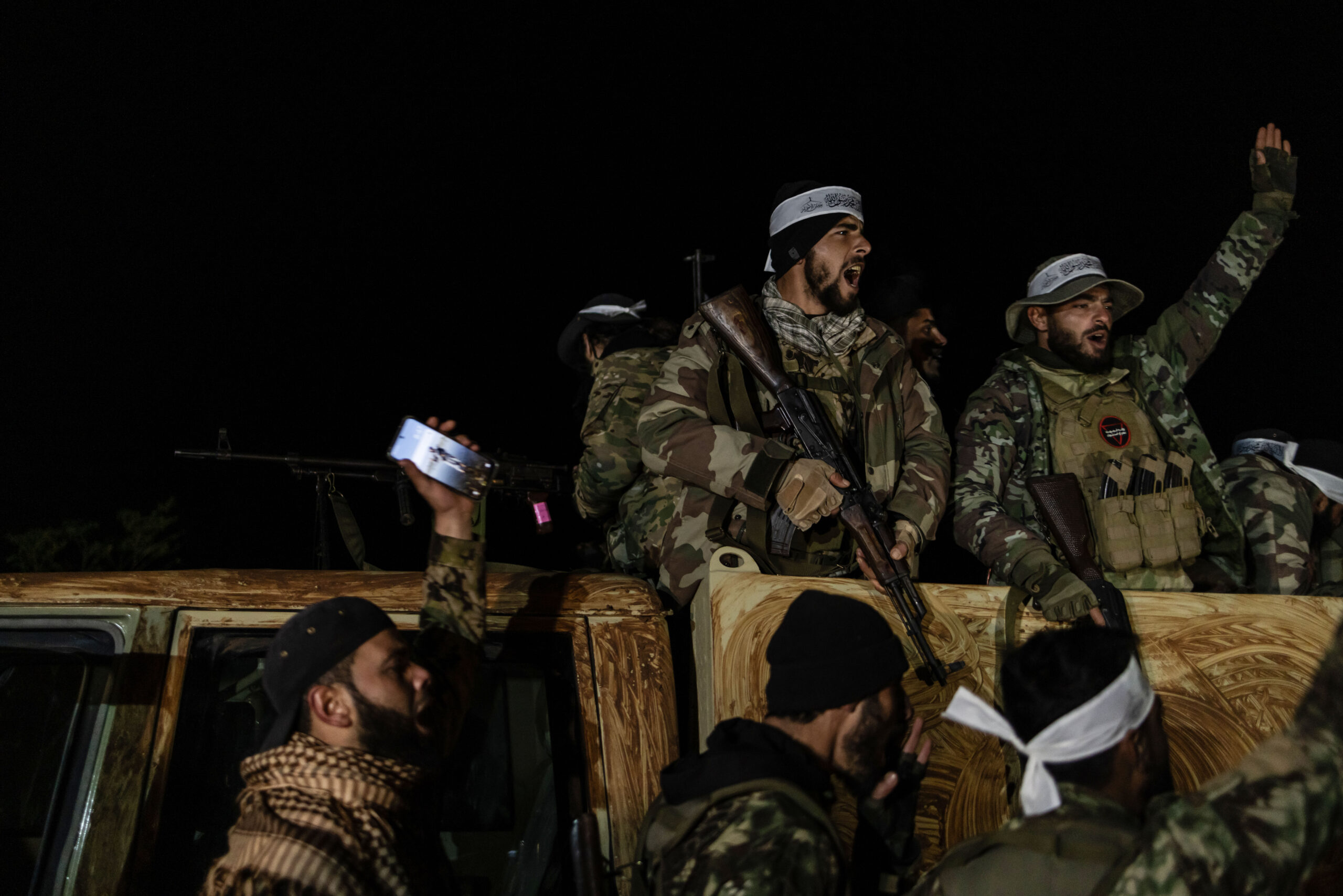
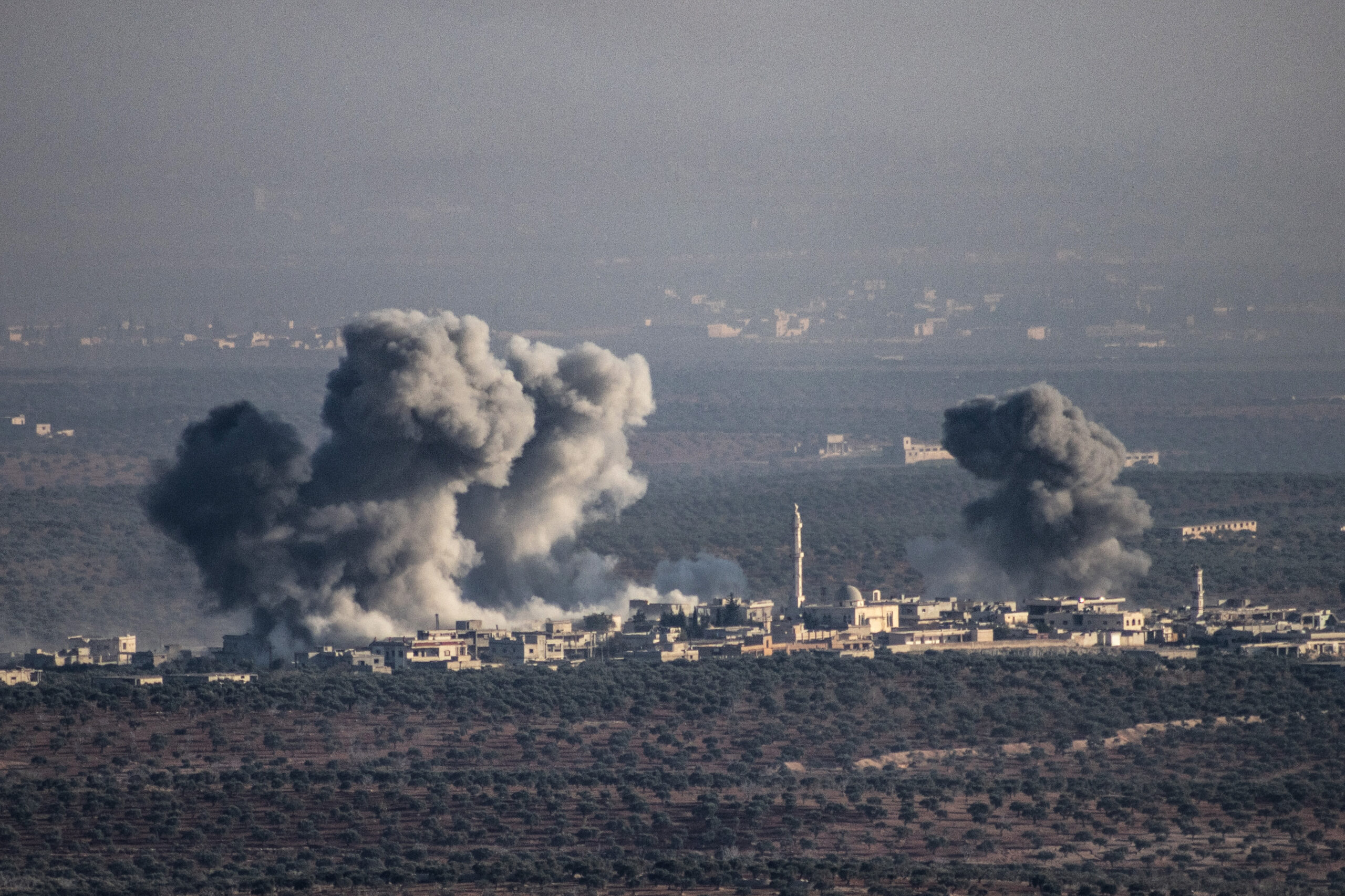
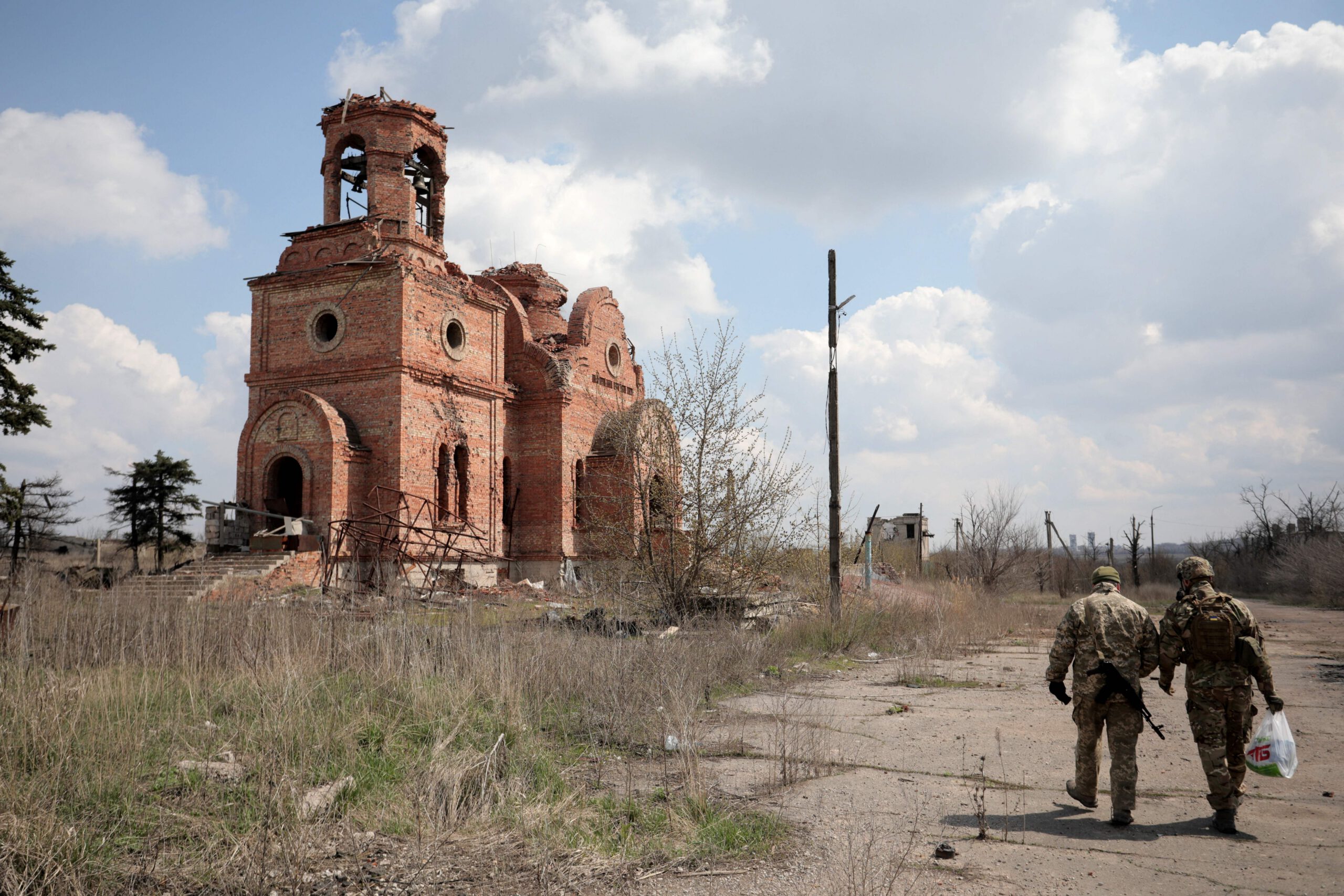
Since March 2020, Syria’s conflict lines have been frozen, as Russia, Turkey, Iran and the United States held together a series of ceasefires and security understandings. That all changed this week, when a broad coalition of armed opposition groups launched a surprise and daring offensive west of Aleppo city.
Dilemma for Joe Biden in dying days of his presidency
As they sweep across northern Syria, the advancing rebels are posing fundamental questions not just for the regime of Bashar al-Assad, but for watching neighbours and Western leaders.
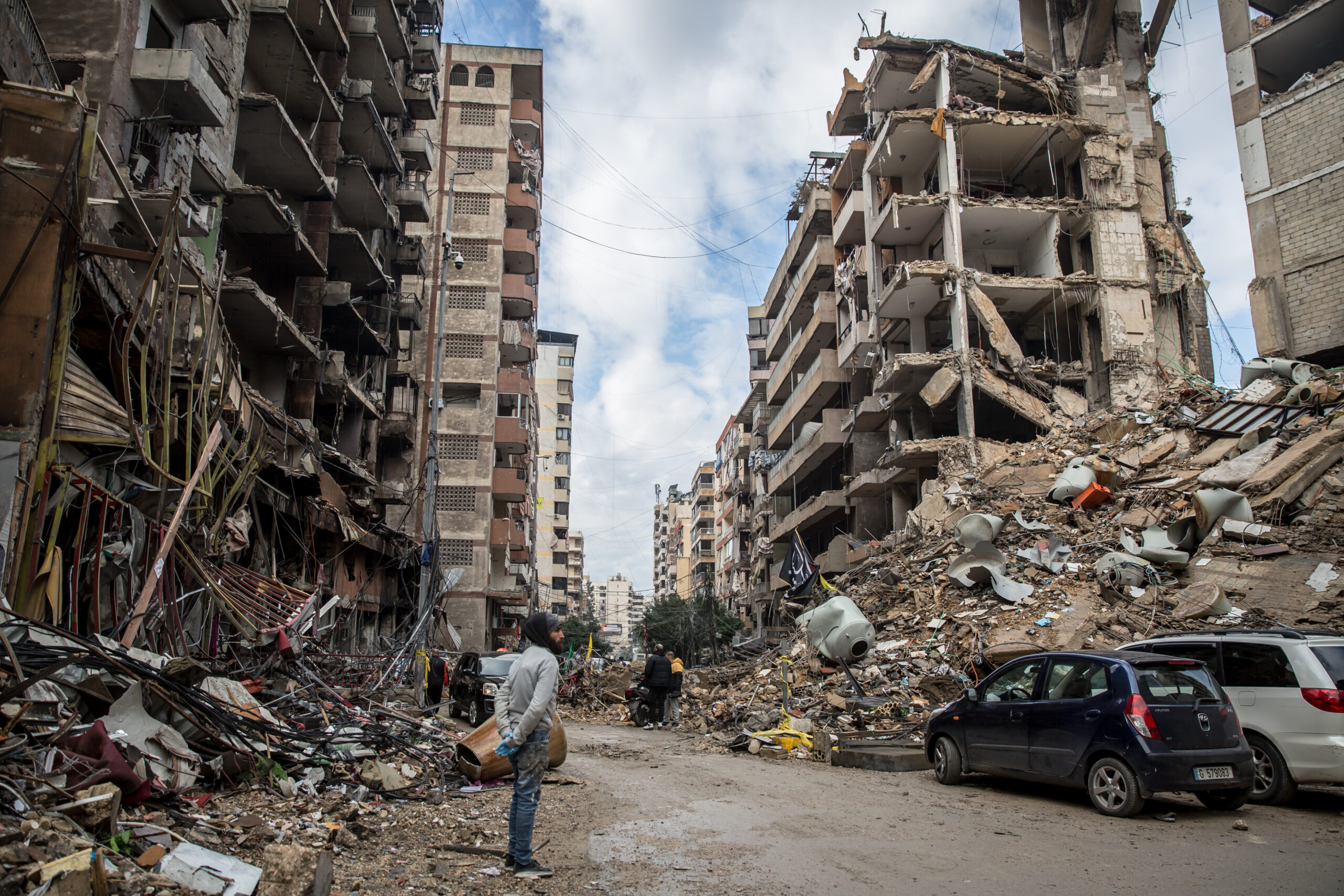
Last week, as I made my way to Beirut airport, I drove through bombed out streets in an empty city. The Lebanese national airline still bravely flew in and out, its planes weaving their way between Israeli airstrikes. I boarded my flight to attend a conference, hoping we would make it out safely. I left behind a population that had paid a very heavy price for 13 months of war between the Lebanese militant group Hezbollah and Israel: thousands of dead and injured, thousands of homes and businesses destroyed, and over 1.2 million displaced.
US success in Iraq means being a more reliable partner than Iran
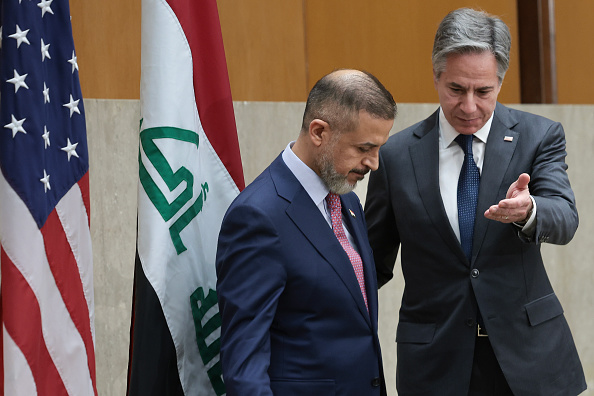
There is no quick path to limiting or reducing Iranian influence in Iraq. Tehran will react fiercely to American efforts to destroy the militias and zero-out its influence, and it would have multiple avenues to escalate through the porous 900-mile-long border between the two countries. Moreover, domestic Iraqi reaction, especially among elements of the Shi’a population, would be reticent at best and hostile at worst to intensified American military actions. Nor should it be an American goal to stoke a civil war among Iraq’s Shi’a that would give Iran new access points.
Persian Gulf-Black Sea corridor: A new era for Iran-Europe trade or just another risk?
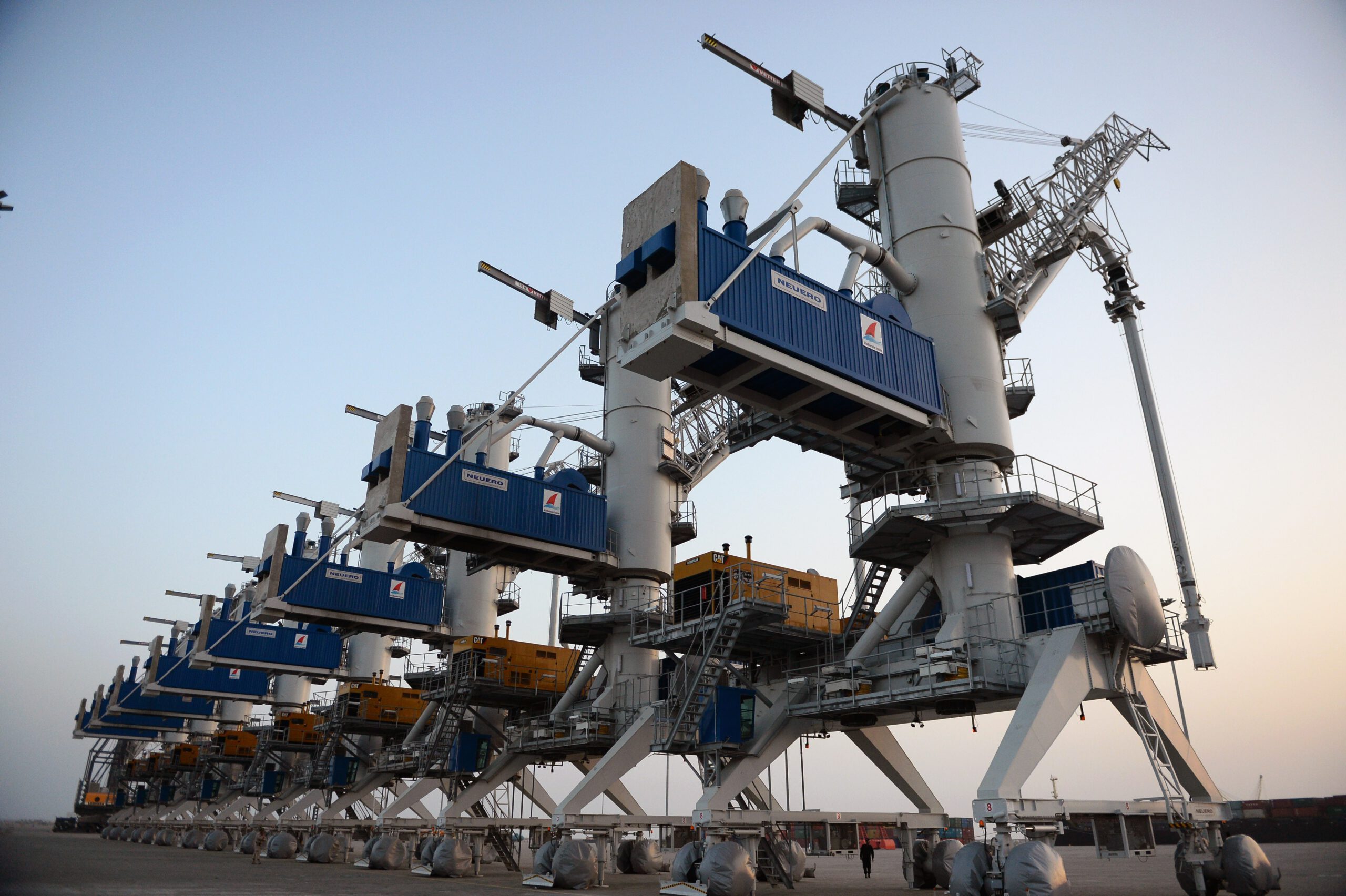
The Persian Gulf-Black Sea International Transport and Transit Corridor, which Tehran proposed eight years ago, remains relevant today in the context of strategic competition, as it offers Iran and participating countries an alternative trade route that bypasses traditional Western-dominated shipping lanes, potentially reshaping regional economic dynamics and geopolitical influence.
For decades, the MENA region’s pivotal role in the global economy has been rooted primarily in oil and gas exports. The region’s GDP grew from $1 trillion USD in 2000 to nearly $4.5 trillion in 2022, and more than 60% of that combined GDP is in its oil-exporting countries.
لمواجهة الصين، يجب على إدارة ترامب أن تستفيد من مذكرة بايدن بشأن الذكاء الاصطناعي
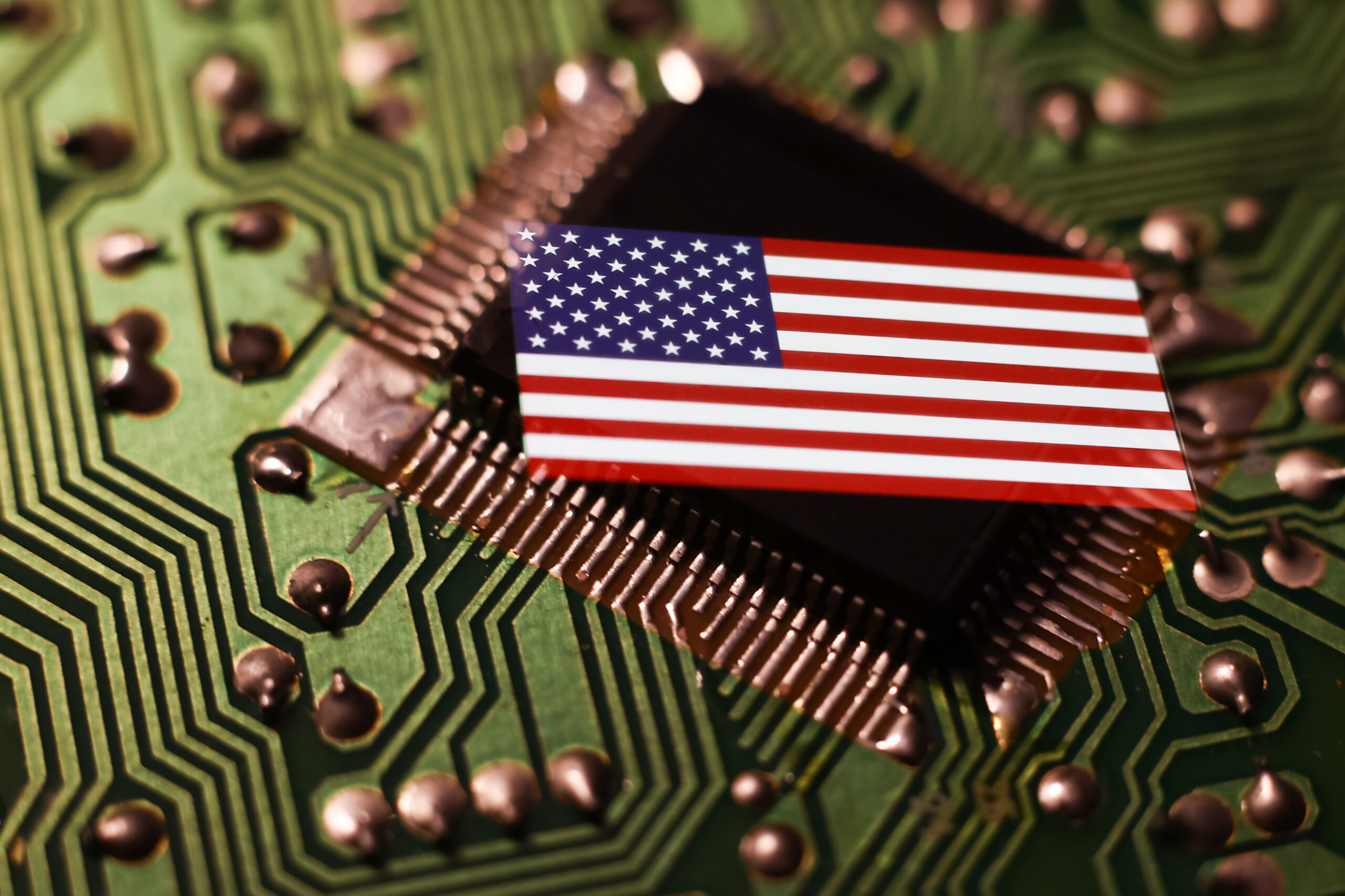
على مدار إدارتي بايدن وترامب، نظرت الولايات المتحدة باستمرار إلى الصين على أنها المنافس العالمي الرئيسي، لا سيما في مجال الذكاء الاصطناعي سريع التطور. وقد أكدت إدارة الرئيس بايدن مؤخرًا هذا الموقف من خلال أول مذكرة للأمن القومي (NSM) بشأن الذكاء الاصطناعي، والتي أرست أساسًا متينًا لمواجهة التحدي الذي تشكله بكين في مجال الذكاء الاصطناعي.
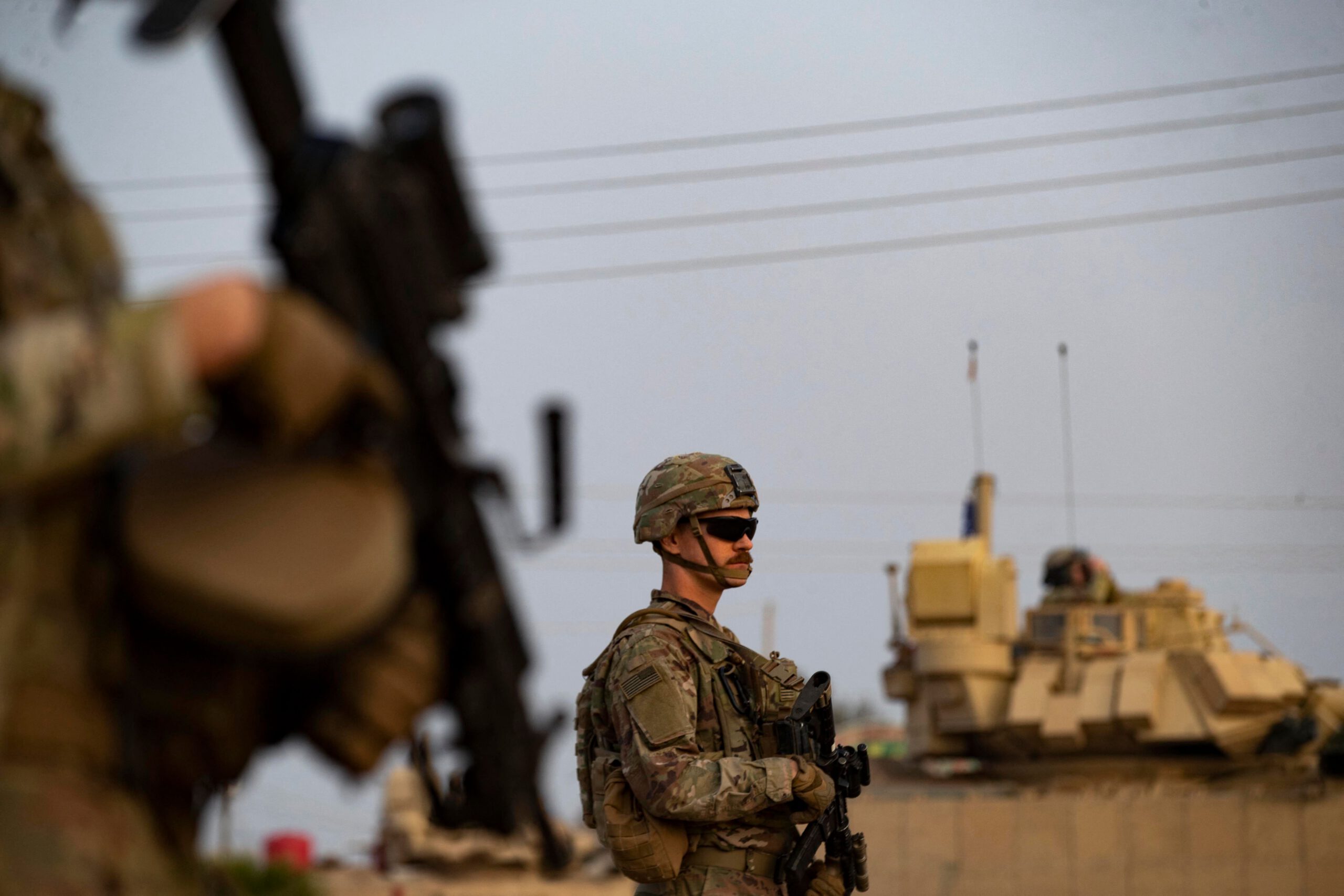
To abandon the Syria mission now would bring no meaningful benefit to the US, but it would swiftly and significantly empower America’s adversaries, like ISIS, Iran, Russia, and Assad’s regime.
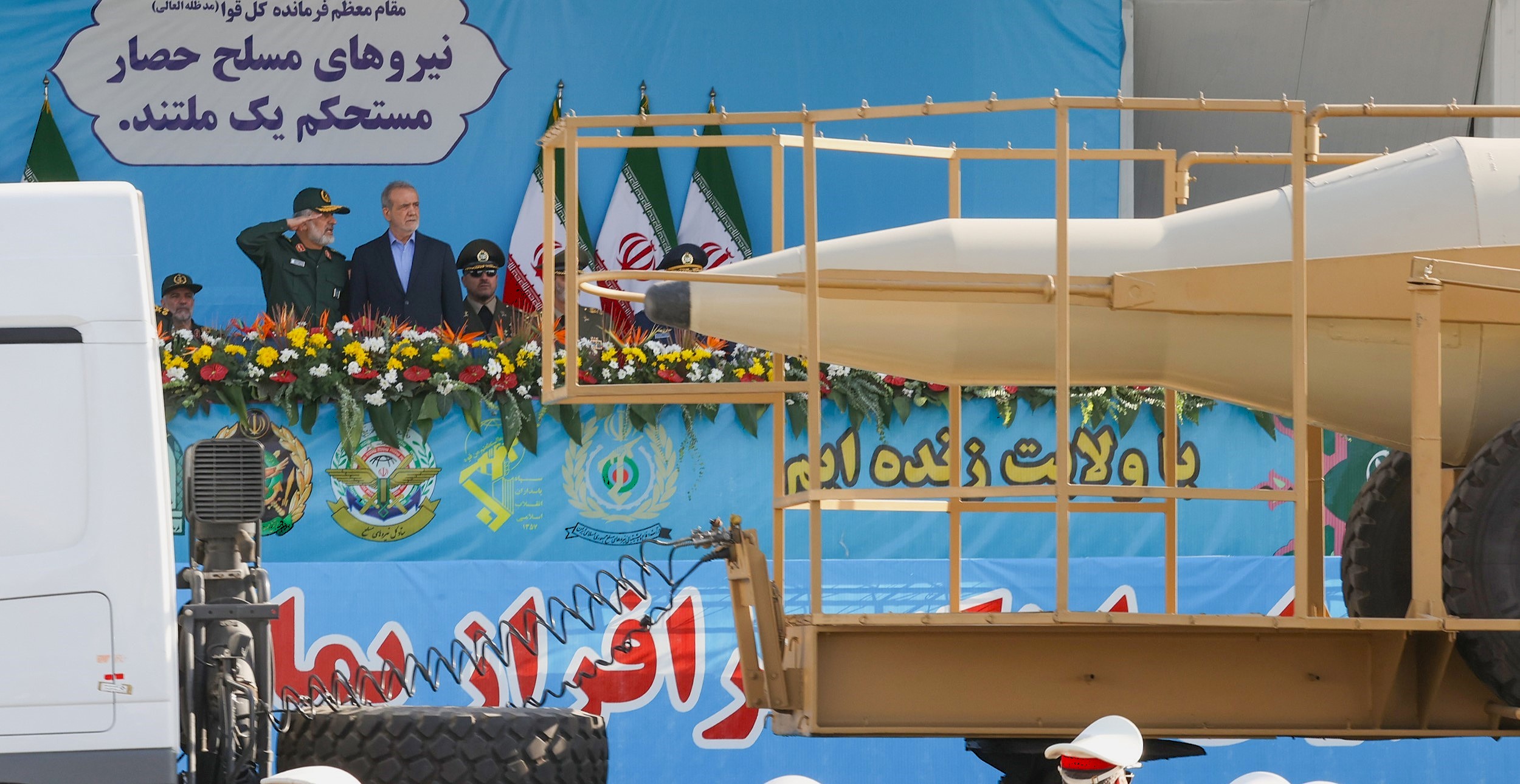
As Donald Trump prepares to return to the White House, the main question in Tehran is not so much what the incoming American president will do about Iran. Rather, it is about whether Tehran should negotiate with him.
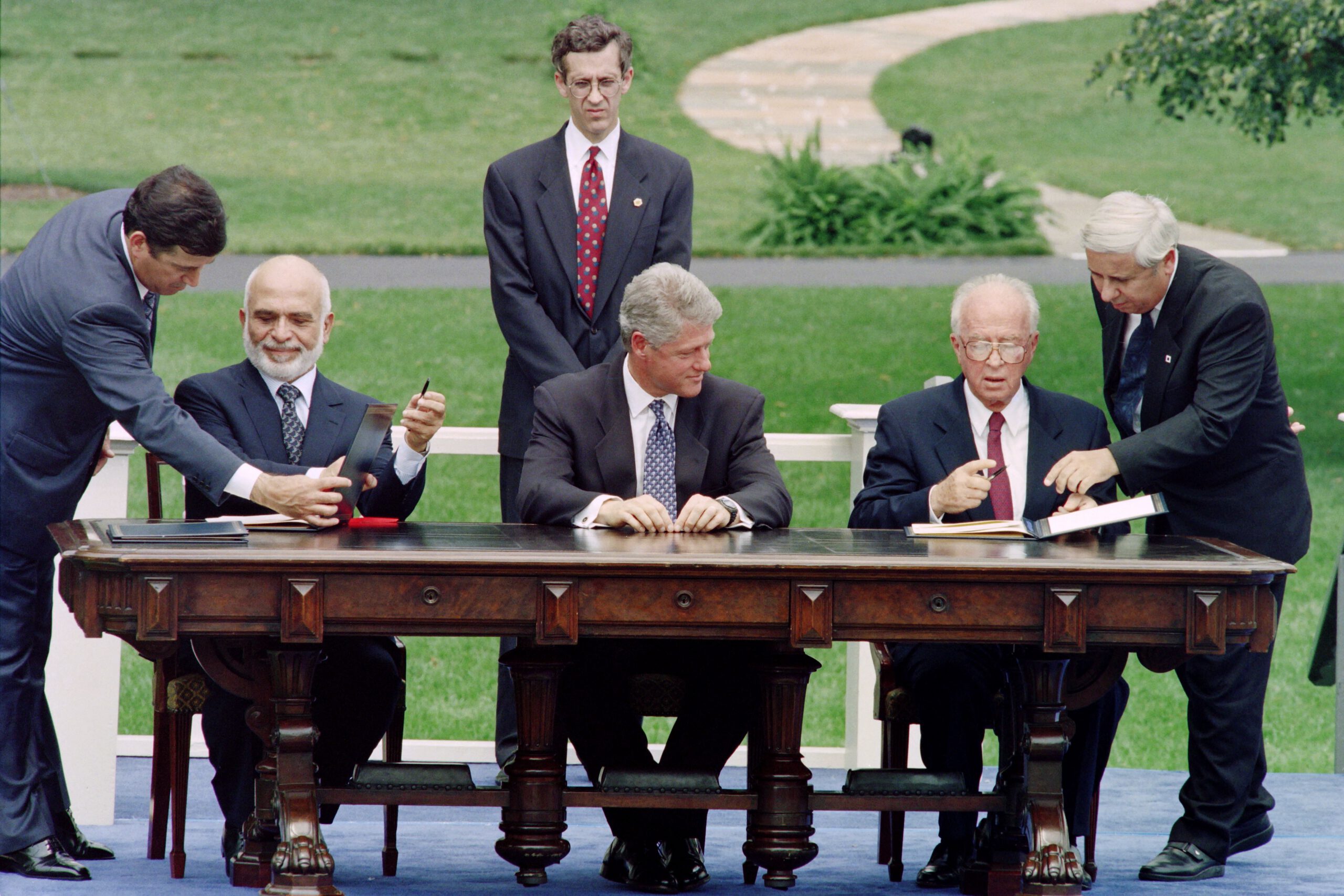
How might US-Israeli relations evolve under the Trump administration?
MEI Senior Fellow for Israeli Affairs Nimrod Goren and Associate Research Professor Ilai Saltzman discuss potential shifts in US policy, the outlook for Israeli politics in 2025, and the challenges to advancing peace on the Israeli-Palestinian front. Tune in for expert insights on what lies ahead.
دور الشرق الأوسط في السباق بين الولايات المتحدة والصين للسيطرة على مجال الذكاء الاصطناعي
تعد الذكاء الاصطناعي محفزًا محوريًا للابتكار العالمي، حيث تتصدر الولايات المتحدة تطوير هذه التكنولوجيا التحويلية في خضم تنافسها المستمر مع الصين على القوة العظمى. يهدف هذا التقرير إلى تعريف مفهوم التفوق في مجال الذكاء الاصطناعي ومراجعة استراتيجية الولايات المتحدة في هذا المجال وفقًا لفهم أكثر شمولية له. كما يبحث التقرير في كيفية تأثير المنافسة على الأطراف الفاعلة في الشرق الأوسط، ولا سيما الإمارات العربية المتحدة والمملكة العربية السعودية، في محاولة لتوجيه الحوار حول السباق العالمي في مجال الذكاء الاصطناعي نحو مفهوم شامل لسيادة الذكاء الاصطناعي يرتكز على واقع الشؤون الدولية والتنافس بين القوى العظمى الأمريكية والصينية.