The Americans Are Gone. Will Iraq’s Militias Disarm?
On September 30, the US completed its military withdrawal from Iraq, ending a 12-year-long mission to combat ISIS that began in 2014. The date was also meant to be the deadline for disarming the largely Iranian-backed militias known as the Popular Mobilization Forces (PMF), but Prime Minister Ali al-Zaidi has now pushed that cutoff back to June 30, 2027. MEI Distinguished Diplomatic Fellow Amb. (ret.) Robert S. Ford joins hosts Alistair Taylor and Matthew Czekaj to discuss what the US military withdrawal means for Iraqi security and the nature of the bilateral relationship going forward. They also speak about what it will take for Baghdad to bring the PMF militias to heel, and how Iraq may navigate the post-Iran war era.
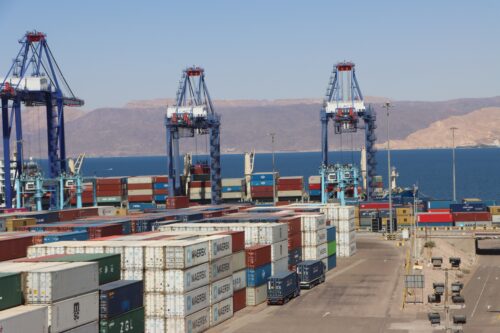
Jordan’s Economy Weathers Iran War’s Shocks and Finds New Opportunities
In the summer of 2003, King Abdullah II told Bloomberg Jordan sits “between Iraq and a hard place,” a play on words designed to describe the kingdom’s challenging environment to an American audience amid the US-led Iraq war to the east and the lingering Palestinian-Israeli conflict to the west. Jordan is grappling with a much “harder place” today.
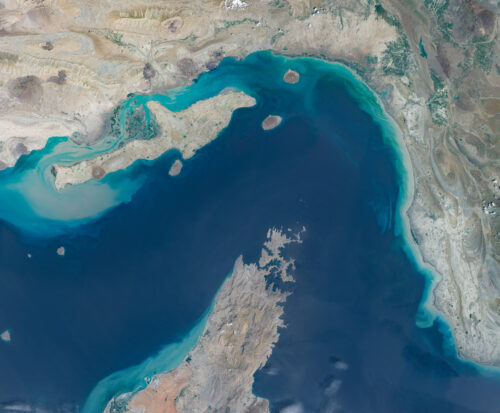
Proponents of the war with Iran have taken recent increases in crude-oil flows through the Strait of Hormuz as proof that the US strategy is finally working. President Trump is so confident in this that he recently rejected a seven-day plan, set forward by Iran’s foreign ministry, to end the war and open the strait. The United States is “winning tremendously,” Trump boasted.
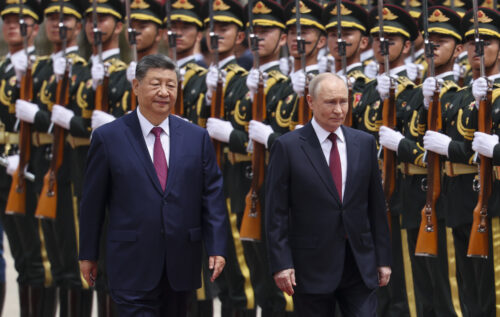
On November 28, Iranian President Hassan Rouhani and his Russian counterpart Vladimir Putin agreed in a telephone conversation to coordinate steps about global oil and gas prices as well as on the war in Syria.
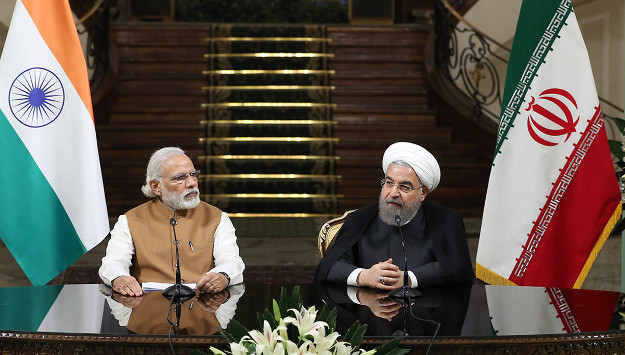
Iran Overtakes OPEC Rivals as India’s Top Oil Supplier
In another sign of Tehran’s improving trade and economic ties with regional countries, Iran has overtaken OPEC-member rivals Saudi Arabia and Iraq as Indi
In a remark that is likely to heighten tension in the Gulf region, the Iranian chief of staff of the armed forces has called for setting up naval bases across on the coasts of Yemen and Syria in the future.
Infighting in Iran over Corruption Allegations within Judiciary
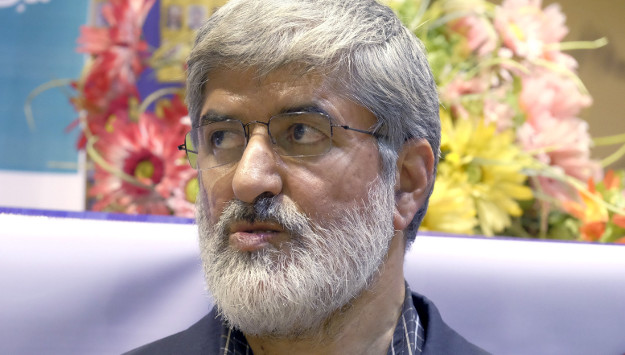
On the evening of November 26, security officials tried to arrest Mahmoud Sadeghi, a university lecturer and lawmaker from Tehran – disregarding his parliamentary immunity. But the authorities backed down after Sadeghi’s supporters, including a number of parliamentarians and students, gathered in front of his house to protest the move. The controversy soon turned into the “most heated” political issue in Tehran the following day.
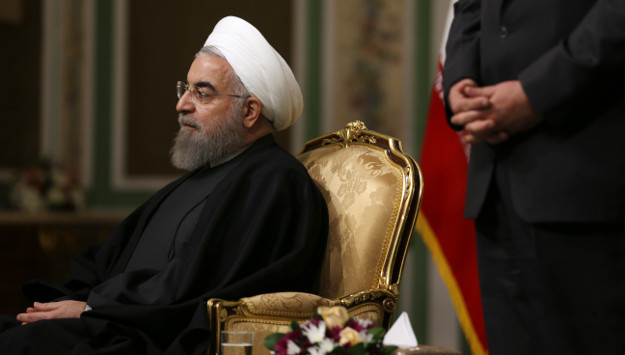
The Iranian president, Hassan Rouhani, faces an uphill struggle as he prepares for his reelection bid scheduled for May 2017. It was not supposed to be this way. Iran’s 2015 nuclear deal with world powers, including the United States, was supposed to seal Rouhani’s second term.
After all, the moderate cleric had delivered on his key promise, the lifting of the painful nuclear-related international sanctions. But Rouhani’s hardline opponents inside the Islamic Republic are now increasingly identifying corruption as Rouhani’s Achilles Heel.
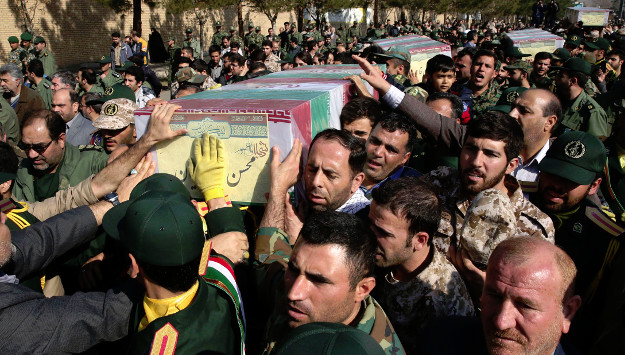
Iran Admits over 1,000 Combat Fatalities in Syrian Conflict
On November 22, a senior Iranian official admitted that more than 1,000 combatants dispatched by Iran to fight alongside President Bashar al-Assad’s forces have been killed in the Syrian war.
Growing Worries over Iran-Backed Militias’ Military Advances in Iraq
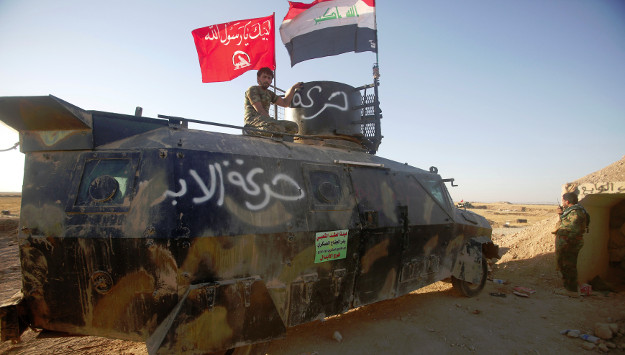
The increasing role of Iran-backed Iraqi Shiite militia forces in the battle of Mosul has alarmed the Iraqi Sunni minority as well as many countries in the region.
On November 15, the US House of Representatives almost unanimously approved a 10-year extension of the Iran Sanctions Act. Lawmakers argued that the move would put pressure on Iran to comply with the 2015 nuclear agreement. The ISA is set to expire by this year’s end. And while the Senate is expected to pass the bill, it is unclear whether President Obama will sign or veto it.
Turkey Warns against Iran-Backed Militias’ Role in Mosul
The battle for influence in Iraq between Iran and Turkey appears to be escalating to a dangerous level as Iran-backed Iraqi Shiite militia forces are set to capture the Turkmen-majority city of Tal Afar from the Islamic State. Tal Afar is located about 40 miles west of Mosul.
Political Wrangling Intensifying in Iran as Election Looms
A last-minute cancellation of a pro-government event in the Iranian city of Mashhad has sparked a bitter conflict between hardliners and reformists and is likely to further undermine the Rouhani government. Mashhad is Iran’s second populous city and the capital of northeastern Khorasan-e Razavi Province.
Iran in Talks with Alternative Companies to Replace Boeing, Airbus
On November 17, the US House of Representative passed a legislation that would prohibit the sale of commercial aircraft to Iran. If approved by the Senate and signed into law by President Obama, the bill would bar the Department of Treasury from permitting Airbus and Boeing to do business with Tehran.
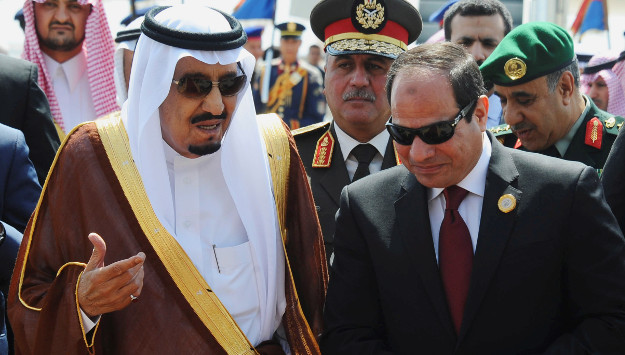
Iran Trying to Exploit Cairo-Riyadh Rift for Political Gains
On November 21, Iran’s Foreign Ministry Spokesman Bahran Ghasemi praised Egypt as a leading country in the Arab world and stressed that Tehran sought closer ties with Cairo.
On November 17, Amnesty International published a report that condemned the “macabre propaganda videos” aired on Iranian state-run media outlets that featured “forced confessions” of 25 Sunni men Iran execu
The oldest peer-reviewed publication dedicated to the study of the modern Middle East, MEI’s flagship journal covers politics, society, and culture in the region.