The Americans Are Gone. Will Iraq’s Militias Disarm?
On September 30, the US completed its military withdrawal from Iraq, ending a 12-year-long mission to combat ISIS that began in 2014. The date was also meant to be the deadline for disarming the largely Iranian-backed militias known as the Popular Mobilization Forces (PMF), but Prime Minister Ali al-Zaidi has now pushed that cutoff back to June 30, 2027. MEI Distinguished Diplomatic Fellow Amb. (ret.) Robert S. Ford joins hosts Alistair Taylor and Matthew Czekaj to discuss what the US military withdrawal means for Iraqi security and the nature of the bilateral relationship going forward. They also speak about what it will take for Baghdad to bring the PMF militias to heel, and how Iraq may navigate the post-Iran war era.
Jordan’s Economy Weathers Iran War’s Shocks and Finds New Opportunities
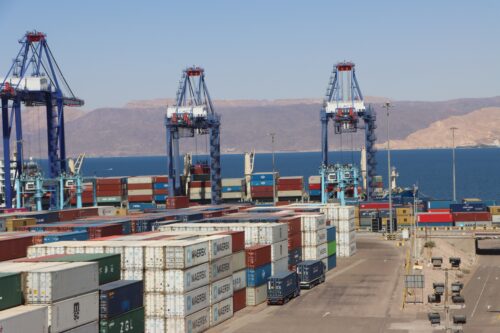
In the summer of 2003, King Abdullah II told Bloomberg Jordan sits “between Iraq and a hard place,” a play on words designed to describe the kingdom’s challenging environment to an American audience amid the US-led Iraq war to the east and the lingering Palestinian-Israeli conflict to the west. Jordan is grappling with a much “harder place” today.
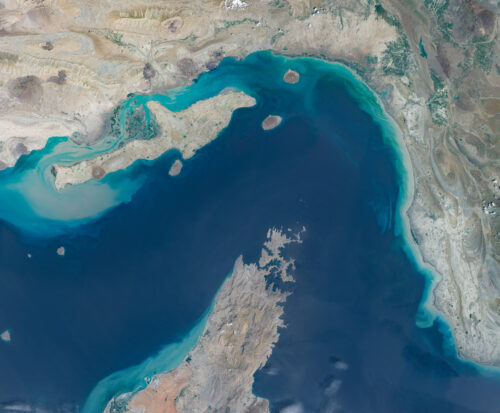
Proponents of the war with Iran have taken recent increases in crude-oil flows through the Strait of Hormuz as proof that the US strategy is finally working. President Trump is so confident in this that he recently rejected a seven-day plan, set forward by Iran’s foreign ministry, to end the war and open the strait. The United States is “winning tremendously,” Trump boasted.
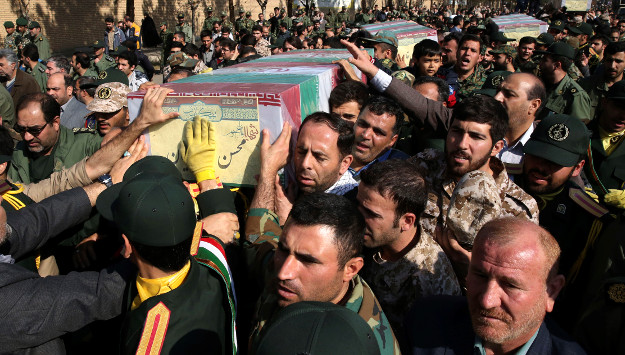
Iran-backed Militia Group Seizes Key Military Base West of Mosul
As the US-backed Iraqi security forces and Kurdish peshmerga fighters are advancing into Mosul from the east, an Iranian-backed militia group claimed a major victory over the Islamic State in western part of the city on November 16.
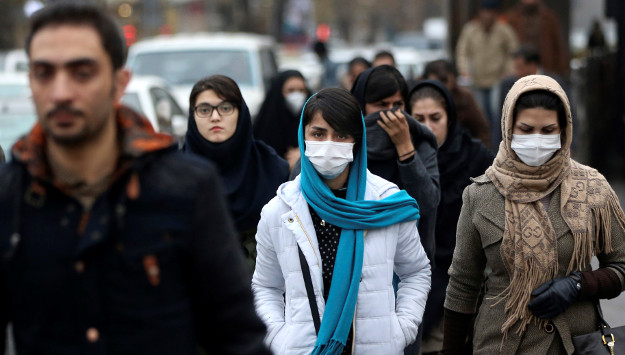
Worsening Air Pollution Triggers Political Clashes in Iran
In the past days, the alarming levels of air pollution in Tehran and other major cities have forced schools to shut down for several days, caused health h
This essay provides a brief overview of Iran’s relations with Southeast Asian nations during the sanctions period, looks at the initial results of President Rouhani’s October 2016 visit to the region, and considers the prospects for the further expansion of these ties.
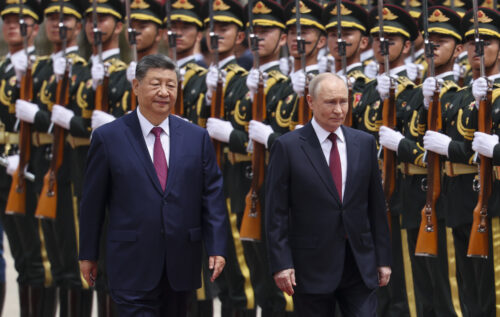
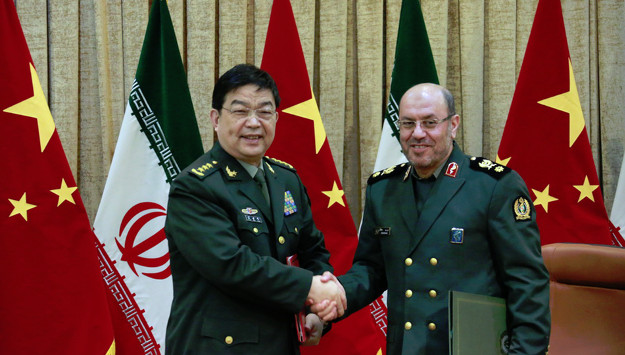
Tehran-Moscow Distrust Remains despite Talks over $10 Billion Arms Deal
On November 14, Iranian and Russian news outlets reported that Tehran and Moscow had begun negotiating the supply of around $10 billion worth of arms and military hardware to Iran. The deal reportedly includes T-90 tanks, artillery, planes and helicopters.
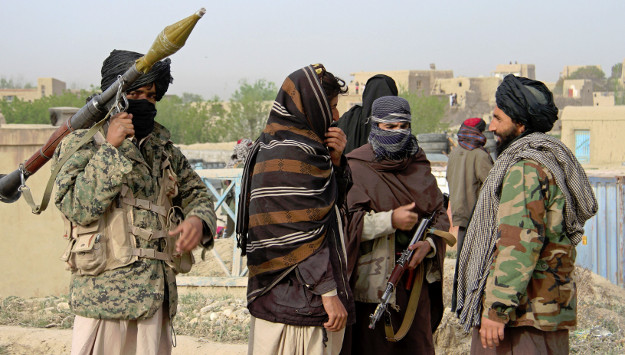
Tension Brewing between Iran, Afghanistan amid Allegations of Tehran Aiding Taliban
On November 15, Iranian Foreign Ministry Spokesman Bahram Qasemi refuted allegations by Afghan media and government officials that Tehran harbored Taliban leaders on its soil. “The presence of Taliban elements in Iran is baseless and unfounded,” he said, adding that Iran and Afghanistan had friendly relations and cooperated to ensure security and stability in the two countries.
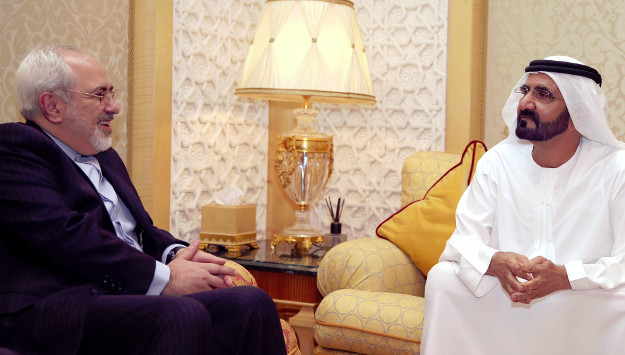
UAE's Siding with Saudi Arabia in Diplomatic Row Unsettles Iran
Diplomatic relations between Iran and the United Arab Emirates are going through another rough patch as the latter recently submitted a letter to the United Nations General Assembly, expressing concern over Iran’s “expansionist” policies in the region.
Rouhani under Pressure to Do More for Opposition Figure's Release
As President Hassan Rouhani is readying for reelection next May, he has come under growing pressure from his reformist supporters to improve the human rights situation in the country.
Iranians Divided over Impact of Trump’s Victory on Iran-US Relations
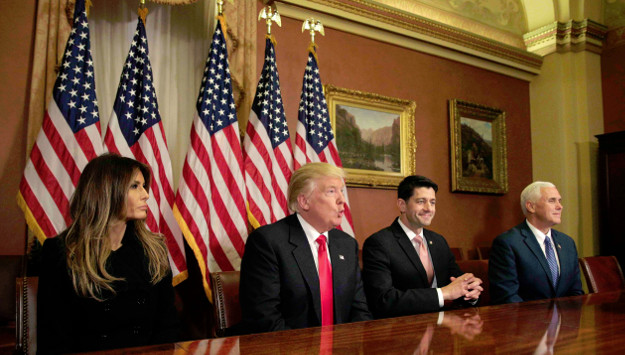
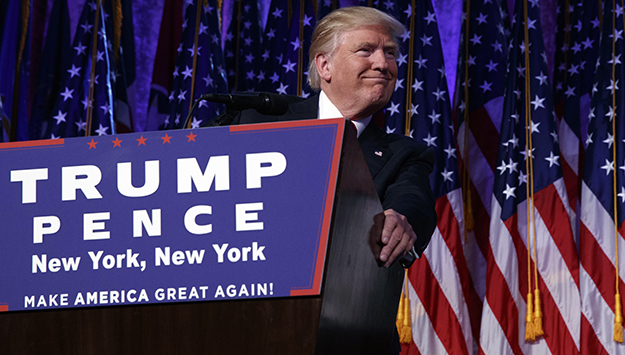
Iranian officials and media have reacted to Donald Trump’s election victory with a mixture of cautious optimism and alarm.
During the final stages of US presidential election, Iran’s Supreme Leader Ali Khamenei and leaders of the Islamic Revolution Guards Corps (IRGC) had implicitly supported Trump over Hillary Clinton. With Trump’s victory, they now hope that his pro-Moscow and anti-Saudi Arabia rhetoric translates into policy to favor Iran’s interests in Syria and the broader region.
News of Trump’s Secretary of State Nominees Sends Shockwaves Across Iran
On November 10, a number of US news outlets reported that President-elect Donald Trump was considering his top campaign surrogates for top cabinet positions.
U.S.-G.C.C. Relations: Recommendations for the Next Administration
The United States will confront a new and very different set of challenges in its relationship with the G.C.C. states over the coming four years. For the first time since the end of World War II, a new administration will come to power in Washington next January facing a ‘trust deficit’ in its management of relations with its G.C.C. partners. The overwhelming Congressional vote to override President Barack Obama’s veto of the JASTA legislation was interpreted in the region as a lessening of popular support for the U.S.-G.C.C. relationship.
Briefing: Middle East Reactions to the U.S. Election
In this special edition of our weekly briefing, MEI experts Paul Salem, Robert S. Ford, Eran Etzion, Gonul Tol, Alex Vatanka, and Gerald Feierstein provide analysis on the impact of Donald Trump’s victory in the U.S. Presidential Election on the future of Middle East policy, its particular effect on the crises in Iraq and Syria, and how the news has been received across the region, including in Turkey, Iran, and the GCC.
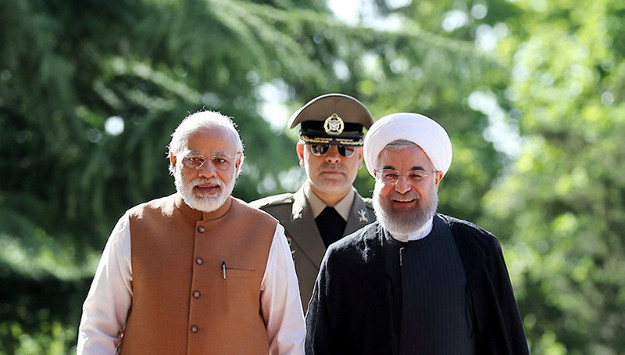
The last few weeks has seen a flurry of important announcements in Iranian-Indian relations. It is usually the commercial transactions that capture most of the headlines, but the potential for closer ties between these two states runs much deeper.
The oldest peer-reviewed publication dedicated to the study of the modern Middle East, MEI’s flagship journal covers politics, society, and culture in the region.