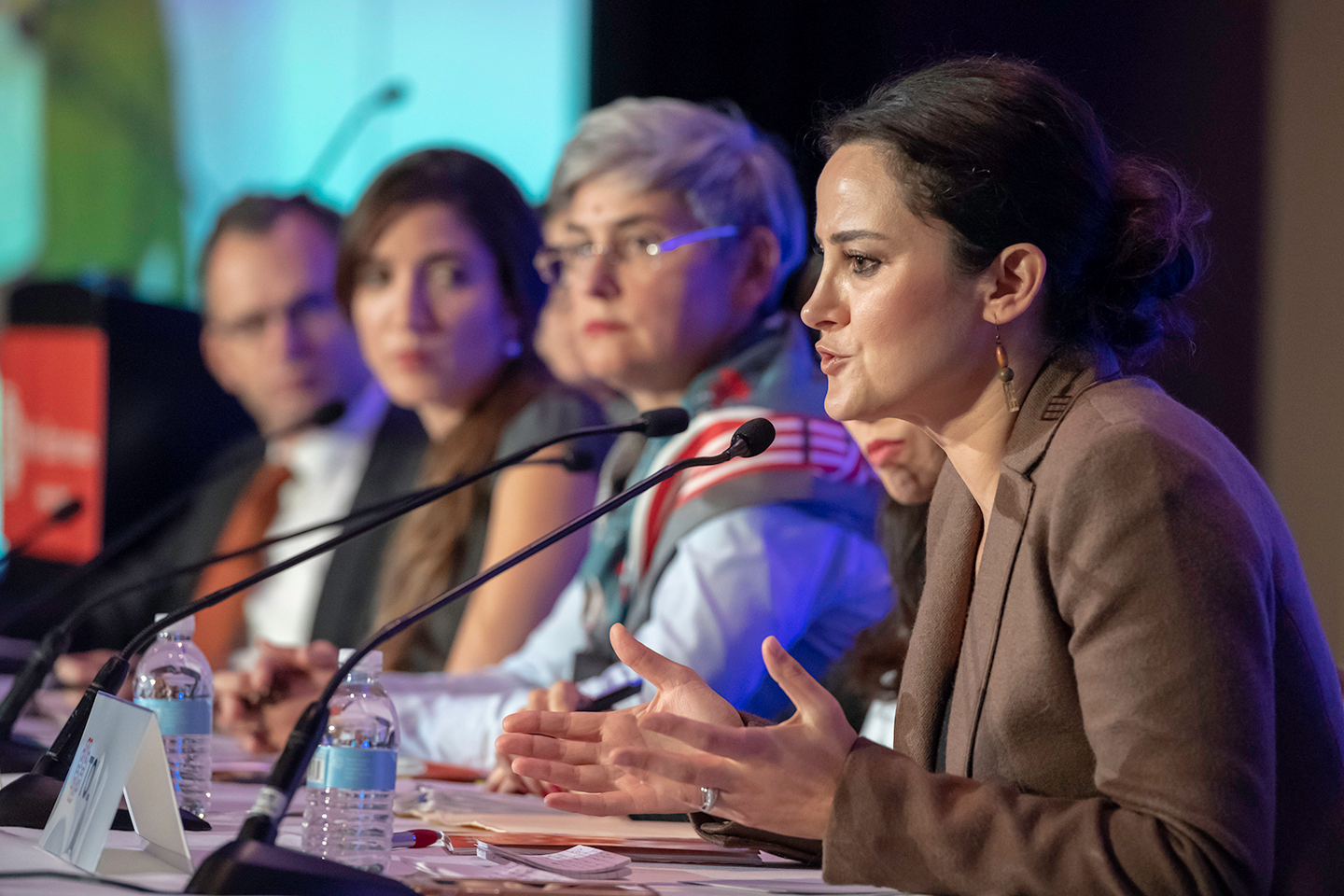
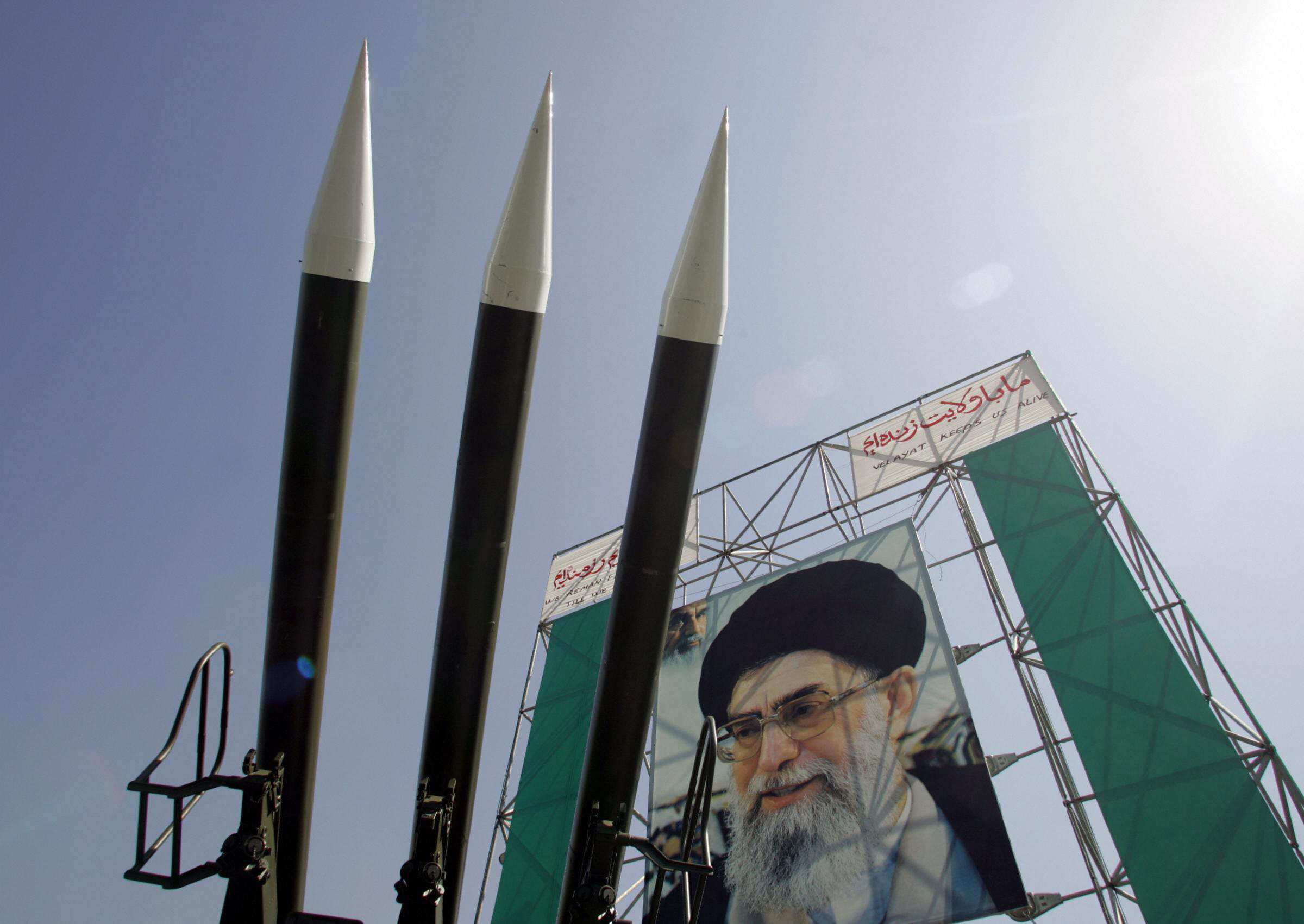
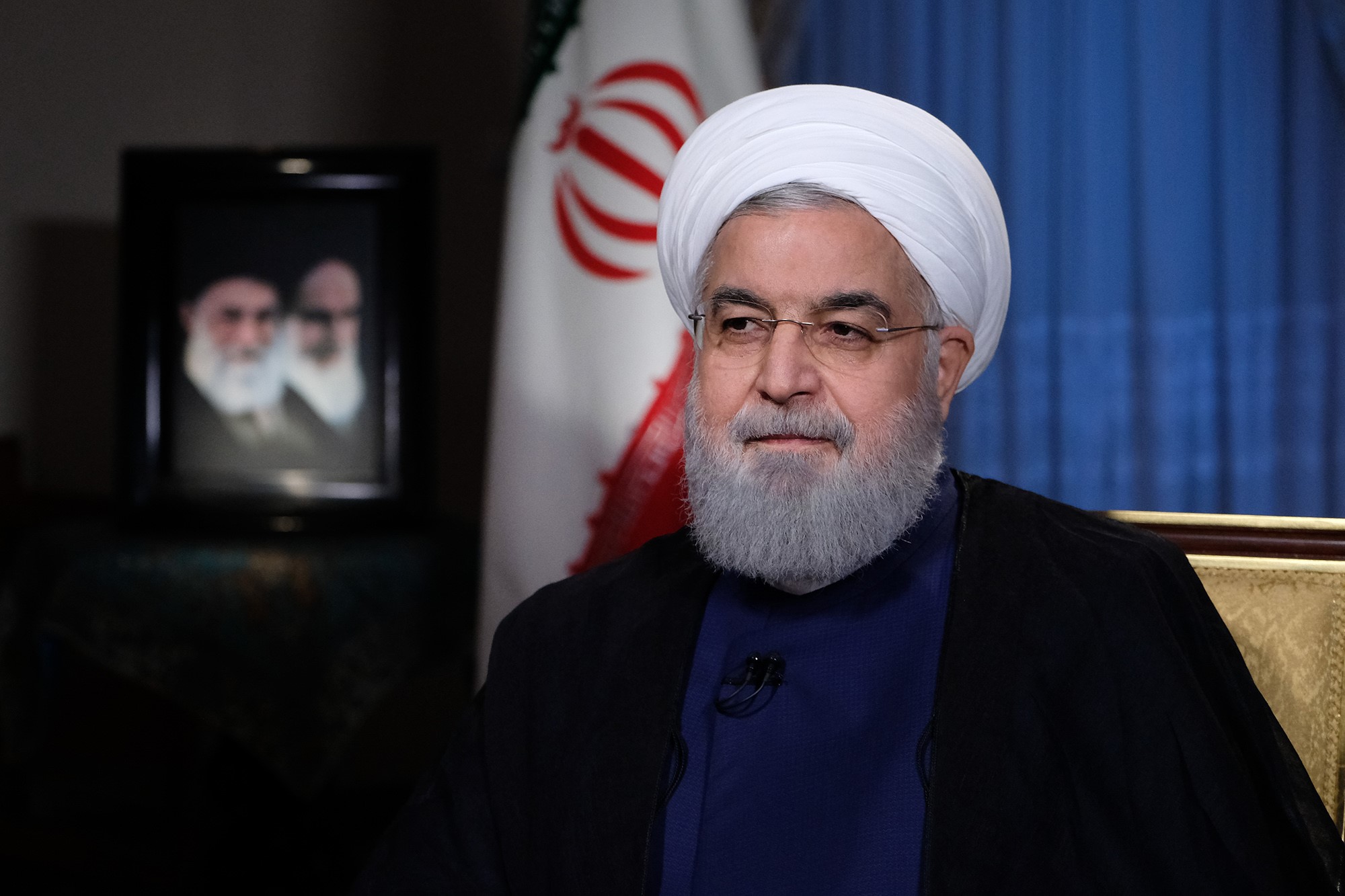
Washington says it doesn’t know who runs Iran. Tehran insists its leadership is united. MEI Senior Fellow Alex Vatanka joins hosts Alistair Taylor and Matthew Czekaj to sort out where the truth lies. They look at the small circle of political and military figures now steering the war effort in Tehran: who they are, how they make decisions, and how unified they really are. They also discuss the current state of US-Iran negotiations, the role of the upcoming midterm elections in the United States, and how the Islamic Republic is preparing for a potential renewal of conflict afterward.
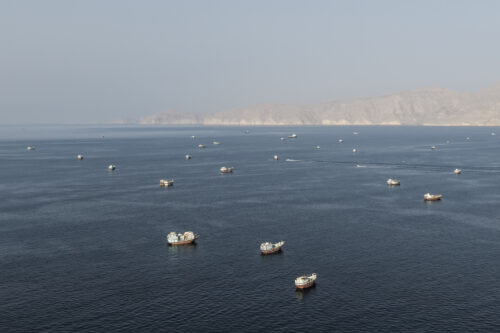
Crude oil is flowing out of the Gulf again, but the market is no better prepared for another disruption in the Strait of Hormuz. It has assembled a temporary system for managing one. Crude exports from the Gulf, excluding Iran, returned to pre-war levels in September, while total Gulf shipments reached 15.5 million barrels a day, more than 80% of the pre-conflict volume.
Many of the immediate consequences of the Israeli-American war with Iran are already clear. The further emergence of drones and missiles as dominant weapons of war; the danger to the global economy from the threats to vital chokepoints such as the Strait of Hormuz and the Bab el-Mandeb; and the inadequacy of US weapons procurement, among other issues, have garnered widespread and entirely merited attention.
With the fall of the Berlin Wall 30 years ago, ties between Western and Eastern Europe were renewed. In the same period, another wall crumbled — between the Middle East and the former Soviet states. And yet, to this day, U.S. national security institutions continue to view these two regions through a Cold War lens, separating how they are handled. This approach needs to change; integrating research and policy toward the Middle East and the bordering states of the former Soviet Union would improve analytical understanding and help identify new policy options.
40 years on from the moment that forever changed US-Iranian relations
Taking the American diplomats hostage for 444 days consolidated the Iranian revolution around the Khomeinists, but very few people in Tehran today will deny that it came at the great expense of isolating Iran internationally for the past 40 years.
US can maximize pressure against Iran's leaders while helping its people
It has now been almost 18 months since Secretary of State Mike Pompeo issued 12 demands to Iran and imposed a “maximum pressure” campaign to compel Tehran to change behavior.
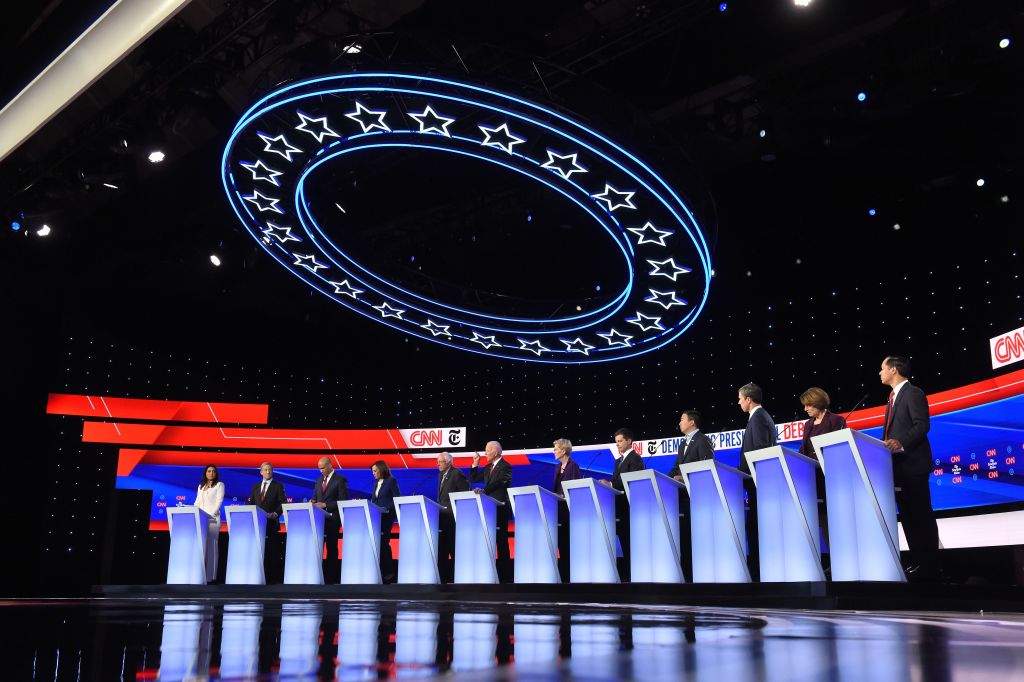
Securing the 2020 election from disinformation is going to get complicated
The increasing involvement of Iran in disinformation and attempted email hacking, in tandem with the revelation of Turla hijacking Iranian hacking infrastructure, risks muddying the waters even further with regard to attributing and countering election interference in 2020.
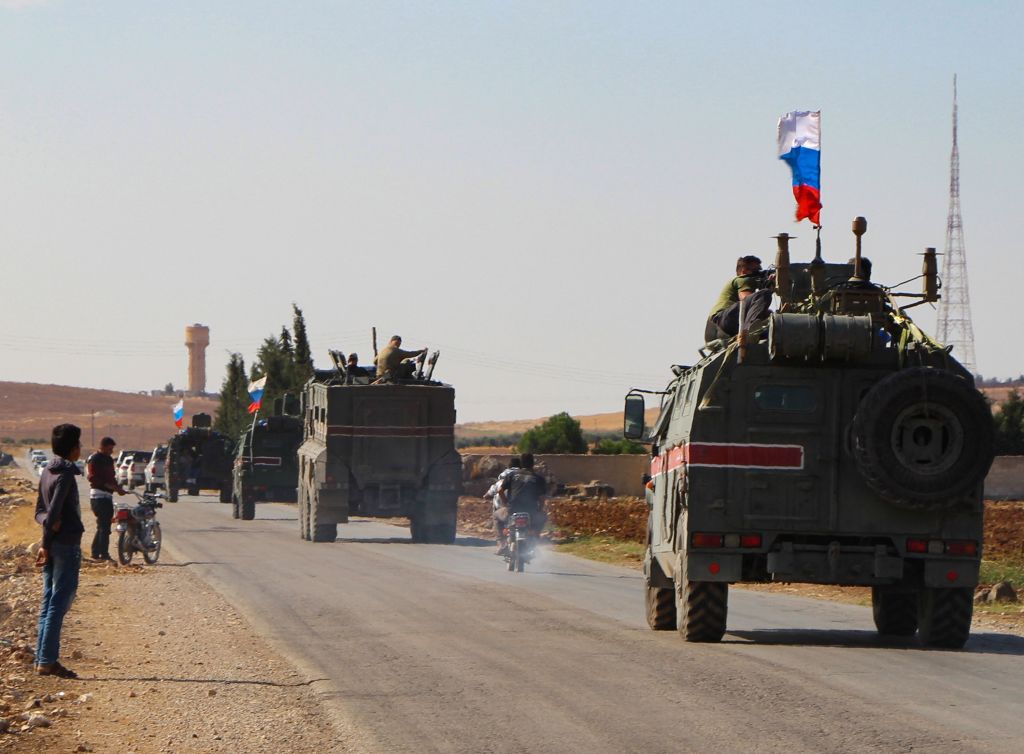
Iran may not like it, but it can live with a Turkey-Russia deal on Syria
While the Iranians would have preferred it if the Turks had not invaded Syria, it does not change their most immediate policy objective, which is the survival of the Assad regime. As long as the Russians keep the Turks away from Assad’s forces, Tehran will, at least in the short term, be able to manage the consequences of Ankara’s actions.
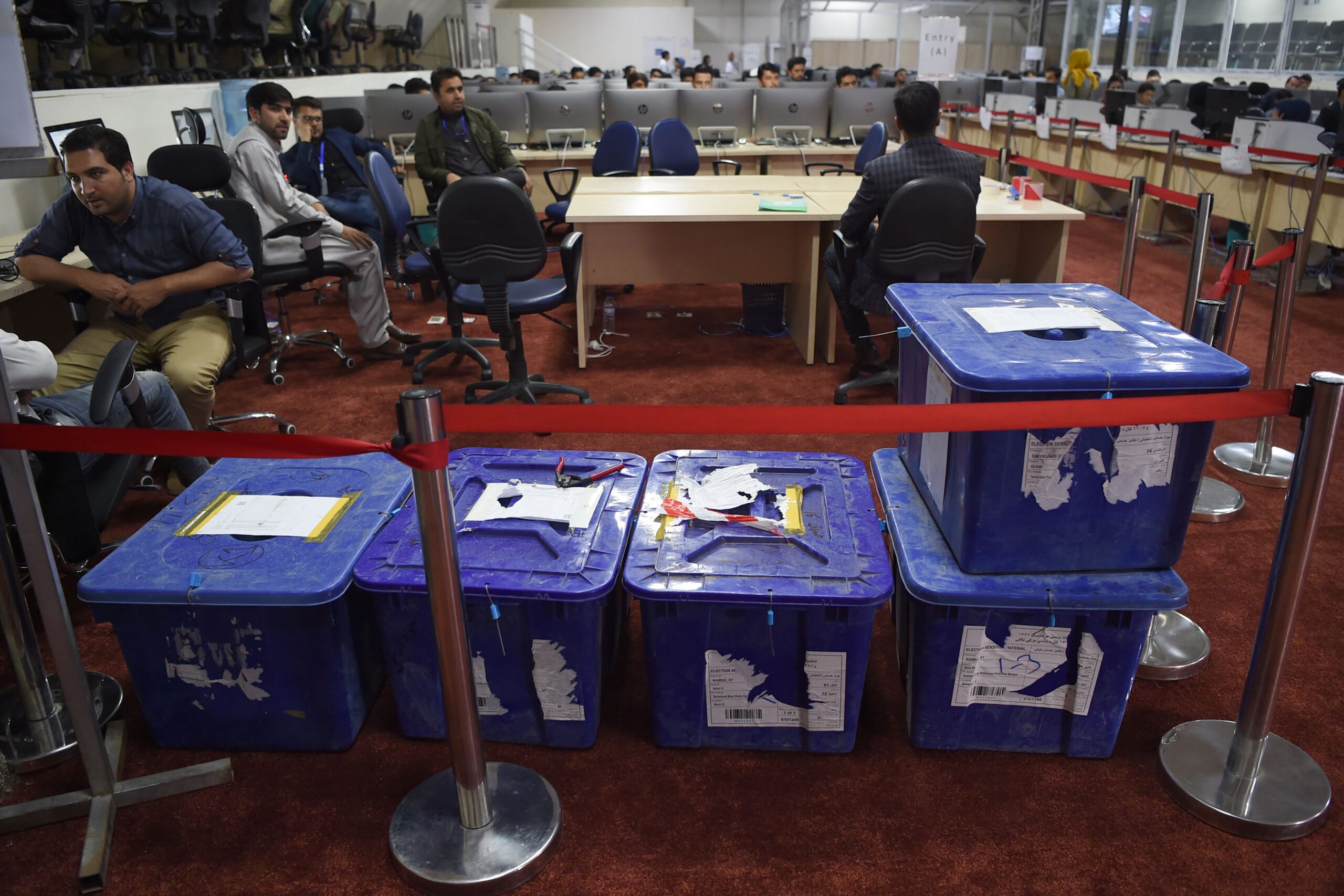
The US eyes the exit as Afghan election results are once again delayed
In a move that surprised no one, on Oct. 19 the Afghan election commission said it was unable to announce the preliminary results of the Sept. 28 presidential election as planned, due to delays in processing biometric data. Held amid political uncertainty, terrorist violence, and general skepticism, the September election was the fourth presidential contest in Afghanistan since 2001, when the brutal Taliban regime was toppled in the wake of the Sept. 11 terror attacks on the United States.
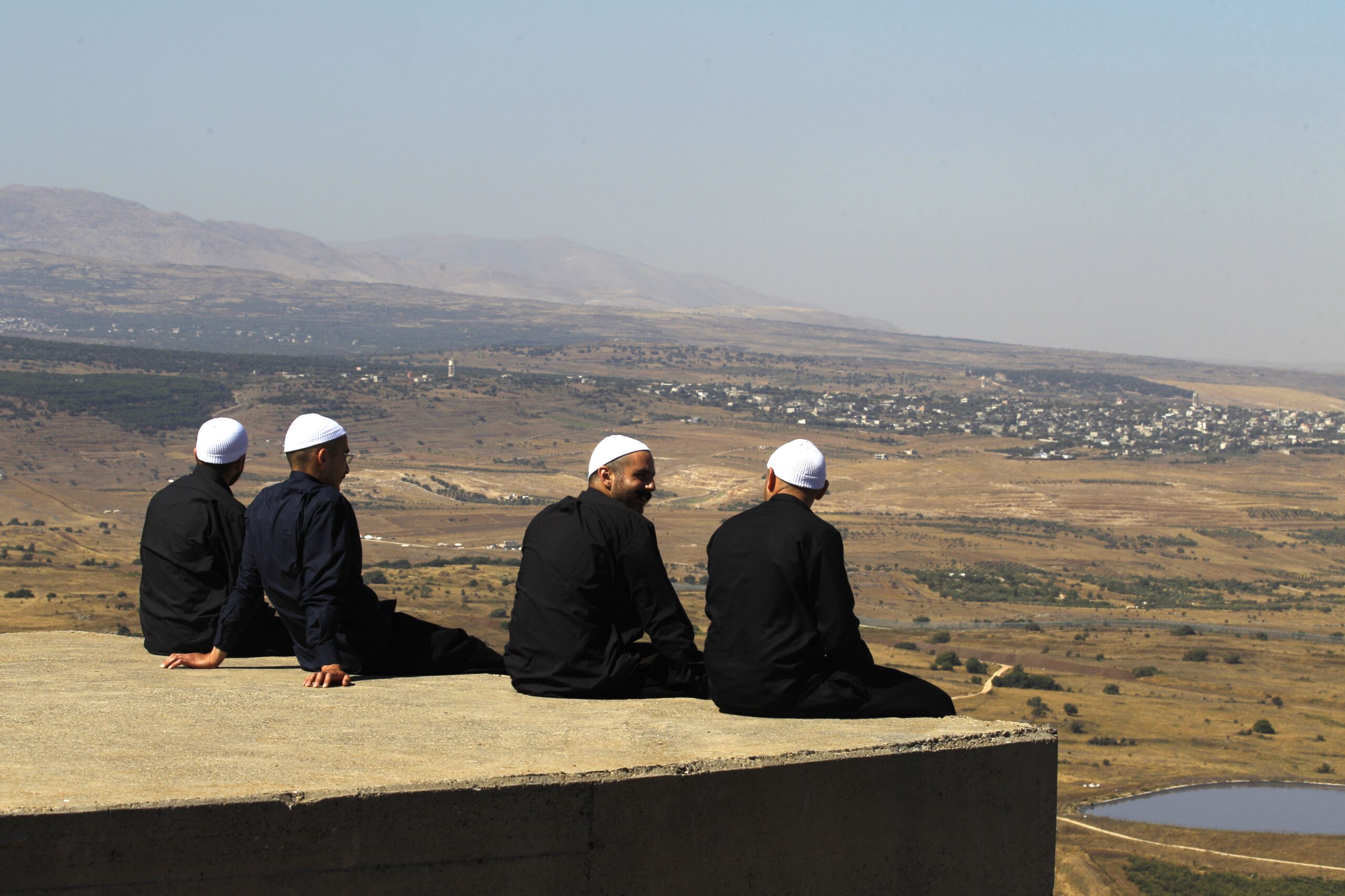
Divide and Conquer: The Growing Hezbollah Threat to the Druze
Deep political, familial, and religious ties have allowed Druze communities across the Levant to remain largely unified against external threats, but eight years of violence in Syria and a coordinated campaign by the regime and its allies now threaten to destabilize regional Druze politics and erode the sect’s political and military power. An Iranian-backed campaign by Hezbollah to incite inter-Druze violence in Lebanon has curtailed this unity, laying the groundwork for Hezbollah to expand into Syria’s Suwayda province with impunity.
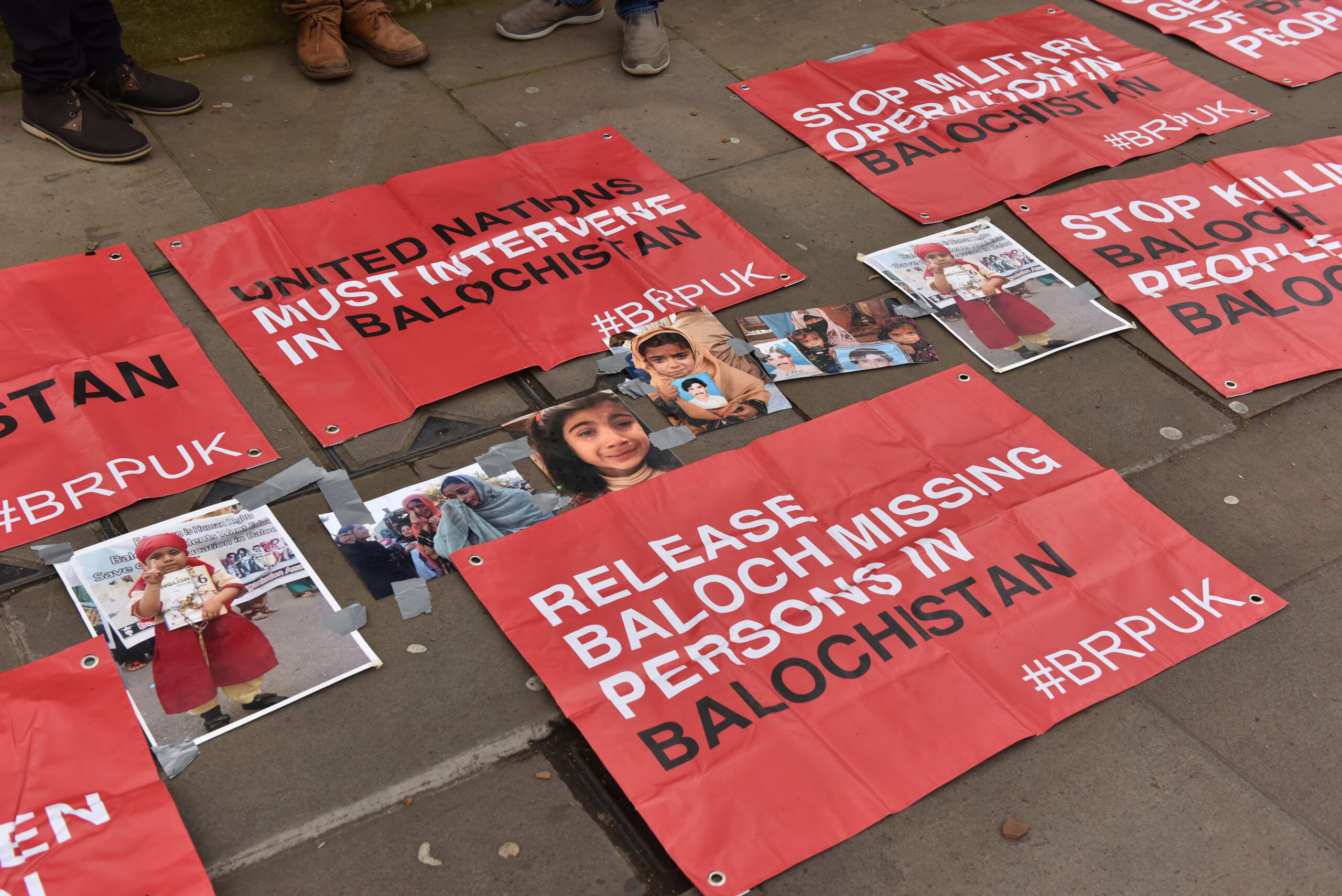
Balochistan: From the periphery to the center of attention
With an estimated $1 trillion in natural resources and sitting astride an international crossroads of increasingly critical importance, Balochistan is becoming a stage on which the world’s powers are playing out their ambitions. China, the U.S., and India have all formulated Balochistan policies in the past few years, hoping to utilize the region to achieve wider international goals — and the three countries across which Balochistan is divided, Pakistan, Afghanistan, and Iran, have been eager to use it as a bargaining chip for their own purposes.
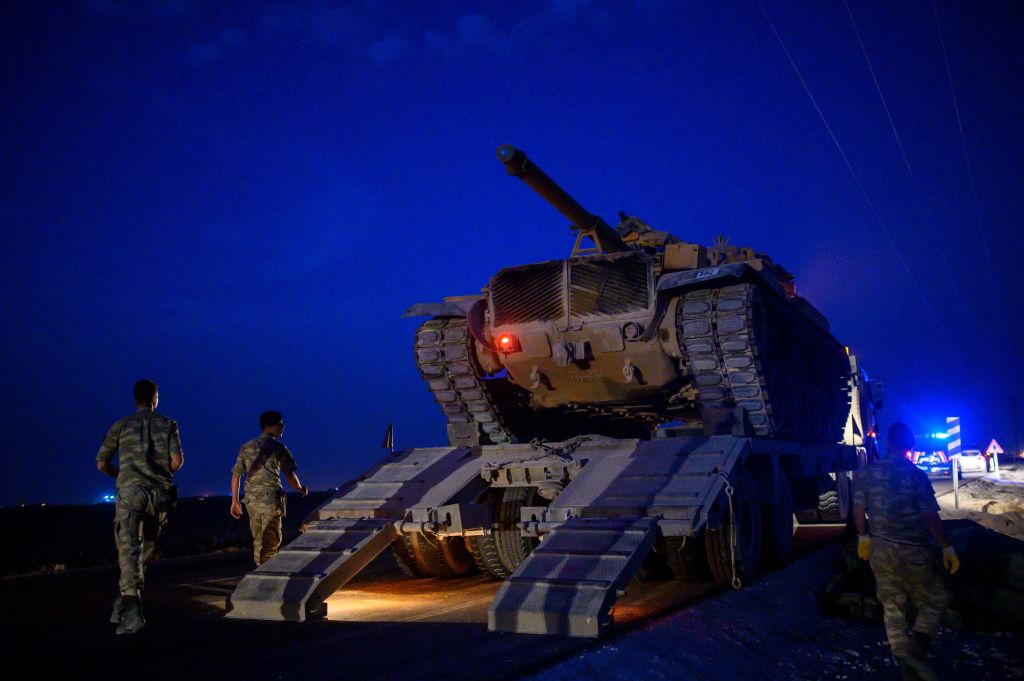
While the Turkish military offensive against the Kurdish-led Syrian Democratic Forces (SDF) in northern Syria might, once again, bring Moscow and Tehran together tactically in support of Assad’s rule and Syrian sovereignty, the two powers have fundamentally different visions for the war-ravaged country’s future.
Washington has a hard long-term choice when it comes to Syria. The best chance for an optimal solution through a negotiated political deal was lost years ago. The U.S. now must choose a policy which will yield only a “least-bad” result.
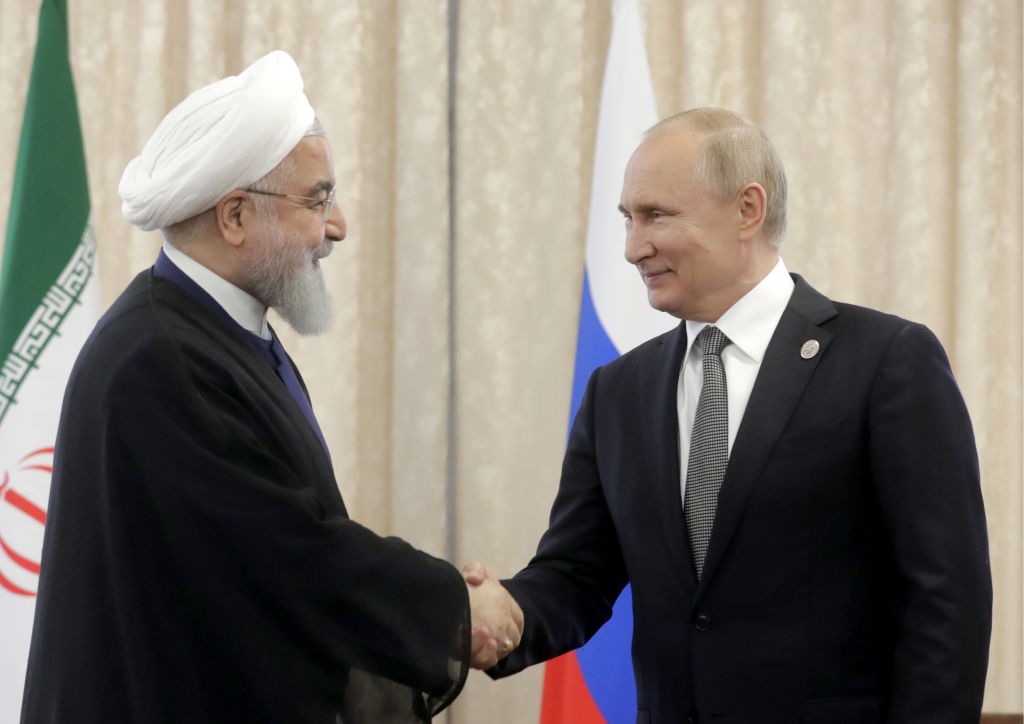
Russia’s efforts to expand the Astana process in Syria
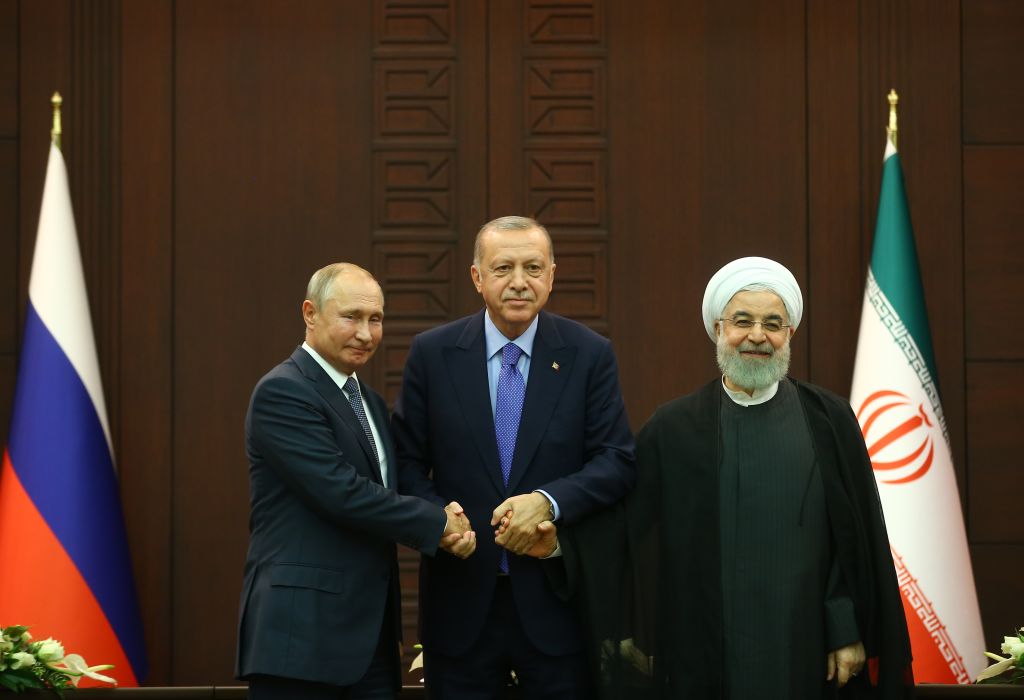
On Sept. 16, the presidents of Russia, Iran, and Turkey met in Ankara to discuss the resolution of the Syrian civil war. In all three countries, the Ankara summit was hailed as a major success, as negotiations on the formation of a Syrian constitutional committee concluded and progress was made toward resolving other outstanding challenges, such as the future of northeastern Syria and the ongoing struggle for Idlib.
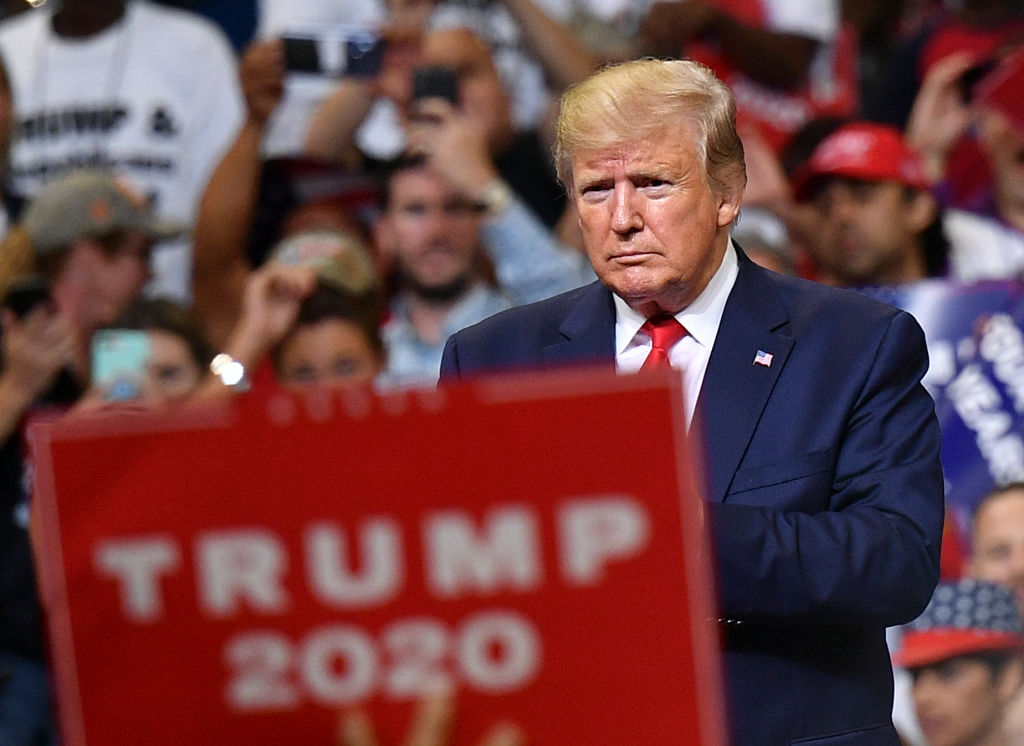
Iran appears poised to interfere in 2020 presidential election
Lately, Iran has begun leveraging LinkedIn to hack espionage targets and has developed sophisticated disinformation campaigns to exacerbate distrust of its adversary governments.
Qassem Soleimani and the Iranian regime’s quest for legitimacy
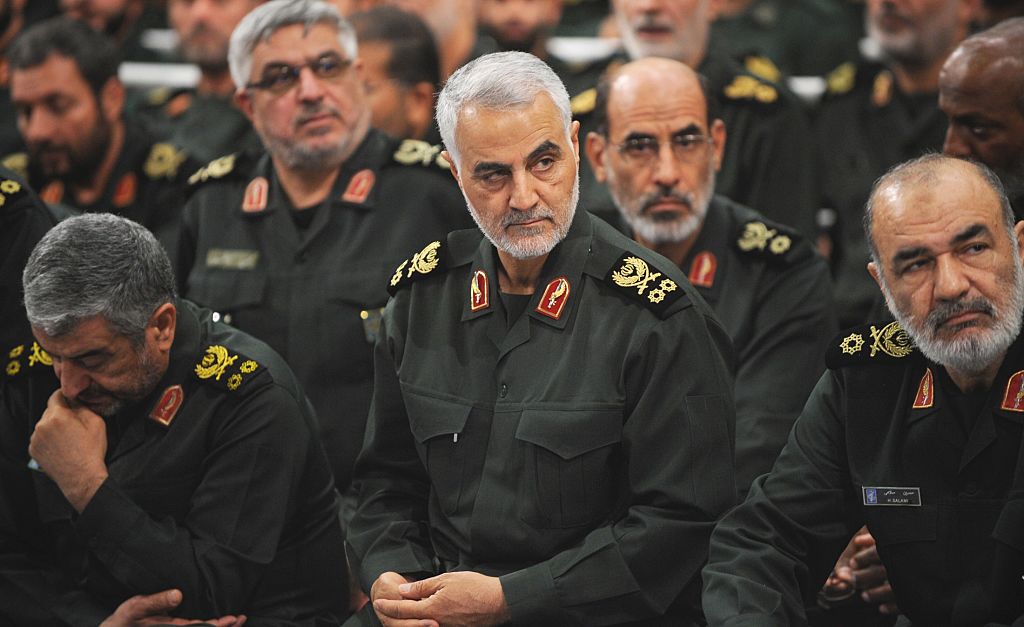
If there is one Iranian military figure that can be considered an international celebrity of sorts, it is General Qassem Soleimani. He is the head of the Quds Force, the arm of the Islamic Revolutionary Guard Corps that operates outside of Iran’s borders. This week, he gave his first ever lengthy public interview, focusing on Iran’s role in the 2006 war between Lebanese Hezbollah and Israel.
The oldest peer-reviewed publication dedicated to the study of the modern Middle East, MEI’s flagship journal covers politics, society, and culture in the region.