After the US-Israel-Iran war — and the strikes that followed the cease-fire — the Gulf states find themselves dangerously exposed. Host Alistair Taylor is joined by MEI Associate Fellow Gregory Gause to discuss the war’s impact on the Gulf, their partnership with the United States, and whether the turmoil of recent months will push Gulf leaders to reassess their alliances and international engagement.
The UAE’s departure represents an undeniable strategic setback for OPEC+. Its most likely response will be to shore up the amount of output capacity subject to quotas. For now, there are two clear pathways it could take to accomplish this, although neither represents a quick fix.
Saudi Arabia has stepped up its efforts to unify and restructure Yemen’s anti-Houthi forces after the rapid expansion and sudden implosion of the United Arab Emirates-backed secessionist Southern Transitional Council following Abu Dhabi’s military withdrawal from the country.
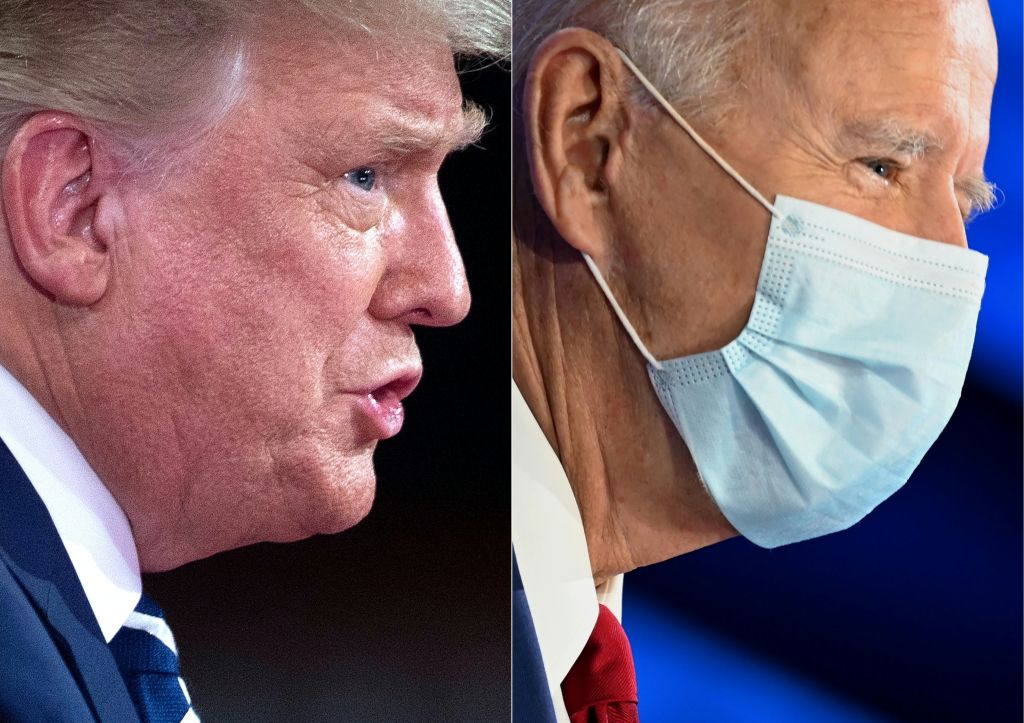
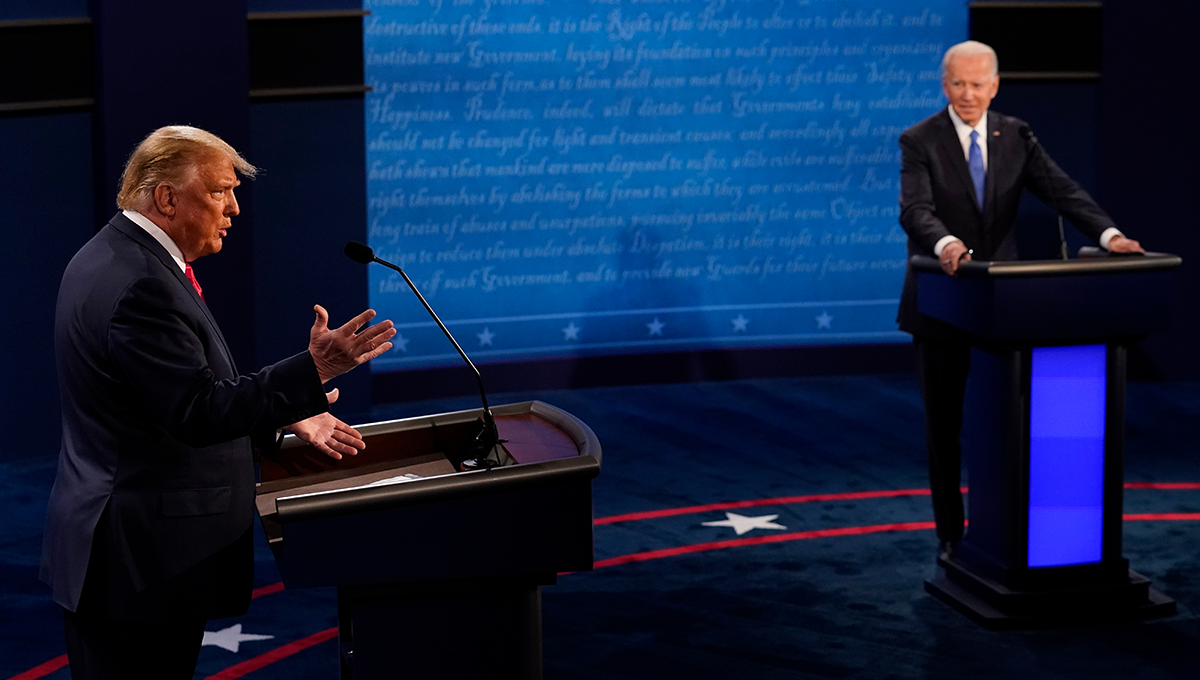
The upcoming American presidential election is top of mind for the Arab Gulf states. This is no surprise as there is so much at stake for them. As the race enters its final critical week, all eyes are on who will occupy the White House for the next four years — and the Arab Gulf states have their preferences. America is still indispensable to Gulf security, but the Gulf is also becoming an indispensable regional partner for whoever wants to lead the world in the 21st century. Today both sides need each other more than ever before.
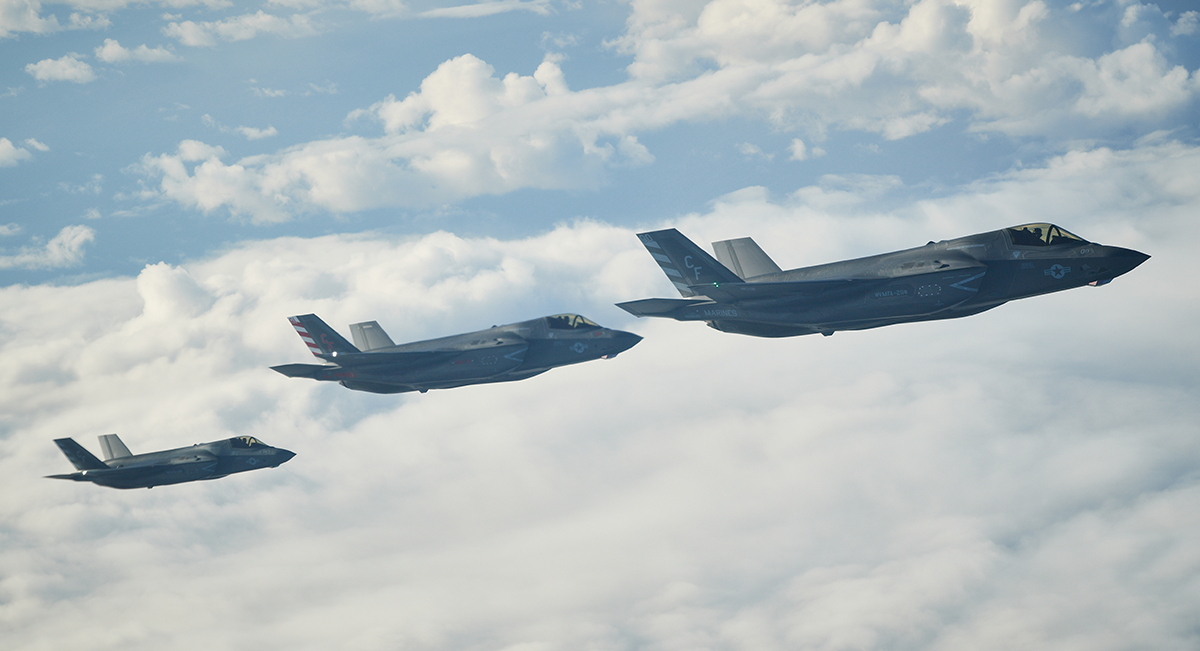
It was only a matter of time before another Arab partner joined the UAE in asking to buy F-35 fighter jets. On Wednesday, Reuters reports, Qatar formally submitted its own request.
Are the treaties with the UAE and Bahrain in any way comparable to previous genuine milestones, like the agreements with Egypt and Jordan? Can we realistically see them as helping to lead the way to a brighter future, at least as far as Israel’s conflicts with its neighbors are concerned? The answer is almost certainly “not really.”
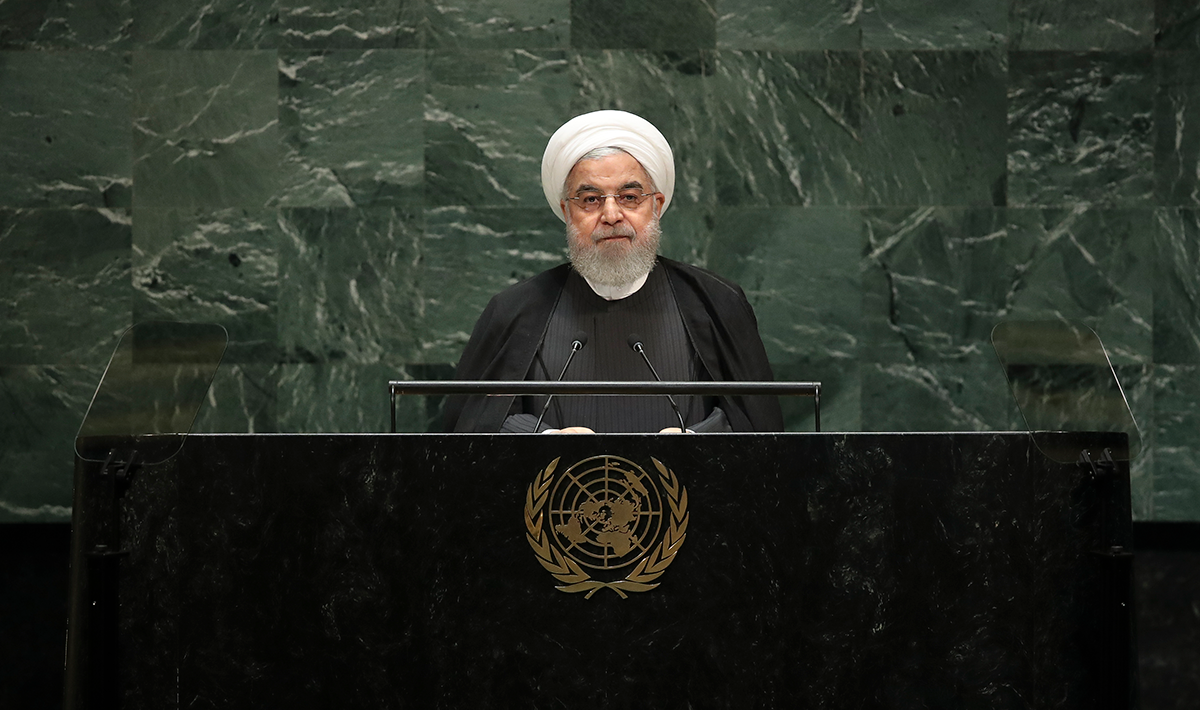
Last September, at the 74th session of the U.N. General Assembly, Iranian President Hassan Rouhani proposed the optimistically named “Hormuz Peace Endeavor” (HOPE). Over the past year, however, Iran’s plan has failed to gain any traction with the GCC states, even as the region’s security environment has fundamentally changed in ways that are detrimental to the Islamic Republic.
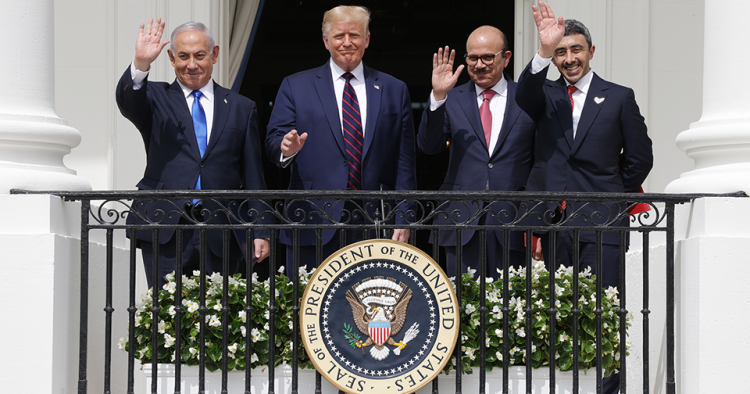
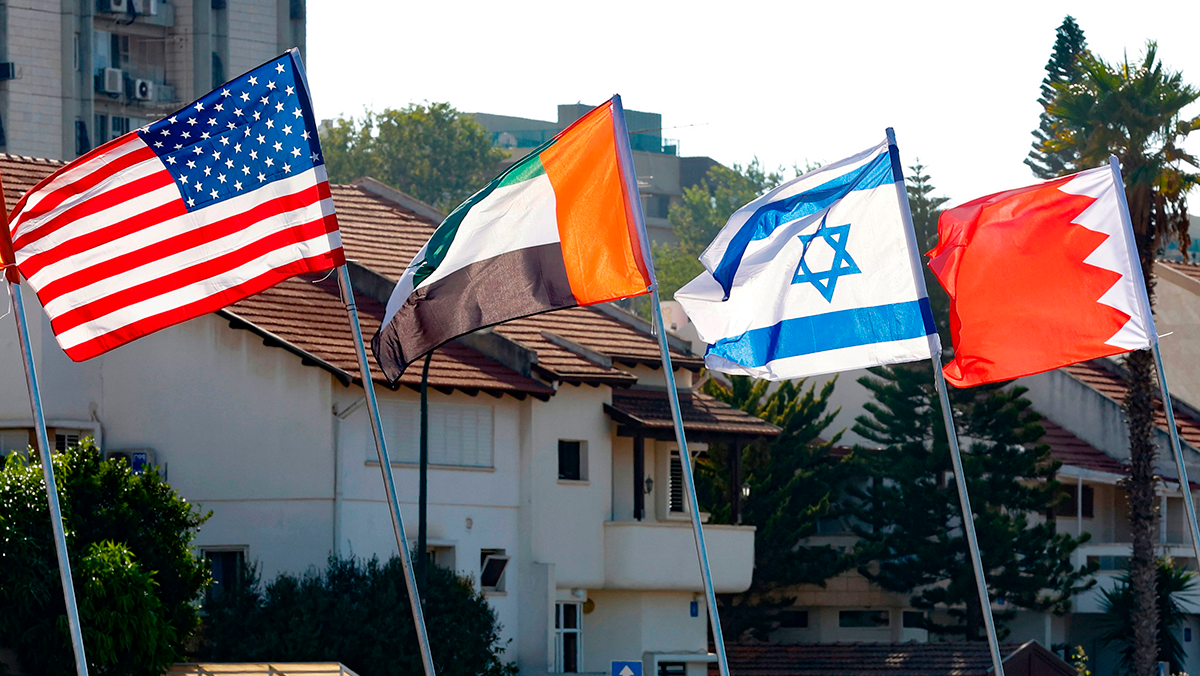
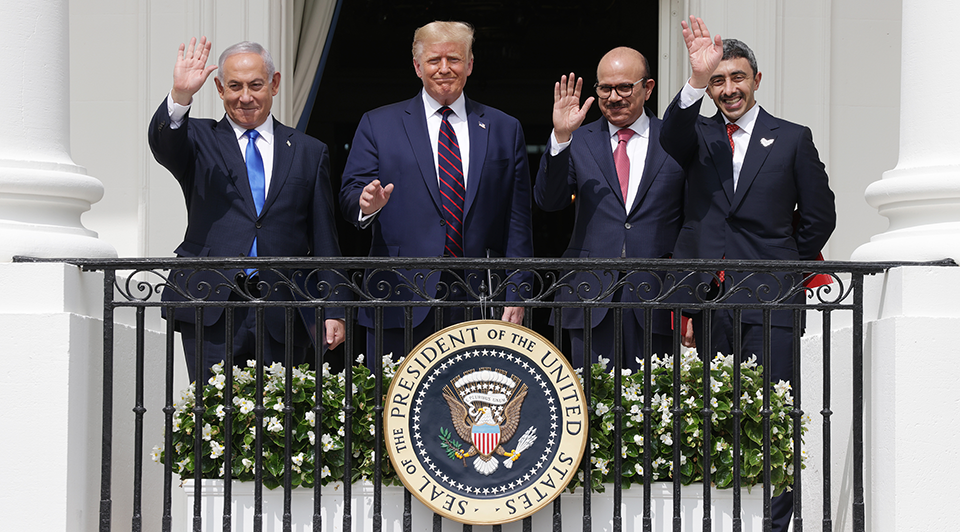
On September 15, President Trump presided over a ceremony on the South Lawn of the White House where Prime Minister Benjamin Netanyahu of Israel and the foreign ministers of the United Arab Emirates (UAE) and Bahrain, Abdullah bin Zayed Al Nahyan and Abdullatif Al Zayani, respectively, signed a general declaration of principles, called “The Abraham Accords.” Numerous analysts have focused on the regional impact of the normalization of relations between Israel and these two Gulf Arab countries. However, this development has worldwide geopolitical implications — including for China.
The benefits and challenges of UAE-Israel normalization
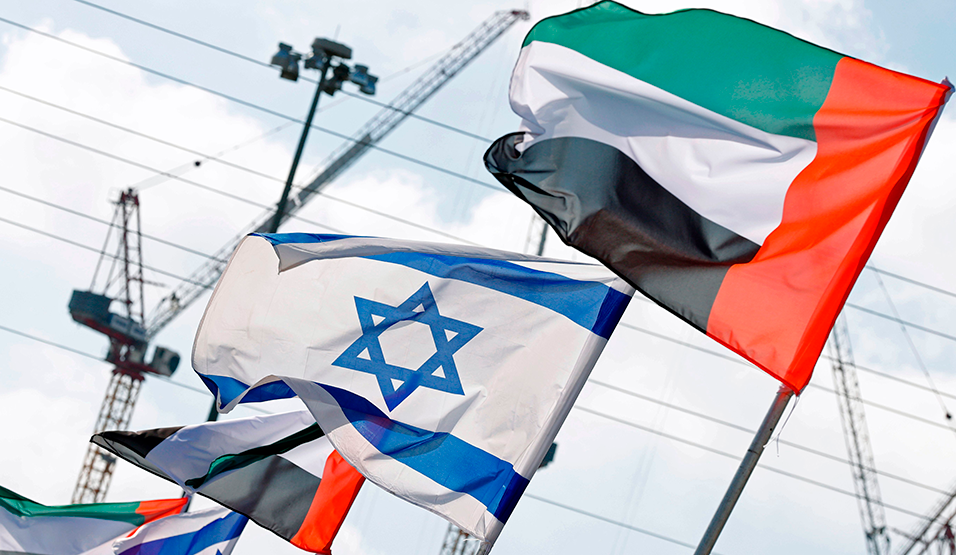
Israel and the United Arab Emirates (UAE) have initiated a process that, if it comes to fruition, will bring about the normalization of relations between the two countries. The broader geostrategic challenges that the agreement could pose for Israel and the UAE have not been part of the public discourse, however, and any balanced treatment requires a discussion of those aspects as well.
Is the Israel-UAE agreement a game changer for Israel?
In an Aug. 13 tweet, U.S. President Donald Trump celebrated the Israeli-Emirati accord to normalize relations as a “HUGE breakthrough.” Israel’s integration into the region has been a goal of U.S. and Israeli foreign policy for decades, and the mid-August announcement was the first major official step in that direction in over 25 years. But is this really a game changer for Israel’s strategy in the Middle East?
UAE-Israel normalization gives rise to new risks for Yemen and the region
As unimportant as the move may seem for Yemen, the UAE’s normalization of relations with Israel and patronage of the STC, if left unaddressed, may ultimately lead to undesirable outcomes for both Yemen and the broader Arab world
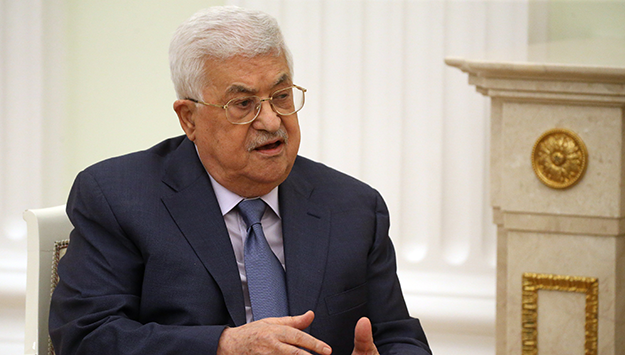
Trump and the UAE give Abbas a new lease on political life
A March 2018 poll by the Palestinian Center for Policy and Survey Research showed that satisfaction with the performance of President Mahmoud Abbas stood at 33 percent; 68 percent of the public wanted him to resign; and had elections been called, he would most likely have lost his presidency to a rival from Hamas.Nearly two and a half years later, however, and Abbas’s political fortunes have been restored, thanks in large part to the Trump administration and the United Arab Emirates
The U.S.-China rivalry is in uncharted territory. There is no clearer example of this than the U.S.’s intensifying and increasingly global fight with Chinese company Huawei over the security of 5G.
Russian and Chinese views on the Israel-UAE normalization deal
On Aug. 14, Israel and the United Arab Emirates (UAE) agreed to normalize diplomatic relations in exchange for a suspension of Israeli annexation plans in the West Bank. International reactions to this historic deal were sharply polarized, but the two main strategic rivals of the United States, Russia and China, responded cautiously to the announcement.
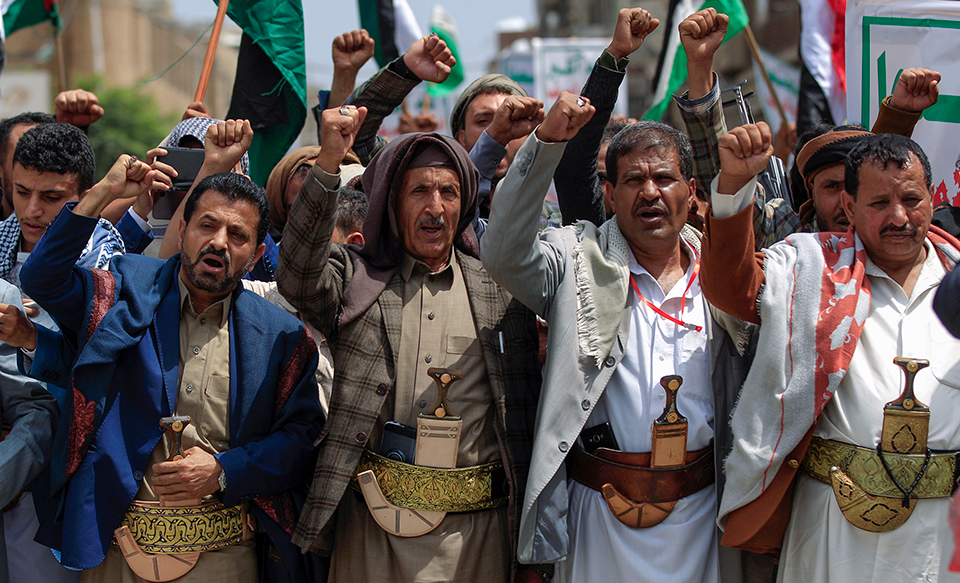
MEI’s Gerald Feierstein and Mick Mulroy join host Alistair Taylor to discuss the ongoing conflict in Yemen and the country faces crises on multiple fronts, from the unchecked spread of COVID-19 and widespread hunger to renewed fighting and a lack of international funding.
The Impact of Middle East Regional Competition on Security and Stability in the Horn of Africa
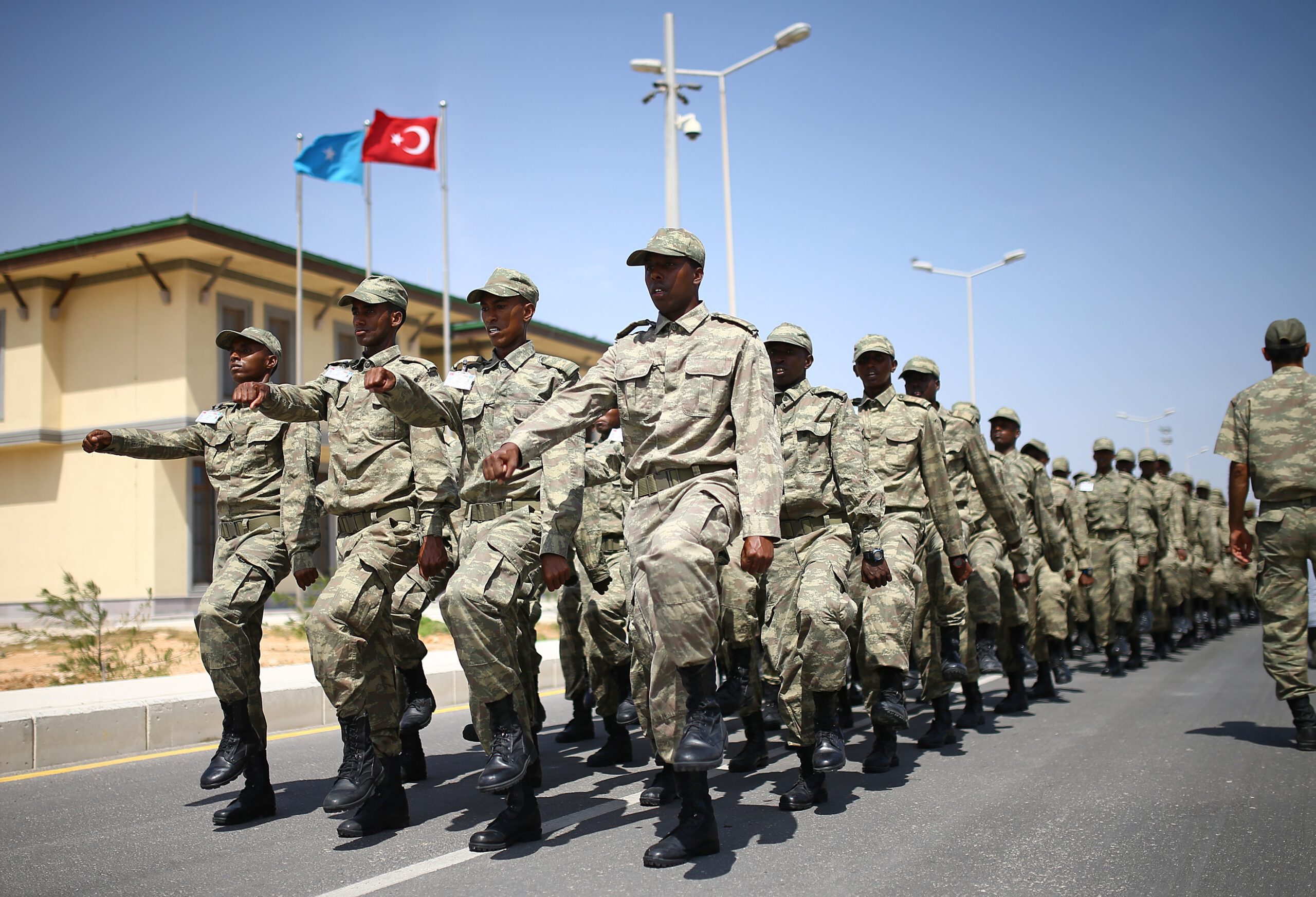
The relationship between the Middle East and the Horn of Africa is centuries-old and complex. While the world’s attention is focused mainly on the “great power competition” in the region, primarily between the U.S. and China, the Horn of Africa has also become a central battleground for influence among competing regional players, principally Saudi Arabia, the UAE, Turkey, Qatar, Iran, and Egypt. As they pursue their interests in the region, from Ethiopia and Sudan to Somalia and Djibouti, these competing states are the main drivers of tension and instability in the Horn of Africa.