After the US-Israel-Iran war — and the strikes that followed the cease-fire — the Gulf states find themselves dangerously exposed. Host Alistair Taylor is joined by MEI Associate Fellow Gregory Gause to discuss the war’s impact on the Gulf, their partnership with the United States, and whether the turmoil of recent months will push Gulf leaders to reassess their alliances and international engagement.
The UAE’s departure represents an undeniable strategic setback for OPEC+. Its most likely response will be to shore up the amount of output capacity subject to quotas. For now, there are two clear pathways it could take to accomplish this, although neither represents a quick fix.
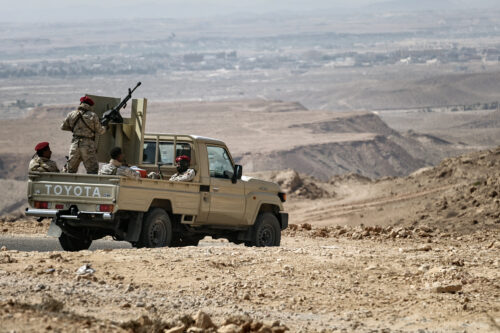
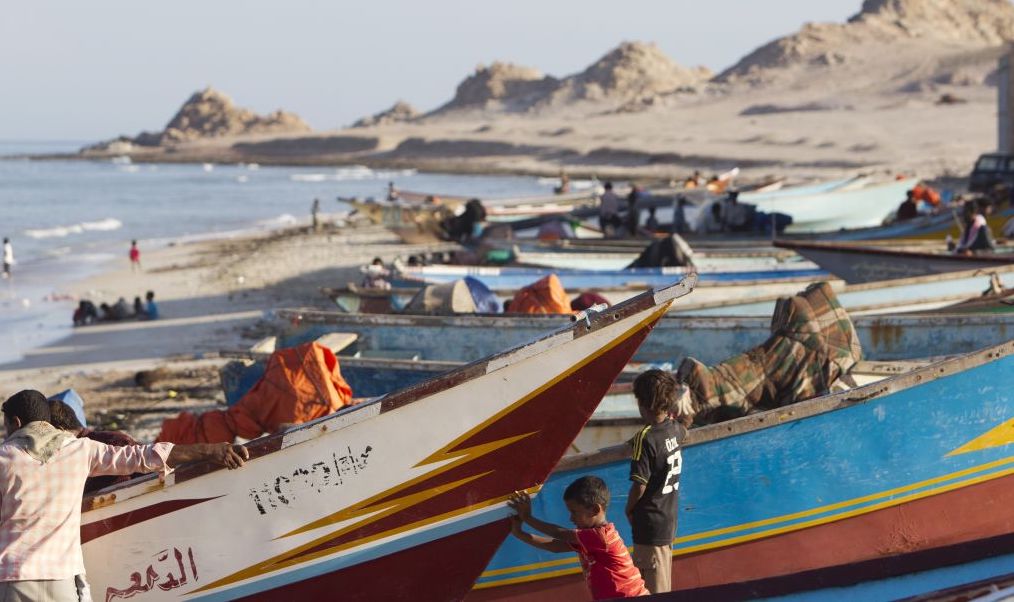
Saudi Arabia has stepped up its efforts to unify and restructure Yemen’s anti-Houthi forces after the rapid expansion and sudden implosion of the United Arab Emirates-backed secessionist Southern Transitional Council following Abu Dhabi’s military withdrawal from the country.
Jordan’s apparent neutrality conceals deeper discomfort with UAE-Israel deal
The leaders of the Hashemite Kingdom of Jordan have traditionally been known as masters at staying as neutral as possible, especially when it comes to inter-Arab relations. This was on clear display in Amman’s response to the recent UAE-Israel rapprochement.
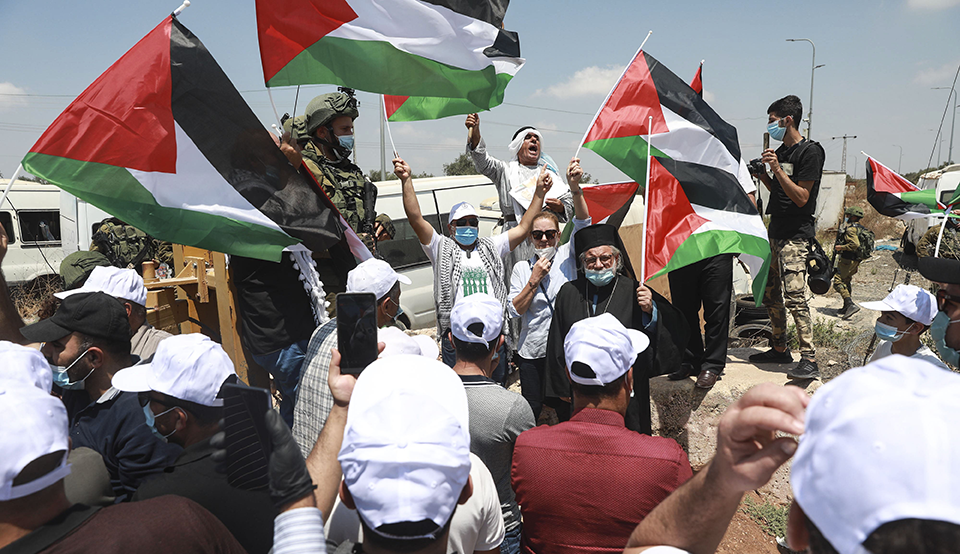
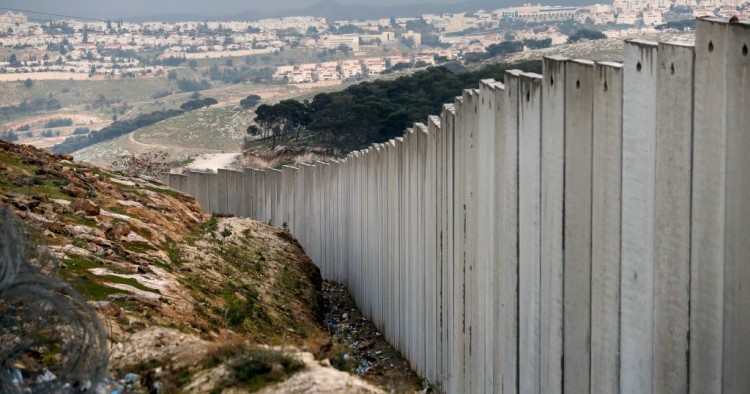
The agreement signed yesterday by Israel and the United Arab Emirates (UAE), in which the two countries agreed to a “full normalization of relations” in return for Israel suspending moves to formally annex parts of the West Bank, has reminded the Palestinians that they cannot count on the Arab states to deliver their freedom or safeguard their rights.
In historic deal with the UAE, Israel is the biggest winner
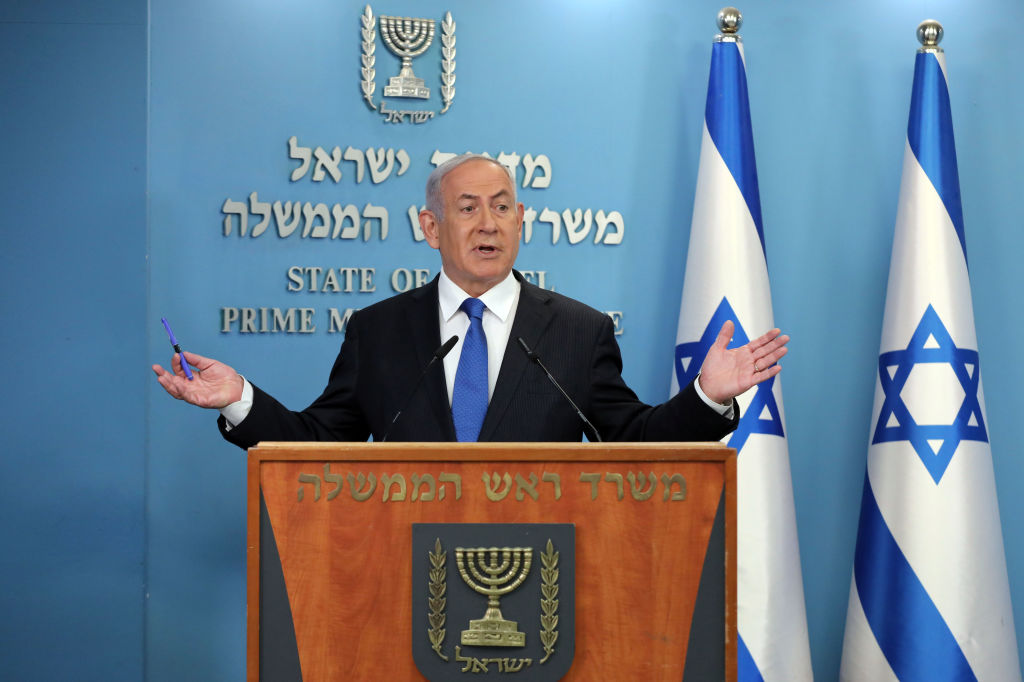
No matter how one reads the diplomatic deal announced Thursday between Israel and the United Arab Emirates—and there will surely be many supporters and detractors given its historic nature—there is one conclusion that seems irrefutable: Israel was the biggest victor.
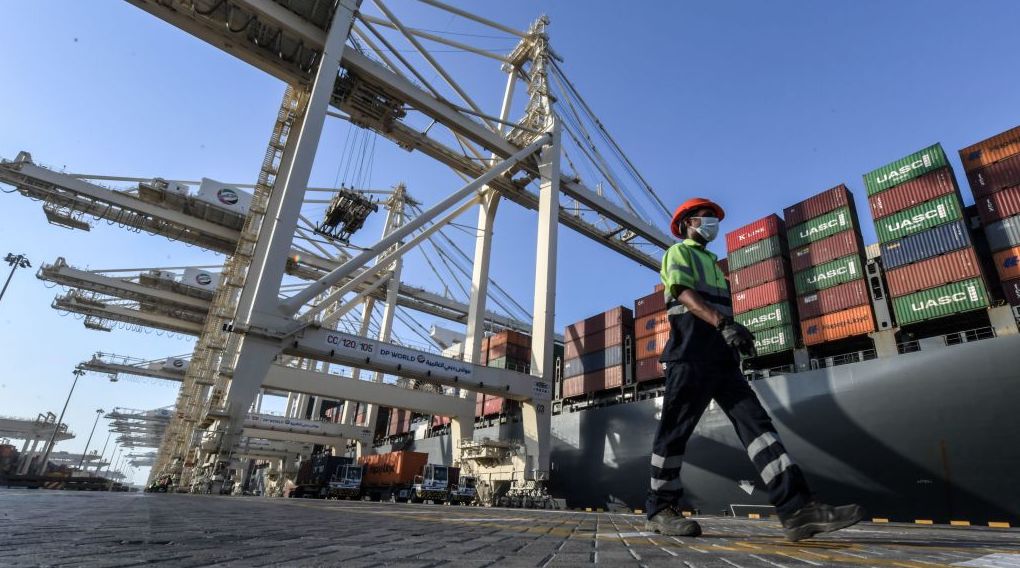
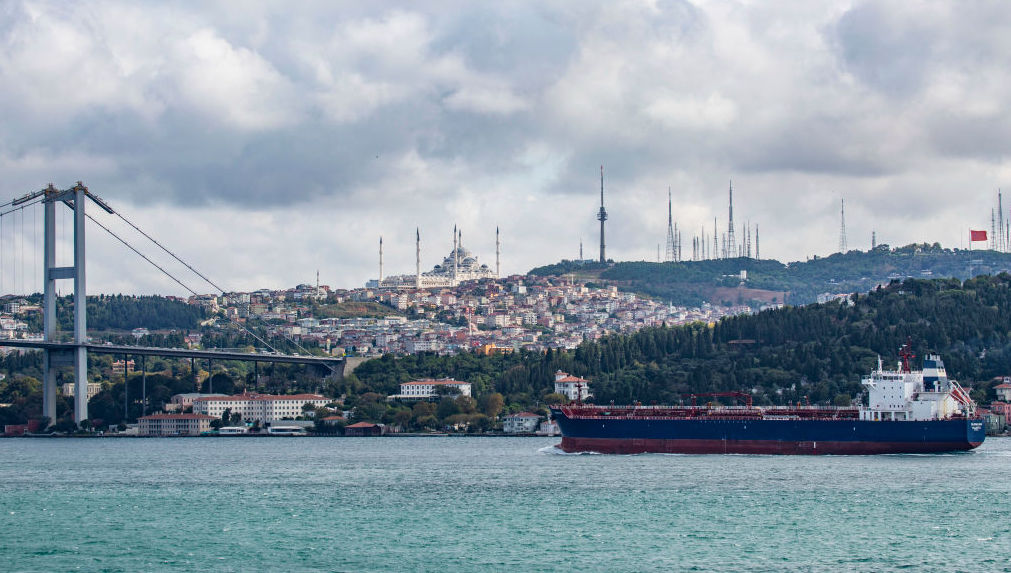
The coronavirus pandemic that originated in China could not have come at a worse moment for the UAE. Indeed, before its outbreak, relations between the UAE and China were in an excellent place. Underpinned by growing economic exchange, the bilateral partnership holds the promise of turning into a geo-economic and geopolitical one. For Beijing, the UAE is first and foremost a critical hub for re-export to the wider region and ultimately, it is in the domain of maritime trade and around China’s BRI that the partnership has its greatest potential.
From Dependents To Allies: America's Gulf Relations Need Reform
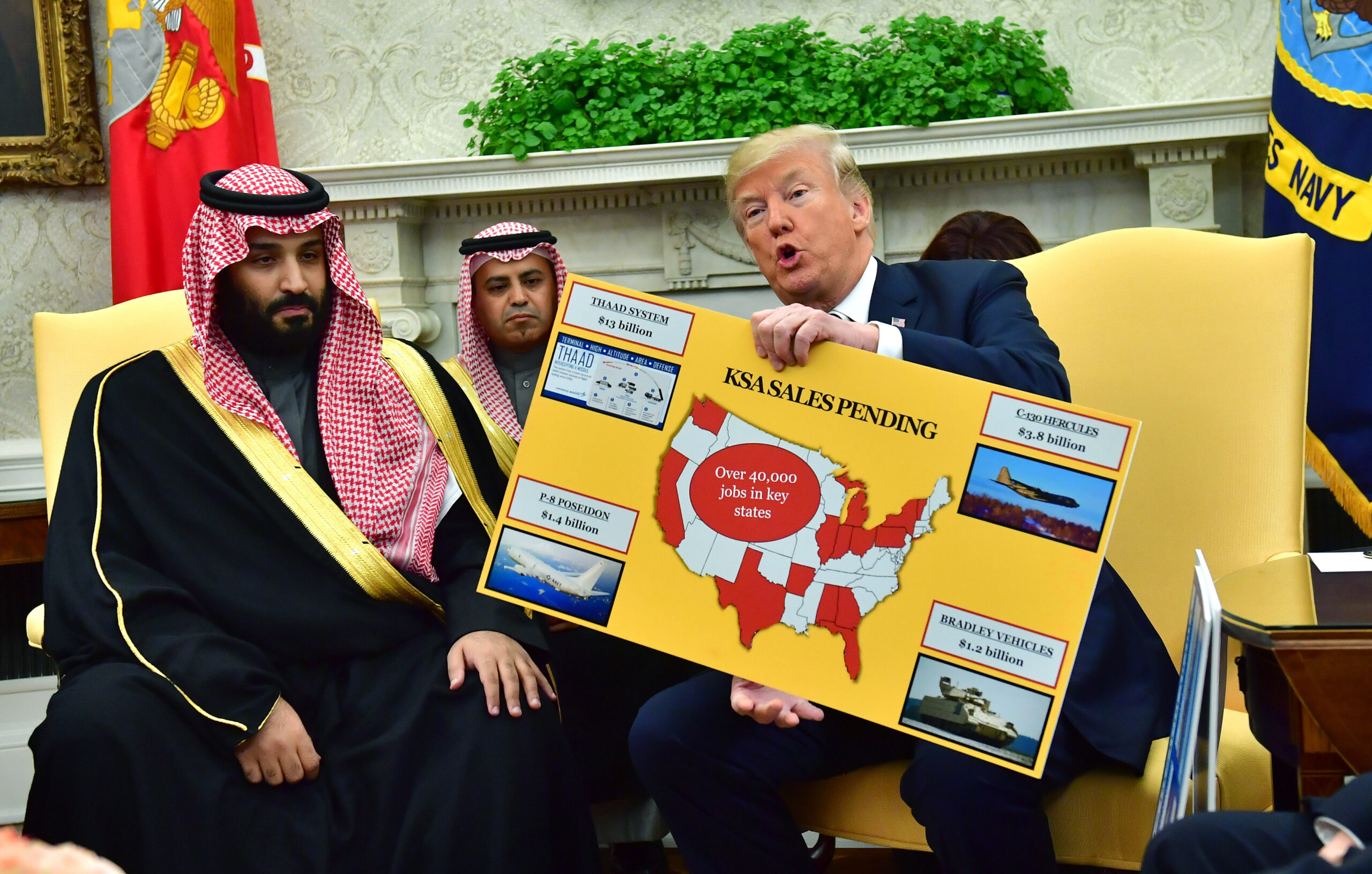
During three major crises, each happening under a different administration, the U.S.-Gulf partnership failed to effectively address the security concerns of the Gulf states. While no partnership is perfect, such major and persistent breakdowns in coordination among longstanding security partners are uncommon, and can be deadly if left unresolved.
Gulf regimes may oppose annexation, but they helped bring it about
Leaders of Arab Gulf regimes now decry the attempt to implement the vision of the Israeli Right, which aims to prevent the establishment of a Palestinian state. But it is exactly the policies of the Arab Gulf regimes, through their normalization of ties with Israel at the expense of the Palestinians, that directly contributed to the rise of the Israeli Right and made this annexation more likely.
Turkey, the Gulf, and Libya: The economic impact of a growing geopolitical divide
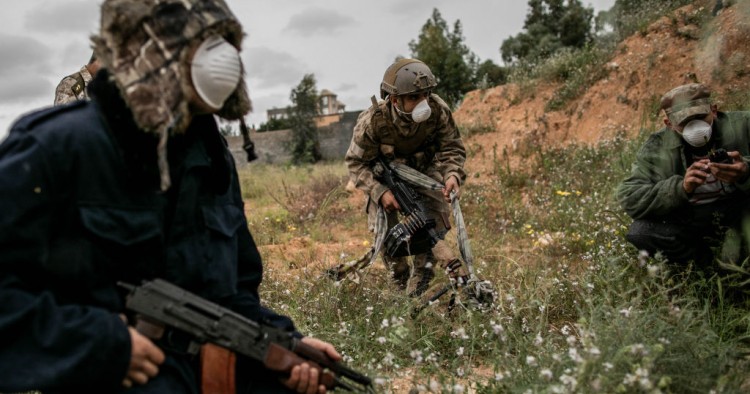
Turkish support for the Tripoli-based Government of National Accord (GNA) in the Libyan civil war has added a new dimension to relations between Turkey and Gulf countries like the United Arab Emirates (UAE) and Saudi Arabia. But what impact have the growing geopolitical divides and diplomatic disagreements had on Turkish-Emirati and Turkish-Saudi economic relations?
Are the foreign patrons of the Libyan war ready to end it?
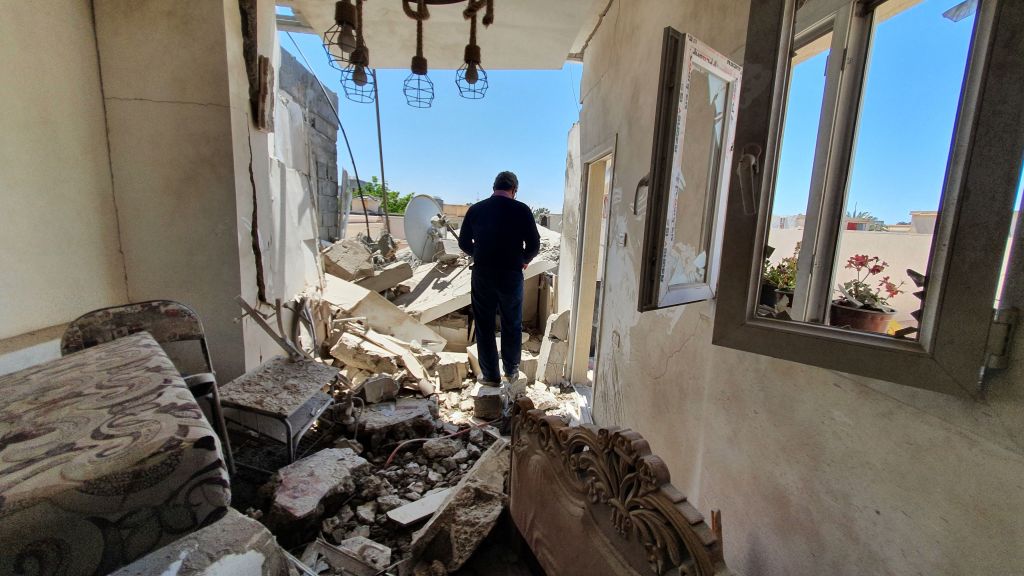
Absent major military escalation by his foreign patrons, Khalifa Hifter has now lost the war he initiated against Libya’s internationally recognized government in Tripoli. The question remains, however, of how to end Libya’s proxy war and restart the necessary political process to bring about sustained peace.
While COVID-19 and historically low oil prices are disrupting the Gulf’s political economy, the pandemic has demonstrated the region’s tech resilience.
Protracted conflict on Yemen’s island of Socotra reflects rival geopolitical ambitions
On April 30, roughly a week after the Southern Transitional Council (STC) declared self-administration in Aden, a military confrontation broke out on the remote Yemeni island of Socotra between members of the STC and government forces. After just a few days, the situation was diffused when the island’s governor and the STC asked the Saudis to intervene. Although an agreement was reached quickly, it is likely to be fragile because the causes of the conflict are not entirely local. The island of Socotra is simply too important to multiple international players that are not willing to let it easily slip outside their sphere of influence.
COVID-19, the oil price war, and the remaking of the Middle East
The Middle East is facing an unexpected turning point. The region will not look the same after COVID-19 as it did before it. The geoeconomics and geopolitics of the world are in free fall because of COVID-19, the oil price war, and a severe economic shutdown. For the Middle East and the Gulf monarchies in particular, the oil price war against Russia and U.S. shale and the shutdown of economies around the world have increased the pressure on the Gulf’s already-depleted financial resources, which usually act as a safety valve for the turbulent region.
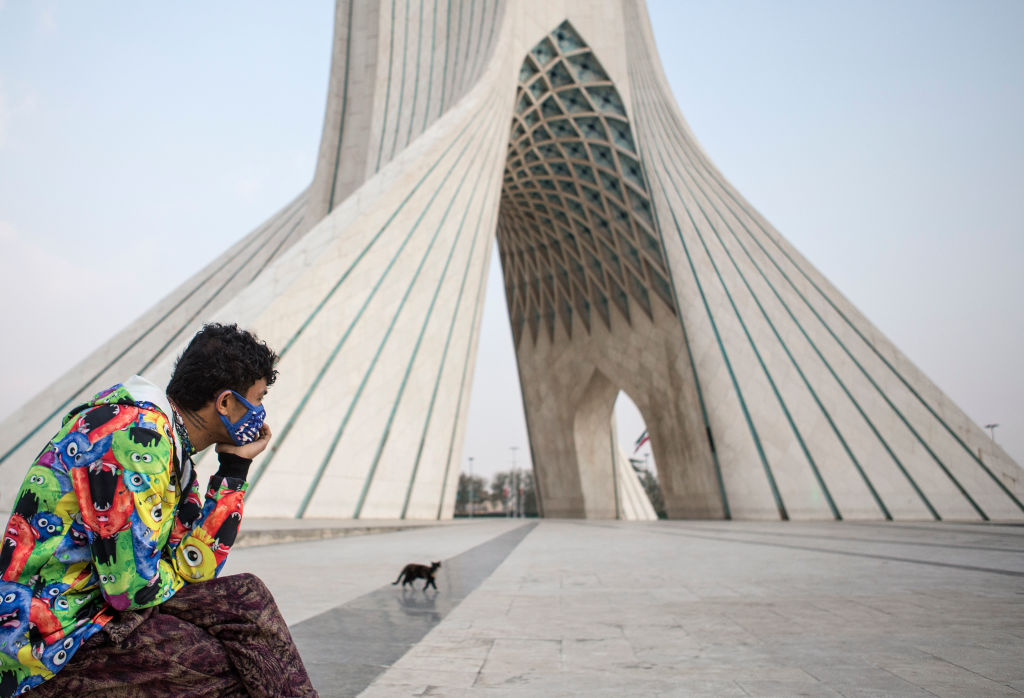
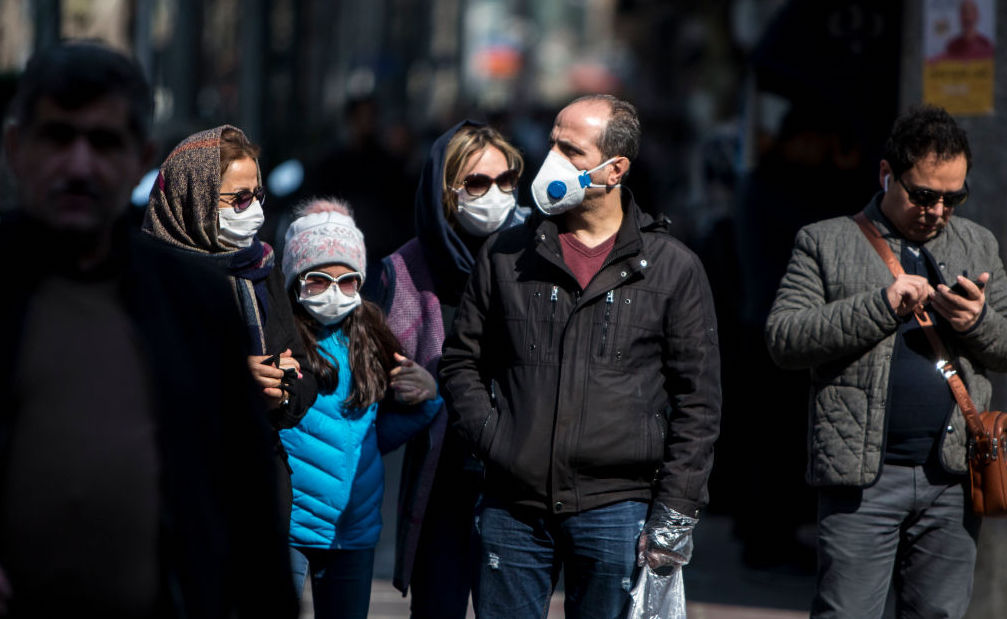
COVID-19 is undoubtedly the biggest health crisis in our lifetime. Pundits around the world, but also a long list of policymakers from Washington to Abu Dhabi to Beijing, wonder about the long-term implications of this deadly pandemic. While there is plenty of speculation about how this crisis might re-balance global power dynamics, other foreign policy implications are more immediately tangible. In the case of the Middle East, the swift support shown by the UAE towards Iran, the most affected country in the region, has been refreshing.