Unlocking the Levant: Why the United States and Syria Must Pursue a Bilateral Trade and Investment Agreement
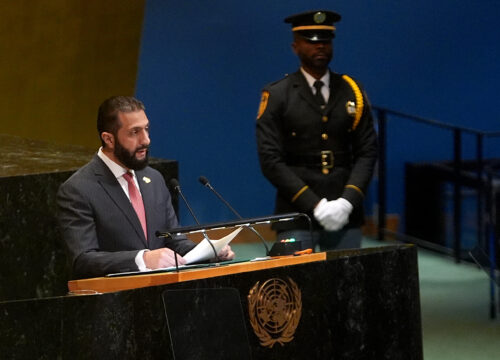
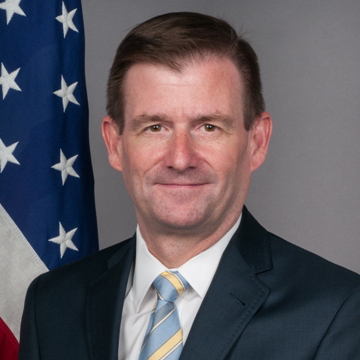
Apart from the brief honeymoon period between 1961 and 1963 under President John F. Kennedy and President Nazim al-Qudsi, US-Syria relations have never held such optimistic potential as they do today. Today, following the fall of Bashar al-Assad regime and the rise of a new government under President Ahmad al-Sharaa at the end of 2024, a new geopolitical window has opened.
Consolidating Sovereignty, Security and Peace: Time to Step up the Game
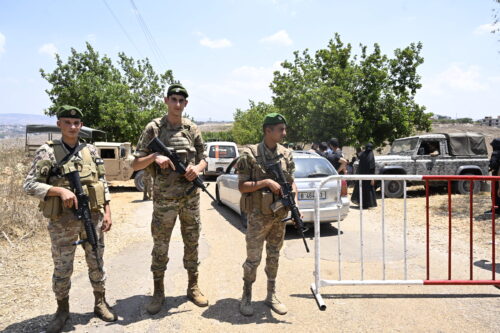
Although it has been a frustrating summer, Lebanon remains on the right track. My observation after a ten-day visit to Beirut and Jerusalem this month is that leaders in both capitals remain strongly committed to a shared objective.
Understanding the growing Indo-Israeli strategic cyber partnership
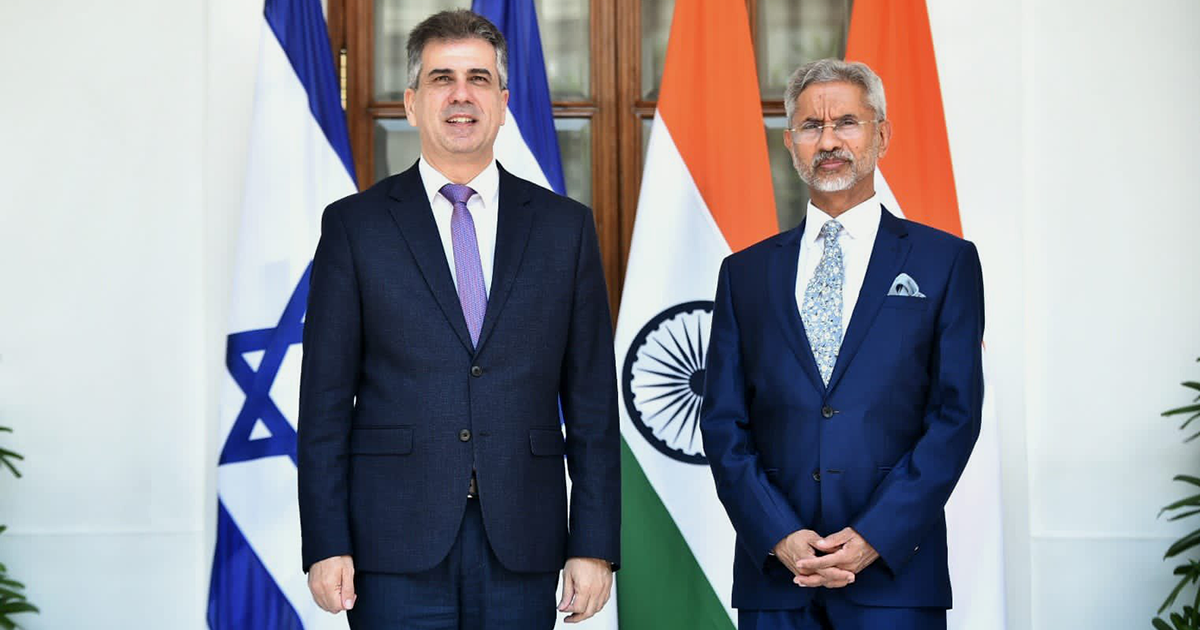
India and Israel have embarked on a mission to enhance their bilateral strategic cyber partnership. Private-sector collaboration and investment have laid the foundation for this partnership, which has now expanded to government-level agreements and frameworks.
The U.S. and EU Should Coordinate their Saudi and Israeli-Palestinian Efforts
American and European eyes are set on Riyadh. Both the Biden administration and the European External Action Service are currently trying to advance policy moves that involve Saudi Arabia and that – if successful – will reshape the Middle East. Alas, when it comes to the Israeli-Palestinian issue, these European and American efforts are quite different, and even seem contradictory.
Gender parity in the Middle East is still many decades away, but it will largely determine the future of economic, social, cultural, and political development in the region.
The US and France must push back on Iran to break Lebanon’s political gridlock
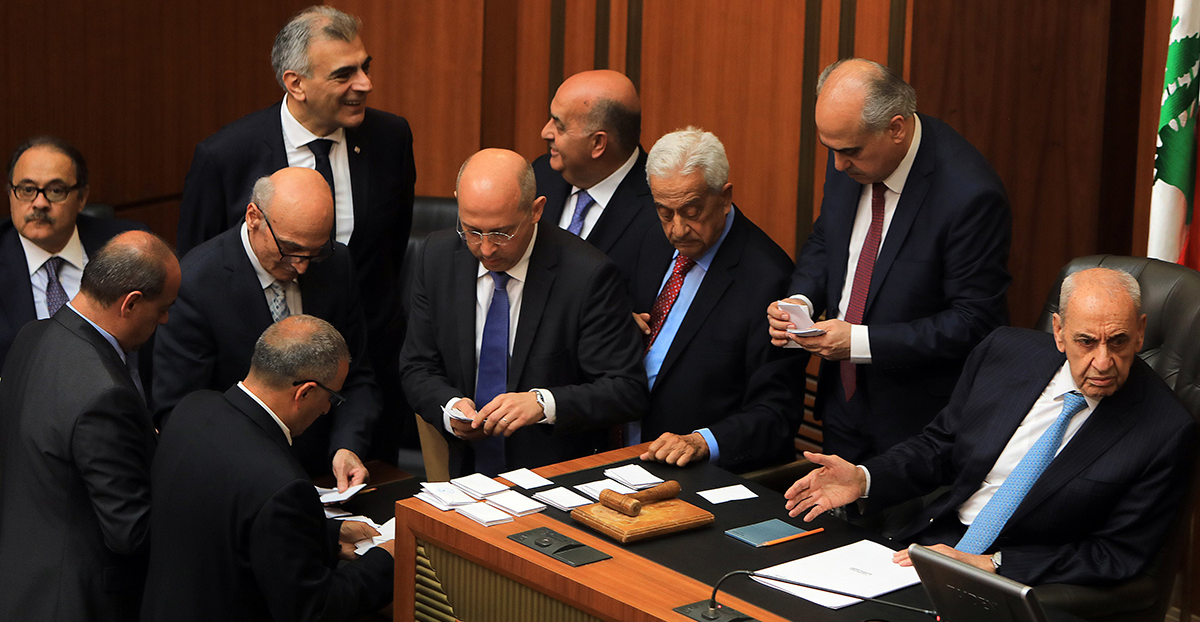
Jean-Yves Le Drian, French President Emmanuel Macron’s envoy to Lebanon, made a preliminary diplomatic visit to Beirut last week. Le Drian’s appointment marks a potential though uncertain opening to consolidate international support for Lebanon to facilitate an end to the political gridlock and leadership vacuum. A short but timely boost in robust diplomacy on the part of Washington, strengthened by clear coordination with Paris and regional partners, can play a decisive role in preventing the unraveling of another failed authoritarian state that could further destabilize the region and force even more costly engagement in the future.
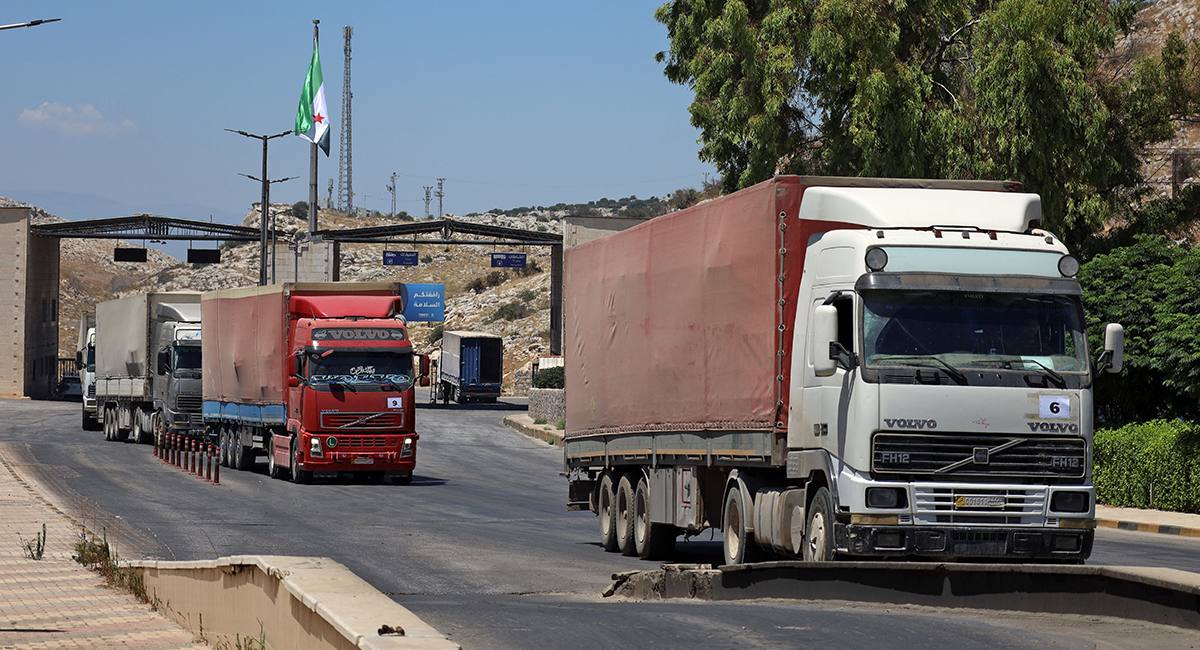
Lessons from Syria's aid response: The case for continued cross-border operations
Another United Nations Security Council (UNSC) vote on continuing the resolution that allows Syria’s cross-border aid delivery is due in July, but the regime’s use of “consent” to allow an extra two crossings from Turkey into the area could be used to undermine the resolution’s necessity, which would risk destabilizing the conflict along with it. Twelve years of hard-won lessons show that until there is a broader political agreement with clear guardrails and guarantees, only a UNSC resolution that permits unimpeded humanitarian access to northwest Syria can secure the critical and consistent operational space required to meet the region’s growing needs as articulated by the NGOs working in the area.
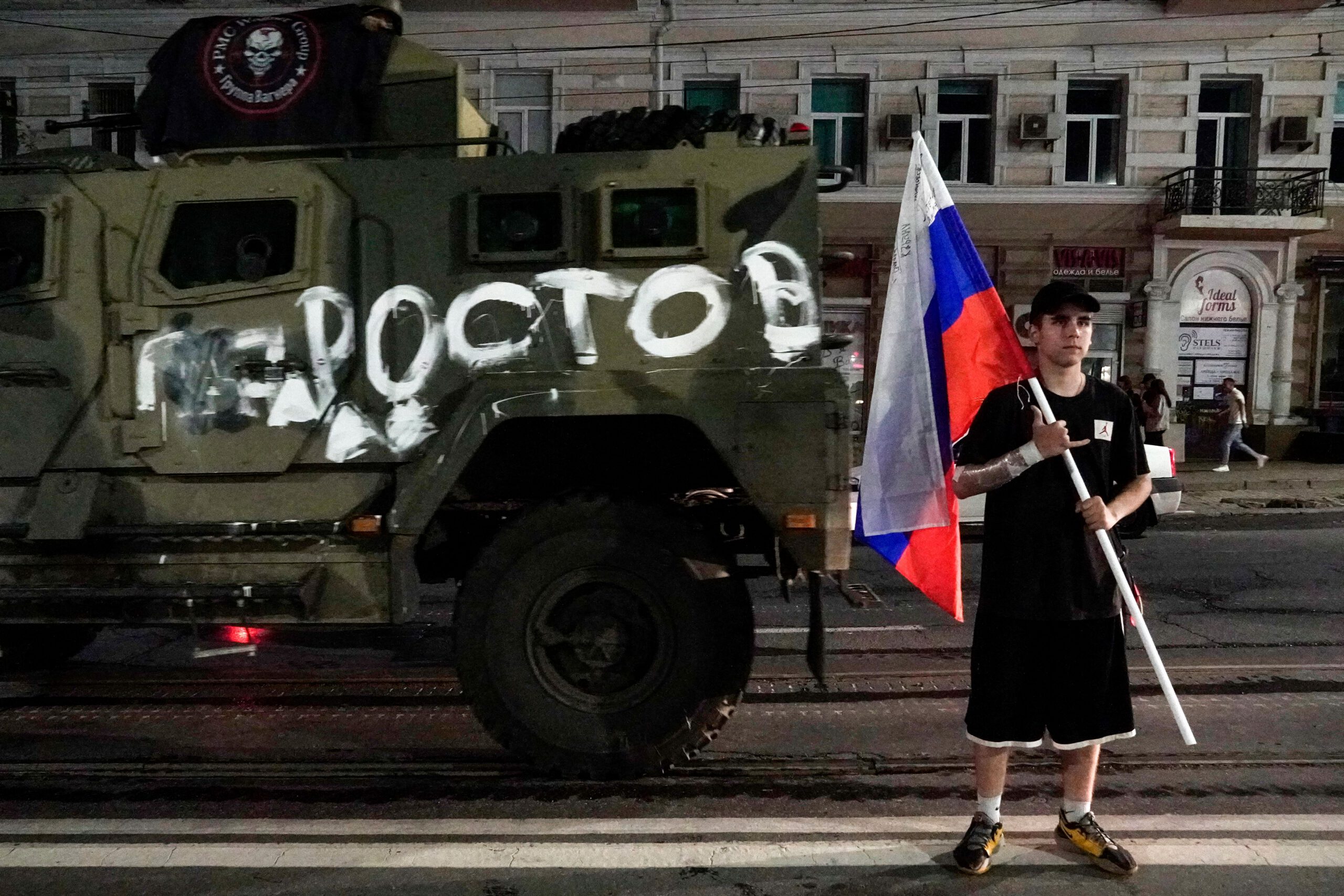
How the rumble in Russia reverberates around the Middle East
It is too early to tell whether the Wagner “uprising” is a one-off or foreshadows further cracks and the eventual collapse of Putin’s presidency, but the latter outcome would have lasting consequences in the MENA region.
Brookings’ Distinguished Fellow on Foreign Policy Itamar Rabinovich discusses his new book – “Middle Eastern Maze: Israel, the Arabs, and the Region” – as well as contemporary Israeli politics with MEI’s VP for Policy Brian Katulis.
Turkey’s new economic team may take a more hawkish tone when it comes to tackling inflation and preserving financial stability through fiscal and monetary measures. However, investors and policymakers should not be naïve, as this approach will only be temporary or partial, aimed at winning the upcoming local elections.
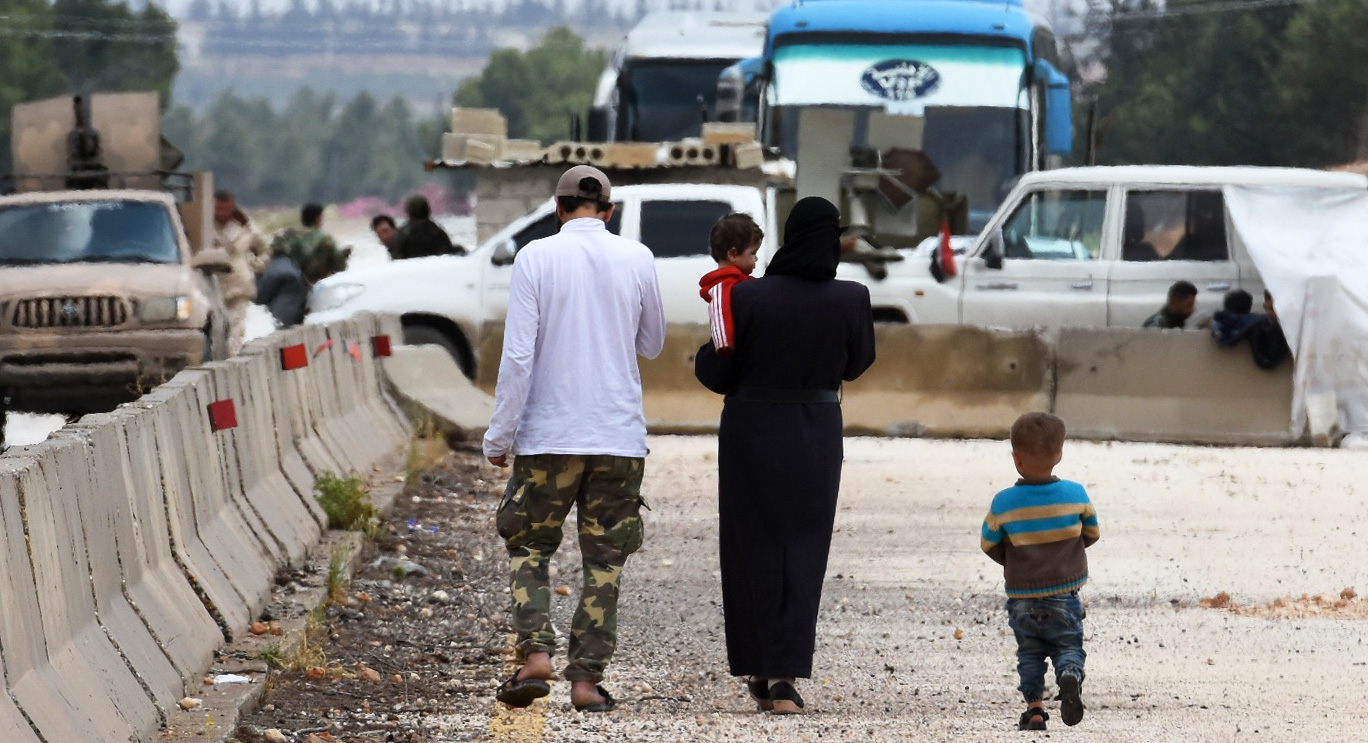
Amid calls for refugee returns, Assad’s property grab continues
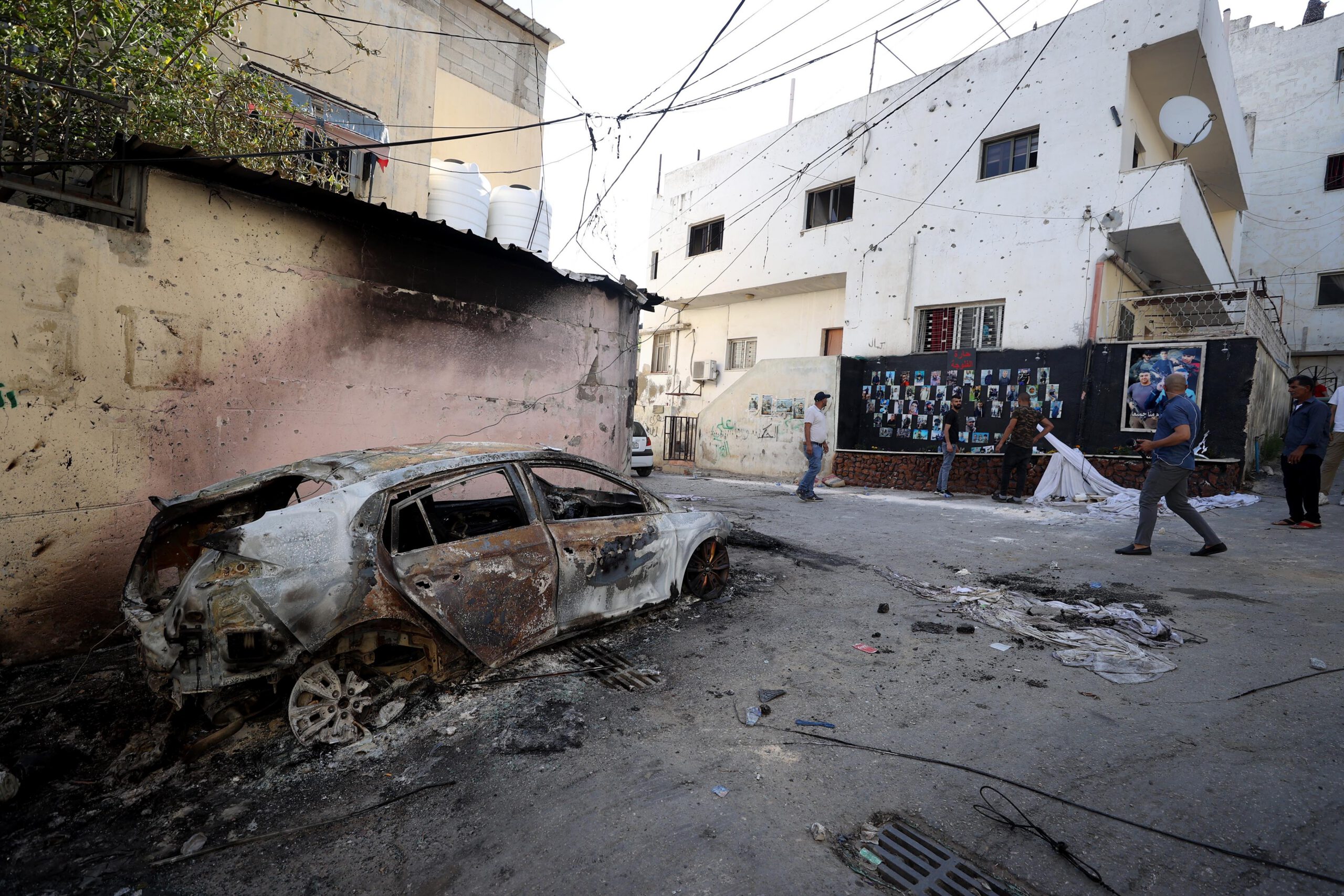
While calls for the immediate return of Syrian refugees have increased at the regional and international levels, it is imperative to closely examine the direct link between the regime’s policy of property confiscation and the possibility of refugee returns. Property confiscation does not only impact the direct owners and their immediate families’ livelihoods but also hinders the ability of thousands of displaced Syrians to return while leading those who still reside under regime rule to consider migration.
Disease, destruction, flooded fields, and hunger: The far-reaching consequence of the Kakhovka dam collapse in Ukraine
Last week’s collapse of the Nova Kakhovka dam on the Dnipro River in Ukraine is one of the largest environmental disaster the Black Sea region and Europe has faced in decades. Its far-reaching environmental, economic, and humanitarian consequences will affect not just Ukraine and the Black Sea region, but also the Middle East and Africa.