Unlocking the Levant: Why the United States and Syria Must Pursue a Bilateral Trade and Investment Agreement
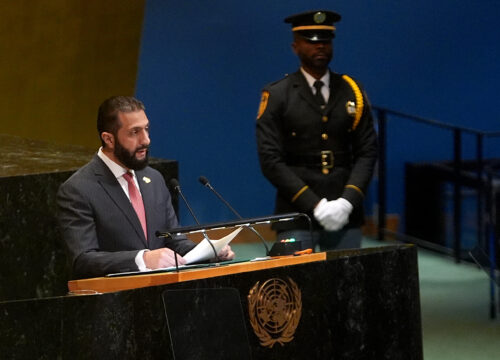
Apart from the brief honeymoon period between 1961 and 1963 under President John F. Kennedy and President Nazim al-Qudsi, US-Syria relations have never held such optimistic potential as they do today. Today, following the fall of Bashar al-Assad regime and the rise of a new government under President Ahmad al-Sharaa at the end of 2024, a new geopolitical window has opened.
Consolidating Sovereignty, Security and Peace: Time to Step up the Game
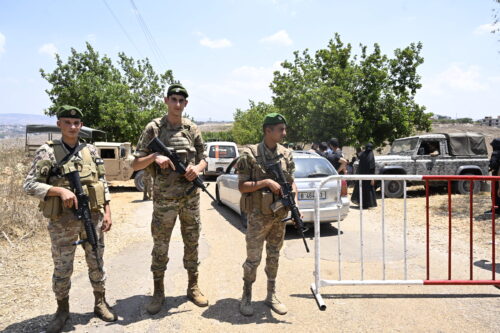
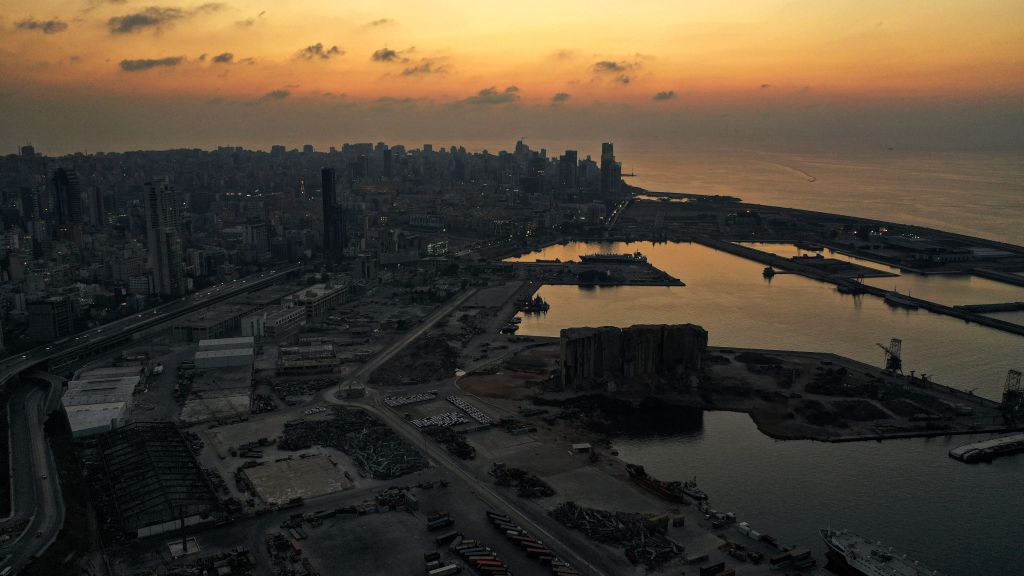
Although it has been a frustrating summer, Lebanon remains on the right track. My observation after a ten-day visit to Beirut and Jerusalem this month is that leaders in both capitals remain strongly committed to a shared objective.
The US competes to be the “partner of choice” in the Gulf
Even as the United States continues the strategic pivot to the Pacific inaugurated by the Obama administration, the competition for security and control of maritime space in the Red Sea and eastern Mediterranean is intensifying.
Far from a benefactor, the Turkish government is exploiting Somalia’s fragility
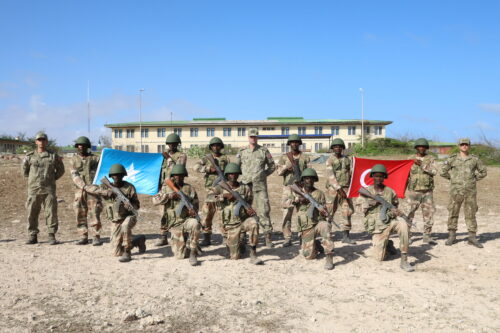
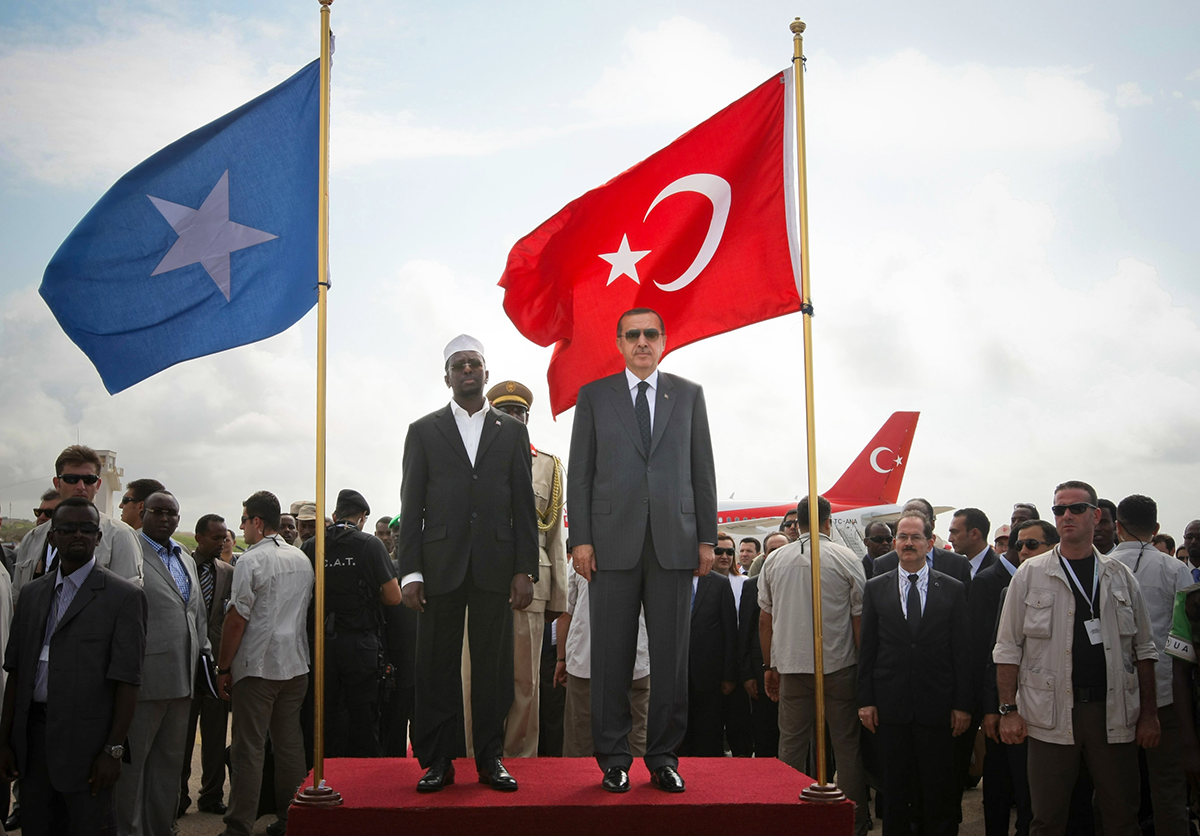
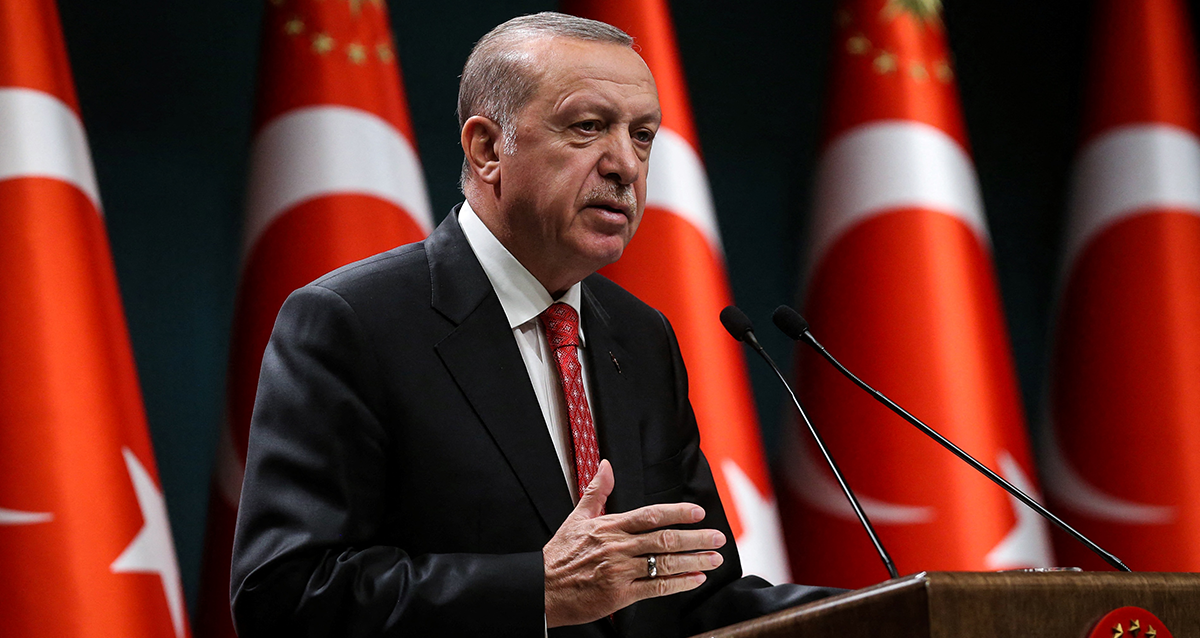
A decade has passed since Turkish President Recep Tayyip Erdoğan landed in Mogadishu at the height of one of Somalia’s worst famines, announcing grandiose projects like the launch of Turkish Airlines flights to the Somali capital, the remodeling of a hospital, and the opening of the biggest embassy in Africa, all designed to show that Turkey’s mission goes well beyond aid and that Ankara is an alternative to Somalia’s traditional donors. Erdoğan’s historic visit earned him high praise throughout Somalia. Although his trip appeared to be a heartfelt humanitarian mission, in reality it was part of a long-term, strategically planned effort. A decade on, Somalis are starting to realize that Turkey has evolved from friend to foe, trade partner to trade protectionist, state builder to outright spoiler.
Biden’s White House meeting with the Ecumenical Patriarch offers a unique opportunity
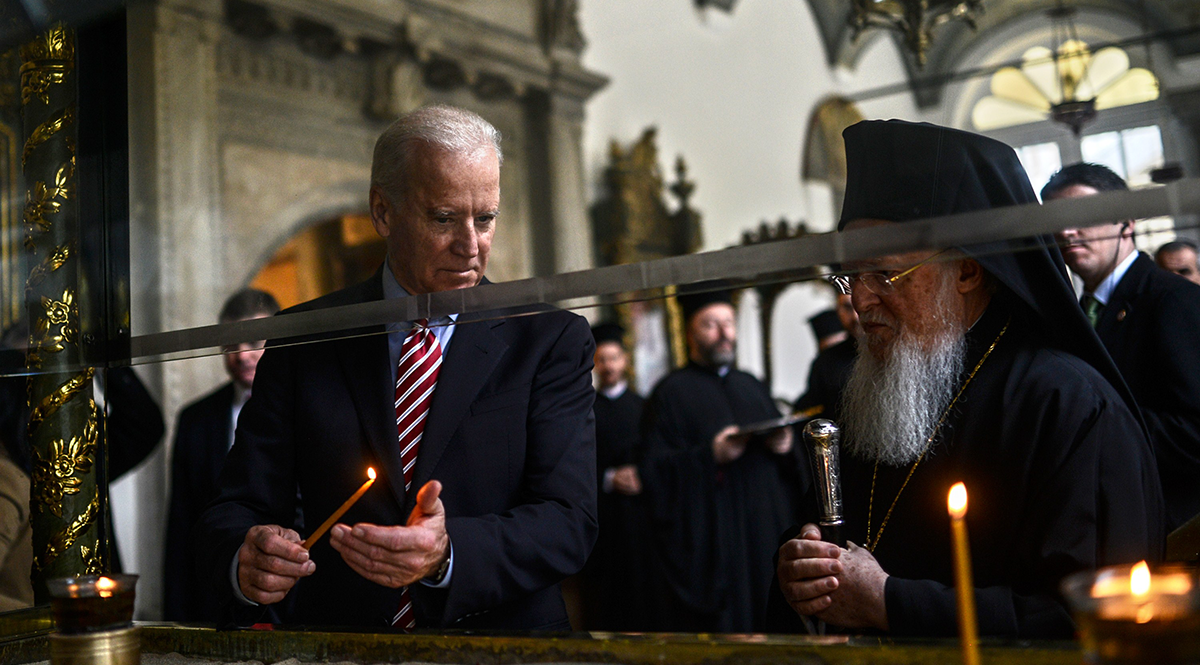
Bartholomew I, the Ecumenical Patriarch of Constantinople and spiritual leader of nearly 300 million Orthodox Christians globally, will visit the United States between Oct. 23 and Nov. 3. He will inaugurate the centennial celebration of the founding of the Greek-Orthodox Archdiocese of America in his first U.S. visit in 12 years. The Ecumenical Patriarch’s first stop will be Washington, DC, where he is due to meet with President Joe Biden at the White House. This in-person meeting provides the Biden administration a unique opportunity not only to raise human rights and religious freedom issues in Turkey but also to push back against Russian attempts to undermine the Ecumenical Patriarchate, which the Kremlin sees as a threat and targets with disinformation campaigns.
The perils of personalizing power: Erdoğan’s one-man rule has made him increasingly vulnerable
Turkish President Recep Tayyip Erdoğan long believed that establishing one-man rule would end all his headaches. Instead, the system he created has only caused him more trouble. So great is Erdoğan’s remorse that he is now said to be thinking of amending the executive presidency to strengthen the role of parliament.
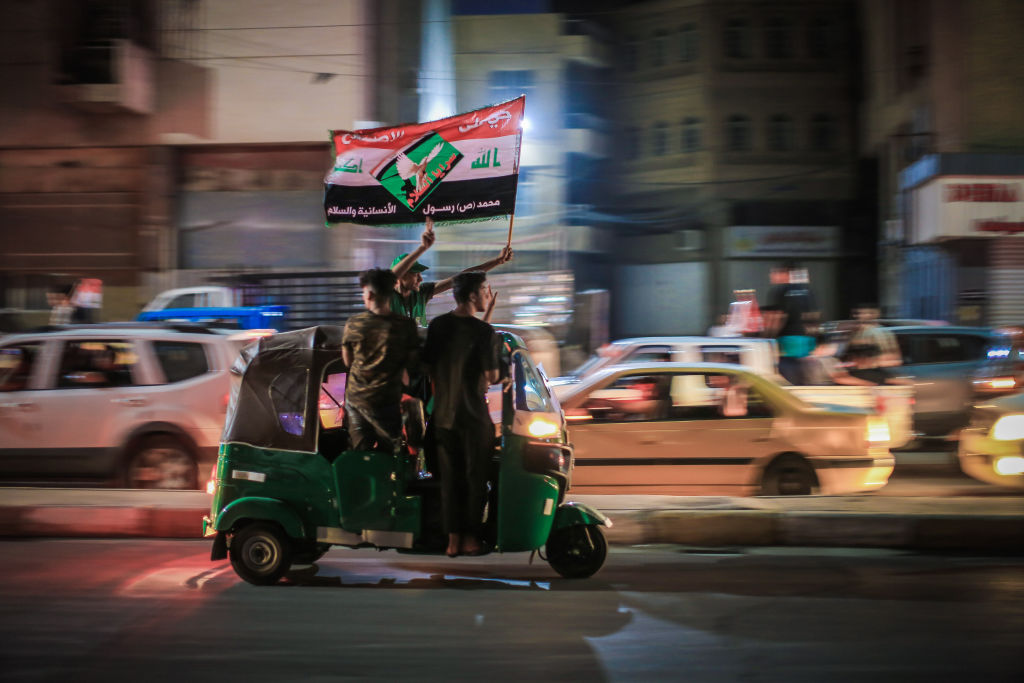
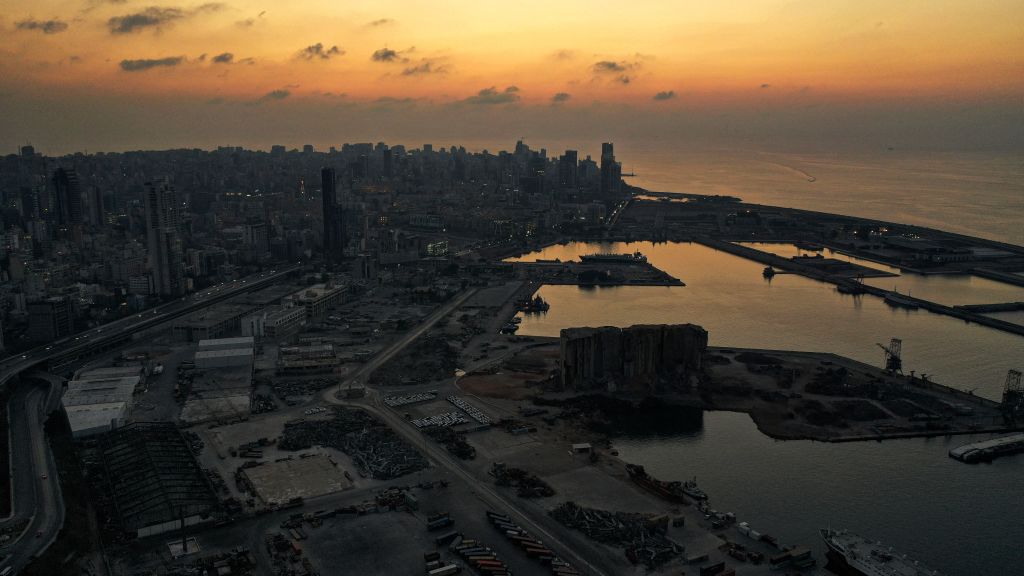
Memories of the Lebanese civil war resurfaced this week as images appeared of children hiding in hallways and behind cars while deadly sectarian clashes unfolded outside their schools in Beirut’s Tayouneh neighborhood. Protests organized by Hezbollah and the Amal Movement to demand the removal of the judge investigating the August 2020 Beirut port blast quickly went south when as yet unidentified snipers opened fire on the crowds, eventually killing seven and wounding dozens. The “peaceful” protesters seemingly retaliated with gunfire and rocket-propelled grenades. The two sides turned Tayouneh and its surrounding areas into a war zone, terrorizing citizens and destroying property at a time of unprecedented socio-economic hardship.
توقّفت شبكة الكهرباء اللبنانية عن العمل نهاية الأسبوع الماضي مع نفاذ الوقود في محطتي الطاقة الرئيسيتين في البلاد. توفر هاتان المحطتان، الزهراني ودير عمار، 45٪ من كهرباء لبنان من مؤسسة كهرباء لبنان المملوكة للدولة. التوقُّف هو الأحدث في سلسلة من الانقطاعات المتزايدة للشبكة واستخدام الحكومة للضغط العام لتقديم مزيد من المدفوعات المُسبَقة أو السُلف للمرفق المفلس ليتمكن من دفع ثمن واردات الوقود، وبالتالي الإبقاء على الوضع الراهن المستمر منذ 30 عامًا.
What’s driving Turkey’s early easing of monetary policy?
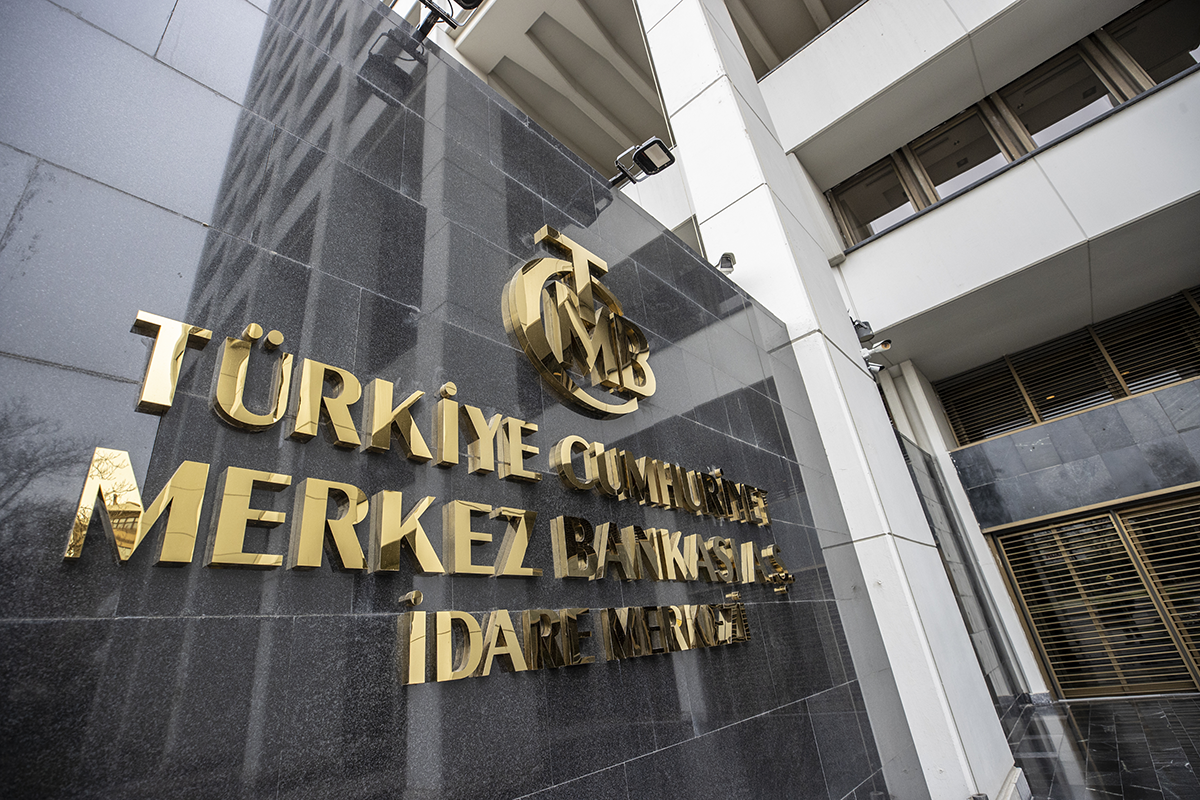
At its Sept. 23 meeting, the Central Bank of the Republic of Turkey (CBRT), in a surprise move, cut its policy rate (1-week repo rate) 100 basis points to 18.00%, while headline inflation was 19.25% (currently 19.58%). This is an interesting development as most central banks around the world have just started preparing to implement tighter policies.
Why Washington has provided King Abdullah with political cover to engage the Assad regime
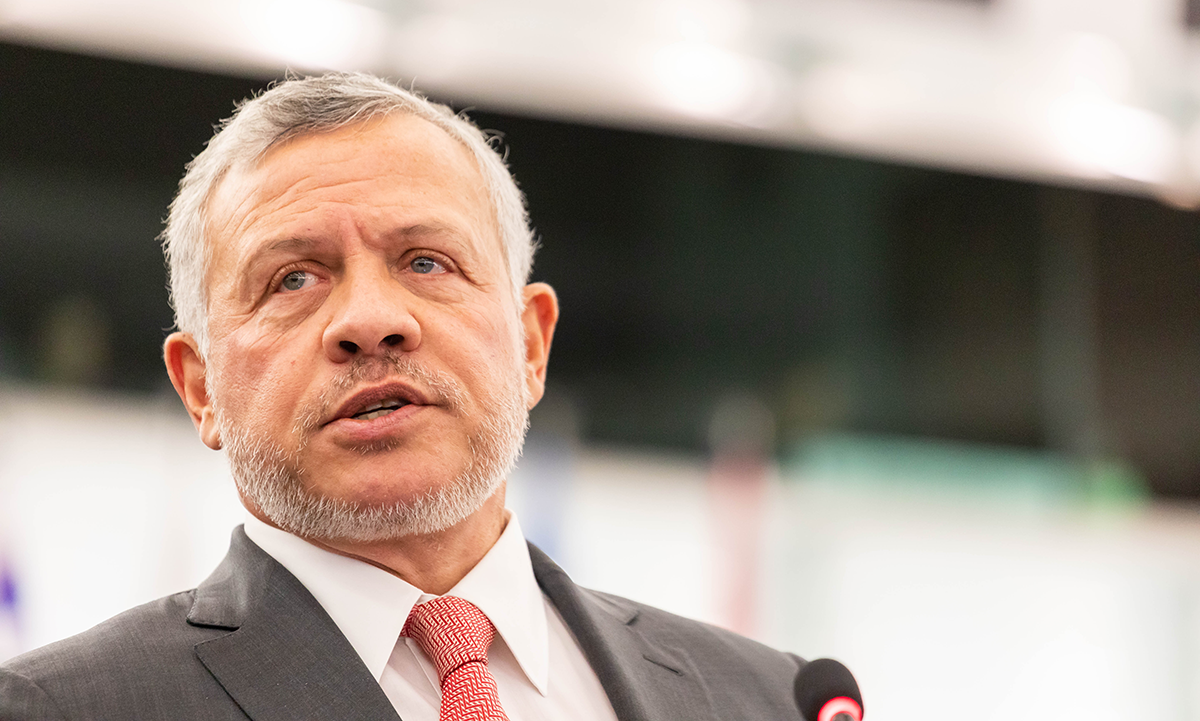
Jordan is going full speed ahead in normalizing relations with the Syrian regime, 10 years after it suspended political and economic ties with its northern neighbor in the wake of the eruption of the Syrian uprising. On Oct. 3, and in the first public contact between Abdullah and Syrian President Bashar al-Assad since 2011, Amman announced that the king had received a call from Assad. Talks focused on bilateral relations and ways to strengthen cooperation. The king stressed Jordan’s support for efforts to back Syrian territorial integrity, sovereignty, and unity. Jordan had allowed the Syrian embassy to remain open in Amman and kept a skeleton staff at its embassy in Damascus.