Unlocking the Levant: Why the United States and Syria Must Pursue a Bilateral Trade and Investment Agreement
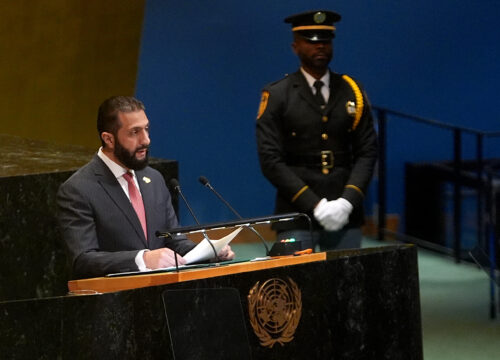
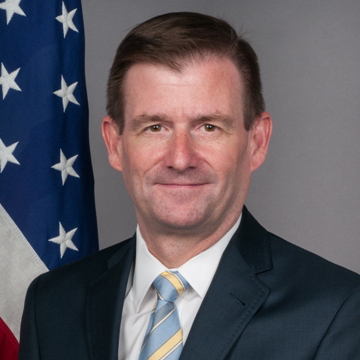
Apart from the brief honeymoon period between 1961 and 1963 under President John F. Kennedy and President Nazim al-Qudsi, US-Syria relations have never held such optimistic potential as they do today. Today, following the fall of Bashar al-Assad regime and the rise of a new government under President Ahmad al-Sharaa at the end of 2024, a new geopolitical window has opened.
Consolidating Sovereignty, Security and Peace: Time to Step up the Game
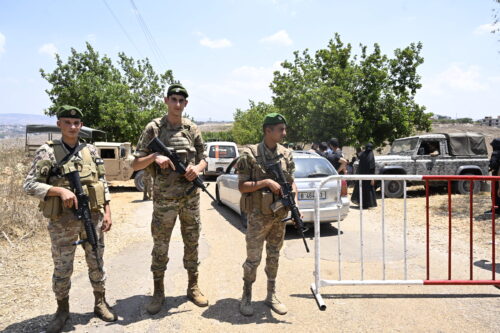
Although it has been a frustrating summer, Lebanon remains on the right track. My observation after a ten-day visit to Beirut and Jerusalem this month is that leaders in both capitals remain strongly committed to a shared objective.
With Lokman Slim’s assassination, Hezbollah consolidates its power over Lebanon
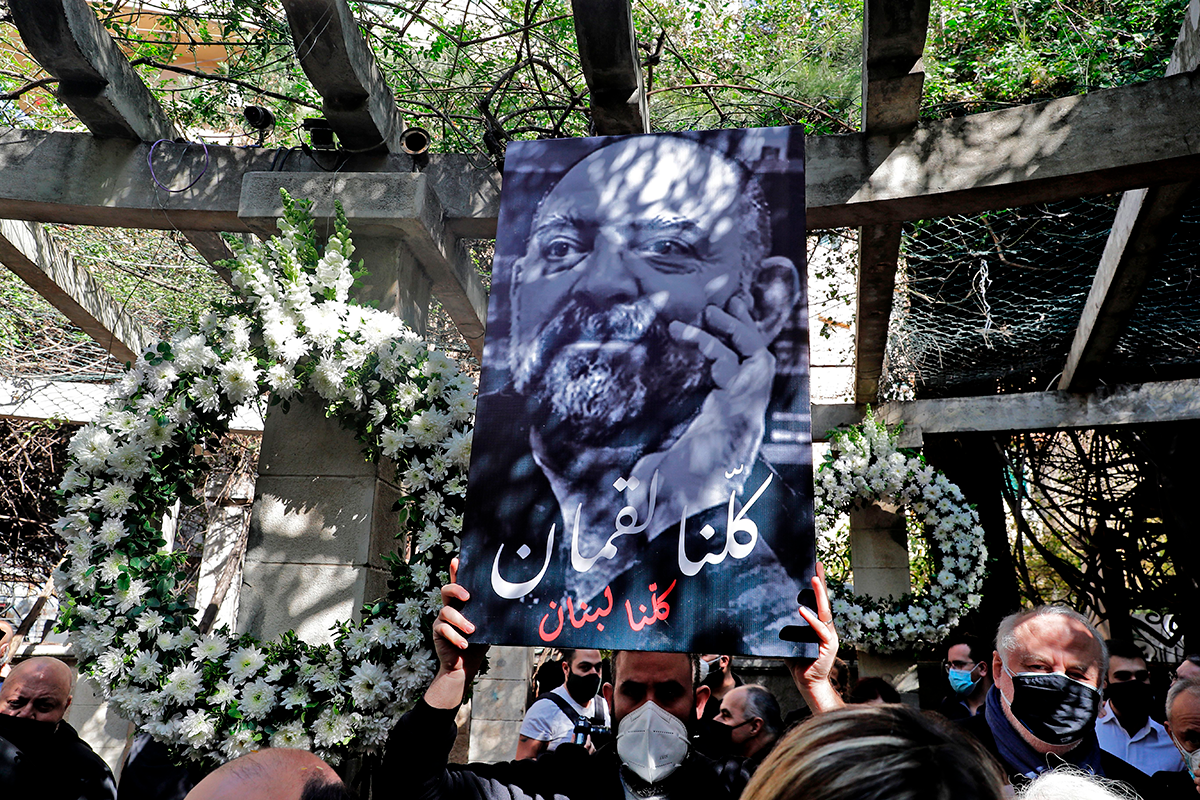
The cold-blooded assassination of Hezbollah critic and Lebanese activist Lokman Slim on Feb. 4 is yet another manifestation of Iran’s growing boldness in the country. Hoping it can once again get away with murder, Iran is mobilizing its repressive proxy in Lebanon and across the region. The question of Hezbollah’s future is key for regional stability and for the U.S. and its partners. As the U.S. prepares to renegotiate a nuclear deal with Iran, curbing the country’s regional ambitions — including its provision of military and political assistance to Hezbollah — needs to be an integral part of any new deal.
Turkey and Egypt: Time for Normalization? Not Quite Yet
Dr. Marwa Maziad discusses the relationship between Turkey and Egypt over the long term, analyzing the causes and effects of the divergent approaches to domestic and regional politics held presently by the respective Turkish and Egyptian presidents.
Paul Goble, Gonul Tol, and Alex Vatanka join host Alistair Taylor to discuss the Nagorno-Karabakh conflict and the role of Russia, Turkey, and Iran in the South Caucasus.
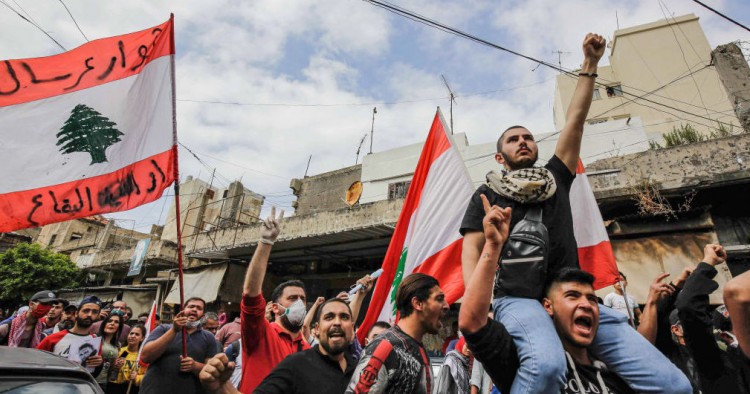
Lebanon and its citizens have endured many hardships in recent years. Two dimensions of Lebanon’s condition today are especially striking, however, and augur more difficult times ahead. First, Lebanon has become just another pauperized and increasingly militarized Arab country whose citizens rebel against state authorities. Simultaneously, the regional and international powers that once engaged in it for their own purposes seem less interested in saving it from its self-inflicted decline.
Can Syrian social cohesion survive “without Assad”?
“I have prepared the country for you for 20 years,” said Hafez al-Assad before his death in 2000, to his son Bashar. What did Hafez mean and what are the implications for the future of Syria, now that presidential elections loom once more?
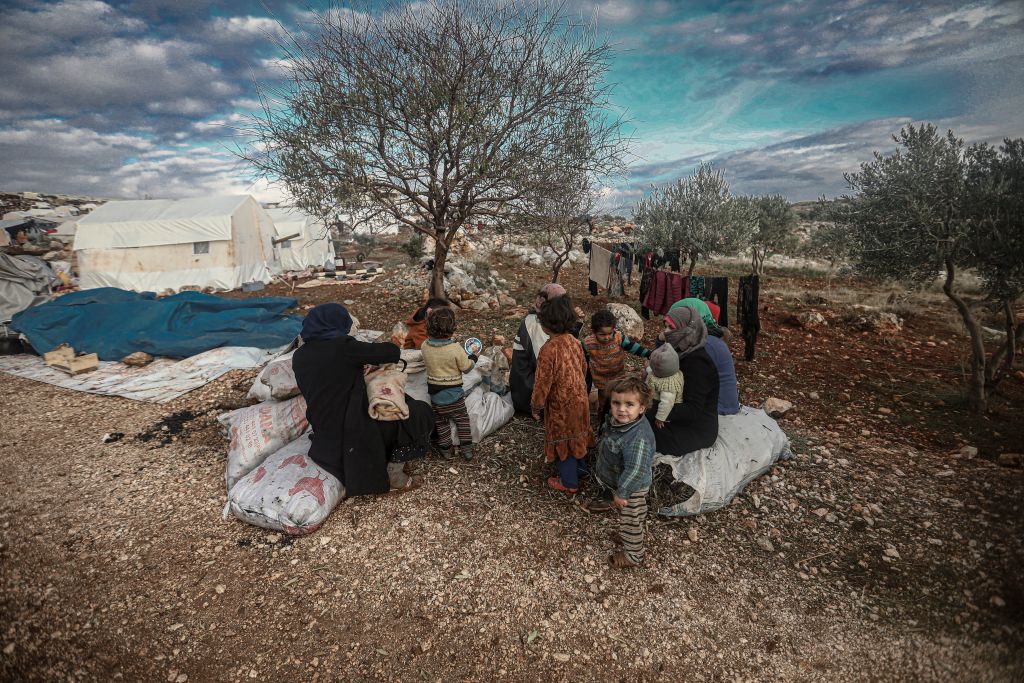
More destabilization and human suffering is certain unless the Biden administration is ready to respond to Russian efforts that would impede aid flows and reinforce Syrian President Bashar al-Assad.
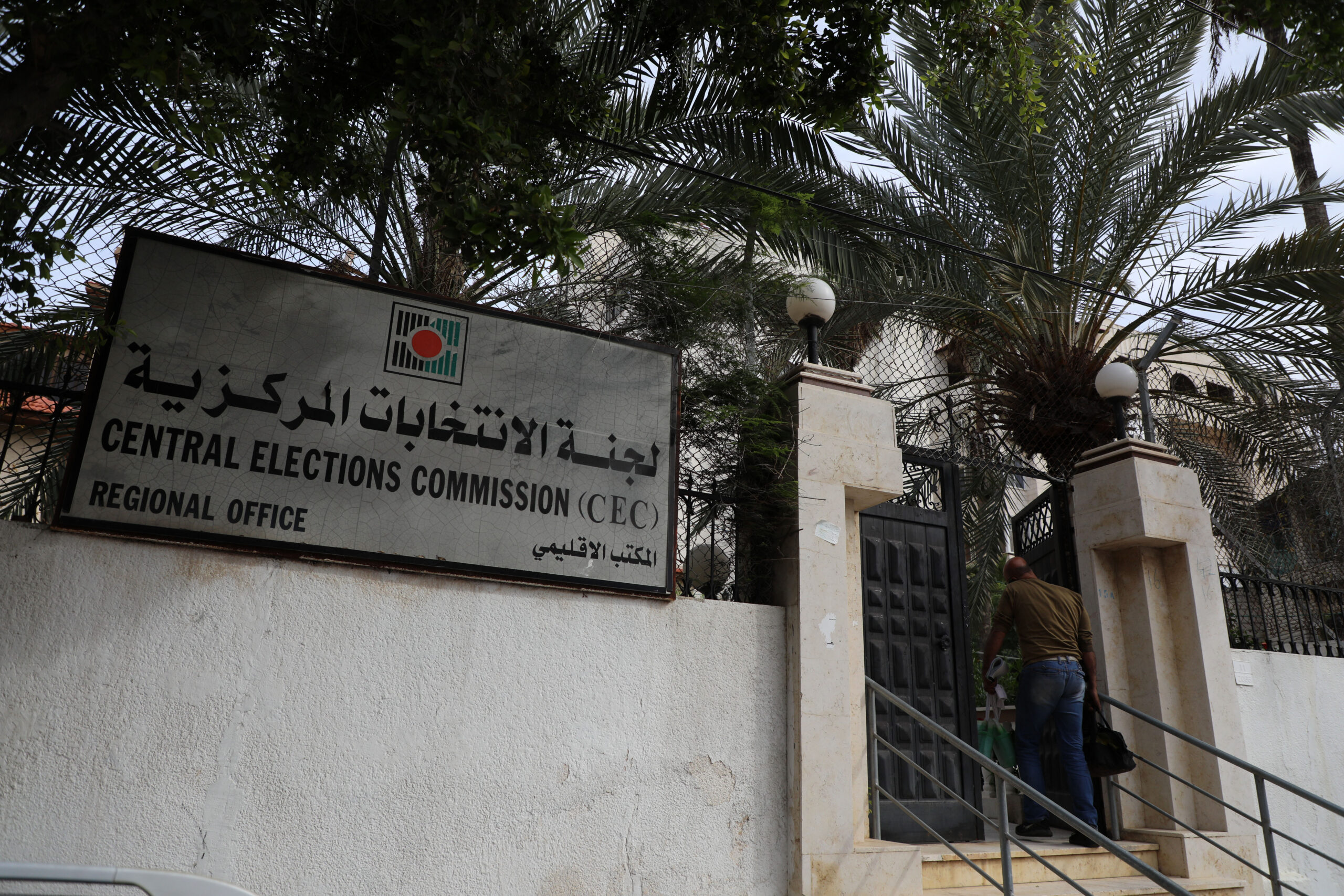
For years pundits have argued that Palestinian elections cannot take place in the occupied territories until there is reconciliation between the warring factions of Fatah and Hamas. The conflict between them led to the creation of two parallel governments, with Fatah controlling the West Bank and Hamas in charge of Gaza. This situation produced parallel laws and, most importantly, parallel security forces. While these differences remain unresolved, elections, which were once considered impossible without reconciliation, are now being used to achieve reconciliation. On January 11, a Palestinian presidential decree announced legislative elections for May 22 to be followed by presidential elections on July 31.
The Turkey-Pakistan entente: Muslim middle powers align in Eurasia
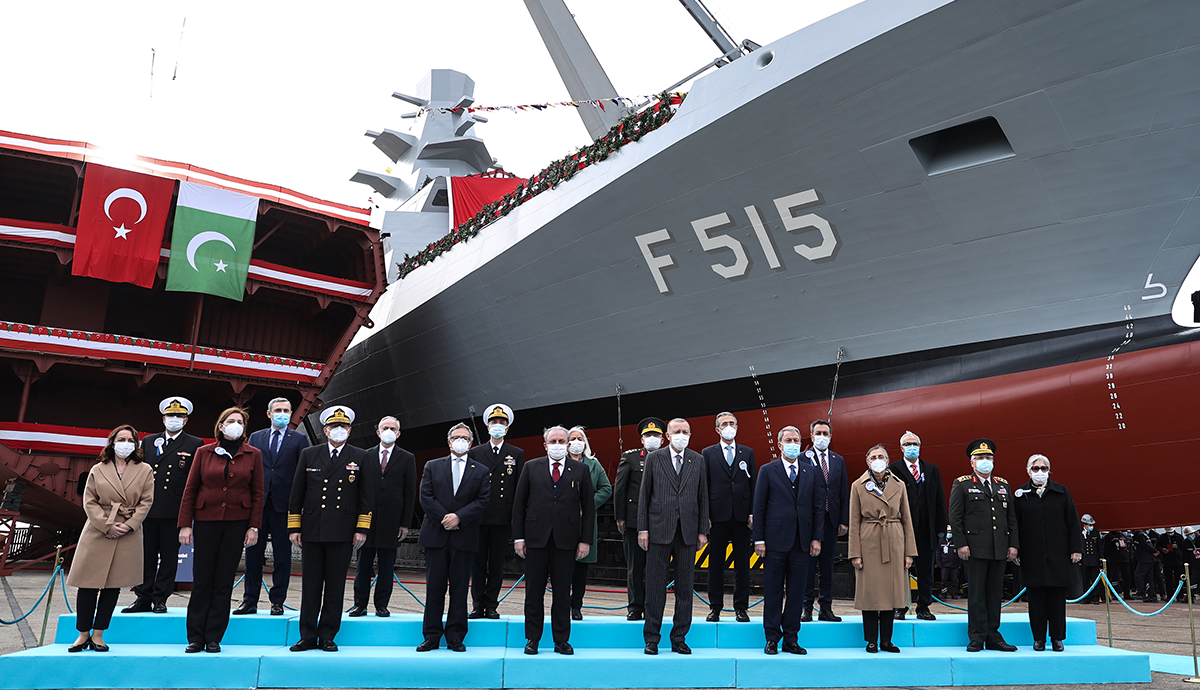
In the 1950s, at the onset of the Cold War, Pakistan and Turkey were part of the Central Treaty Organization or CENTO, a pro-Western bloc of Muslim-majority states. Today, the two countries — both with troubled relations with the United States — are Muslim middle powers with a growing entente in a multipolar Eurasia. In recent years, cooperation between Pakistan and Turkey has strengthened not just in the defense, diplomatic, and economic realms, but also in the cultural space, causing geopolitical ripple effects in the Himalayas, the Arabian Peninsula, and the South Caucasus.
The inaction trap: Paralysis and denial in Lebanese politics
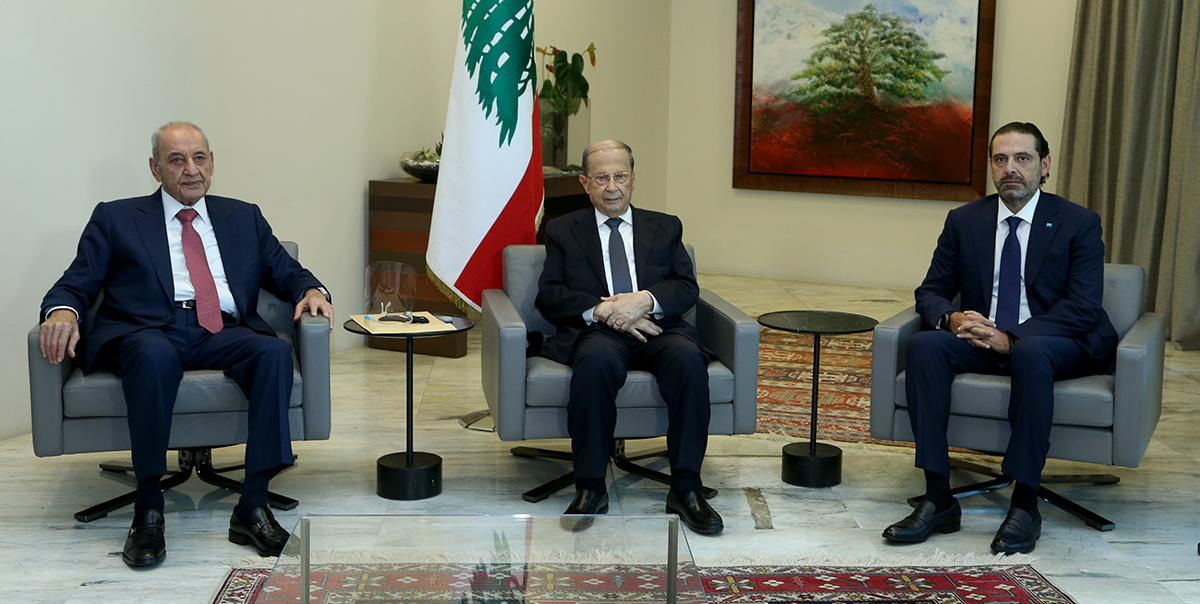
Saturday marks the 100th day since Prime Minister-designate Saad Hariri secured a razor-thin majority nomination to form a new cabinet — his fourth in 11 years. In October 2019, street protests had forced his “national unity” government to resign. His comeback a year later was a cause for disillusionment among protesters and a signal that politics as usual, in its collusive and inefficient nature, was there to stay. The absurdity of the Lebanese debacle lies in how easy and acceptable it was — and still is — for the established political class to shy away from crucial and courageous decisions when the country needed them most.
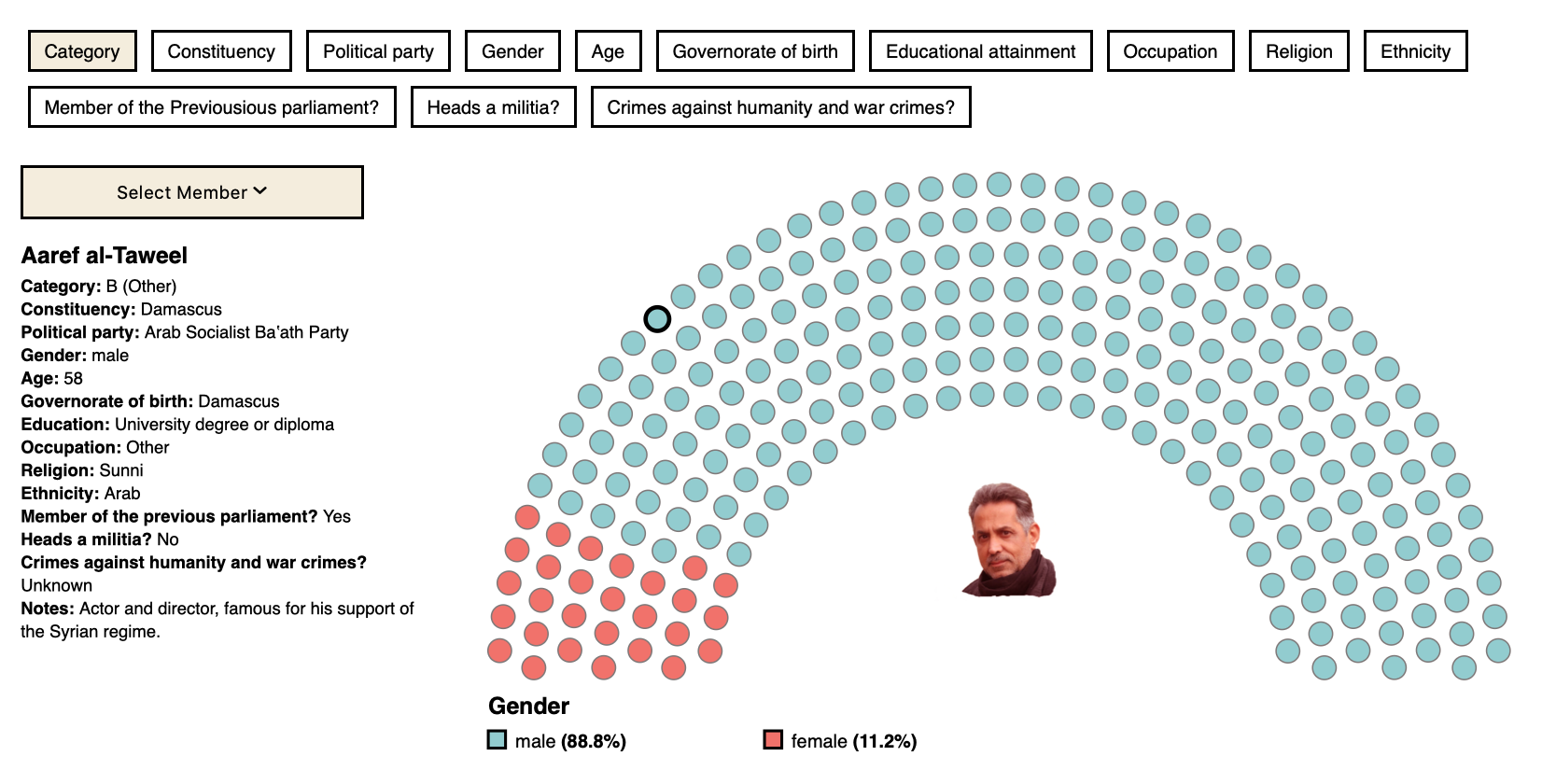
Inside Syria's Clapping Chamber: Dynamics of the 2020 Parliamentary Elections
This report discusses the results of the 2020 Syrian parliamentary elections to illuminate shifts in the al-Assad regime’s strategy to restore and maintain control over the country. Using evidence gathered from a range of sources, it sheds light on recent changes in the ethnic, religious, political, commercial, and military networks through which Syria’s dictatorship is sustained, and the future directions these shifts imply.
MEI’s Paul Salem and Ross Harrison join host Alistair Taylor to discuss what the Biden Administration can do to reduce regional tensions and proxy conflicts in the Middle East.
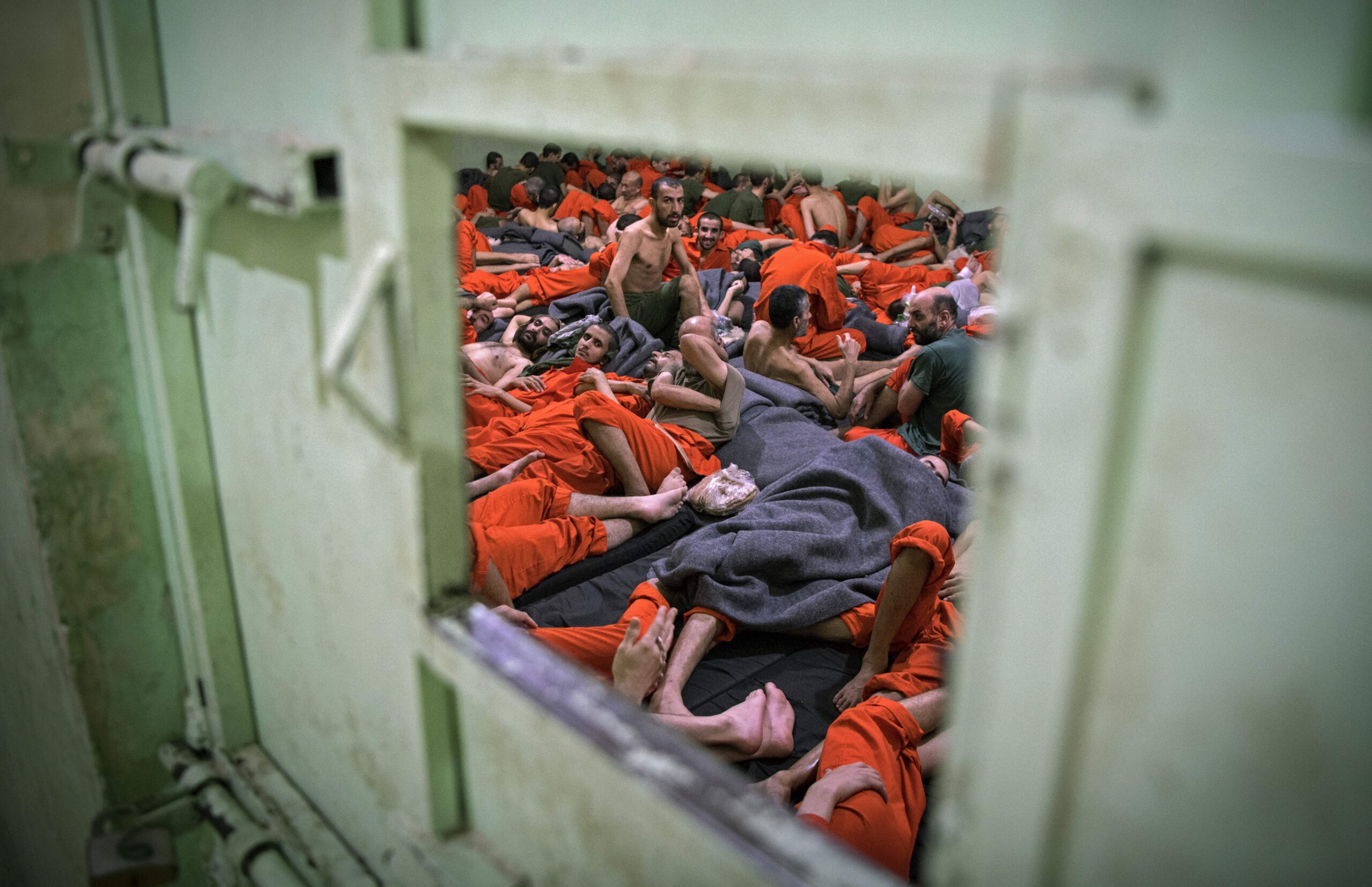
The Challenge of Foreign Fighters: Repatriating and Prosecuting ISIS Detainees
From the U.S. and the U.K. to Iraq and Syria, the way countries are handling the repatriation and prosecution of accused ISIS members echoes the policies that drove their citizens to seek a utopian Islamic State in the first place. Not only are the policies that pushed people to start joining the group in 2013 continuing, but in many cases they have increased in both scale and scope. While the current repatriation and prosecution policies are arguably counterproductive, they may also be fueling future terrorist activity and support for radical anti-government groups. To reduce the chances of such negative consequences, foreign governments must switch gears and adopt an entirely different approach before it is too late.