As a result of the Iran war, Turkish thinking about nuclear weapons appears to be shifting. Iran’s emergent ability to threaten regional states (and possible determination to acquire a nuclear weapon itself), growing concern about Israeli aggressiveness, doubts about US security guarantees, and greater Saudi nuclear autonomy are all pushing Ankara to consider a future nuclear option.
In less than two decades, a string of offshore discoveries has turned the Eastern Mediterranean into a significant gas-producing region, making Israel an exporter, twice lifting Egypt into the ranks of liquefied natural gas (LNG) exporters, and giving Cyprus finds it has yet to bring to market. This backgrounder explores the potential and challenges of exploiting and managing LNG resources in the region.
The Mecca Joint Défense Agreement: A New Geometry of Middle Eastern Power?
On August 7, 2026, Saudi Arabia, Turkey, and Pakistan signed the Mecca Joint Défense Agreement, a collective-defense pact widely compared to NATO’s Article 5. This essay argues that the comparison is misleading. Mecca borrows NATO’s language of solidarity without yet possessing NATO’s institutional machinery, and the Houthi offensive against Saudi Arabia in September 2026 provided an early and revealing test of what the agreement actually means in practice. Neither Pakistan nor Turkey automatically entered the fight on Saudi Arabia’s behalf, and Washington, despite an initial reluctance to strike directly, remained indispensable through intelligence support and a major proposed F-35 sale. Drawing on realist alliance theory — Hans Morgenthau, Kenneth Waltz, Stephen Walt, Glenn Snyder, and Steven David — and on the precedent of the Central Treaty Organization (CENTO), the essay contends that the Middle East is not dividing into rival blocs but moving from hierarchy toward a looser, overlapping geometry of hedged partnerships, in which American exclusivity is eroding considerably faster than American primacy.
The Strategies and Struggles of the Turkish Opposition under Autocratization
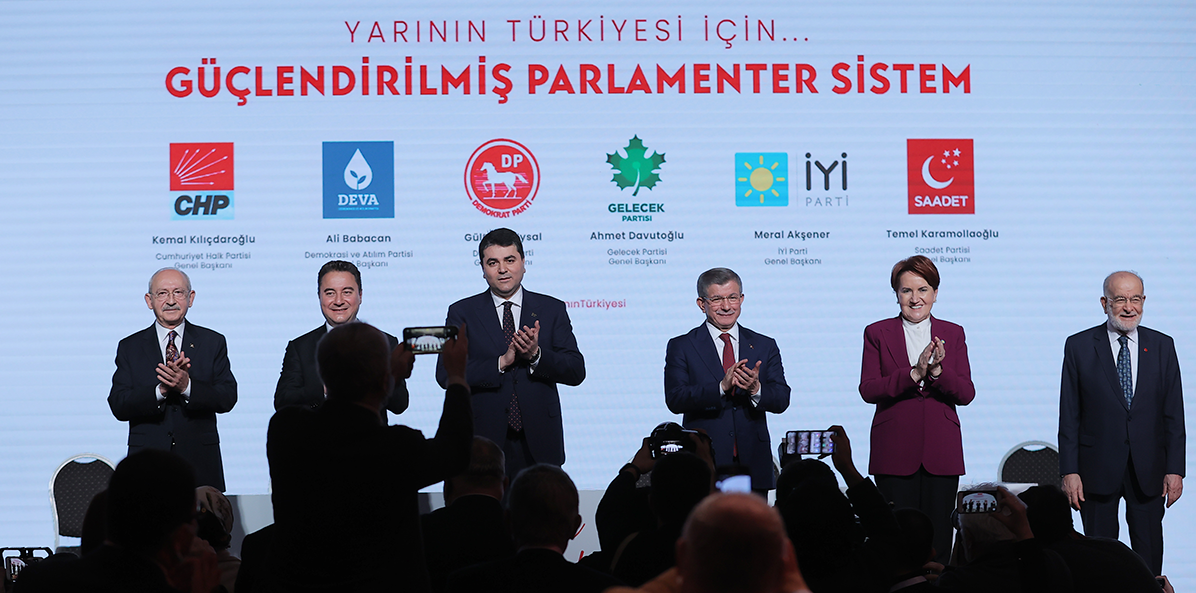
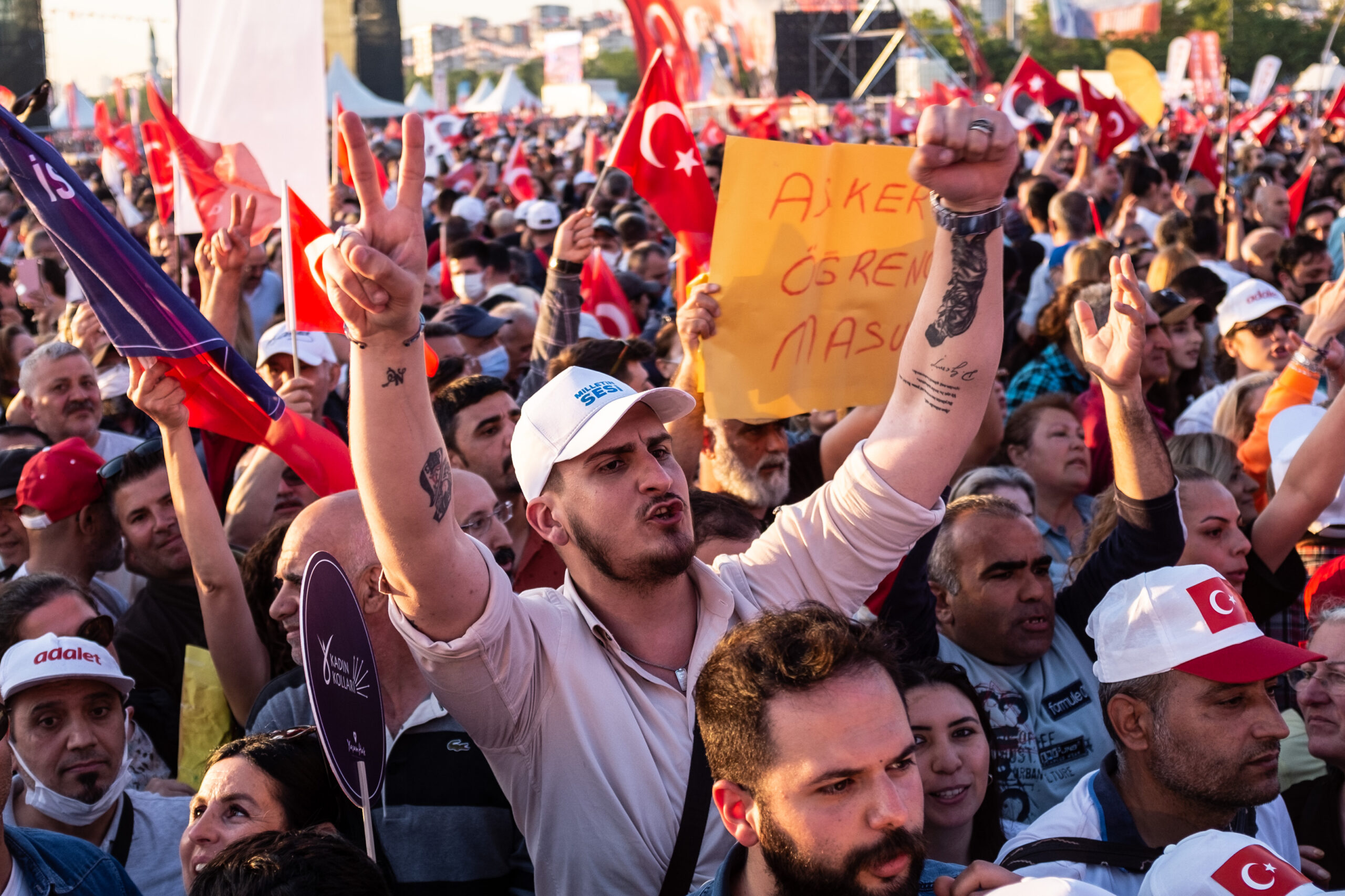
President Recep Tayyip Erdoğan has thus far enjoyed a fragmented opposition and utilized polarization to cement divisions. However, the introduction of a hyper-presidential system after the 2017 constitutional referendum and Erdoğan’s 2018 election victory have provided the necessary impetus for the opposition parties to form an alliance. This paper charts Turkey’s autocratization under AKP rule, addresses the strategies adopted by its political opposition, and maps out the opportunities and risks they face in the run-up to the June 2023 presidential elections.
Turkish Views: Crisis and Opportunities for Turkey in 2023
As the Turkish Republic enters its centennial year, it seems to be at an inflection point. What has been the impact of the AKP’s rule and how might the opposition change Turkey’s direction if they manage to come to power? In this series of papers, seven prominent Turkish scholars weigh in on these questions, thinking about this from a wide variety of perspectives and focusing on a range of specific fields of policy, explaining how we got to the current juncture and where Turkey might go from here.
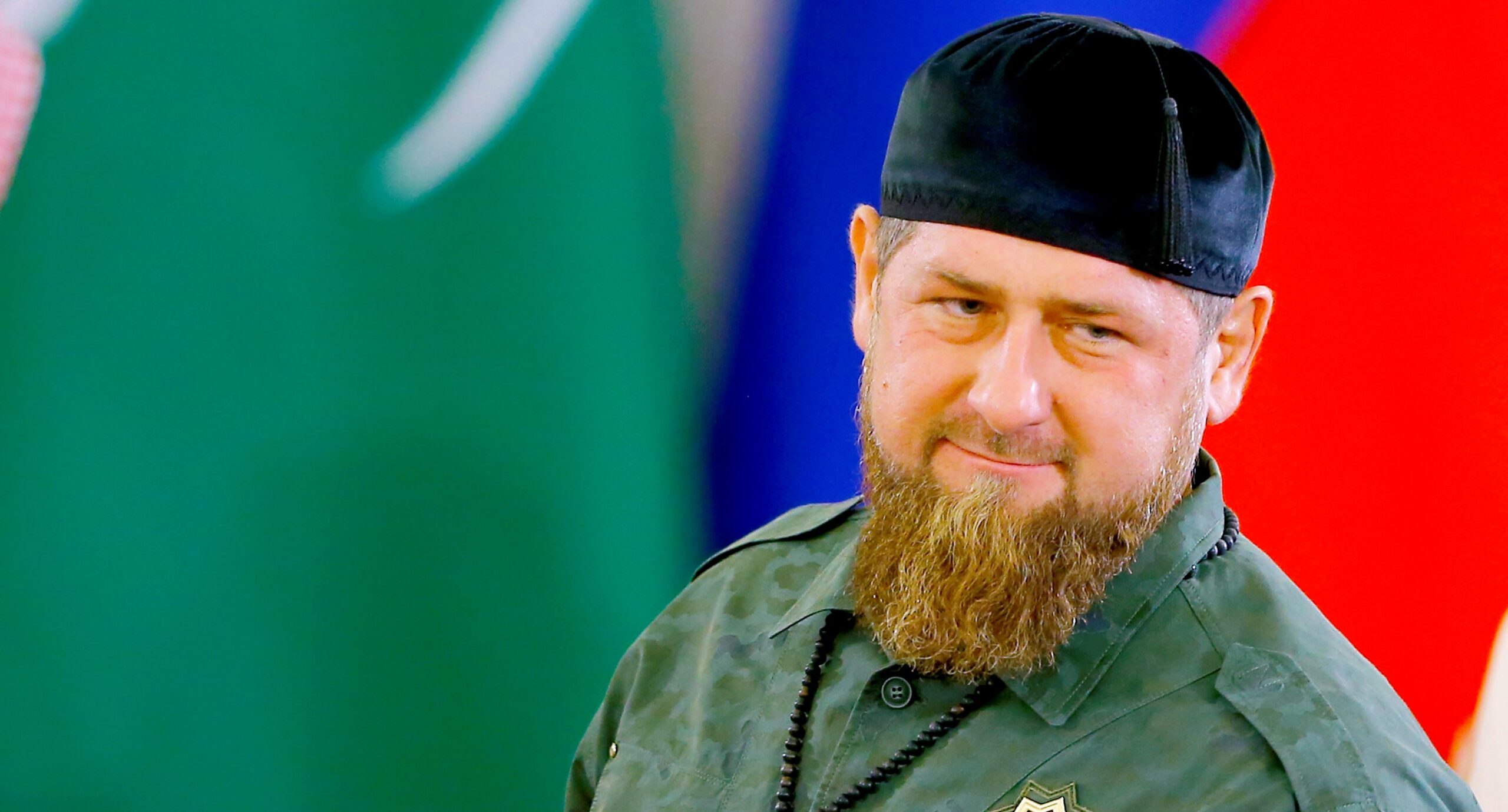
Is Chechnya’s leader a ticking time-bomb for Russian-Turkish relations?
Chechen strongman and close Putin ally Ramzan Kadyrov claims he met with Turkish officials to discuss cooperation. If true, the claim would signify Turkey’s possible backsliding on some of its previous commitments as well as trigger a negative reaction from Ukraine.
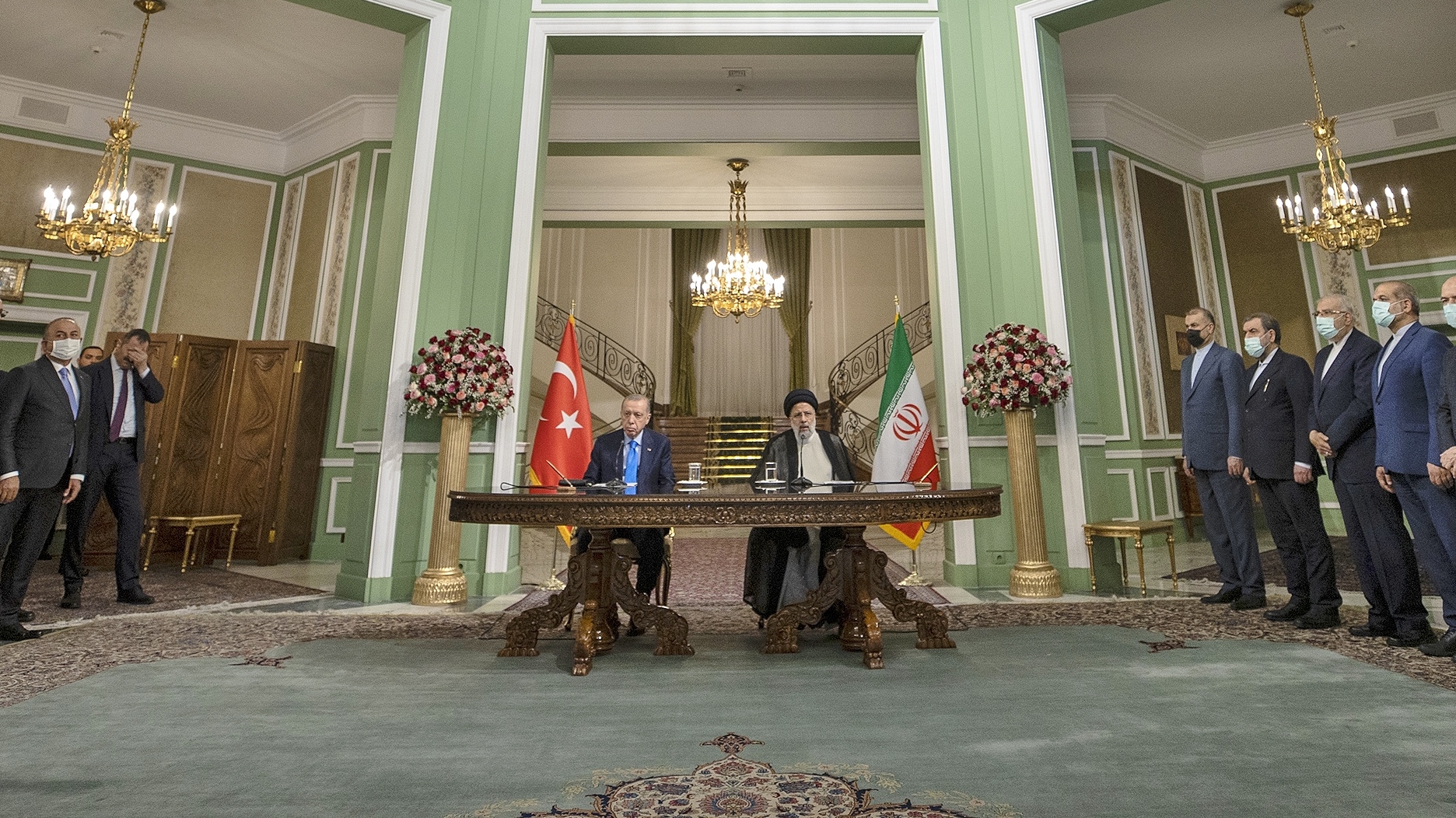
Erdoğan in Tehran, but Turkey and Iran have plenty of mistrust to overcome
Iranian-Turkish trade and economic cooperation has been the all-important platform on which otherwise often tense bilateral relations could survive. With trade and economic ties now weakening, their geopolitical rivalry could sharply re-intensify.
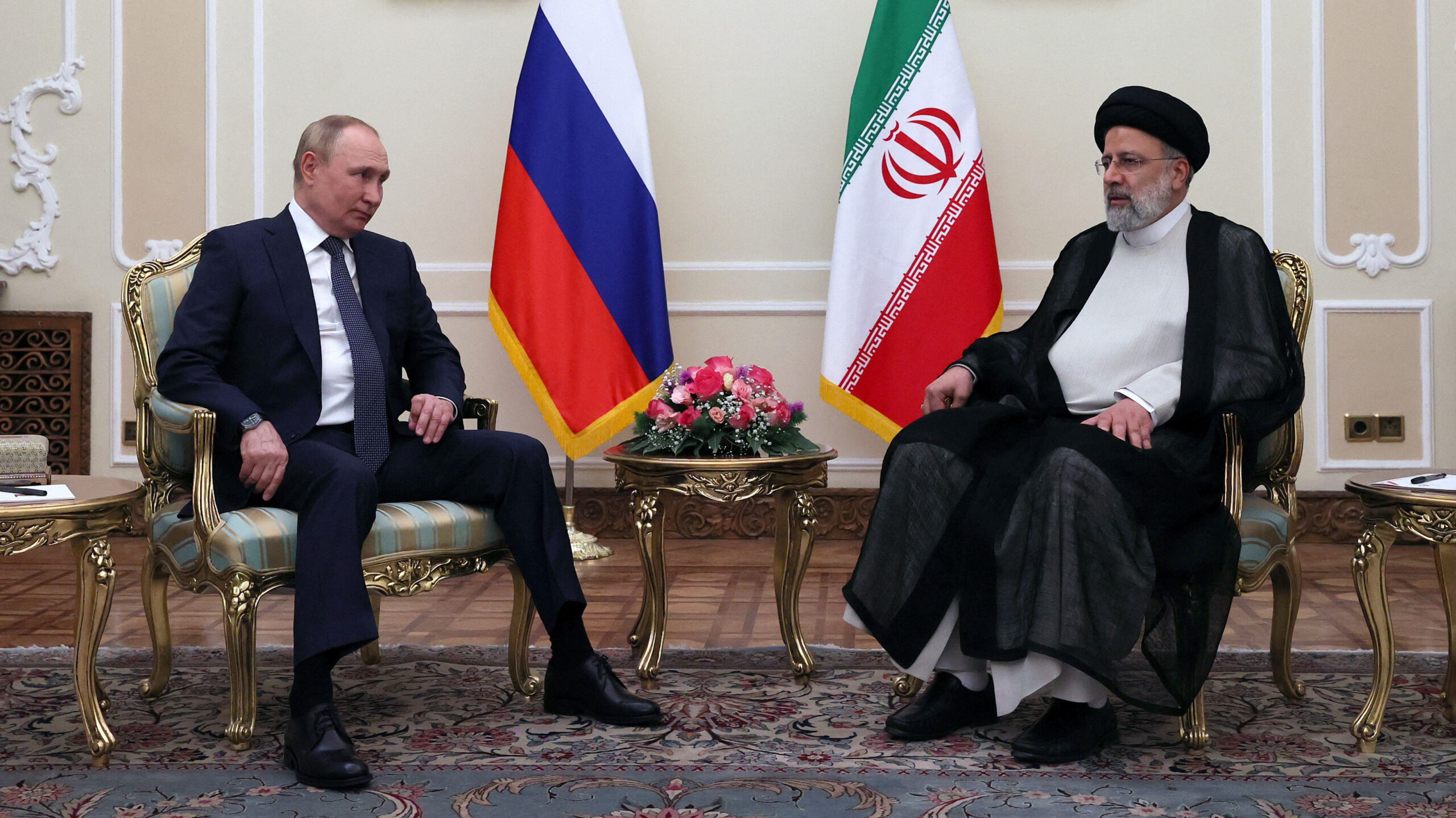
Putin’s visit to the Islamic Republic: Bringing Iran closer to Russia while building long-term leverage over Tehran
Russian President Vladimir Putin’s July 19 visit to Tehran will have important repercussions for the region’s evolving security environment as well as the trajectory of Iranian-Russian relations more specifically. Although officially billed as seeking to revive the “Astana peace process” on Syria, the significance of the trip has less to do with the trilateral meeting between Iran, Russia, and Turkey and more with the deepening of ties between Moscow and Tehran.
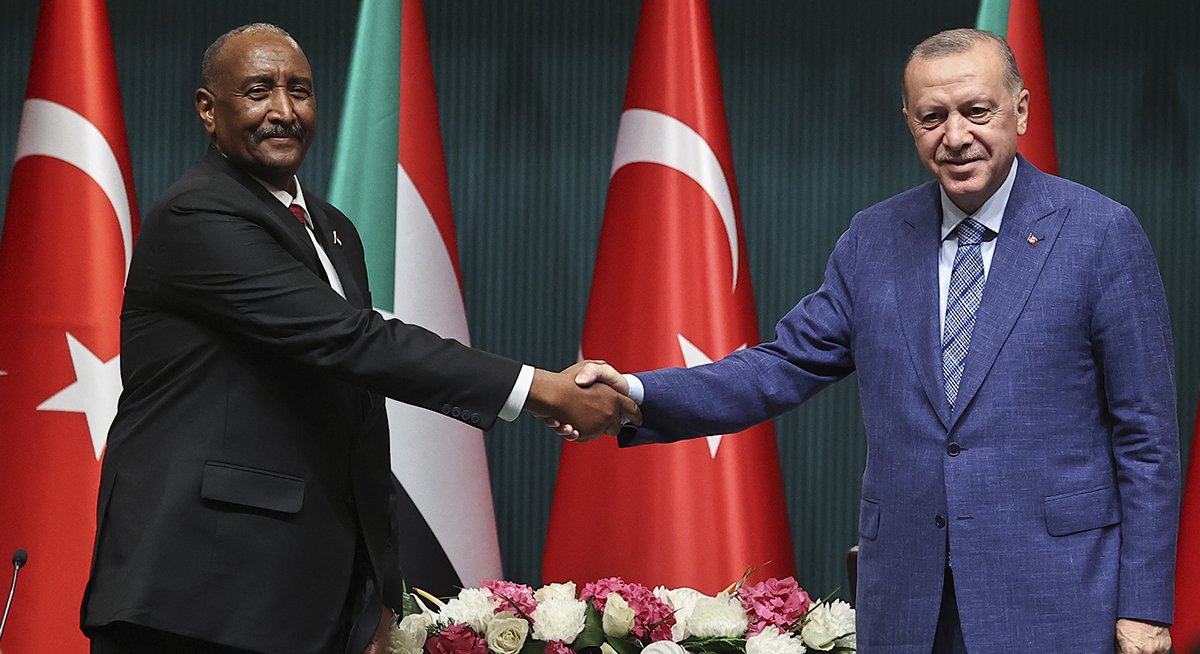
Sudan has a longstanding strategic partnership with Turkey, forged on the basis of shared ideology and fostered by growing economic and political ties, that has proven resilient to regime change. Khartoum has not abandoned its relationship with Ankara despite the ouster of former President Omar al-Bashir in 2019 or the opposition of Saudi Arabia, the UAE, and Egypt, Turkey’s former regional rivals and more recent cautious partners.
As Turkey’s economic woes worsen, a new currency crisis is approaching
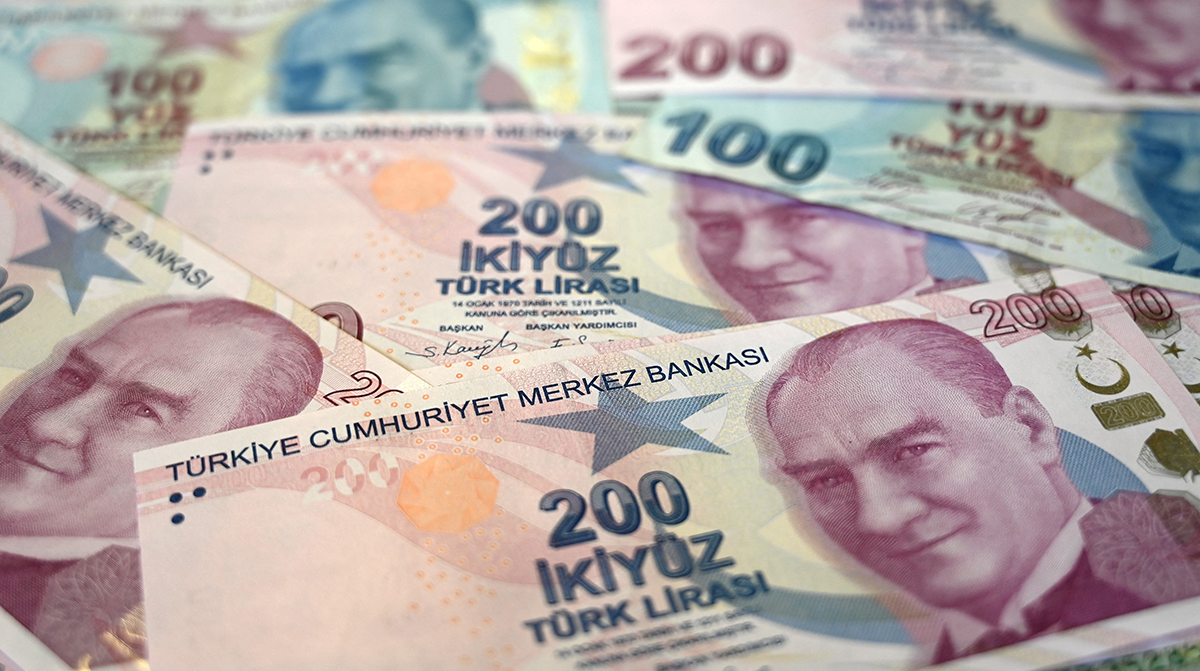
Turkey’s economic problems continue to go from bad to worse. Its foreign trade deficit has reached a monthly average of $8 billion this year. Amid the sharp rise in global energy prices this spring following Russia’s invasion of Ukraine, the country’s average gross energy imports shot up from $3-4 billion per month to $7-8 billion. A reduction in energy imports and the recovery of tourism this summer have not offset this, and the current account deficit continues to widen.
The oldest peer-reviewed publication dedicated to the study of the modern Middle East, MEI’s flagship journal covers politics, society, and culture in the region.