This article is part of a collection of short essays written by the Fellows of the Middle East Institute to explore aspects of the ongoing war with Iran. The intent of the collection is to help readers see new and unexpected elements of the dynamics and impact of the ongoing hostilities and to think harder, deeper, and broader about the implications of the conflict.
Egypt: How the Iran War Has Affected Egypt’s Calculations
Egypt, which is not party to the war on Iran, has become a target as well as an intermediary in the conflict. As a result, the war has affected Egypt’s future calculations, particularly in three major areas: its economy, its security, and its regional alliances.
Algeria and Morocco have long been at odds, but recent diplomatic moves may signal a widening geopolitical split in North Africa. Hosts Alistair Taylor and Matthew Czekaj are joined by MEI Senior Fellow Intissar Fakir to unpack Algeria’s decision to sever diplomatic ties with the United Arab Emirates and Morocco’s warming relations with both the UAE and Israel. They also explore linkages between these diplomatic shifts and the Western Sahara conflict, Moroccan domestic concerns, particularly in light of this week’s elections, as well as broader regional stability.
Reform and Development in Egypt: U.S. Goals and Priorities
The Middle East Institute is proud to host Hady Amr of USAID and Thomas Garrett of IRI for a discussion about shifting U.S. funding goals and priorities in Egypt in the wake of the January 25 revolution. Egyptian NGOs and nascent political parties face multiple challenges as Egypt transitions toward democracy, including a lack of resources and a democratic system. Egypt is also facing new economic challenges and calls from some quarters for a Western-backed Marshall Plan. Amr and Campbell will explore the role the U.S.
The Middle East Institute, in partnership with the Fondation pour la Recherche Stratégique, is proud to host two panel discussions on the refugee situation in Sudan. Funded by the European Commission, this event is part of a two year research project which aims to generate policy recommendations that will strengthen transatlantic cooperation to respond to the refugee and internally displaced persons crises in Sudan.
Local Initiatives Prepare the Ground for Sustainable Development in the Middle East: Preliminary Lessons from Egypt
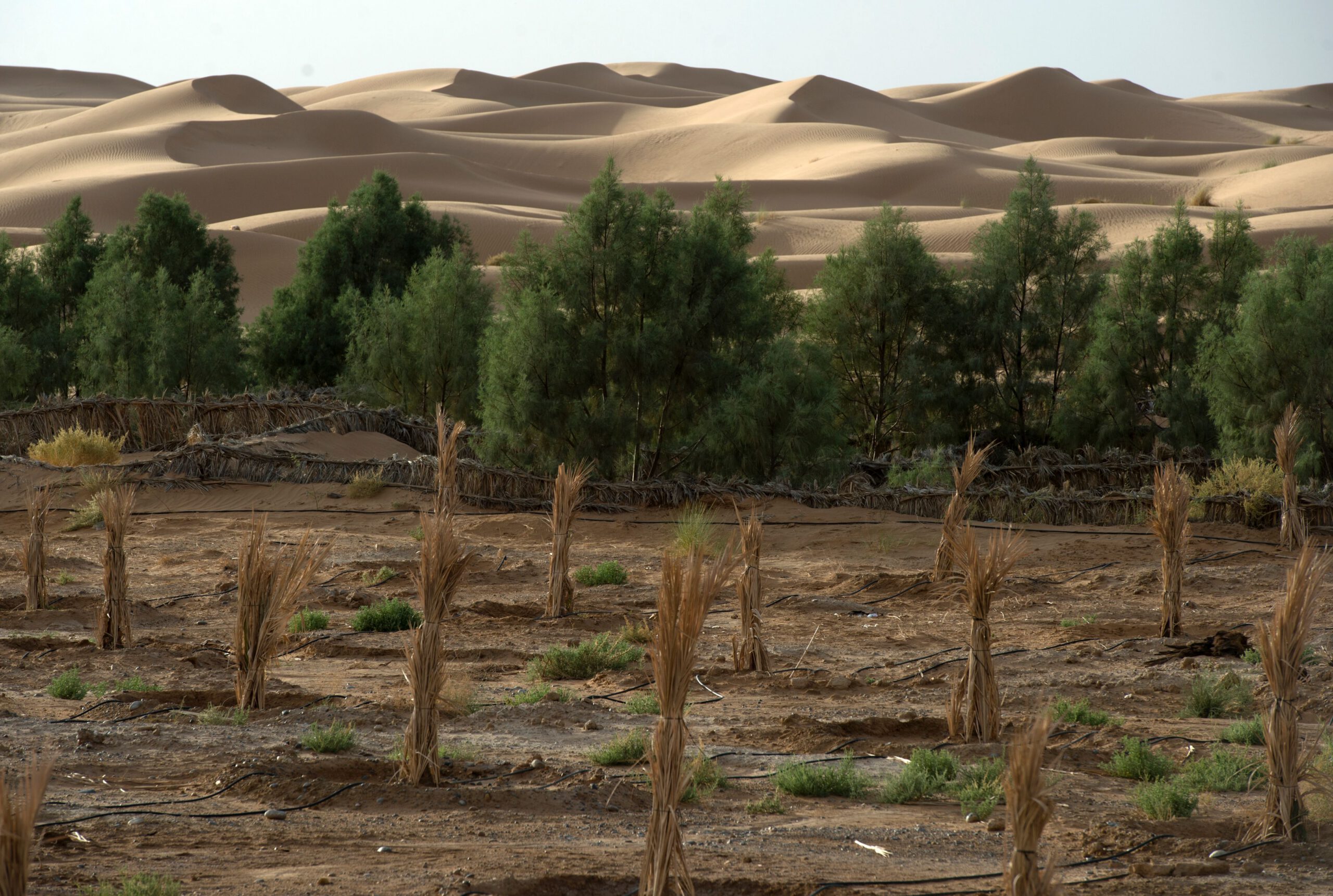
Using Egypt as a case study, this essay argues that the pathway to sustainability in the Middle East is to gradually reconcile competing economic development and environmental agendas. However, broader economic and political forces are inimical to setting about such a sustainable development trajectory. An exception to this adverse trend is the existence of innovative local development initiatives, which connect the livelihoods of the poor and marginalized with their physical environment in a productive way.
Libyan Intervention: Justified By the Circumstances
It was absolutely predictable that Republicans would attack President Obama whatever he did in Libya, though Newt Gingrich, in his overeagerness, overreached by criticizing him for too explicitly opposite reasons. It was also likely that the anti-interventionist left, which sees (almost?) any use of American military power as imperialistic and unwarranted would likewise be opposed.
Cyberactivism and the Arab Revolt: Battles Waged Online and Lessons Learned
The Middle East Institute is proud to host digital media experts Adel Iskandar and Courtney Radsch for a discussion on the nature of the cyberactivism that is fueling the uprisings spreading throughout the Middle East. Iskandar will examine the battle in Egypt between the government and the protesters to control online discourse, analyzing the obstacles and the successes.
Rahm Emanuel famously quipped that a crisis should never go to waste. In his absence, the Administration seems determined not to take sufficient advantage of the ongoing and huge crisis in the Arab world. Its hesitant, uncertain, and (to date) completely ineffectual response to events in Libya sadly make this all too clear.
It now appears that the US finally has gotten serious about doing something meaningful to assist opposition forces in Libya. Exaggerated fears and an insufficient grasp of the adverse consequences of not taking such action previously paralyzed US (and most European) policymakers with respect to even an eastern no-fly zone, let alone more robust measures. Meanwhile, what is left of the organized Libyan opposition is increasingly hard-pressed.
The greatest threat to U.S. national security is Congress’s abdication of its constitutional responsibilities. Nothing could make this point more clear than the current discussion of whether Washington should bear the lion’s share of the costs and risks of a no-fly zone over Libya.
When Egyptians, fed up with corruption, dictatorship, and lousy government, pushed President Hosni Mubarak out the door, some worried whether the burst of enthusiasm for free, open elections and democracy would be squelched by Islamist groups like Egypt’s Muslim Brotherhood. History teaches that the real question isn’t who starts revolution, but who wins it. What begins as a quest for democracy can produce a new dictatorship.
Israel After Egypt: Opportunities and Challenges for Peace
The Middle East Institute is proud to host the Honorable Robert Wexler and Dr. Yoram Peri for a discussion about the challenges facing Israel and the Middle East peace process in the wake of the resignation of Egyptian president Hosni Mubarak. Some in Israel, including former Israeli Prime Minister Ehud Olmert, argue that current events in the region make it imperative that Israel move quickly to secure a peace treaty with the Palestinians. Others insist Israel proceed with caution, given the increased instability in the region.
تُعد المجلة الرئيسية لمعهد الشرق الأوسط أقدم مطبوعة محكّمة مكرّسة لدراسة الشرق الأوسط الحديث، وتغطي المجلة الرئيسية في المعهد السياسة والمجتمع والثقافة في المنطقة.