This article is part of a collection of short essays written by the Fellows of the Middle East Institute to explore aspects of the ongoing war with Iran. The intent of the collection is to help readers see new and unexpected elements of the dynamics and impact of the ongoing hostilities and to think harder, deeper, and broader about the implications of the conflict.
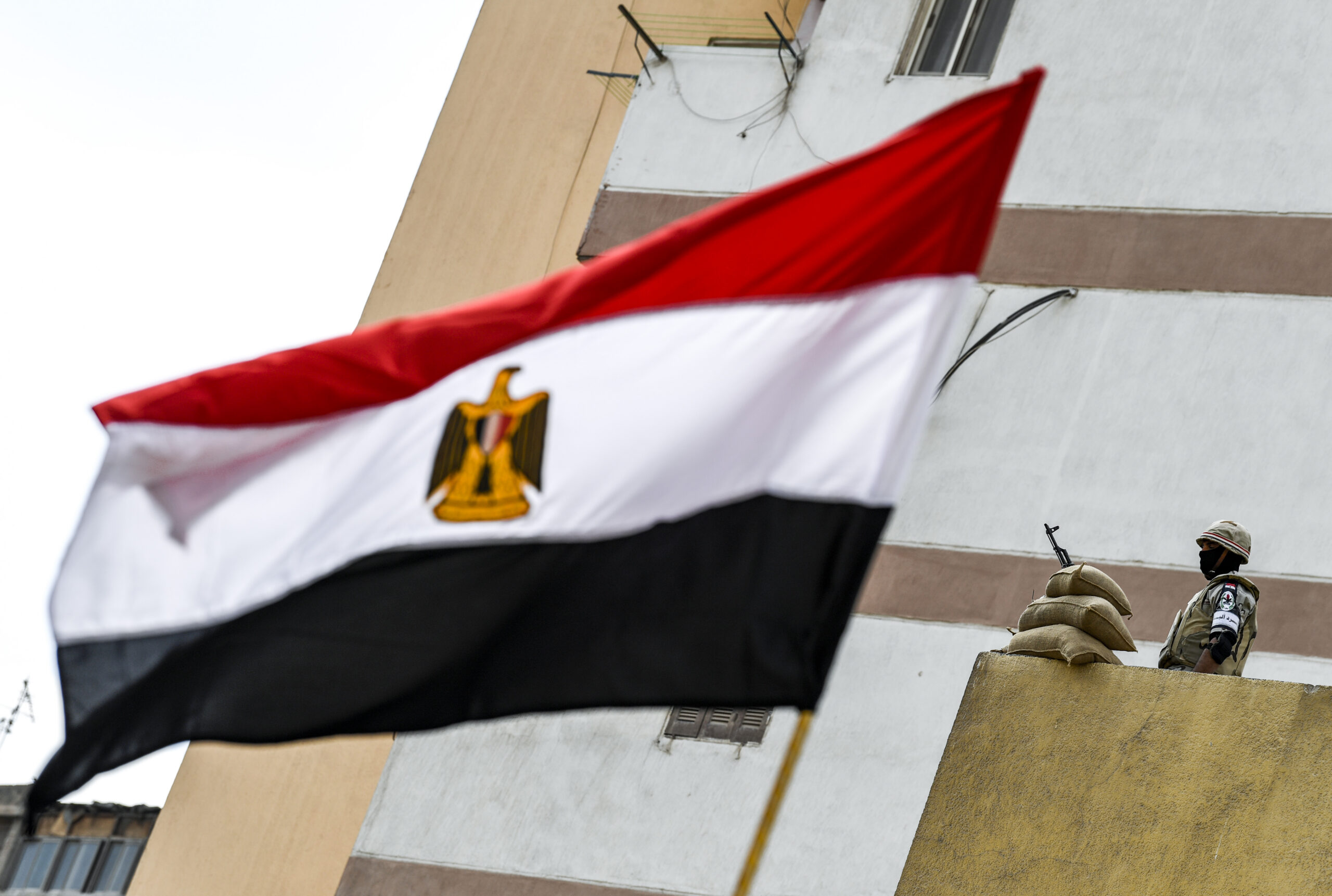
Egypt: How the Iran War Has Affected Egypt’s Calculations
Egypt, which is not party to the war on Iran, has become a target as well as an intermediary in the conflict. As a result, the war has affected Egypt’s future calculations, particularly in three major areas: its economy, its security, and its regional alliances.
Algeria and Morocco have long been at odds, but recent diplomatic moves may signal a widening geopolitical split in North Africa. Hosts Alistair Taylor and Matthew Czekaj are joined by MEI Senior Fellow Intissar Fakir to unpack Algeria’s decision to sever diplomatic ties with the United Arab Emirates and Morocco’s warming relations with both the UAE and Israel. They also explore linkages between these diplomatic shifts and the Western Sahara conflict, Moroccan domestic concerns, particularly in light of this week’s elections, as well as broader regional stability.
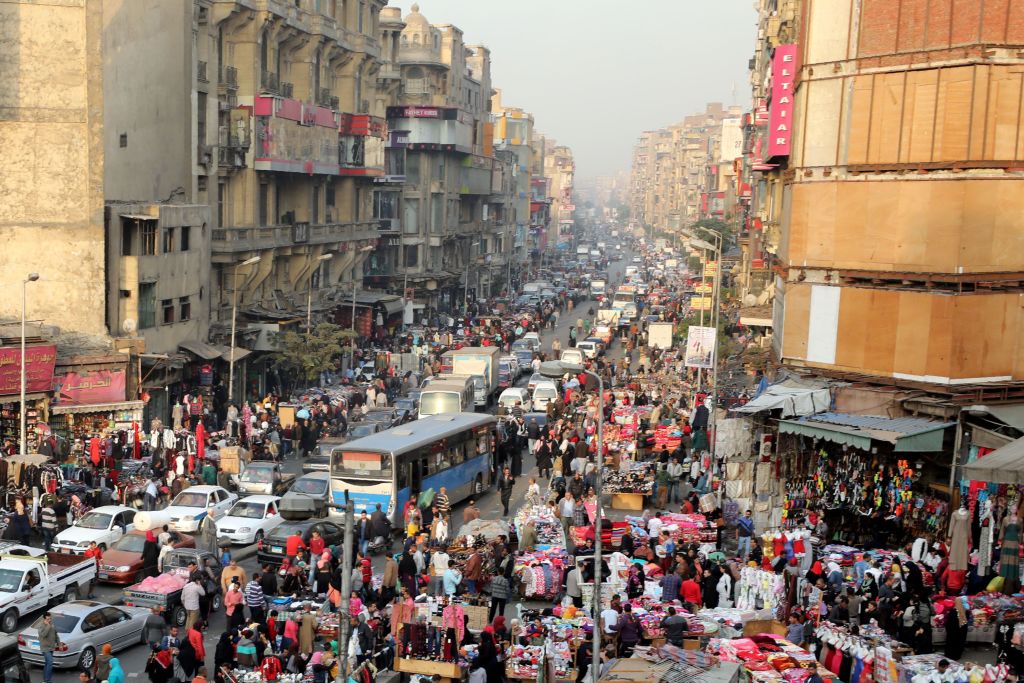
Egypt’s sizeable informal economy complicates its pandemic response
The lockdown conditions have meant that demand for the services of informal market laborers has declined, leaving them with no means of making a living and no form of insurance or savings to fall back on.
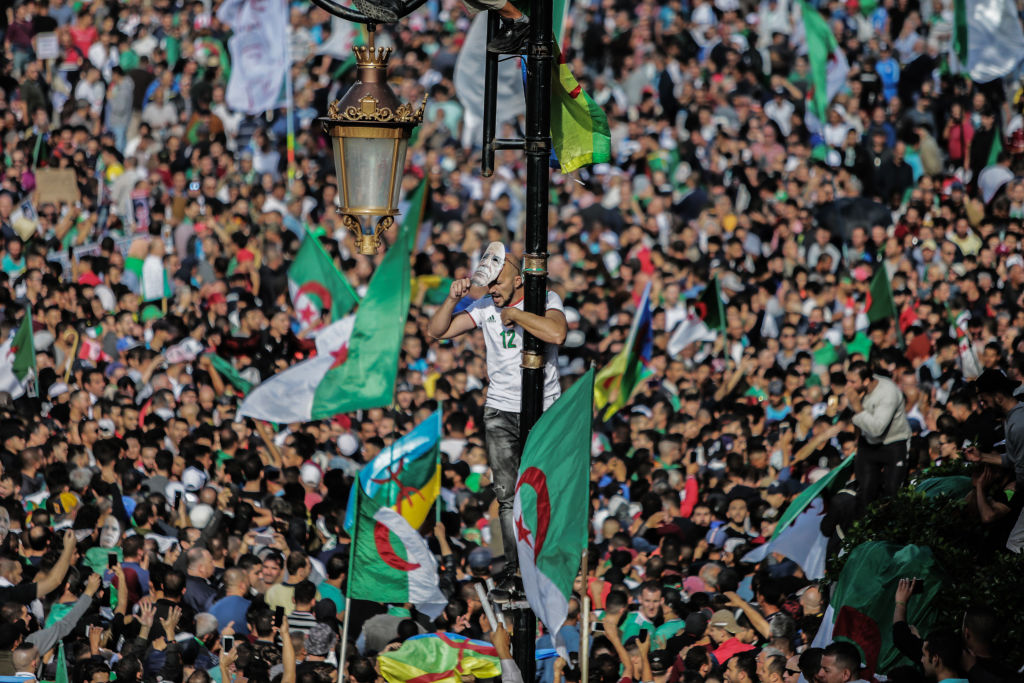
Successes and shortcomings: How Algeria’s Hirak can inform Lebanon’s protest movement
As Lebanese protesters look to advance the systemic reforms they seek and contend with an entrenched ruling elite with little incentive to change, they can draw on their Algerian peers’ successes and shortcomings.
Japan-Libya Relations: A Window on Japan’s Diplomacy in the Middle East and North Africa
The story of Japan’s relationship with Libya, which Tokyo often maintained even as other countries were shunning former Libyan dictator Muammar al-Qadhafi as a pariah, predates the latest outreach by many decades. This story provides a fascinating window into Japanese diplomacy in the Middle East and North Africa (MENA) more broadly. More specifically, the story of Japan-Libya relations shows how Tokyo often pursued its own interests in the MENA region despite the preferences of the United States, with which Japan has a longstanding security alliance.
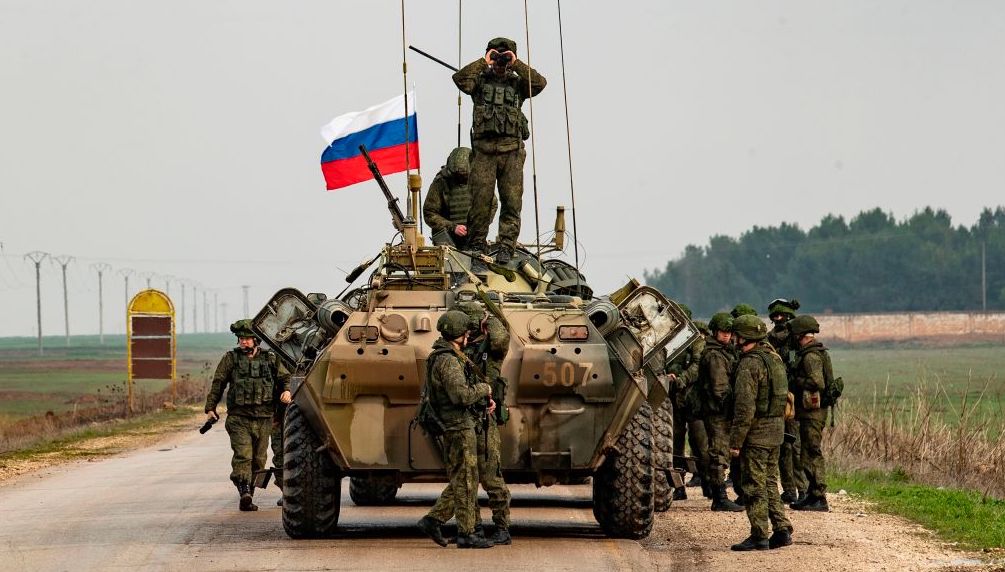
Russia’s involvement in the Middle East: Building sandcastles and ignoring the streets
The collapse of the OPEC+ deal and the diplomatic impasse in Syria reveal the intrinsic fragility of Russia’s gains in the Middle East. Building relations with the region’s autocratic leaders and maintaining a status quo based on a personalistic approach might be effective for some time, but in the long run the Kremlin’s strategy fails to institutionalize relations and thus will be unable to protect them from disruption.
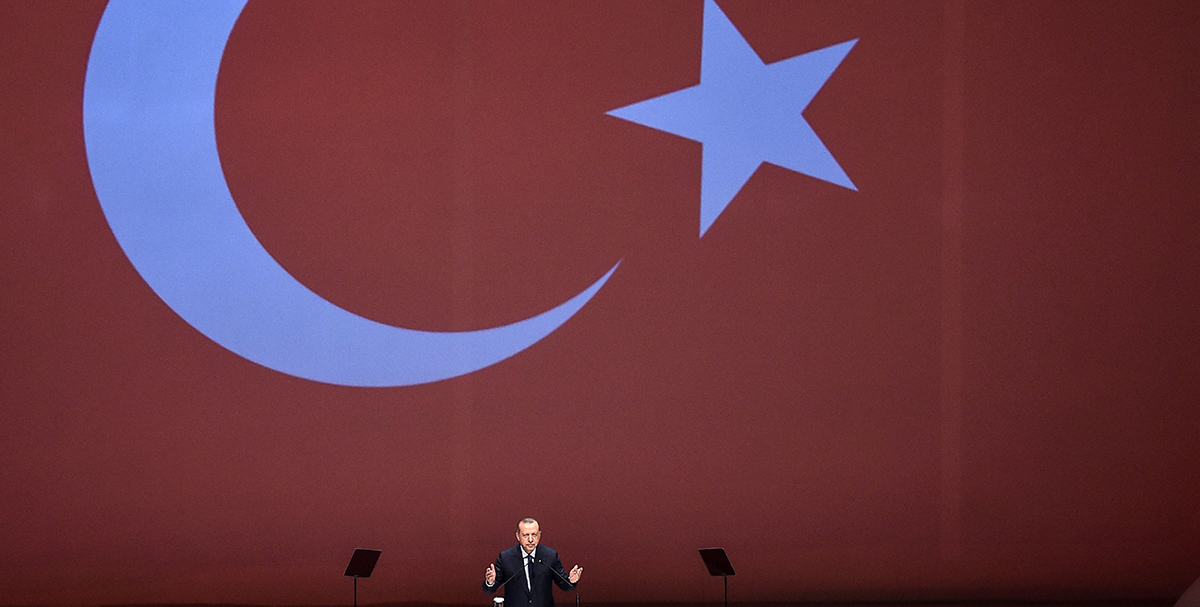
How the battle over energy will reshape Eurasia relationships
The conflict between Turkey and the anti-Turkey bloc is hurting everyone’s energy interests, making an investment in the region costlier for energy companies. Without compromises on all sides, everyone stands to lose.
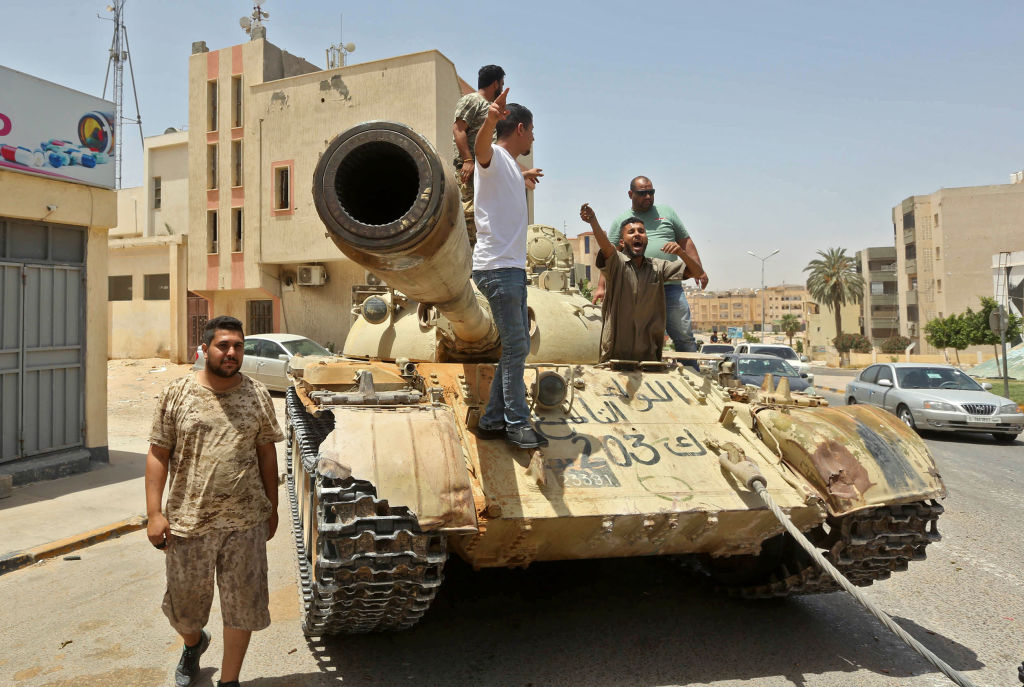
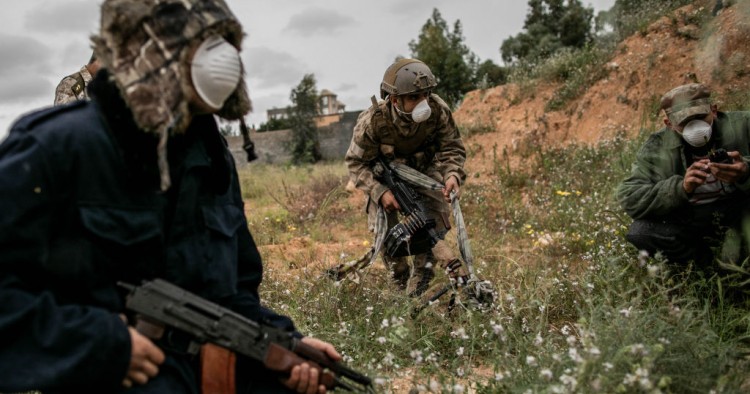
MEI’s Gonul Tol and Jonathan Winer join host Alistair Taylor to discuss the state of the conflict in Libya, where the internationally recognized Government of National Accord (GNA) forces supported by Turkey have made significant gains in recent weeks over Khalifa Haftar’s Libyan National Army (LNA) forces, which are backed by Russia, the UAE, Egypt, and France.
How Russia made Hemeimeem air base its African hub
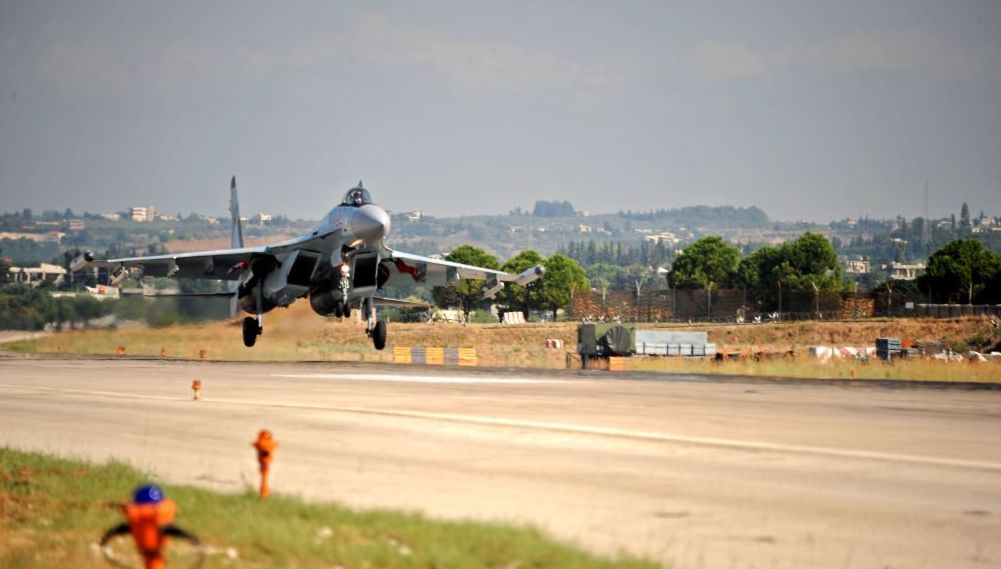
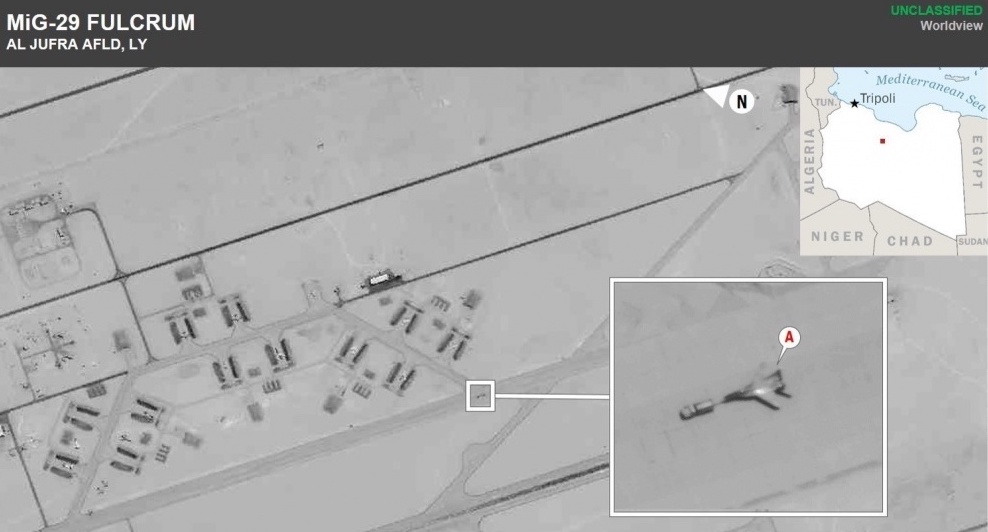
The satellite images published on May 26 by AFRICOM appear to confirm reports that Russian MiG-29 jet fighters had flown to Libya. In fact, the MiG-29s travelled to Libya via Russia’s Hemeimeem air base in Syria, and as this latest episode makes clear, Hemeimeem plays a central role in Russia’s growing involvement in both the Mediterranean and Africa.
Are the foreign patrons of the Libyan war ready to end it?
Absent major military escalation by his foreign patrons, Khalifa Hifter has now lost the war he initiated against Libya’s internationally recognized government in Tripoli. The question remains, however, of how to end Libya’s proxy war and restart the necessary political process to bring about sustained peace.
As the May 26 AFRICOM statement makes clear, Russia’s strategy is fraught with the risk of new sanctions and its geopolitical maneuvers may not come for free.
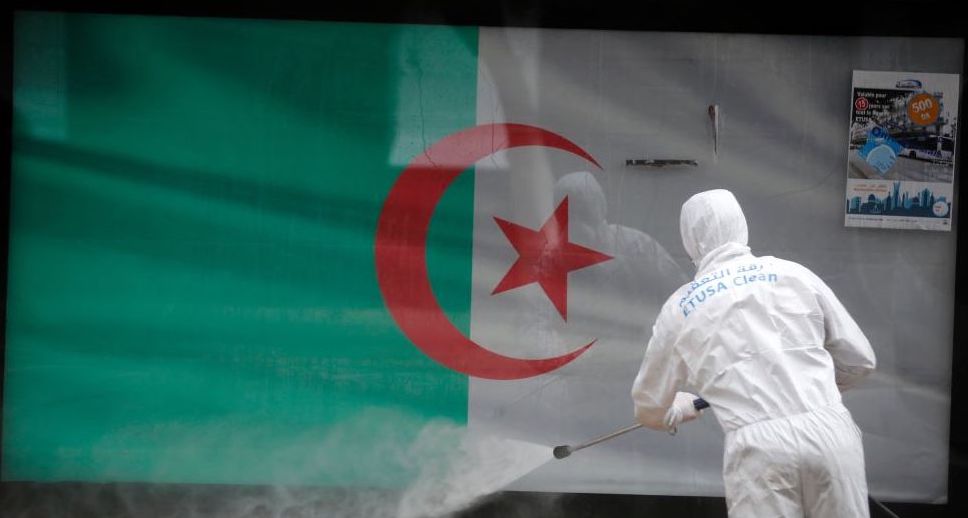
Even as a growing number of Arab and African states look to the International Monetary Fund (IMF) for assistance to help counter the economic fallout of the coronavirus pandemic, Algeria has made it clear it will not follow suit. Despite the fiscal challenges, economic crisis, social unrest, and public health emergency, President Abdelmadjid Tebboune has insisted that Algeria will not seek a loan to ease the country’s socio-economic woes.
Mirette Mabrouk and Dr. Sherif Kamel join host Alistair Taylor to discuss Egypt’s economy and the role of entrepreneurship. Like countries across the Middle East and North Africa, Egypt has been hit hard by the coronavirus pandemic and the economic fallout is likely to be severe.
The oldest peer-reviewed publication dedicated to the study of the modern Middle East, MEI’s flagship journal covers politics, society, and culture in the region.