تمت ترجمة هذا النص بواسطة الذكاء الاصطناعي وقد يحتوي على أخطاء.
تخطي إلى المحتوى
Can the Latest US Plan Bridge Libya’s Divide?
  • Podcast
  • Can the Latest US Plan Bridge Libya’s Divide?

    After over a decade of division between rival factions in eastern and western Libya, the Trump administration has put forward a plan to unite the two sides through a power-sharing agreement. Hosts Alistair Taylor and Matthew Czekaj are joined by MEI Distinguished Diplomatic Fellow Jonathan M. Winer to unpack the details of this proposal and its potential consequences for the Libyan people. Winer, who served as United States Special Envoy for Libya, offers analysis of the plan’s viability, the response of various actors on the ground, and whether it can stabilize the country and help resolve its deep-seated challenges.

    June 4, 2026

    The Far Reach of the Iran War: Food Insecurity from North Africa to the Sahel
  • Policy Memo
  • The Far Reach of the Iran War: Food Insecurity from North Africa to the Sahel

    Within weeks of the Strait of Hormuz closure, fertilizer prices began to rise sharply. Tanker traffic through the strait, which handles one-third of the global fertilizer trade, fell by 90%. Across North Africa the impacts are multiplying, and this is having ripple effects for the Sahel in the south, adding to food price inflation, migration pressures, and the erosion of state legitimacy. The situation underscores how food security is a governance issue compounded by geopolitical crisis.

    Battered but Still Standing, Egypt Tries to Weather the Economic Ravages of the Iran War
  • التحليل
  • Battered but Still Standing, Egypt Tries to Weather the Economic Ravages of the Iran War

    While Egypt is not in the direct line of fire in the US-Israeli war with Iran, its economy is acutely vulnerable to the conflict. In addition to the rising energy prices and shortages that have affected much of the world, it also struggled with issues that reflected its economy’s own underlying structural vulnerabilities.

    الخبراء البارزون

    المشاريع

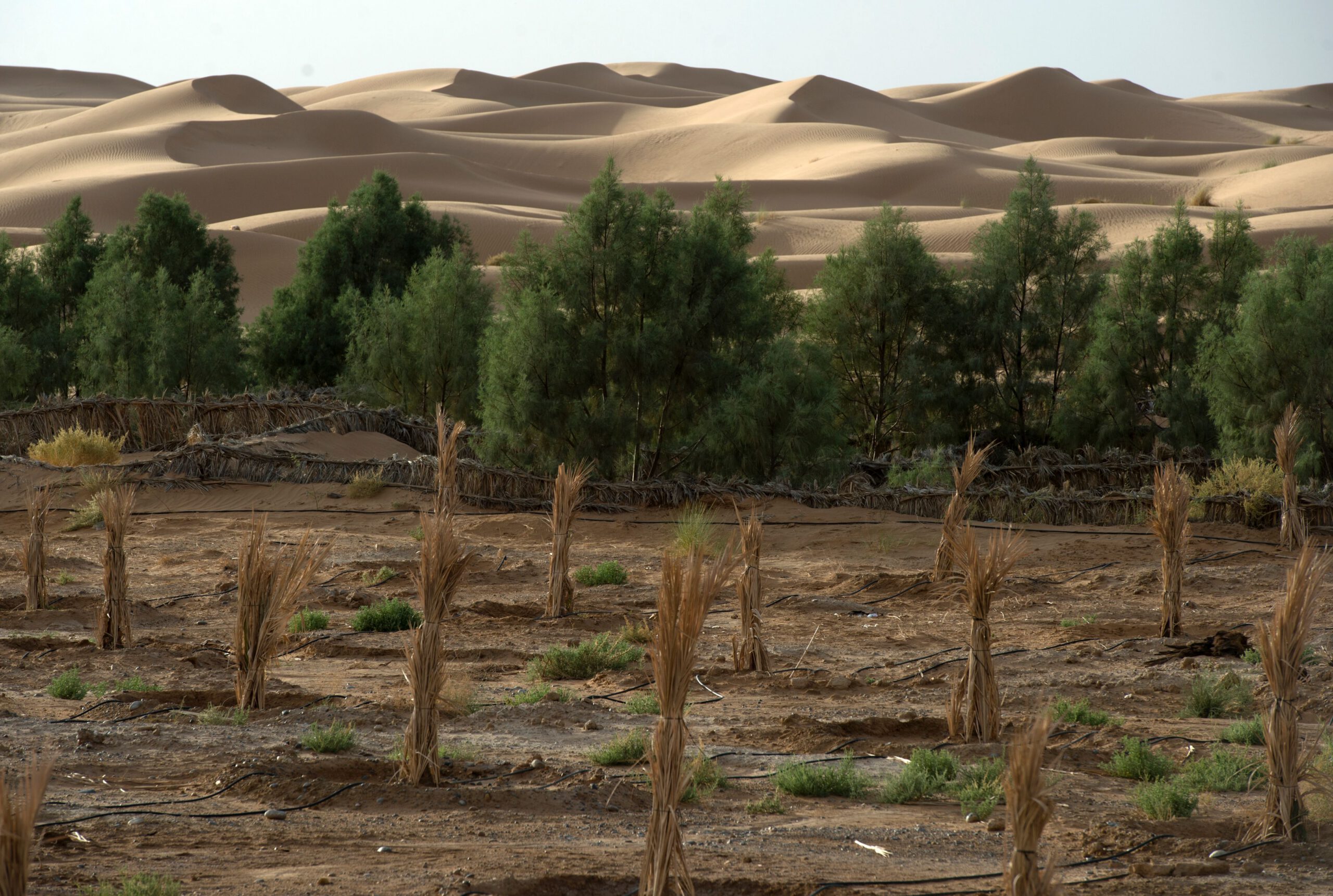
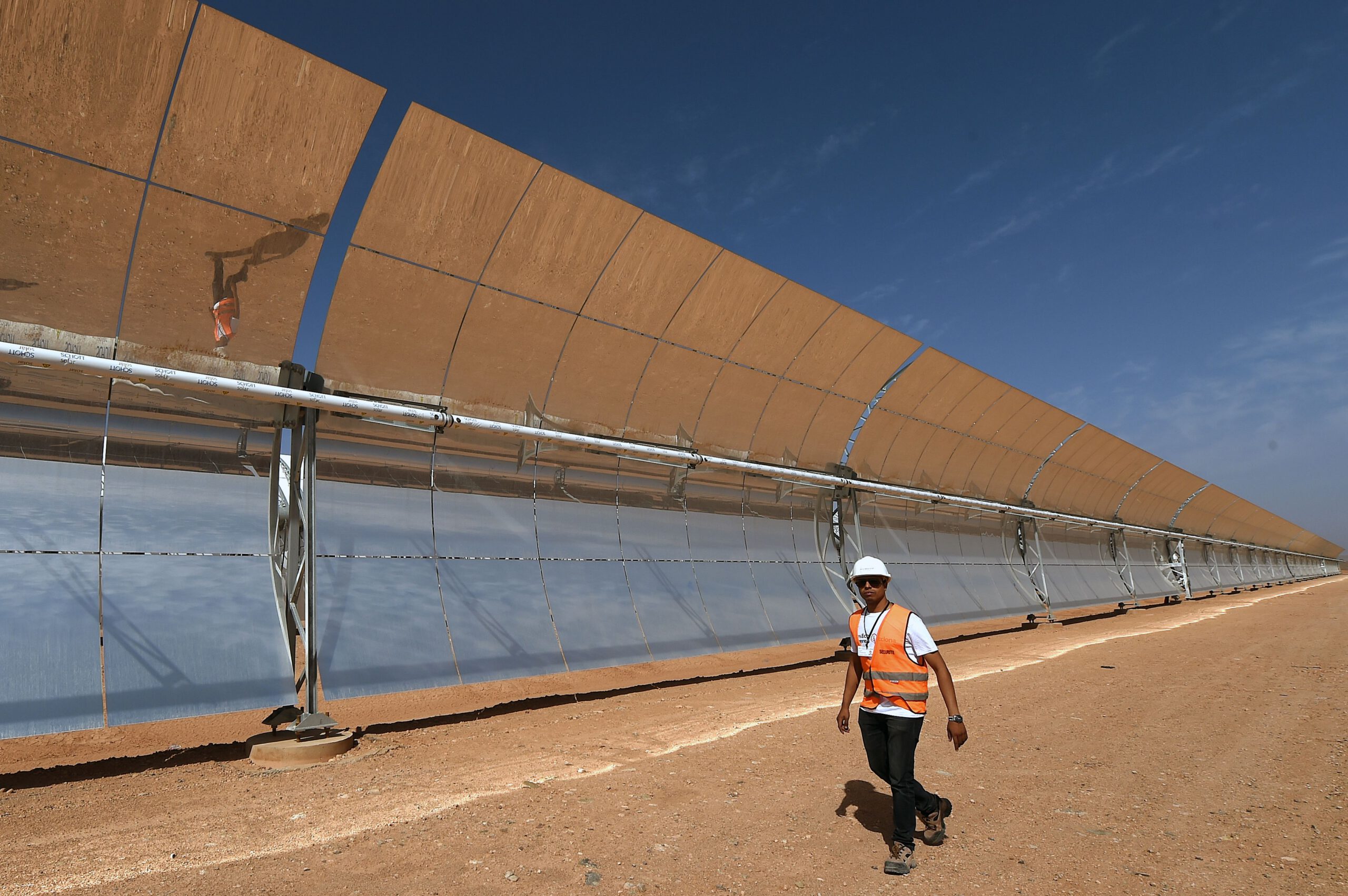
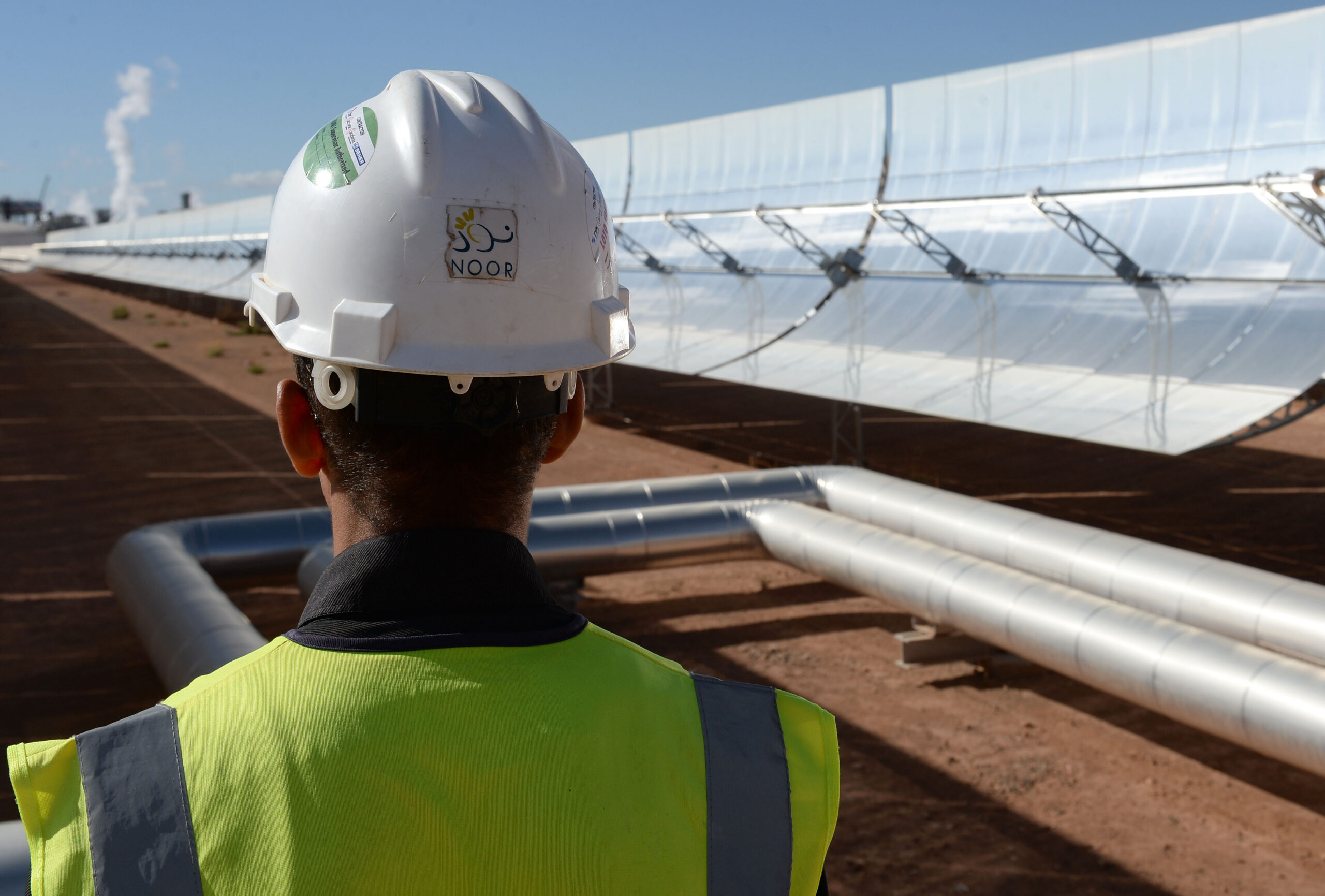
    تحول القوة في شمال أفريقيا: تطوير الطاقة المتجددة وأمن الطاقة

    دور الشركات المتوسطة الحجم في تعزيز النمو في عملية التحول إلى الطاقة النظيفة في منطقة الشرق الأوسط وشمال أفريقيا

    تصفية حسب
    1560 Results
    Egypt's Unfinished Revolution: One Year Later
    معهد الشرق الأوسط

    Egypt's Unfinished Revolution: One Year Later

    February 10 – January 1, 1970, February 10 - 12:00 PM – 12:00 AM
    January 1 - 12:00 PM – 12:00 AM

    Middle East Institute, 1761 N Street, NW, Washington, District of Columbia 20036

    Egypt: Islamists vs. Islamists
    معهد الشرق الأوسط
  • التحليل
  • Egypt: Islamists vs. Islamists

    *This Opinion first appeared in the Huffington Post on December 13, 2011

    The first free and by all accounts fair elections in Egypt mark a major turning point in the country's long history. In what is likely to be a tenuous and trying transition to democracy, Egypt's Islamists won a resounding victory, gaining two-thirds of the vote in the first round of Egypt's parliamentary elections. While many in the West fear that the Islamist victory in this first election will radicalize Egypt, in reality, the situation is far more complex and nuanced.

    December 13, 2011

    Insight From Egypt's First Round of Voting

    Insight From Egypt's First Round of Voting

    December 2 – January 1, 1970, December 2 - 12:00 PM – 12:00 AM
    January 1 - 12:00 PM – 12:00 AM

    Middle, 1761 N St. NW, Washington, District of Columbia 20036

    The New Dynamics of Egypt's Elections
    معهد الشرق الأوسط
  • التحليل
  • The New Dynamics of Egypt's Elections

    This Opinion first appeared in the Huffington Post on November 11, 2011

    On November 28th, millions of Egyptians will finally breathe a deep sigh of relief as they gather at the polls to vote in the first phase of parliamentary elections following the ousting of the Mubarak regime.

    November 11, 2011

    Libya: A Costly Victory
    معهد الشرق الأوسط
  • التحليل
  • Libya: A Costly Victory

    This Commentary was first published as an op-ed in Politico on October 21, 2011

    Defense Secretary Leon Panetta asserted recently that critics of the Libyan mission “have been proven wrong.” Now, with the death of dictator Muammar Qadhafi, the secretary’s view is supported by the overwhelming majority of Washington’s foreign policy establishment.

    October 21, 2011

    March 2011: Political Protest and Transformation
  • التحليل
  • March 2011: Political Protest and Transformation

    Amidst the historic turmoil sweeping across the Arab world, in the March 2011 Bulletin, MEJ editor Michael Dunn addresses political empowerment through social media, scholar Wayne White is interviewed on recent political developments, and Joshua Stacher previews his forthcoming article on authoritarian politics and hereditary succession in Syria.

    October 6, 2011

    Women, Shari‘a, and Personal Status Law Reform in Egypt after the Revolution
    معهد الشرق الأوسط
  • التحليل
  • Women, Shari‘a, and Personal Status Law Reform in Egypt after the Revolution

    Like almost everything else during the uncertain period of the transitional government, the future of personal status law reform is at a crossroads in Egypt. The new constitution (assuming one will exist)[1] may technically have little direct impact on how the country’s laws affect women’s lives, but the legislative process that emerges thereafter most certainly will.

    October 1, 2011

    Tunisia Tests the Waters of Democracy
    معهد الشرق الأوسط
  • التحليل
  • Tunisia Tests the Waters of Democracy

    Ten months after a young fruit seller set himself alight in a small, marginalized town in central Tunisia, his compatriots will be voting in what many are hoping will be the country’s first free and fair elections. In the poll set for October 23, Tunisians will be electing a national constituent assembly that will be charged with writing the rules of the new political era. That assembly will spend up to a year writing a new constitution and deciding which form of government the country will have.

    October 1, 2011

    Morocco’s “Arab” Spring
    معهد الشرق الأوسط
  • التحليل
  • Morocco’s “Arab” Spring

    As elsewhere in North Africa and the Middle East, the youth-driven revolts in Tunisia and Egypt produced a tsunami in Morocco’s political landscape. On February 20, a movement took shape that publicly demanded a constitutional monarchy in which an elected and accountable government would have control over the country’s social, economic, and security policies. All across the country, it organized rallies in which tens of thousands of Moroccans participated.

    October 1, 2011

    Arab Countries: Dynamics of Change

    Arab Countries: Dynamics of Change

    September 30 – January 1, 1970, September 30 - 3:30 PM – 12:00 AM
    January 1 - 3:30 PM – 12:00 AM

    1761 N Street NW, Washington, District of Columbia 20036

    اقرأ مجلة الشرق الأوسط

    تُعد المجلة الرئيسية لمعهد الشرق الأوسط أقدم مطبوعة محكّمة مكرّسة لدراسة الشرق الأوسط الحديث، وتغطي المجلة الرئيسية في المعهد السياسة والمجتمع والثقافة في المنطقة.