A Strategic Conundrum: Pakistan’s Transit Corridor to Iran as Lifeline or Liability
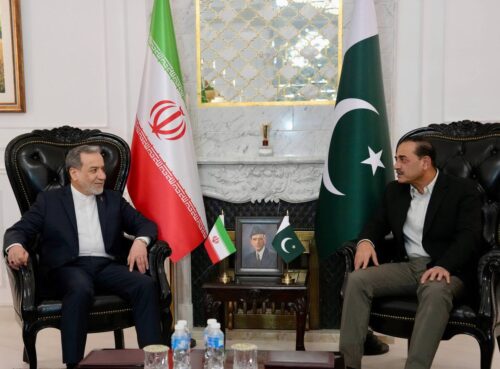
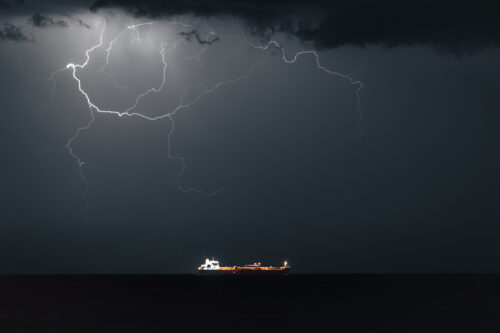
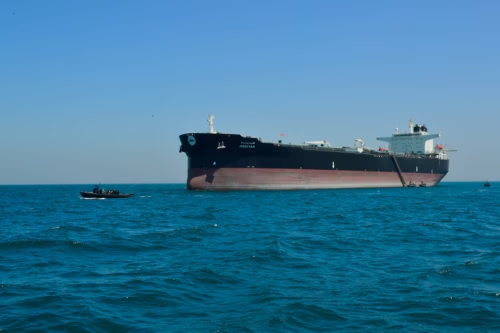
The US-Iran standoff over the Strait of Hormuz — disruptive to global trade and energy flows, and devastating for debt-burdened economies — has handed Pakistan an unexpected geoeconomic opportunity, one that may persist even if the framework agreement announced on June 14 results in a lasting peace and permanent reopening of the strait. But seizing it will have interlocking consequences for Islamabad’s ties with Tehran, Washington, and the Gulf states.
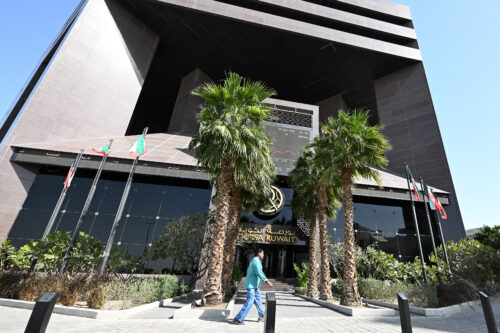
The Gulf’s Strategic Paradox: Lost Confidence in the US Security Umbrella, Enduring Trust in the Dollar
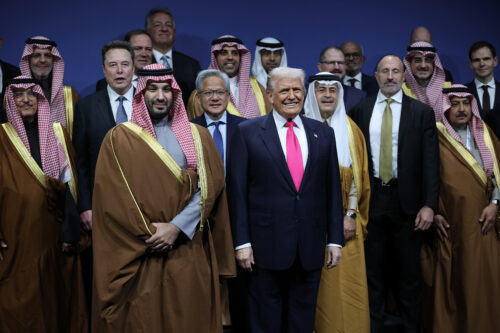
This essay argues that the current debate about the future of the international monetary system is not really about Gulf currencies, oil pricing, or de-dollarization in the narrow technical sense. It is about something deeper and more important: whether institutional trust can survive when geopolitical certainty is eroding.
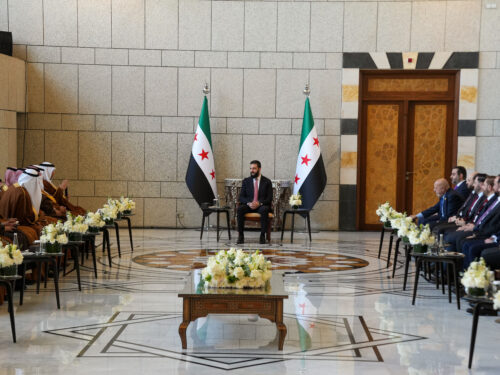
Syria’s Energy Revival and the Gulf’s Strategic Opening
Syria’s shattered energy sector is being rebuilt at a moment of unusual strategic flux across the Middle East, one defined by Iran’s military degradation following sustained U.S. and Israeli strikes in February and March; Russia’s prolonged absorption in its war in Ukraine; and China’s preference for commercial caution over political risk. Together, these shifts have weakened or distracted the external powers that once dominated Syria’s trajectory. The Gulf states have moved in to decisively fill the opening.
A fragile cease-fire between Lebanon and Israel is barely holding as military delegations from both countries arrive in Washington for a new round of direct talks scheduled for this Friday. But diplomatic success could mean new strategic opportunities for the Lebanese nation. Guest host and MEI Senior Fellow Brian Katulis is joined by Lebanese Member of Parliament Fouad Makhzoumi to unpack the challenges facing the Lebanese government today, Hizballah’s influence over state institutions, and what all of this means for the country’s future. Makhzoumi also reflects on his personal journey and what inspired him to transition from business to politics in an effort to help shape a better life for his granddaughters in Lebanon.
When Will Energy Markets Recover From the Iran War?
Two and a half months into the blockade of the Strait of Hormuz, what lessons can markets draw from the resulting global energy shock? Colby Connelly, MEI Senior Fellow, joins hosts Alistair Taylor and Matthew Czekaj to assess the crisis’s impact on the energy industry. Together, they examine how producers are responding to the conflict in both the short and long term, how this moment differs from past energy disruptions, and how regional reverberations may shape international energy policies going forward.
MENA Energy Recap, Q1-2026: Four Lessons From the Return of Tail Risk
This is a special edition of the MENA Energy Recap — a quarterly review of key energy developments that took place in the region from January through March of 2026 and what they signal in the months ahead. For Q1-26, the recap considers some of the long-term implications of the ongoing war in the region, which have caused the largest energy supply disruption in history, and what lessons these events hold for both near- and long-term energy dynamics in both the Middle East and the wider world.
Few events have so abruptly collapsed the boundary between energy policy and national security as the US–Israel war on Iran that erupted in February 2026. The near-closure of the Strait of Hormuz triggered what the International Energy Agency described as the largest oil supply shock on record —driving up energy prices, fueling inflation in Europe, and disrupting supply chains worldwide.
How Israel-Backed Sweida Became Syria’s Narcotics Capital
In the early hours of Sunday, May 3, Jordanian F-16 fighter jets crossed into Syrian airspace and launched strikes on at least six locations in the southern province of Sweida. In a statement issued hours later, Jordan’s military said that “Operation Jordanian Deterrence” had targeted “factories, facilities and warehouses used by trafficking groups as launch points for smuggling operations into Jordan.”
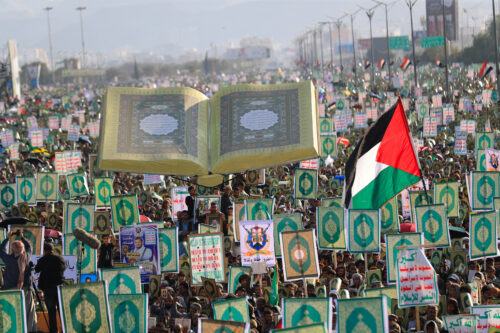
The Houthis are a political-military faction and Zaydi religious movement founded in northwestern Yemen in the 1980s. A key member of Iran’s Axis of Resistance with links to other militant organizations in the Arabian Peninsula and the Horn of Africa, the group has continued to pose a threat to Western interests on a global scale.
The Pakistani General Running Washington’s Backchannel to Tehran
As Washington and Tehran edge closer to escalation, the most critical line of communication keeping the crisis from spiraling is being run not by polished diplomats, but by an unlikely figure: a Pakistani general. Field Marshal Asim Munir, Pakistan’s powerful army chief, has quietly become the key intermediary in the U.S.-Iran standoff, managing what may be the most important backchannel between the two sides. The mediation has thrust Pakistan to the center of the crisis while exposing it to enormous risk.
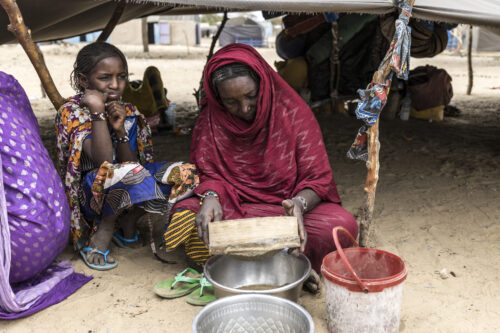
The Far Reach of the Iran War: Food Insecurity from North Africa to the Sahel
Within weeks of the Strait of Hormuz closure, fertilizer prices began to rise sharply. Tanker traffic through the strait, which handles one-third of the global fertilizer trade, fell by 90%. Across North Africa the impacts are multiplying, and this is having ripple effects for the Sahel in the south, adding to food price inflation, migration pressures, and the erosion of state legitimacy. The situation underscores how food security is a governance issue compounded by geopolitical crisis.
The Hormuz Crisis and China’s Energy Security Dilemma
Despite sustained efforts to prioritize energy security across successive policy cycles, China remains exposed to external supply chains it does not control. The core problem is not simply import dependence, but reliance on maritime transit routes – particularly through the Strait of Hormuz – whose security ultimately lies beyond Beijing’s authority. The escalation of the Israel-U.S. war with Iran and the resulting disruption of traffic through Hormuz has transformed a long-recognized strategic risk into an immediate constraint, revealing the limits of China’s ability to ensure stable energy access under conditions of geopolitical contestation.
The UAE’s departure represents an undeniable strategic setback for OPEC+. Its most likely response will be to shore up the amount of output capacity subject to quotas. For now, there are two clear pathways it could take to accomplish this, although neither represents a quick fix.