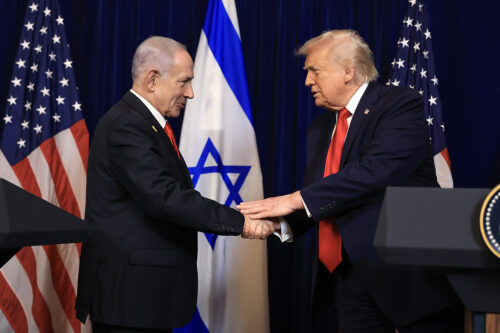
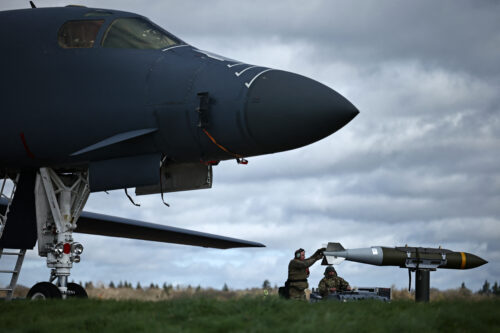
Six factors shaping Trump’s calculus on Iran
From a US military build-up in the region to Trump’s growing unpopularity at home, several factors could influence his decision on whether or not to attack.
Pakistan’s relationship with the Afghan Taliban has shifted from open sponsorship in the 1990s to a silent partnership following 2001 to alienation and belligerence since 2021. Their current conflict, which comes at great cost to both countries and seems to have no easy military or political resolution, also poses a threat to the stability and prosperity of neighboring states. Although American strategic interests in the region greatly diminished following the United States’ military withdrawal from Afghanistan in August 2021, the region’s altered political dynamics have prompted a growing American engagement with Pakistan and tentatively with Afghanistan. At the same time, the US has become a factor in how both Islamabad and Kabul have come to form their national security strategies.
As the rivalry between Riyadh and Abu Dhabi sharpens in Yemen and beyond, Turkey has begun edging closer to Saudi Arabia, sparking claims that a new regional order is taking shape: a Turkey-Saudi axis backed by a NATO-like defense architecture, implicitly aligned against Israel and the United Arab Emirates. This reading overstates the case.
President Donald Trump has sharply warned the Iranian regime to halt its brutal crackdown on protesters. Amid speculation that the US is preparing for military action in Iran, Washington should take the lessons and fundamentally different context of its successful June 2025 operation against the Islamic Republic into account as it plans for how to respond.
After months of building tensions, full-blown hostilities erupted between Syria’s transitional government and militia fighters linked to the Syrian Democratic Forces (SDF) in Aleppo on January 6. Through four days of fighting, government forces have now assumed full control of Syria’s second city, after expelling SDF-linked forces from its northwestern districts.
The final days of 2025 marked a turning point in the Middle East, as competition between Saudi Arabia and the United Arab Emirates in Yemen spilled out into the open. Tensions between the two coalition partners, which jointly launched a military intervention in Yemen in 2015, have simmered for years and are now rapidly escalating, with far-reaching implications for both Yemen and regional security more broadly.
منذ حرب إسرائيل التي استمرت 12 يوماً ضد إيران، دخلت طهران وشبكة وكلائها الإقليميين وحلفائها غير الحكوميين، ما يُعرف باسم محور المقاومة، في مرحلة من السكون الاستراتيجي — هدوء ظاهري يخفي إعادة التسلح والتكيف المالي والتجديد الأيديولوجي.
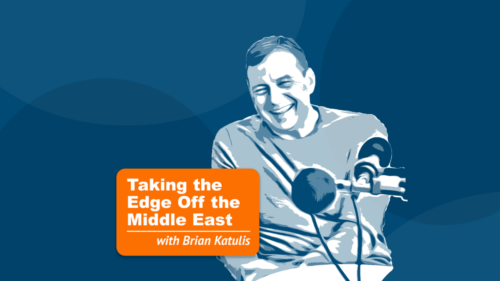
يجلس براين مع روبرت مالي، وهو مسؤول أمريكي سابق اشتهر بدوره كمفاوض رئيسي في خطة العمل الشاملة المشتركة لعام 2015. يناقش مالي الدوافع وراء كتابه الجديد، "غدًا هو أمس: الحياة والموت والسعي لتحقيق السلام في إسرائيل/فلسطين"، ويقدم تقييمه للوجهات النظر الأمريكية بشأن الحرب في غزة. تستكشف المحادثة أيضًا خلفيته الشخصية باعتباره ابنًا لأب مصري يهودي وأم أمريكية يهودية - وكلاهما من أشد المنتقدين لليسار السياسي - وكيف شكلت تربيته هذه نظرته للعالم، إلى جانب مسيرته المهنية التي امتدت عبر إدارات كلينتون وأوباما وبايدن.
تقدم هذه الوثيقة المعلوماتية لمحة عامة عن محور المقاومة، وهو شبكة غير منظمة من الجماعات المسلحة والجهات الفاعلة الحكومية التي تقودها وتدعمها إيران بهدف بسط نفوذها وقوتها العسكرية في جميع أنحاء الشرق الأوسط.
بالنسبة لإيران، يمثل العراق عمقاً استراتيجياً وملاذاً سياسياً وشرياناً اقتصادياً في آن واحد. وستحدد نتائج الانتخابات العراقية التي جرت في 11 نوفمبر من سيتحكم في بغداد بزمام الميزانية والتعيينات الأمنية الداخلية واللجان التي يمكن أن تقنن أو تقيد الميليشيات العراقية المدعومة من إيران.
تقدم هذه الوثيقة المعلوماتية لمحة عامة عن تاريخ حركة حماس، وأيديولوجيتها وقيادتها، وقدراتها العسكرية وأهدافها، وهجوم 7 أكتوبر، والسياسات والتشريعات ذات الصلة للحكومة الأمريكية، ومستقبل الحركة في غزة.
لسنوات، كان الافتراض السائد هو أن بقاء الحوثيين يعتمد على الانتصارات في ساحة المعركة والدعم الإيراني. وكلاهما ضروريان، ولكن هناك عامل ثالث حاسم وغالباً ما يتم تجاهله: تسليح المشاركة الدولية. وفي نمط يتكرر باستمرار، فإن المشاركة دون مساءلة تقوي سلوك الحوثيين بدلاً من أن تخففه.