Opinion: Wake up, West! Putin can gain upper hand in Ukraine in ‘24 if we do nothing
The European Union just approved membership talks with Kyiv; that’s symbolically important.
But the EU’s postponement of critical military assistance is an alarm bell.
NATO Secretary General Jens Stoltenberg says to prepare for bad news this winter.
German Chancellor Olaf Scholz suggests support for Ukraine may be crumbling across Europe.
And there’s faltering confidence in America, as Europeans are beginning to ask whether the strategic interests of the United States end at its border with Mexico.
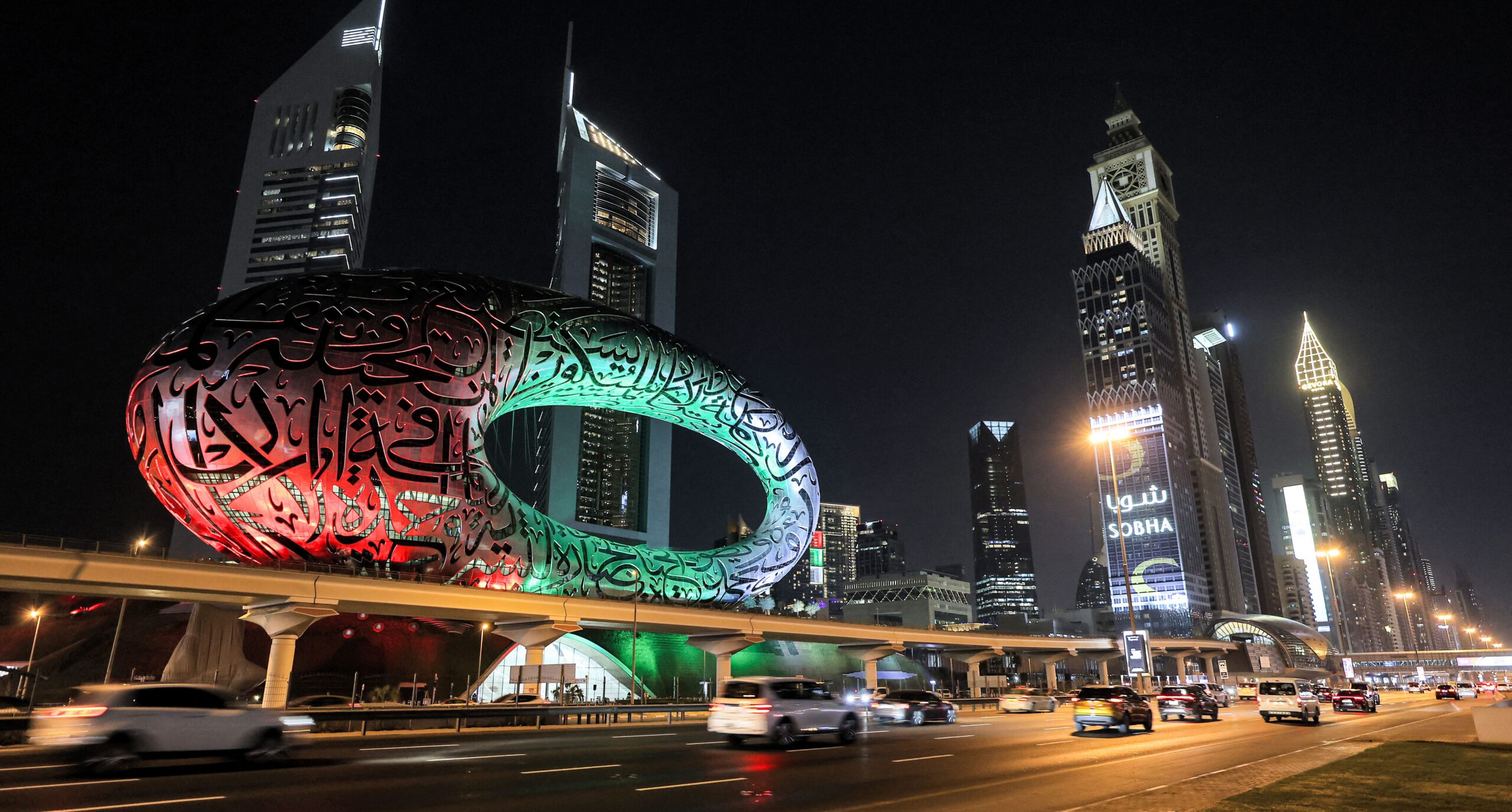
Two weeks ago, I had the privilege of joining more than 800 fellow futurists, and another 1,500 “futures-adjacent” collaborators, from over 100 countries at the second annual forum convened by the Dubai Future Foundation. Arriving with high expectations, I left even more enthused than I’d anticipated, and with invaluable new learning from those around me.
Transformational implications of moving toward smart cities in the Gulf
As Gulf nations embrace the opportunities presented by developing smart cities, challenges such as cybersecurity and infrastructure sustainability must be addressed through strategic policies and trusted partnerships to ensure a secure and sustainable digital transition.
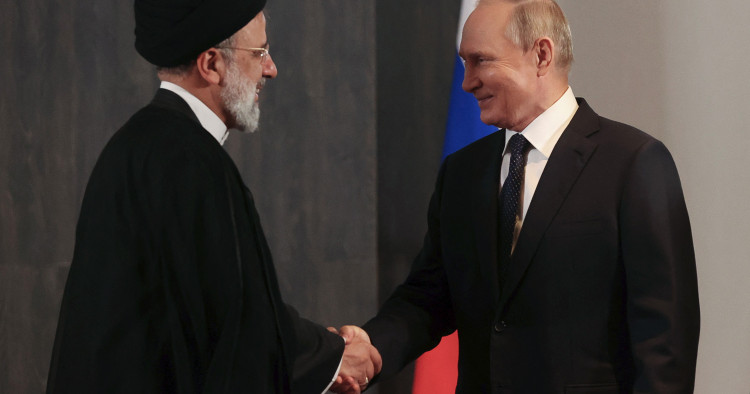
Iran sees lucrative markets across the Black Sea region. It also sees an opportunity to expand strategic cooperation with Russia. And there’s just a chance that America will turn inward in 2025.
It’s all dangerous. To get the picture, start by connecting the dots.
AI global governance regime gradually taking shape
In recent years, the international community has witnessed a surge in momentum toward the development of standards for artificial intelligence (AI) governance. The AI Safety Summit, convened last month by Prime Minister Rishi Sunak, marked a diplomatic milestone and a definite step in the right direction. However, its impact is contingent on the ability of the global community to navigate the multiparty landscape of AI governance.
The Middle East's critical mineral resources: A key to the clean energy transition?
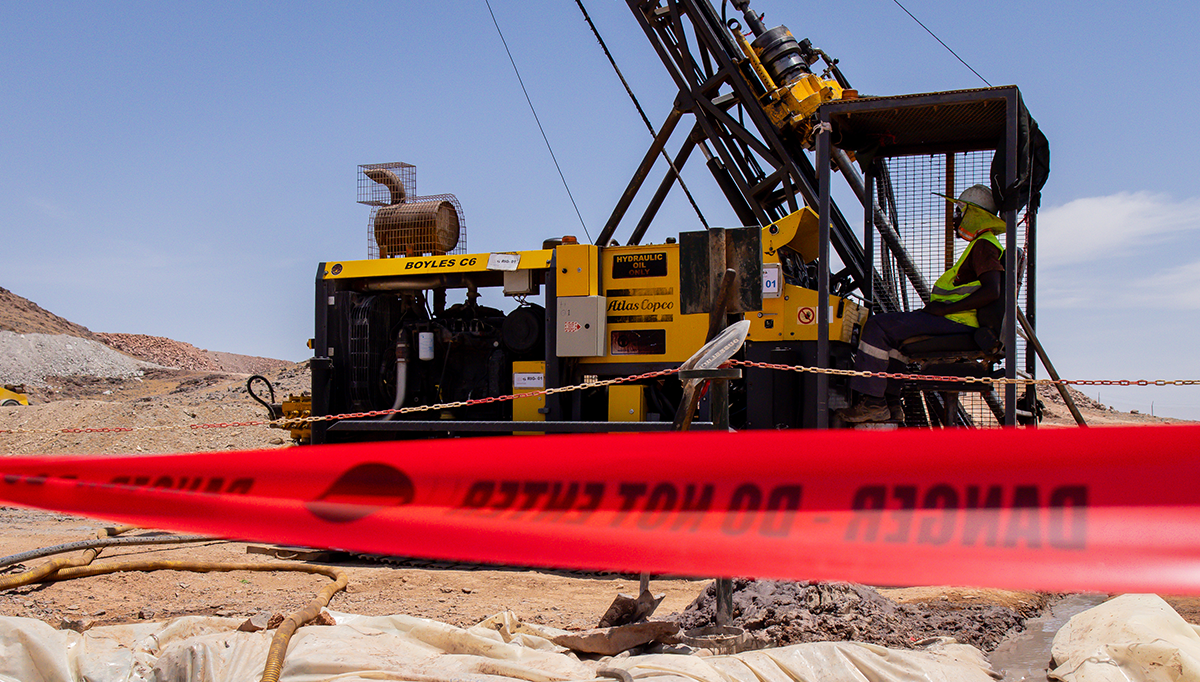
The transition toward renewable and clean energy sources, both in the Middle East and around the world, relies on the availability of critical minerals. Critical minerals are set to be the foundation upon which a sustainable, clean energy future is built, catalyzing innovation and progress on a global scale.
After the Gaza War: The Risks of Deterrence and the Chances of Peace
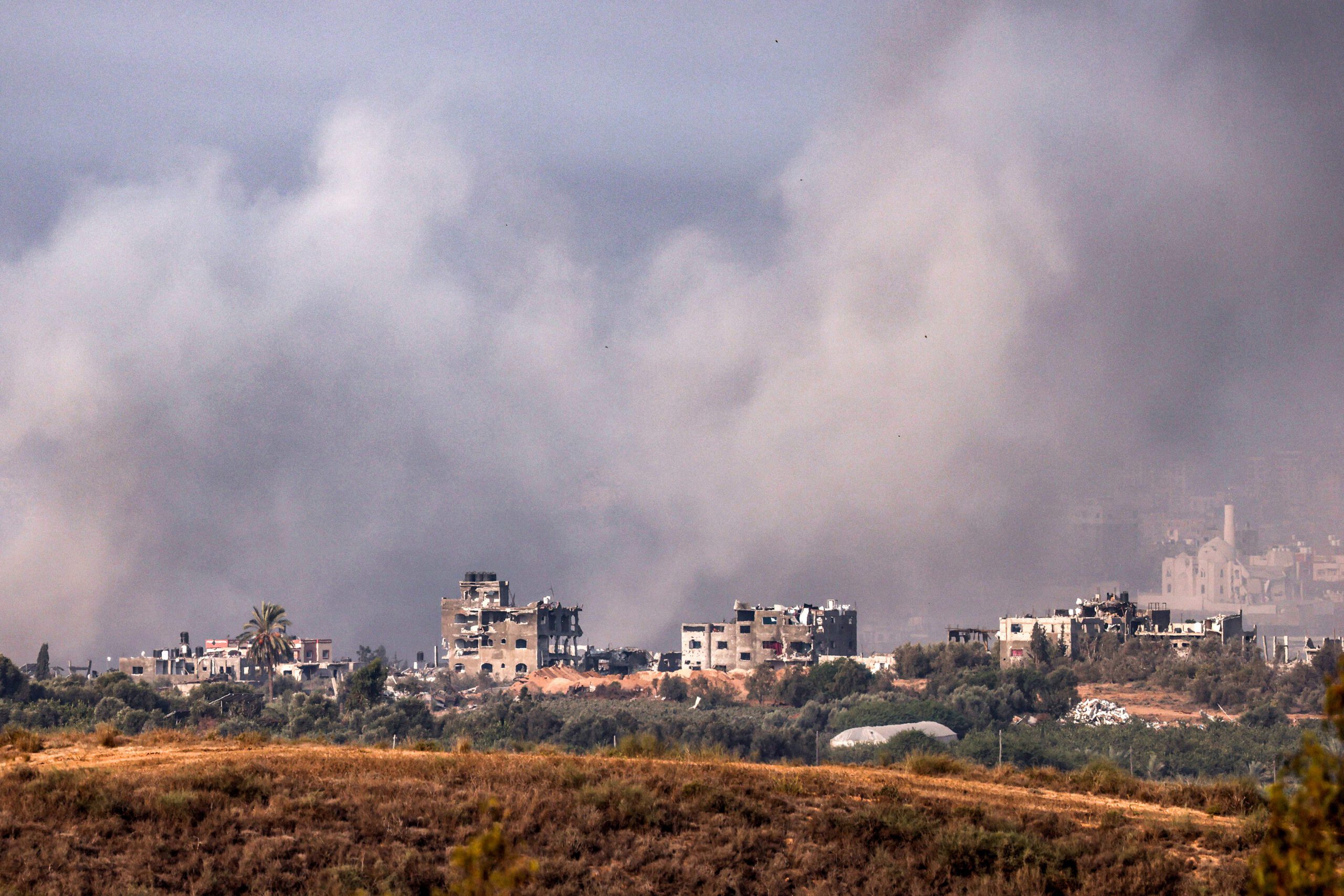
Policymakers in the United States, Europe, and the Middle East are rightly focused on where the current crisis in Gaza is headed. The humanitarian disaster hovering over the region since Hamas’ October 7 attacks on Israel has resulted in countless lives lost and now threatens regional and global security. Among many of the issues occupying policymakers is the concern that new fronts in the war will open, potentially involving the West Bank, Hezbollah, the Houthis, and even Iran.
The October 7 Hamas attack: An Israeli overreliance on technology?
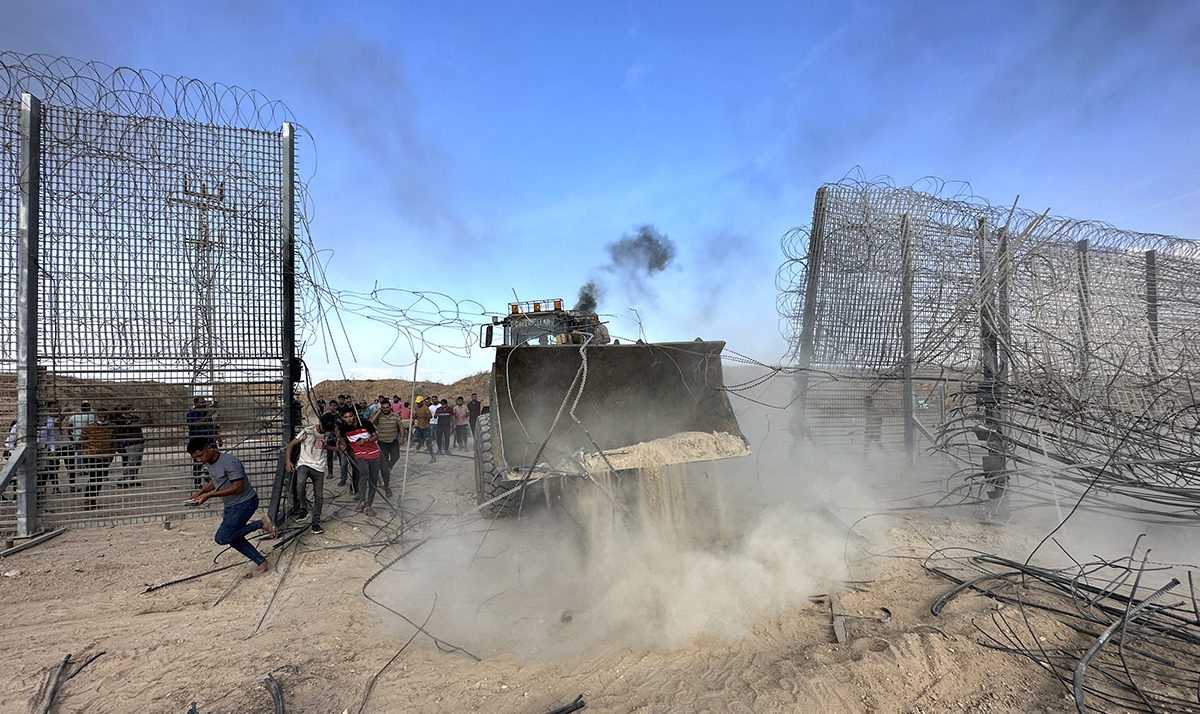
Did the IDF rely too heavily on advanced technologies in its effort to secure and fortify Israel’s border with Gaza? That is one of many questions that have arisen in the days since Hamas’ Oct. 7 incursion into Israel and attacks on Israeli forces and civilians. The absence of early warnings from data collected via sensors, cameras, and surveillance drones along the border’s “smart fence,” as well as the penetration of the Iron Dome missile defense system, has led to a sense that Israel experienced a tragic “high-tech failure.”
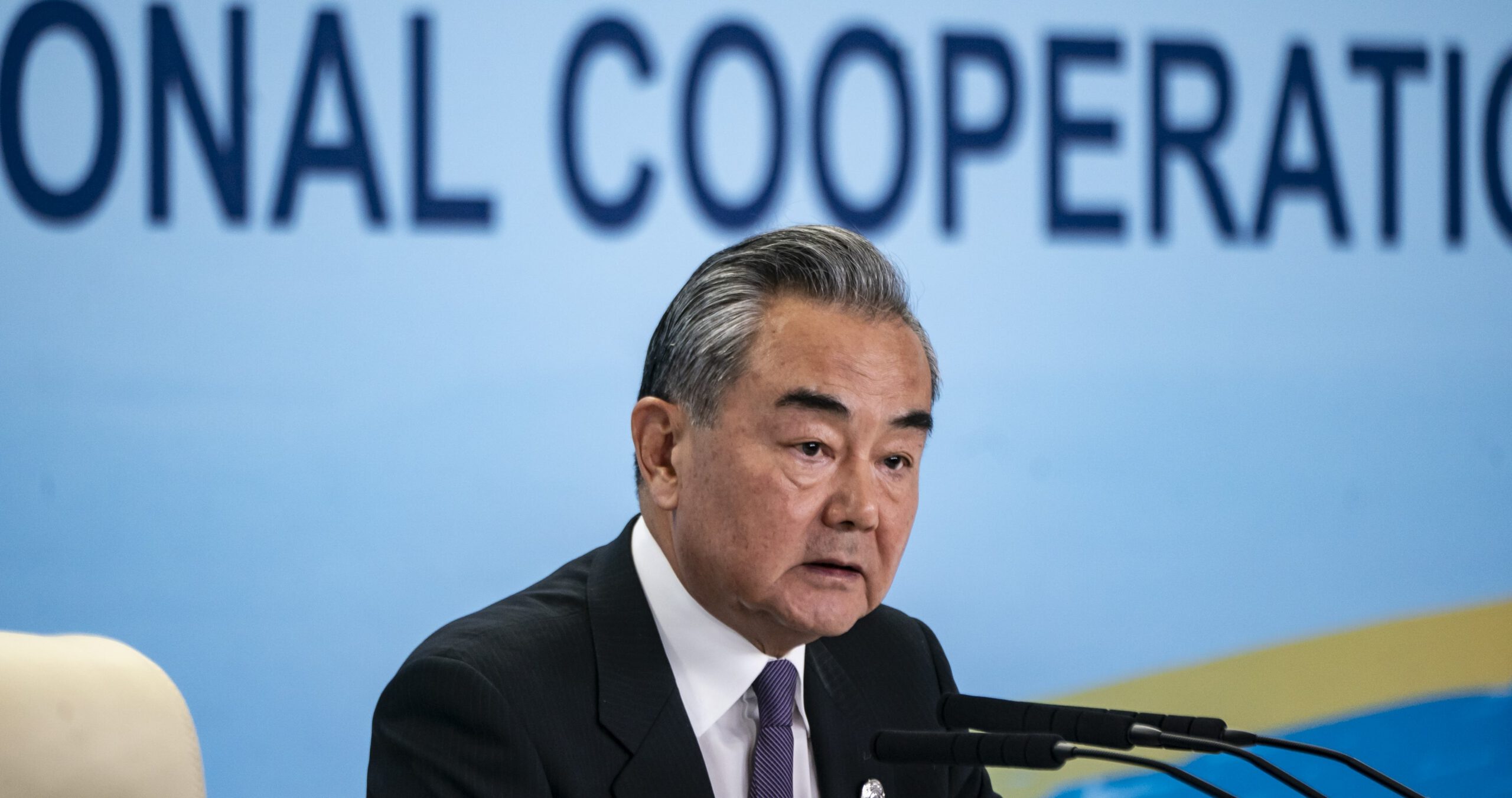
The war in Gaza as a major test of China’s Middle East peace diplomacy
China has long sought to brand itself as a “neutral” player and force for peace in the Middle East and elsewhere, willing and able to talk to “all sides.” Beijing’s nascent ambition to play the role of peacemaker and its potential to shape regional events was on display when it succeeded last March in brokering the détente between Riyadh and Tehran. The Israel-Hamas war offers no such low-hanging fruit. On the contrary, it poses a major test of China’s Middle East peace diplomacy — and an opportunity to examine some of our own, perhaps faulty assumptions.
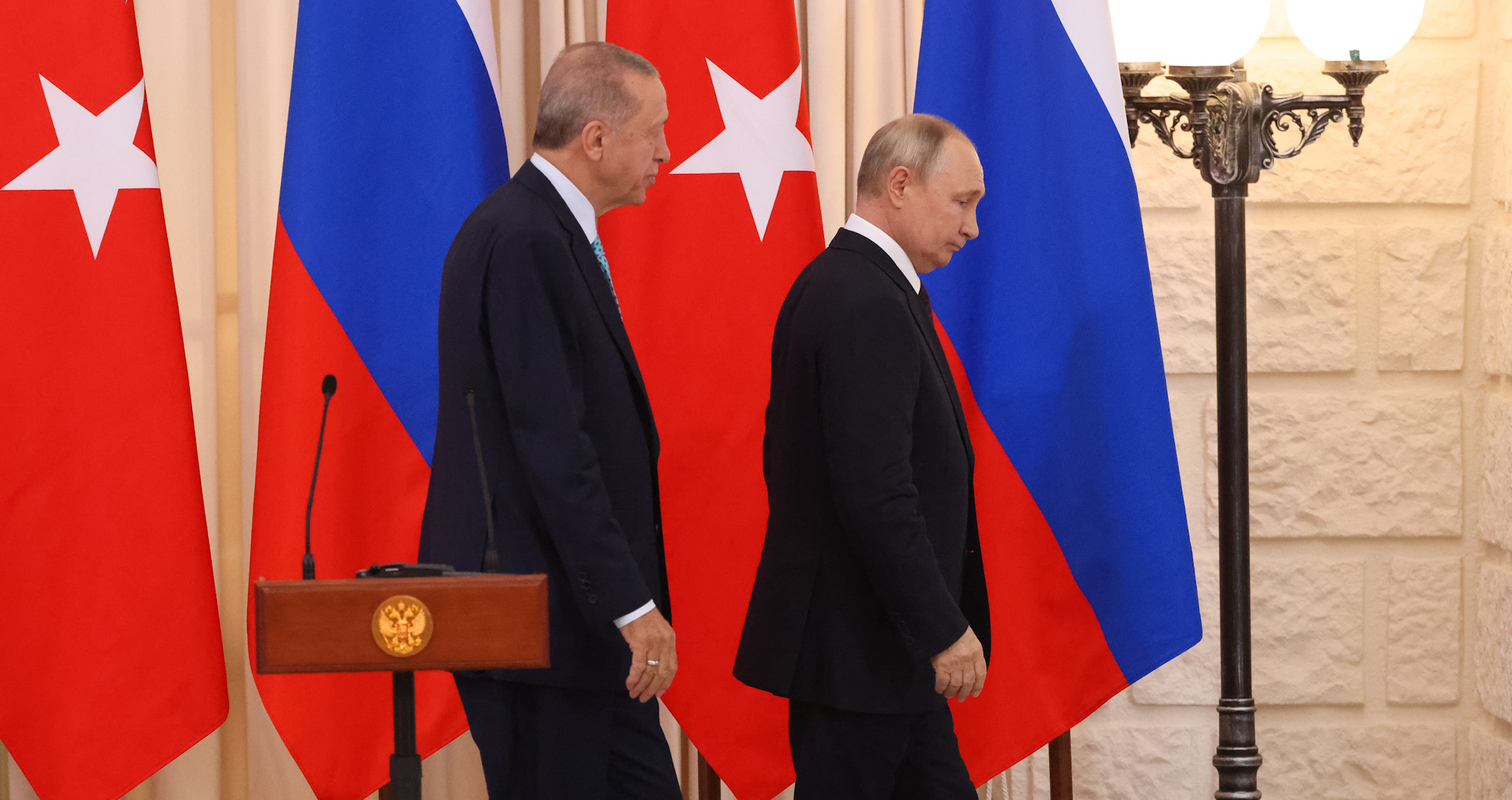
With Russia’s future uncertain, Turkey and the West need each other
Prigozhin’s coup was a serious warning sign that should prompt Turkey to cool ties with Russia and rebuild its relationship with the West. Yet today, Turkey and the West look at each other in terms of problems not solutions. While the political risks of reengagement are high for both sides, the potential rewards are well worth the effort needed to overcome them.
Bytes and Beltways: Decoding Beijing’s Tech-Centric Geopolitics in the Gulf
As China pursues a grand strategy aimed at displacing the US-led global order, technology has emerged as a fourth pillar alongside the political, military, and economic elements of its plans. A test case is the Arabian Gulf. Since the 2010s, China has been strategically enhancing its influence in West Asia, with a particular focus on the Gulf states, leveraging technology as a potent tool. This approach involves the deployment of Chinese software and hardware, coupled with joint technology and cyber initiatives.
The US Cyber Workforce and Education Strategy: A blueprint for building cyber talent in the Gulf
In July 2023, the White House released the National Cyber Workforce and Education Strategy. The strategy is designed to address the cybersecurity workforce shortage by emphasizing skills-based hiring and lifelong learning. It also provides guidance for other nations, particularly in the Gulf region, as they undergo their own digital transformation and work toward gender equality in their workforces.
Nagorno Karabakh offers the US a chance to make new friends and weaken old enemies
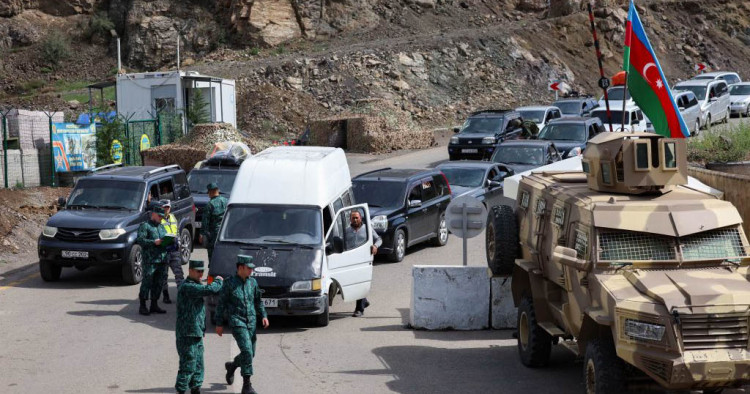
The latest war over Nagorno Karabakh lasted a single day, ending on Sept. 20. It is the third war over the region disputed between Azerbaijan and Armenia in the last three and a half decades.
But this time, it seems there was really only one party to the conflict. Armenia stayed out, leaving it to the Armenians of Nagorno Karabakh to surrender.
A hundred thousand people have fled to Armenia, roughly 80 percent of the Karabakh population. What’s more, Armenia’s most powerful allies, Iran and Russia, appear to be distracted and marginally engaged.