I was a teenage Afghan refugee in Pakistan’s tribal areas when the Twin Towers fell. Almost nobody around us understood the politics of what had happened, but we knew that something had changed for good. Afghanistan, which until then had been our private tragedy and our first exile from Taliban rule, had suddenly become the world’s concern, with the United States leading the response.
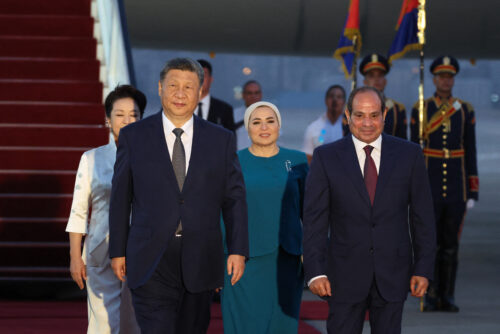
When President Xi Jinping arrived in Cairo this week for his first state visit to Egypt in a decade, trade, investment and geopolitics were inevitably high on the agenda. But Xi also made something else unusually prominent: culture.
Reflections on a Diplomatic Career in the Middle East: A Conversation With Ambassador Yael Lempert
Brian is joined by Amb. (ret.) Yael Lempert, Vice President for Outreach at MEI, to discuss her career in diplomacy and the importance of US diplomatic efforts abroad. She shares stories from postings across the Middle East in Baghdad, Cairo, Tripoli, Jerusalem, and Amman and examines how her personal and professional experiences shaped her approach to the work. Together, Brian and Yael discuss the realities of life in the Foreign Service, the core tenets of American diplomacy, and why it matters in today’s Middle East.
This summer, brutally hot temperatures, deepening water scarcity, and spiking fertilizer costs have put North Africa’s agricultural sector under intense pressure. Host Alistair Taylor is joined by Mohammed Mahmoud, CEO and founder of the Climate and Water Initiative and lead for Middle East Climate and Water Policy at the United Nations University Institute for Water, Environment, and Health, to unpack the region’s food and water security challenges. Drawing on Mahmoud’s new report card on agricultural sustainability in North Africa, they explore the diverging picture across the region, why some countries have weathered the strain better than others, and what it will take to build a more resilient and secure food system.
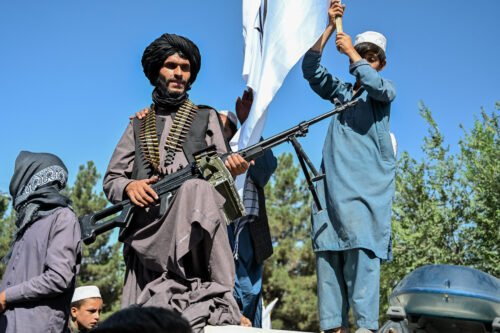
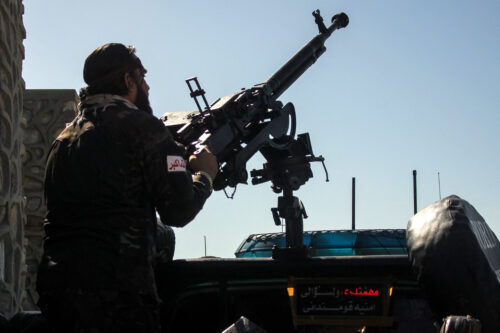
Russia’s Taliban Embrace Signals a New Power Shift in Afghanistan
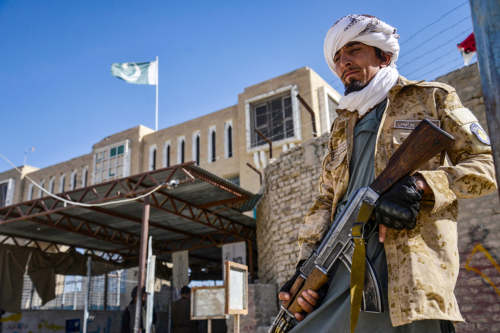
Sometimes the only thing more frightening than Afghanistan’s problems is the Taliban’s solutions and the recently signed Russia-Taliban military-technical agreement may be the most alarming one yet. The partnership signals that Afghanistan’s security architecture is being rebuilt without the United States, and increasingly by America’s rivals. Washington should pay close attention because the deal hands one of the world’s most repressive regimes a pathway to becoming more capable and deeply entrenched in a regional order where Russian influence is expanding at America’s expense.
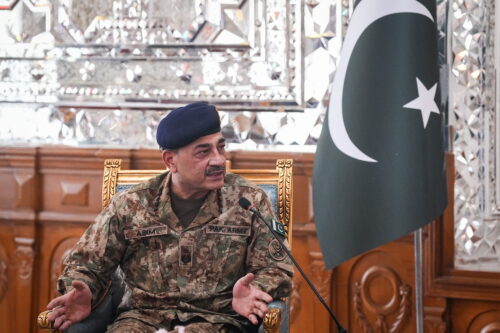
The Pakistani General Running Washington’s Backchannel to Tehran
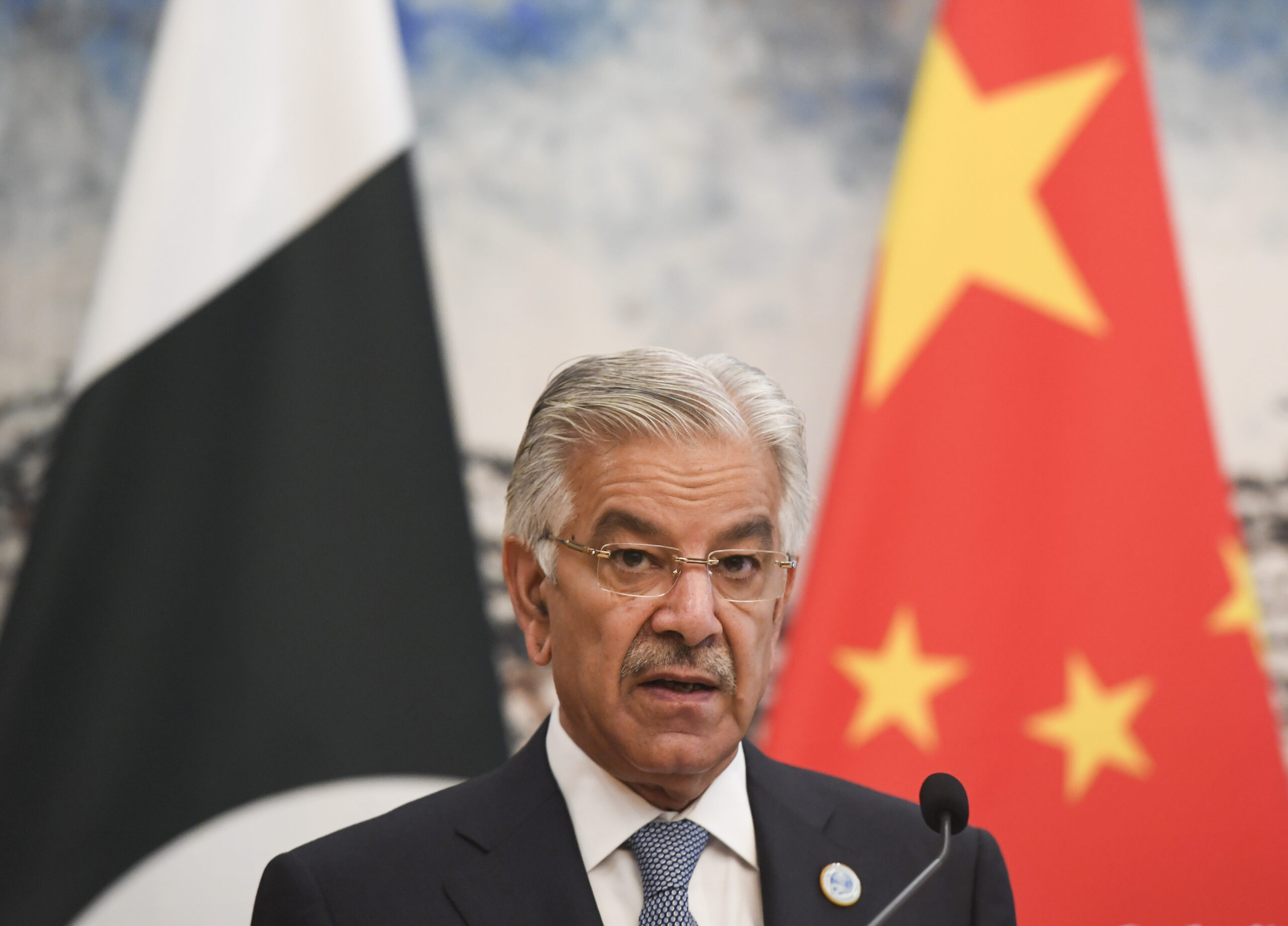
As Washington and Tehran edge closer to escalation, the most critical line of communication keeping the crisis from spiraling is being run not by polished diplomats, but by an unlikely figure: a Pakistani general. Field Marshal Asim Munir, Pakistan’s powerful army chief, has quietly become the key intermediary in the U.S.-Iran standoff, managing what may be the most important backchannel between the two sides. The mediation has thrust Pakistan to the center of the crisis while exposing it to enormous risk.
Battered but Still Standing, Egypt Tries to Weather the Economic Ravages of the Iran War
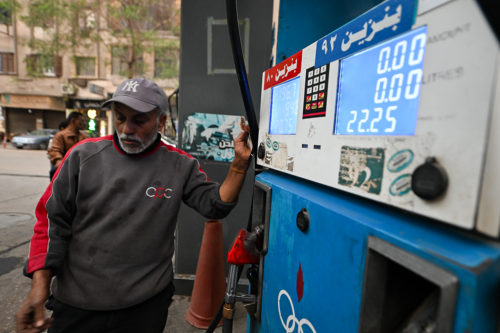
While Egypt is not in the direct line of fire in the US-Israeli war with Iran, its economy is acutely vulnerable to the conflict. In addition to the rising energy prices and shortages that have affected much of the world, it also struggled with issues that reflected its economy’s own underlying structural vulnerabilities.
Bonus Episode: Stalled Talks and Next Steps for the US and Iran
This bonus episode of Middle East Focus features a recent MEI Virtual Briefing. Director of Communications Zeina Al-Shaib is joined by MEI Distinguished Diplomatic Fellows Alan Eyre and Daniel Benaim to discuss the historic talks held in Pakistan last weekend between the United States and Iran. Tehran insists the US failed to gain its trust, while the US made its red lines clear and declared it would blockade Iranian ports in the Persian Gulf. What happens next? Eyre and Benaim offer insights into what goes on behind the scenes at such negotiations; identify the core issues at play; explore potential incentives to end the war; analyze the weaponization of energy; as well as assess the role of other regional players in this conflict.
The Pakistan-Afghanistan conflict: A strategic concern for the US
Pakistan’s relationship with the Afghan Taliban has shifted from open sponsorship in the 1990s to a silent partnership following 2001 to alienation and belligerence since 2021. Their current conflict, which comes at great cost to both countries and seems to have no easy military or political resolution, also poses a threat to the stability and prosperity of neighboring states. Although American strategic interests in the region greatly diminished following the United States’ military withdrawal from Afghanistan in August 2021, the region’s altered political dynamics have prompted a growing American engagement with Pakistan and tentatively with Afghanistan. At the same time, the US has become a factor in how both Islamabad and Kabul have come to form their national security strategies.
يجب أن يصمد التزام أمريكا بالقيم الأساسية في وجه هجمات الأفراد
دعا عضوان في السلك الدبلوماسي الأمريكي خدما في أفغانستان ويشاركان في برنامج إعادة توطين الأفغان الأمريكيين إلى التمسك بمبادئ العدالة والإنصاف عند الحكم على الشخص المتهم بإطلاق النار على أفراد الحرس الوطني في واشنطن العاصمة.
أسبوع ترامب المهم في الشرق الأوسط يثقله مشاكل على جبهات أخرى
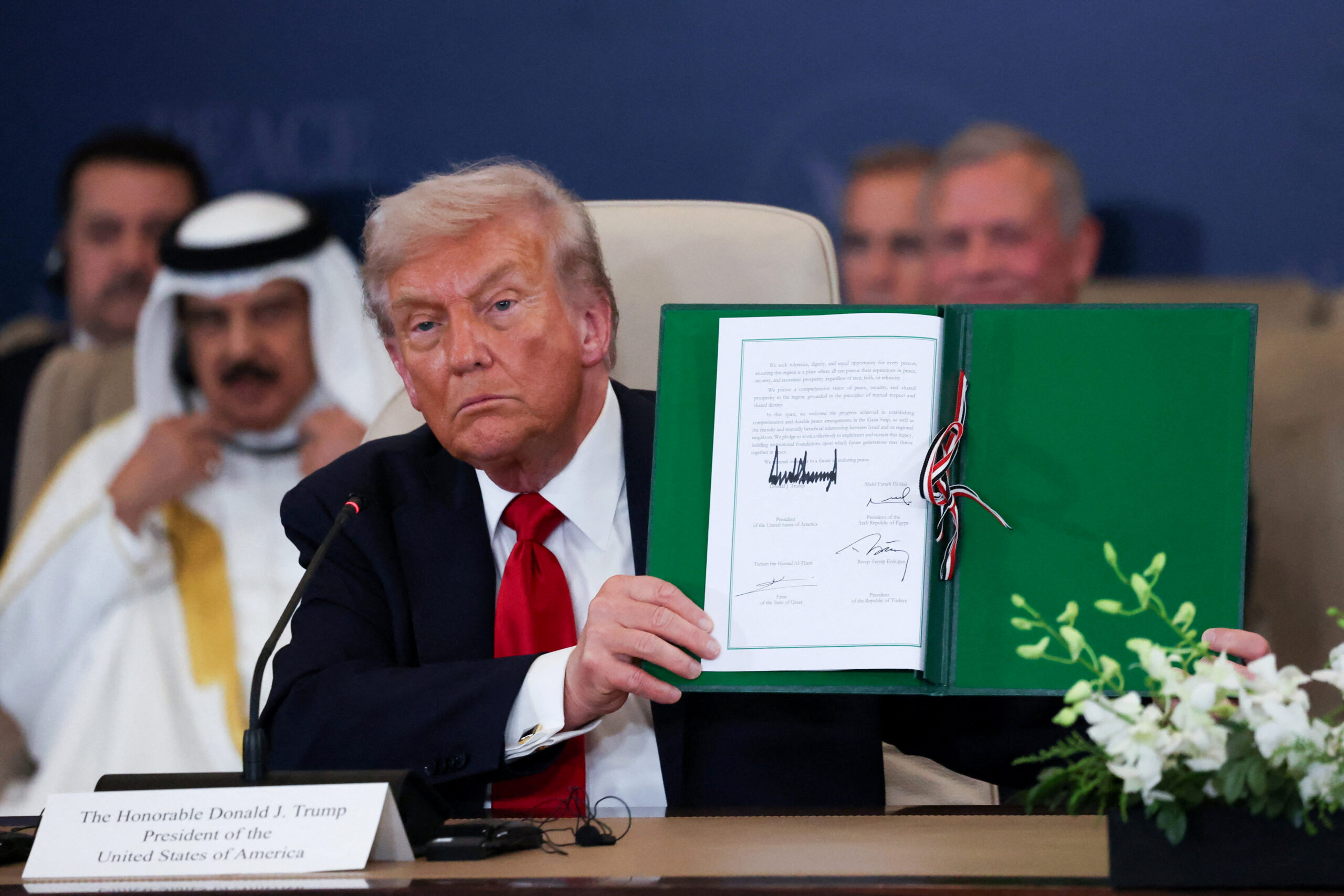
بدأ الرئيس الأمريكي دونالد ترامب أسبوعه بزيارة إلى إسرائيل ومصر للاحتفال بوقف إطلاق النار في غزة وإطلاق سراح آخر الرهائن الإسرائيليين المتبقين. ولكن مع تطور هذه التطورات الإيجابية في الشرق الأوسط، ظلت أجندة إدارة ترامب العامة مثقلة بمشاكل أخرى.
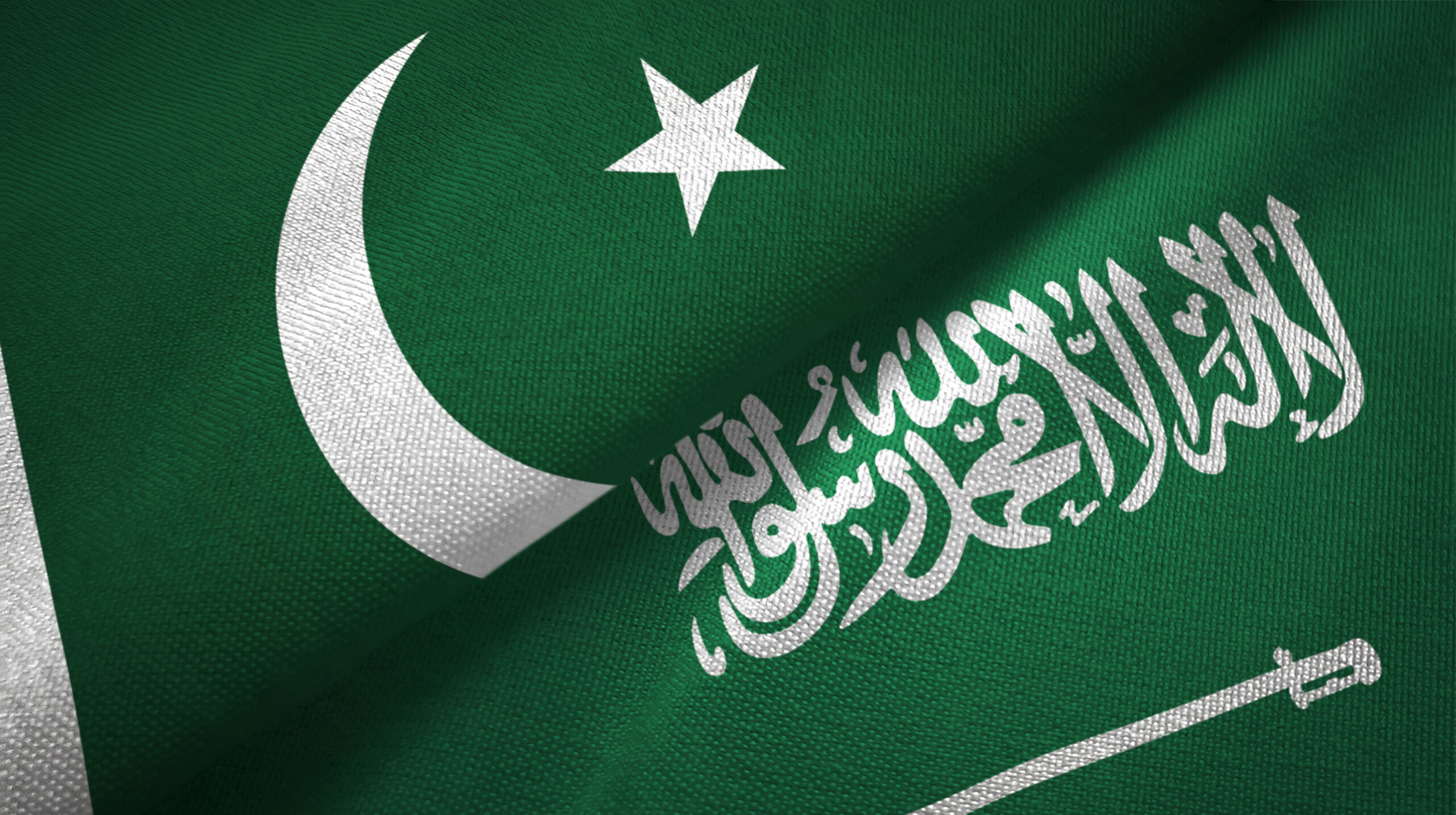
هل وافقت باكستان على استخدام القوة النووية للدفاع عن المملكة العربية السعودية؟
وقّعت المملكة العربية السعودية وباكستان اتفاقية دفاع مشترك في 17 سبتمبر/أيلول 2025، تنص على أن "أي عدوان على أي من البلدين يعتبر عدوانًا على كليهما". أثارت صياغة الاتفاقية تكهنات بأن باكستان قد تستخدم قدراتها النووية للدفاع عن المملكة العربية السعودية. إلا أن الباحث ف. غريغوري غوس من معهد الشرق الأوسط يؤكد خلاف ذلك، ويقدم نظرة ثاقبة على التاريخ والحسابات الاستراتيجية التي أدت إلى إبرام الاتفاق. لمعرفة المزيد عن الصفقة، يرجى زيارة موقعنا الإلكتروني.
اتفاق الدفاع الاستراتيجي بين باكستان والمملكة العربية السعودية: بنية أمنية جديدة في منطقة الشرق الأوسط الكبير
في أعقاب الضربة التي شنتها إسرائيل في 9 سبتمبر على أهداف لحماس في قطر، اتخذت باكستان خطوات سريعة وهامة في سياستها الخارجية رداً على ذلك، واتخذت موقفاً حازماً بشكل غير معتاد. وقد تأثر هذا التحول إلى حد كبير بقائد الجيش الباكستاني، المشير عاصم منير. فالأخير مصمم على تعزيز الاستقلالية الاستراتيجية لبلاده ونفوذها الدبلوماسي في بيئة دولية تزداد تعقيداً، من خلال وضع باكستان في موقع الفاعل الأمني الرئيسي والقوة المتوسطة الصاعدة على الساحة العالمية.
نفوذ صامت، مكاسب هادئة؟ الصين وميثاق الدفاع السعودي-الباكستاني
اتفاقية الدفاع المتبادل الاستراتيجي (SMDA) بين المملكة العربية السعودية وباكستان، التي تم توقيعها في الرياض في 17 سبتمبر، هي أكثر بكثير من مجرد تعهد ثنائي. فهو يمثل إعادة ترتيب عميقة للتحالفات في الخليج وجنوب آسيا، مما يعكس ويعزز التآكل الأوسع نطاقاً لسيادة الولايات المتحدة في البنية الأمنية الأوروبية الآسيوية. في حين ركزت معظم التعليقات الأولية على الالتزام المذهل من قبل ملكية خليجية ثرية بالدفاع عن دولة جنوب آسيوية حائزة للأسلحة النووية، فضلاً عن مسألة ما إذا كانت باكستان قد مدت بالفعل مظلتها النووية إلى المملكة العربية السعودية، فإن القصة الأعمق هي على الأرجح التقدم المحتمل للصين.
لا تصدقوا الضجة الإعلامية: الحقيقة المتواضعة للاتفاقية الدفاعية السعودية-الباكستانية
أثار اتفاق الدفاع السعودي الباكستاني المبرم في 17 سبتمبر موجة من التعليقات المتحمسة حول وجود المملكة العربية السعودية الآن تحت المظلة النووية الباكستانية وكيف أن واقعًا استراتيجيًا جديدًا يلوح في الأفق في منطقة الخليج الفارسي وجنوب آسيا. على المحللين أن يهدئوا من روعهم. فالردع الموسع أمر بالغ الصعوبة. يكمن الشيطان في التفاصيل، التي لا نعرف عنها شيئًا.