Bonus Episode: Previewing Israel’s First Post-October 7 Election
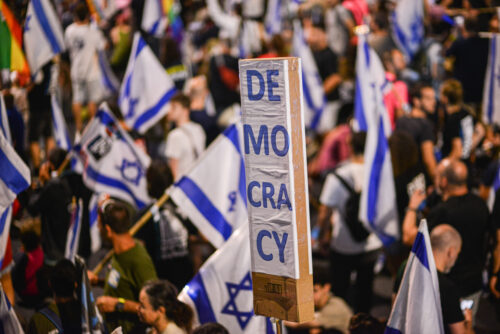
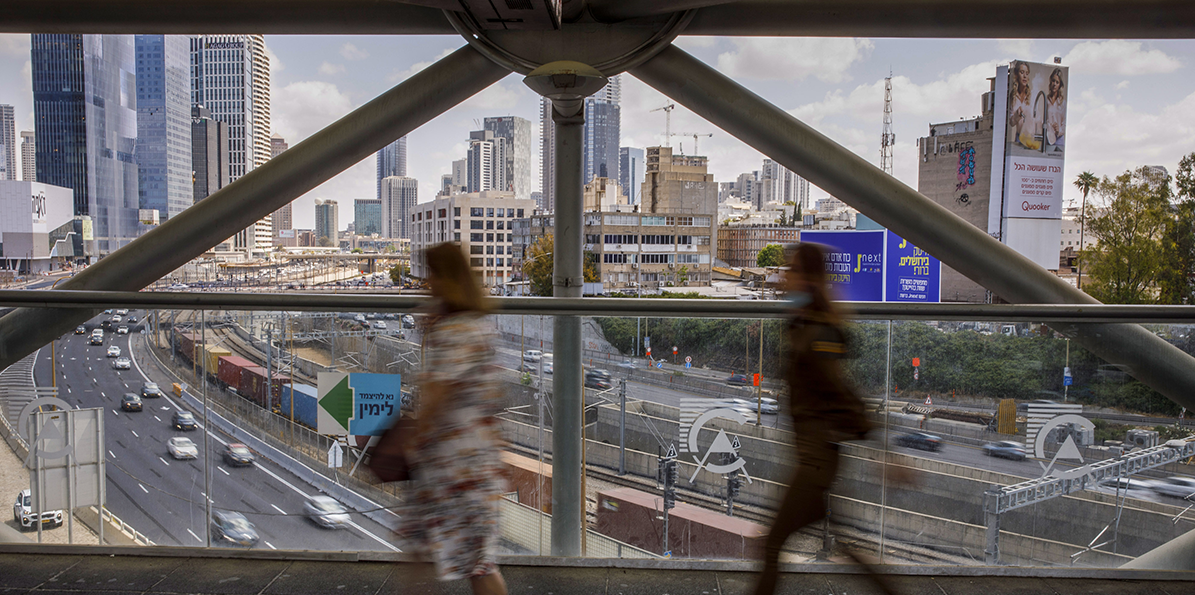
Israel is preparing to hold what may be its most consequential election in decades. On October 27, Prime Minister Benjamin Netanyahu will face his first electoral test since October 7, 2023. In this bonus episode of Middle East Focus, we present the audio from a recent MEI webinar, hosted in Israel on the eve of the vote. Senior Fellow Natan Sachs is joined by Dr. Shira Efron, Distinguished Chair for Israel Policy and senior fellow at the RAND Corporation, and Neri Zilber, veteran journalist and Financial Times correspondent. They explore what’s at stake in this historic election and how different outcomes could reshape Israel’s domestic politics and the wider region.
Israel Was Built on Hope. This Election May Be Our Last Chance to Save It
Israel’s national anthem, Hatikva, means “the hope.” Israel is not just another country, but the culmination of a 2,000-year-old dream of national redemption. The rebirth of the Jewish people’s ancestral homeland, just three years after the Holocaust, was a miraculous triumph of hope over all odds.
Today, that hope has been shattered and the elections on October 27 have become the most consequential in Israel’s history.
Washington says it doesn’t know who runs Iran. Tehran insists its leadership is united. MEI Senior Fellow Alex Vatanka joins hosts Alistair Taylor and Matthew Czekaj to sort out where the truth lies. They look at the small circle of political and military figures now steering the war effort in Tehran: who they are, how they make decisions, and how unified they really are. They also discuss the current state of US-Iran negotiations, the role of the upcoming midterm elections in the United States, and how the Islamic Republic is preparing for a potential renewal of conflict afterward.
Since 1967, Israeli settlements in the West Bank have been a contested feature of the Israeli-Palestinian conflict. The ultimate disposition of the settlements and ongoing activity related to their growth have repeatedly defied agreement in negotiations over a resolution to the conflict.
The Houthis are a political-military faction and Zaydi religious movement founded in northwestern Yemen in the 1980s. A key member of Iran’s Axis of Resistance with links to other militant organizations in the Arabian Peninsula and the Horn of Africa, the group has continued to pose a threat to Western interests on a global scale.
The India-Middle East-Europe Economic Corridor (IMEC) is a proposed multinational infrastructure initiative aimed at upgrading connectivity between the three regions through integrated trade, energy, and digital networks. Announced at the G20 summit in New Delhi in September 2023, IMEC is envisioned partially as a counterweight to China’s international infrastructure project, the Belt and Road Initiative.
After a decade of post-Arab Spring isolation, Turkey’s leaders have recognized that their ambition to position the country as an agenda-setter on the world stage requires active engagement in all directions. President Recep Tayyip Erdoğan’s consolidation of executive authority has centralized foreign policy decision-making and tied it to his domestic political priorities, transforming the country’s revisionist approach to one shaped primarily by personal and pragmatic interests.
MEI Senior Fellow Brian Katulis engages friends, colleagues, and policy experts in casual conversations on the most important happenings in the Middle East.
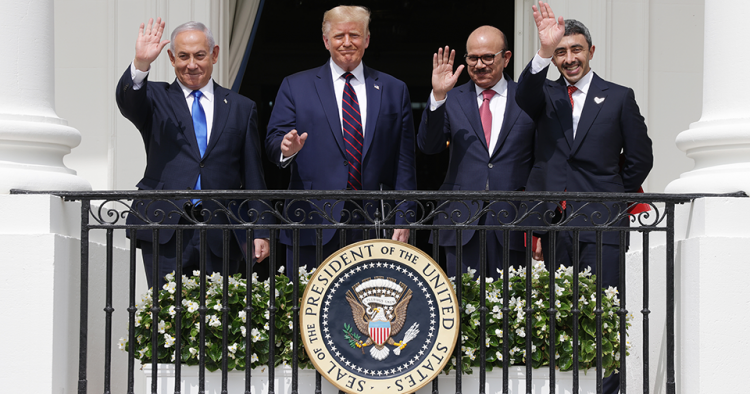
On Sept. 15, 2020, Emirati Foreign Minister Abdullah bin Zayed al-Nahyan, Bahraini Foreign Minister Abdullatif bin Rashid al-Zayani, then-Israeli Prime Minister Benjamin Netanyahu, and then-U.S. President Donald Trump met on the South Lawn of the White House to sign the Abraham Accords, normalizing relations between the two Gulf Arab states and Israel. Morocco followed suit several months later, signing a similar agreement with Israel on Dec. 22, and a week and a half after that, on Jan. 6, 2021, Sudan and Israel also agreed to normalize relations. A year on, these accords have had a significant, if not yet fully realized, impact on the Middle East, affecting everything from geopolitics and economics to tourism and people-to-people (P2P) ties, and they also reflect the changing dynamics in the region and beyond, particularly with the U.S. and China.
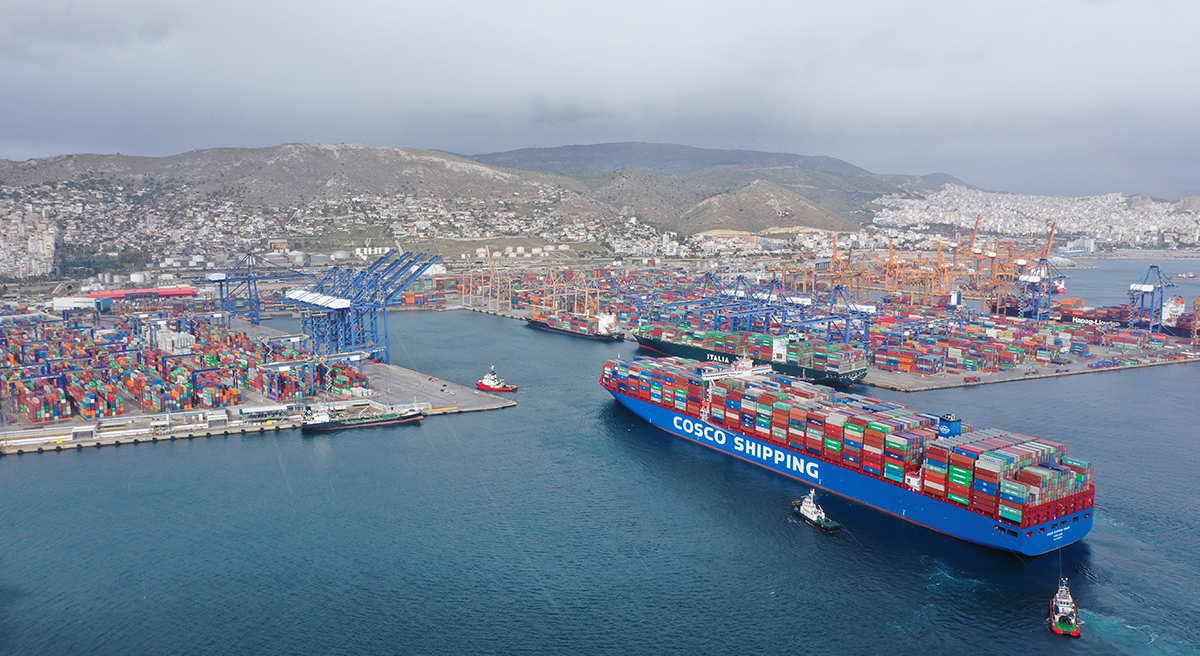
One of the most consequential changes in the Middle East’s geopolitical map is happening at the water’s edge. Along the entire eastern rim of the Mediterranean basin, global and regional actors are engaging in a spate of port capacity expansions, new private port construction, and the sell-off of major state-owned ports that will determine who sits atop the region’s global trade flows for decades to come. The international competition to rebuild Beirut’s port is one key puzzle piece in this larger process that is reconfiguring the Levant’s maritime commercial architecture and, as a consequence, the geopolitical contours of the Middle East.
The possibility that the Lebanese government could opt for China to reconstruct Beirut’s port has raised alarm in Washington and European capitals given China’s already outsized commercial port presence in Egypt, Israel, and Greece. Increased Chinese involvement in Lebanon’s port operations could consolidate Beijing’s hold over the commercial connectivity architecture of the Levant. Re-orienting global commercial flows between Europe, the Middle East, and Asia according to Beijing’s priorities would make China’s Belt and Road Initiative a dominant organizing principle in the international relations of the Middle East. The most effective way to offset China’s ambition may be to facilitate Mediterranean rivals France and Turkey to jointly rebuild Beirut’s port.
A view from the Hill: Congressional actions targeting MENA, April-June 2021
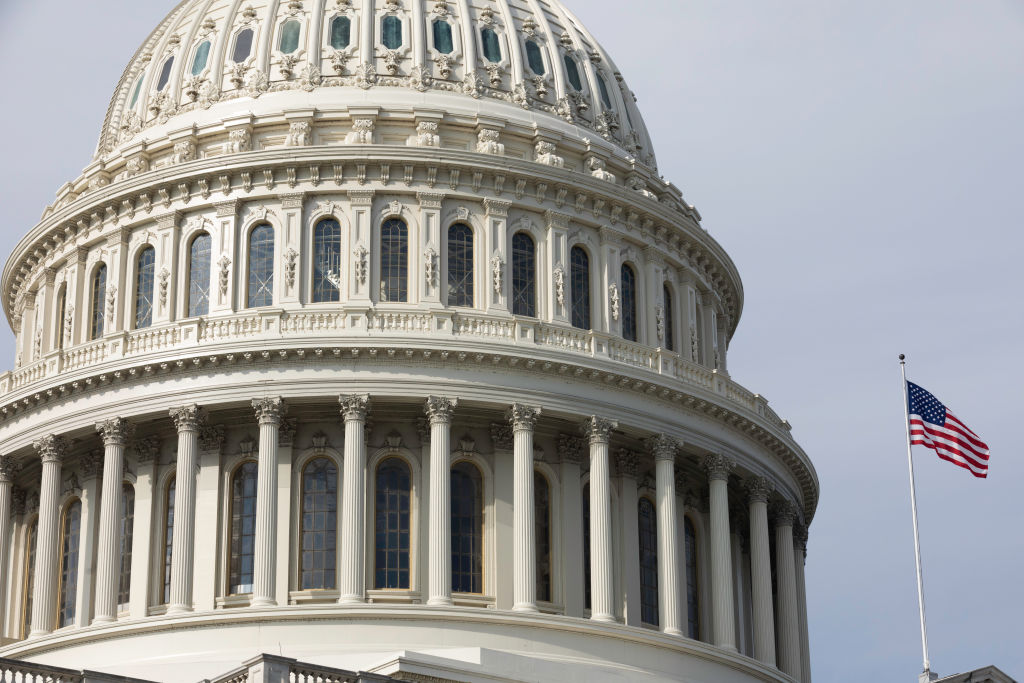
Six months into the 117th Congress, legislators continued to grapple with the complexities of a region in the midst of change. The reasons for this phenomenon were myriad. The Biden administration espoused a divergent worldview from that of its predecessor, the balance of power in Congress shifted, the international community continued to struggle with the ramifications of COVID-19, the Abraham Accords altered the dynamics between Israel and other regional actors, while the outbreak of violence between Israel and Gaza attracted attention from both sides of the aisle. Legislators offered an increased number of proposals to address these and other realities in the second quarter of 2021, marking a sharp uptick in legislation focused on MENA compared to the first quarter of the year.
Hossein Amirabdollahian: A Quds Force favorite becomes Iran’s new foreign minister (Part 2)
Due to his divergent views on Iran’s international and regional policies, Hossein Amirabdollahian had various disagreements with then-Foreign Minister Mohammad Javad Zarif while serving as deputy foreign minister beginning in 2011, and these ultimately led to his removal from the post in June 2016. The official reason announced for the change was Amirabdollahian’s appointment as Iran’s new ambassador to Oman, although he refused to accept the position.
Hossein Amirabdollahian: A Quds Force favorite becomes Iran’s new foreign minister (Part 1)
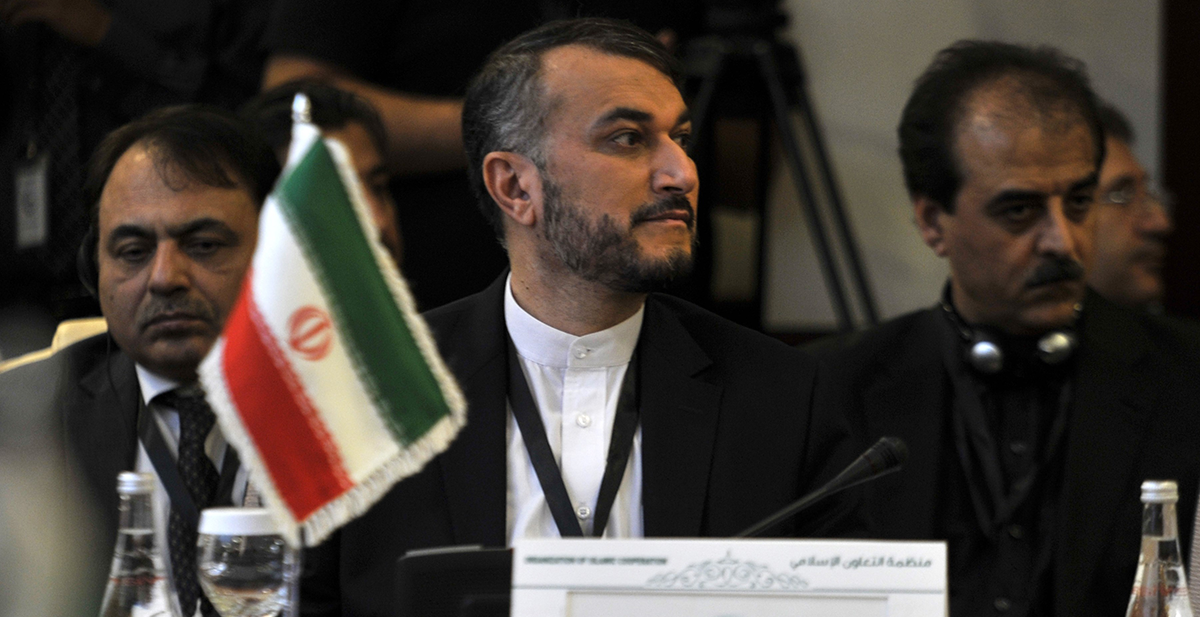
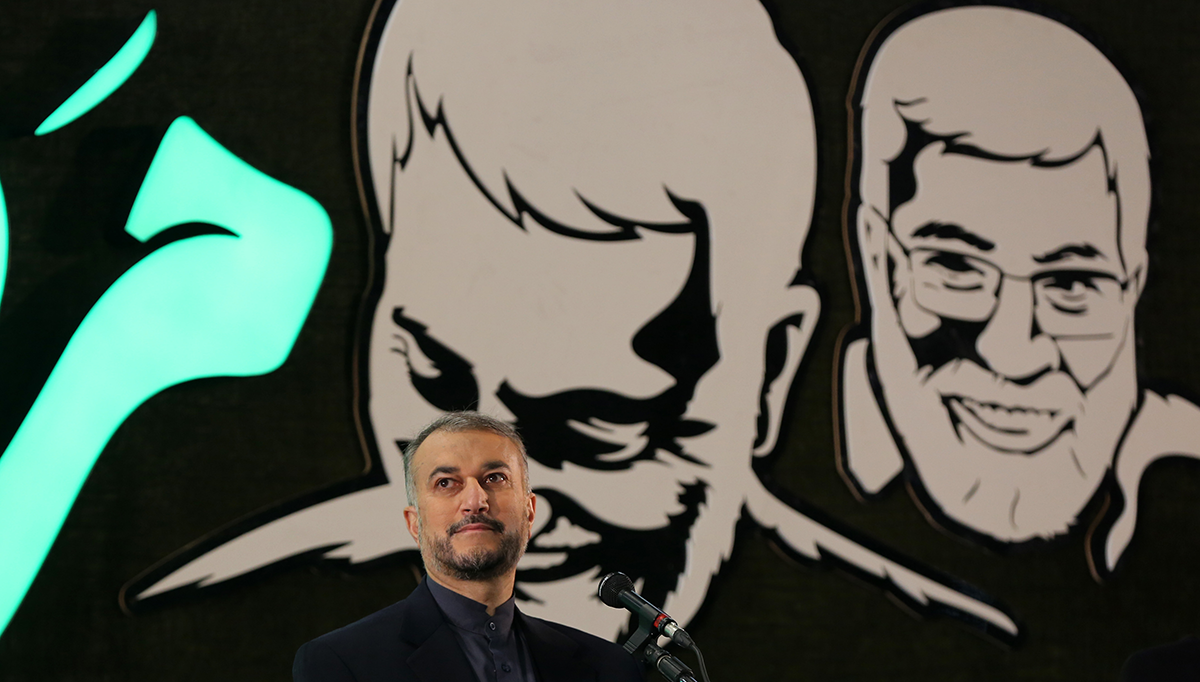
Hossein Amirabdollahian, Iran’s new foreign minister, is famous for his exceptionally close relationship with the Quds Force, the foreign operations branch of the Islamic Revolutionary Guard Corps (IRGC), as well as its regional allies.
Dr. Marvin Weinbaum, director of MEI’s Afghanistan and Pakistan program, joins host Alistair Taylor for a bonus episode responding to the Taliban’s rapid overthrow of the Afghan military and government over the past week.
Amb. Dennis Ross and Karen Young join guest host Gerald Feierstein to discuss the progress of relations between Israel and the Arab world one year after the signing of the Abraham Accords, as well as the agreement’s economic impacts and what role the United States will play moving forward.
Israel and Egypt top growth expectations in MENA: A tale of two divergent strategies
The two countries in the Middle East with the highest growth expectations for 2022 are Israel and Egypt. Fitch Solutions estimates that MENA-wide GDP will grow by 3.6% in 2021, after a contraction of 4% in 2020. Egypt and Israel are the only countries within the region expected to grow their economies beyond the size of their pre-COVID-19 levels for 2021.
Background Briefing: The Geopolitics of Afghan-Iranian Relations
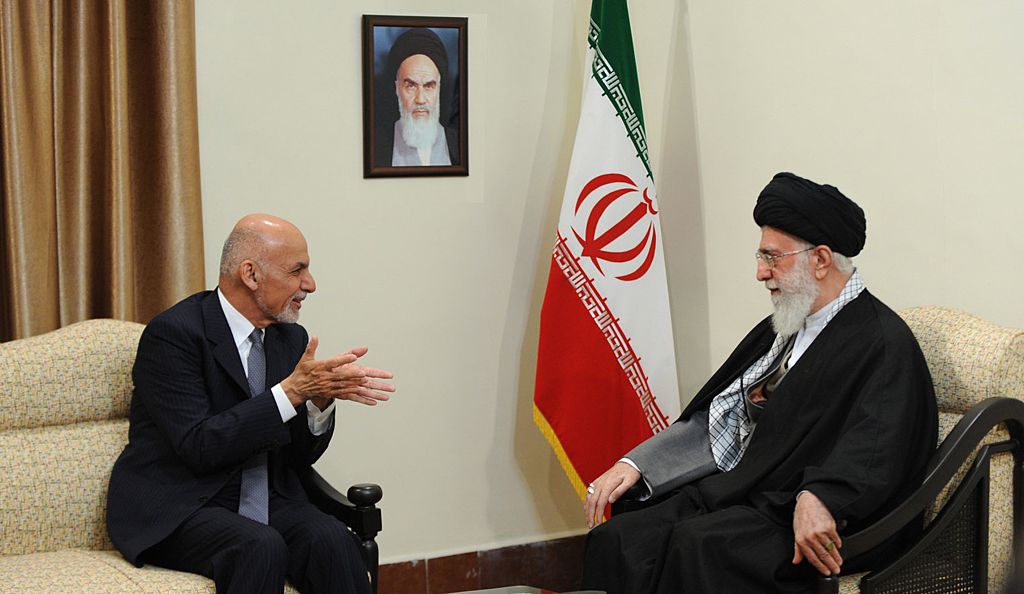
The below is an excerpt from the article, “The Geopolitics of Afghan-Iranian Relations,” by Ali A. Jalali, in the Summer 2021 issue of The Middle East Journal. The full article has been made available for free download for a limited time.
الكارثة الأفغانية وعواقبها على الشرق الأوسط الكبير
أولًا، انتصار طالبان يمثل انتصارًا هائلًا لرواية القاعدة والحركة الجهادية الأوسع. فبعد عشرين عامًا من وقوع الهجمات على الولايات المتحدة، ها هي الولايات المتحدة تُهزَم مرة أخرى وتُجبّر على الانسحاب بشكل مُذَل. سيكون هذا الانتصار بمثابة “برهان على صحة مبدأ” التجنيد الرئيسي للحركات الجهادية المتطرفة لعقود قادمة، ويجب أن نتوقع زيادة جديدة في التجنيد والعمل الجهادي في المنطقة، وزيادة المخاطر على المصالح الأمريكية والأراضي الأمريكية. ومن ثم فعلى الولايات المتحدة العمل مع الحلفاء والشركاء في المنطقة لوقف هذا المد المحتمل.
The Cipher Brief:Did you ever envision that the U.S. would pull out so quickly or completely leaving the Afghan military on its own without U.S. air support?
General Votel: I did not anticipate this during my time – but once the President sets a hard departure date – then a fast withdrawal is inevitable. No Commander wants to accept unnecessary risk with troops on the ground when you are up against a clearly articulated departure date.
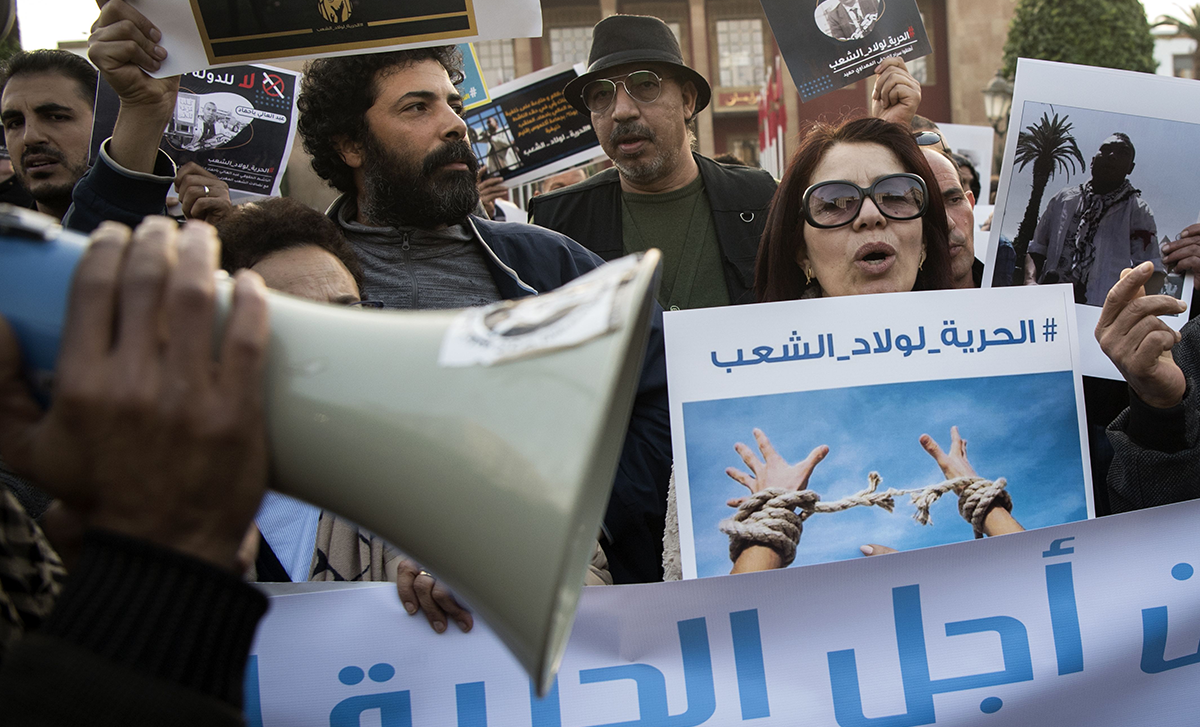
Testimony | "Briefing on Human Rights and Freedom of Expression in Morocco"
The following testimony was presented to the House Foreign Affairs Committee, Tom Lantos Human Rights Commission “Briefing on Human Rights and Freedom of Expression in Morocco” on August 12, 2021.
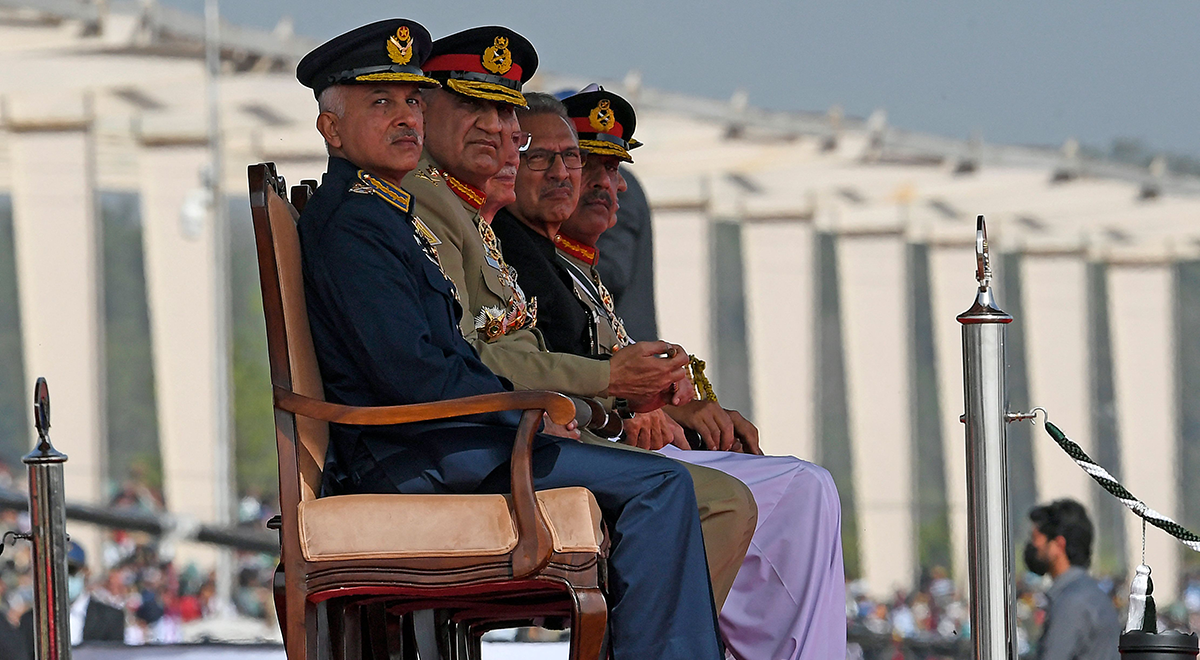
“You’re all going to die”: Persuading Pakistan’s generals to see the light
“You’re all going to die,” the diminutive, senior U.S. intelligence official observed in matter-of-fact fashion to her stunned Pakistan Inter-Services Intelligence (ISI) hosts. Her rather blunt appraisal was uncharacteristic of the engagement to which the senior Pakistani officials had grown accustomed and cut to the chase: the consequences of decades of Pakistan’s support to the Taliban, violent Kashmiri liberation groups, radical madrassas, and extremist local political groups were coming home to roost.
The oldest peer-reviewed publication dedicated to the study of the modern Middle East, MEI’s flagship journal covers politics, society, and culture in the region.